2027 F1 Japanese Grand Prix: The Crowd-Free Ise-Shima Stay & Complete KINTETSU RAIL PASS Guide
Explore Your Interests
2026.10.18
Category :
Area :
Recommended Season :
Spring
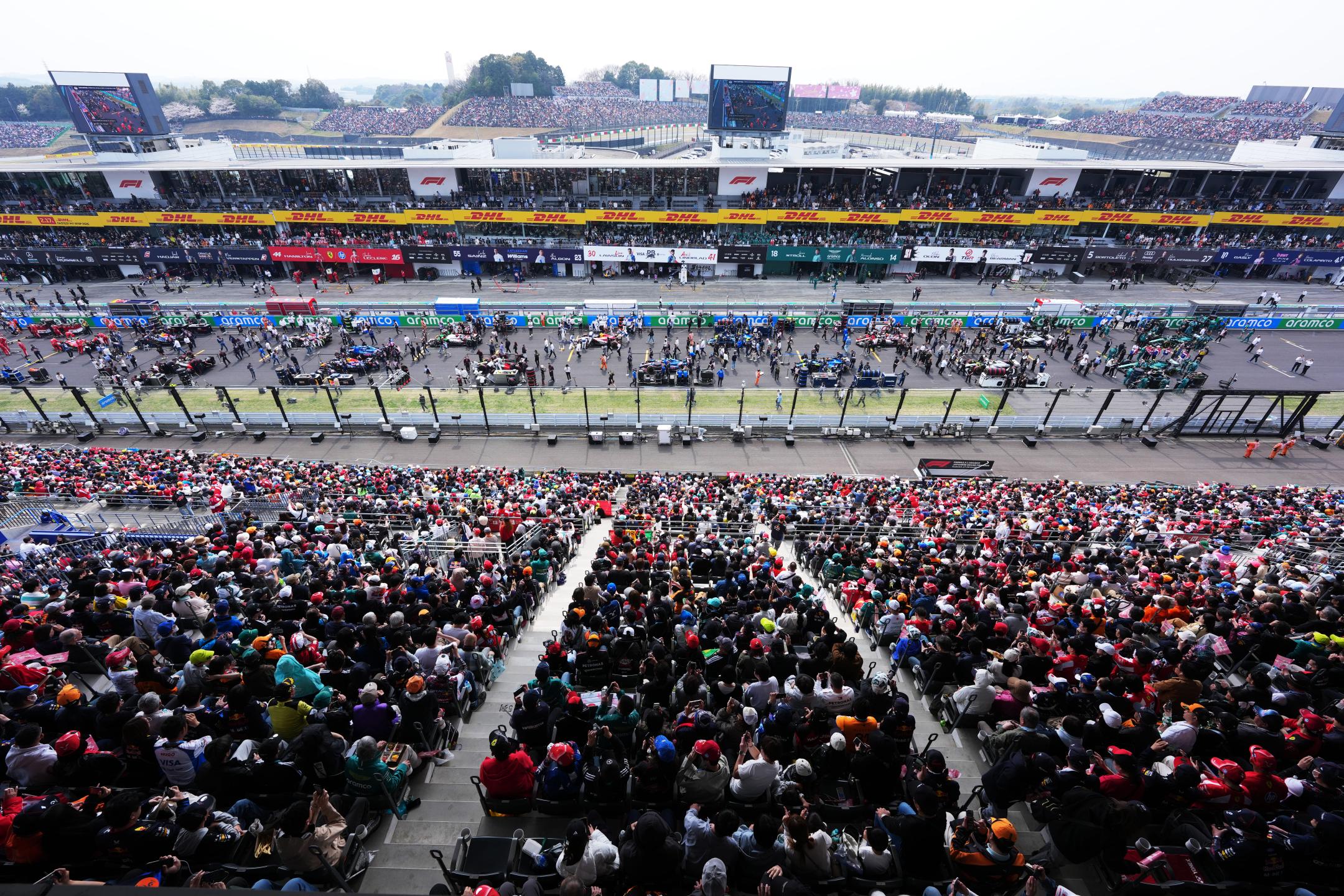
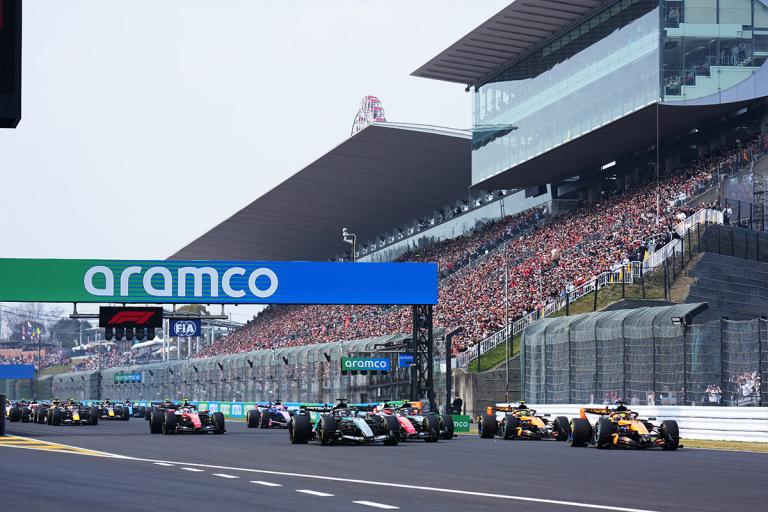
As the pinnacle of motorsport, the FIA Formula 1 World Championship (F1) commands worldwide renown. Throughout its storied history, the venue for the Japanese Grand Prix—Suzuka Circuit in Suzuka City, Mie Prefecture—has been consistently praised by drivers and team personnel across the globe as "one of the most exhilarating tracks to drive, and a truly special place to visit." For passionate motorsport fans, it goes without saying that Suzuka is a revered sanctuary.
Heading into the 2027 season, countless fans across the globe are already finalizing their travel plans. Beyond securing race tickets, smooth transportation and lodging choices are crucial factors. That is why we recommend an alternative approach: a comfortable, luxurious stay based in the Ise-Shima area, entirely avoiding the congestion and rushed transit of typical race weekends.
This guide outlines a smarter way to experience the 2027 Japanese Grand Prix, paired with an itinerary designed to immerse you in Ise-Shima—a region of profound historical and spiritual significance for the Japanese people.
Suzuka Circuit
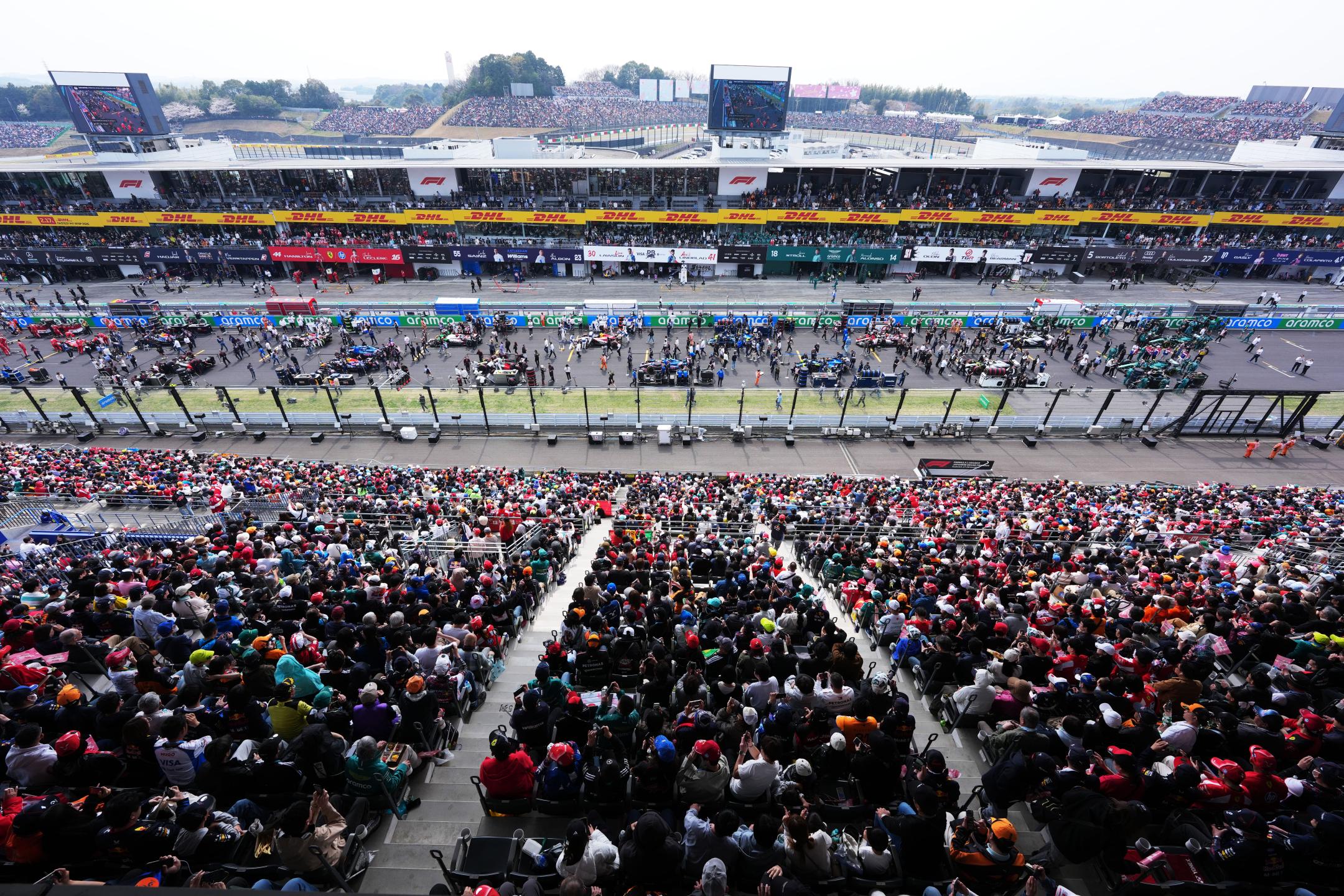
●Smart Access from Kansai International Airport and an "Outside-the-Box" Accommodation Strategy
When attending the F1 Japanese Grand Prix at Suzuka, most travelers default to staying in major metropolitan hubs like Nagoya or Osaka. However, for a far more comfortable visit that also allows you to enjoy Mie Prefecture’s breathtaking coastal scenery, staying in Ise-Shima—in the opposite direction of the crowded Nagoya corridor—is the smarter choice. This counter-intuitive strategy is the key to elevating your journey's comfort.
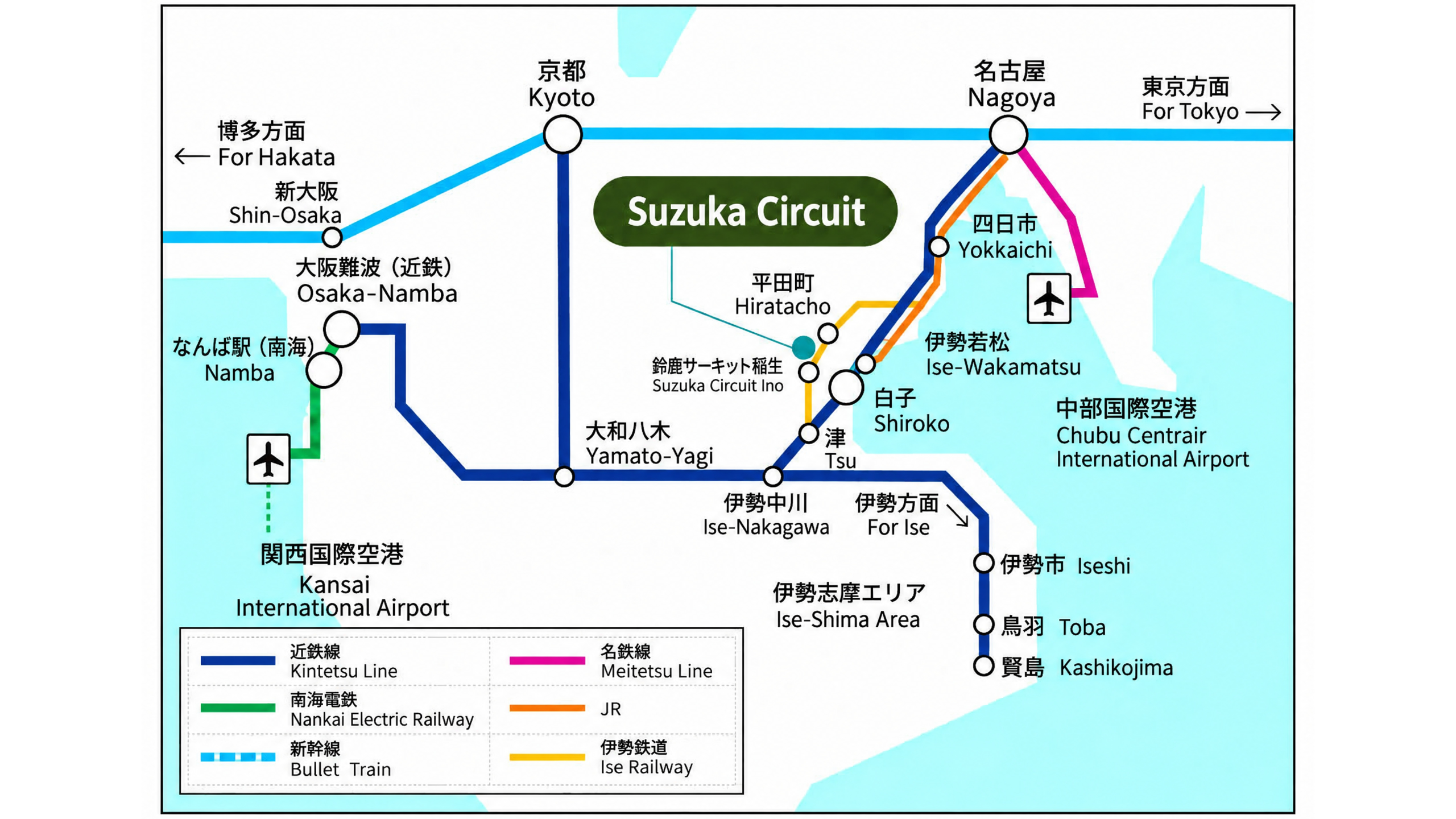
Upon landing at Kansai International Airport (KIX), board the Nankai Electric Railway (taking either the reserved-seat Limited Express Rapi:t in about 35 minutes or the Airport Express in about 45 minutes) for a direct ride to Namba Station. From Nankai Namba Station, take an easy 8-to-15-minute walk (15 minutes is recommended for first-time visitors) to Osaka-Namba Station, where you can transfer directly to the Kintetsu Line.
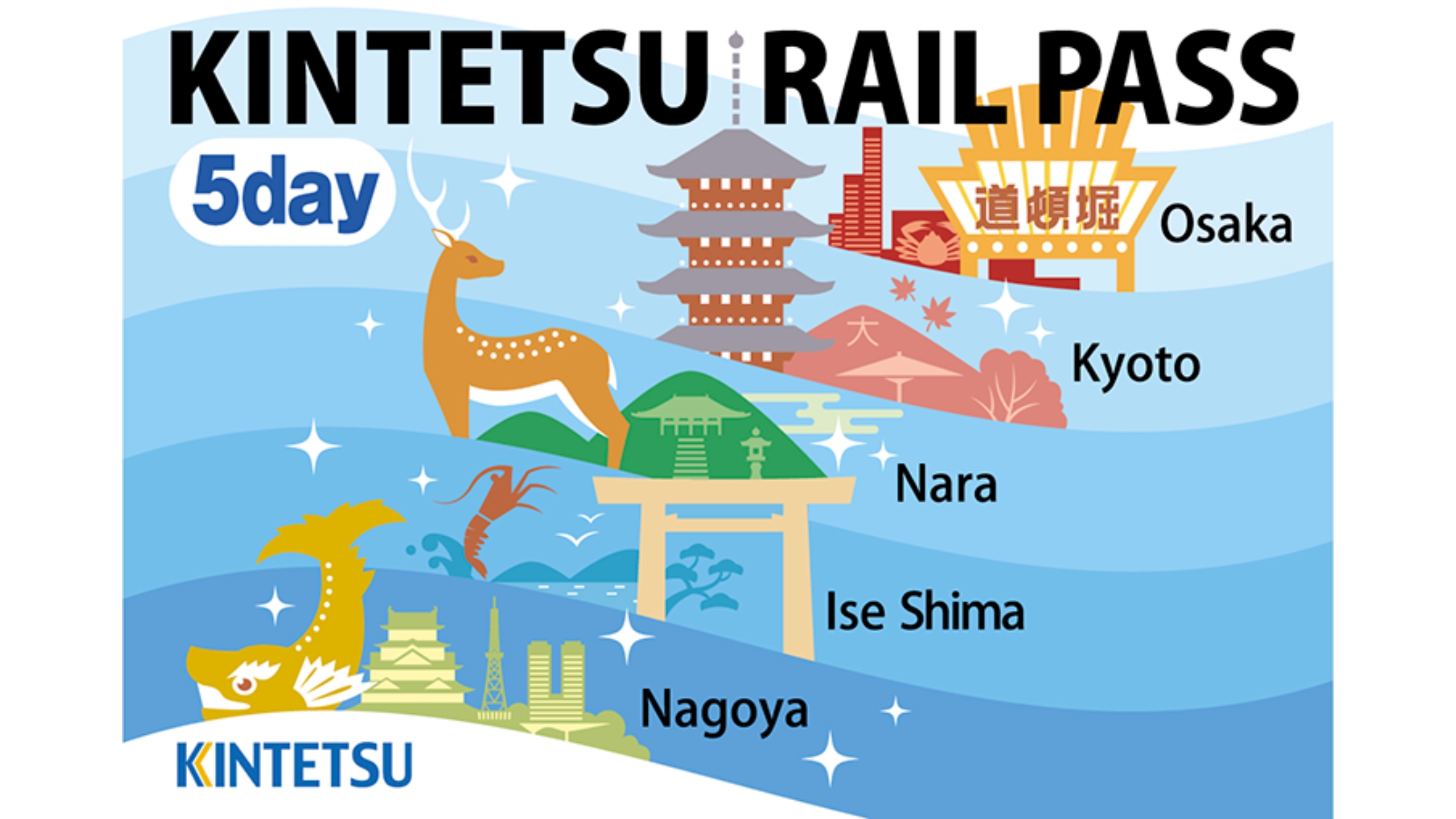
To travel from Osaka-Namba to the Ise-Shima area, the cost-effective KINTETSU RAIL PASS (5-Day Pass or 5-Day Plus Pass), designed exclusively for international visitors, is your best option. With this pass, you enjoy unlimited rides across Kintetsu’s extensive network starting from Osaka-Namba Station. An easy-to-use online reservation site allows you to purchase Limited Express tickets (available for an additional fee) directly from your smartphone, ensuring smooth travel without language barriers or ticket-counter hassles, even for first-time visitors to Japan.
Traveling from Kansai International Airport via the Nankai Line to Namba, and then boarding a comfortable Kintetsu Limited Express train toward Ise-Shima, guarantees a stress-free, relaxing journey right from the start—one of the standout advantages of this reverse-commute approach.
KINTETSU RAIL PASS (5-Day Pass or 5-Day Plus Pass)
●Bypassing Post-Race Gridlock: The Strategic Advantage of Staying in the "Opposite Direction"
At massive international sporting events, severe transit congestion and long delays inside stations often cause the greatest travel headaches.
Following the race, the vast majority of spectators head in the same direction toward Nagoya to return to their hotels. By contrast, if you choose accommodations in Ise-Shima or Toba, you simply use your KINTETSU RAIL PASS to travel southbound from stations like Shiroko—heading straight away from the massive crowds. This reverse commute allows you to bypass the chaos entirely, savoring the excitement and thrills of the Grand Prix without unnecessary travel fatigue.
For travelers planning to drive a rental car, the road conditions between the Nagoya and Ise directions show an equally stark contrast. Post-race highway traffic is notoriously congested toward Nagoya, whereas routes heading south toward Ise remain significantly clearer, providing an easy, relaxed drive back to your resort.
●Unwinding in Japan’s Premier Marine Resort with Exquisite Local Cuisine
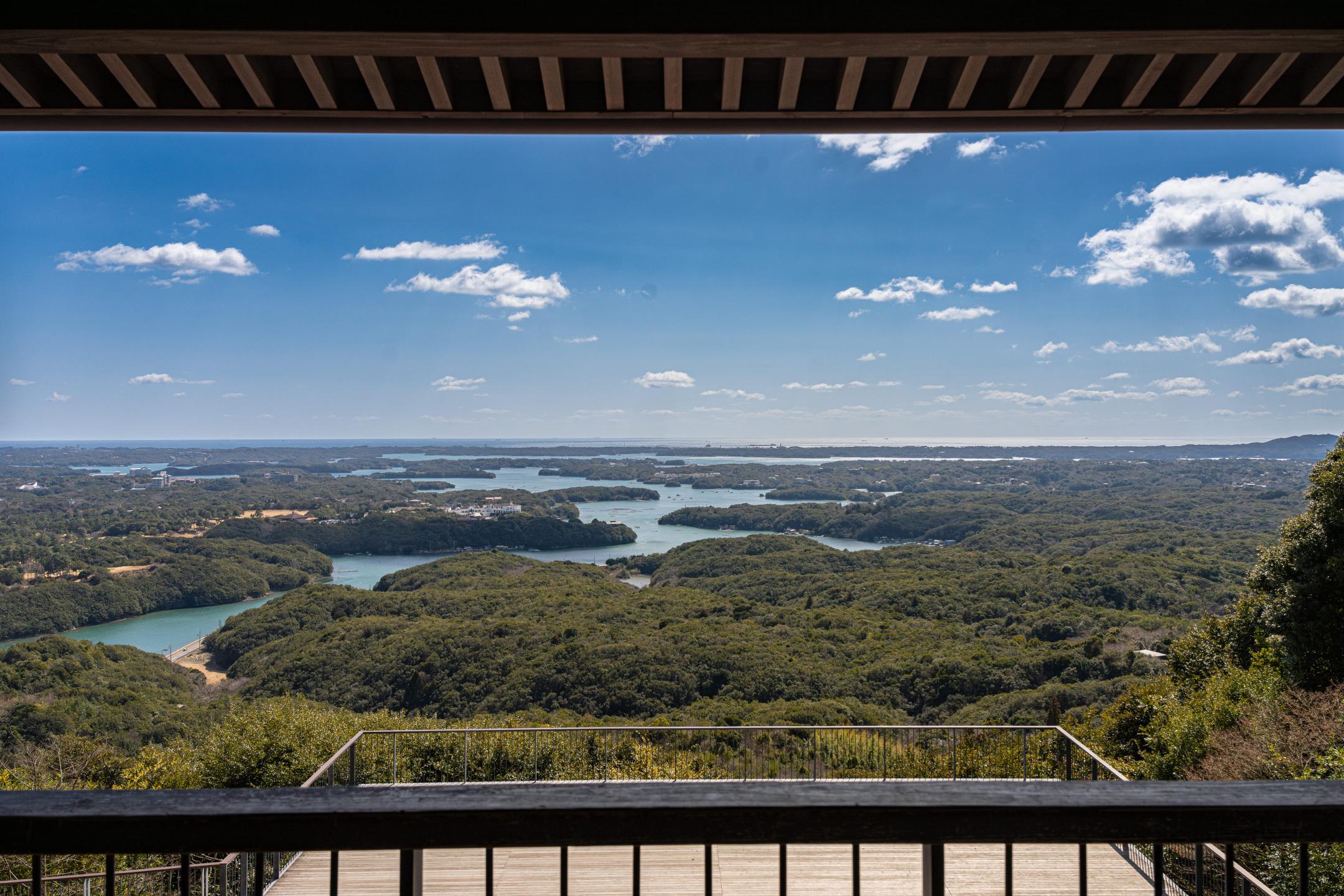
The Ise-Shima area is renowned for its ria coastline, captivating travelers from around the world. As the host location of the 2016 G7 Ise-Shima Summit, it stands as one of Japan’s premier coastal resort destinations, featuring refined luxury hotels alongside high-end traditional ryokan offering natural hot springs (onsen) and authentic Japanese hospitality (omotenashi).
Where the waters of the ria coastline mix with the warm Kuroshio Current, a nutrient-rich marine ecosystem thrives. Throughout the year, the region yields an abundance of world-class seafood: firm, succulent Ise spiny lobster (Ise-ebi), nurtured by rough ocean waves; abalone (awabi), packed with rich umami and the fresh fragrance of the sea; and prime seasonal fish unique to local waters. Historically, Ise-Shima served as a dedicated supplier of premium foods to the Imperial Court and Ise Jingu, an honor made possible by its ocean bounty. Exquisite multi-course meals prepared with fresh ingredients from Ise-Shima’s forests and seas will elevate your trip.
Furthermore, incorporating Kintetsu’s flagship sightseeing limited express, Shimakaze, turns your journey into an entertainment experience of its own. Featuring spacious premium seating, panoramic windows looking out onto pastoral landscapes, and a dedicated cafe car, your ride becomes a memorable highlight.
●The Ultimate Japan Trip: Merging Ancient Heritage with World-Class Motorsport
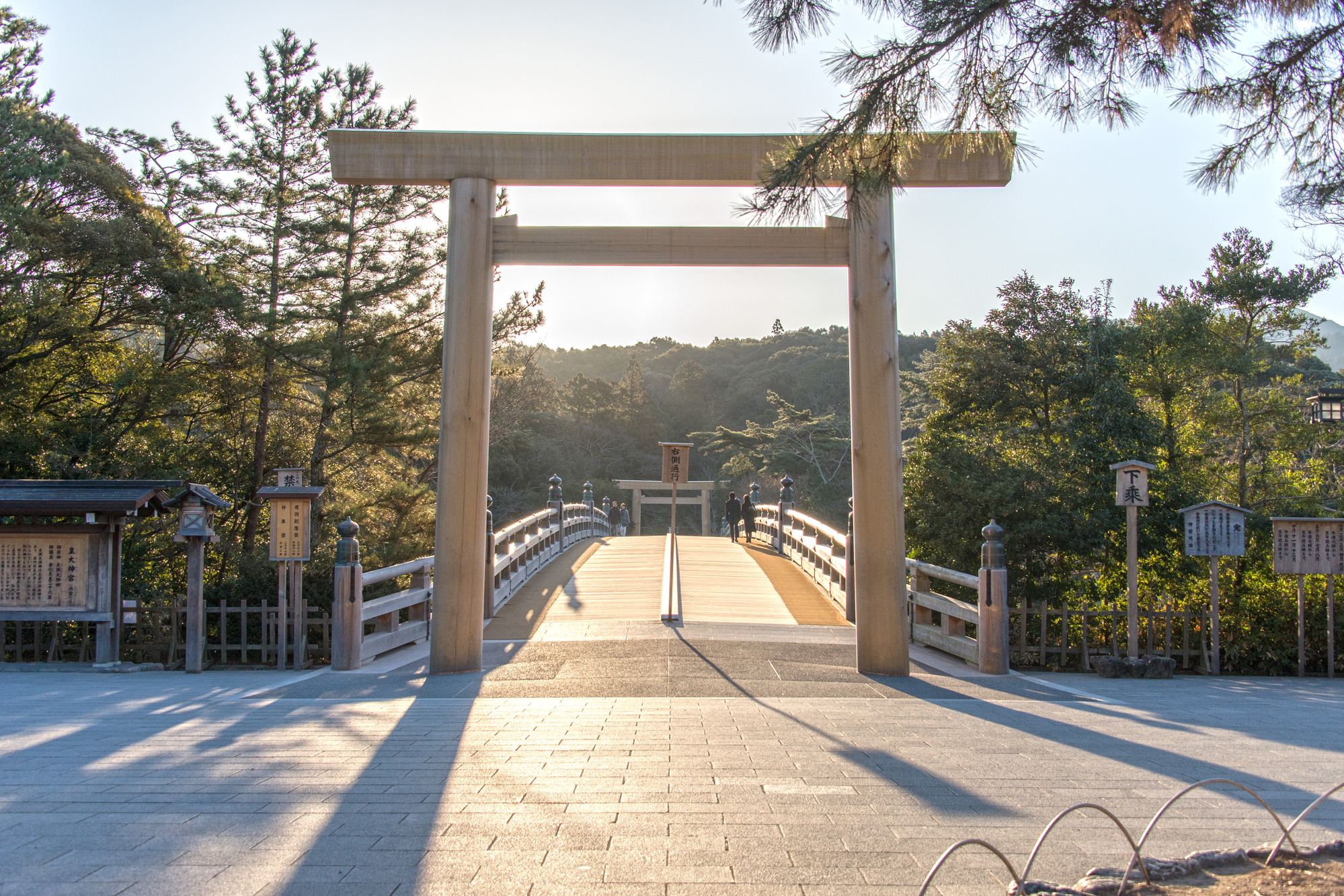
After experiencing the raw speed of the world’s elite drivers and machinery, the roar of the engines, and the electric atmosphere at Suzuka Circuit, you can transition smoothly into the serene sanctuaries where Japan’s spiritual and historical roots run deep.
A visit to this region would not be complete without paying respects at Ise Jingu (the Grand Shrine of Ise), long regarded by the Japanese people as the cradle of their spiritual culture, immersed in a sacred and solemn ambiance.
Ise Jingu consists of the Geku (Outer Shrine) and the Naiku (Inner Shrine). To fully appreciate its profound history and long-standing traditions, custom dictates visiting the Geku first before heading to the Naiku. Near the Geku, the Sengukan Museum details the Shikinen Sengu—a sacred rebuilding ritual performed every 20 years for over 1,300 years—as well as annual rites, providing deeper insight into Japanese spirituality and history beyond typical sightseeing.
After visiting the Sengukan Museum, proceed to the Naiku, which enshrines Amaterasu Omikami, the ancestral sun deity revered across Japan. Before approaching the main sanctuary (Shogu), purifying your hands and mind in the clear waters of the Isuzugawa River is customary—an everyday act of reverence for Japanese visitors that international travelers often find to be a moving, mystical threshold into the sacred grounds.
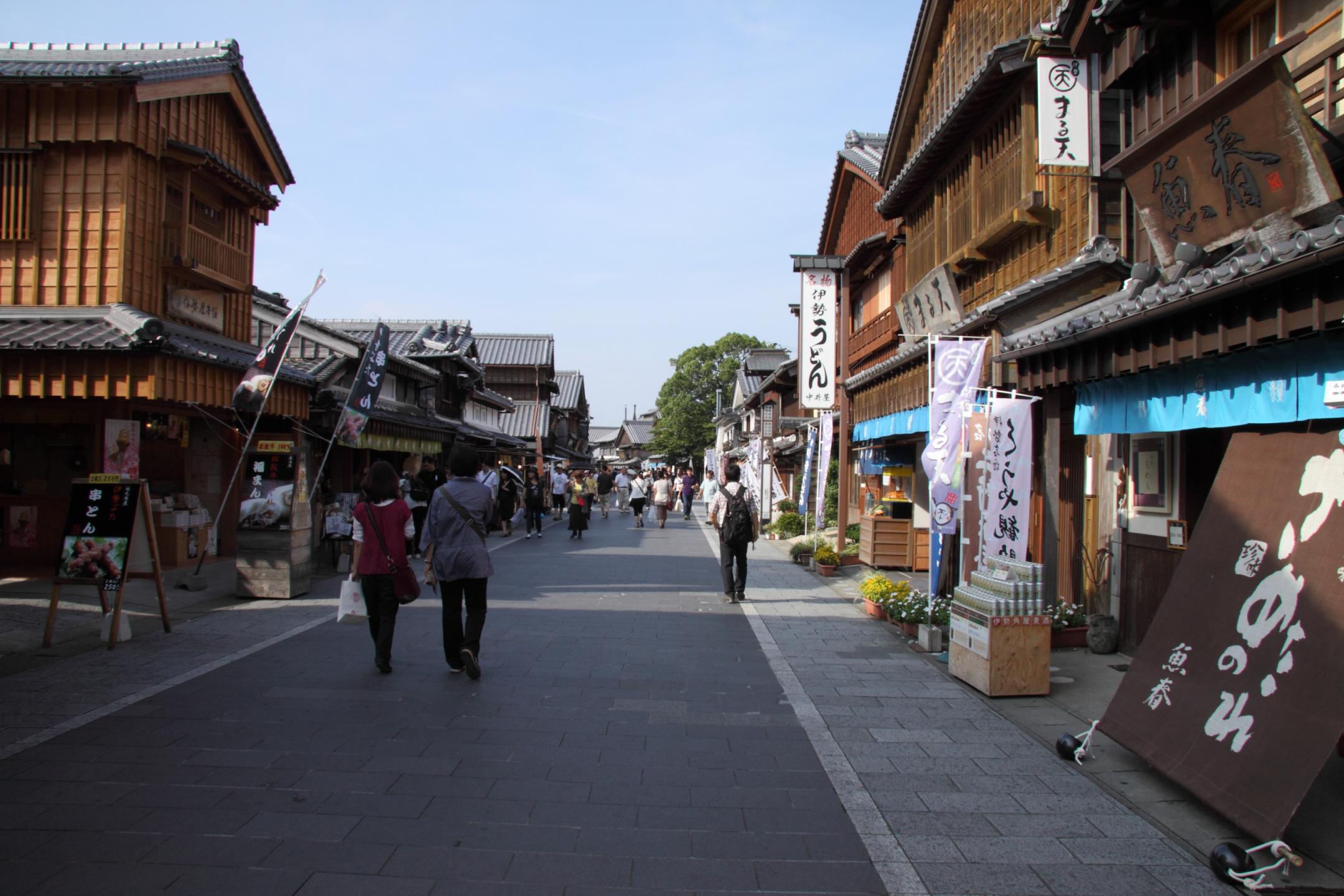
Just outside the Naiku, historic streets recreate the atmosphere of the Edo period, when pilgrimages to Ise (known as O-Ise-mairi) surged in popularity. Along Oharai-machi and Okage-yokocho, visitors can easily sample authentic local street delicacies. Sampling this local fare offers an engaging contrast to the formal multi-course dining at your hotel or ryokan.
Combining the convenience of the KINTETSU RAIL PASS network with elite motorsport, timeless traditions, pristine nature, and world-class dining creates a sophisticated, well-balanced itinerary. For the 2027 F1 Japanese Grand Prix, an Ise-Shima stay will ensure an unforgettable travel experience in Japan.
* For the latest schedule and ticket information regarding the 2027 F1 Japanese Grand Prix, as well as purchase methods and terms for the KINTETSU RAIL PASS, please consult the official websites of Suzuka Circuit and Kintetsu Railway.