Kumano Kodo Adventure Tour
Explore Your Interests
Category :
Area :
Recommended Season :
Spring / Summer / Fall / Winter
About 15 million years ago, the largest volcanic eruption in Earth's history occurred in the Kumano region. The cooled magma from that eruption then solidified into igneous rock, and the entire area was slowly regenerated and transformed. As people believed that gods inhabited natural features such as giant boulders and massive waterfalls, nature shaped the Kumano faith and the Kumano Kodo pilgrimage route. What discoveries await you in this mysterious region? Embark on an adventure along the Kumano Kodo, retracing the prayers and footsteps of those who came before.
Get to Know the Kumano Kodo
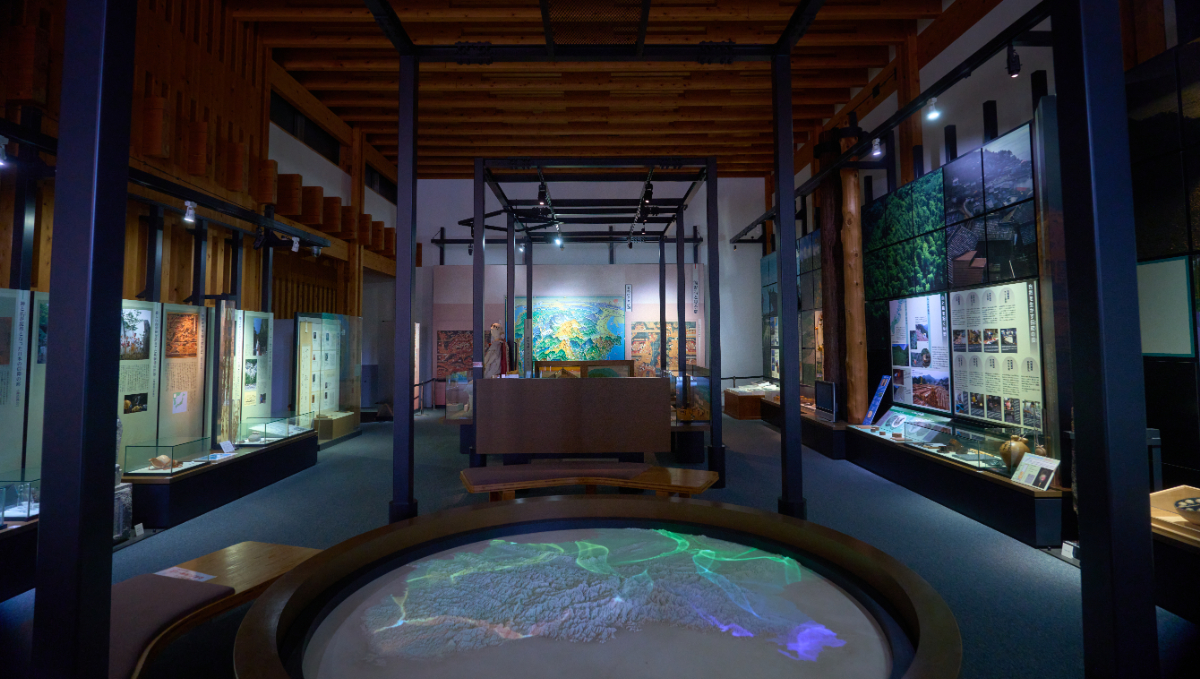
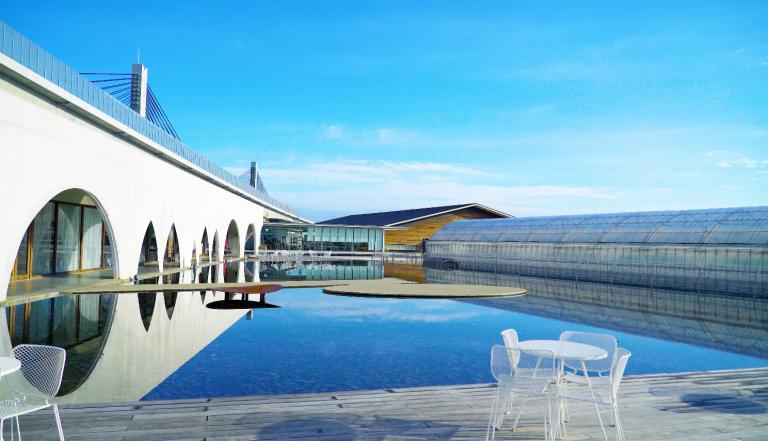
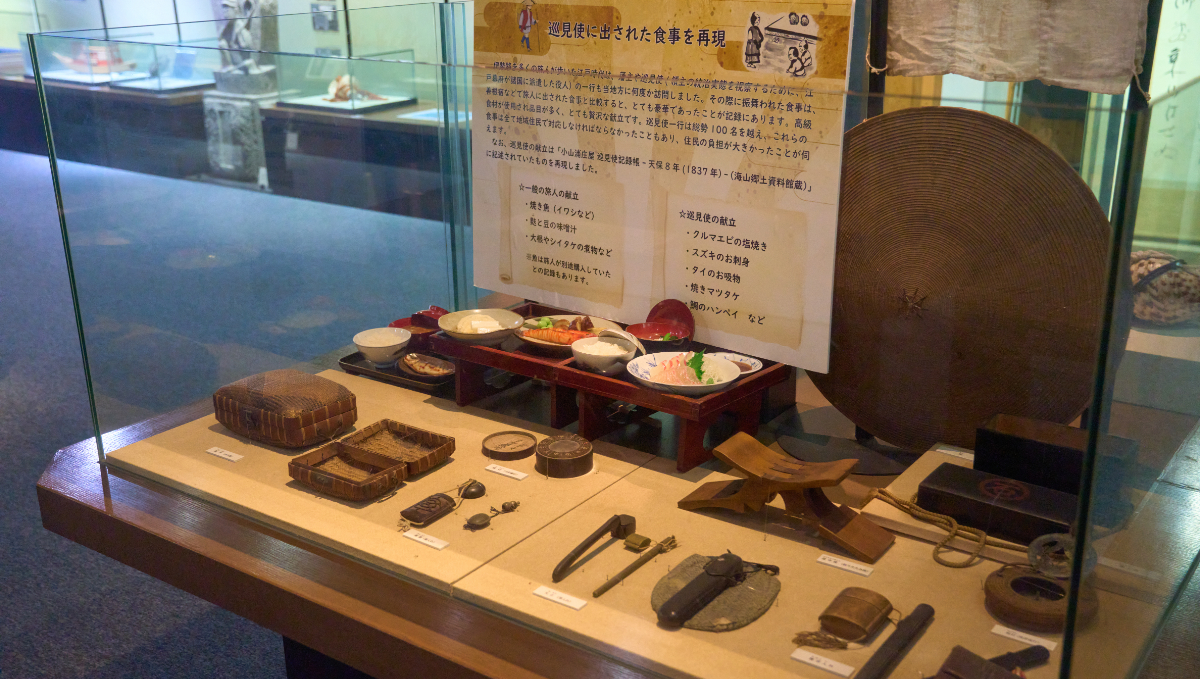
In 2004, the Kumano Kodo Iseji was registered as a UNESCO World Heritage Site, the Sacred Sites and Pilgrimage Routes in the Kii Mountain Range. This site, which offers views of Owase Bay below, was established to increase interest in and understanding of the Kumano Kodo and to pass it on to future generations, introducing the Kumano Kodo and the surrounding history, nature, and culture through exhibitions, activities, and materials.
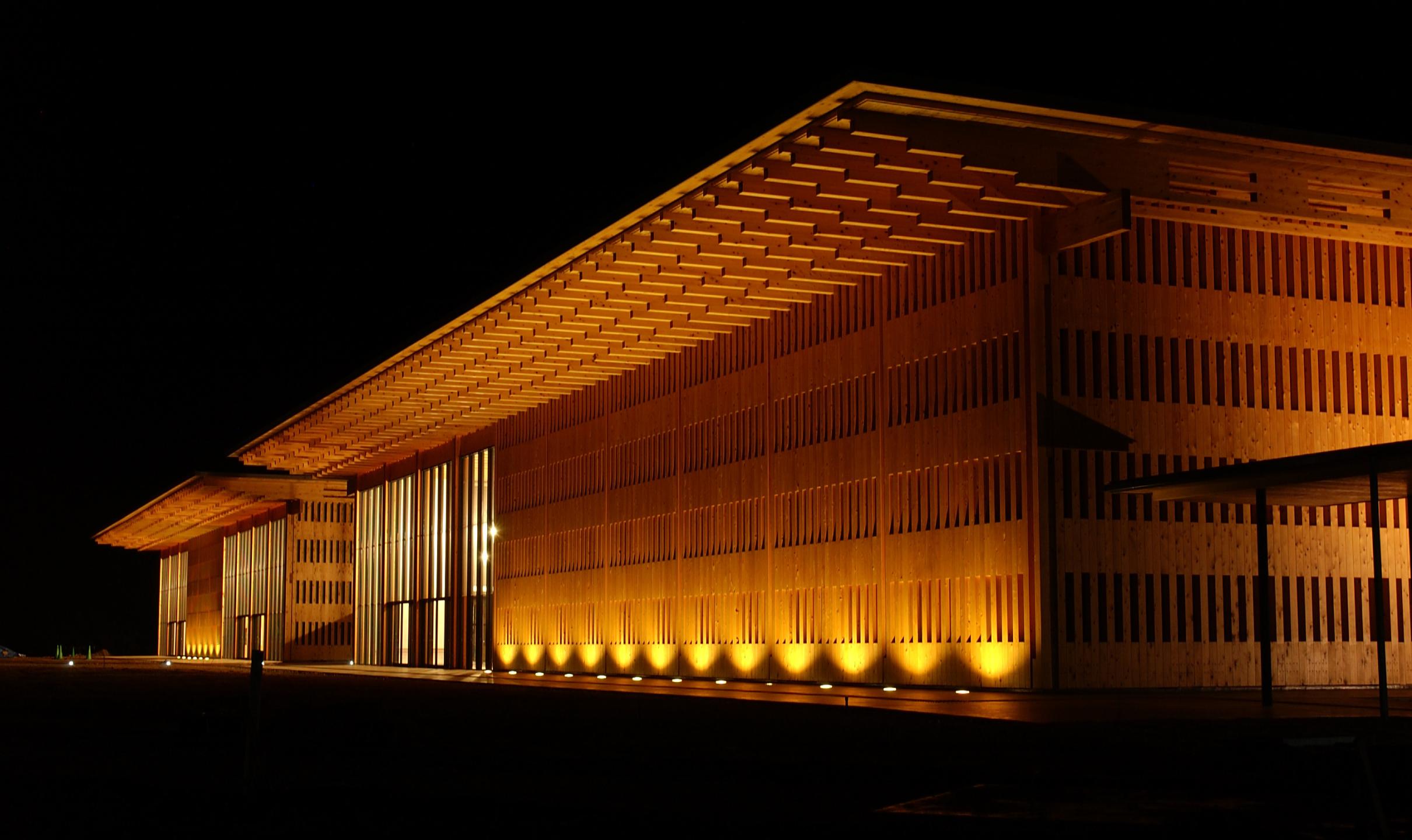
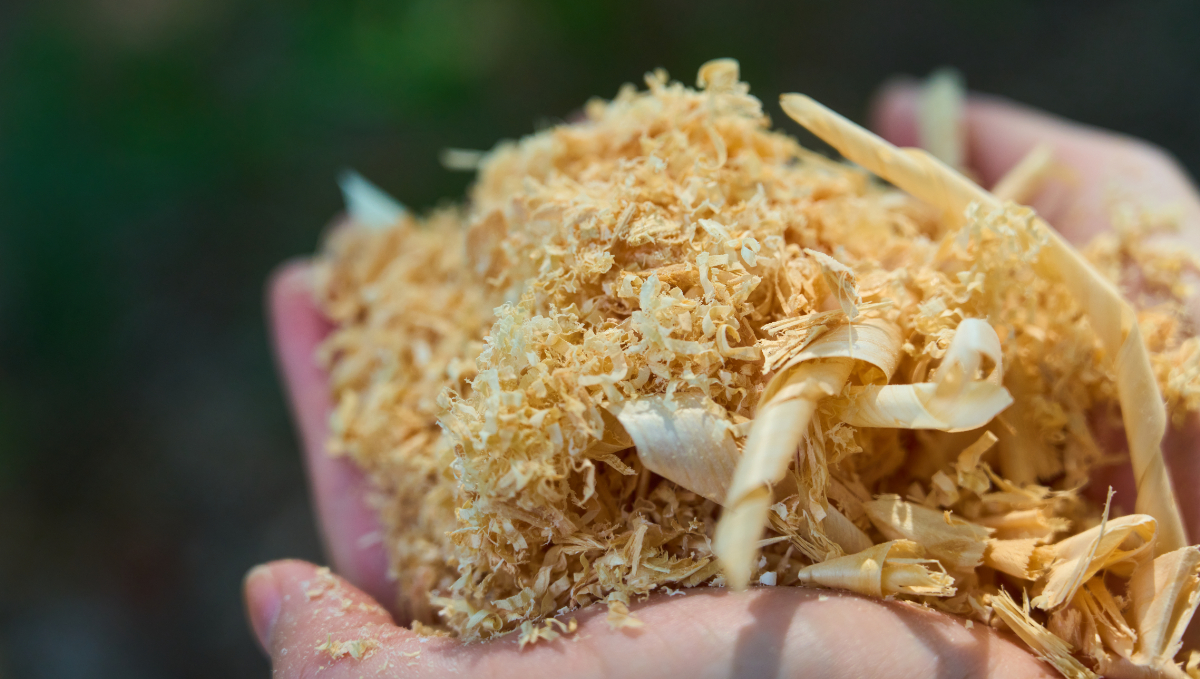
The building itself is constructed with 6,549 pieces of aged Owase cypress wood, chosen for beauty and strength. At night, the Center is illuminated with spectacular lights, and it even offers free Owase cypress wood chips as a thoughtful touch of hospitality.
Mie Prefectural Kumano Kodo Center 12-4 Mukai, Owase, Mie Prefecture
Magose Pass: Kumano Kodo’s Most Beautiful Stone-Paved Trail
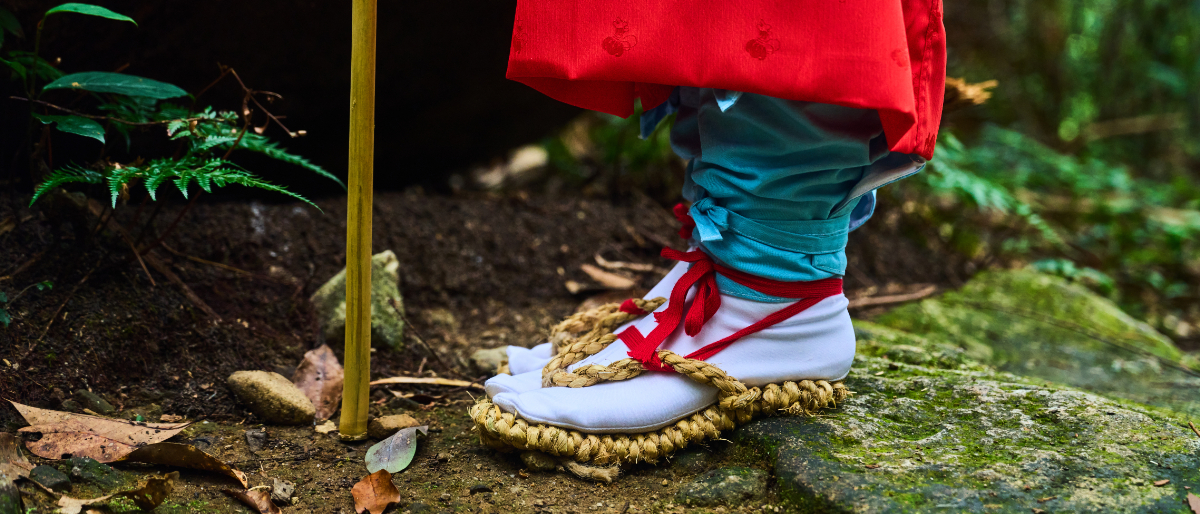
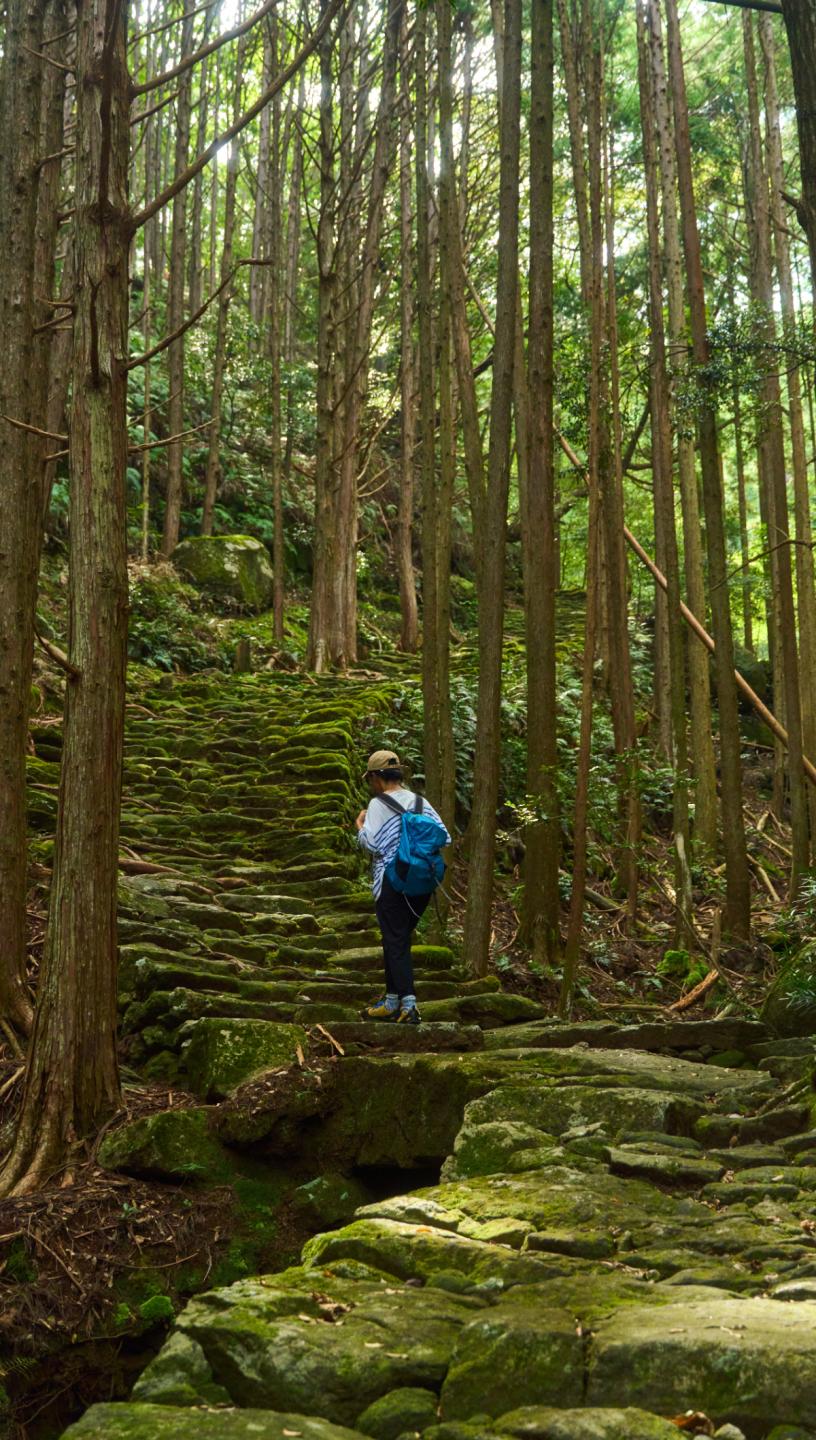
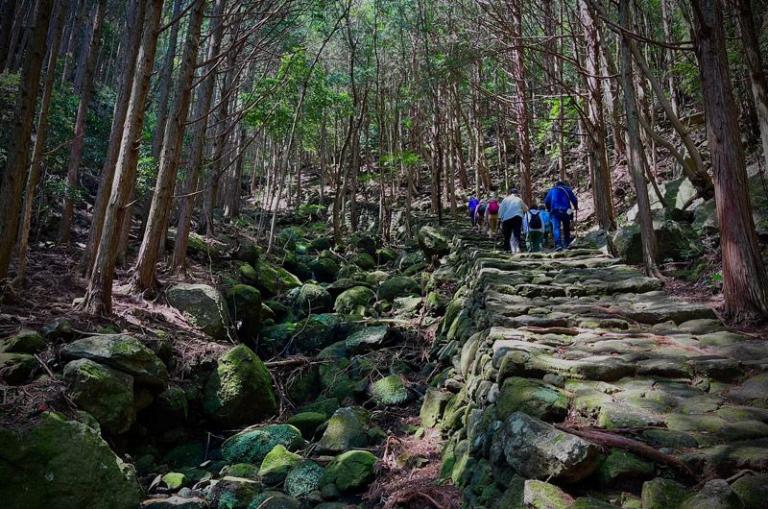
At last, we head into the Kumano Kodo. On the Iseji route between Kihoku Town and Owase City, this stone-paved path with cypress trees and ferns stretches a couple of kilometers and is famous for its beauty. Attractions include the Yonaki Jizo Statue and the Magose-toge Tea House where you can enjoy fantastic views of the town from the teahouse, with moss-covered stones and sunlight filtering through the trees.
This time-honored trail is surrounded by greenery, making it a pleasure to walk along. Just watch your step.
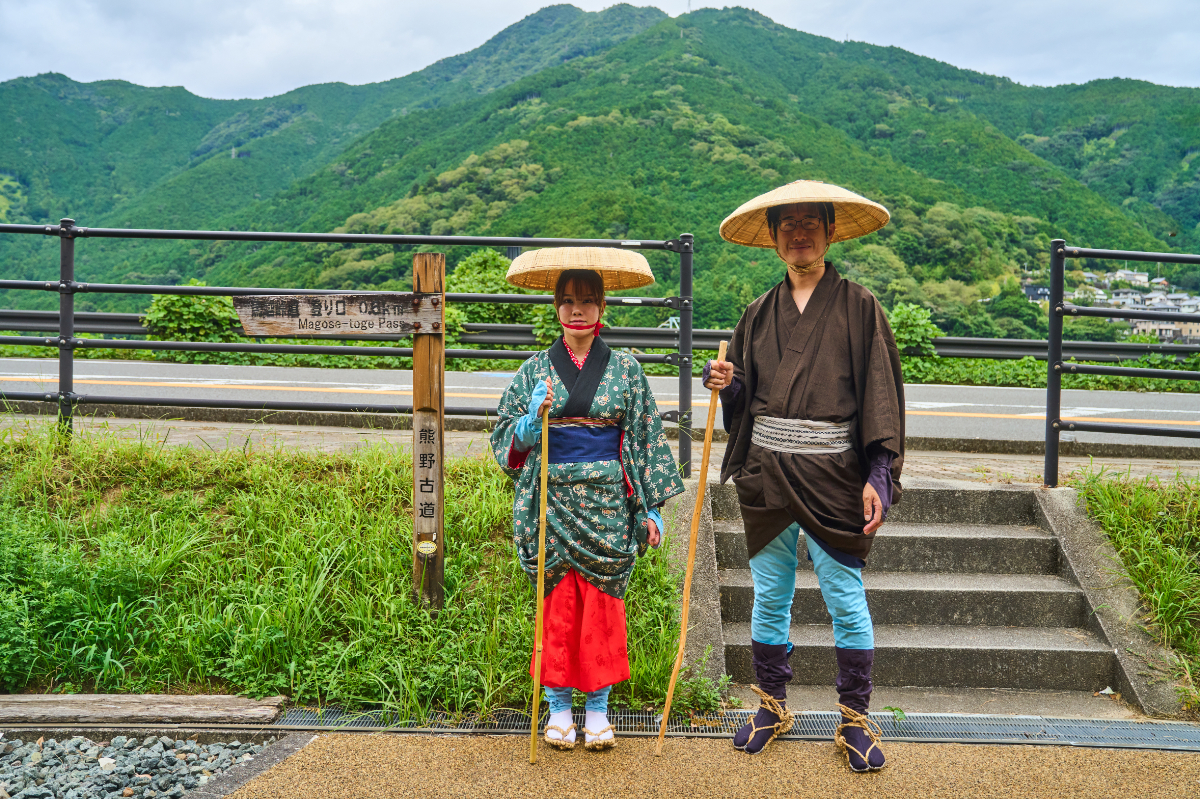
The Kihoku Town Tourist Association also offers a tour where you can dress up as an Edo-period traveler and visit the Yonaki Jizo Statue.
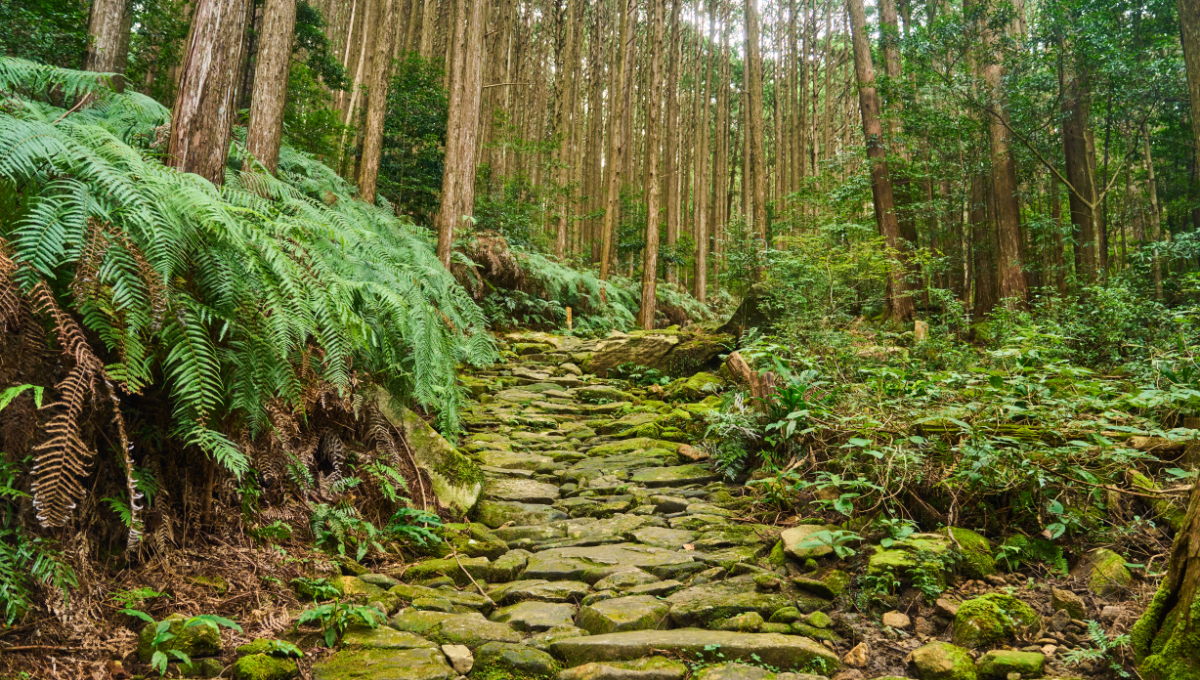
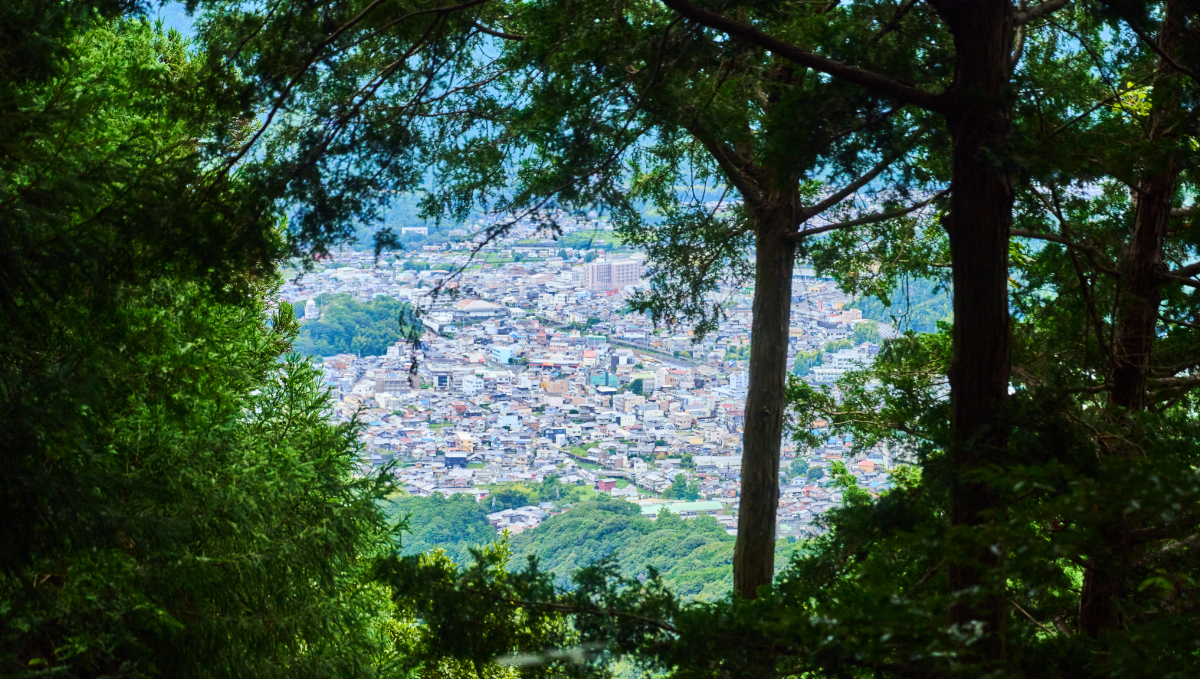
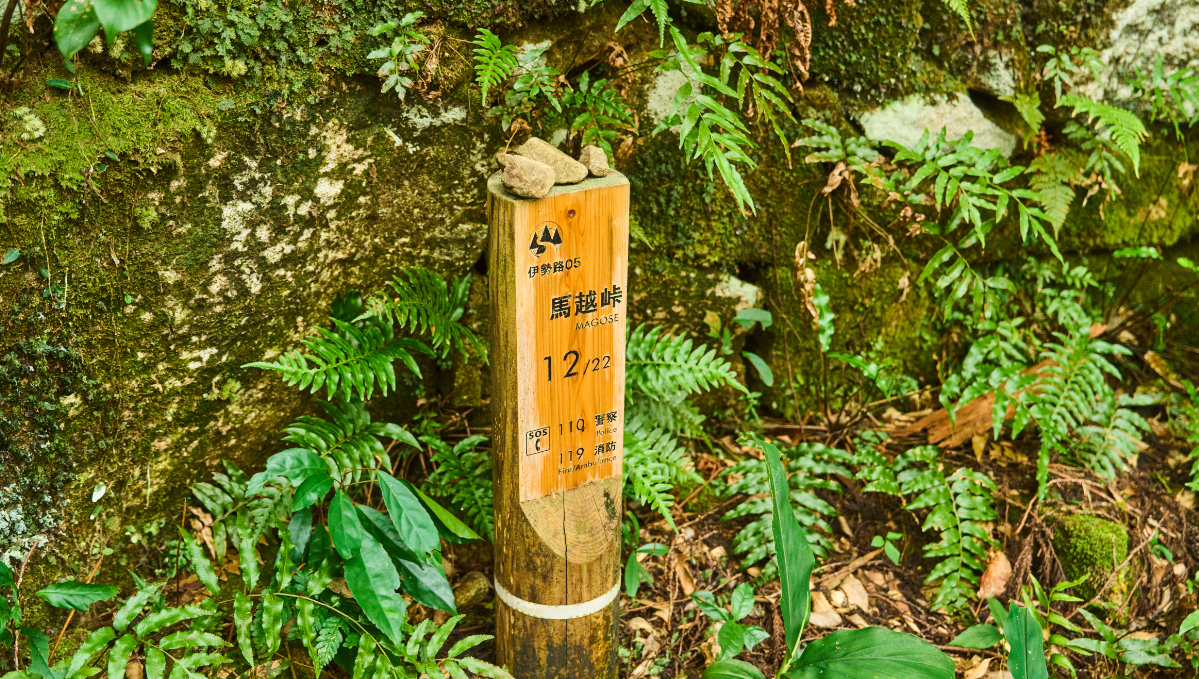
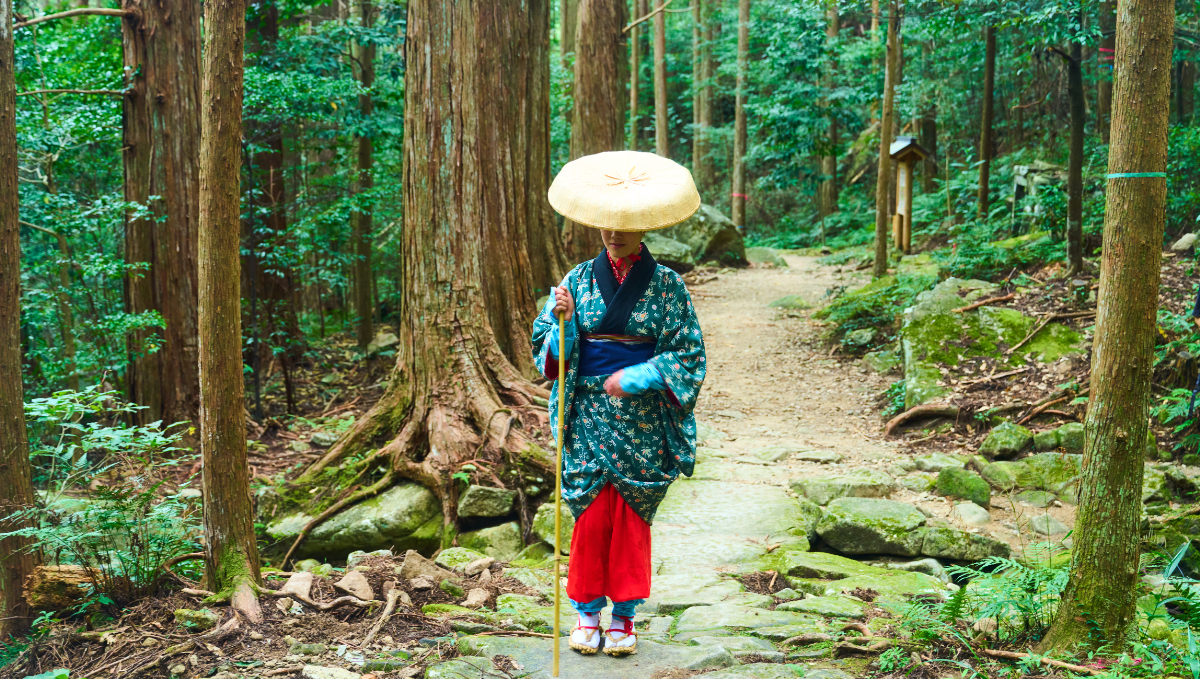
Kumano Kodo Iseji Magose-toge Pass Road Near Aiga, Kihoku, Kitamuro District, Mie Prefecture
Matsumoto Pass, Built with Local Wisdom
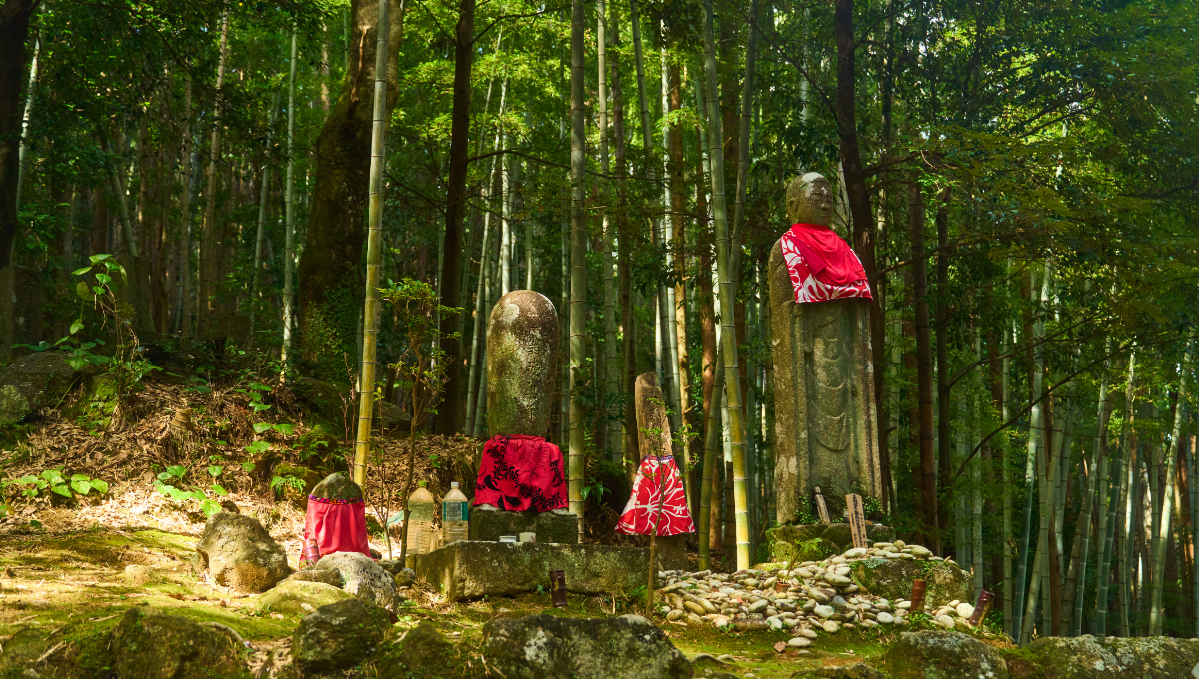
With an elevation of 135 meters, this is an easy pass even for novice hikers.
Its stone walls along the river are visible signs of innovations that are unique to this rainy region, with stones piled up randomly to resist earthquakes and heavy rains while fords weaken the force of rainwater and divert it, preventing the road from collapsing.
A Jizo statue, about 170 cm tall, is waiting to greet you at the pass surrounded by bamboo. Legend has it that an Edo-period marksman shot this Jizo after mistaking it for a monster.
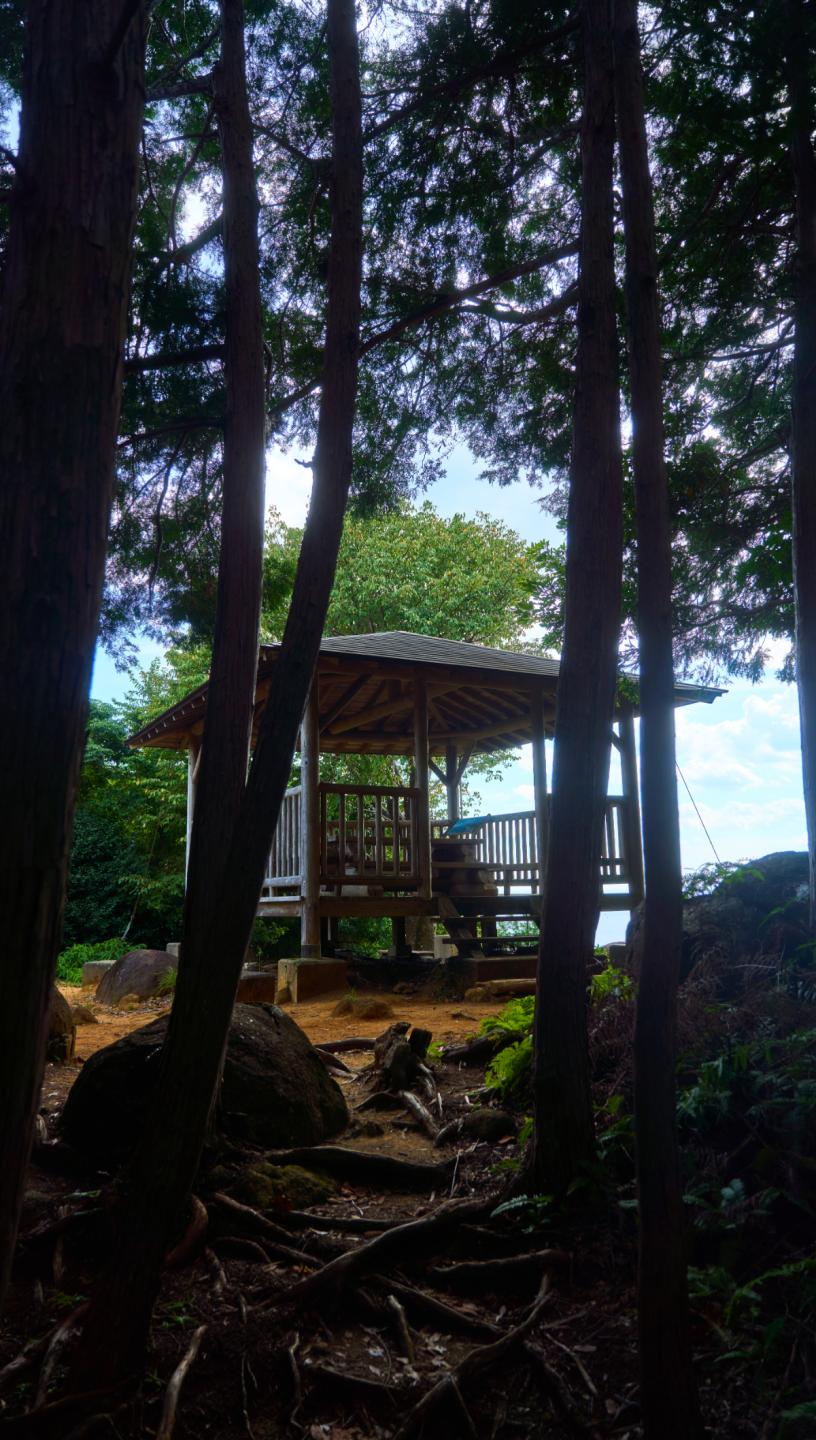
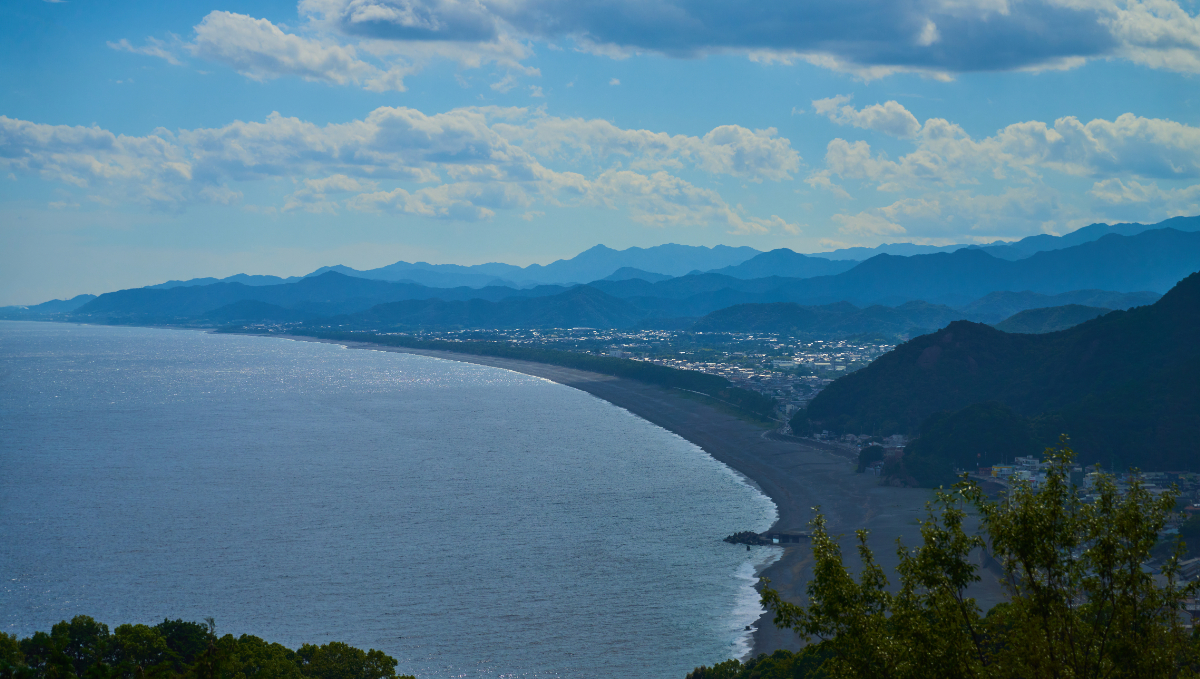
The pavilion offers a view of Shichiri-Mihama Beach. Since there is no mountain pass from this spot to Shingu, pilgrims can reflect on Kumano Hayatama Taisha in Shingu.
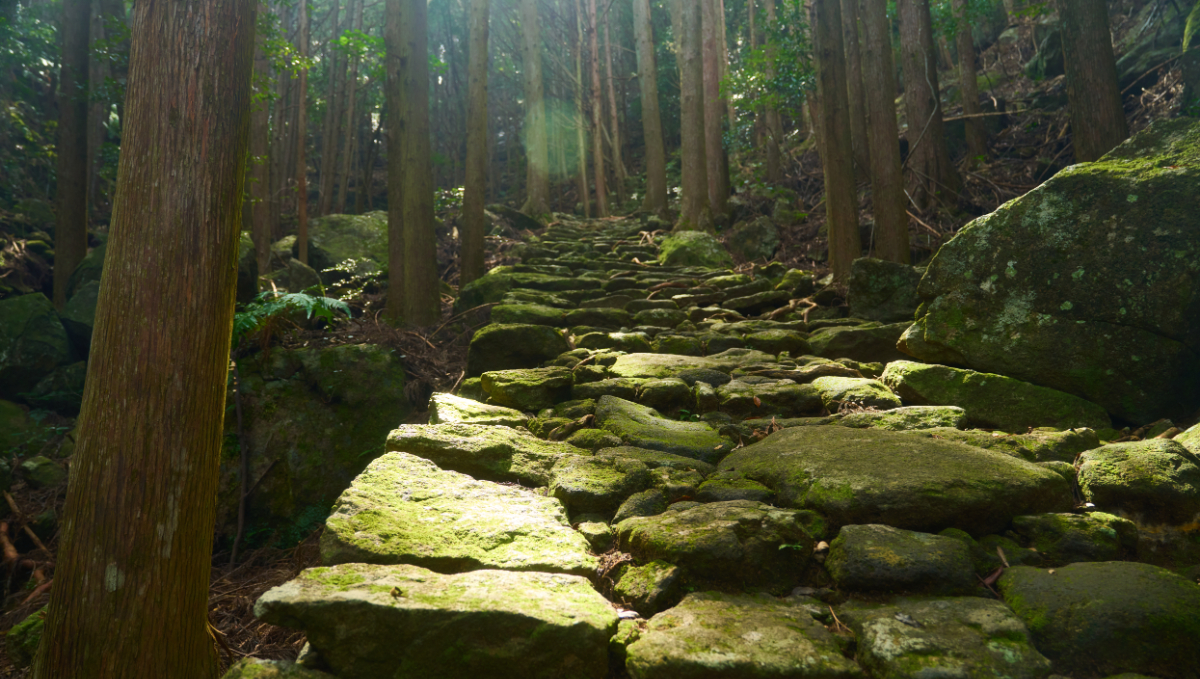
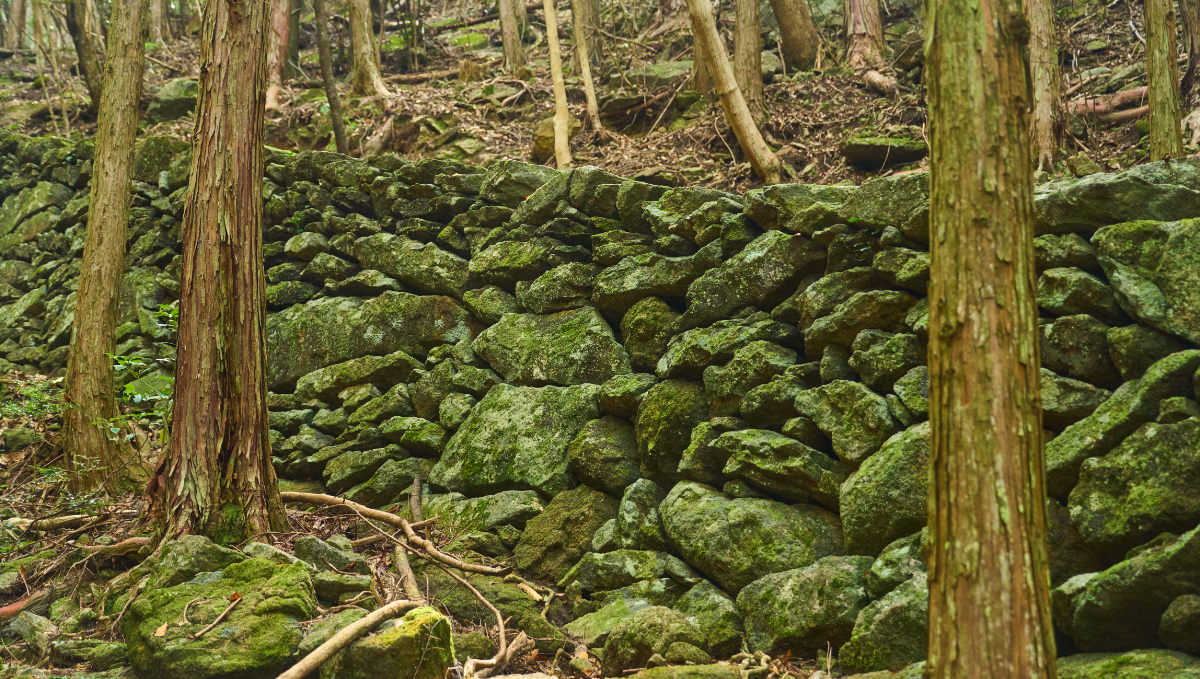
Kumano Kodo Iseji Odomari, Kumano and Kihoku, Kitamuro District, Mie Prefecture
Natural Beauty in Demon Form
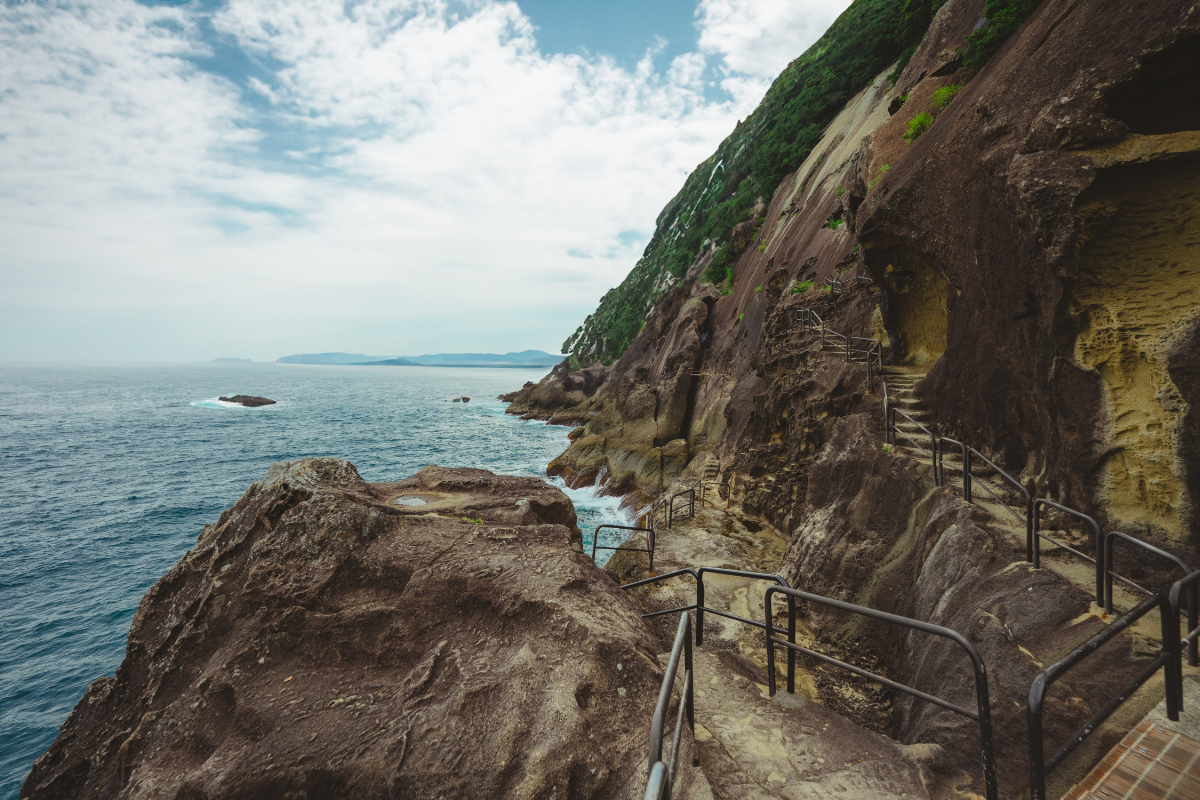
While most of Kumano Kodo is covered in trees, the Iseji route is close to the breathtaking Kumano-nada Sea, which stretches eastward in Mie Prefecture. This World Heritage Site features countless exotic rocks of all sizes carved by rough waves. Legend says it was called Oni no Iwaya (Demon's Rock Cave), before later being called Onigajo after Taga-maru, a notorious pirate who hid there.
The massive tuff cliffs, shaped by erosion and earthquakes, resemble a demon's face, and you can feel the power of the rock formations on the kilometer-long promenade.
This is the southernmost point of the rias coastline in Ise-Shima, and to the south lies the gentle landscape of Shichiri-Mihama Beach.
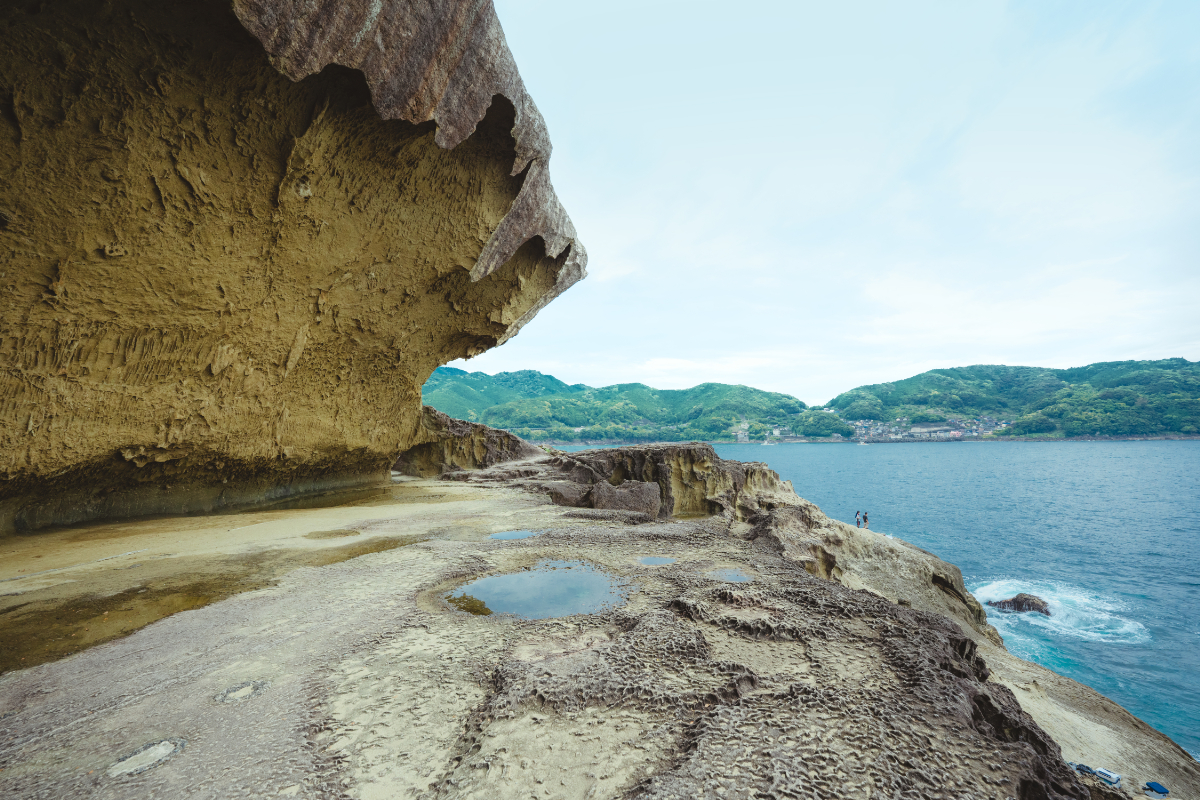
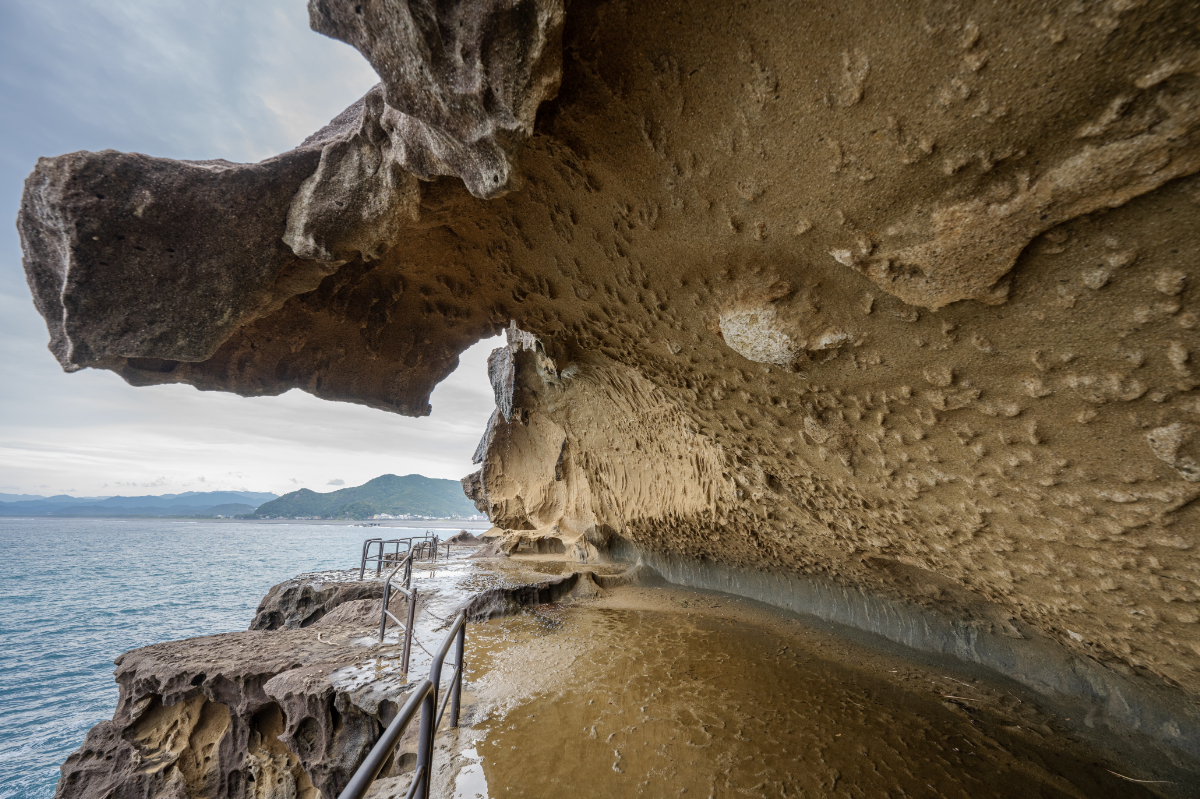
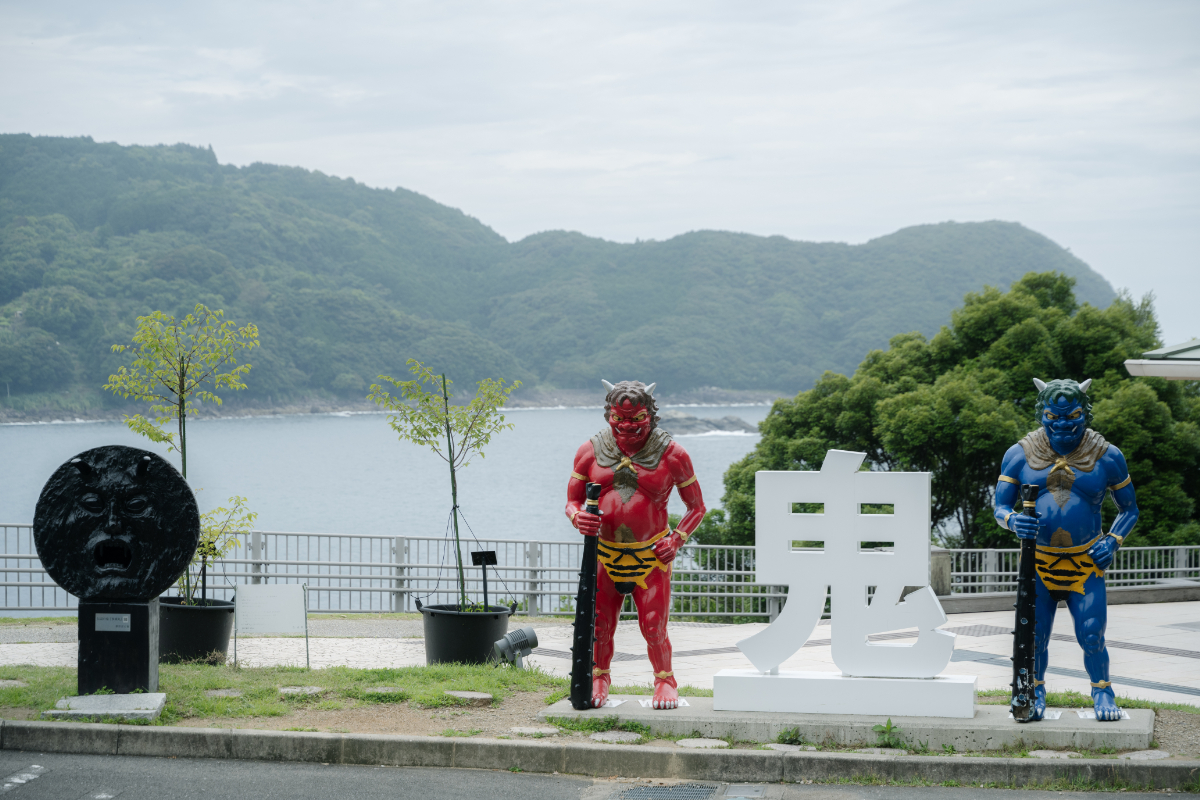
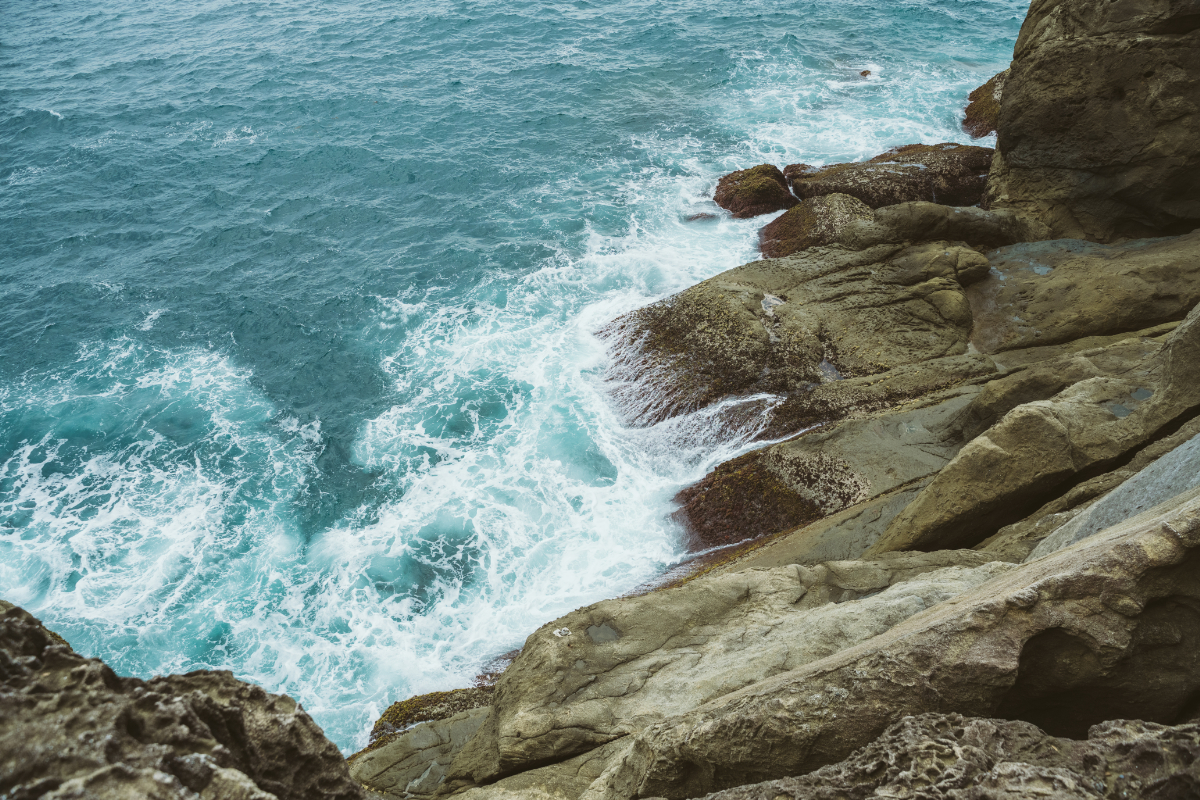
Onigajo Center 1835-7 Kinomoto, Kumano, Mie Prefecture
Japan's Oldest Shrine
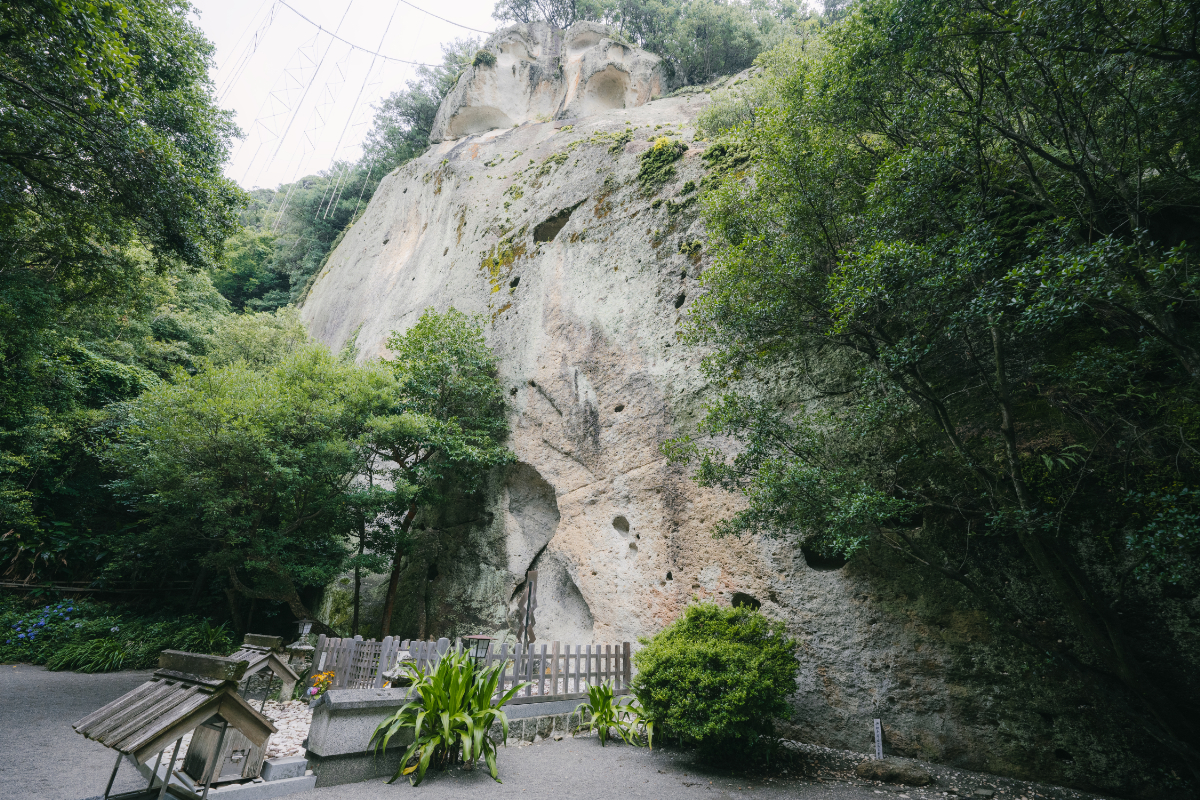
Hana-no-Iwaya Shrine appears in Nihon Shoki, Japan’s earliest historical chronicle, as the sacred site where the creation of the nation took place.
Its sacred object is a giant rock thought to be the tomb of Izanami-no-Mikoto, the mother of the gods, including the fire god Kagutsuchi and Amaterasu Omikami, enshrined at the Ise Jingu Grand Shrine.
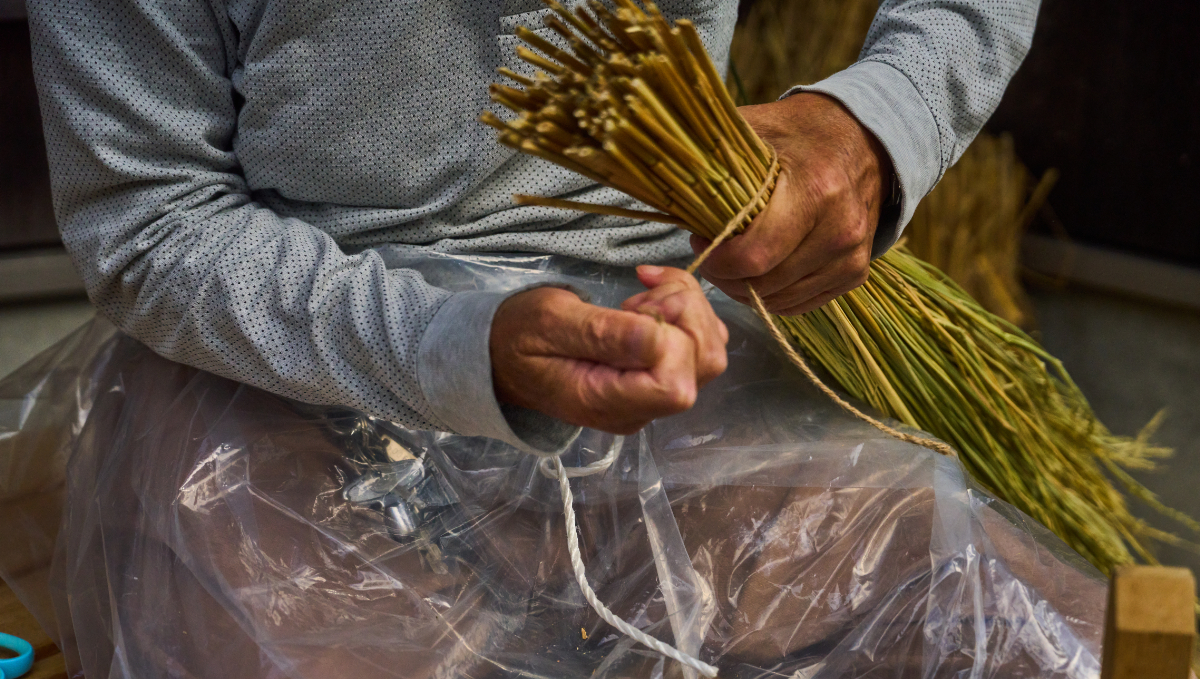
This site is thought to be the root of the Japanese people and draws spiritual tourists. Hana-no-Iwaya Shrine is also a World Heritage Site. Prayers for national peace and rich harvests are offered on February 2nd, and there's a Rope-Hanging Ritual on October 2nd, where large ropes are braided and hung over the sacred rock and tree as an offering.
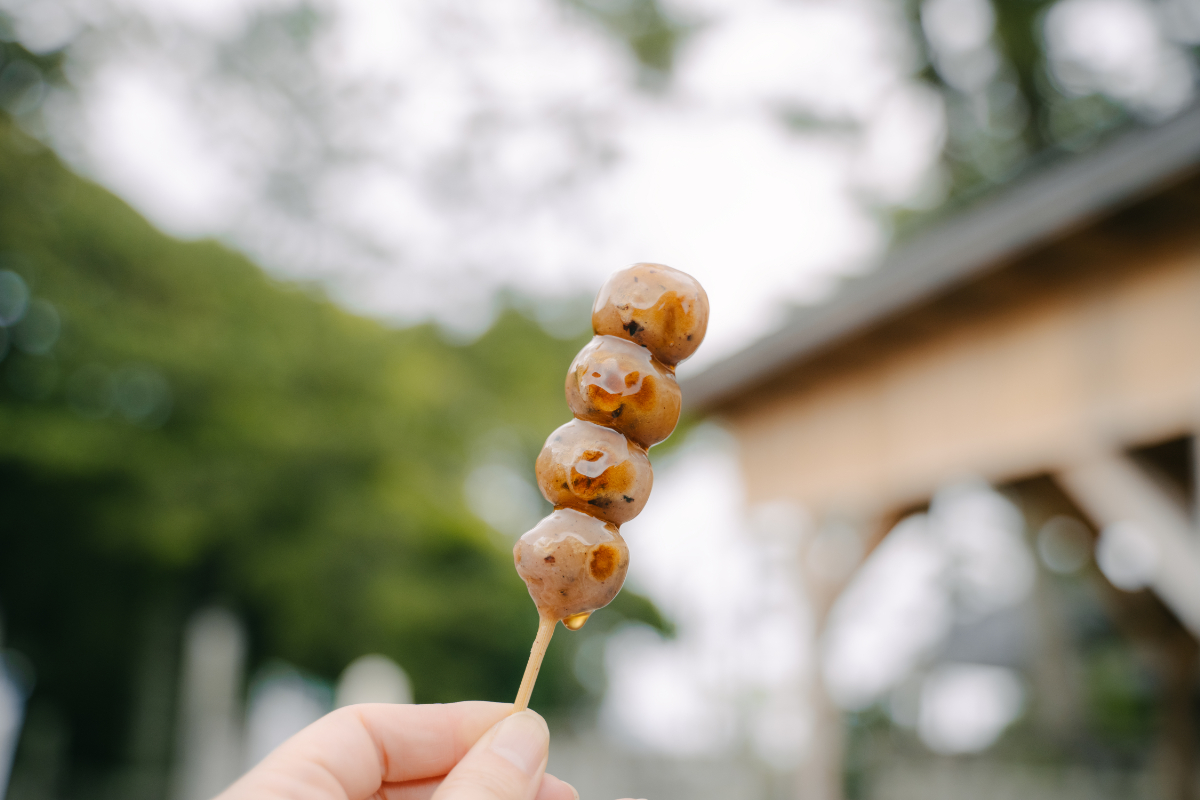
Try fresh Mitarashi dango at the neighboring Roadside Station Kumano Hana-no-Iwaya for ¥120.
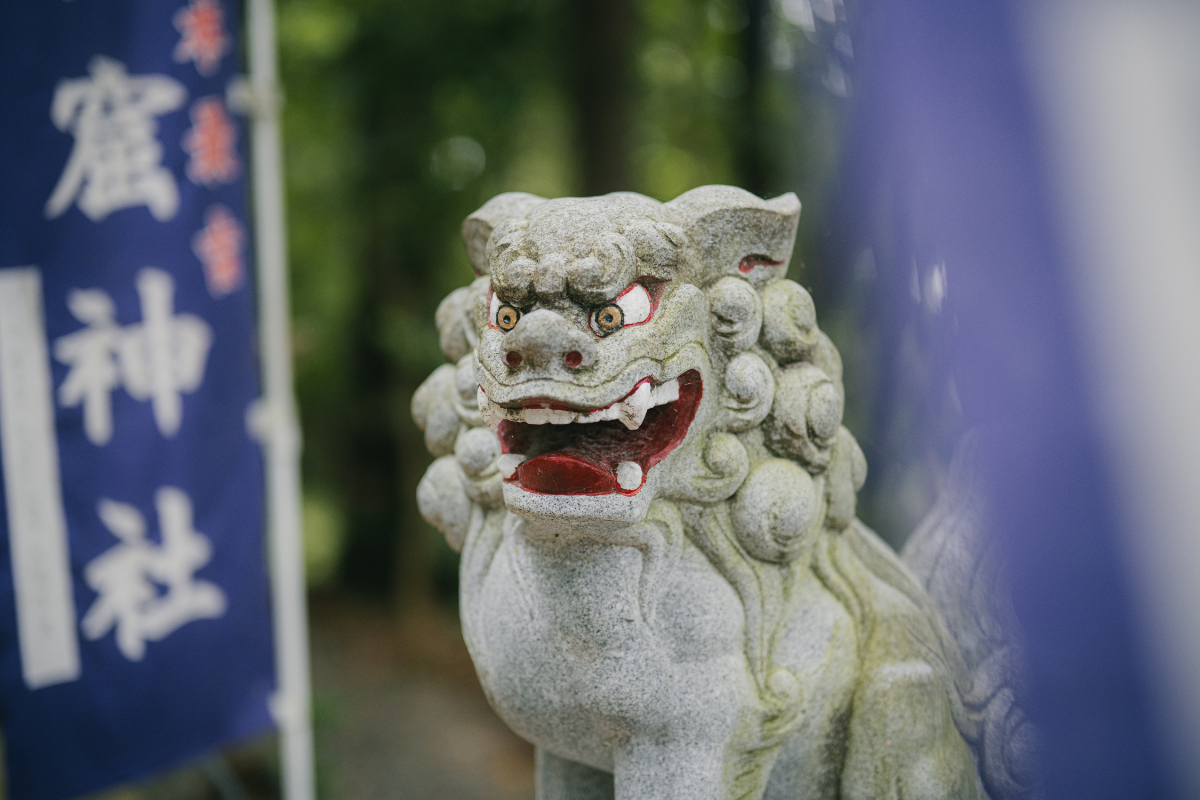
Hana-no-Iwaya Shrine 130 Arima, Kumano
Soothing Waves and Pebbles at Shichiri Mihama.
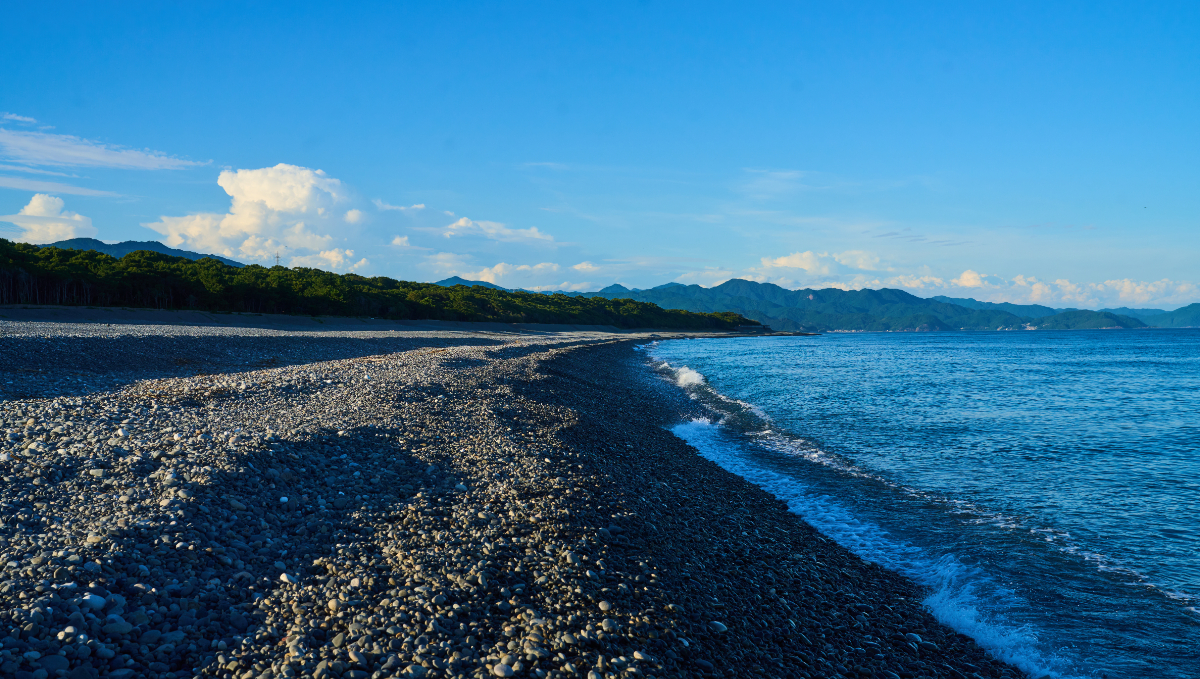
This beach, the longest gravel coastline in Japan, stretches through Kumano City, Mihama Town, and Kiho Town, forming part of the Hama Kaido, the only coastal route along the Iseji of the Kumano Kodo.
Brought here from the upper reaches of the Kumano River, Mihama pebbles cover the shore. These pebbles are smooth and silky to the touch. They make a soothing clinking sound at the water's edge, and if you walk barefoot here, the pebbles stimulate pressure points, refreshing your tired legs.
Only licensed expert pickers are allowed to collect Mihama pebbles, but anyone can enjoy the slow-paced passage of time to the sound of waves and pebbles.
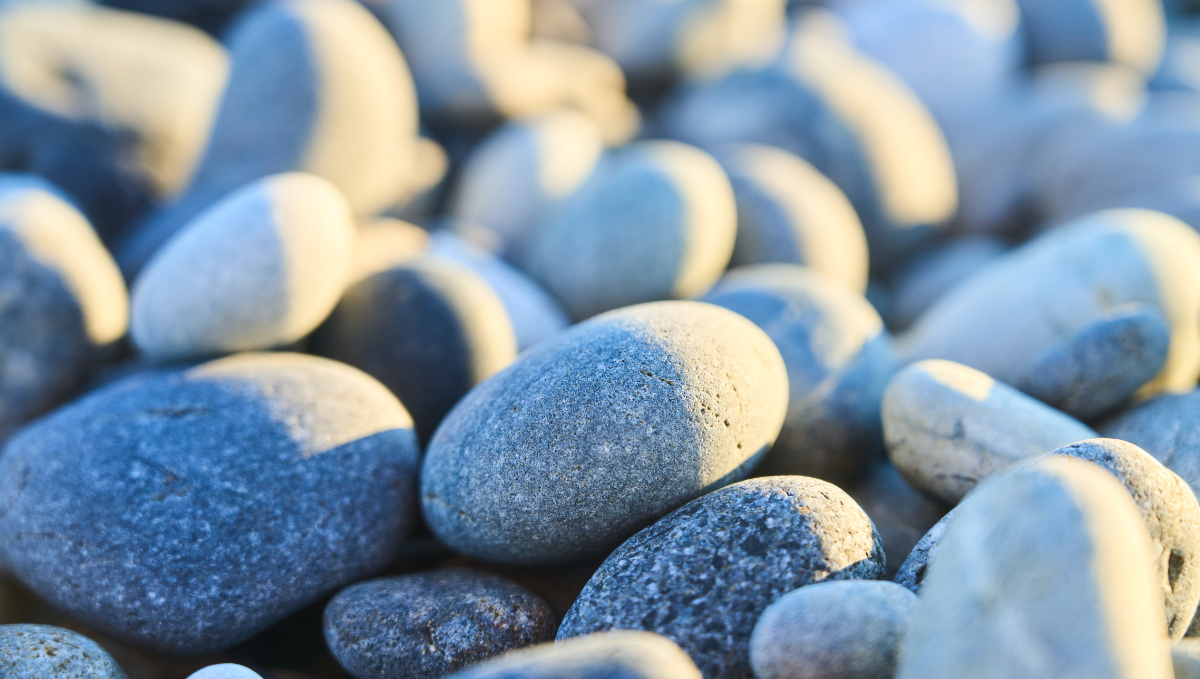


Shichiri-Mihama Beach (Hama Kaido) Kumano, Mie, Mihama, Minamimuro District, and Kiho, Minamimuro District
A Harmonious Natural Utopia
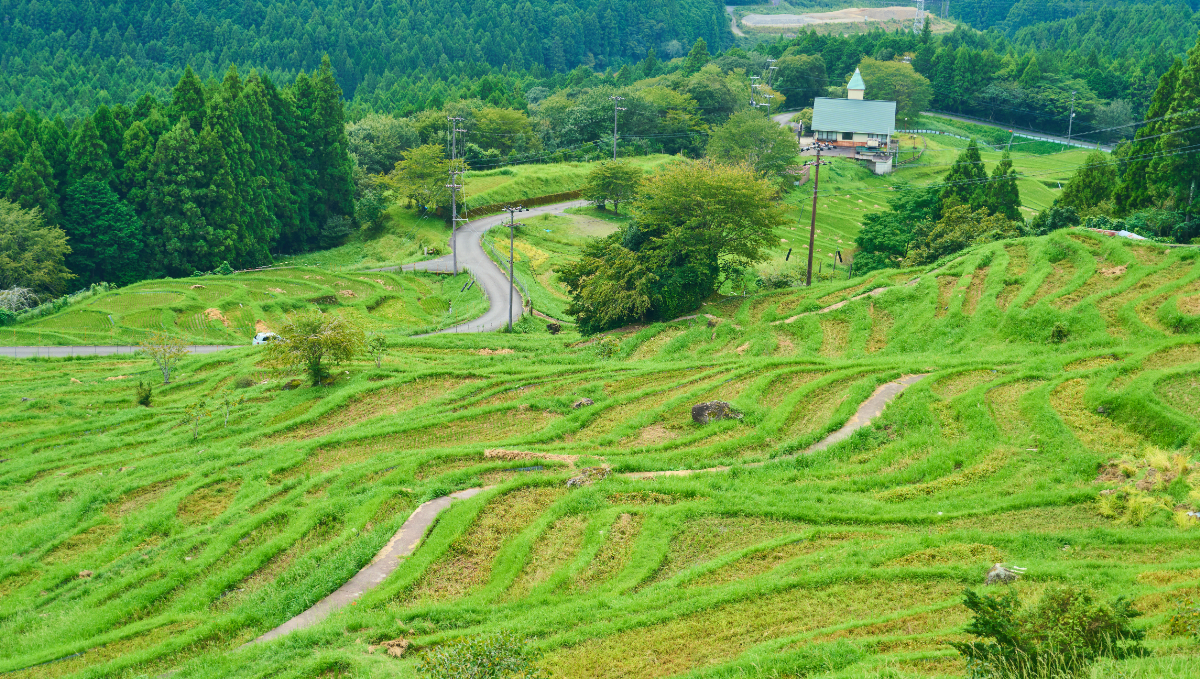
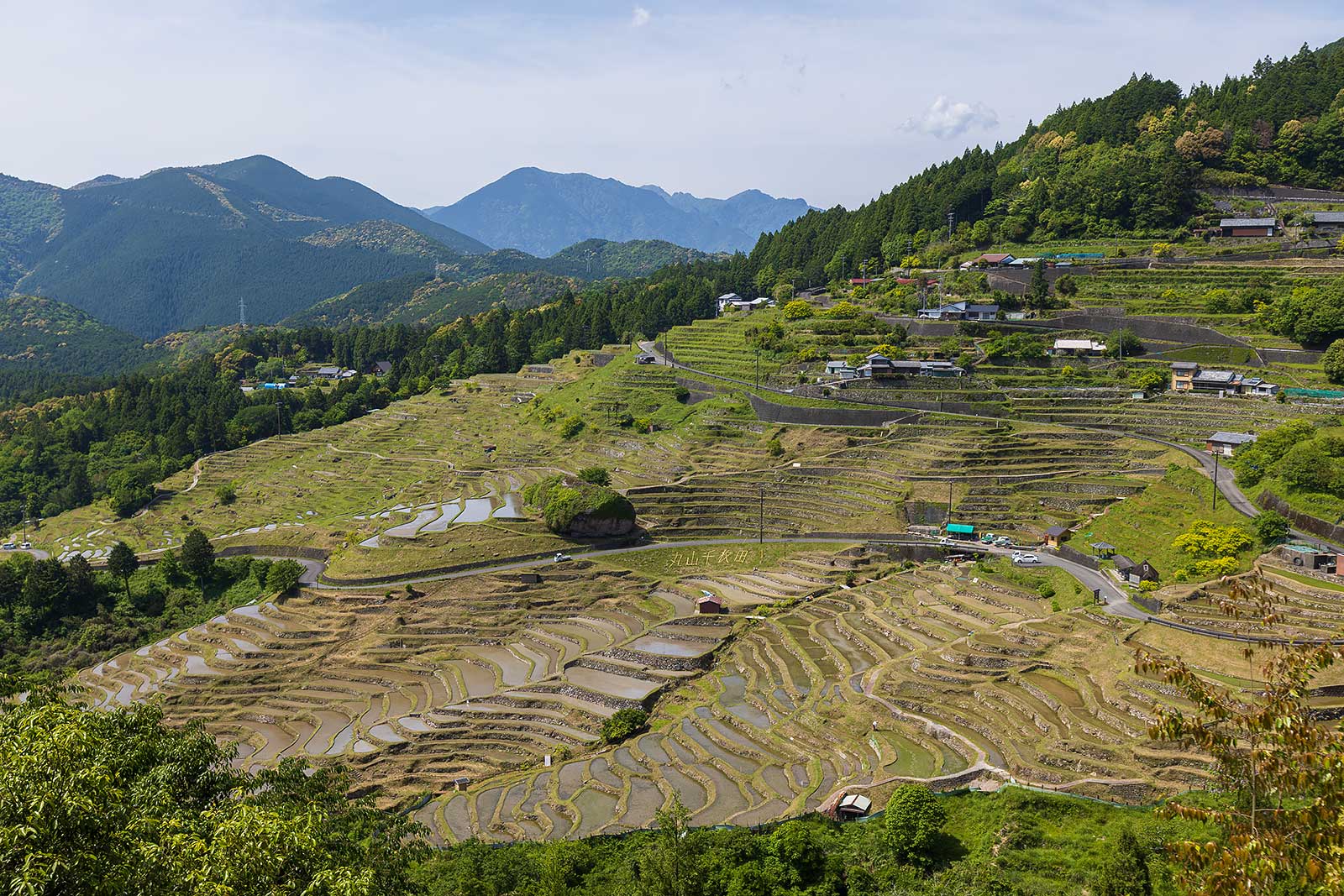
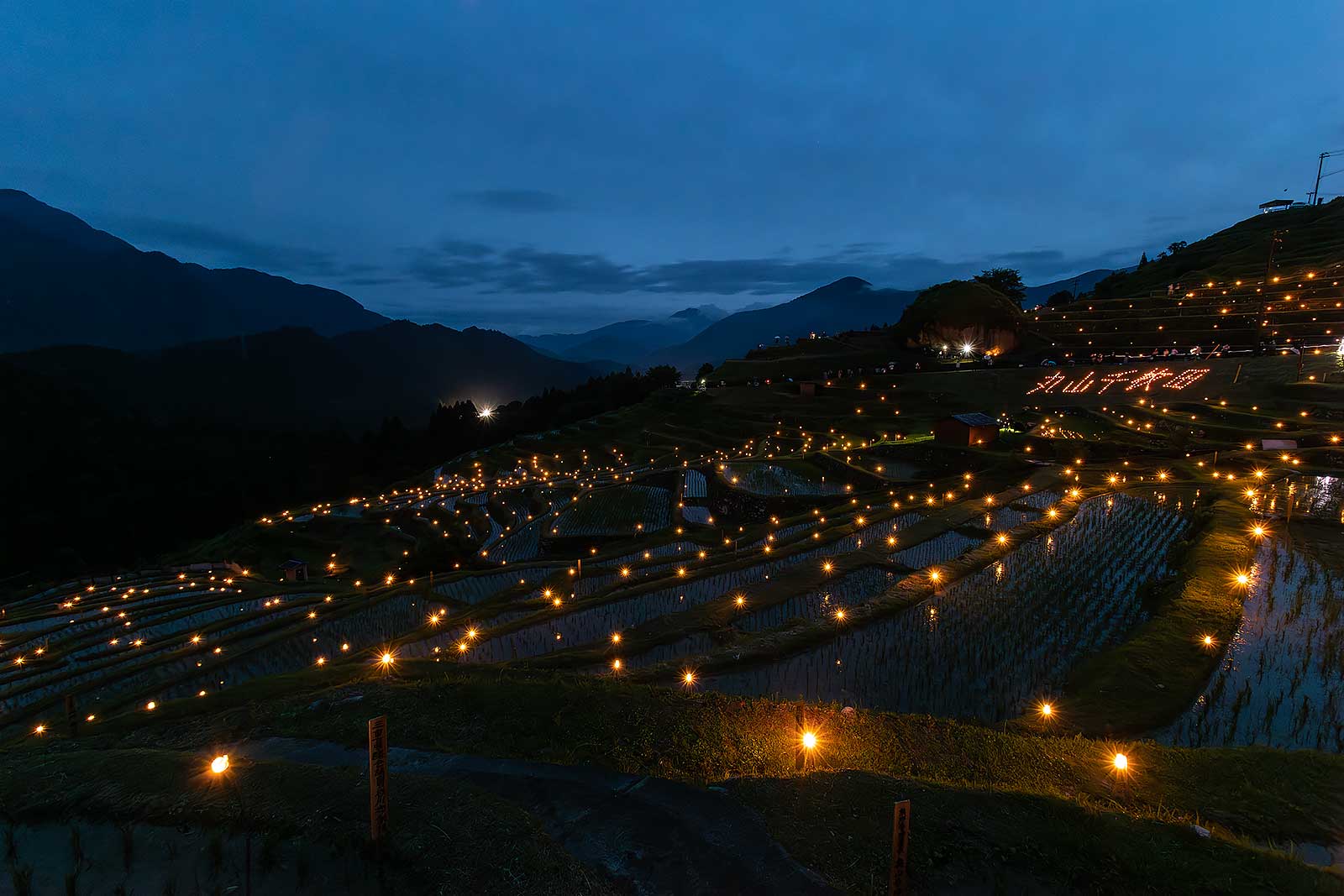
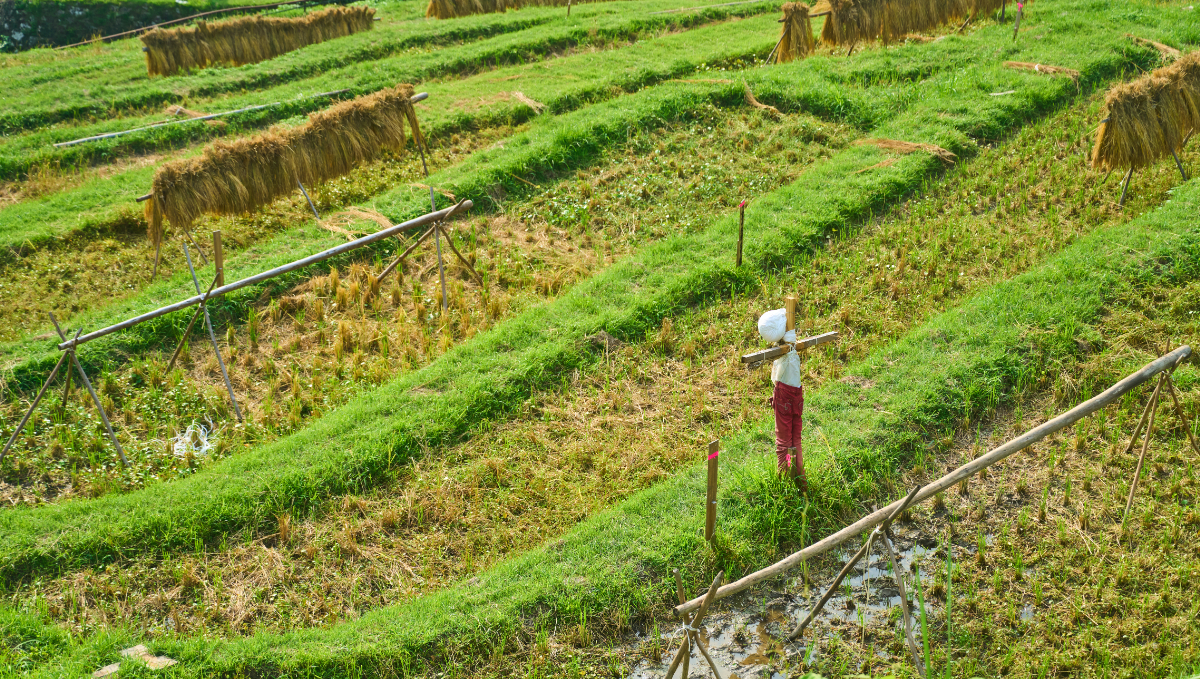
Among terraced rice fields, those with a thousand tiers are called Senmaida. Maruyama Senmaida has a long history, with 2,240 terraces recorded in 1601. This number decreased over time, but the community restored it. Today, thanks to a field ownership system and the Maruyama Senmaida Conservation Group, it has 1,340 terraces, making it Japan's largest.
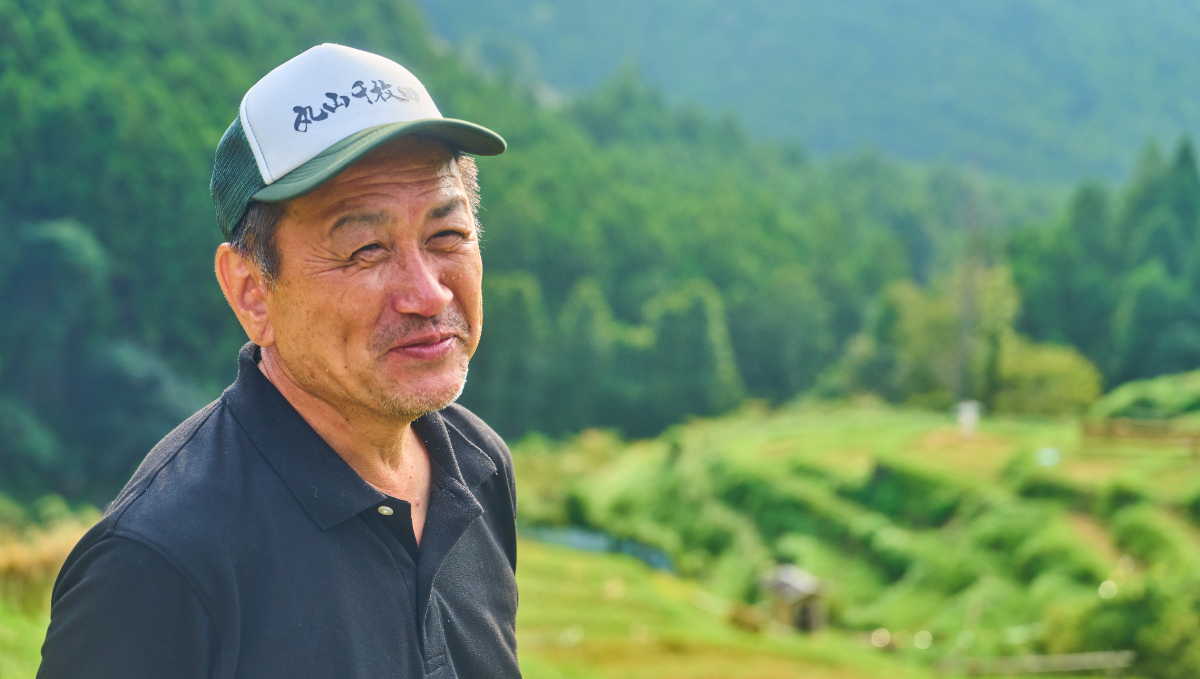
Tanaka-san of the Kumano City Furusato Promotion Corporation says, "People are always impressed by how the rice fields change with the season and time of day."
Maruyama Senmaida was created by human ingenuity and the scenery is almost utopian.
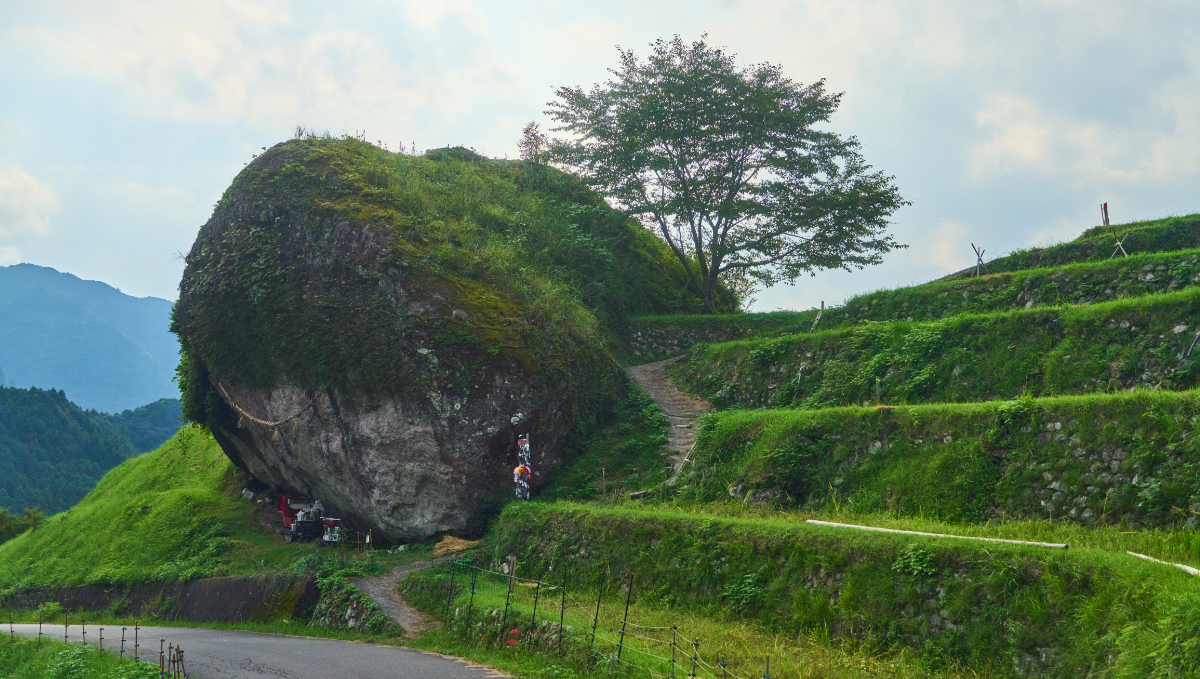
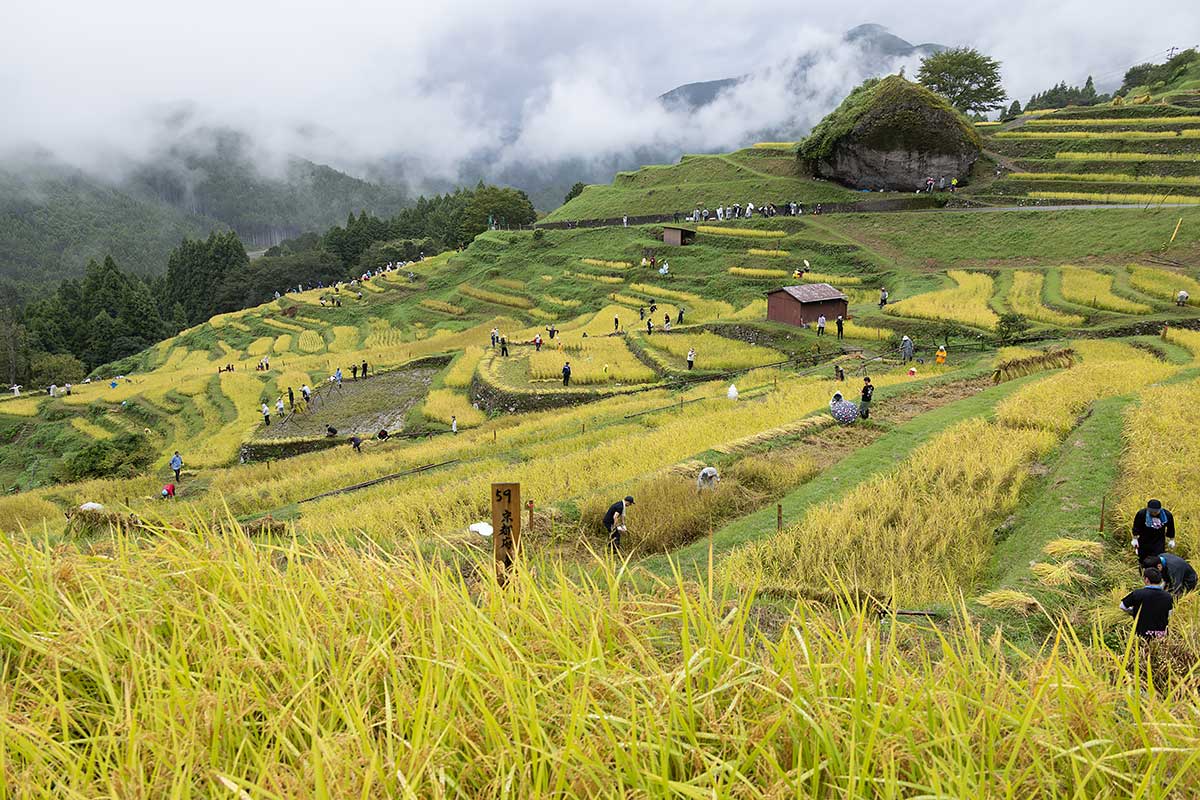
Kumano City Furusato Promotion Corporation 78 Itaya, Kiwa, Kumano, Mie Prefecture

Expedia
Related Articles
Five Flowery Spring Blossoms in Mie
OWASE WAPPA: Nature’s Gift Shaped into Tableware Art
Walk the Mochi Kaido Road Like Ancient Travelers for a Taste of Mie’s Confectionery Culture, Part 1
From Kumano City to the Kumano Kodo: An Abundance of Natural Wonders