All roads lead to Ise
Explore Your Interests
Category :
Area :
Recommended Season :
Spring / Summer / Fall / Winter
Ise Shrine is dedicated to the Sun Goddess Amaterasu, the ancestral deity of all Japanese people. Pilgrimages here became so popular during the Edo period that in one year some 5 million pilgrims made the journey here from all over Japan. Setting off with Ise as their destination, people would walk 3 days to get here from Nagoya, 5 days from Osaka, 15 days from Edo (Tokyo), and even longer from more distant regions such as Tohoku or Kyushu. Apparently there were also dogs that made pilgrimages on behalf of their masters.
In time, Mie's natural produce came to be associated with offerings to the gods, and the flow of people helped to popularize Mie's traditions and cuisine nation-wide.
A once-in-a-lifetime journey
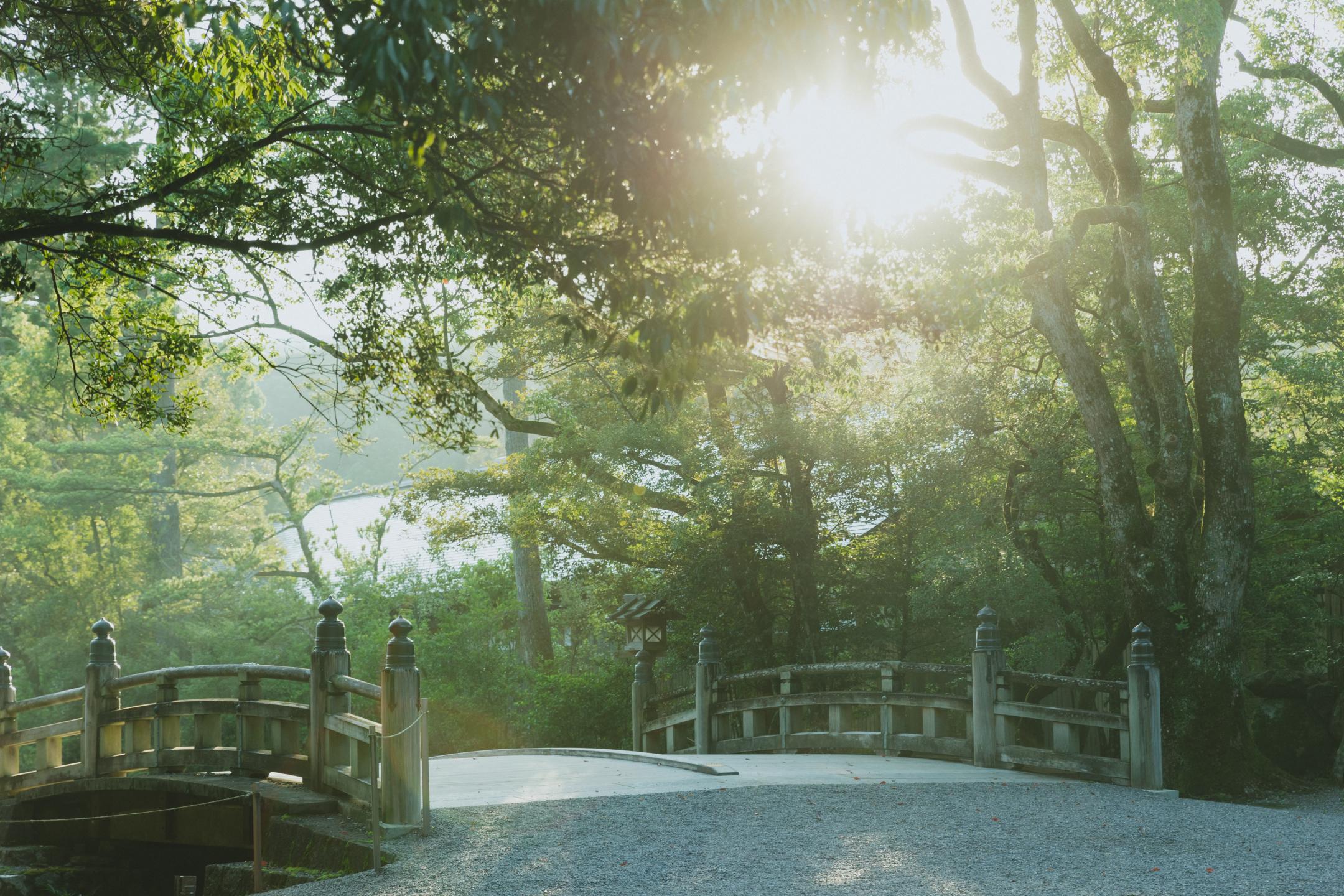
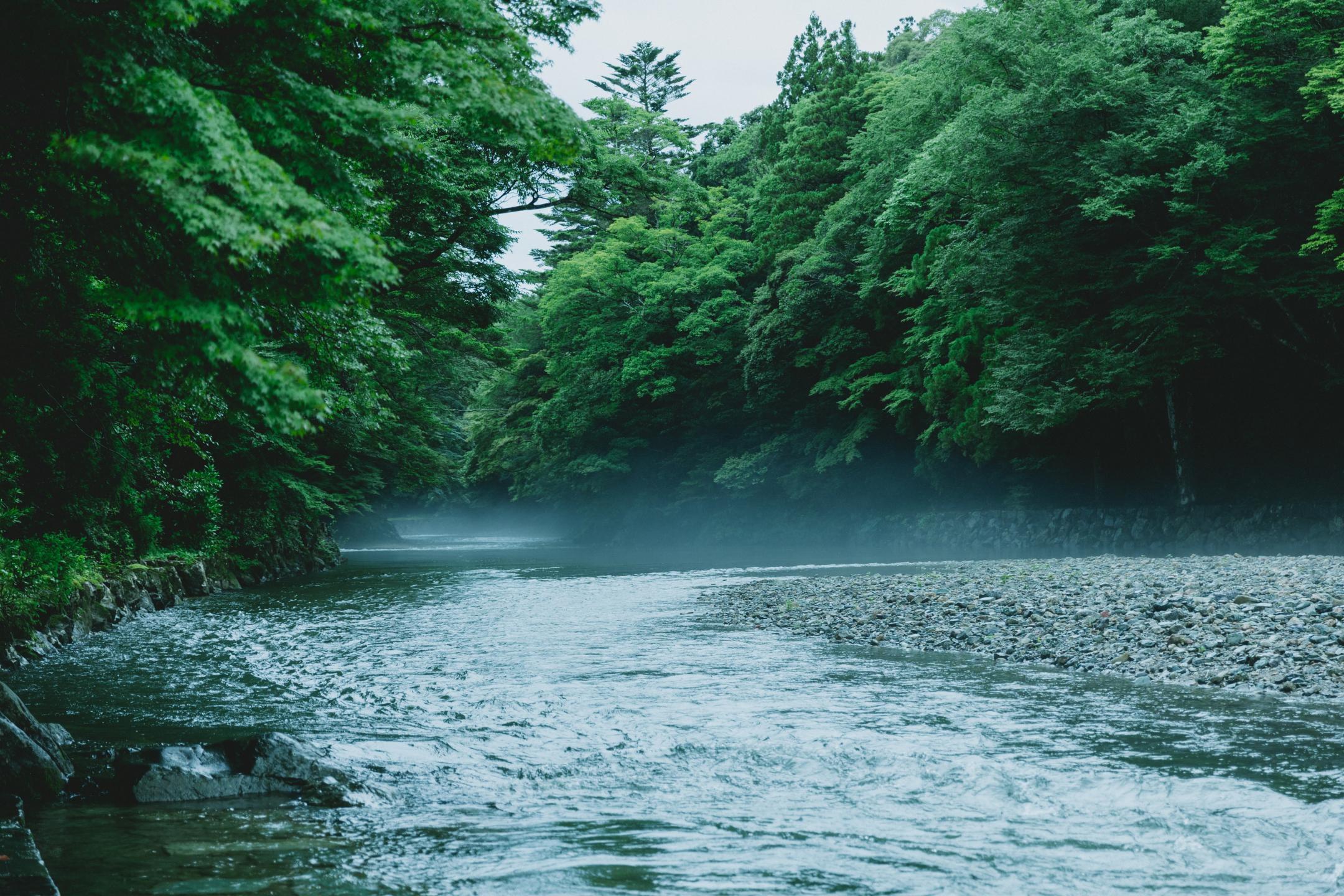
Ise Shrine is said to have originated around 2,000 years ago, when Princess Yamatohime-no-Mikoto journeyed from Yamato and established Kotai Shrine on the banks of the Isuzu River.
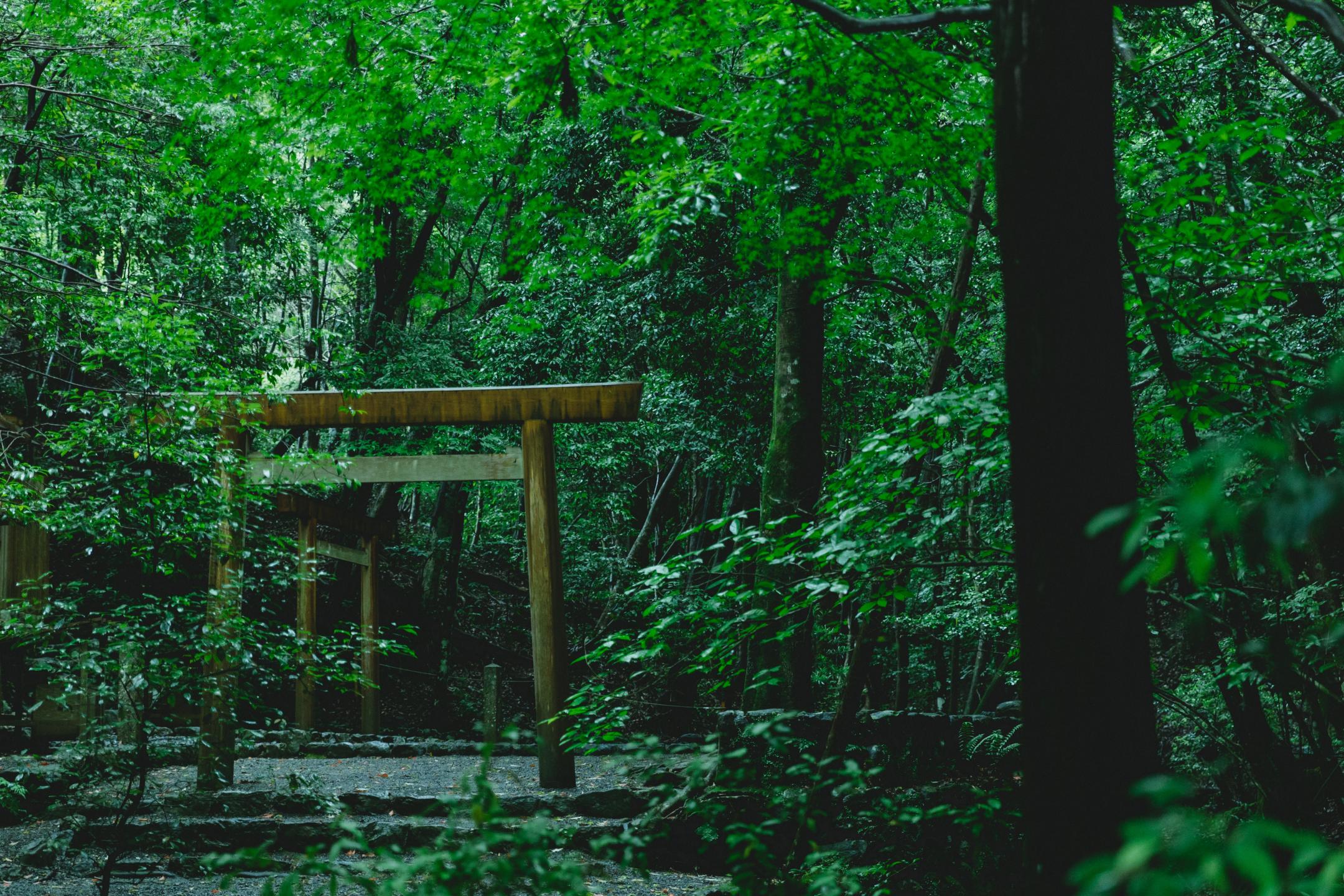
Although affectionately known as "Oise-san," the formal name for Ise Shrine is actually "Ise Jingu". Ise Jingu is made up of 125 branch shrines, auxiliary shrines, and subordinate shrines centered around the Kotai Shrine (Naiku) and Toyouke Shrine (Geku). This is Japan's holiest site, the chief guardian deity of around 80,000 Shinto shrines nation-wide.
Shikinen Sengu, the largest festival at Ise Jingu, has been held every 20 years for the past 1,300 years.
Ise Jingu
Home to Japan's Sun Goddess
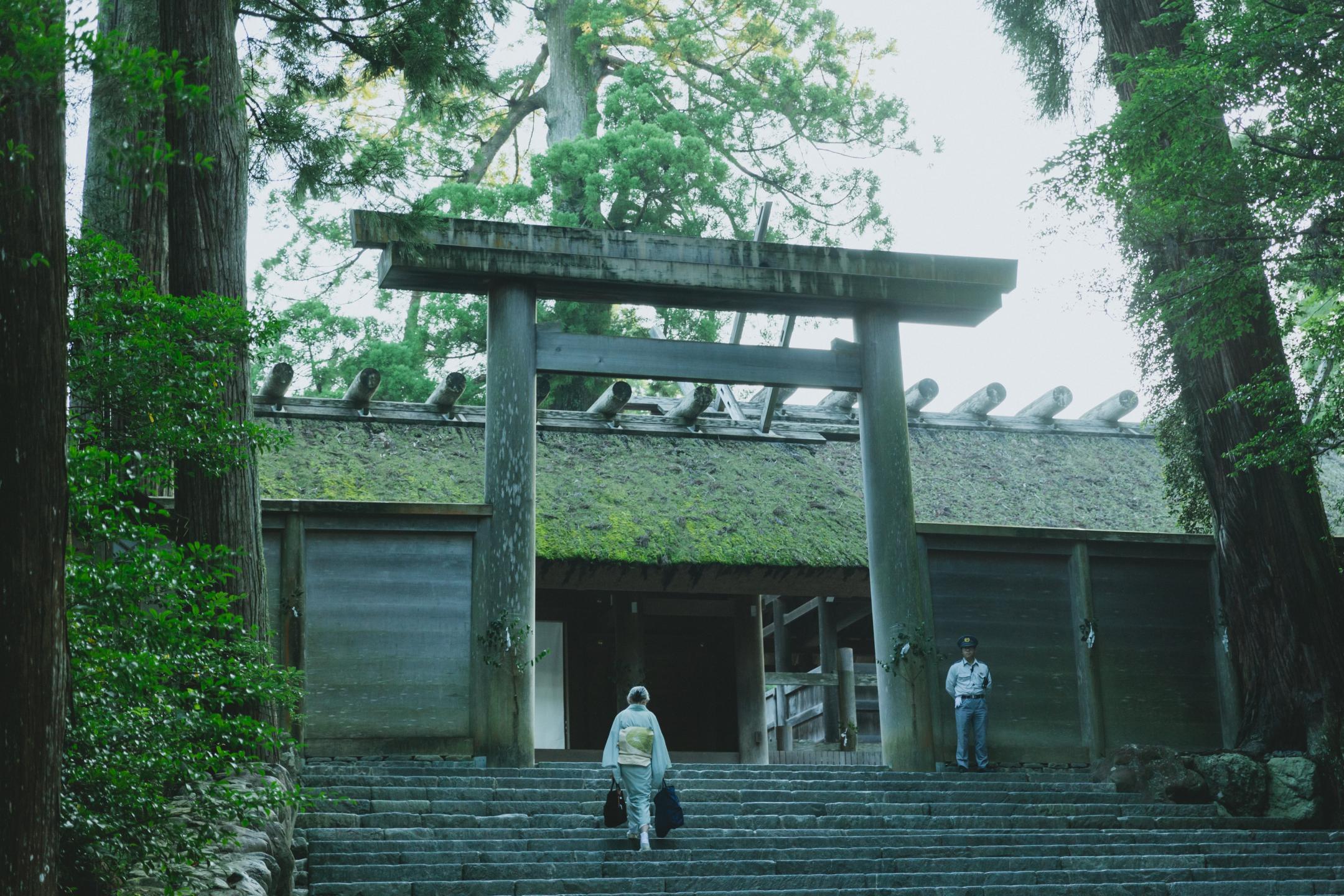
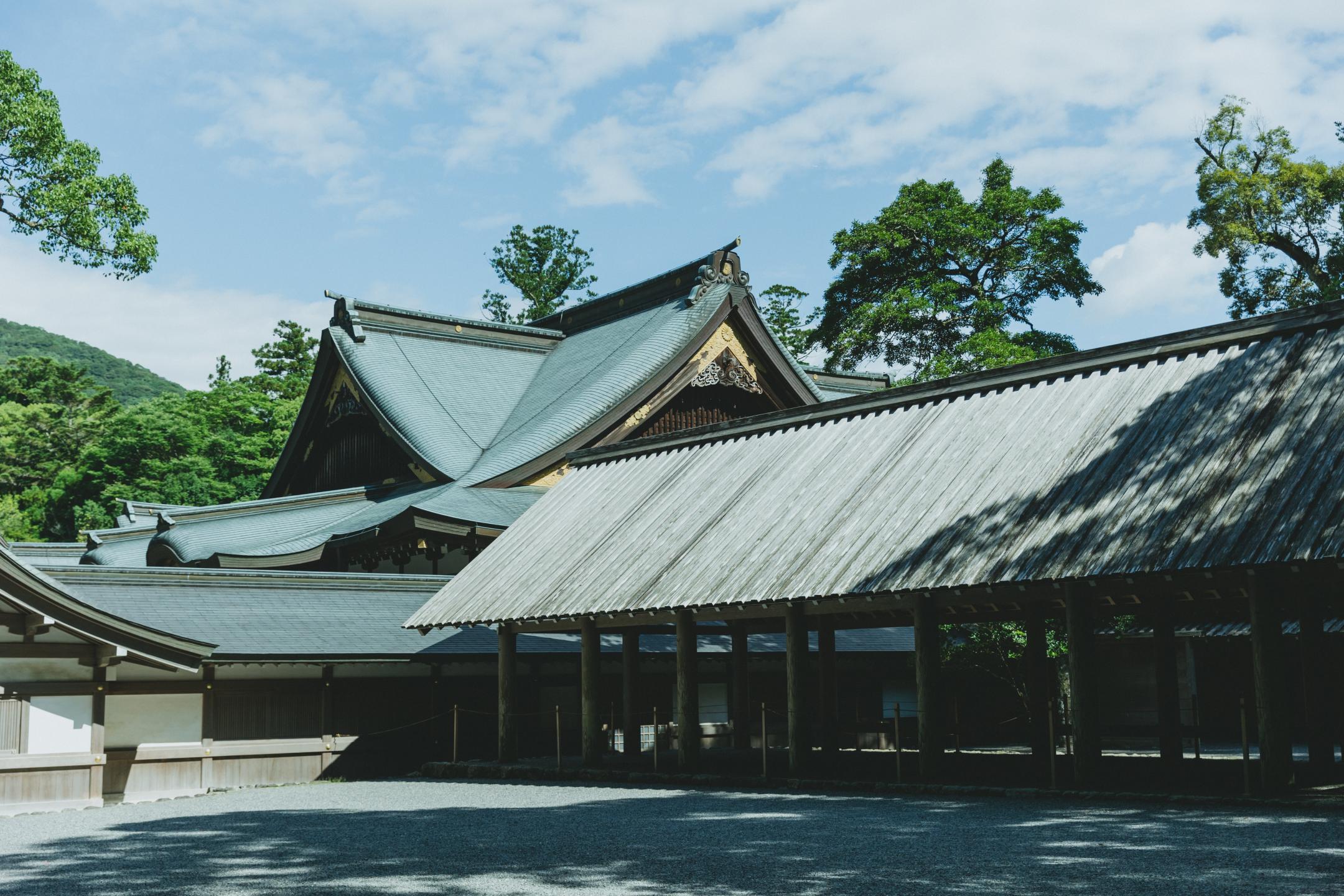
The main shrine of Ise Jingu Naiku is the Kotai Shrine dedicated to the Sun Goddess Amaterasu, ancestral deity of Japan's Imperial Family and patron deity of all Japanese people.
Some 2,000 years ago, the Ise faith enshrined the Yata no Kagami, a bronze mirror and one of the Three Sacred Treasures serving as symbols of the Imperial Throne. Spreading throughout Japan from the late 1100s, this faith is still alive today and marks Ise Jingu as the head shrine for all of Japan's other shrines.
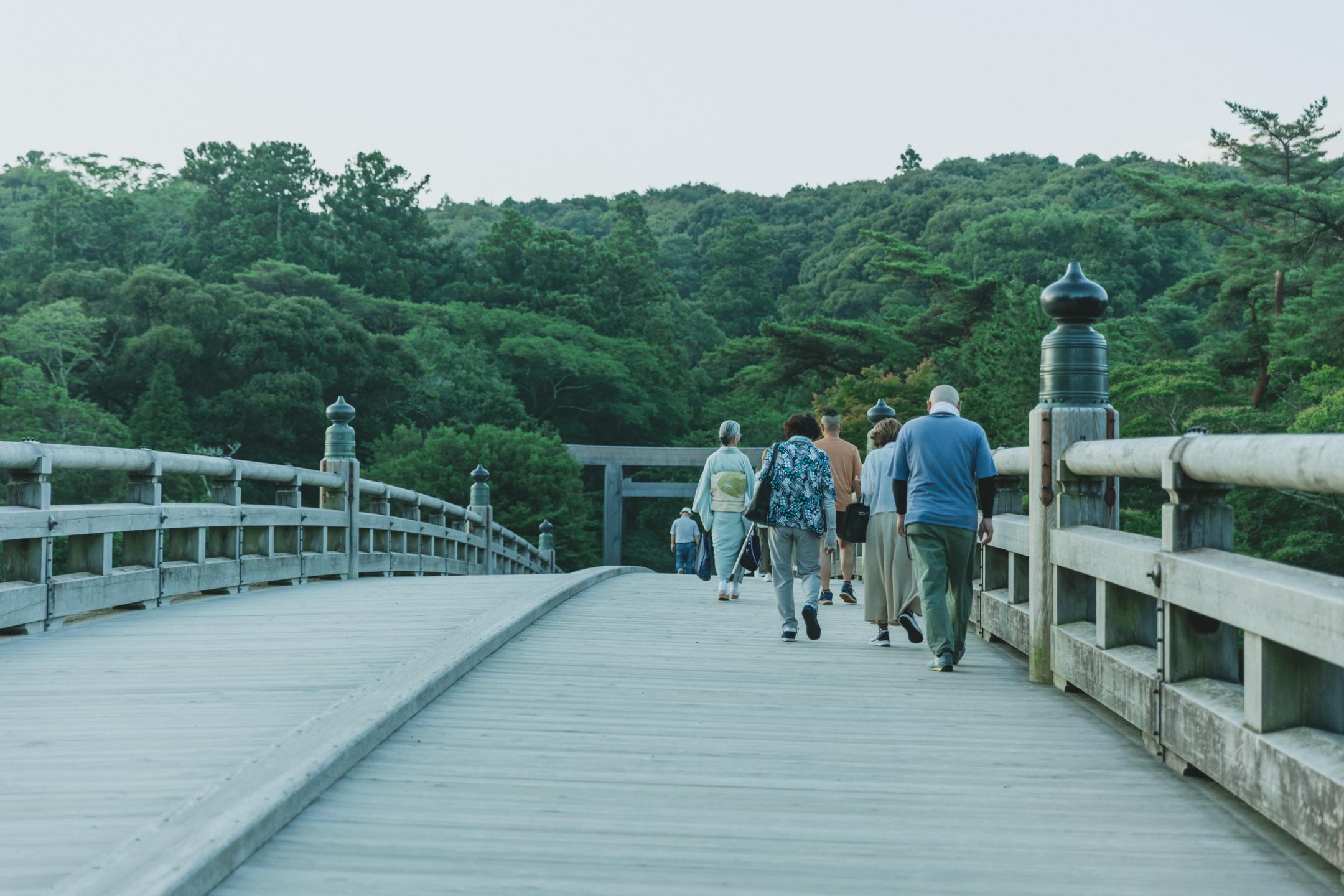
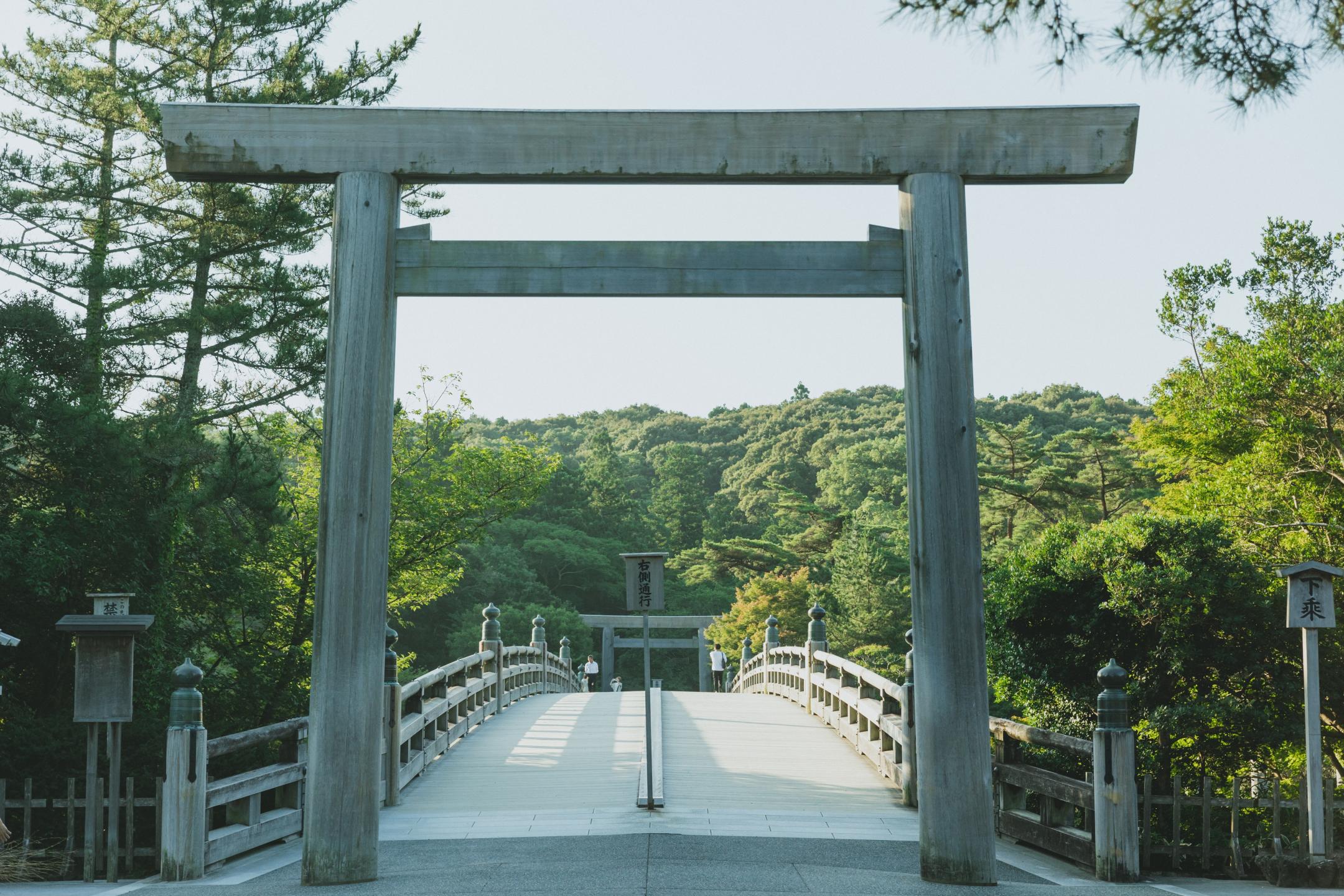
The Uji Bridge across the Isuzu River at the entrance to Naiku (the Inner Shrine) connects the physical world to the sacred world. When you visit, it is appropriate to first bow in front of Uji Bridge.
Ise Jingu Naiku, 1 Ujitachiho, Ise
The deity that feeds Amaterasu
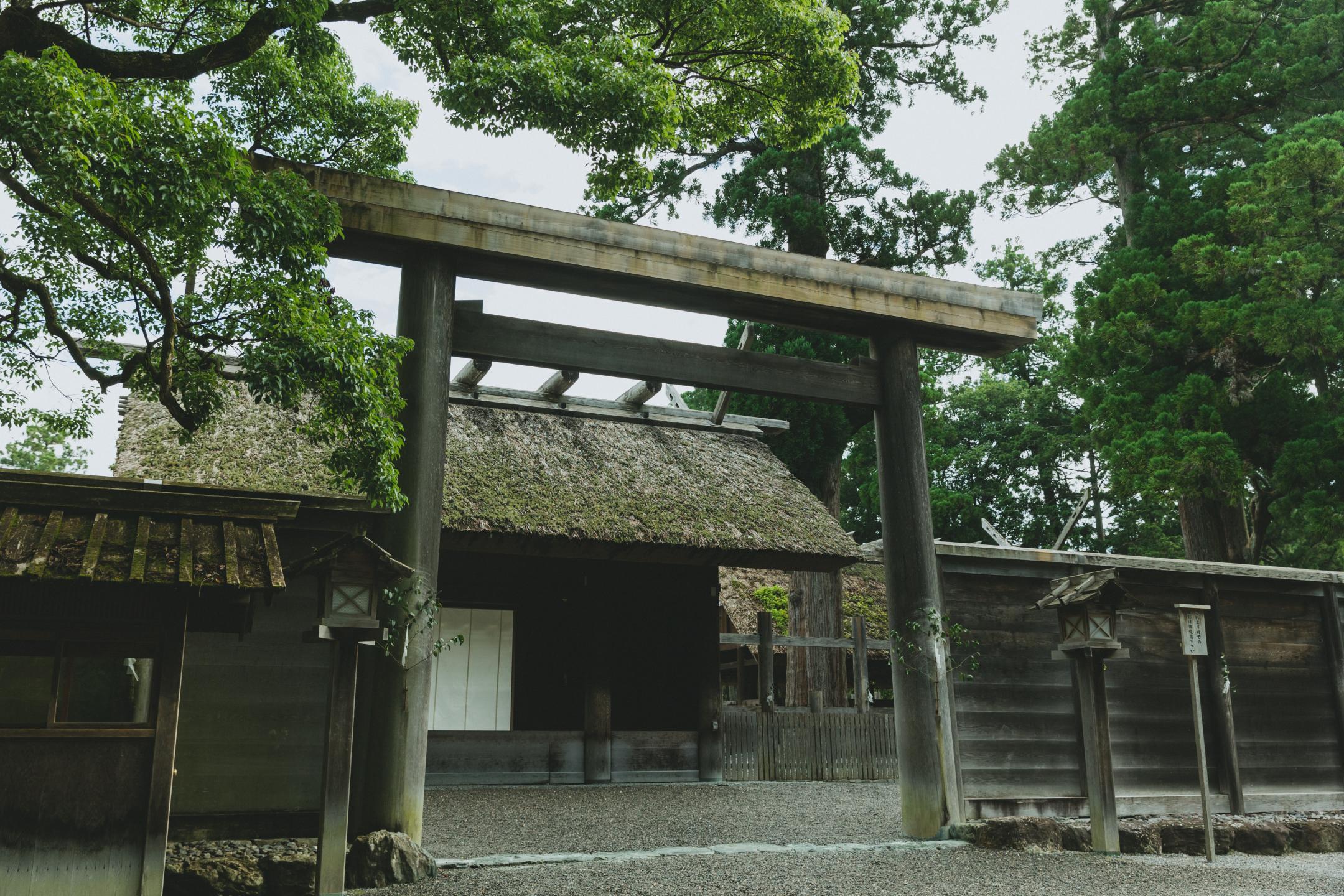
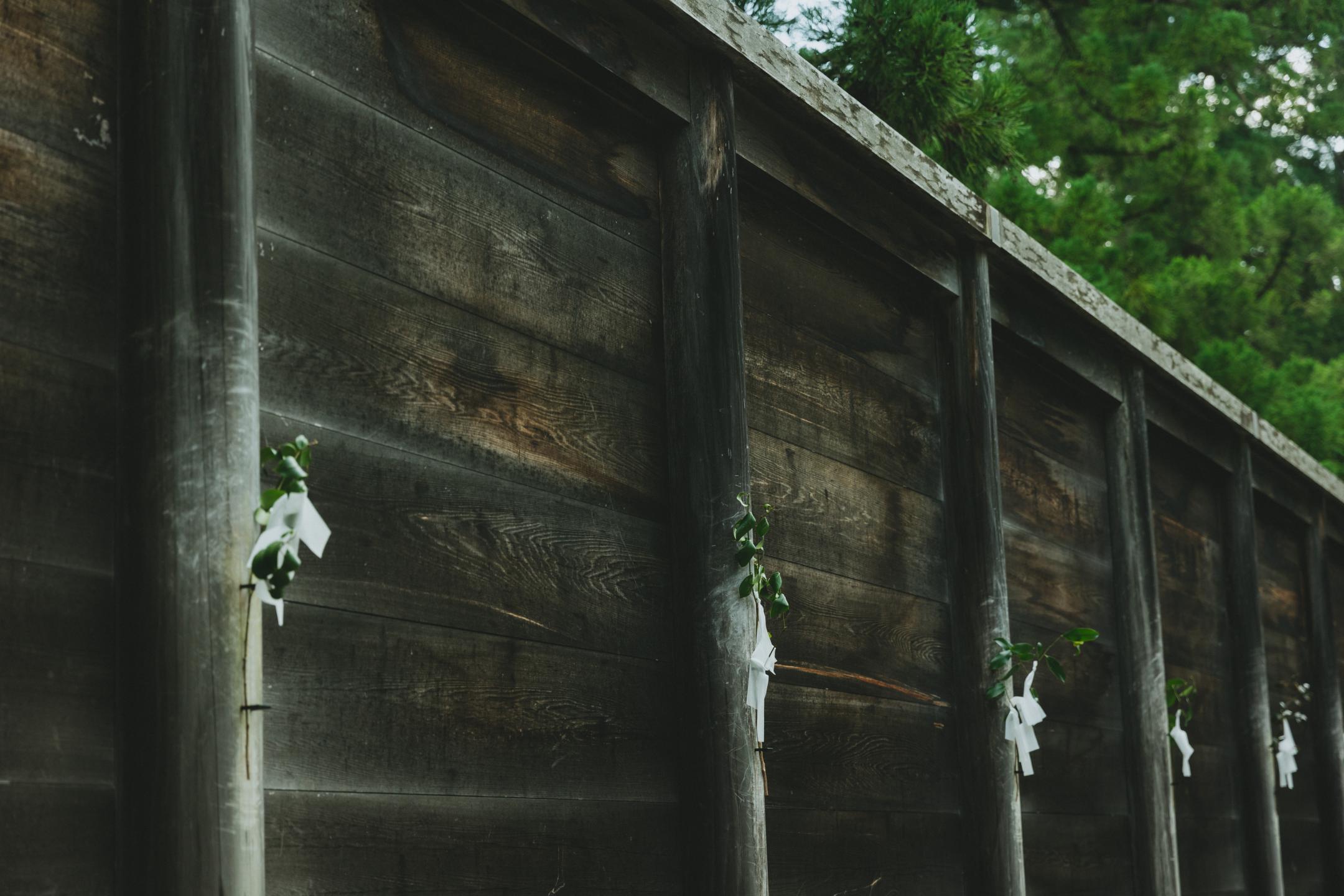
The center of Geku (the Outer Shrine) is the Toyouke Daijingu. Toyouke is the deity in charge of meals for Amaterasu at the Naiku (the Inner Shrine), and is also revered as the guardian deity of clothing, food, shelter, and industry.
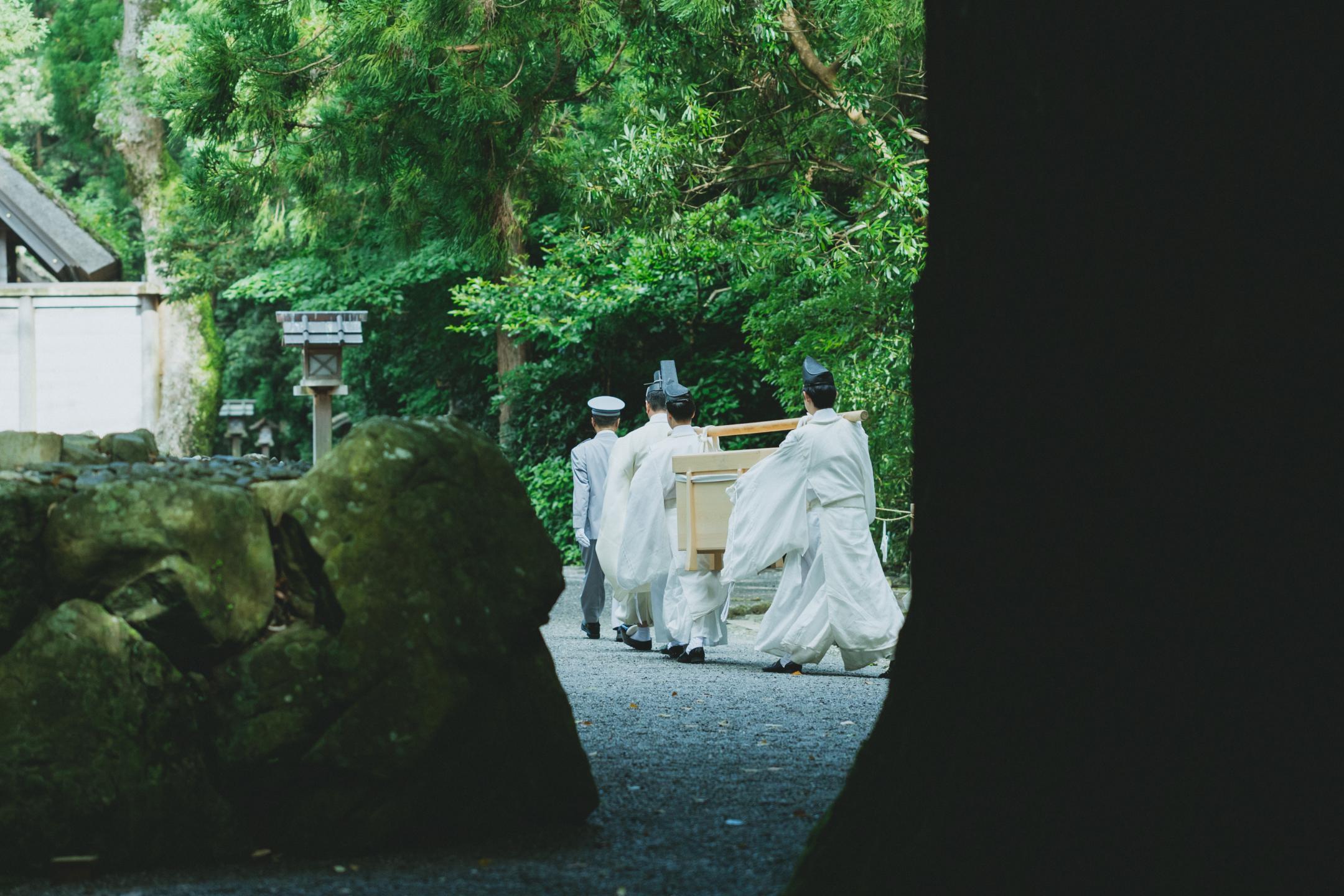
Around 500 years after the Naiku was enshrined, Toyouke was welcomed to Ise from Tanba Province as the deity of the imperial kitchen, and ever since, a grand offering ceremony has been performed every morning and evening at the Mikeden (the Imperial Kitchen Hall).
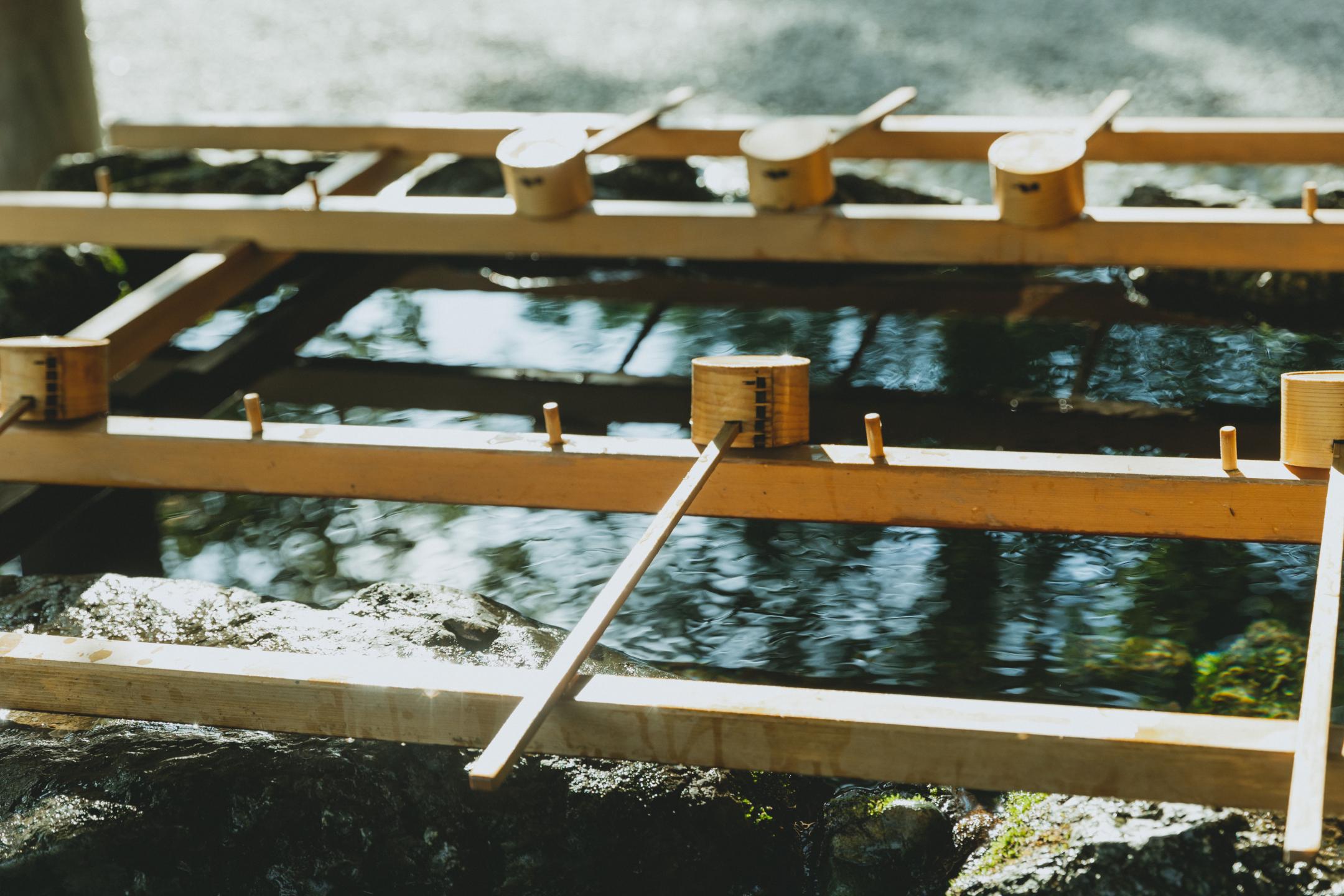
he Geku Sensai festival begins with rites including an offering of food to Toyouke. If you visit this festival, note that it is customary to visit the Outer Shrine before the Inner Shrine.
Ise Jingu Geku, 279 Toyokawacho, Ise
A street full of history
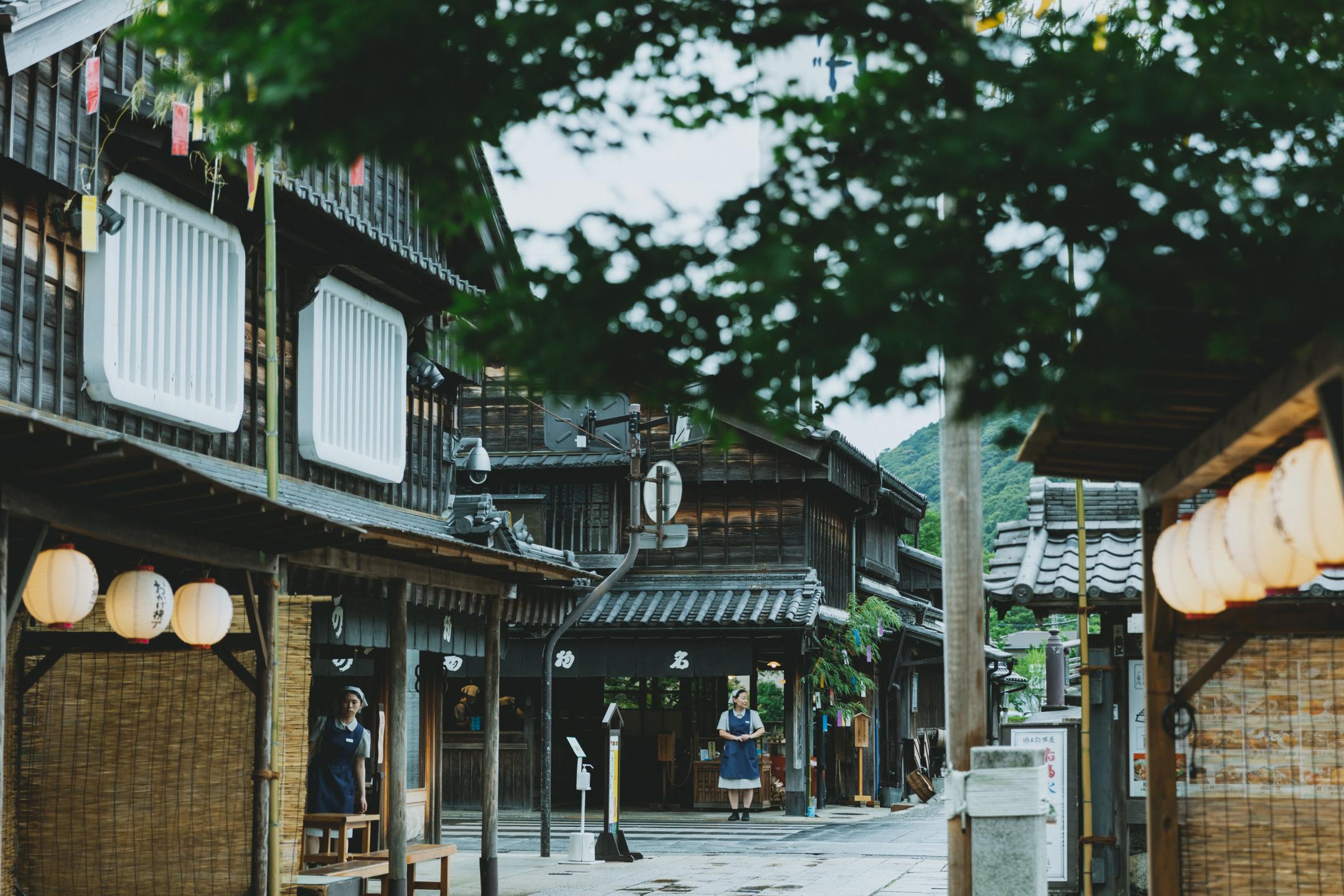
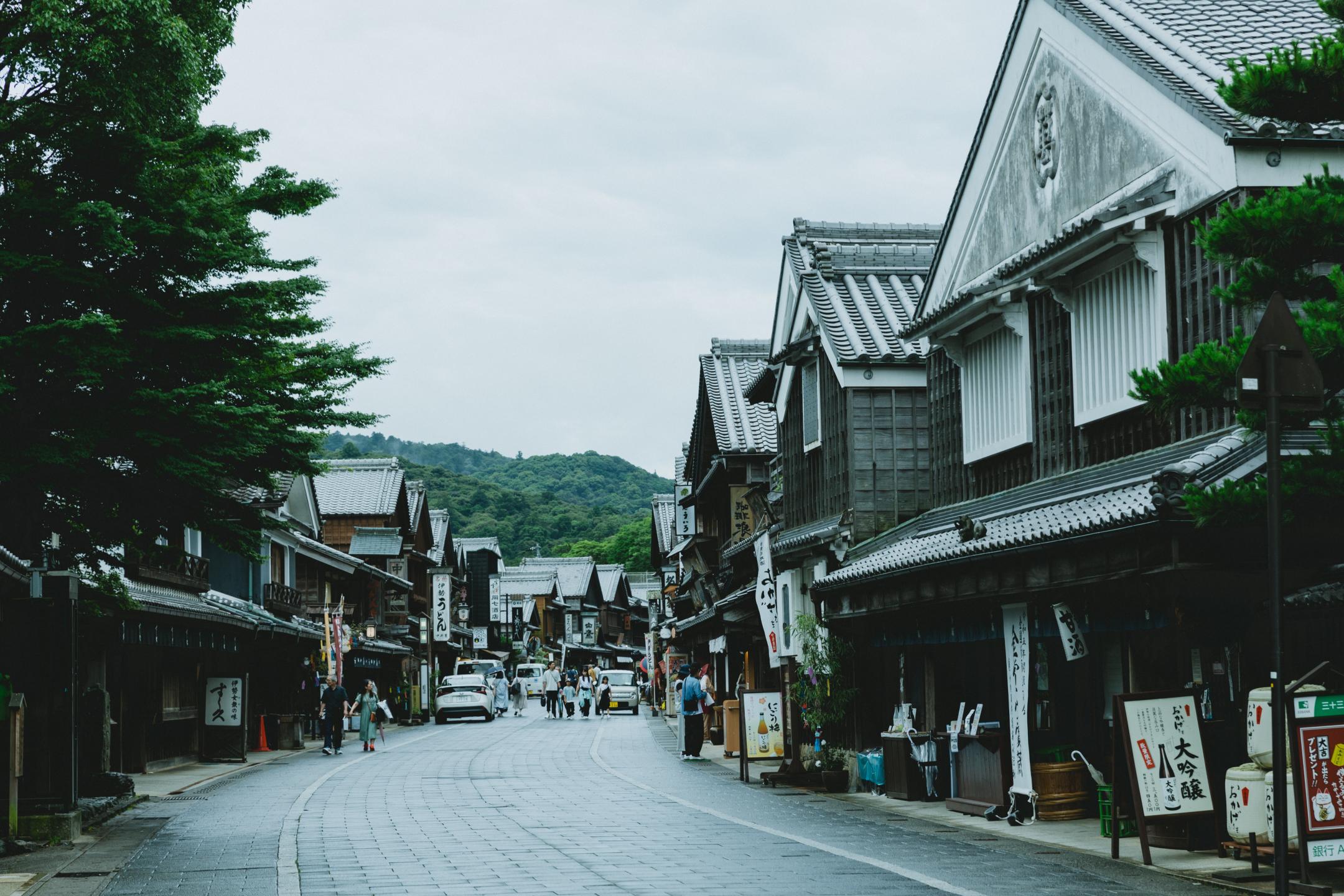
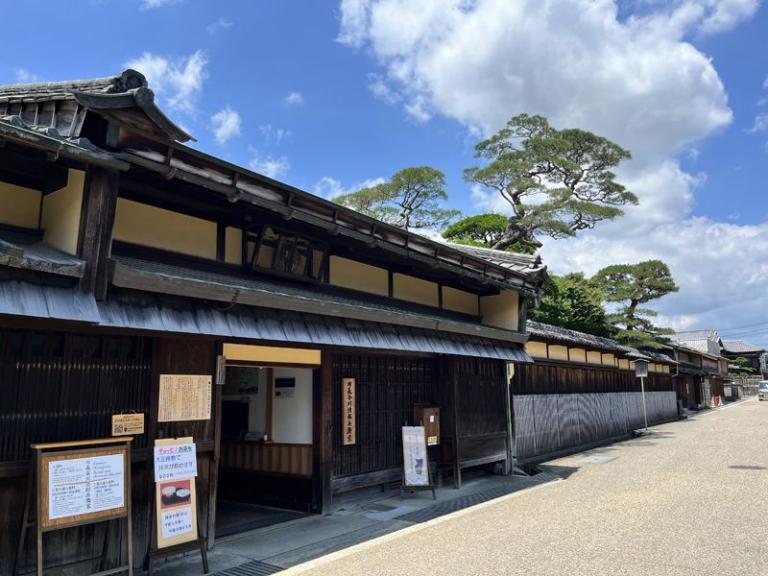
The straight path that extends from Ise Jingu is an old pilgrimage route known as Oharaimachi Street. During the Edo period, this 800-meter-long avenue from Uji Bridge along the Isuzu River was lined with buildings where lower-ranking priests and common people could go through purification rites and lodge. Even today, Oharaimachi Street retains buildings featuring Ise's unique architectural style of gabled roofs and entrances, evoking the atmosphere of centuries past.
Oharaimachi Ujiimazaikecho/Ujinakanokiricho, Ise
Taste Ise's mochi culture
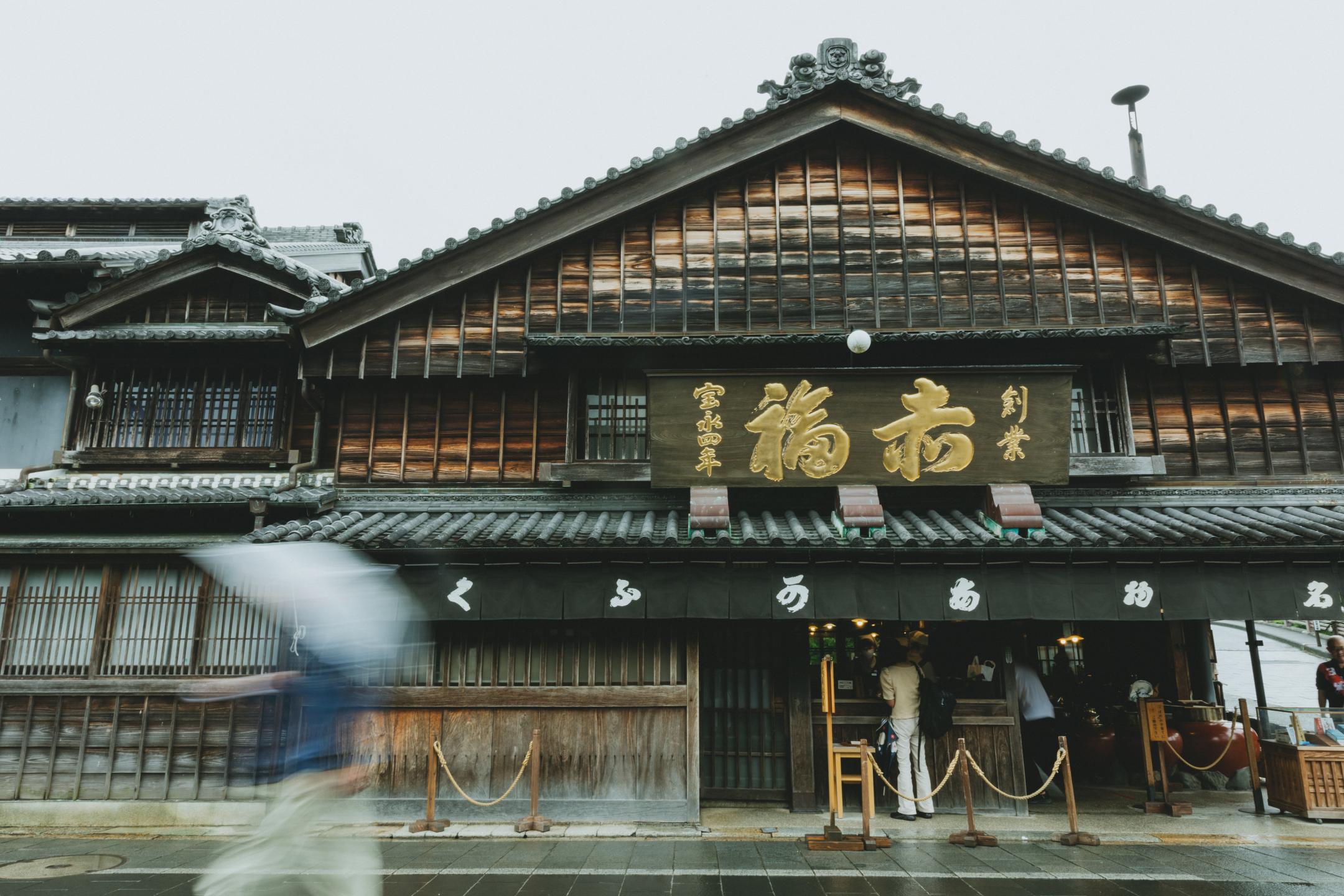
Easy to prepare and very filling, mochi rice cakes were a standard snack for pilgrims heading to Ise. In fact, the pilgrimage route from Kuwana to Ise is also known as the “Mochi Road.”
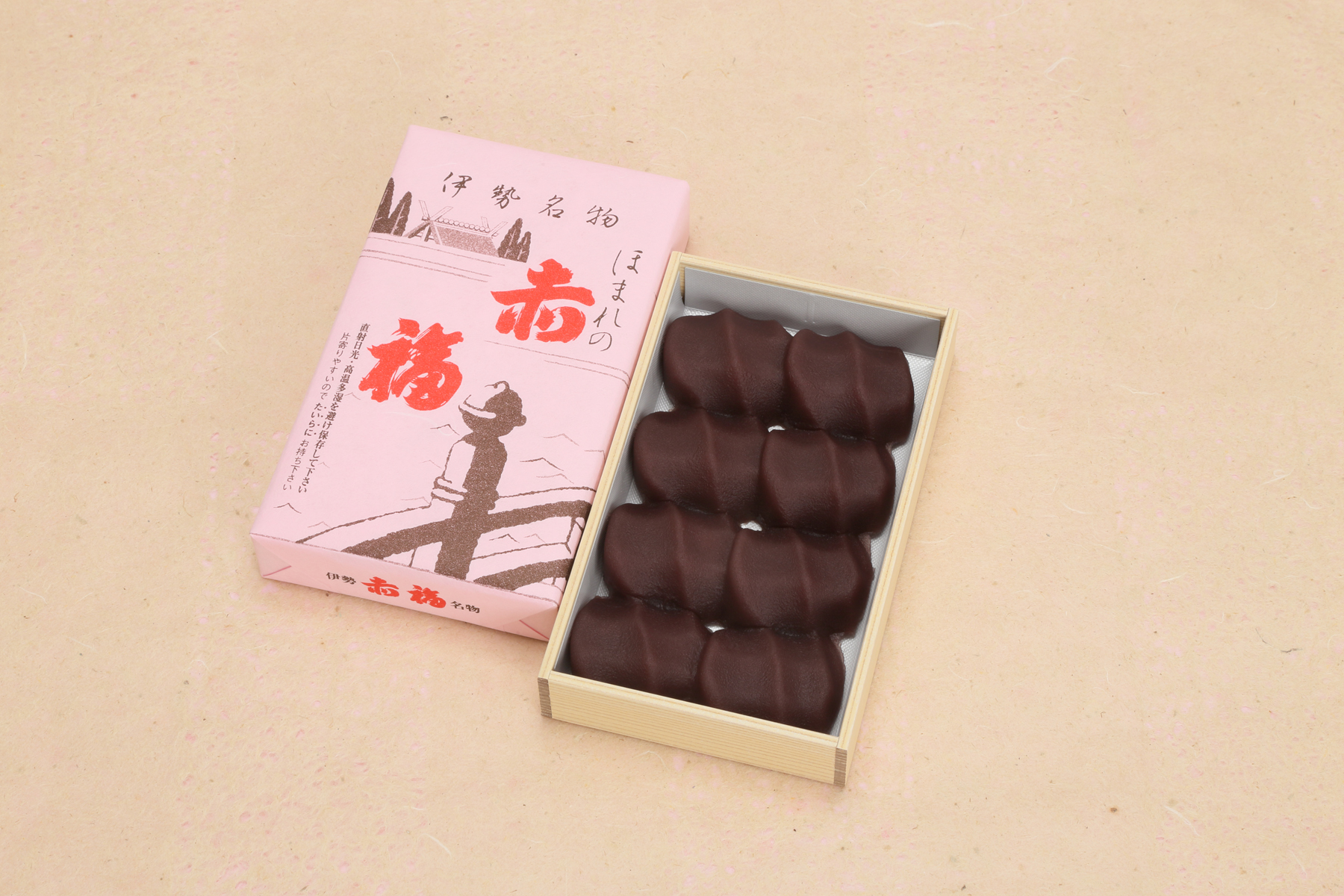
The Akafuku mochi shop on Oharaimachi Street was established in 1707. Try the signature “Akafuku Mochi” box of 8 rice cakes (900 yen) designed with sweet bean paste representing the water of the Isuzu River and white mochi the pebbles on the riverbed.
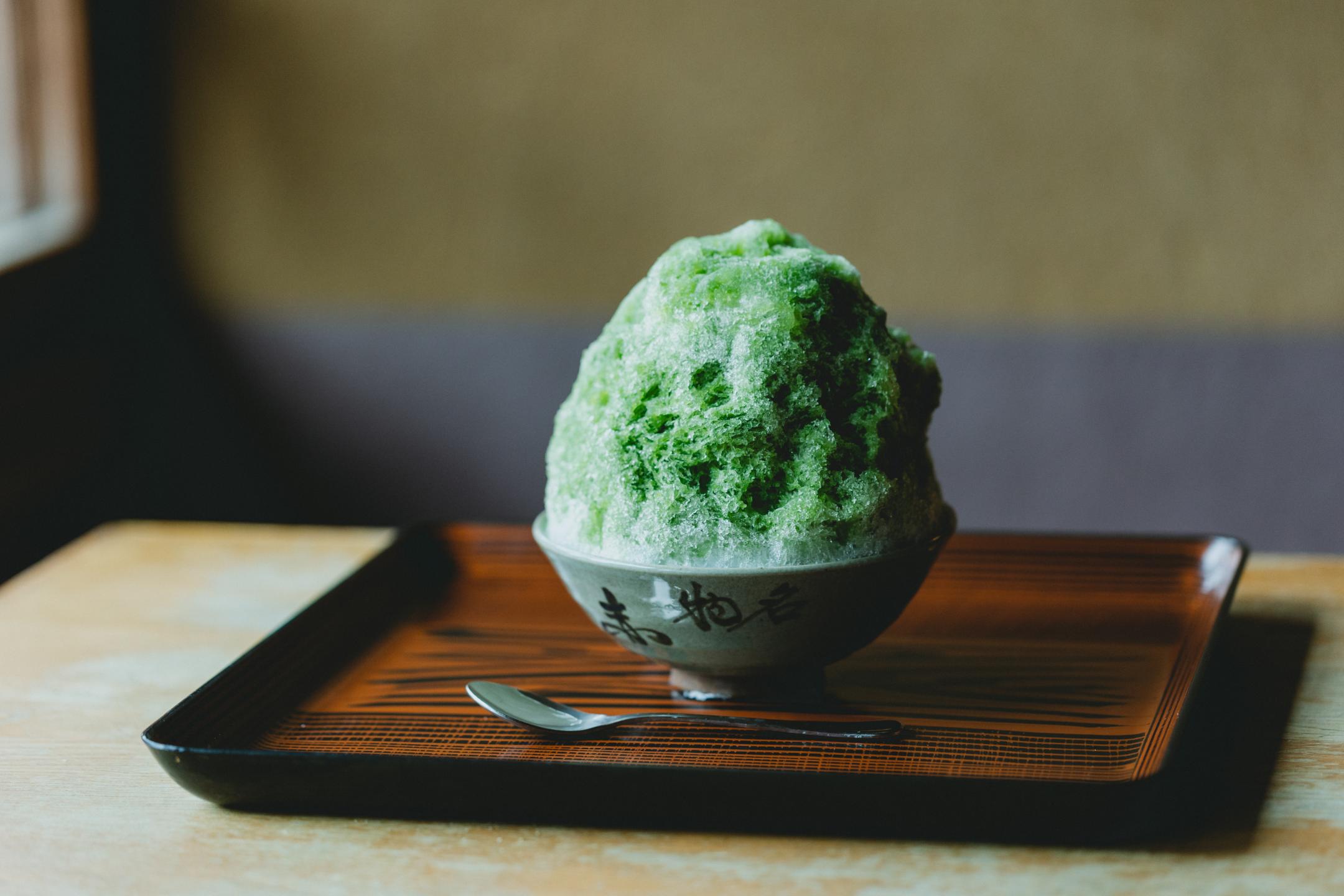
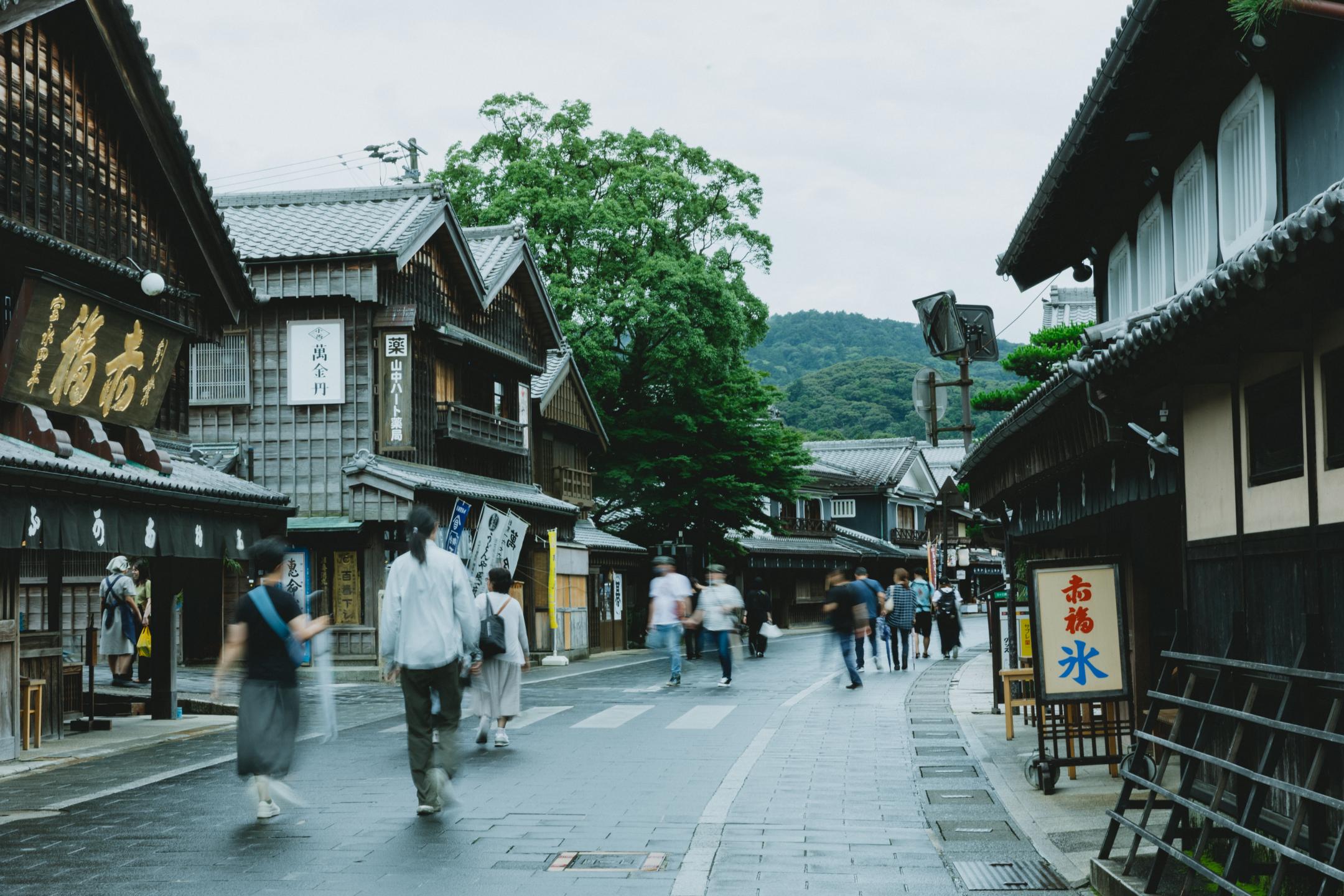
In summertime, “Akafuku Shaved Ice” (800 yen) is something of a local tradition. The topping is a matcha honey, and inside is a special bean paste filling with mochi rice. You can also find this treat at places like Dango-ro Chaya in Okage Yokocho.
Akafuku Honten, 26 Ujinakanokiricho, Ise
Fast food for hungry travelers
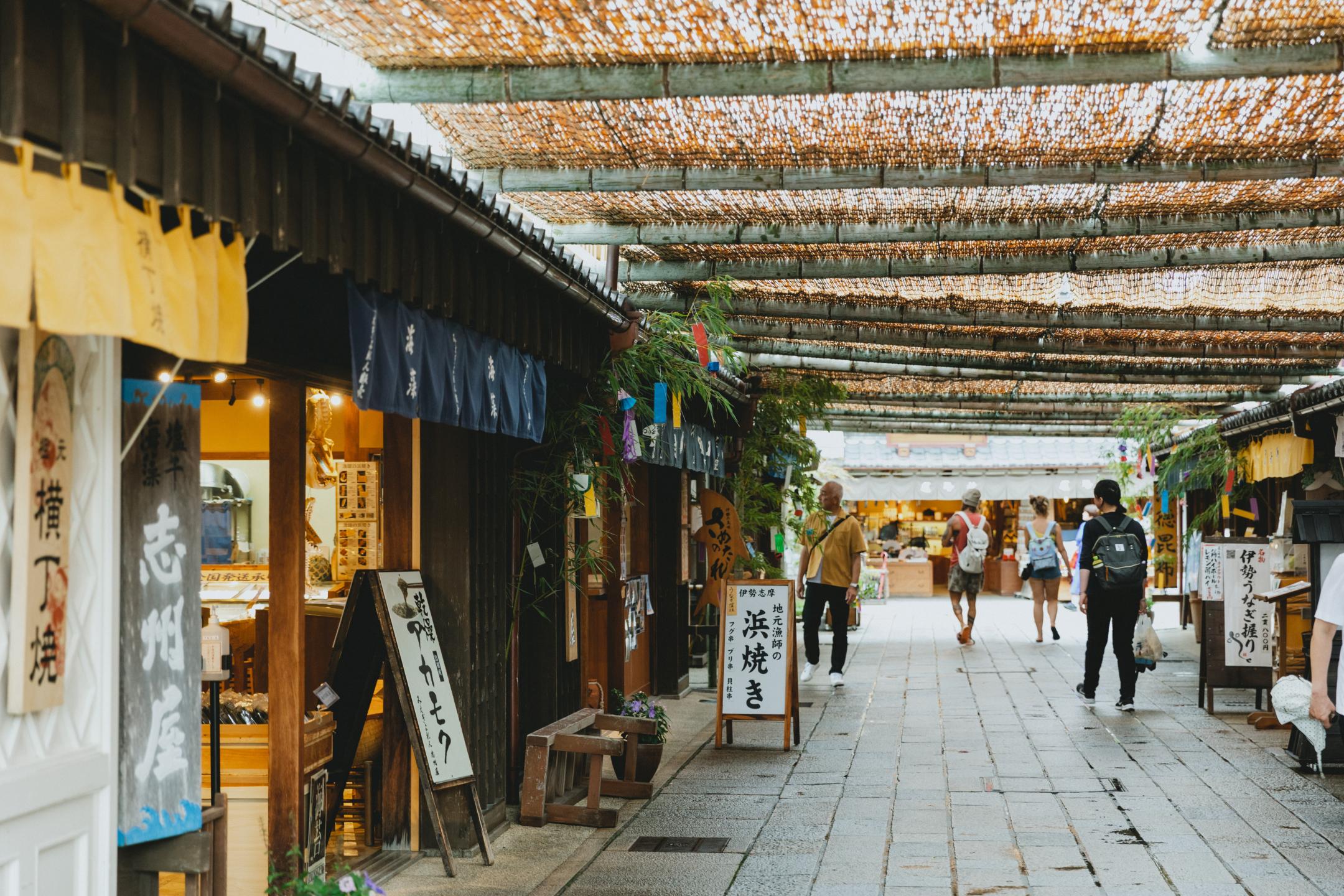
Okage Yokocho is an area about halfway along Oharaimachi Street where you will find around 50 shops selling local delicacies.
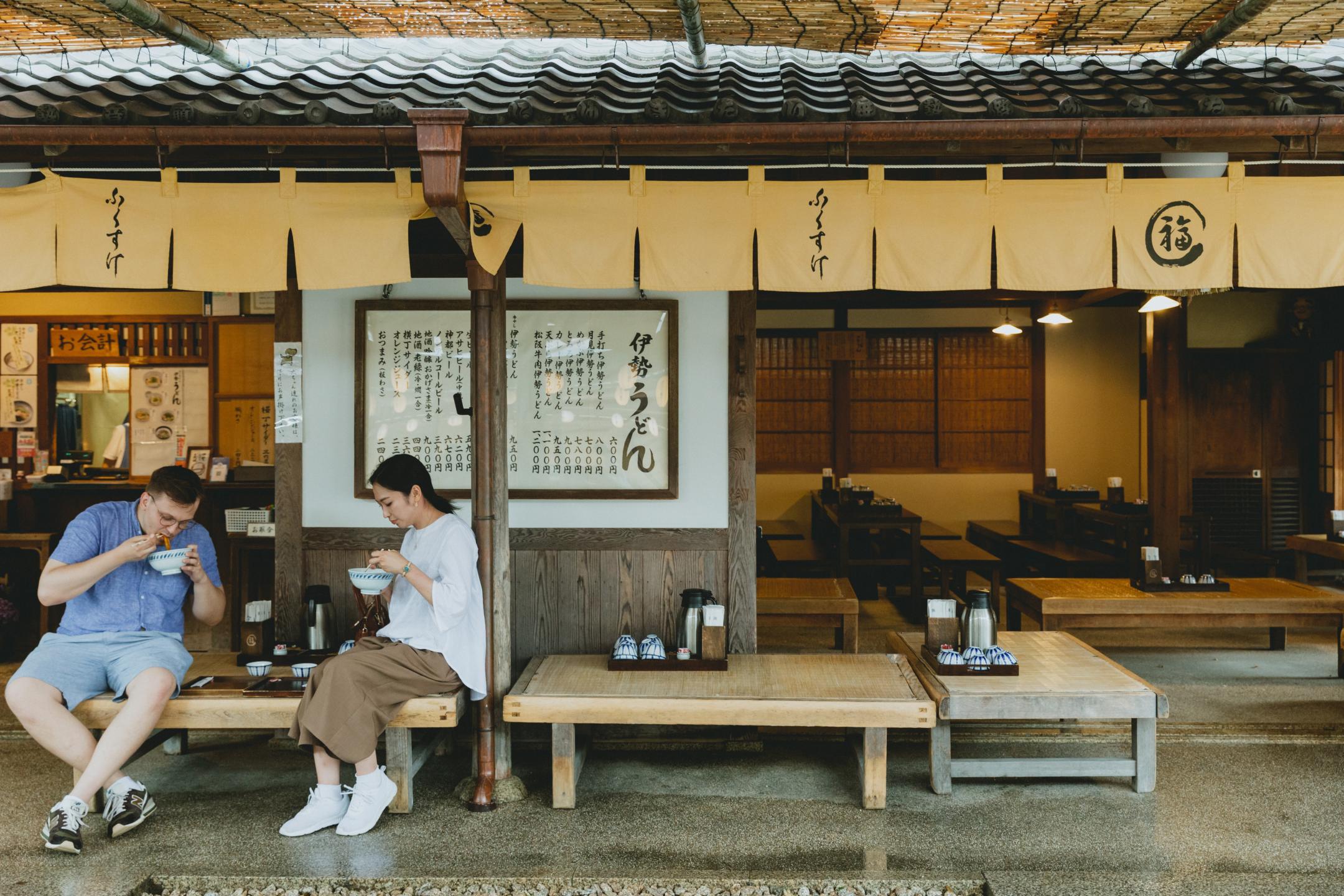
The restaurant Fukusuke serves Ise udon, a local specialty of thick, soft, chewy noodles with a rich, dark brown sauce made from dashi broth and tamari soy sauce. Noodles were apparently kept boiled so they could be served immediately to travelers, making this one of the first fast food concepts.
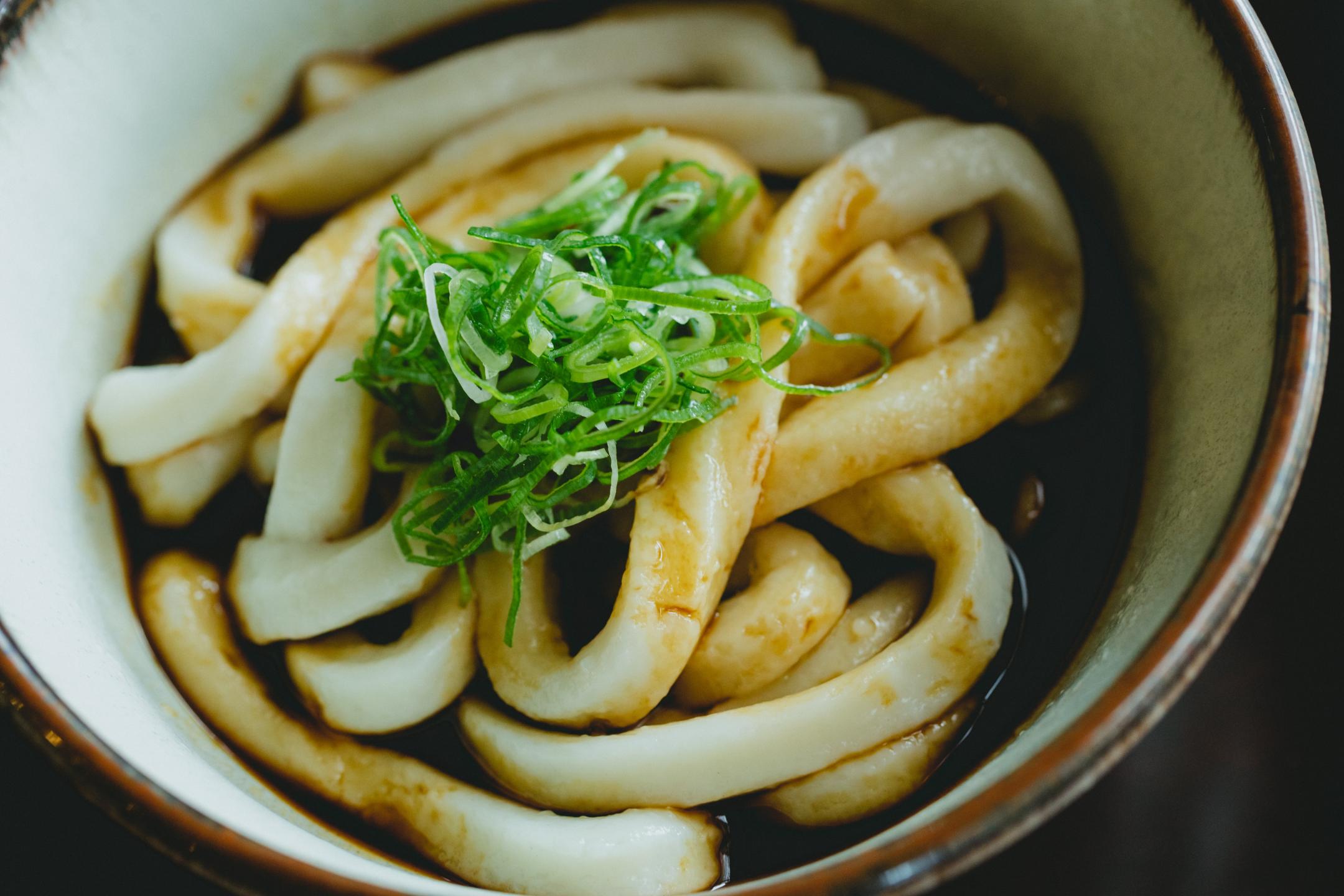
Fukusuke's sauce is homemade using natural dashi. The standard option is simply to add green onions. Take your chopsticks and mix the sauce, the noodles and green onions. Despite the rich appearance, the flavors are surprisingly mild. Handmade Ise Udon made with Mie-grown wheat (800 yen), available in limited quantities.
Fukusuke, 52 Ujinakanokiricho, Ise
Female divers born in the sea
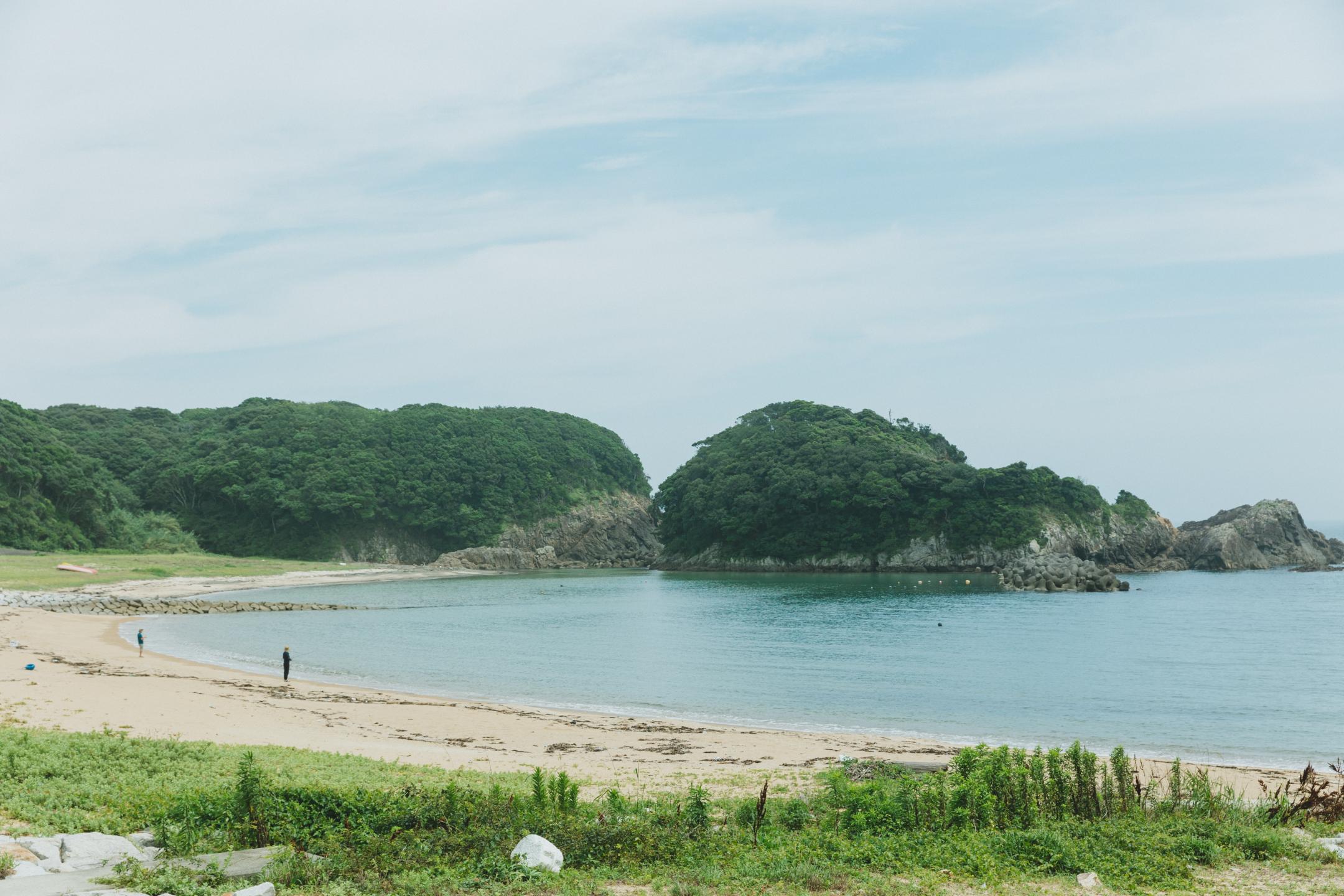
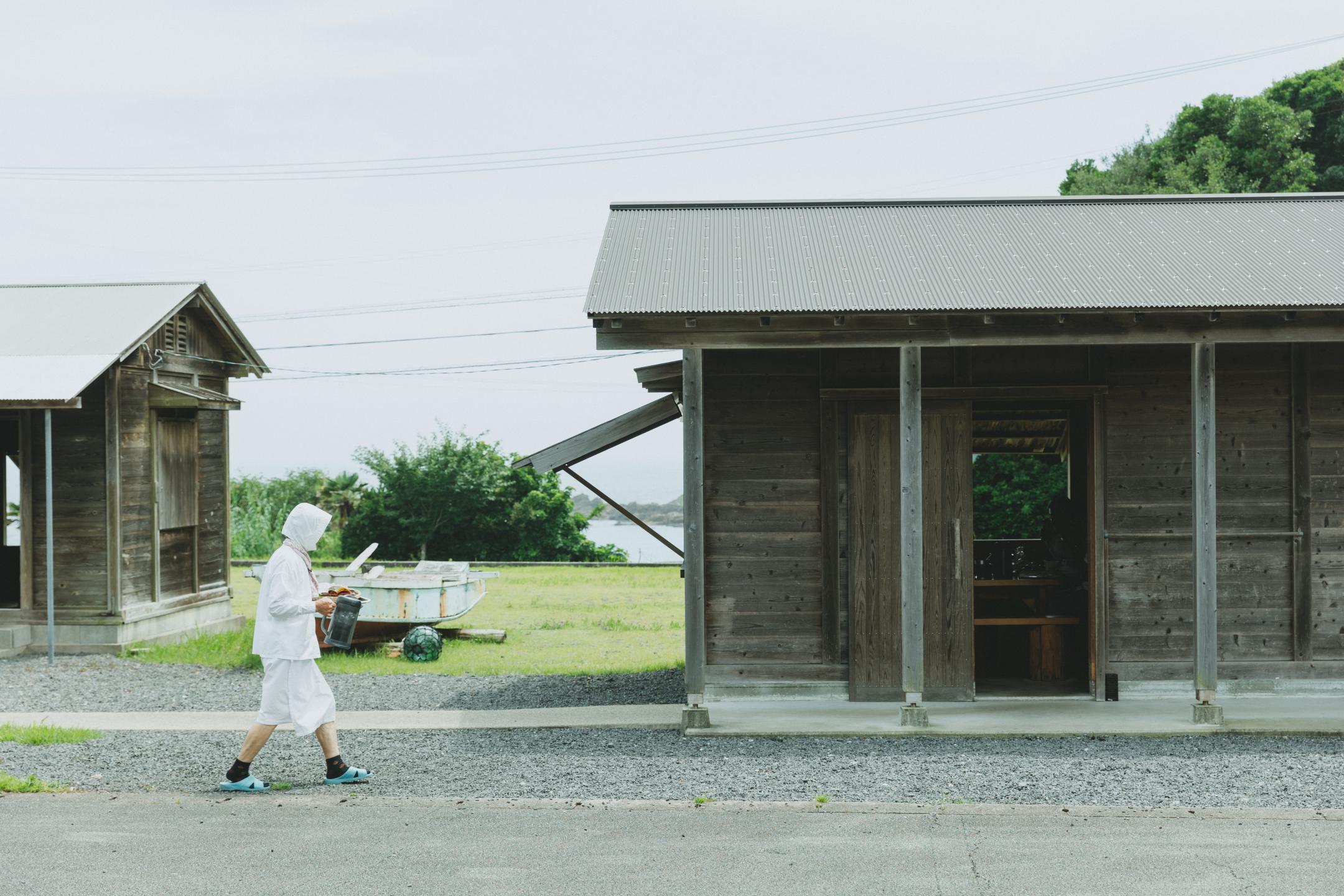
In Kunisaki, Toba City, there is a 2,000-year-old tradition of abalone harvested by female divers being offered at Ise Jingu. Legend has it that while searching for food offerings for Amaterasu, Princess Yamatohime came to Kunisaki and met an ama (a female diver born and raised in the sea) named Oben, and from that point on, Kunisaki offered abalone to the Ise Grand Shrine.
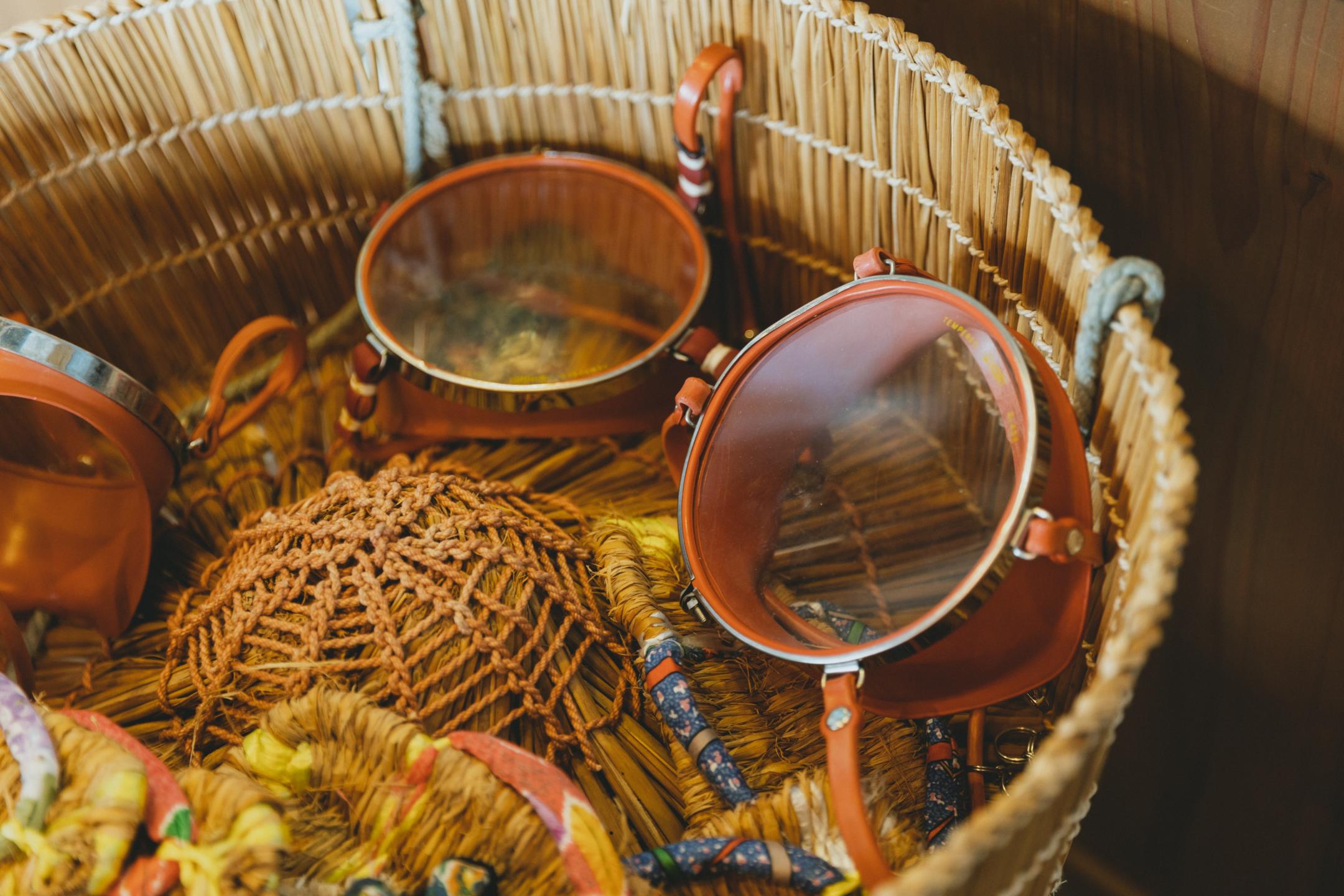
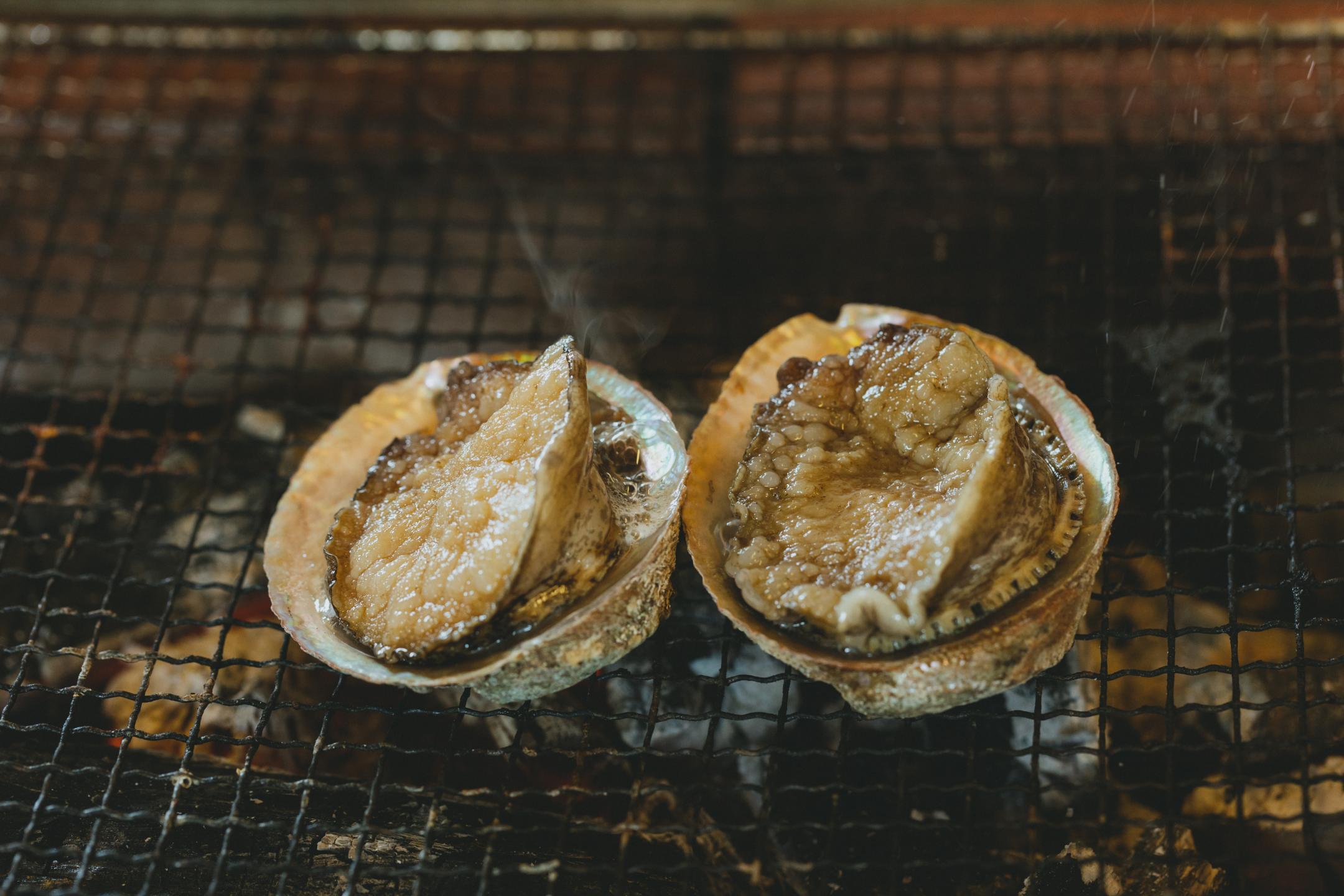
Free diving is a traditional fishing method that has been used since ancient times. Ama divers have always practiced sustainable fishing by not taking small abalone and limiting their diving time to around 60 to 90 minutes, which explains why the waters of Mie are still so rich with life.
Ama Hut Satoumian
Dive into ama culture
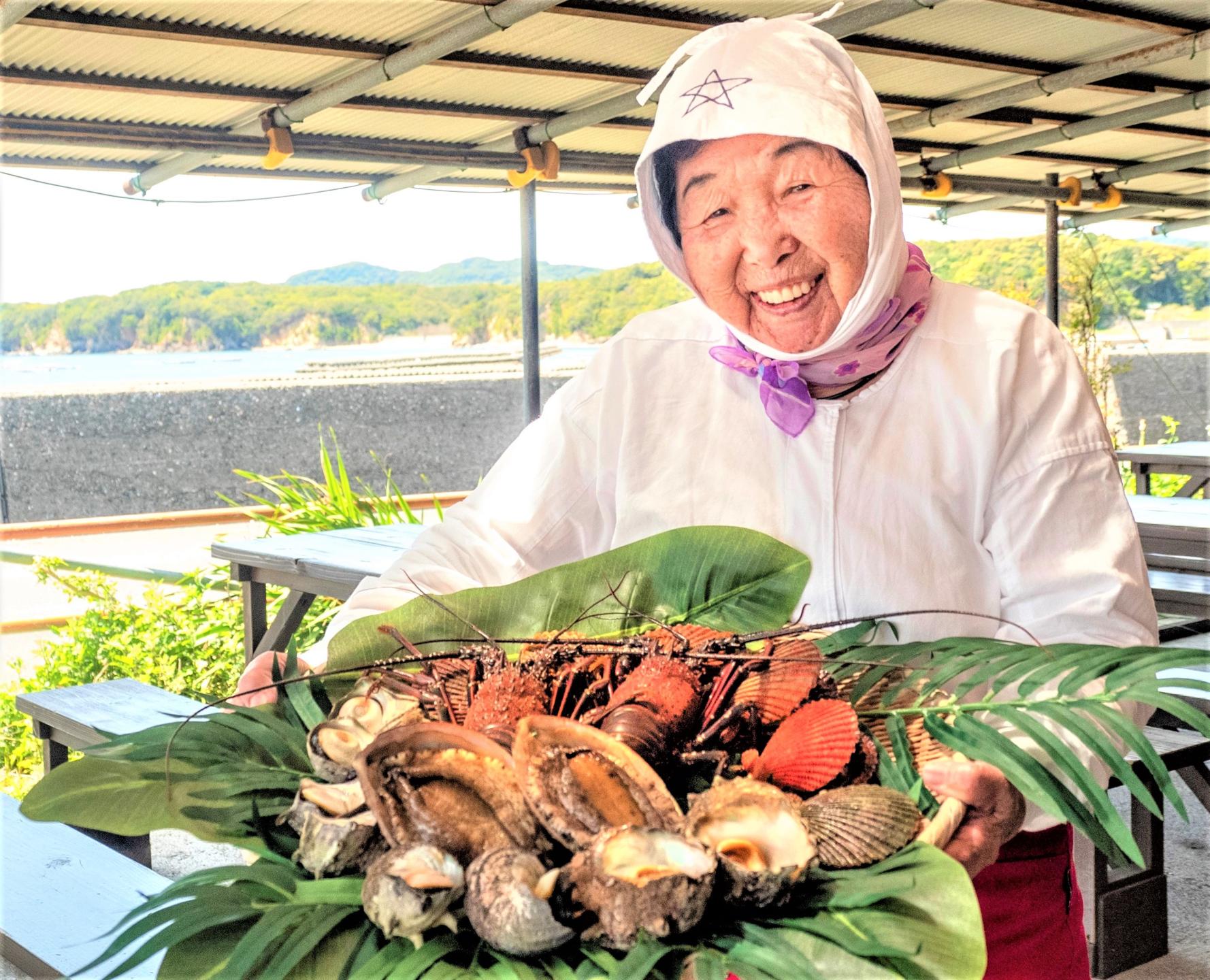
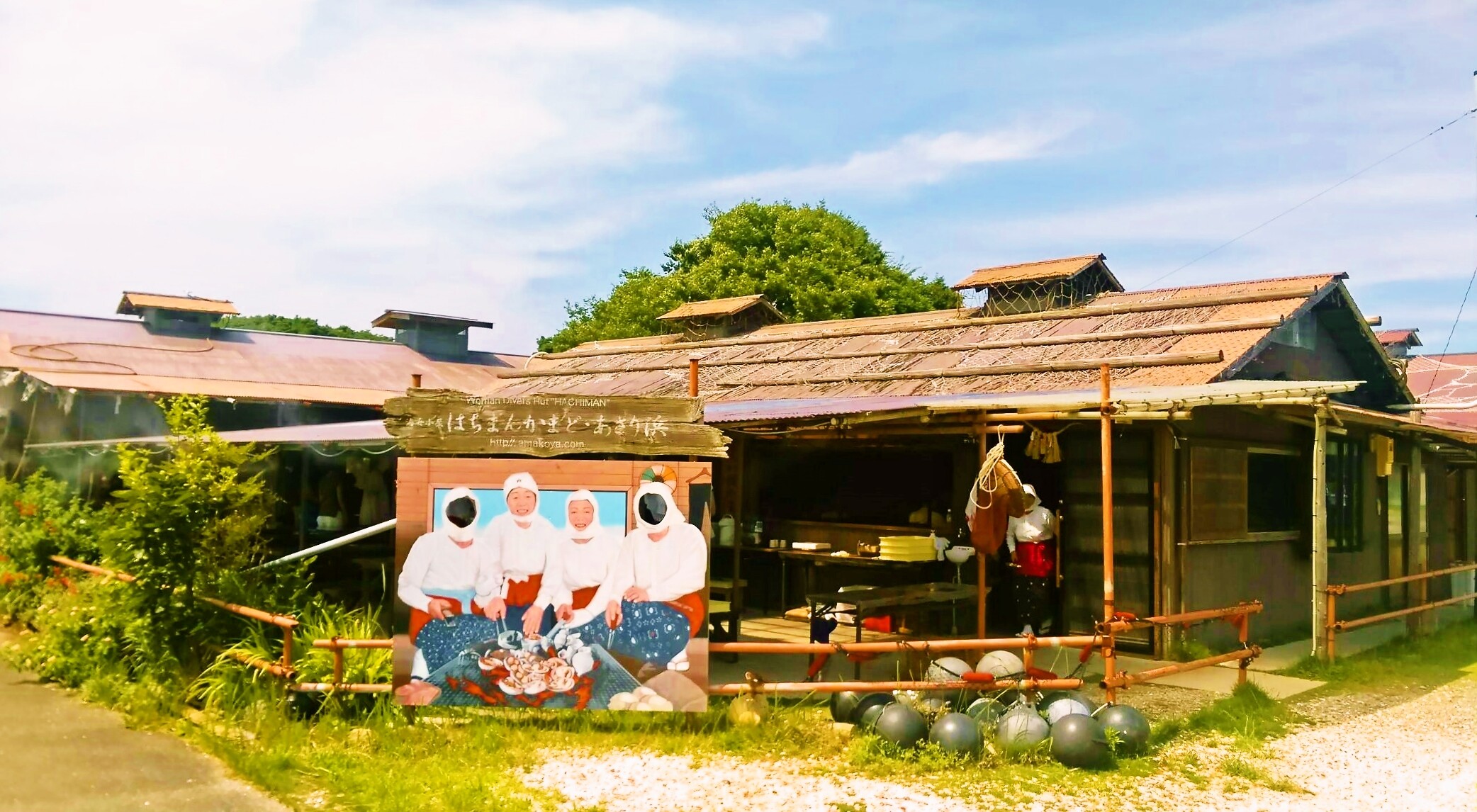
So-called "ama huts" are dotted along the coast of Ise-Shima. These huts are bases used by ama divers, providing warmth and meals between dives. They are also popular tourist spots where visitors can savor seafood delicacies and experience ama diving culture while listening to divers' stories.
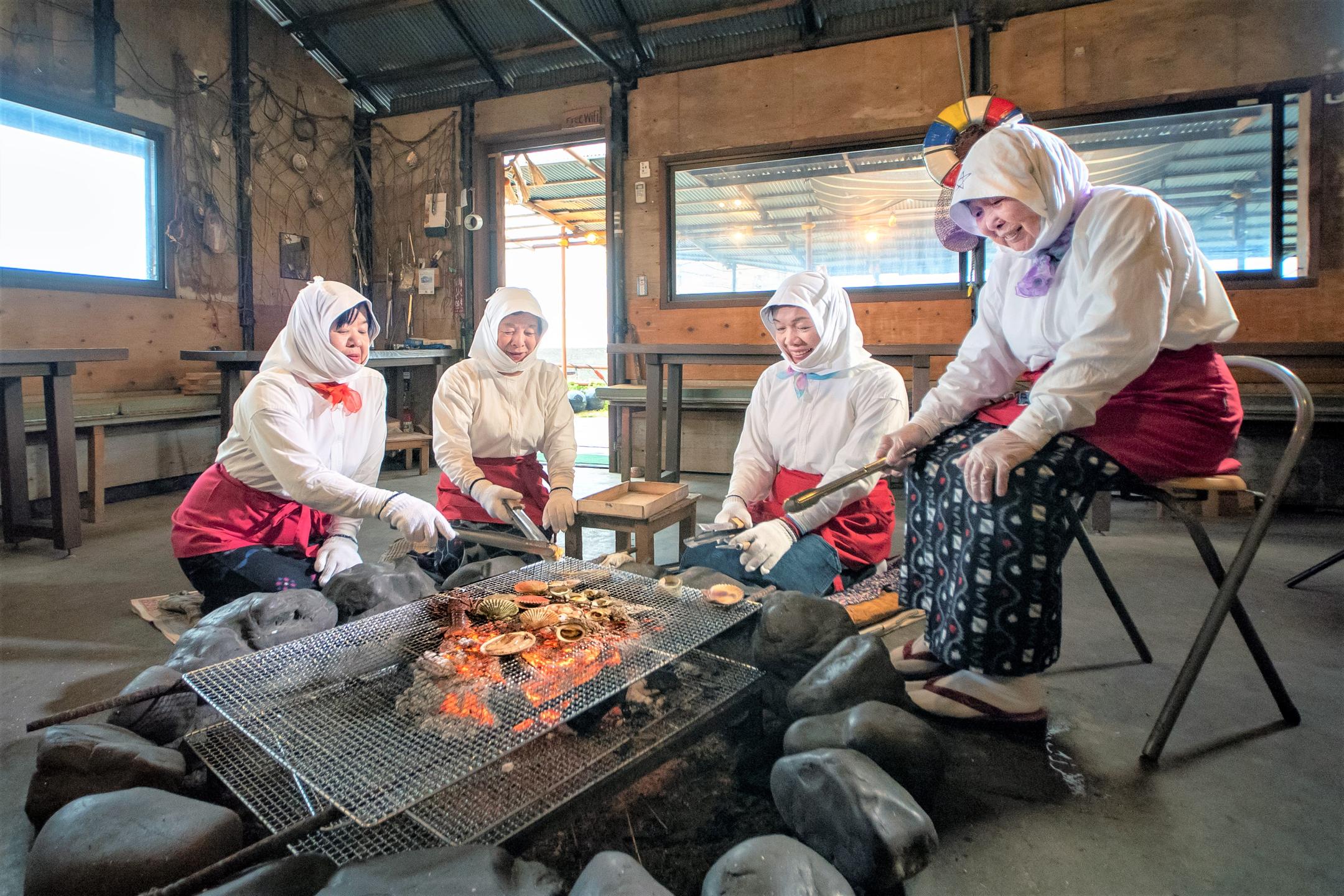
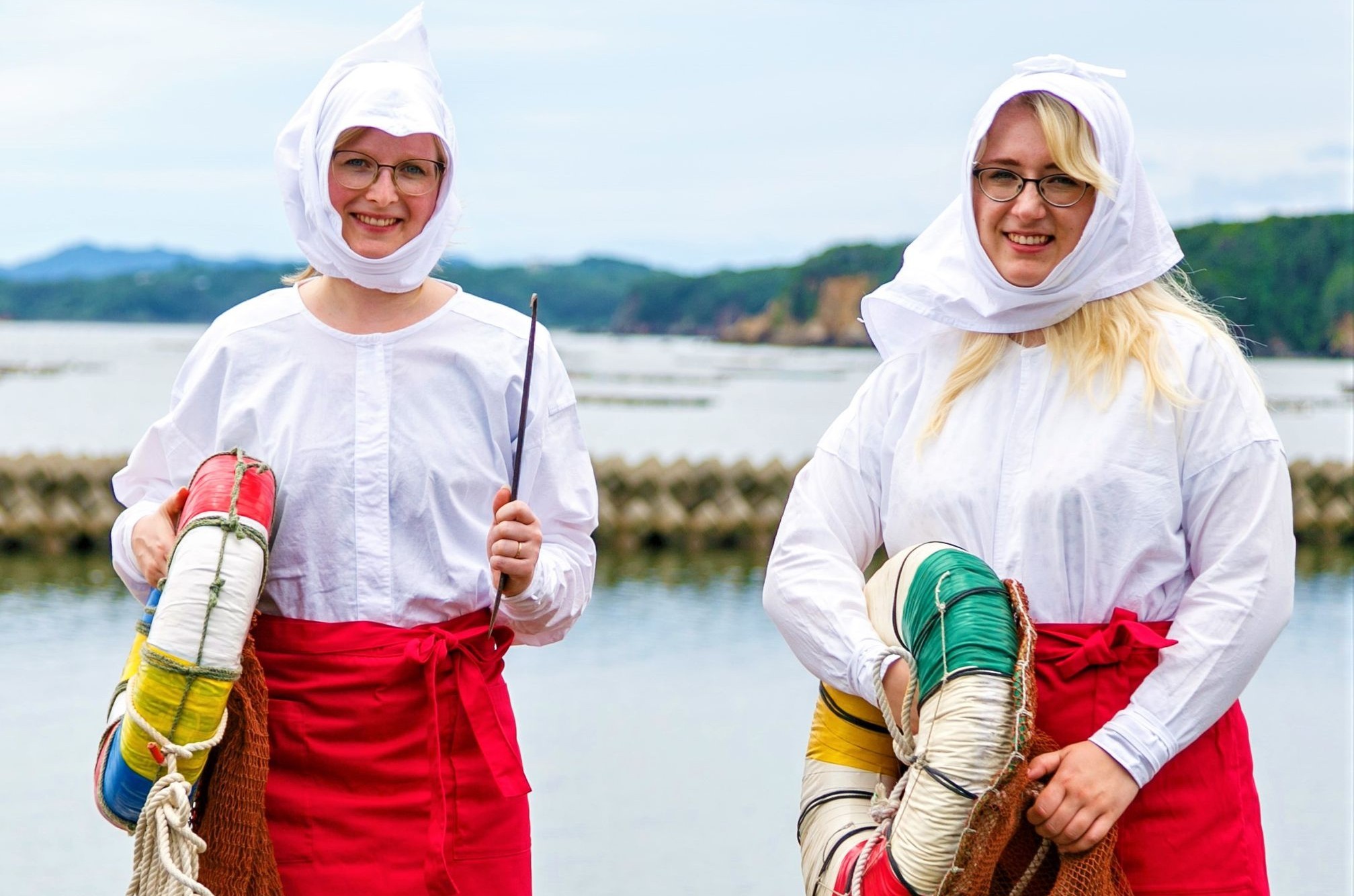
Located in Osatsucho, Toba City, Ama Hut "Hachiman Kamado” serves a wide range of courses, from recommended dishes (2,900 yen) to menus featuring “Shinsen” foods that are offered to the gods (50,000 yen). This is a great way to enjoy fresh seafood hand-grilled by the ama divers around a hearth as you listen to their stories.
For a small fee, you can even wear an ama diver's costume.
Ama Hut "Hachiman Kamado", 819 Osatsucho, Toba
Ama's guardian deity
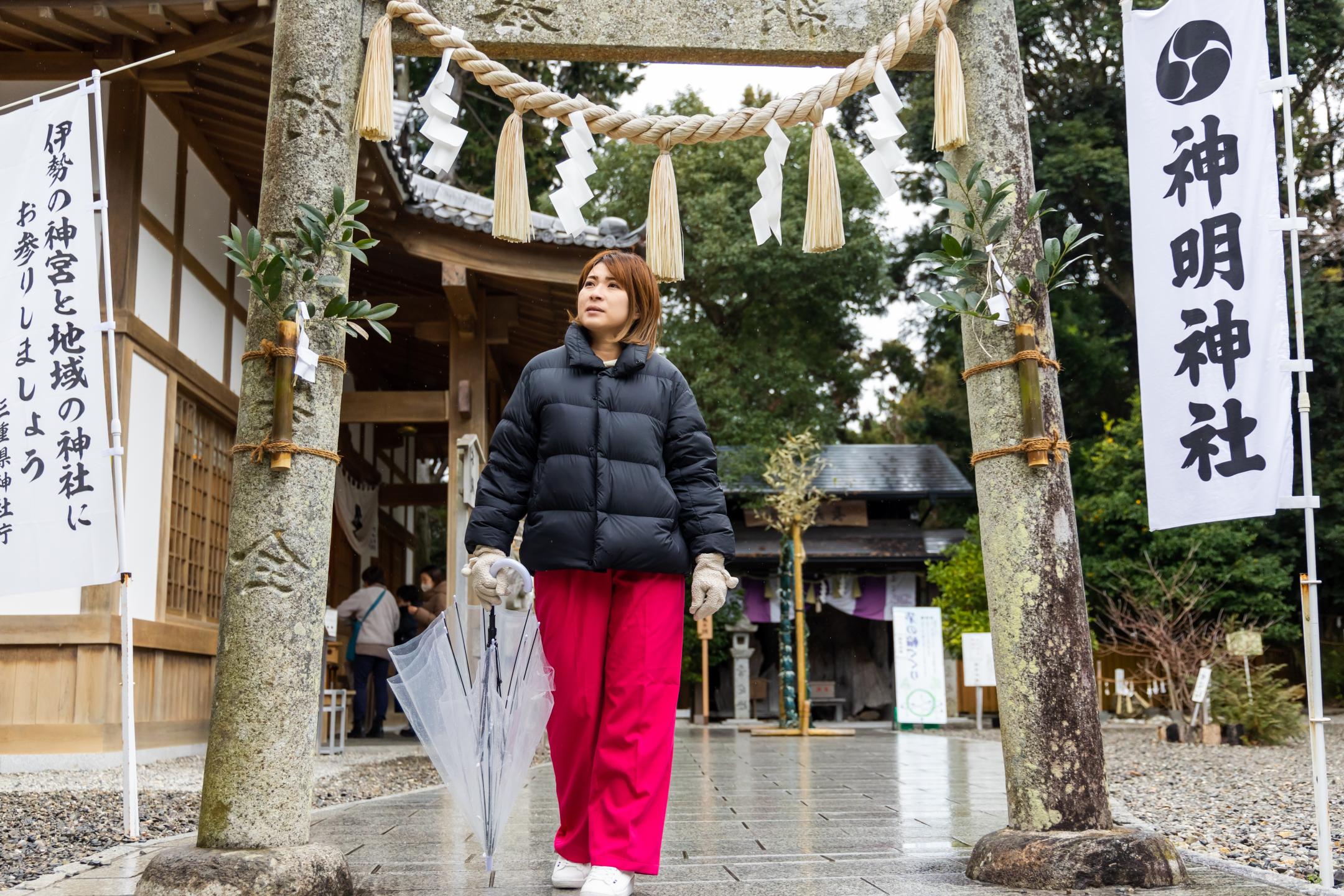
Said to be at least 400 years old, Shinmei Shrine, the guardian deity of Osatsu, enshrines 26 gods including Japan's solar deity Amaterasu, and has long been revered by the local ama divers.
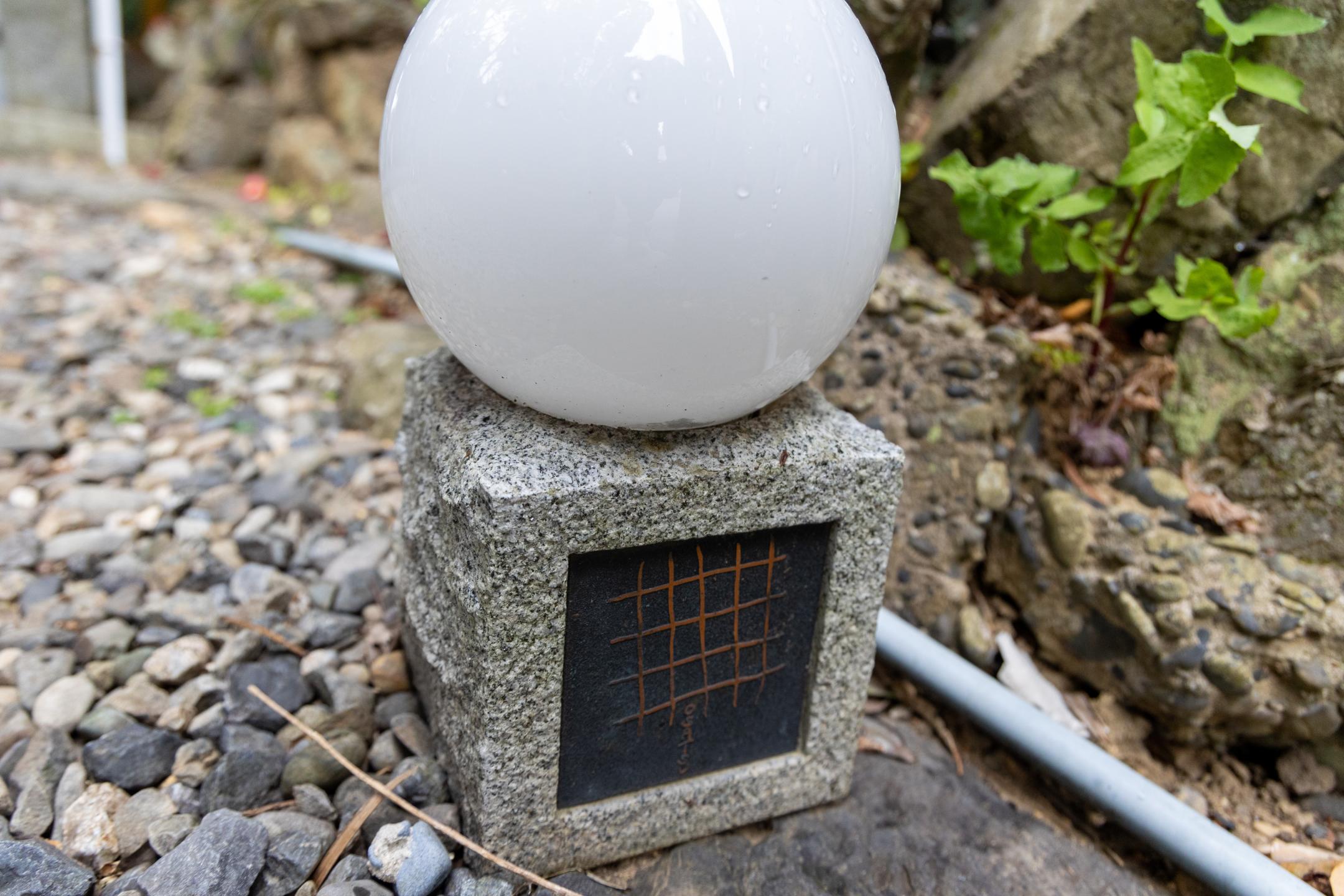
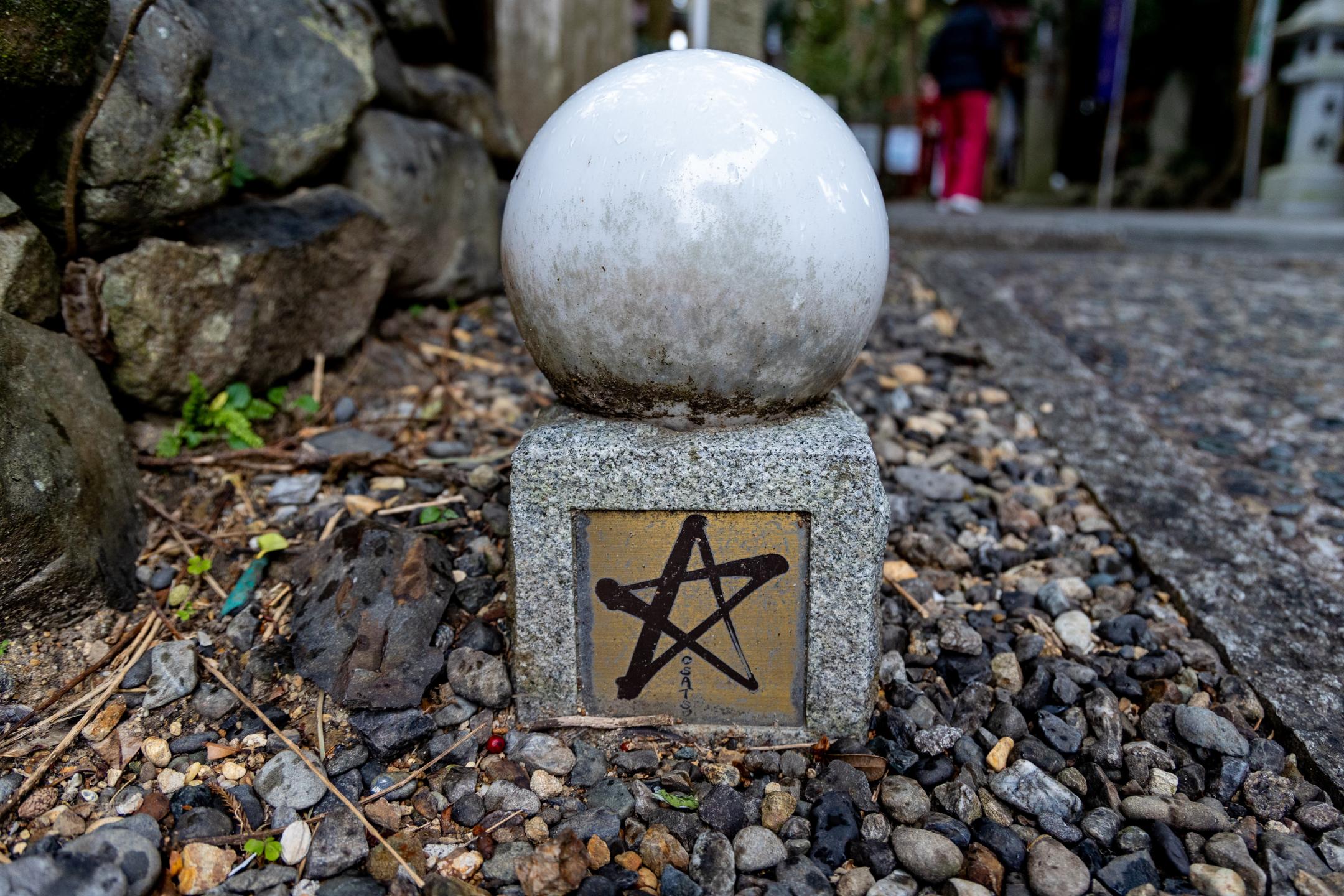
The lattice symbols in the shrine precincts are called "doman" while the star signs are known as "seman". These are said to protect the Ama divers from evil and ensure their safe return. You can also find charms bearing these symbols.
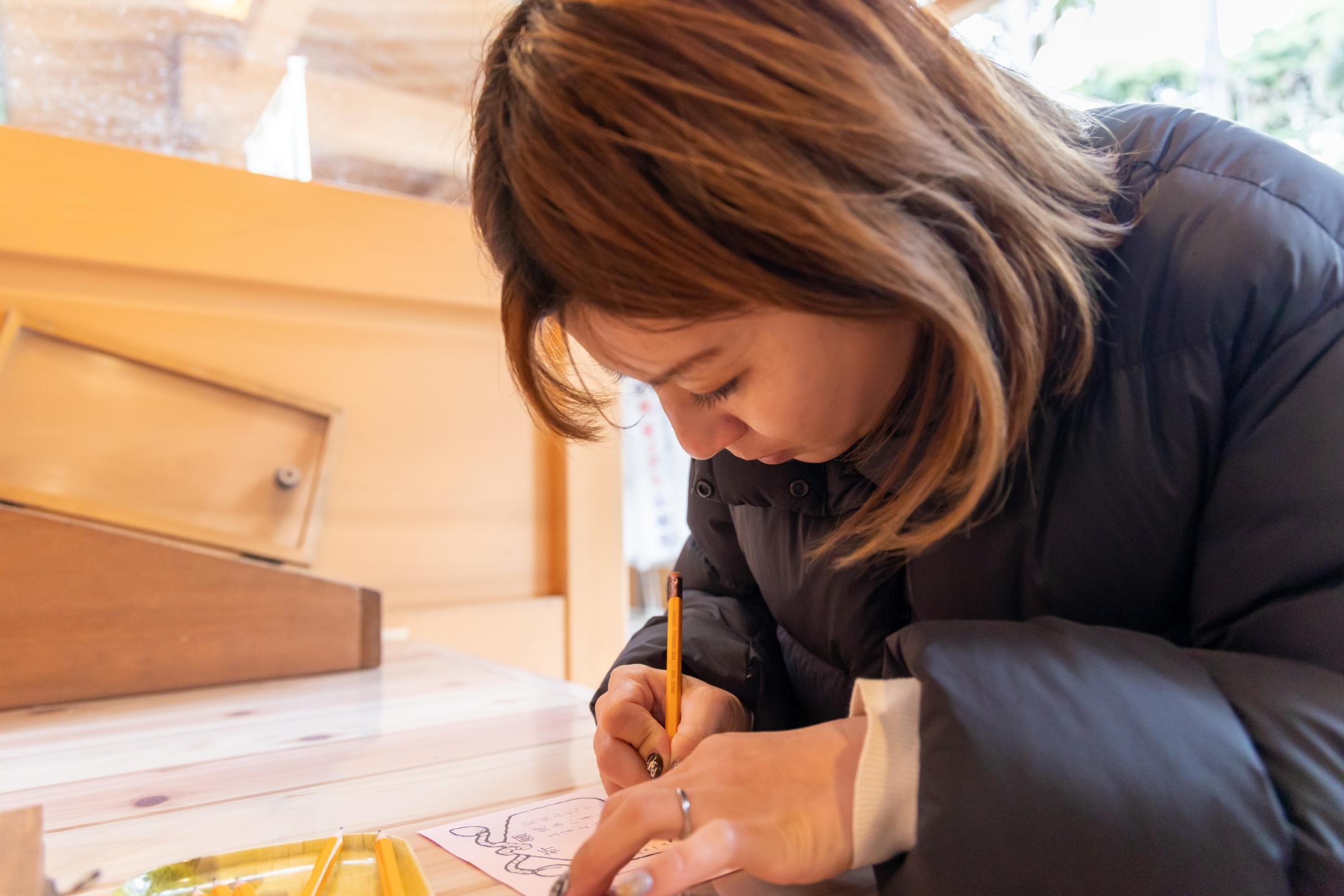
The deity commonly known as “Ishigami-san,” enshrined within the precincts of Shinmei Shrine, is the daughter of the Watatsumi sea god, which is said to grant a woman's wish, so many female visitors come here to make their wishes and say their prayers.
Shinmei Shrine, 1385 Osatsucho, Toba
A seafood BBQ with Ama divers
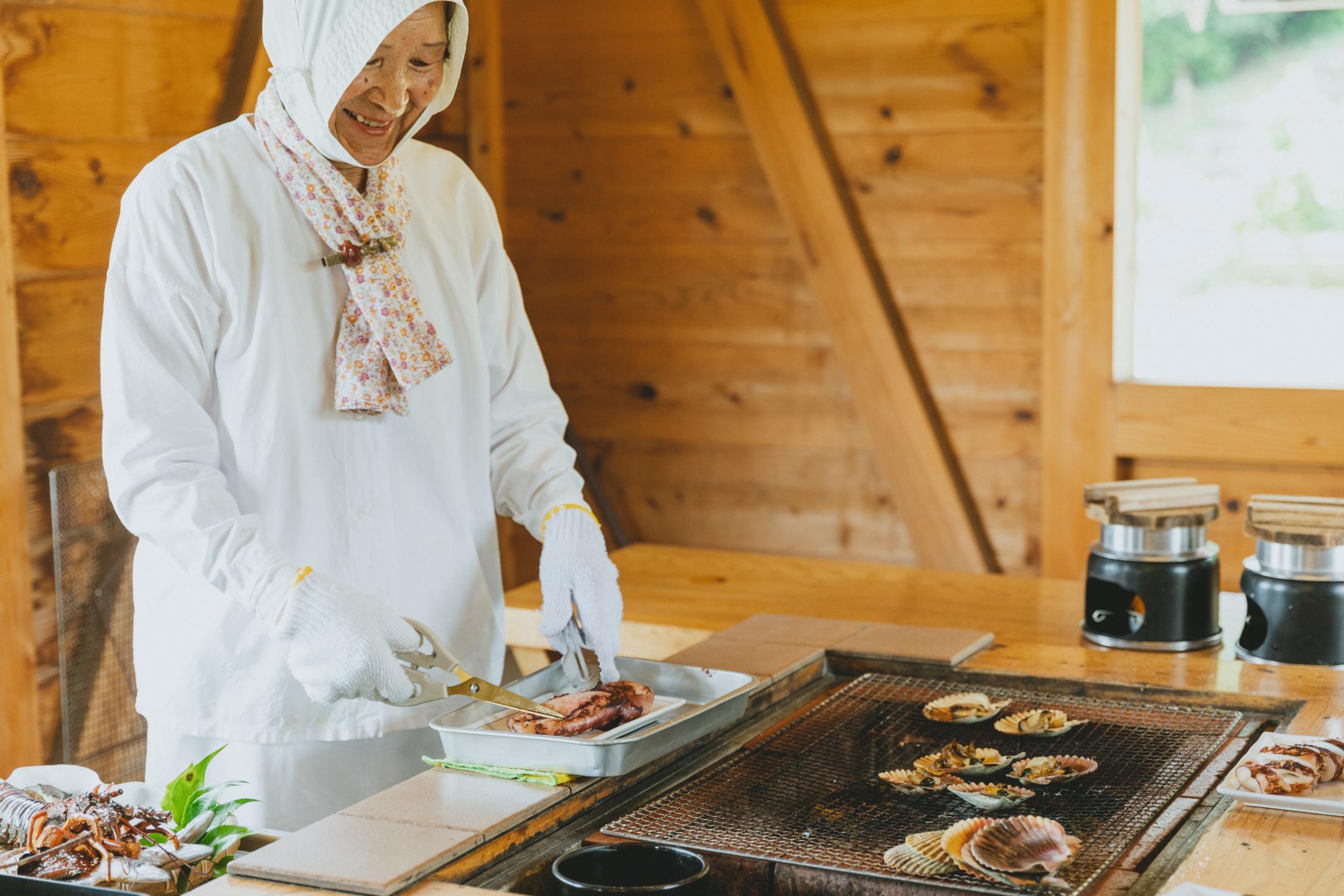
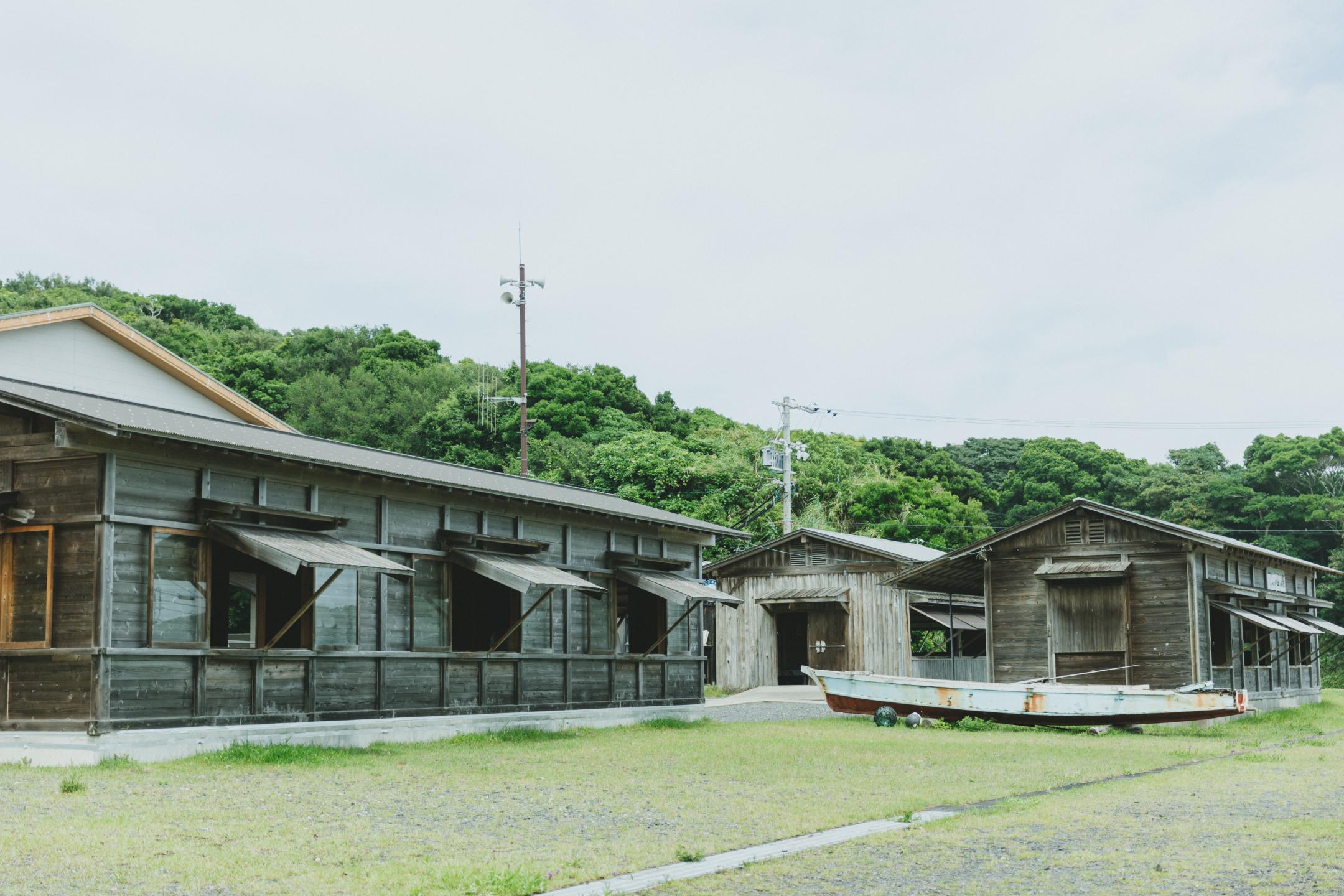
Ama Hut Satoumian in Shima City is staffed by active and retired ama divers who grill seafood while sharing their stories.
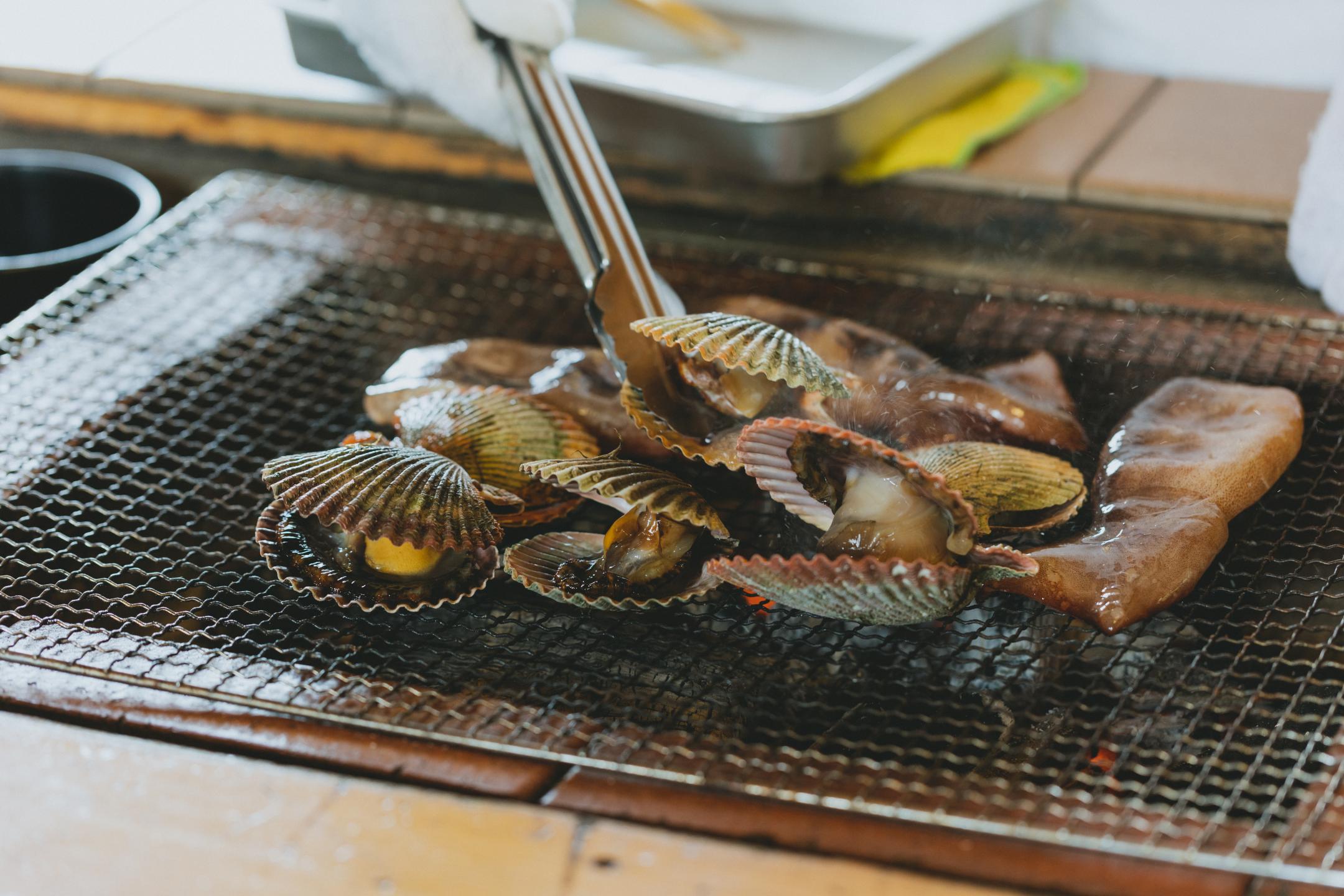
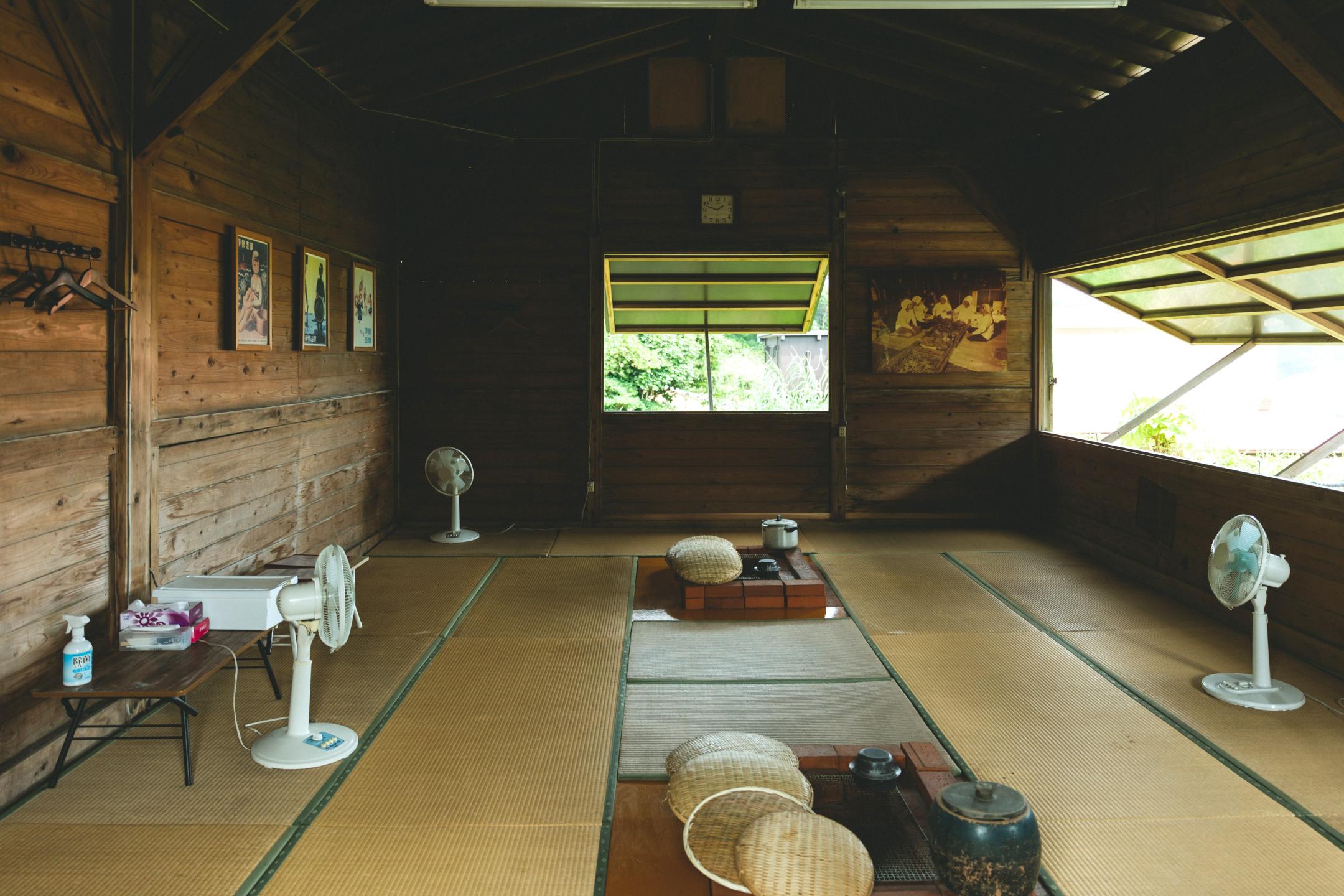
From March to September, the basic course is an abalone menu that also includes hinoki scallops, turban shell, squid, dried fish, green seaweed miso soup, and steamed hijiki rice. From October to April, delicious spiny lobster replaces the abalone. You can enjoy your meal in a tatami room modeled on a traditional ama hut, a sunken kotatsu-style room, or a private small room. There are also rooms with barrier-free access.
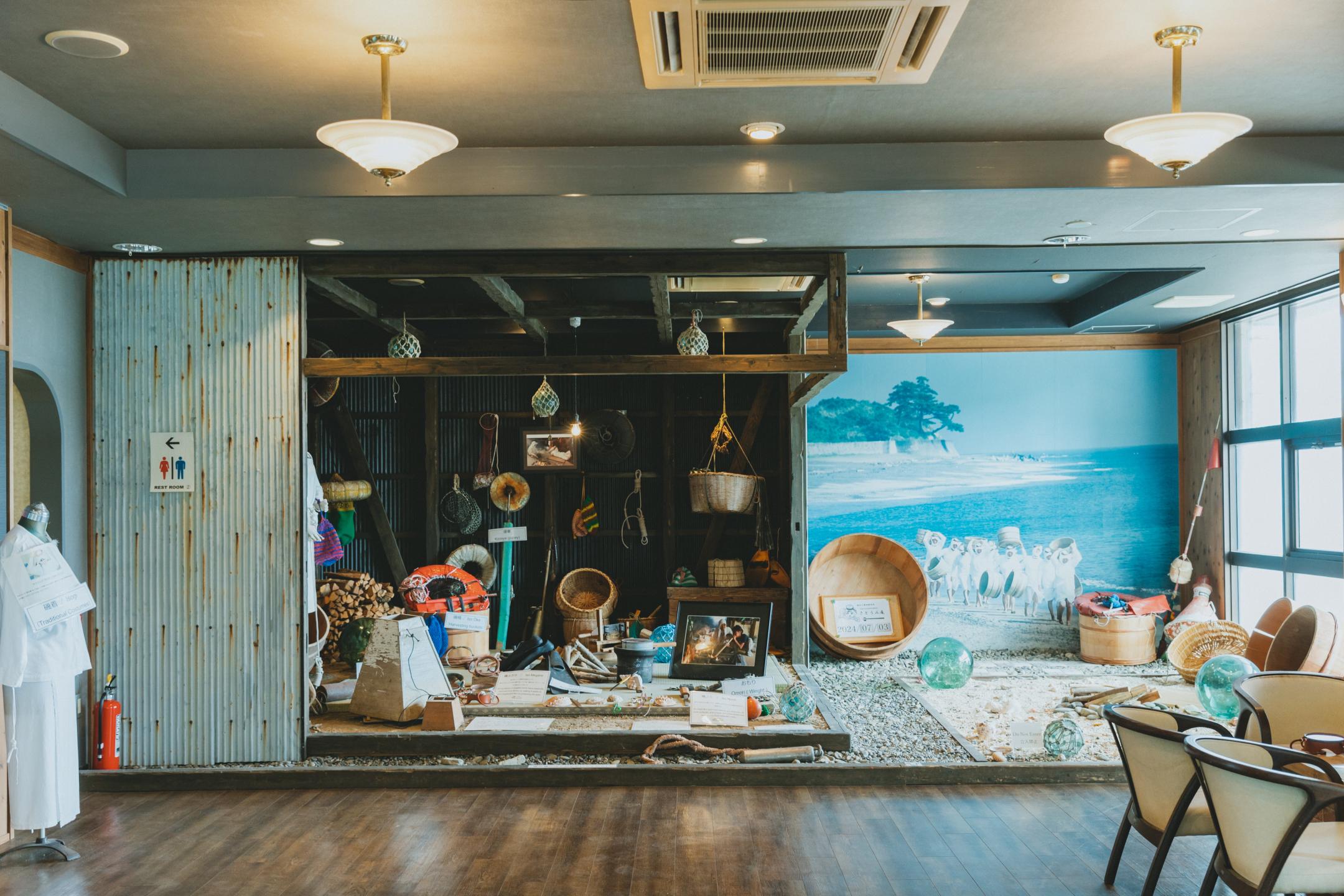
At the adjacent Osatsu Ama Culture Museum, you can view the tools used by ama divers and see how they go about their fishing activities.
Ama Hut Satoumian, 2279 Shimacho Koshika, Shima
An island of cultured pearls
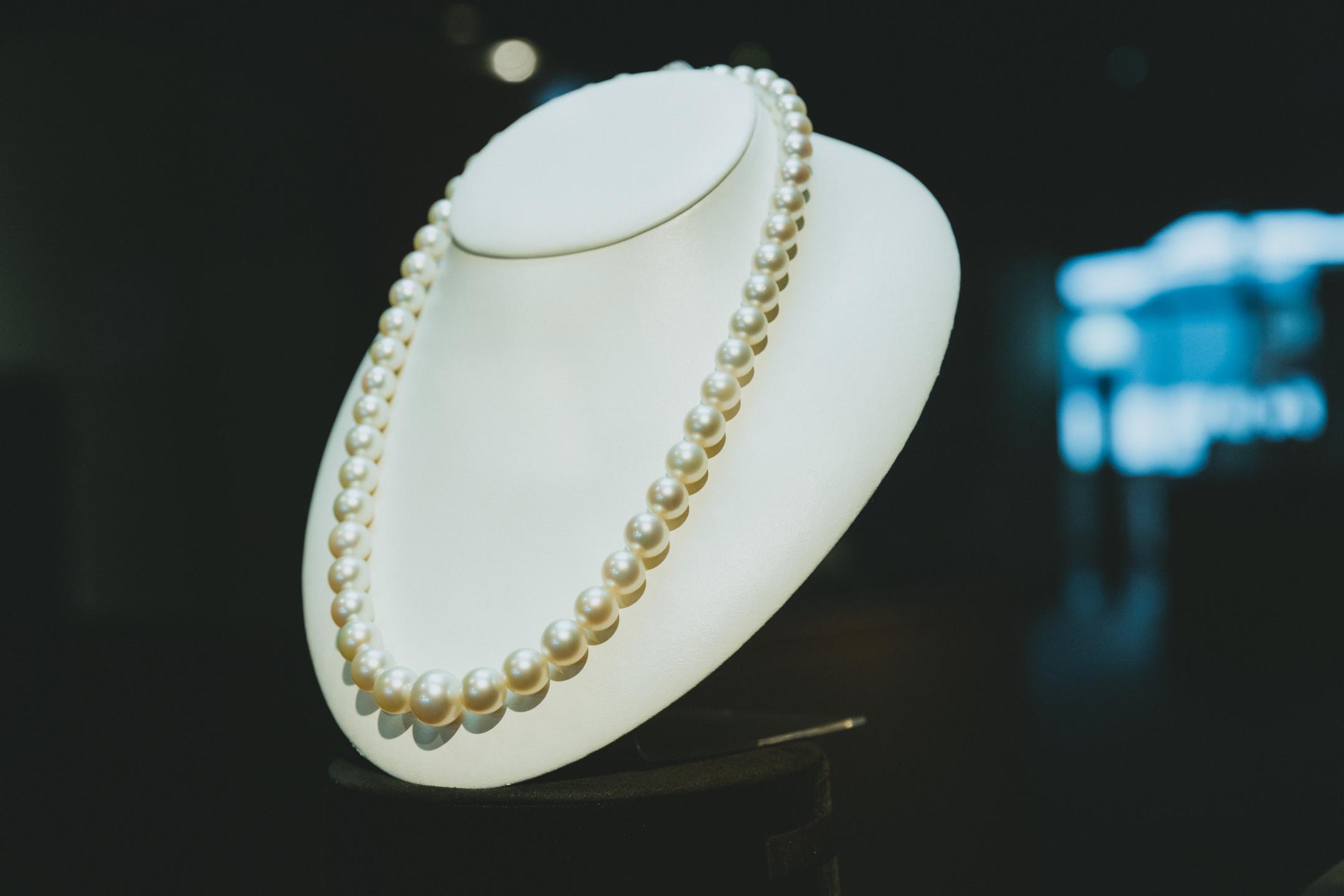
Mikimoto Pearl Island in Toba Bay is where Kokichi Mikimoto, founder of the Mikimoto jewelry brand, achieved the world's first successful pearl cultivation.
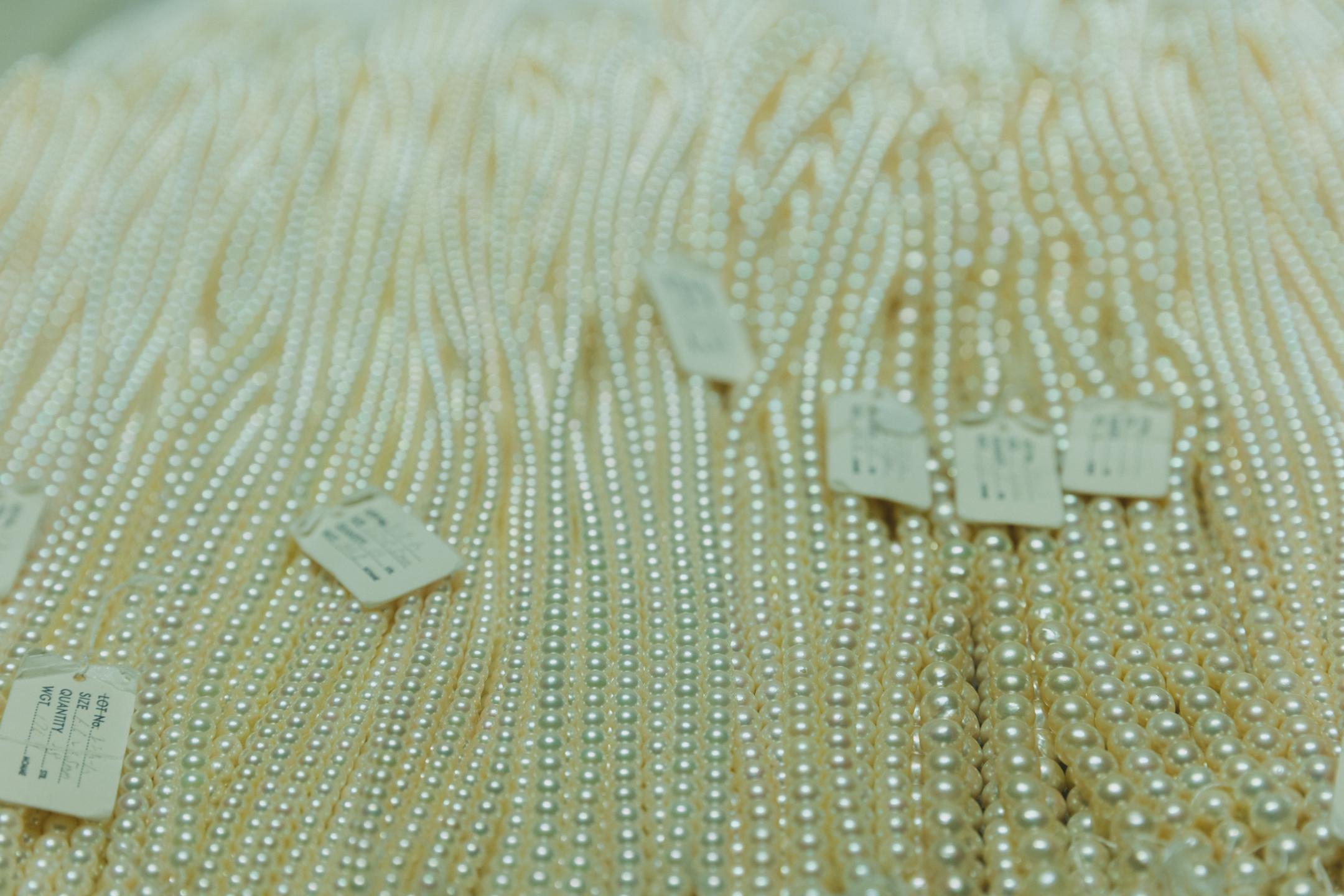
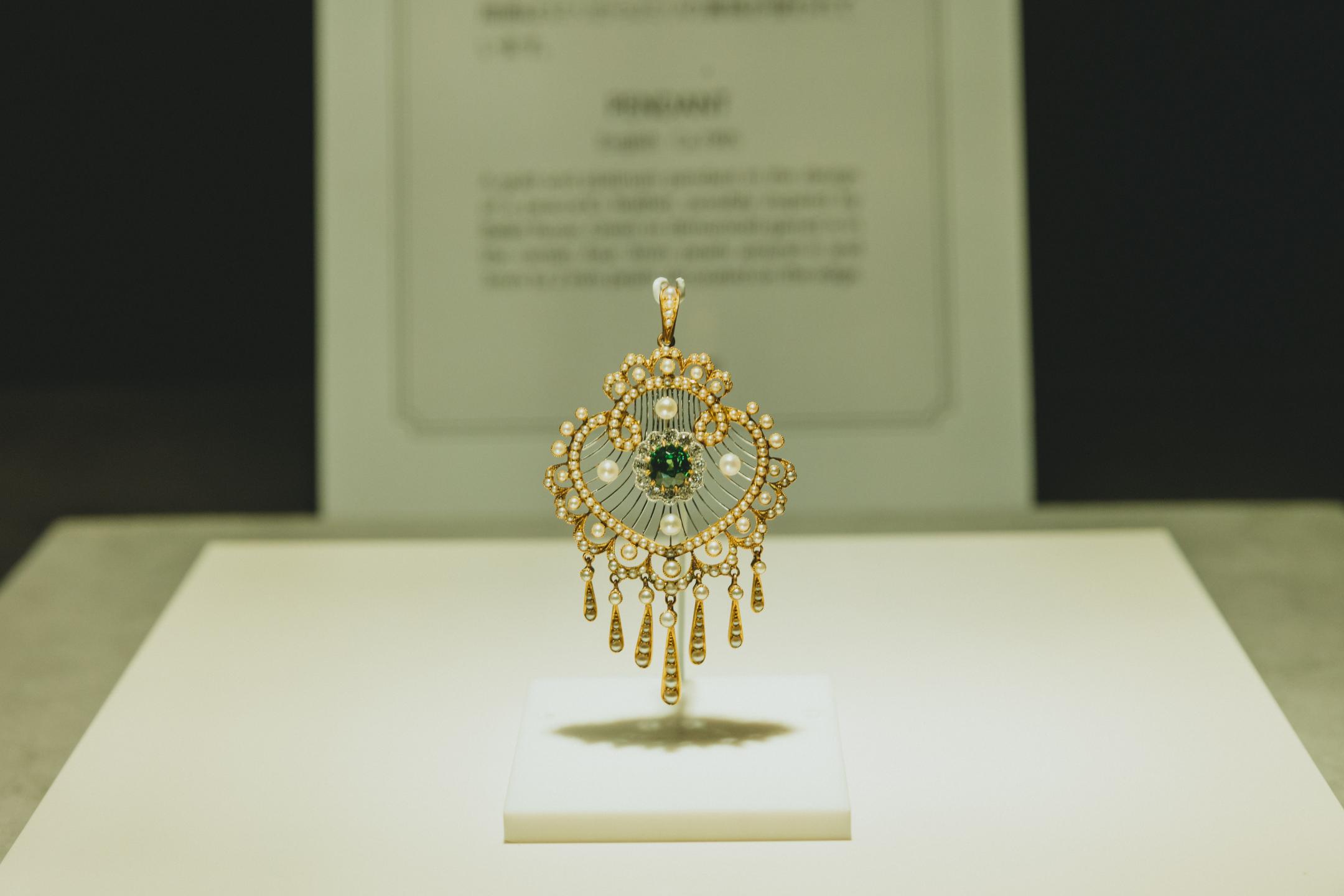
Pearls have been used as decorations since ancient times and are said to have been the first jewels that humans came across, and their grace and elegance seem to embody the Japanese spirit.
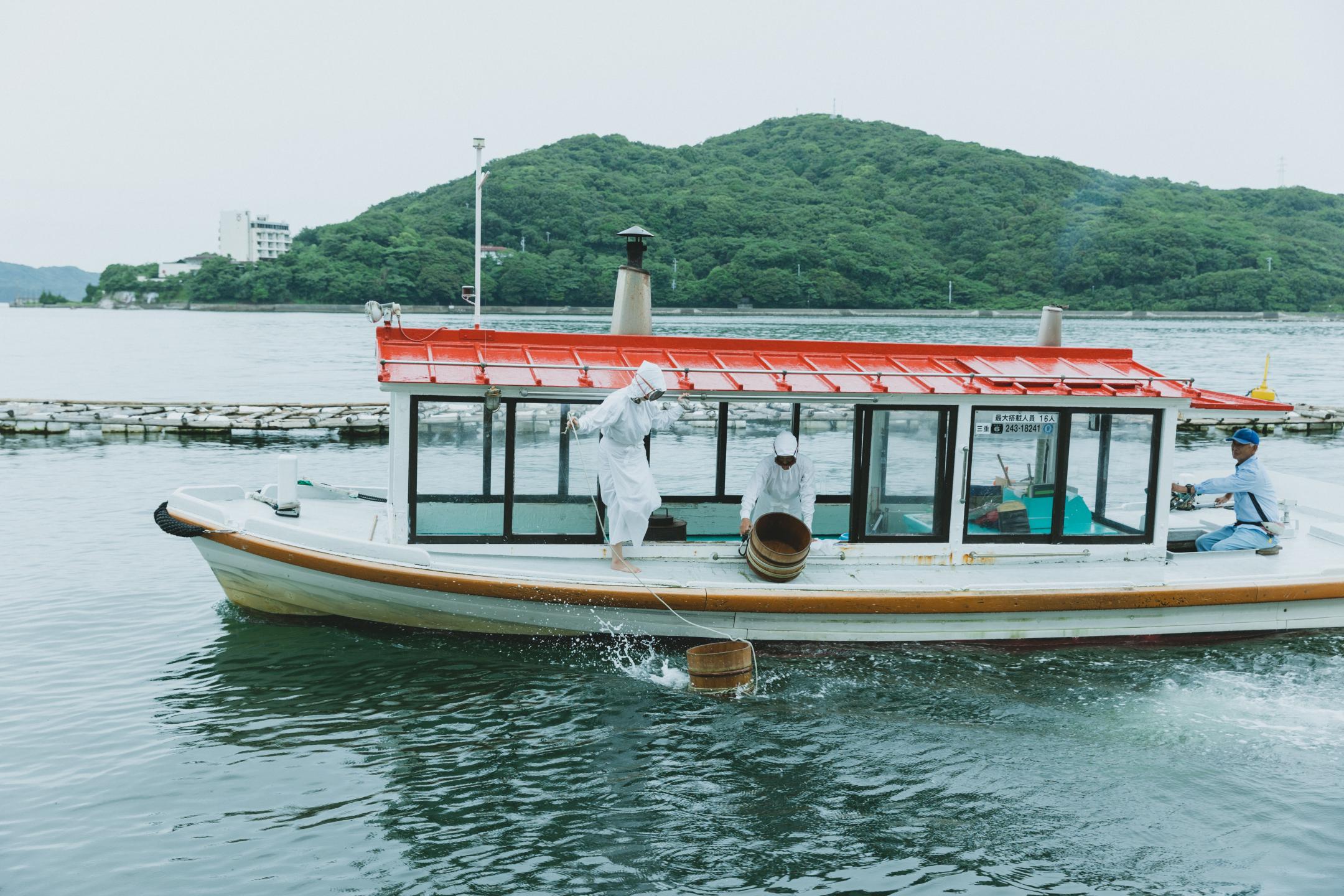
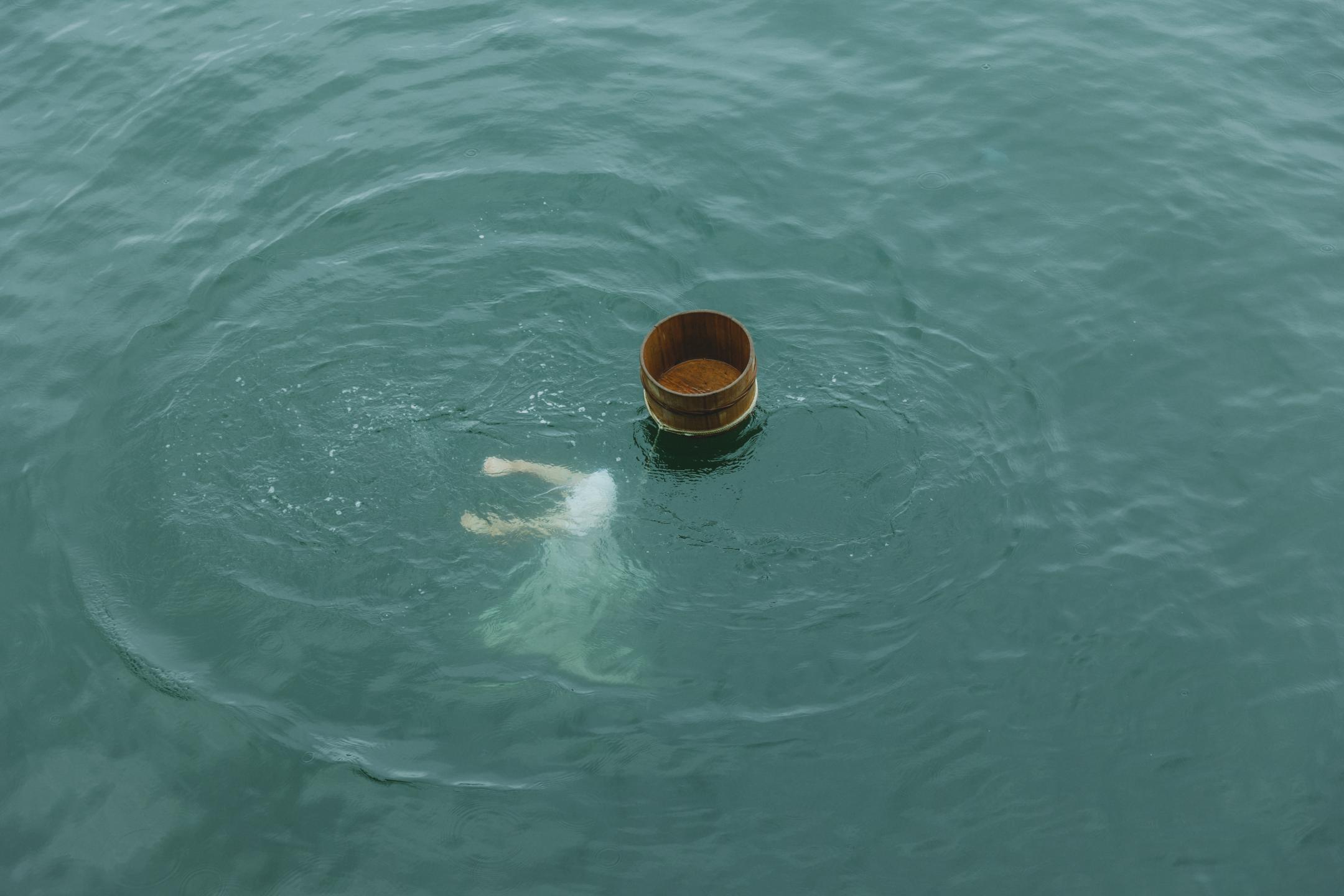
In the early days of pearl farming, ama divers played an essential role in nurturing and protecting these treasures by collecting Akoya pearl oysters, managing them after implanting the nucleus, and moving them to safe areas during red tides.
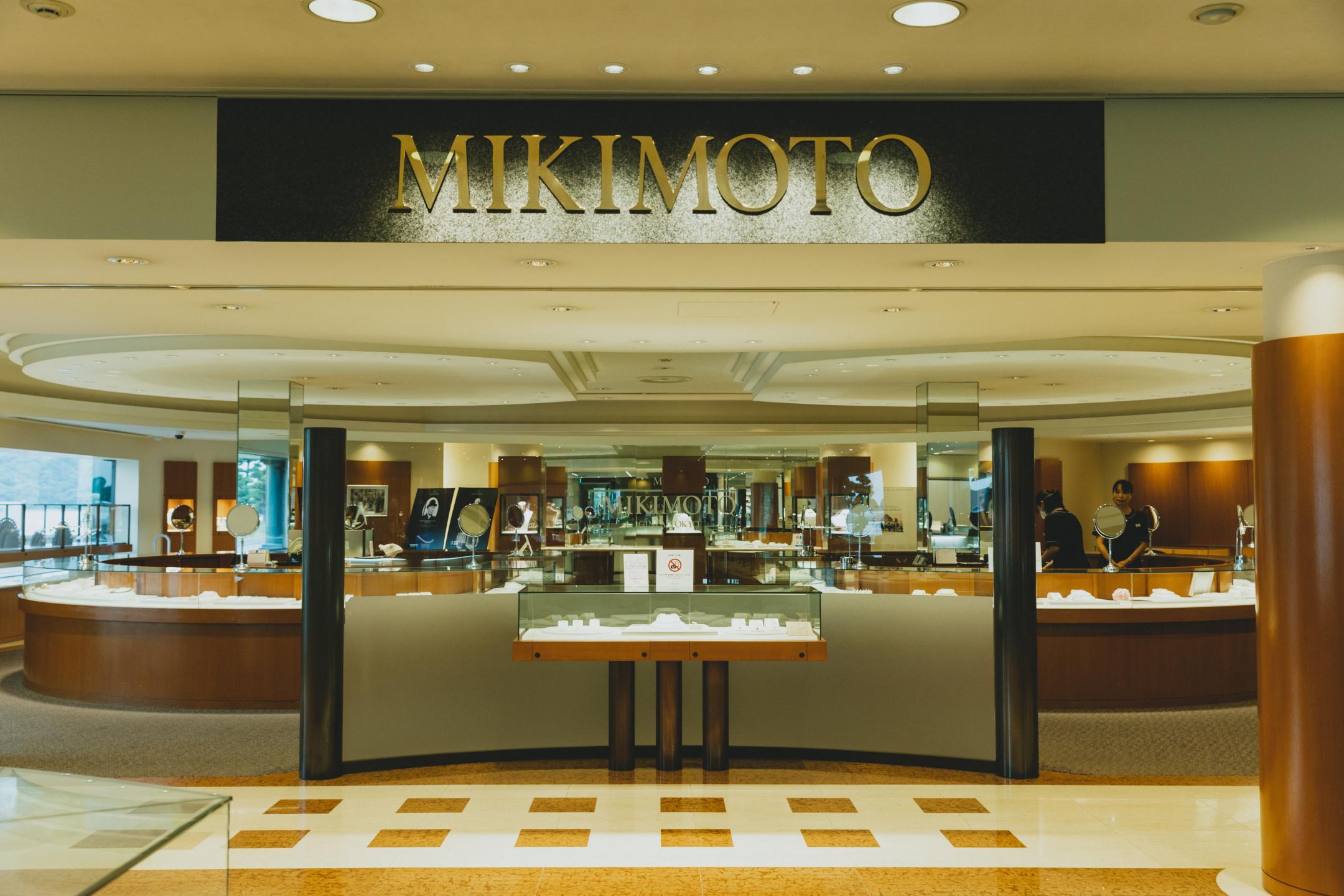
On Mikimoto Pearl Island, you can watch live demonstrations by ama divers and visit the museum and shop.
Mikimoto Pearl Island, 1-7-1 Toba
Soak in a "Pearl Aurora Bath"
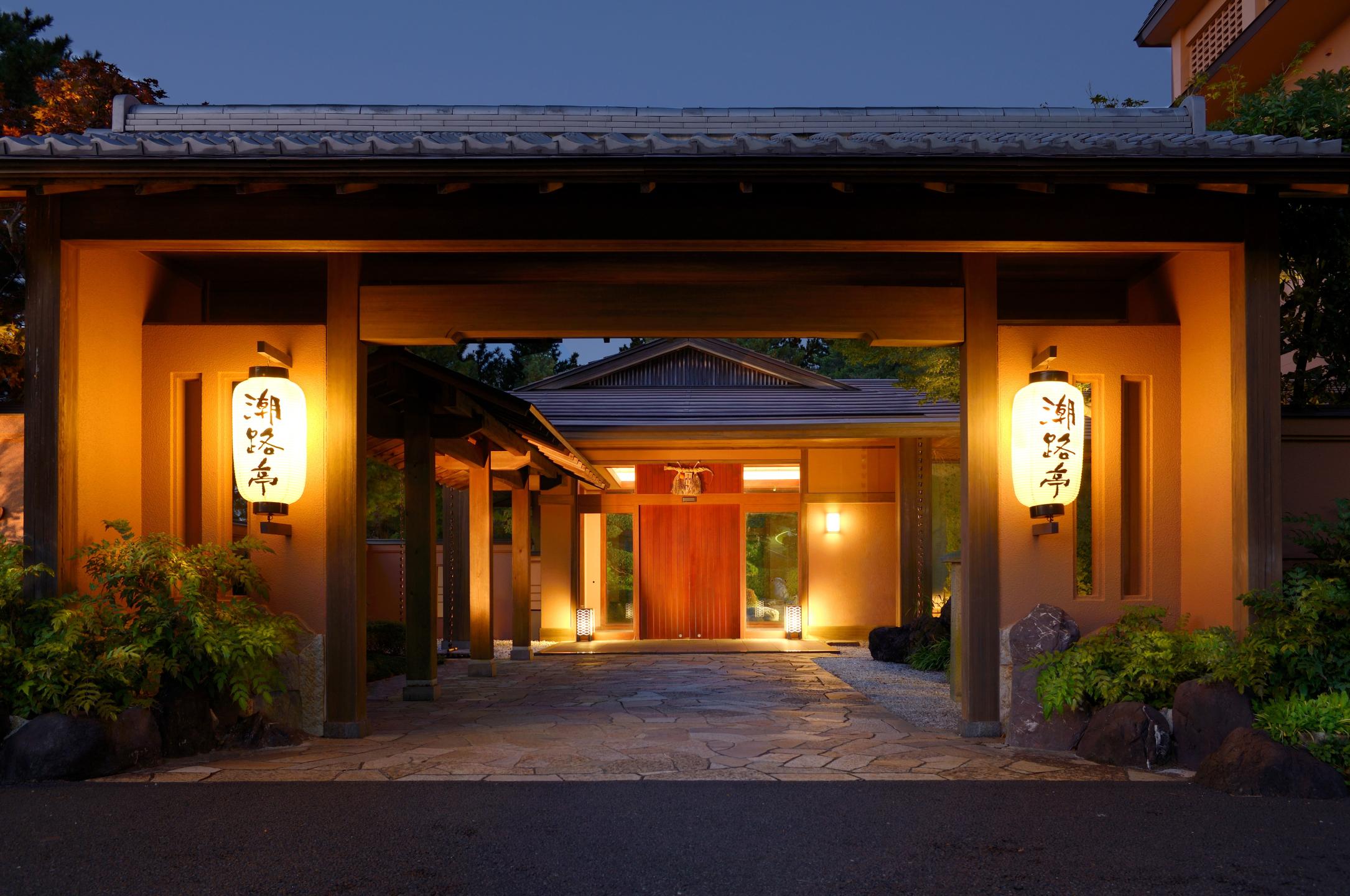
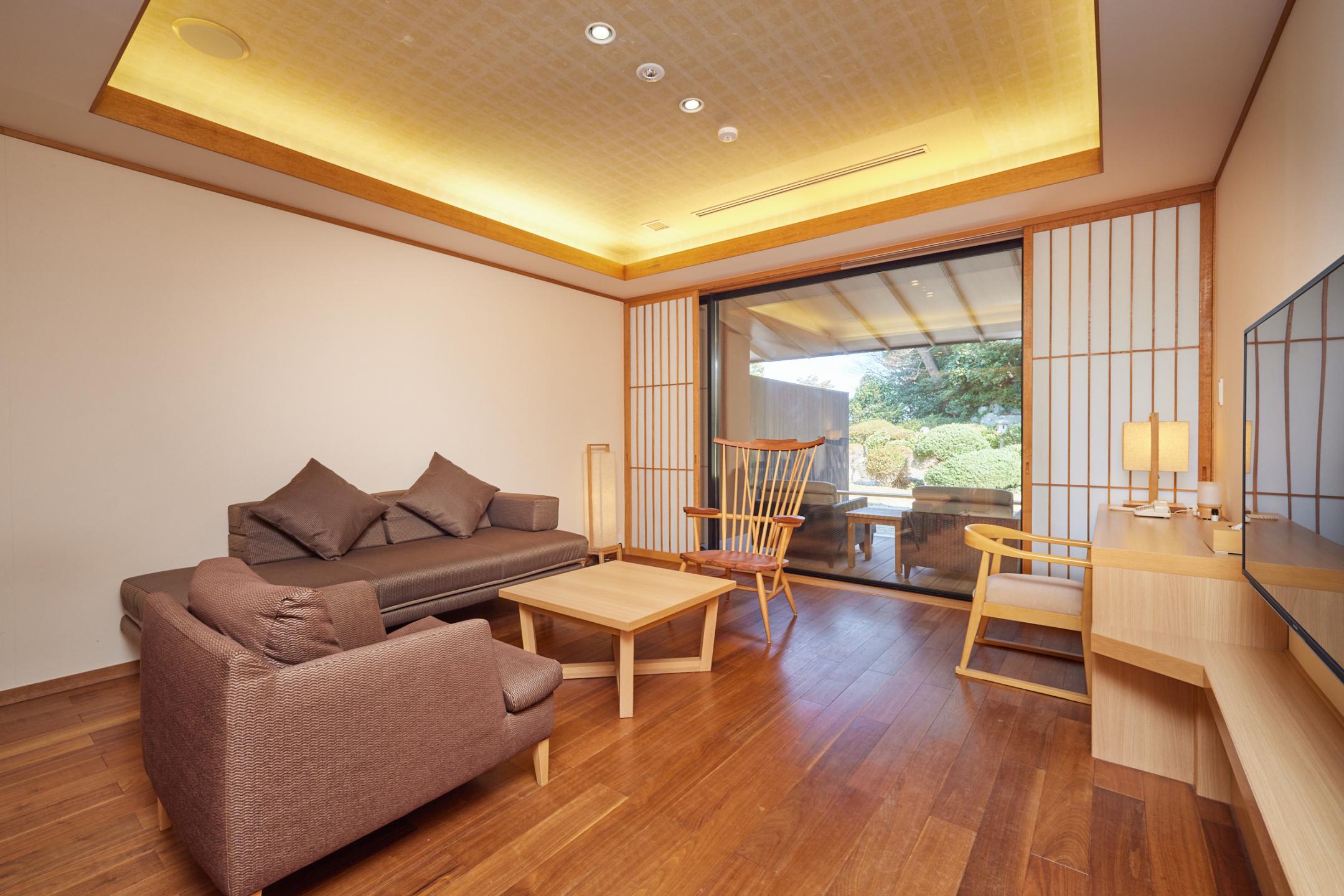
The interior of Shiojitei, opened in 1964, features traditional Ise patterned paper and Ise cotton, while the baths and meals reflect ama culture, giving a stunning window into Mie's tradition and culture.
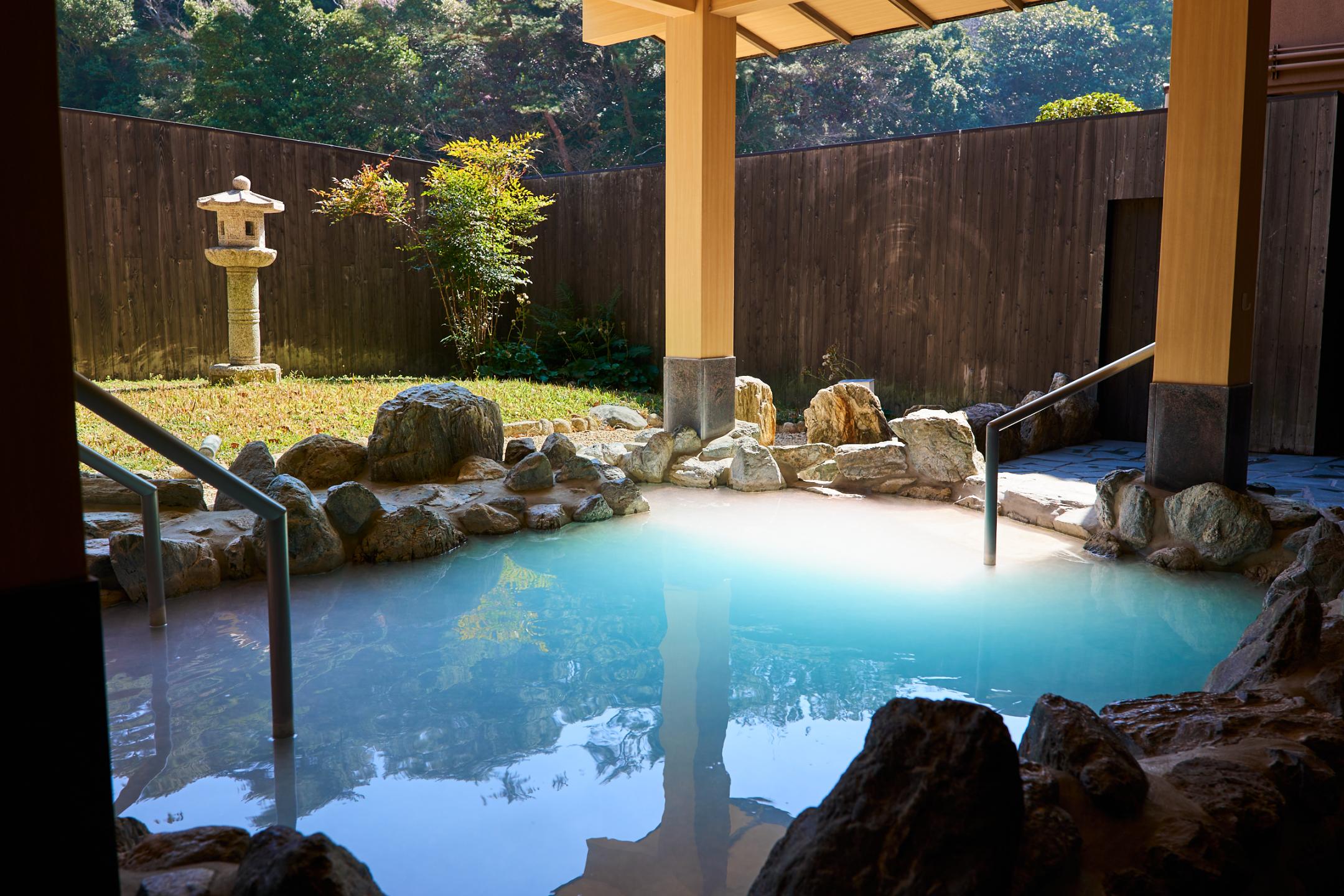
The large bathhouse features a hot spring bath as well as an exclusive "Pearl Aurora Bath" co-developed with the Mikimoto Group using a rare ingredient that can only be extracted from pearls and Akoya pearl oysters, which gives your skin a pearly glow.
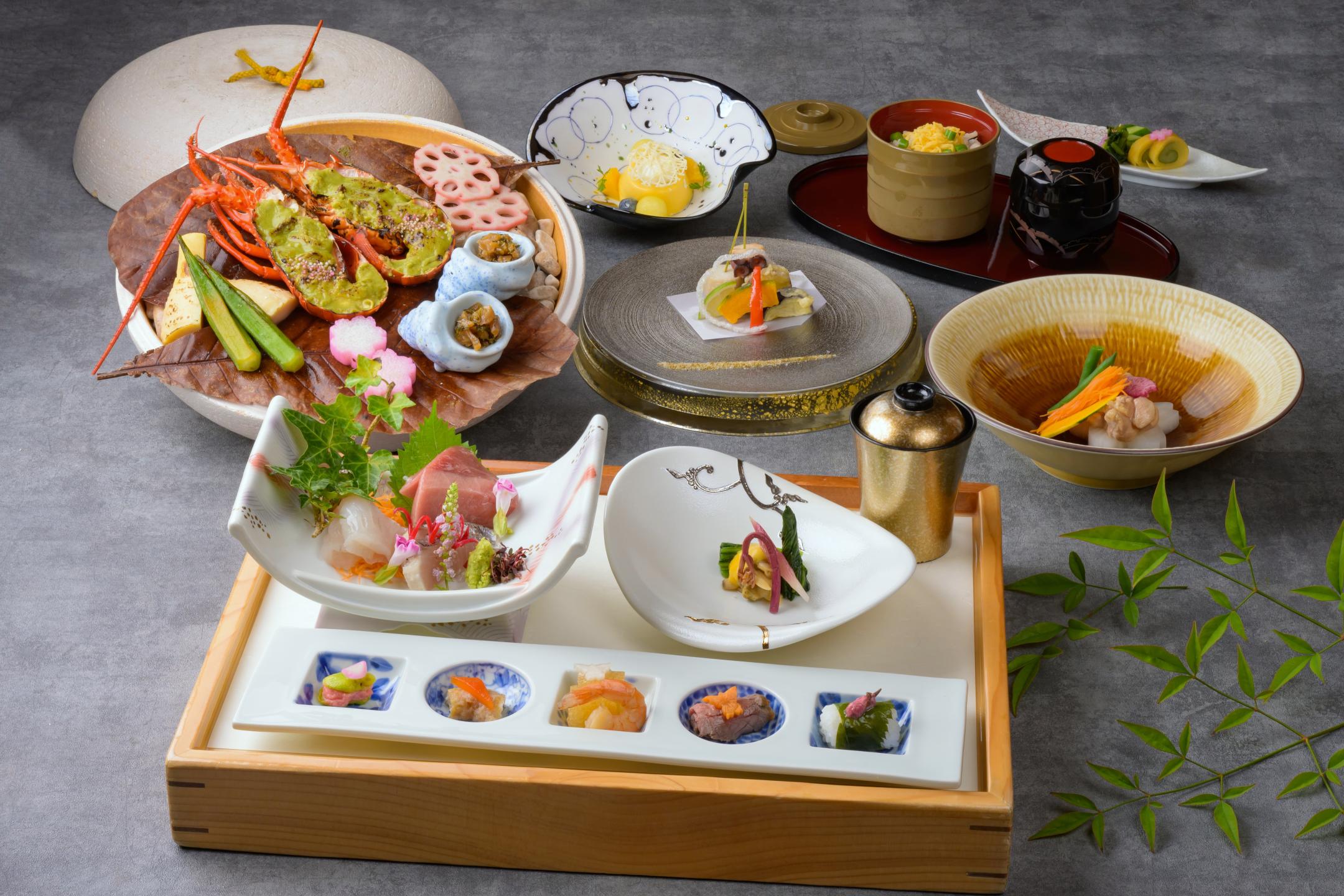
With cuisine inspired by Shinsen foods offered to the gods and seasonal dishes featuring local ingredients like spiny lobster and abalone, Shiojitei is also a popular base for visiting Ise Jingu.
Room rates start at 24,802 yen.
Shiojitei, 1-23-1 Toba
Experience pure umami
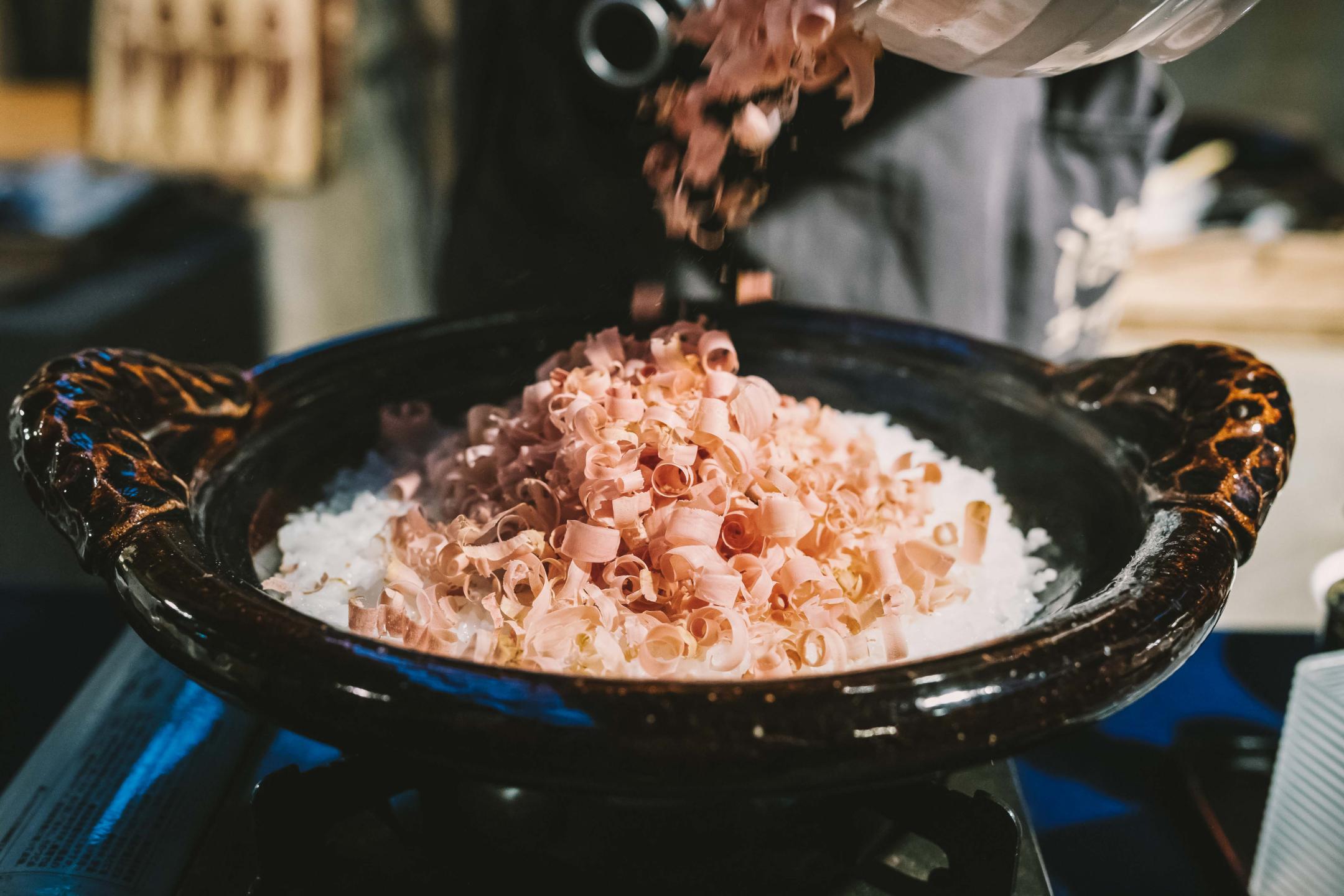
Ise Jingu has continuously offered food to the gods for the past 1,500 years, and katsuobushi (bonito flakes), the main source of umami in dashi broth, is at the heart of the offerings.
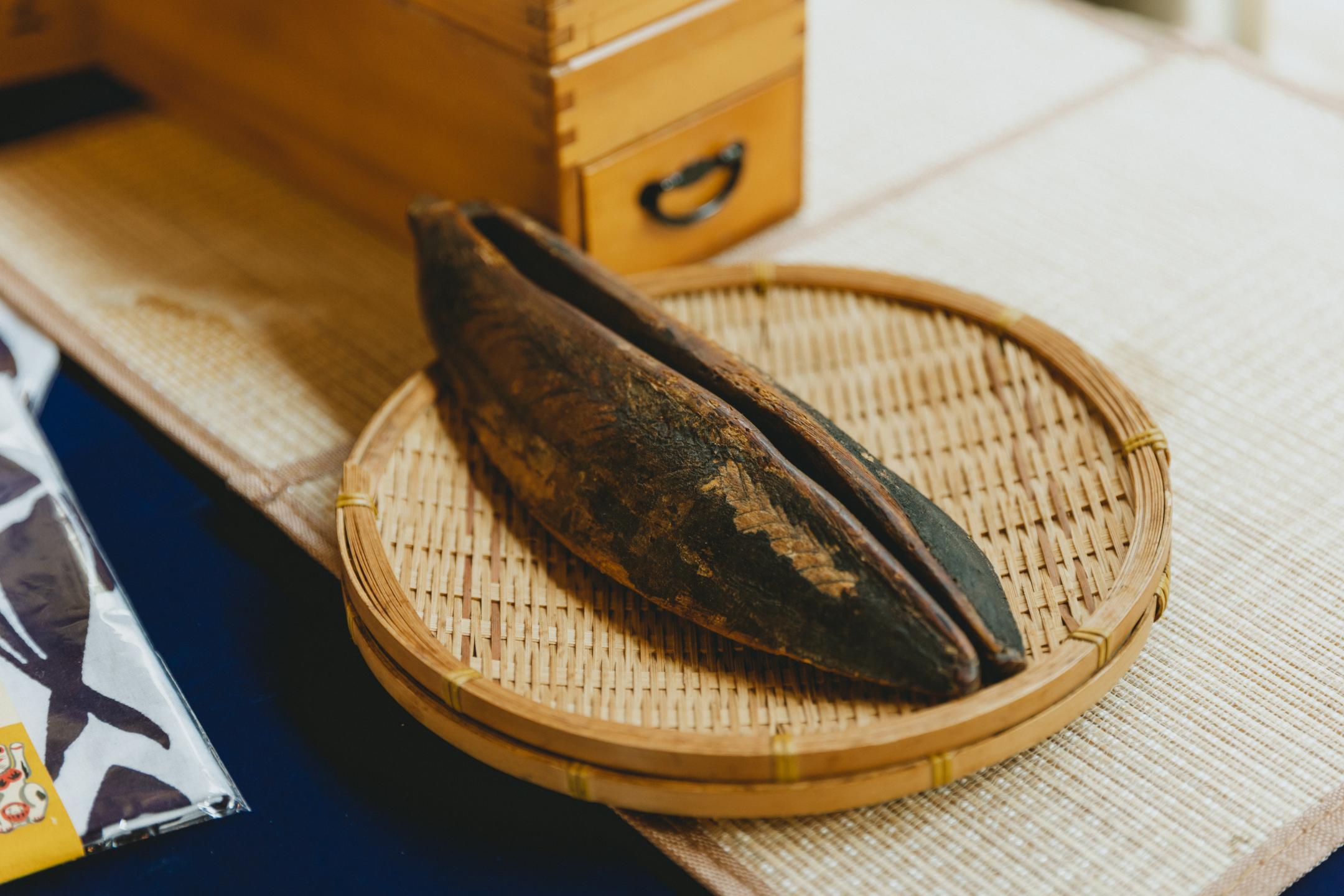
Originally created as karebushi, made by sun-drying raw bonito, this ingredient is said to be rooted in the coastal areas of Wakayama and Mie on the Kii Peninsula.
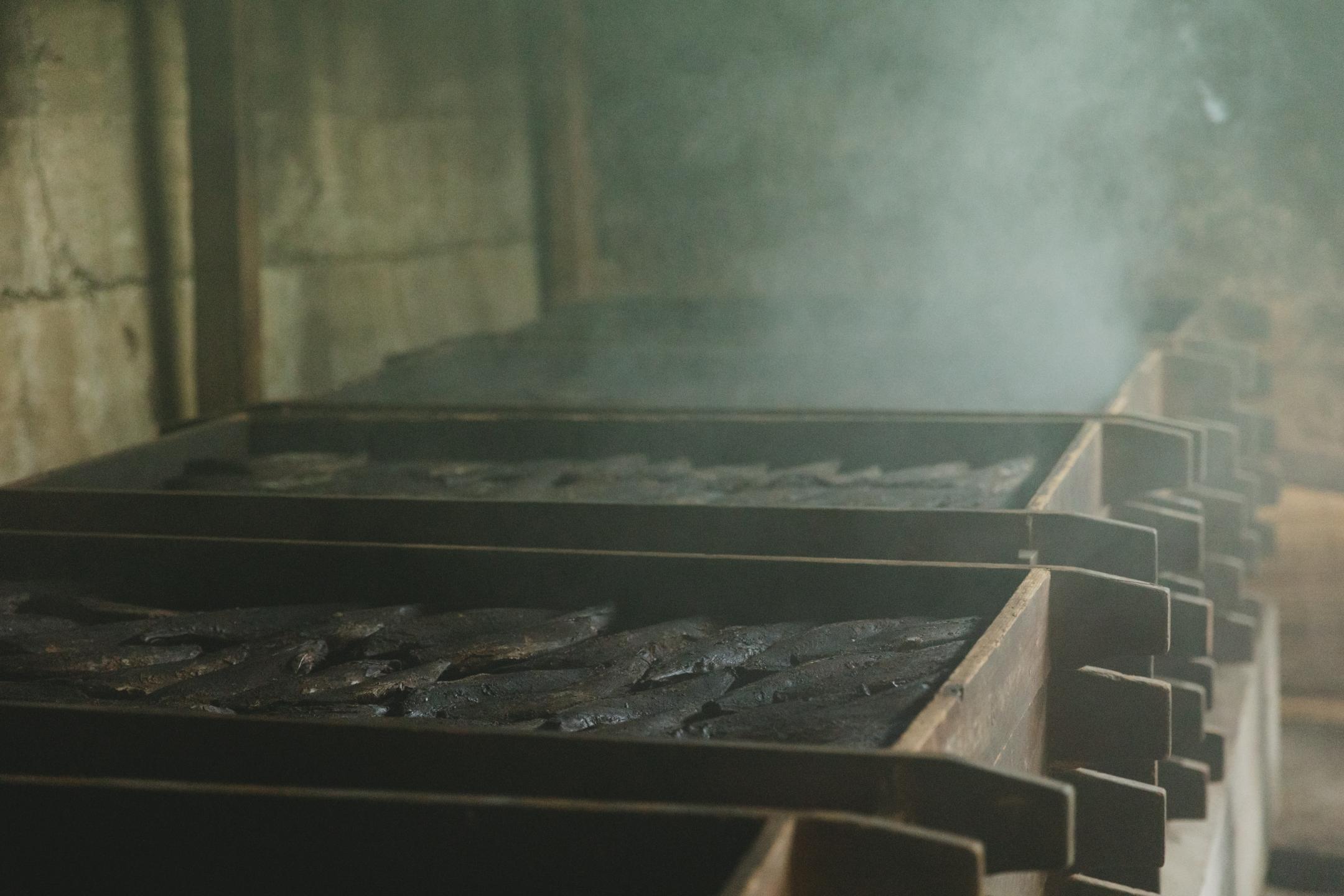
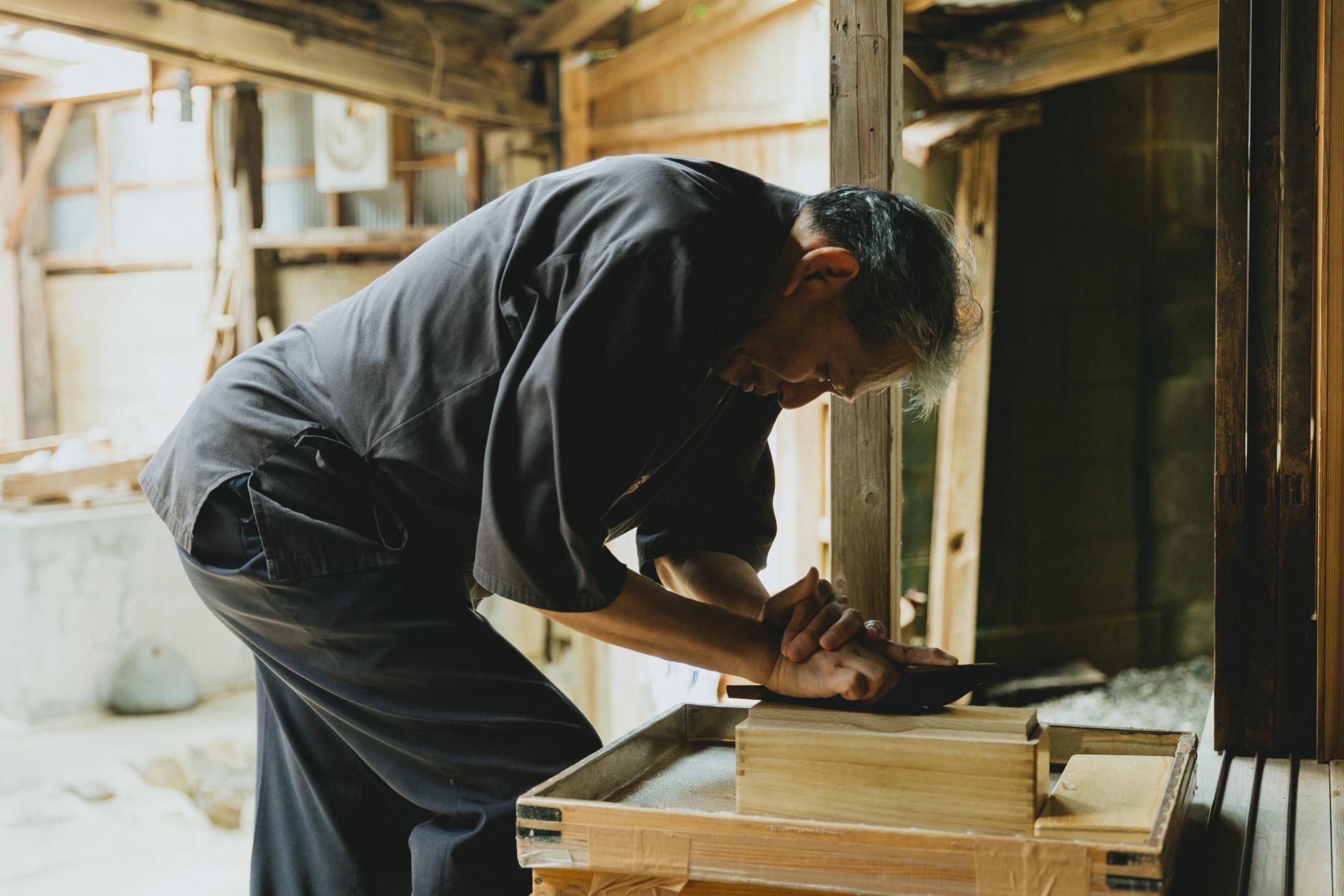
Bonito Flake Shop Tenpaku is a nationally registered tangible cultural property and continues to produce katsuobushi using the “Tebiyama method,” which was perfected around the 18th century. The wood they use for smoking is ubame oak, the raw timber that is used to produce high-grade bincho charcoal.
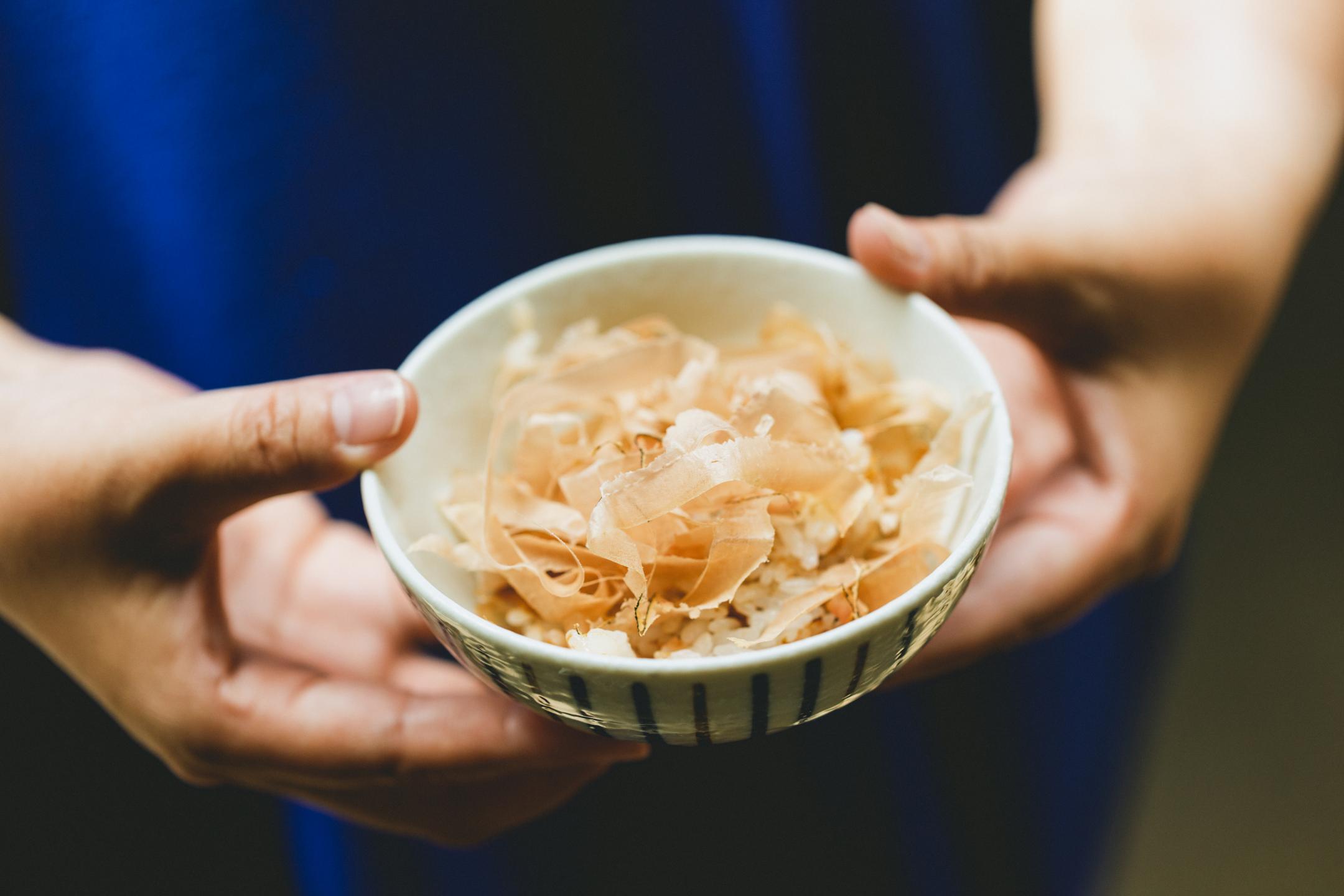
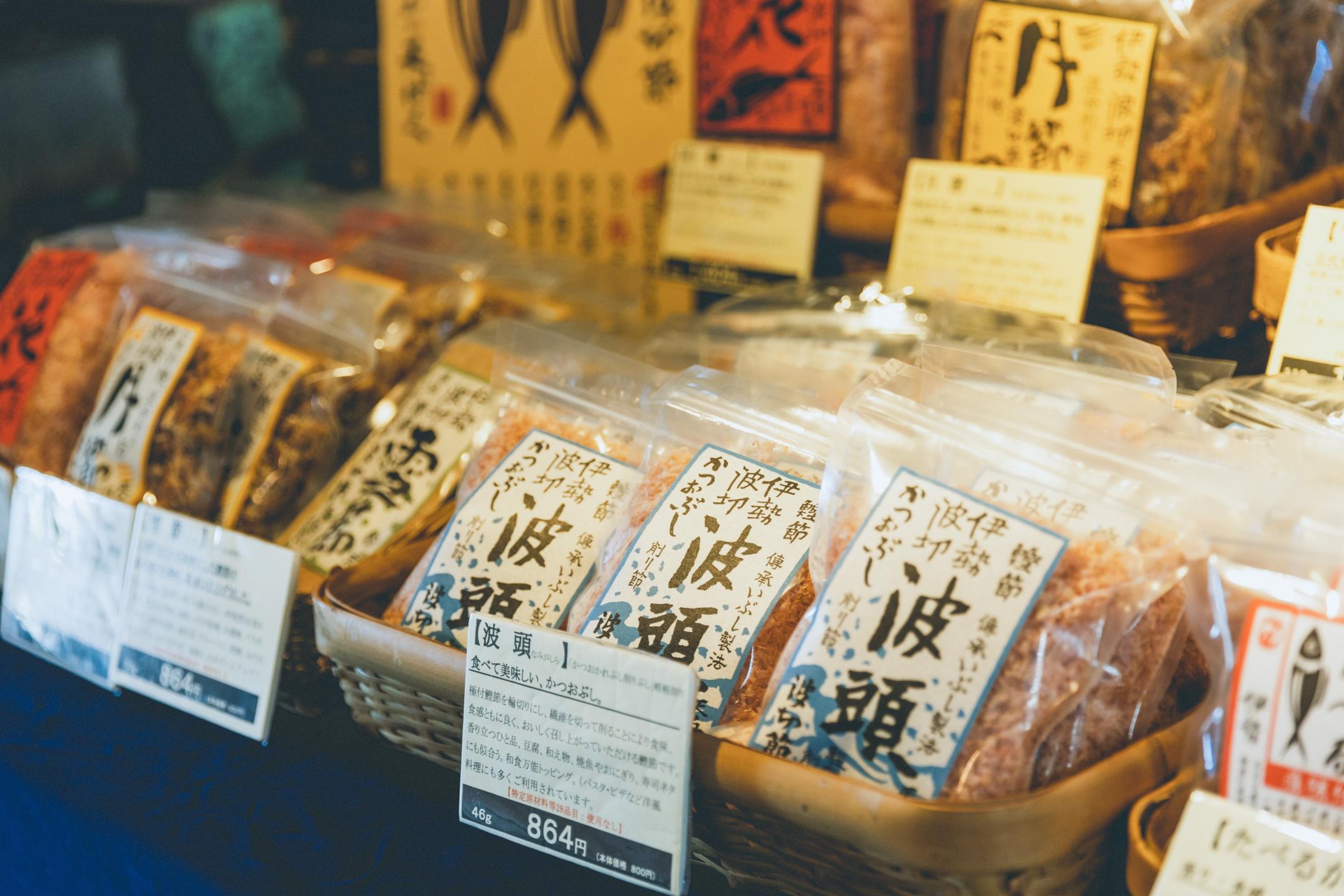
You can also take a tour and learn how katsuobushi is made.
Bonito Flake Shop Tenpaku, 2545-15 Namikiri, Daiocho, Shima
Umami compressed into 0.01 mm
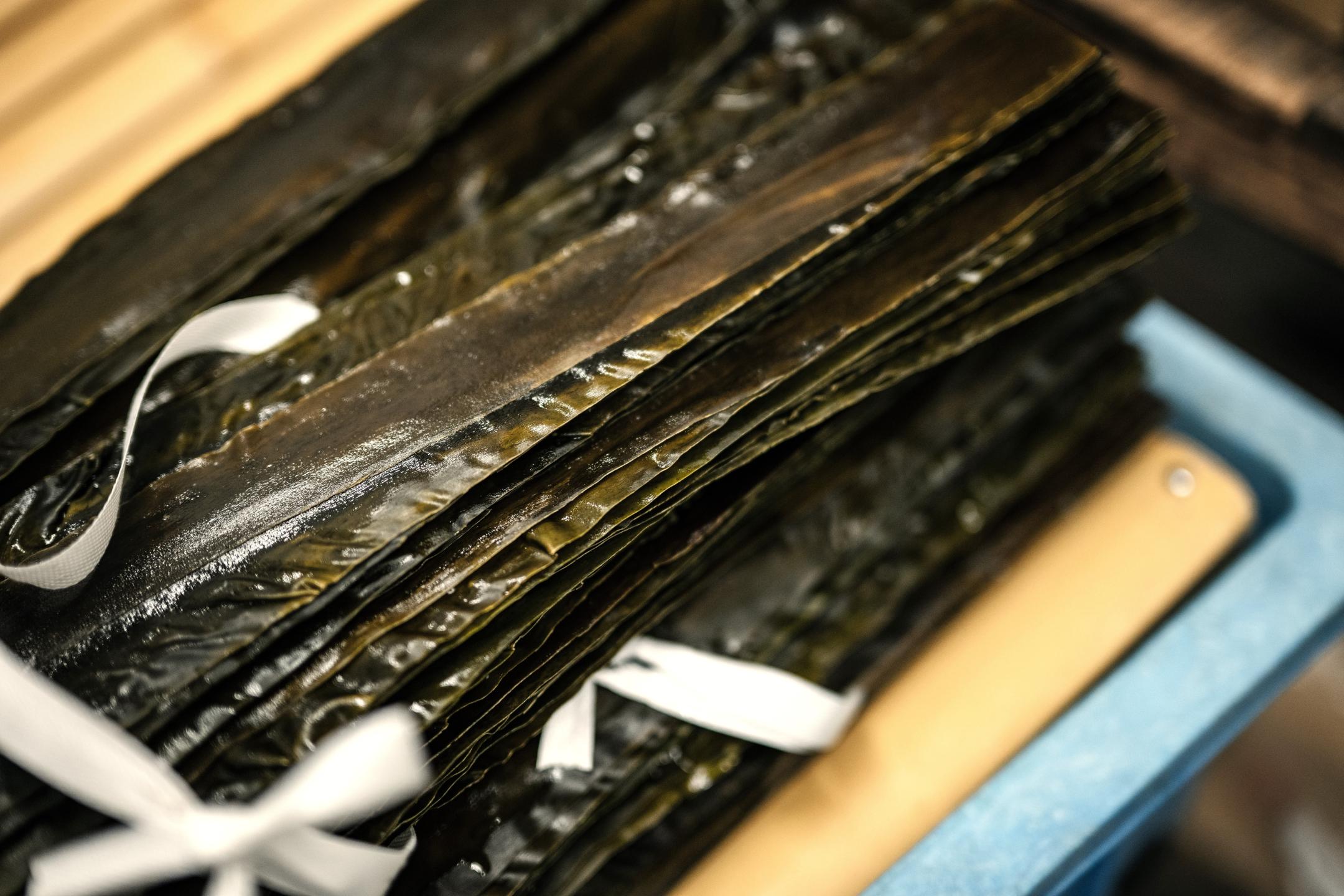
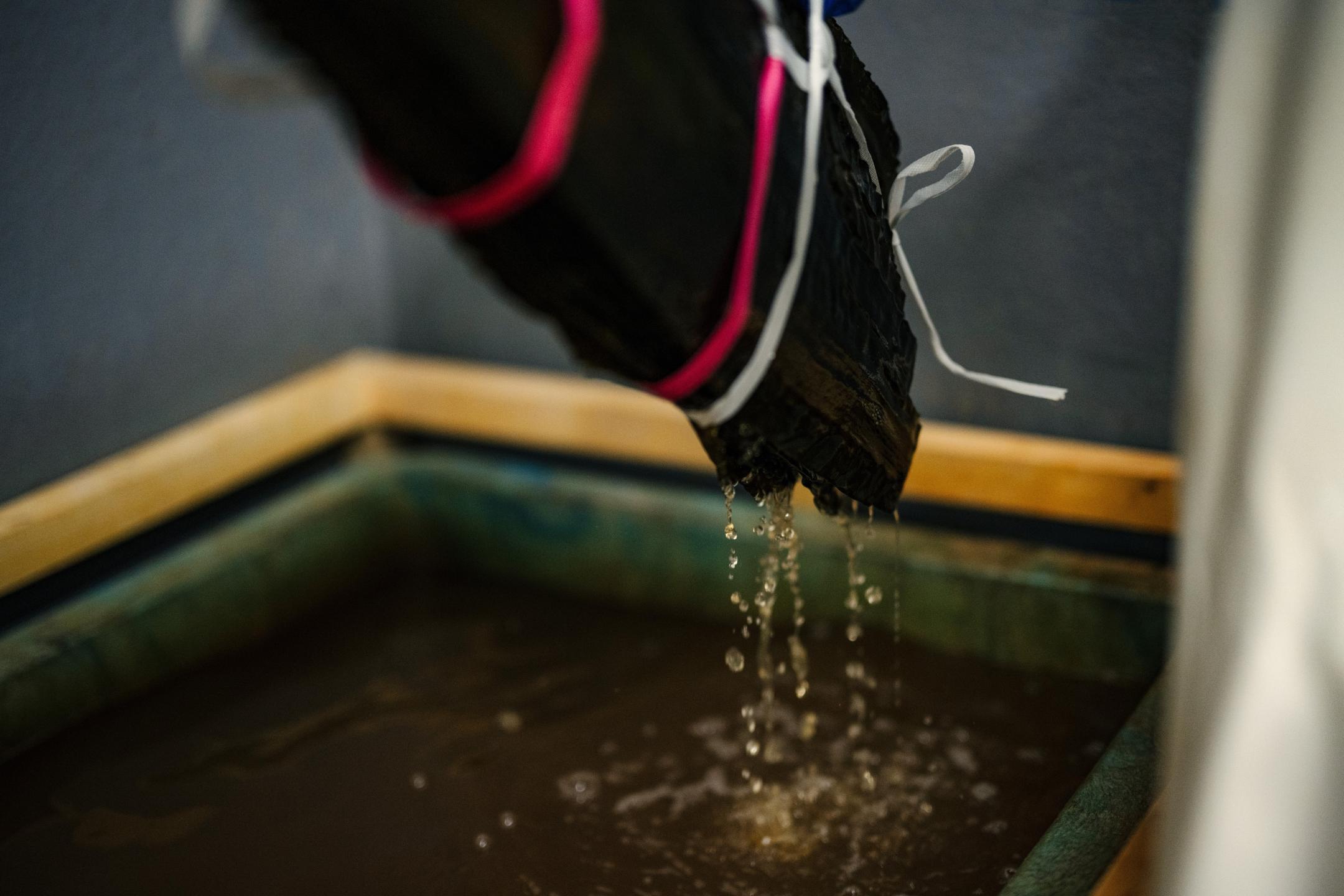
Rich in nutrients and umami, kombu is an essential ingredient in Japanese life.
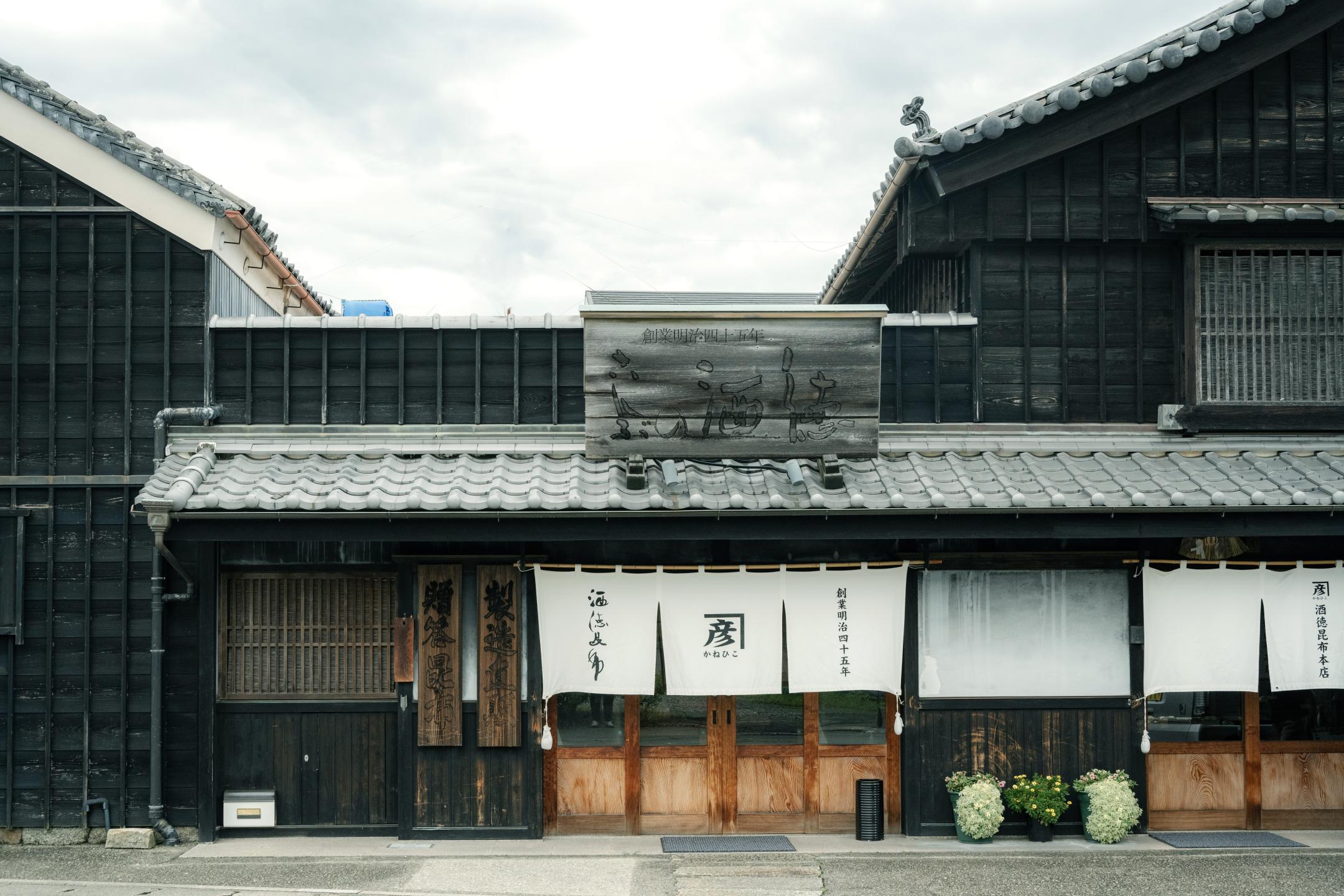
Sakatoku Kombu is a specialist kombu shop that has been established close to Ise Jingu since 1912, celebrating Ise's "kinari" culture valuing the inherent goodness of ingredients.
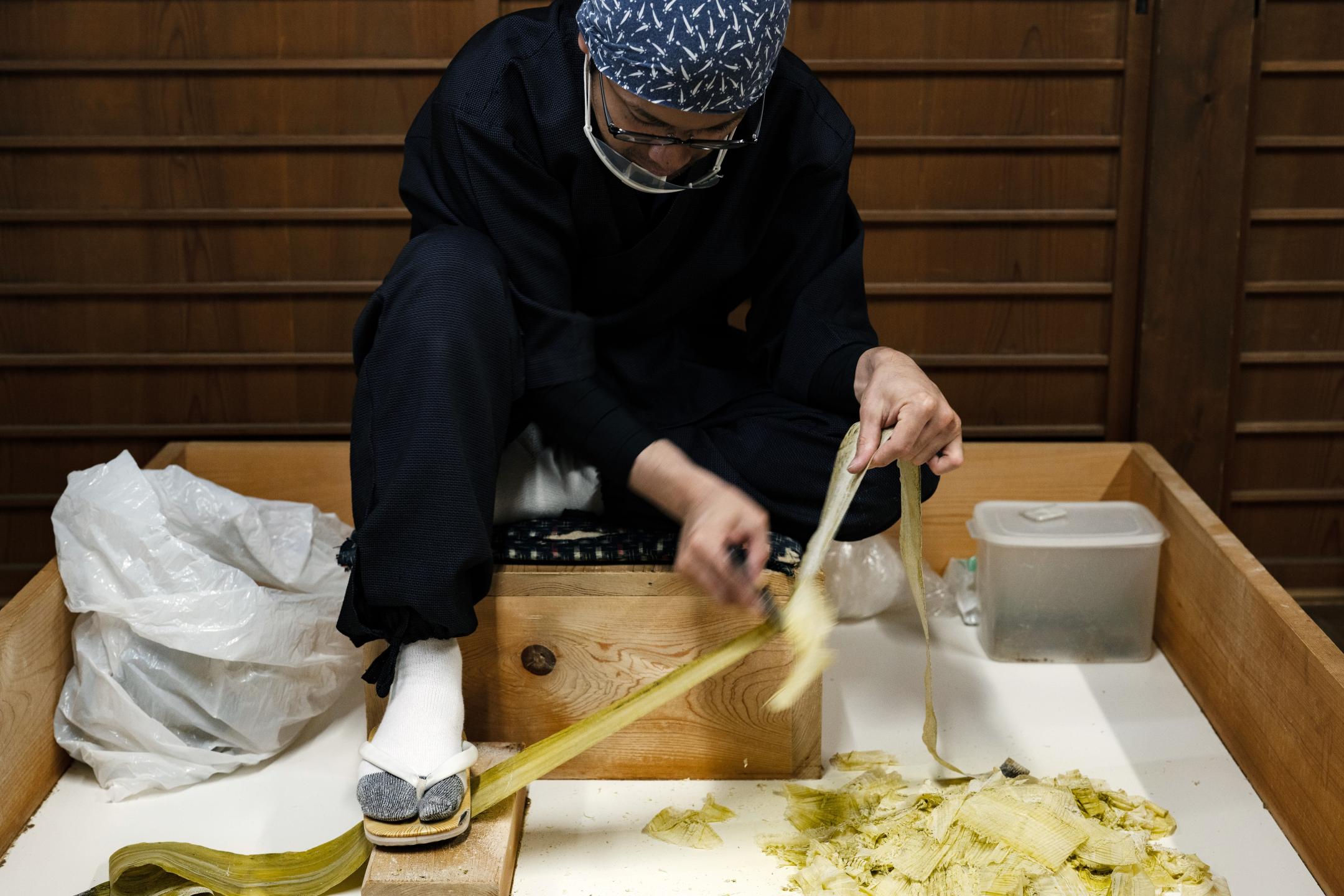
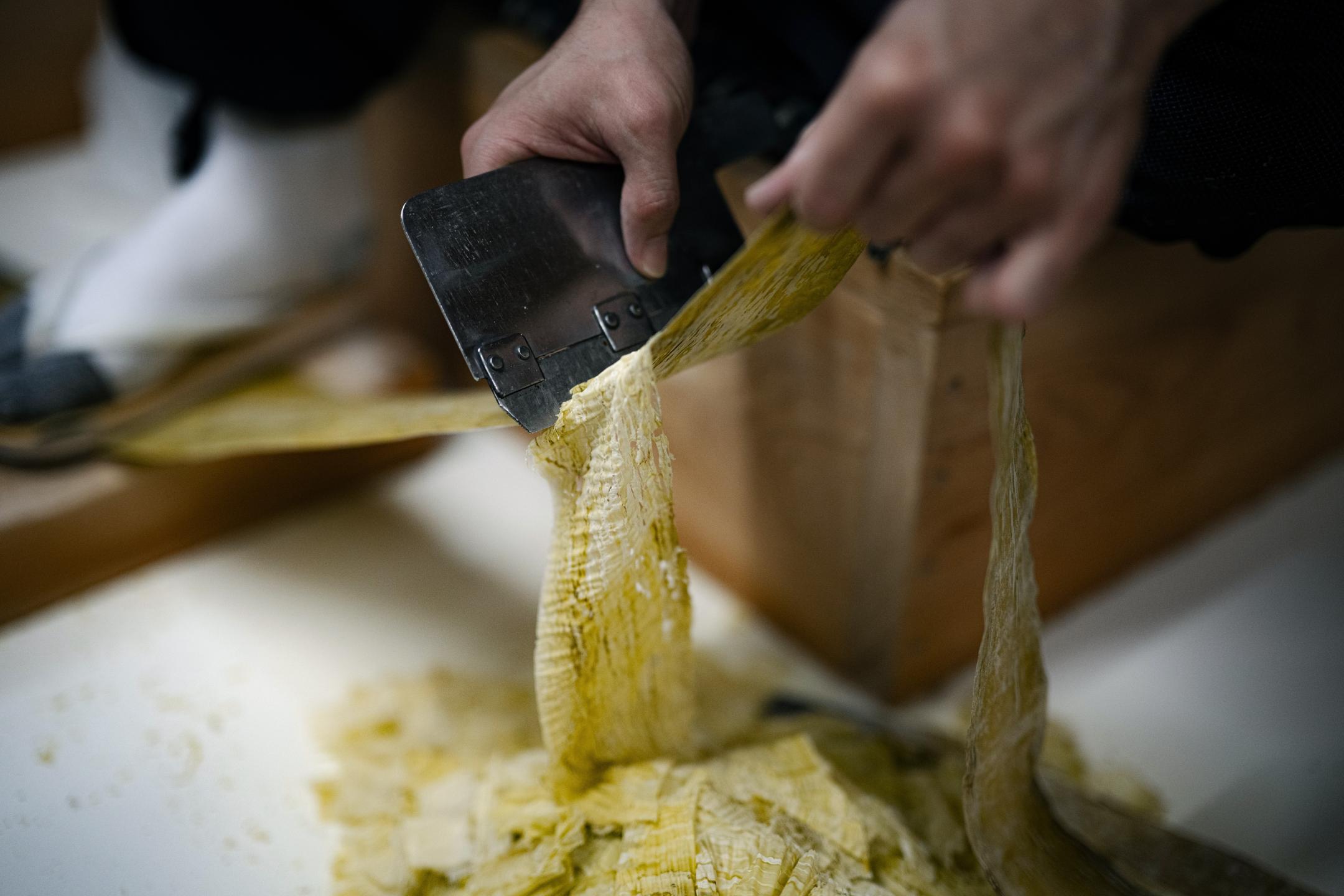
The store's flagship product, oboro kombu (from 900 yen), is shaved from Hokkaido kelp, steeped in secret recipe vinegar until soft, then shaved by hand, one sheet at a time, using a special knife until it reaches a thickness of about 0.01 mm, thin enough to make it translucent.
Oboro kombu melts in the mouth, revealing umami, a vinegary tang, and sweetness. It can be eaten as-is but also makes an excellent rice topping.
Sakatoku Kombu, 2-7-20 Jinkyu, Ise
DIY dashi broth
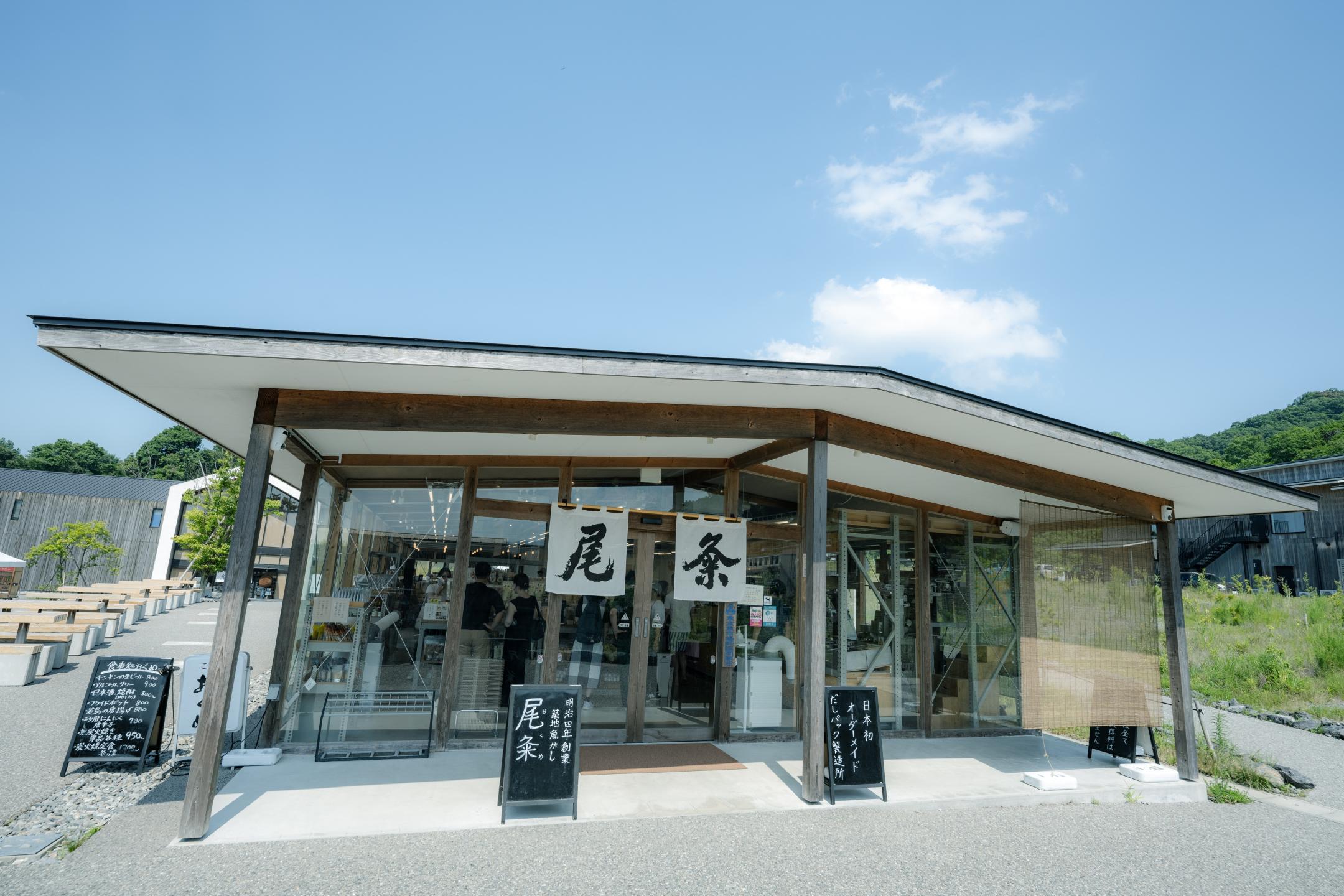
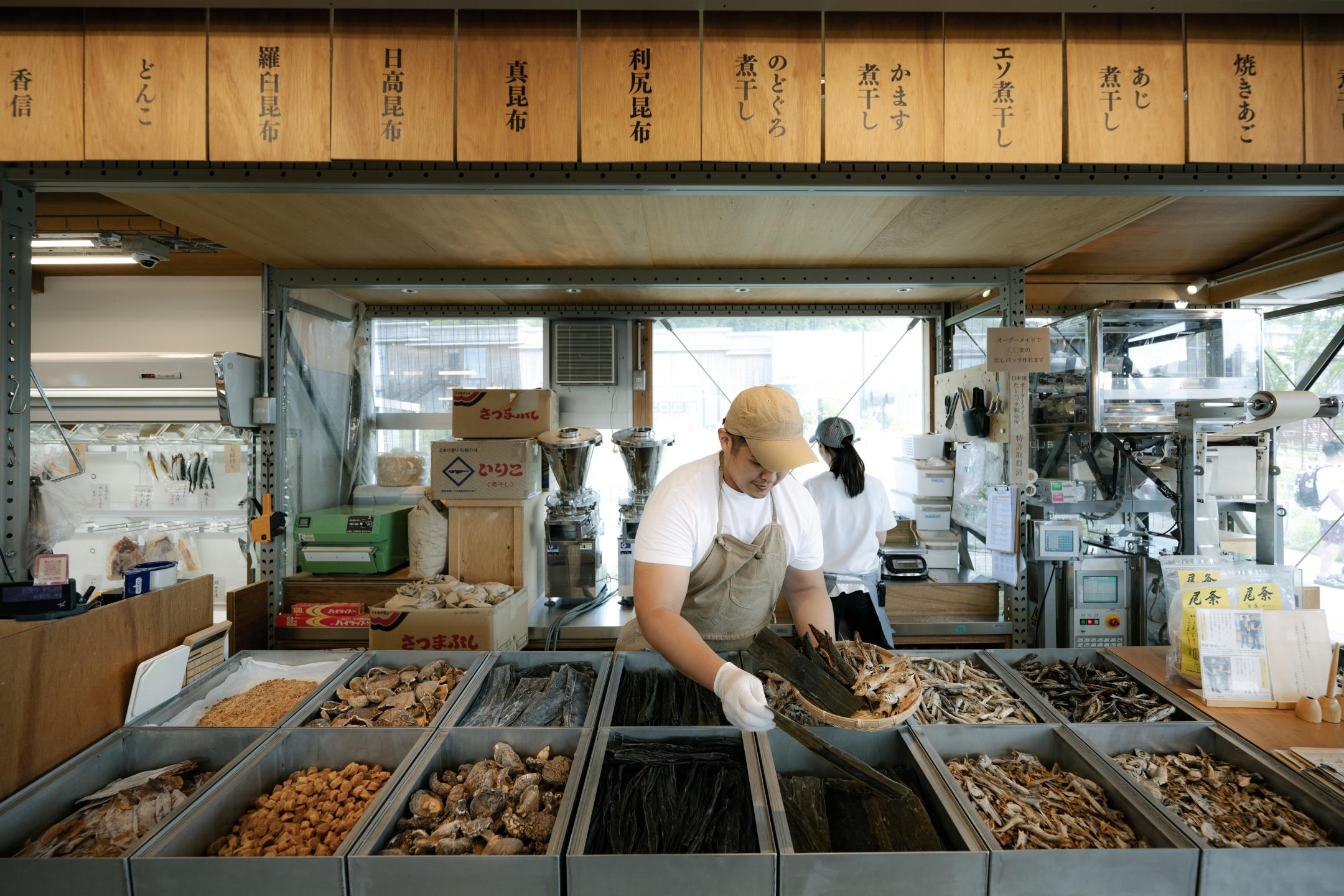
Okume Mie VISON Store is a fine food boutique selling the world's first DIY dashi pack. With this patented set, you can create your own dashi from a selection of 24 additive-free Japanese ingredients including katsuobushi, roasted flying fish, Rishiri kelp, and dried shiitake mushrooms.
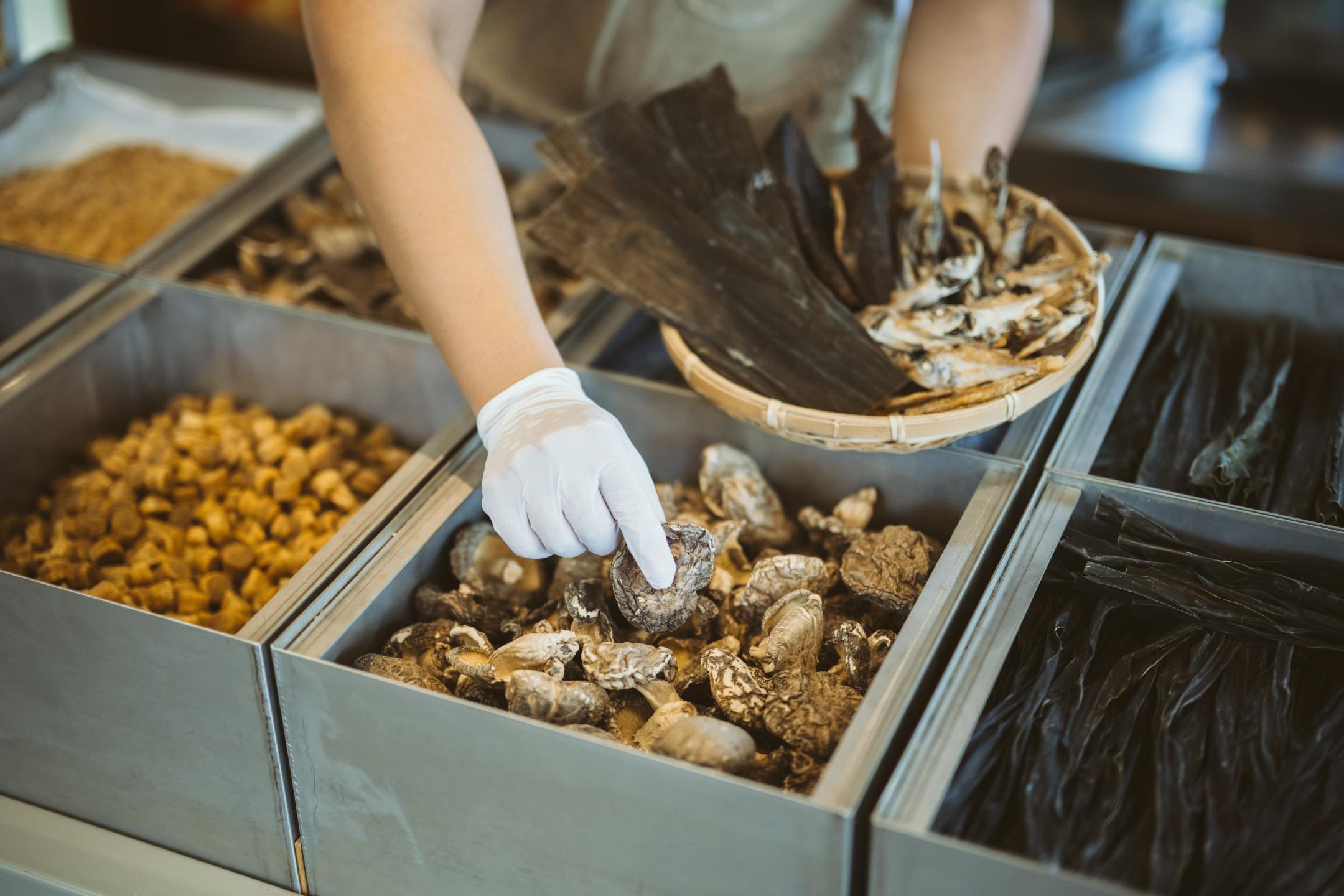
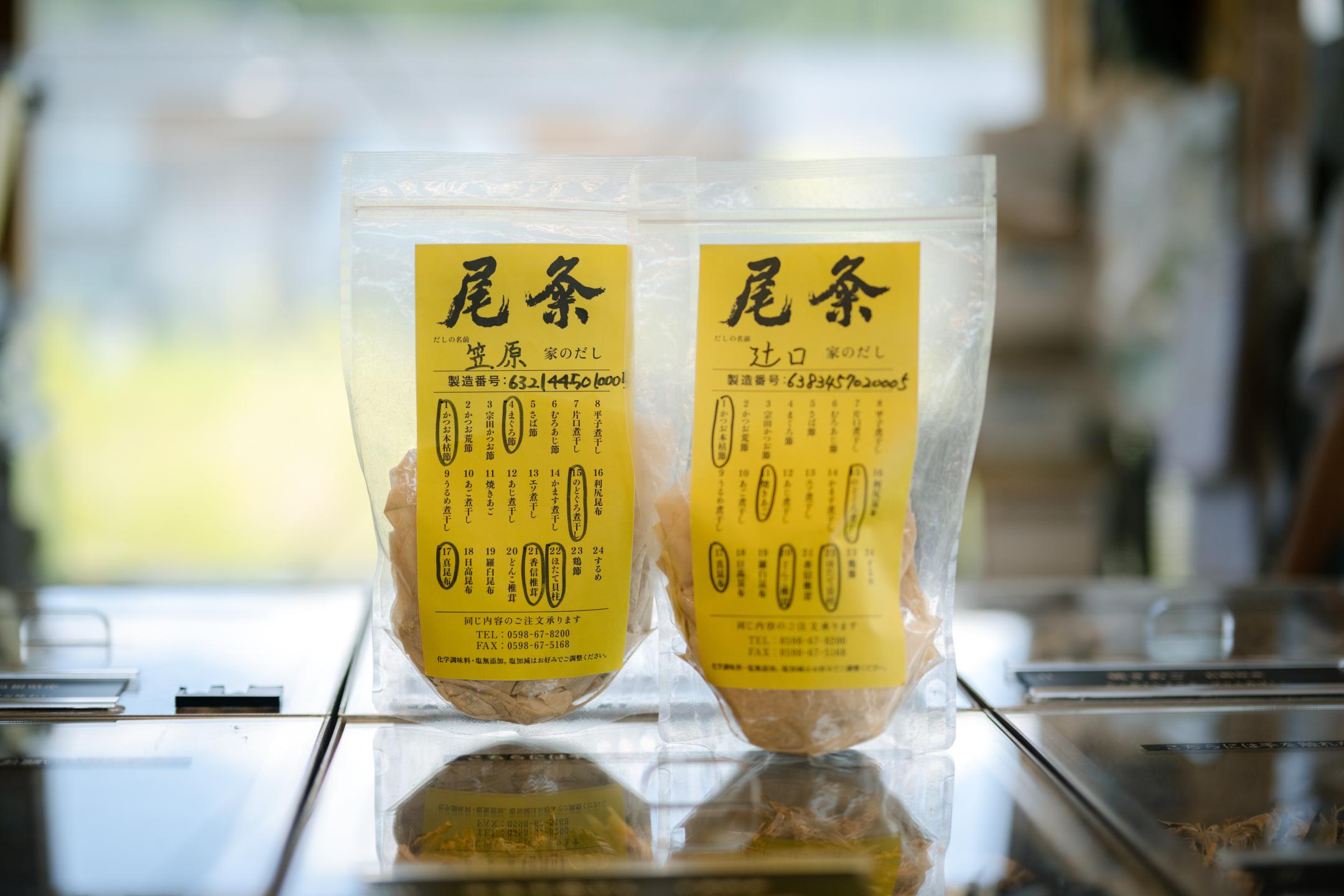
The rich dashi flavor is produced by a combination of umami components: inosinic acid, glutamic acid, and guanylic acid. When building your dashi pack, you can select ingredients on the order form categorized by their umami component. There are recommended blends as well as blends created by professional chefs to give you a helping hand, and you can even buy the dashi you created again at stores or online.
Okume Mie VISON Store, 672-1 VISON Takicho, Taki
Umami from Anori pufferfish
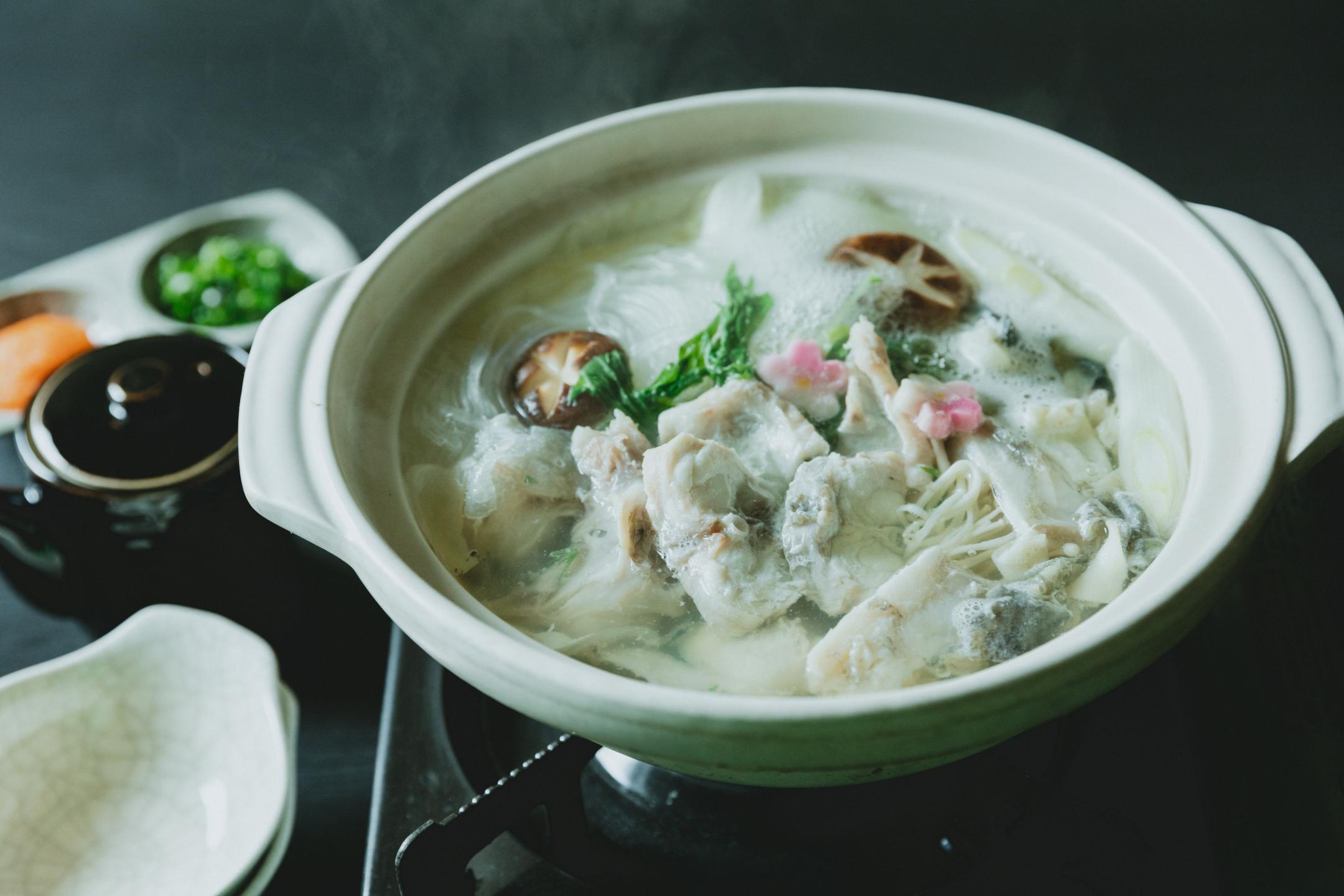
Dashi can also be produced from more exotic ingredients.
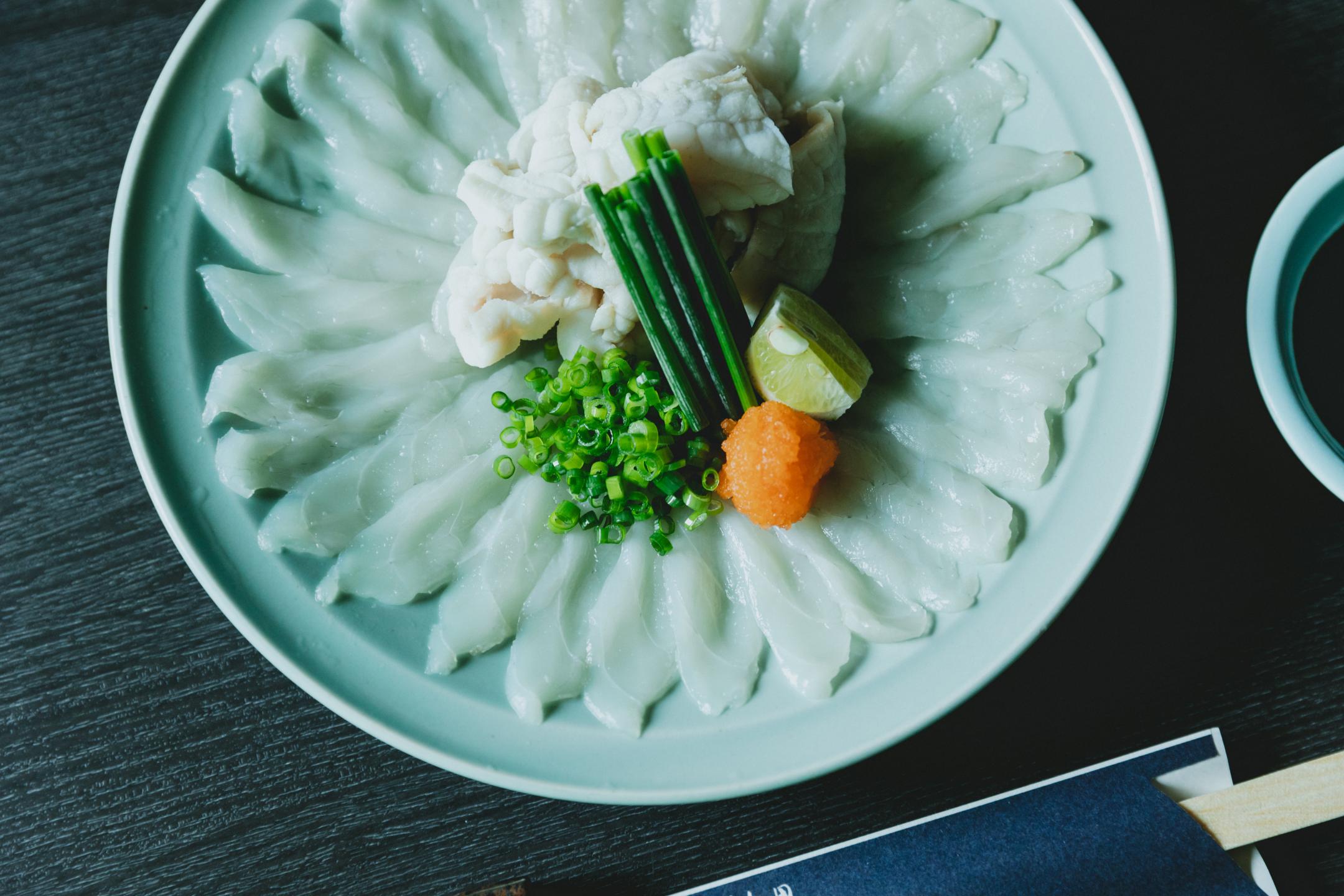
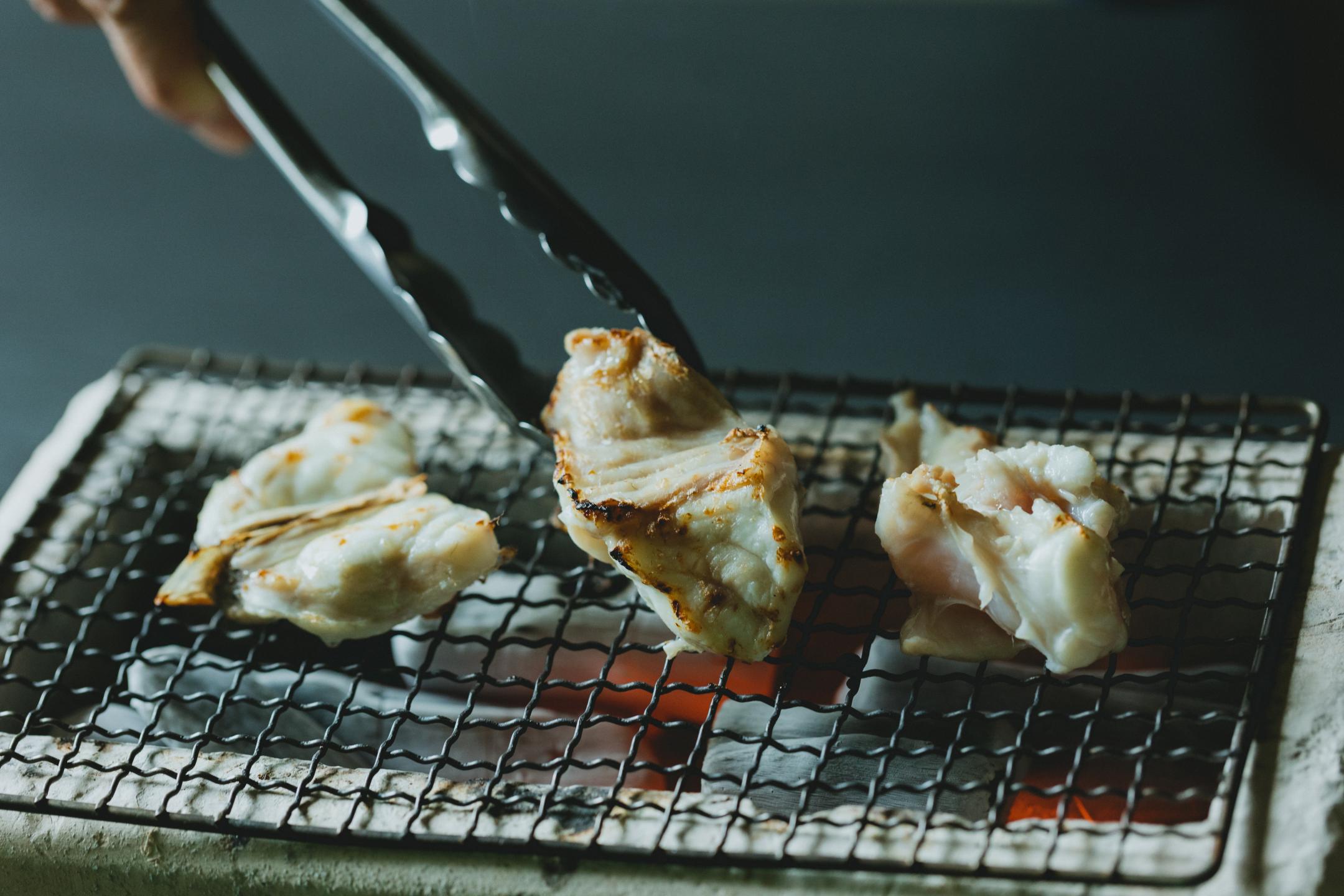
When it comes to winter delicacies in Ise-Shima, the main rival of spiny lobster and Matoya oysters is Anori pufferfish. Natural Japanese pufferfish weighing 700 grams or more are caught in Ise Bay, and this fish is described as the “king of whitefish” because it contains more umami components than any other whitefish.
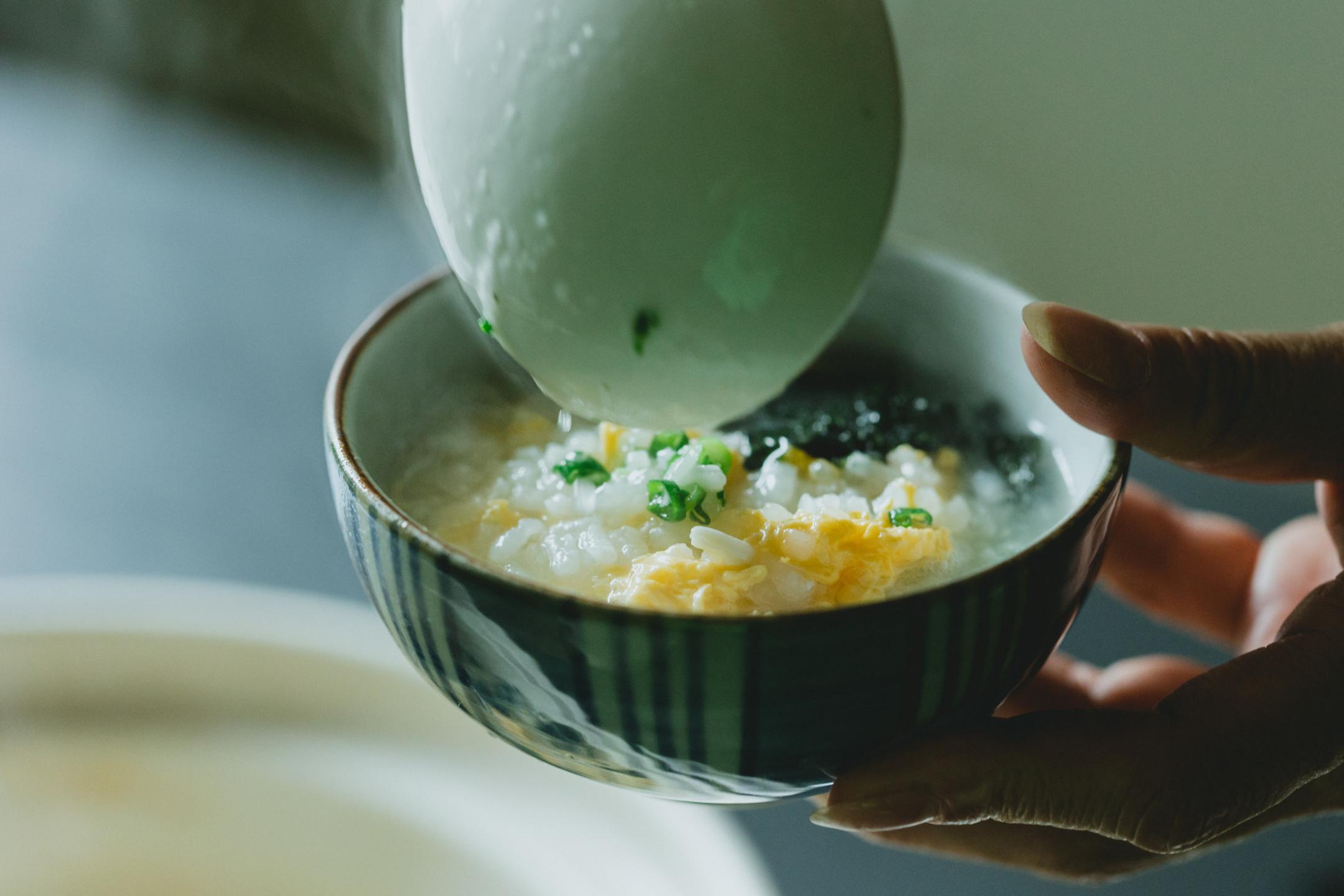
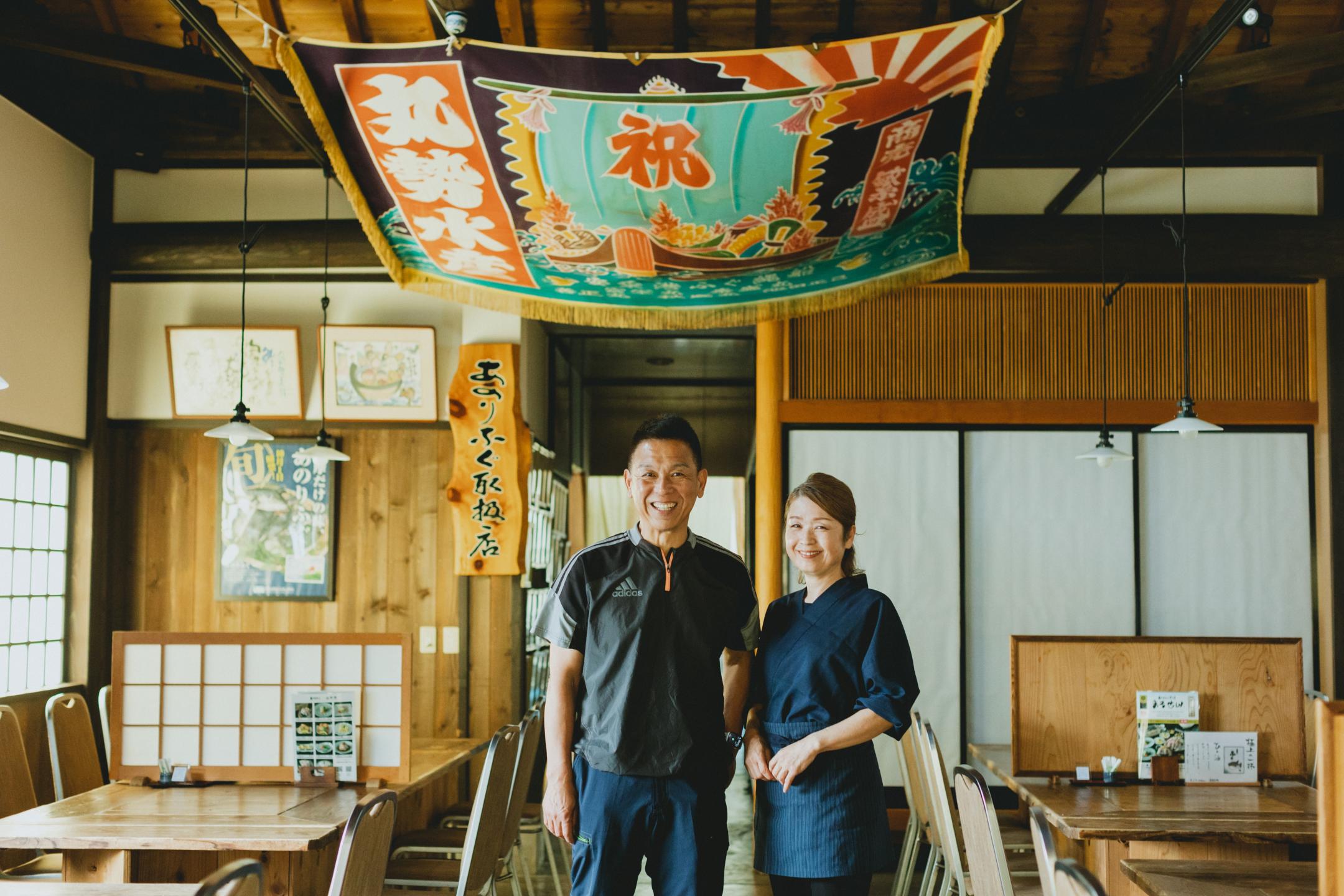
Marusei in Shima City is the first restaurant licensed to handle Anori pufferfish. so you can enjoy every last bit of this delicious fish with peace of mind. It can be served as sashimi, fried, and even in rice porridge with deep vegetable flavors. Anori pufferfish is in season from October to March.
Marusei, 178-3 Agocho Anori, Shima
Try high-grade Matsusaka beef
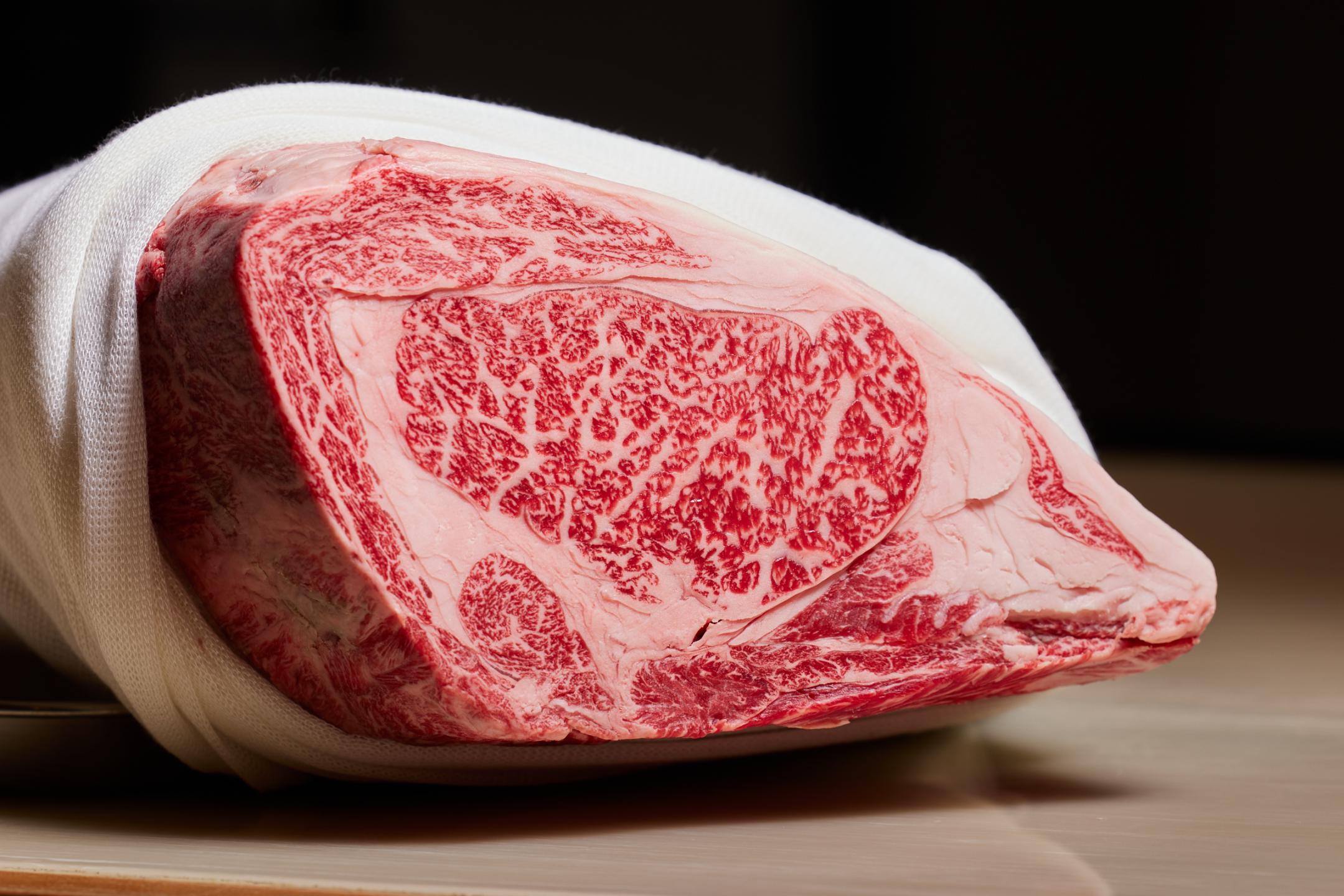
Founded in 1878, Wadakin in Matsusaka City is regarded as the originator of Matsusaka beef and sources only the finest Japanese Black breed cattle from Tajima, Hyogo, before carefully raising them on Wadakin's own ranch.
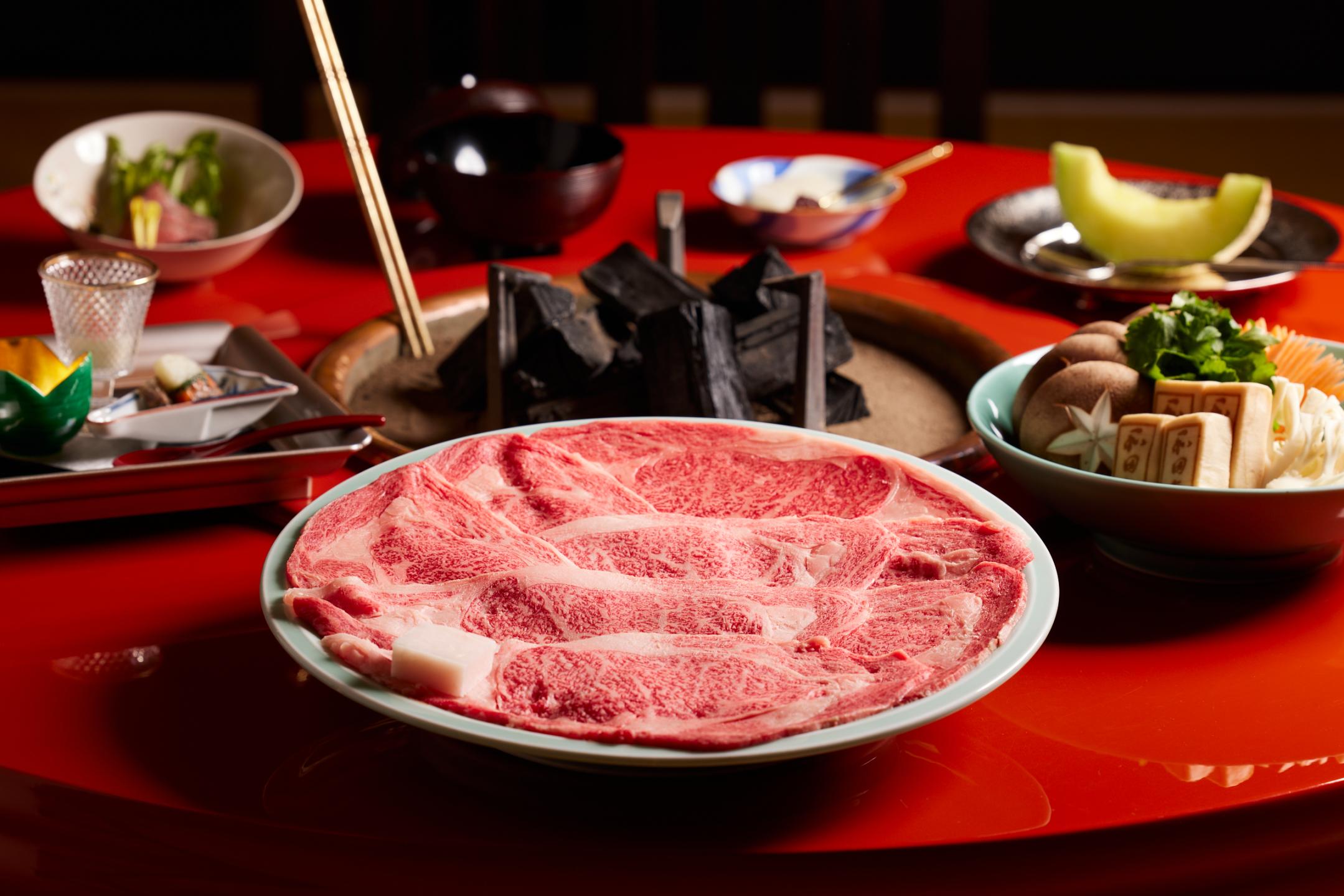
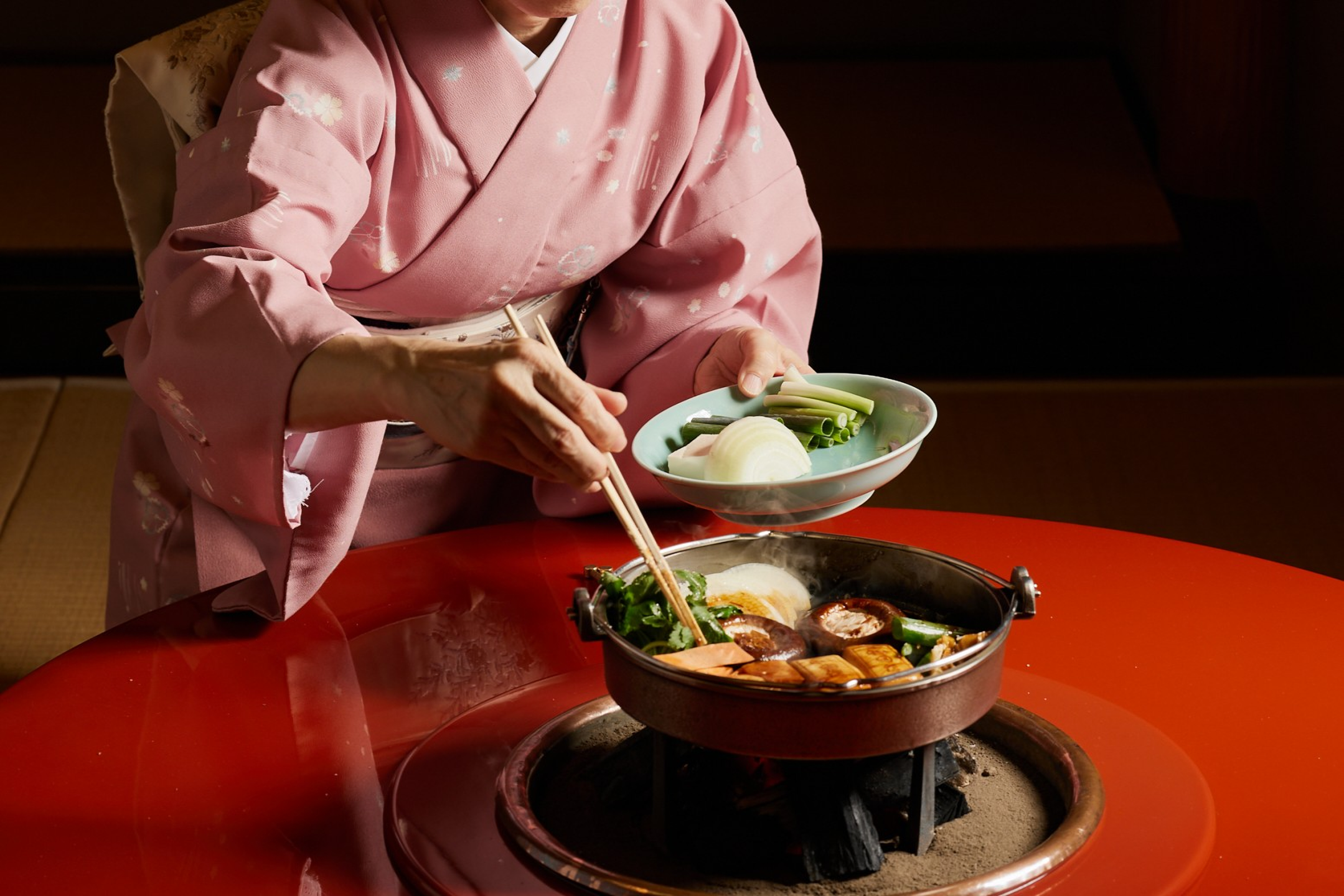
The signature dish is sukiyaki (starting at 14,000 yen), with thicker cuts compared to typical sukiyaki beef thanks to the use of fresh meat rather than frozen. An iron sukiyaki pot is heated over charcoal to slowly cook the meat at just the right temperature, bringing out the rich umami flavor of melt-in-the-mouth Matsusaka beef along with tamari soy sauce.
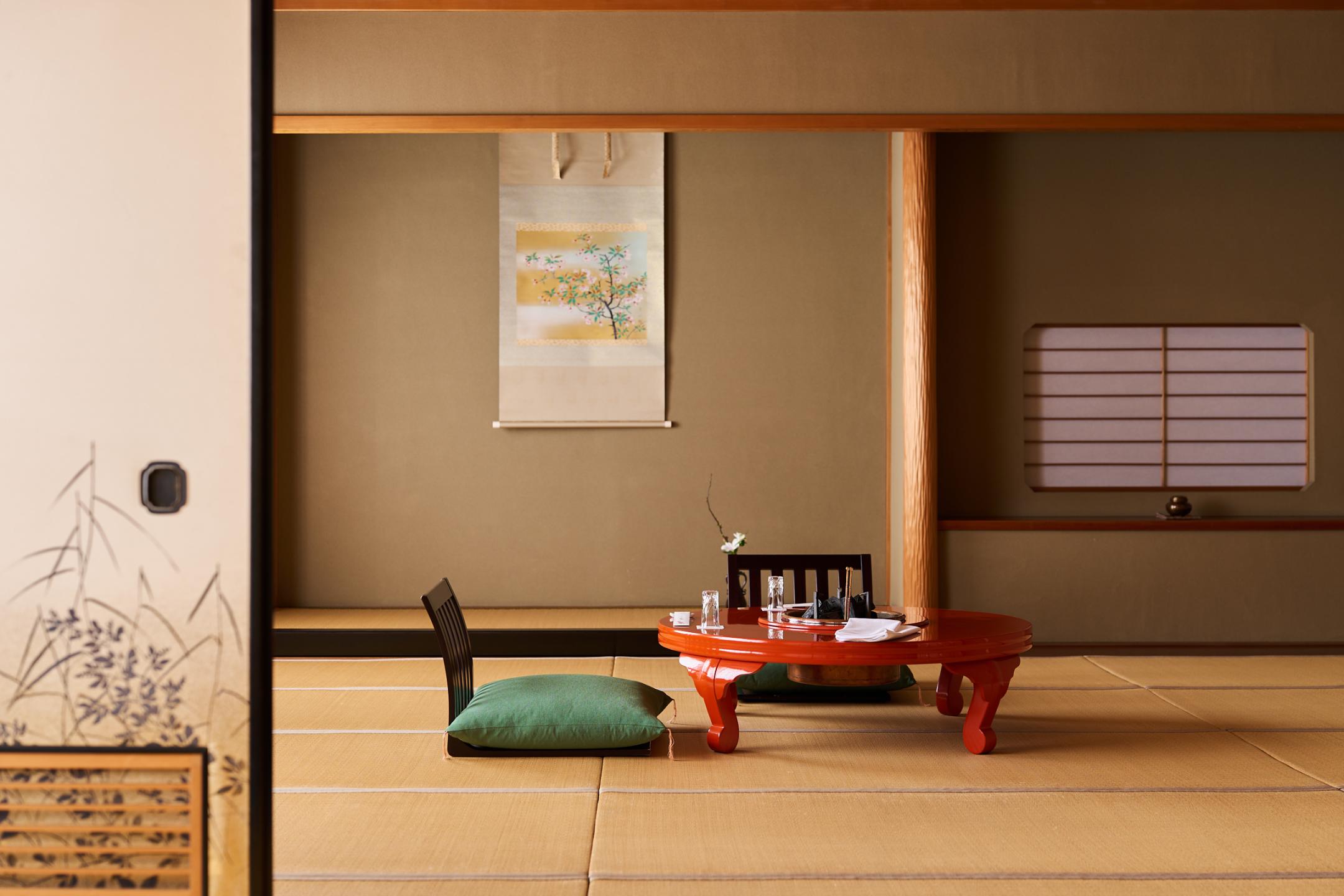
As a point of pride, an attendant is assigned to each room to ensure that the meat is grilled perfectly.
Wadikin, 1878 Nakamachi, Matsusaka
One of Ise's best-loved pubs
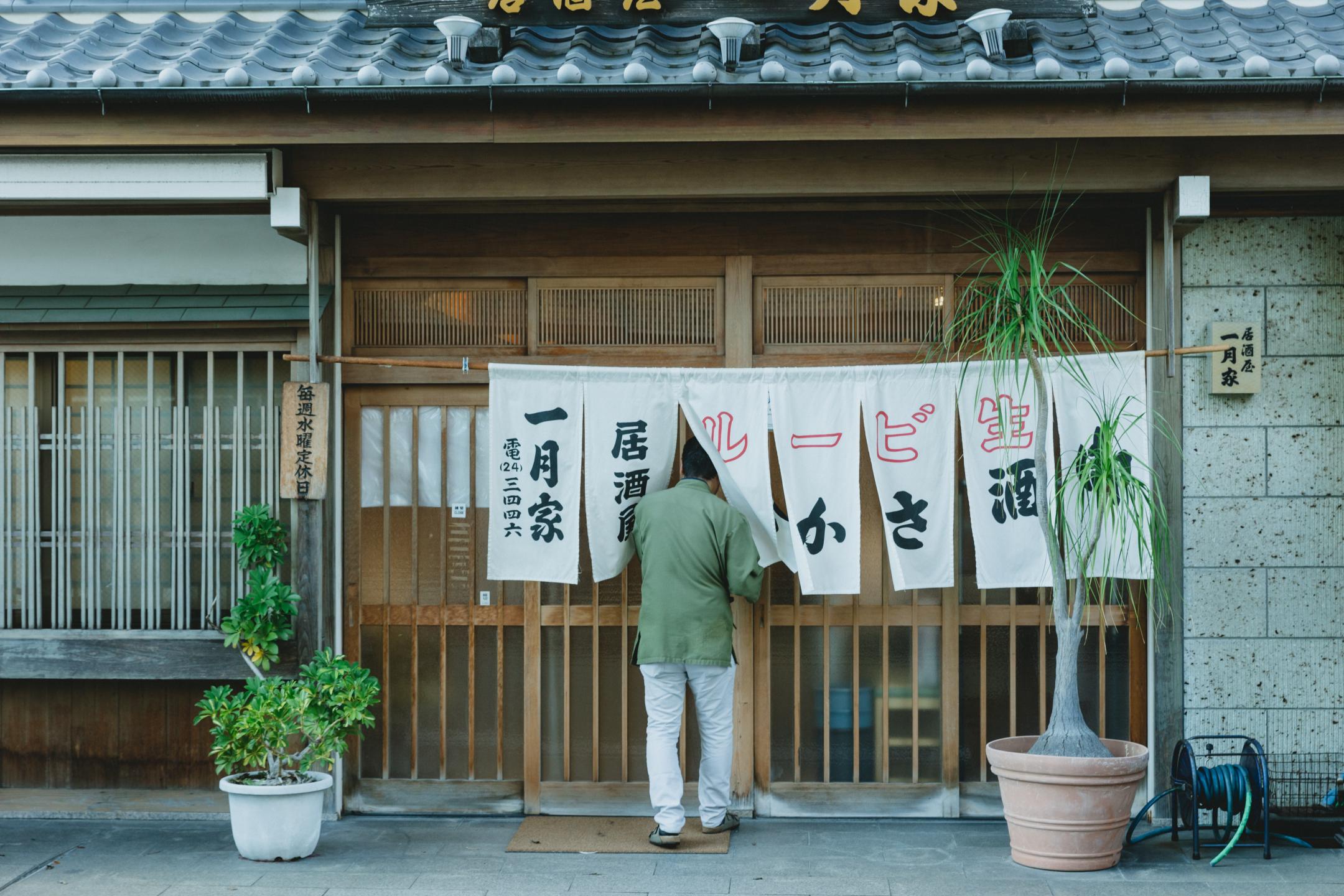
The Ichigetsuya izakaya in Ise was founded in 1914 and has always been full as soon as it opens at 2:30 in the afternoon. With a reputation that extends nationwide, locals find themselves eating and drinking alongside visitors from Nagoya, Osaka and further afield.
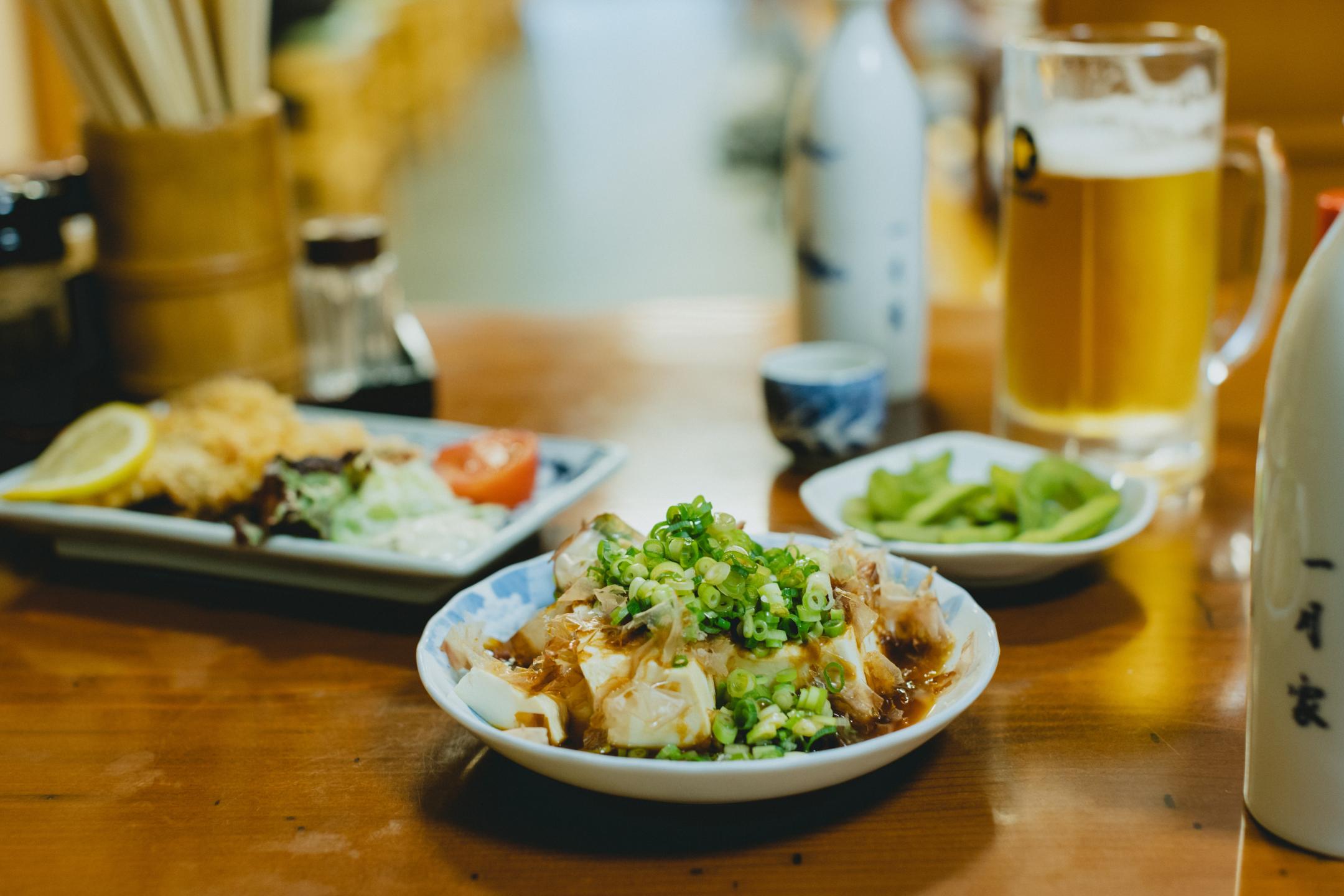
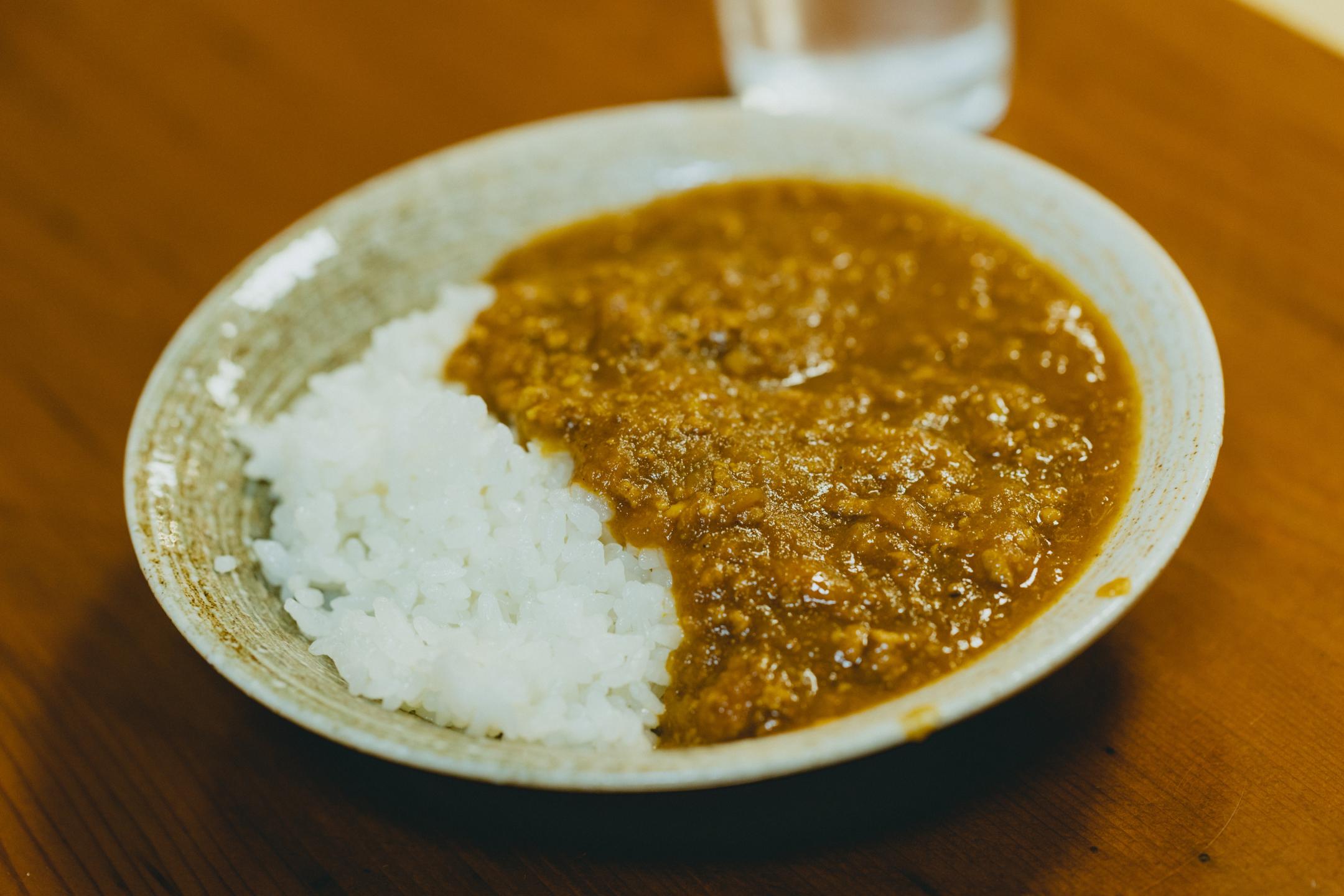
The boiled tofu, served with a sweet soy sauce-based dipping sauce, is particularly renowned. The wide-ranging menu also features dishes like simmered shellfish and fried fish as well as curry and rice. These are standard dishes elevated to the next level with the umami of the ingredients and the history of the place.
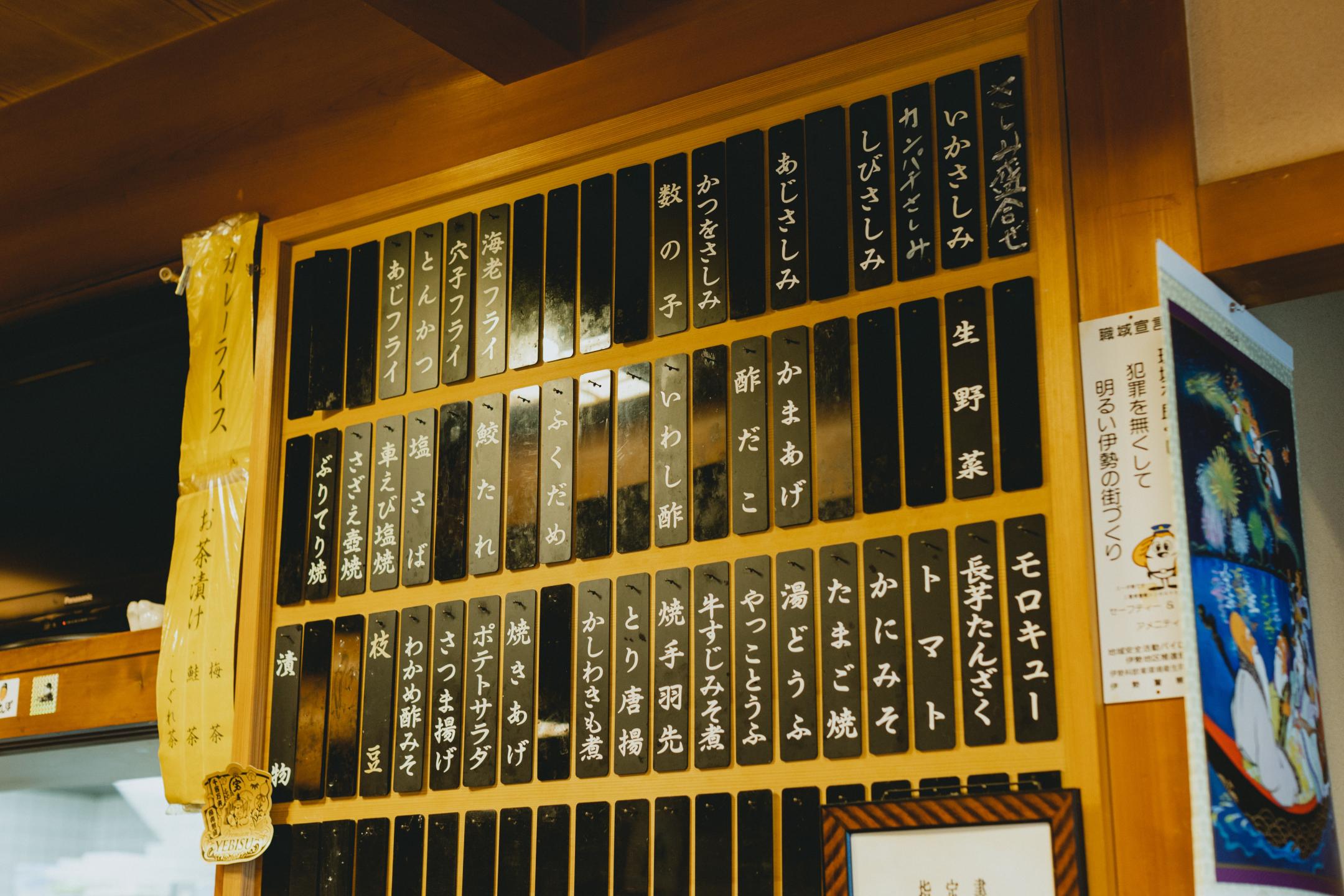
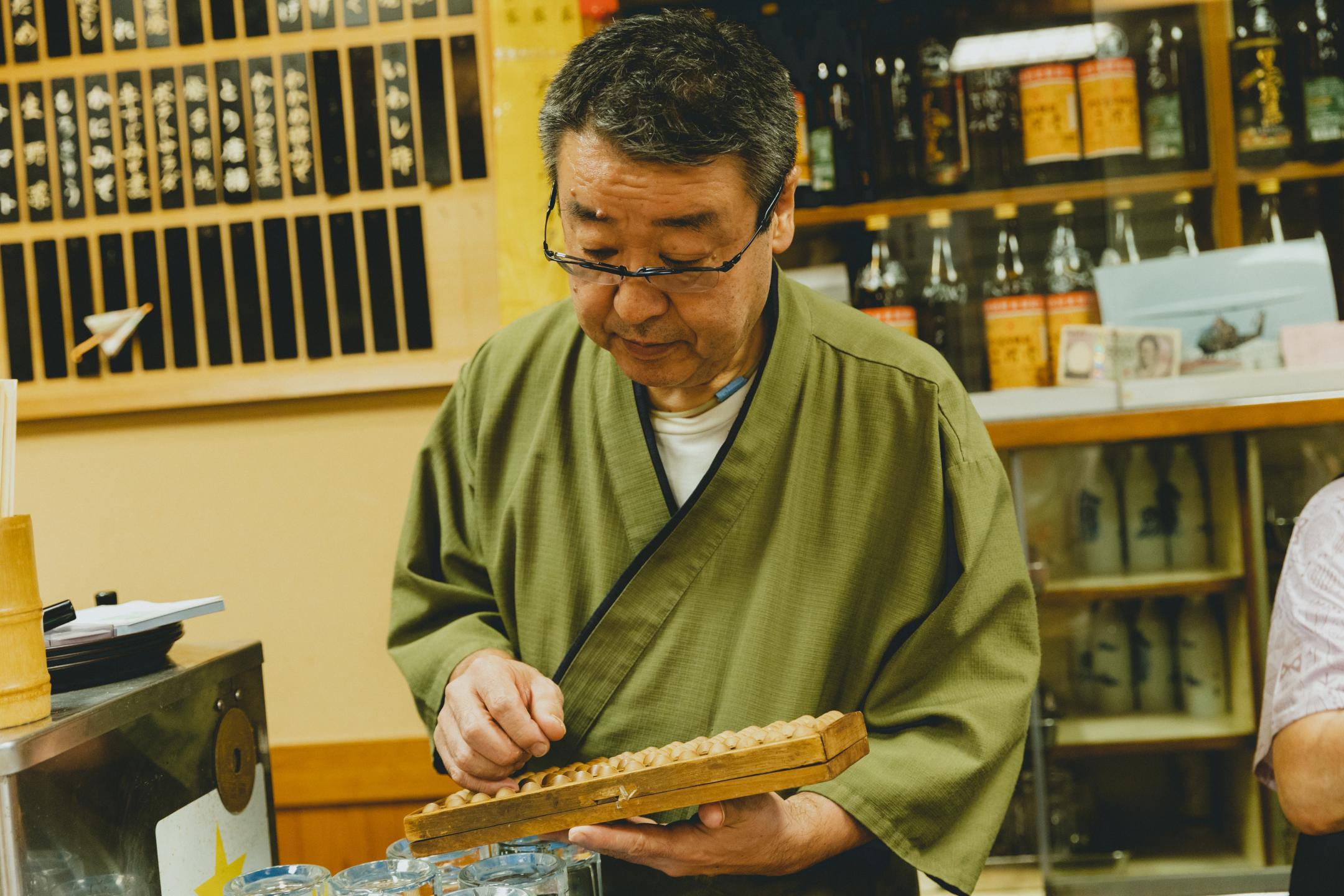
After ordering from the blackboard menu, an abacus is used to tally the number of dishes eaten for the bill.
Ichigetsuya, 2-4-4 Sone, Ise
The chic side of Edo fashion
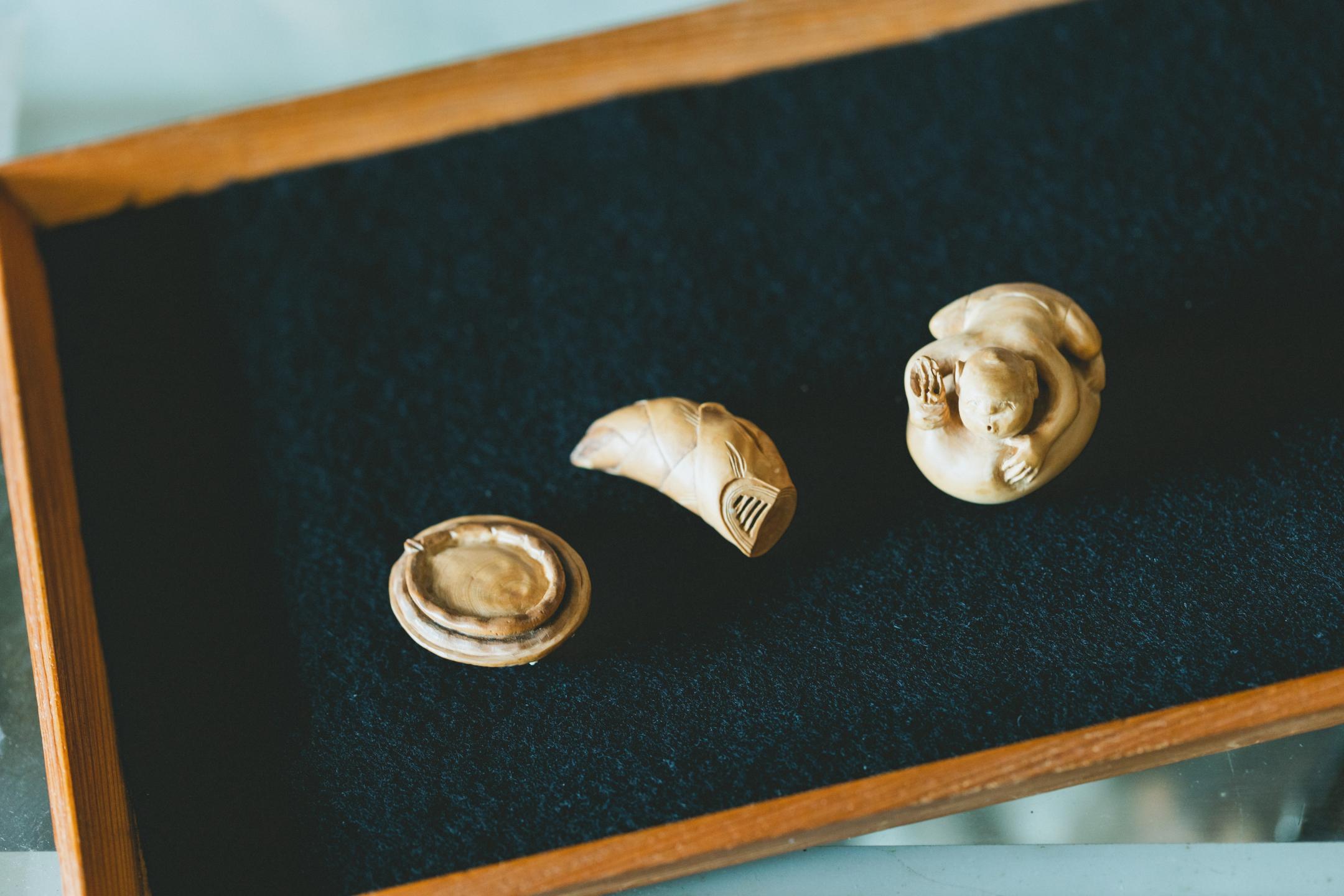
Isenetsuke are carved wooden toggles for attaching to the ends of seal cases and tobacco pouches. Popular during the Edo period as souvenirs from pilgrimages to Ise, they were worn to be visible only briefly when passing by, the epitome of chic.
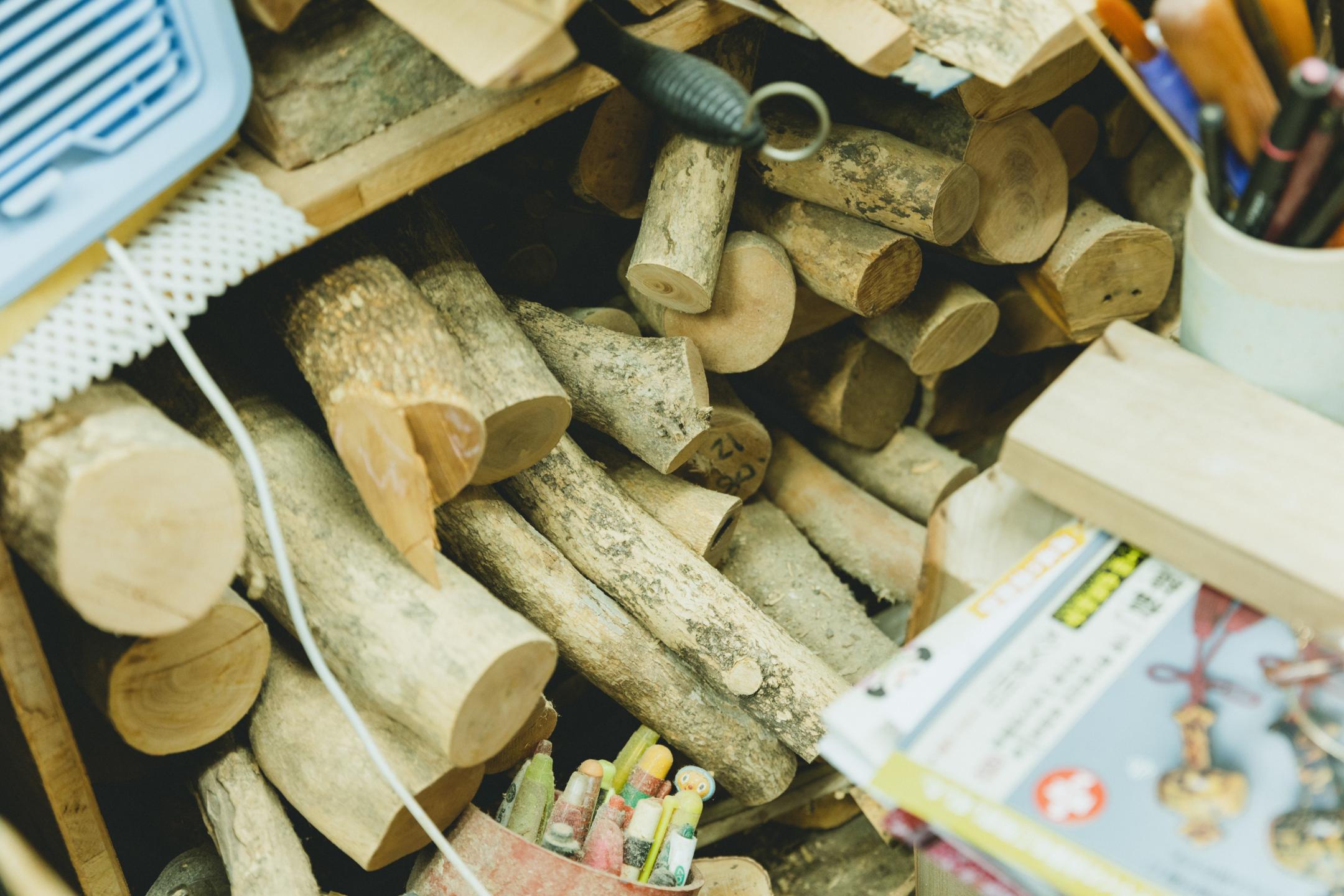
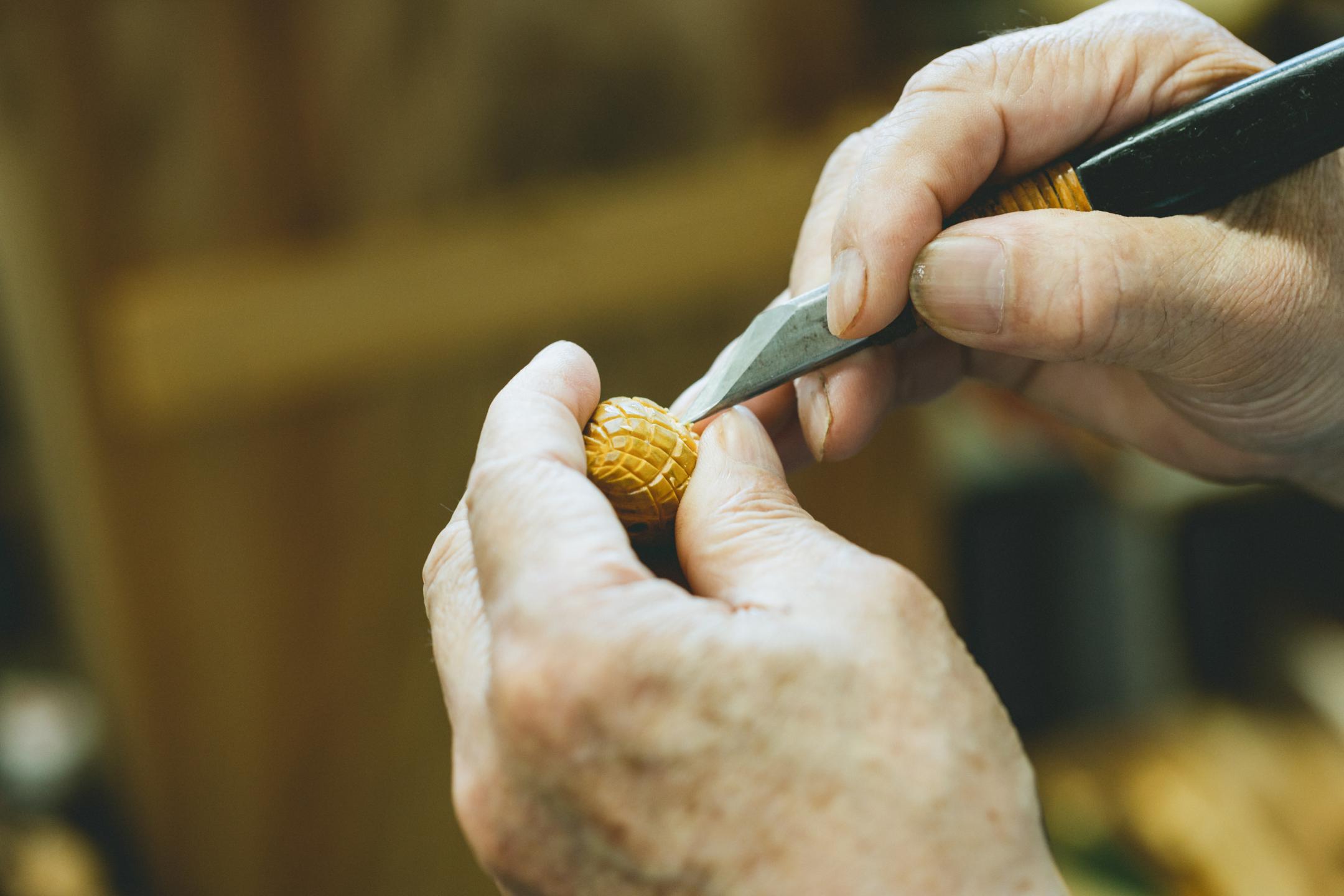
Isenetsuke are made from rare Japanese boxwood from the Asamatsu tree native to the sacred precincts of Ise Jingu. These trees are unusually strong and have dense growth rings.
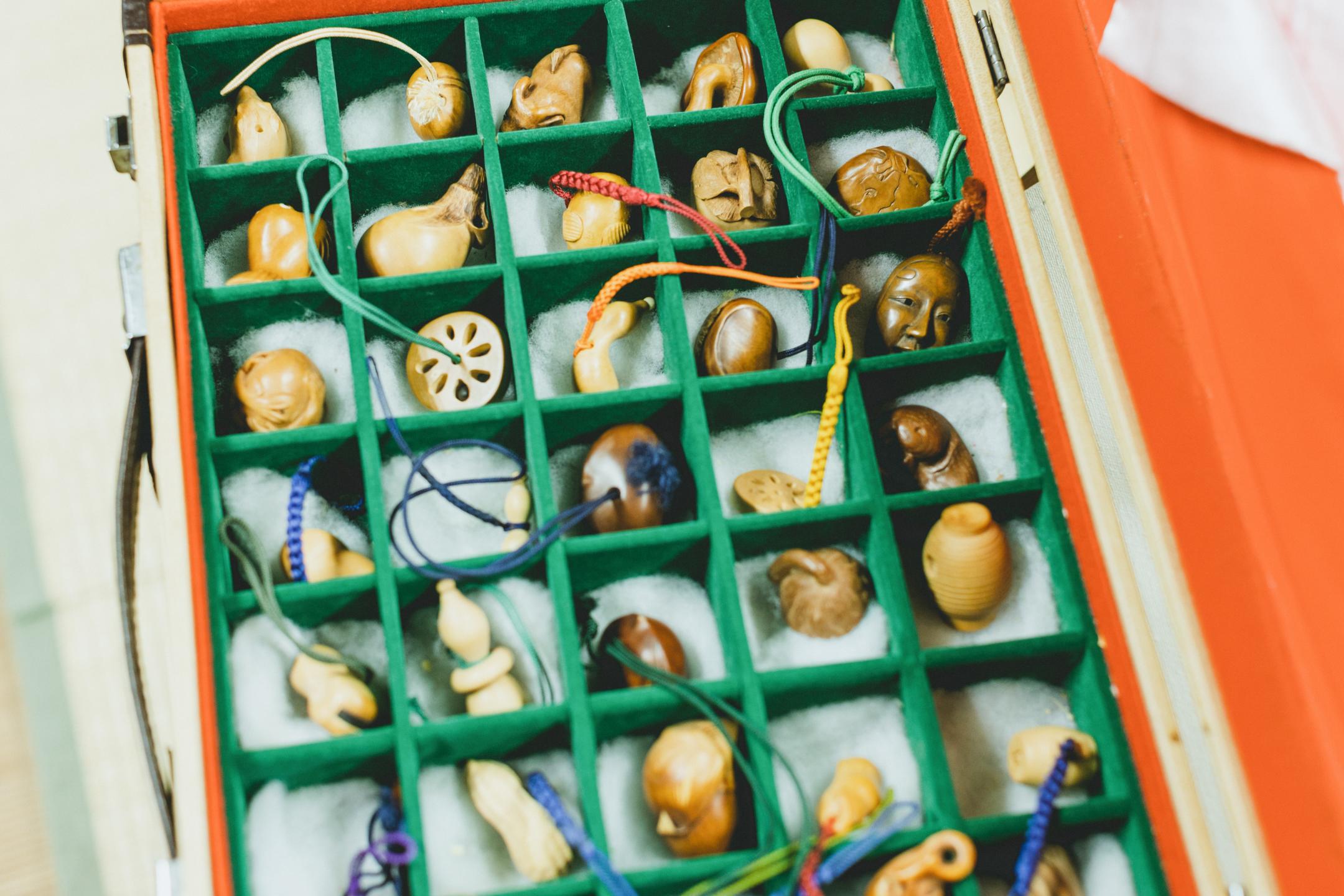
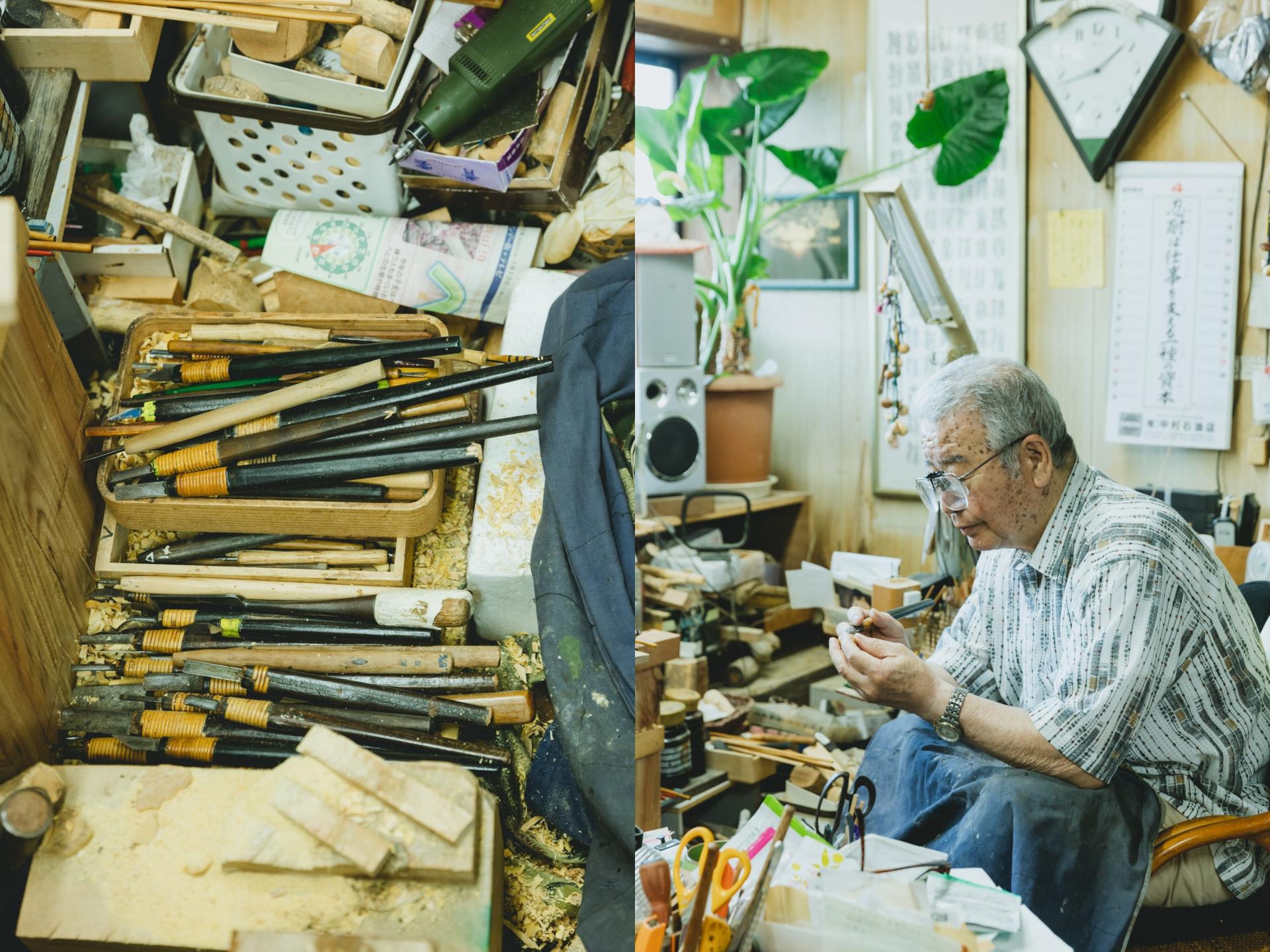
The director of the Isenetsuke Chokokukan museum says, “Their color becomes even more beautiful through contact with clothing fabric and hand oils, and becoming sun-bleached."
At Isenetsuke Chokokukan. you can view a wide range of netsuke and even try making your own.
Isenetsuke Chokokukan, 1358-1 Uejicho, Ise
The denim of the kimono world
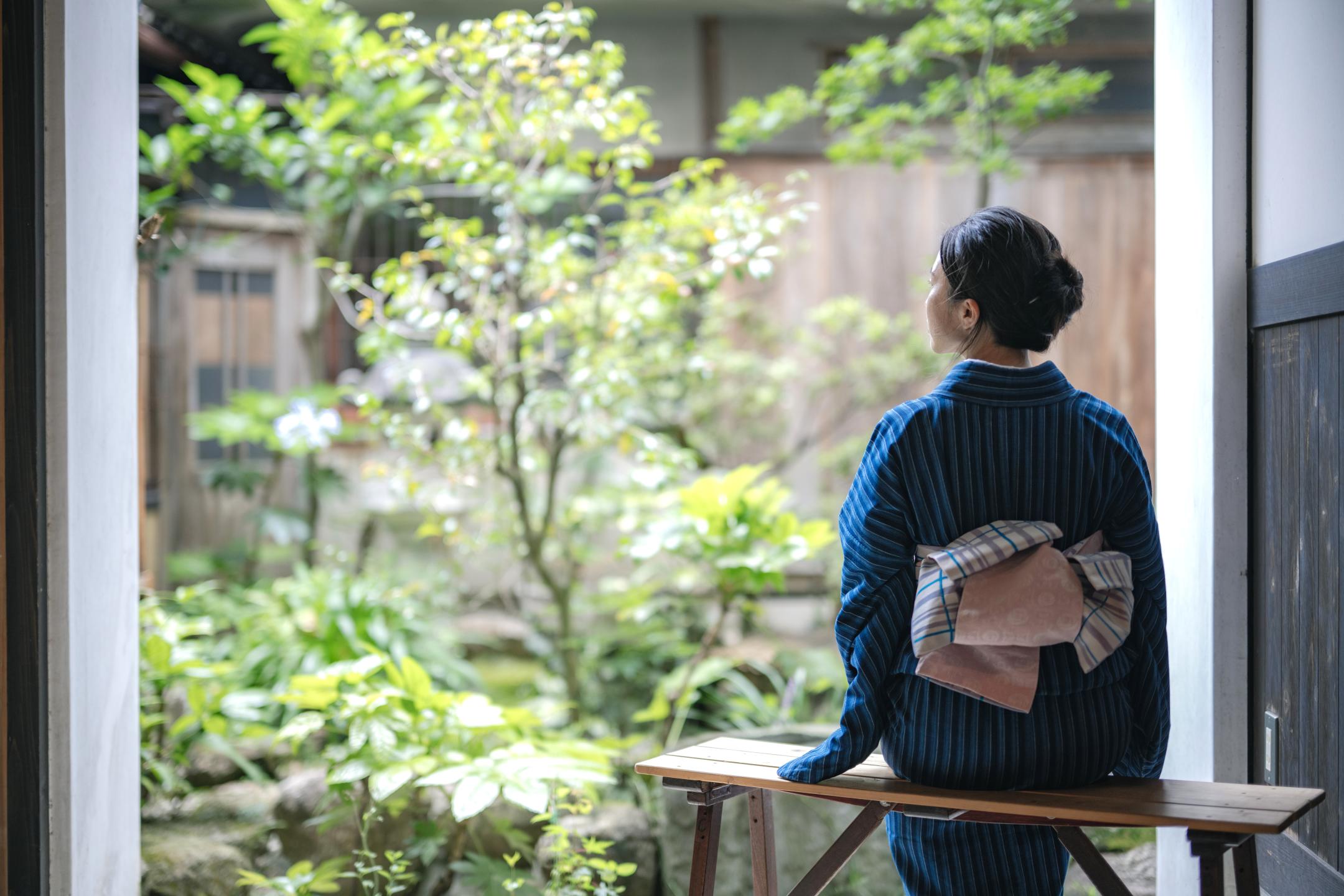
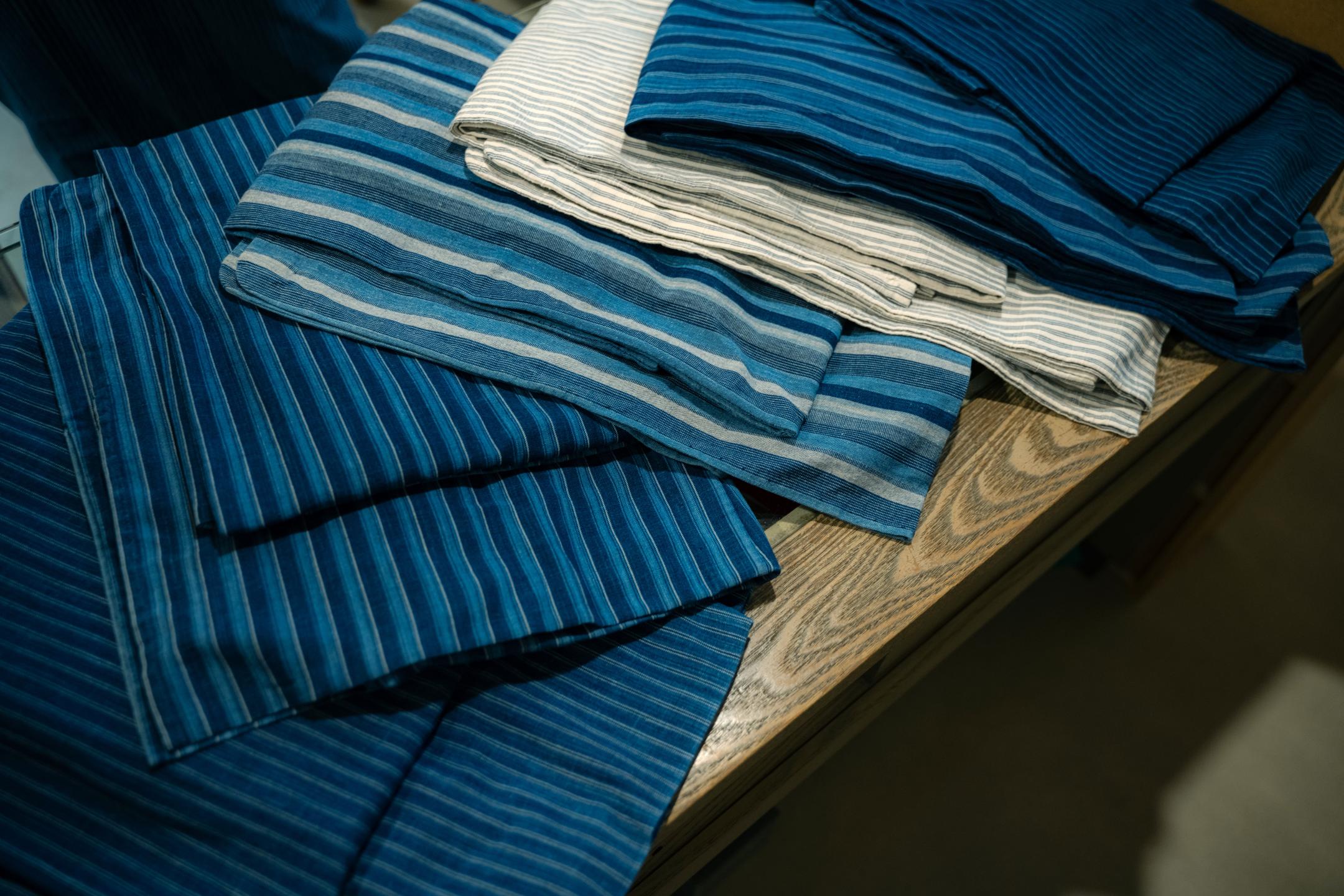
Matsusaka’s traditional “Matsusaka momen” cotton fabric, which also enjoyed popularity during the Edo period, is woven from yarn pre-dyed in natural indigo into distinctive stripes.
From a distance it appears solid, but up close the refined striped pattern reveals itself—an aesthetic that captivated people of the time. Women from farming families in Matsusaka would weave the fabric by hand late into the night and ship it to Edo (Tokyo) the following day.
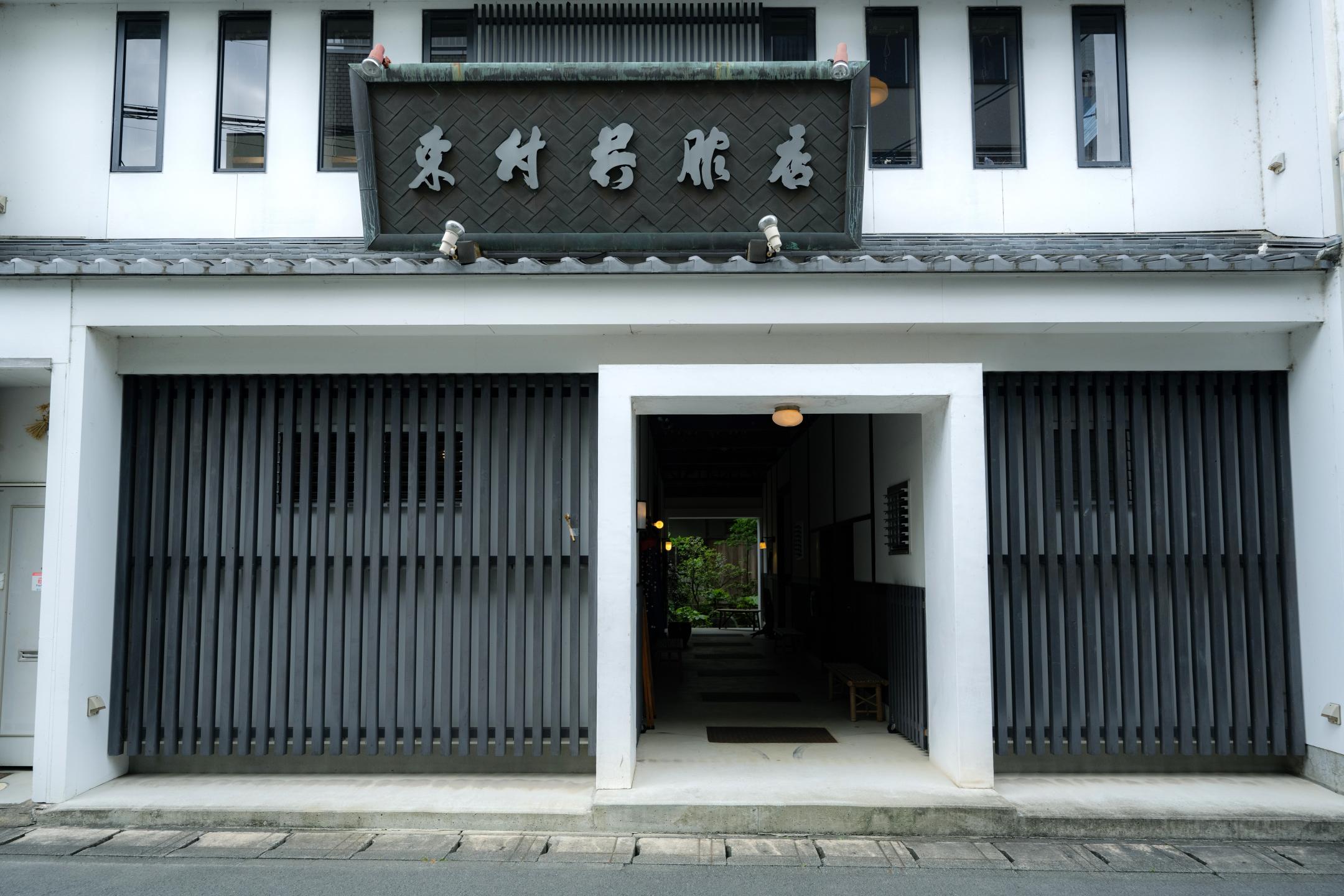
Yoshiko Higashimura, who runs the Utsukushiya shop, says, “Matsusaka momen is the denim of the kimono world. It can be washed at home and gradually changes over time, becoming ever more comfortable."
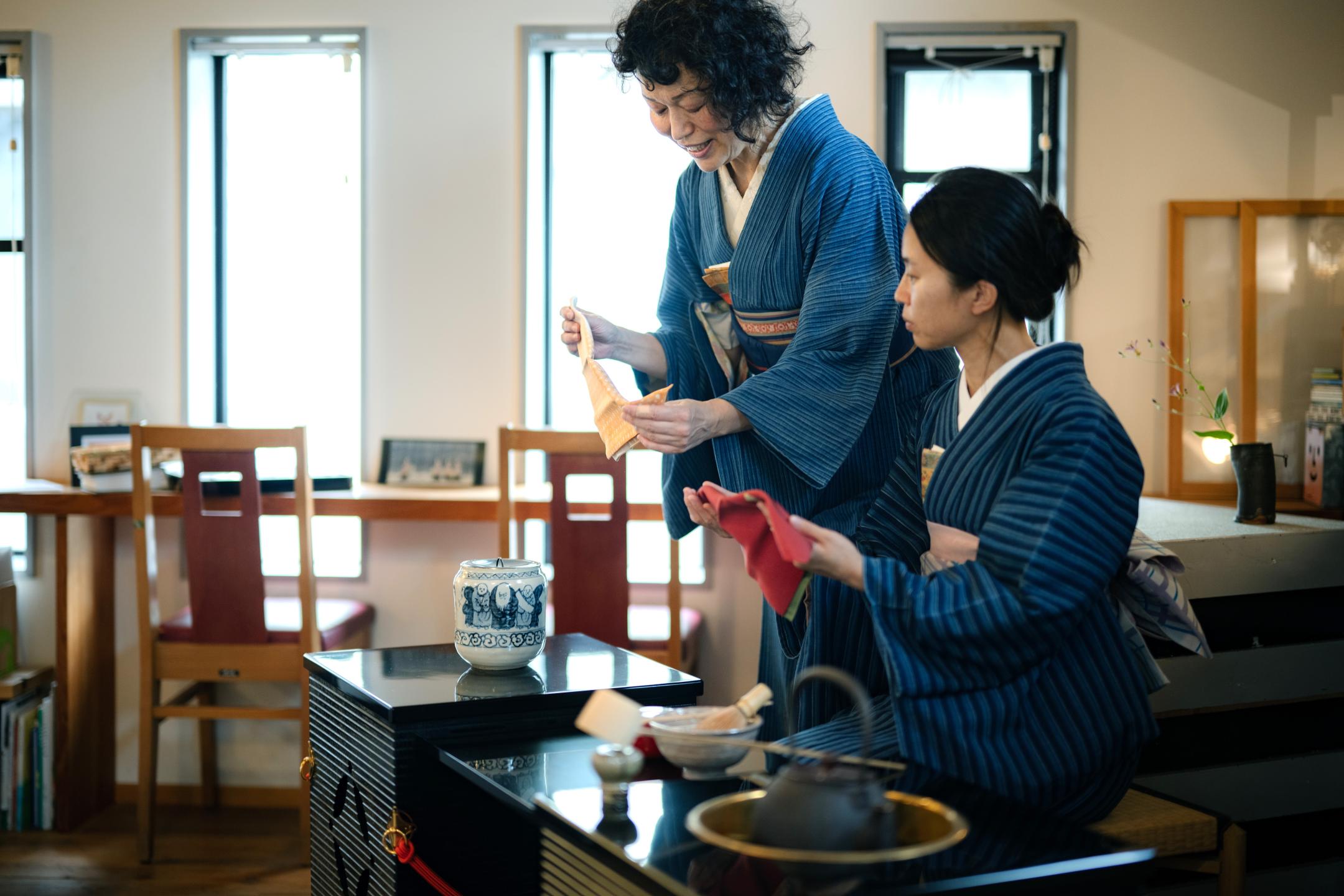
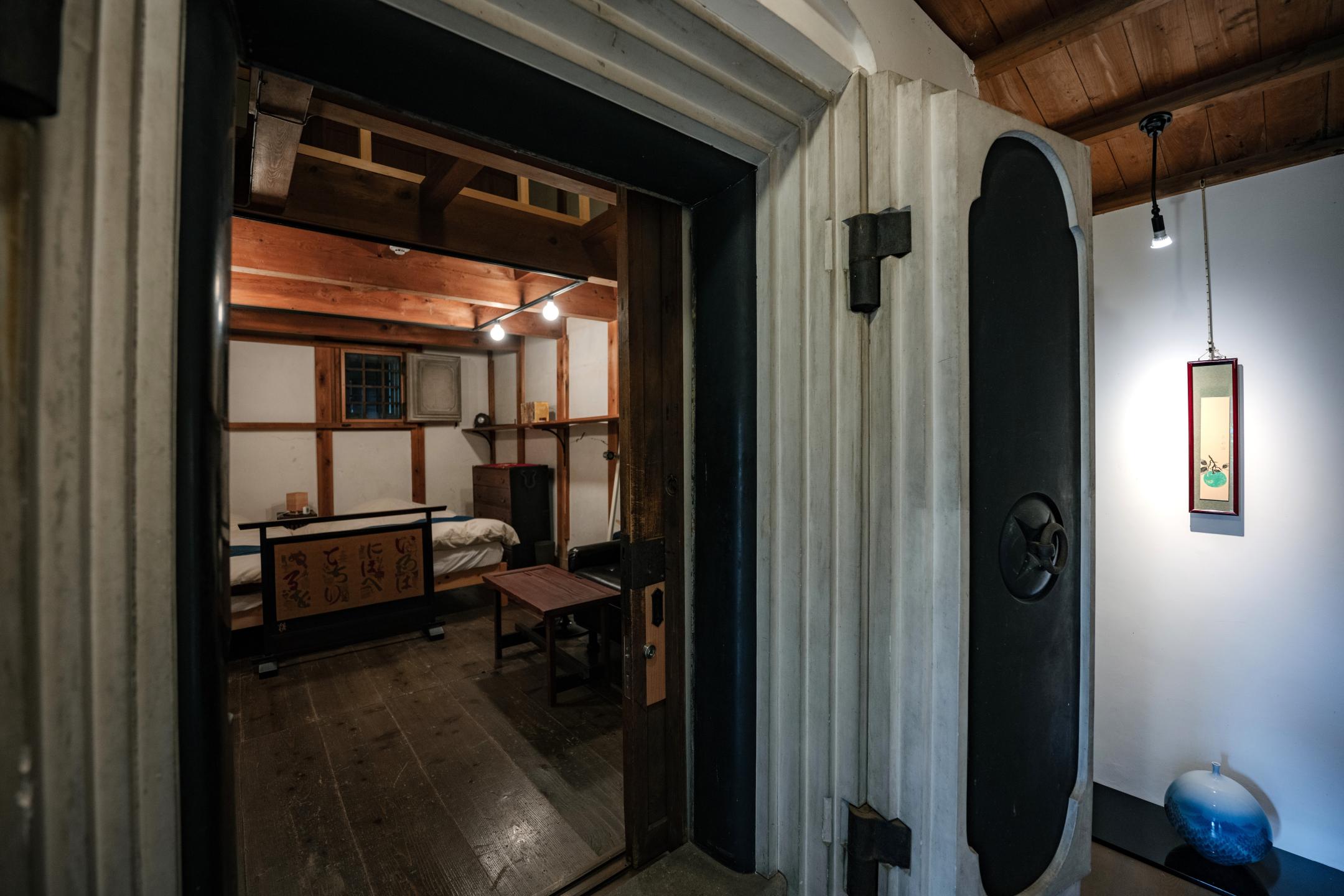
The shop is housed in a renovated old kimono store where you can buy Matsusaka textiles and rent traditional dress using this fabric. It also has a renovated warehouse as accommodation for one group per day.
Utsukushiya, 1940 Nakamachi, Matsusaka
Essential tools for dyeing
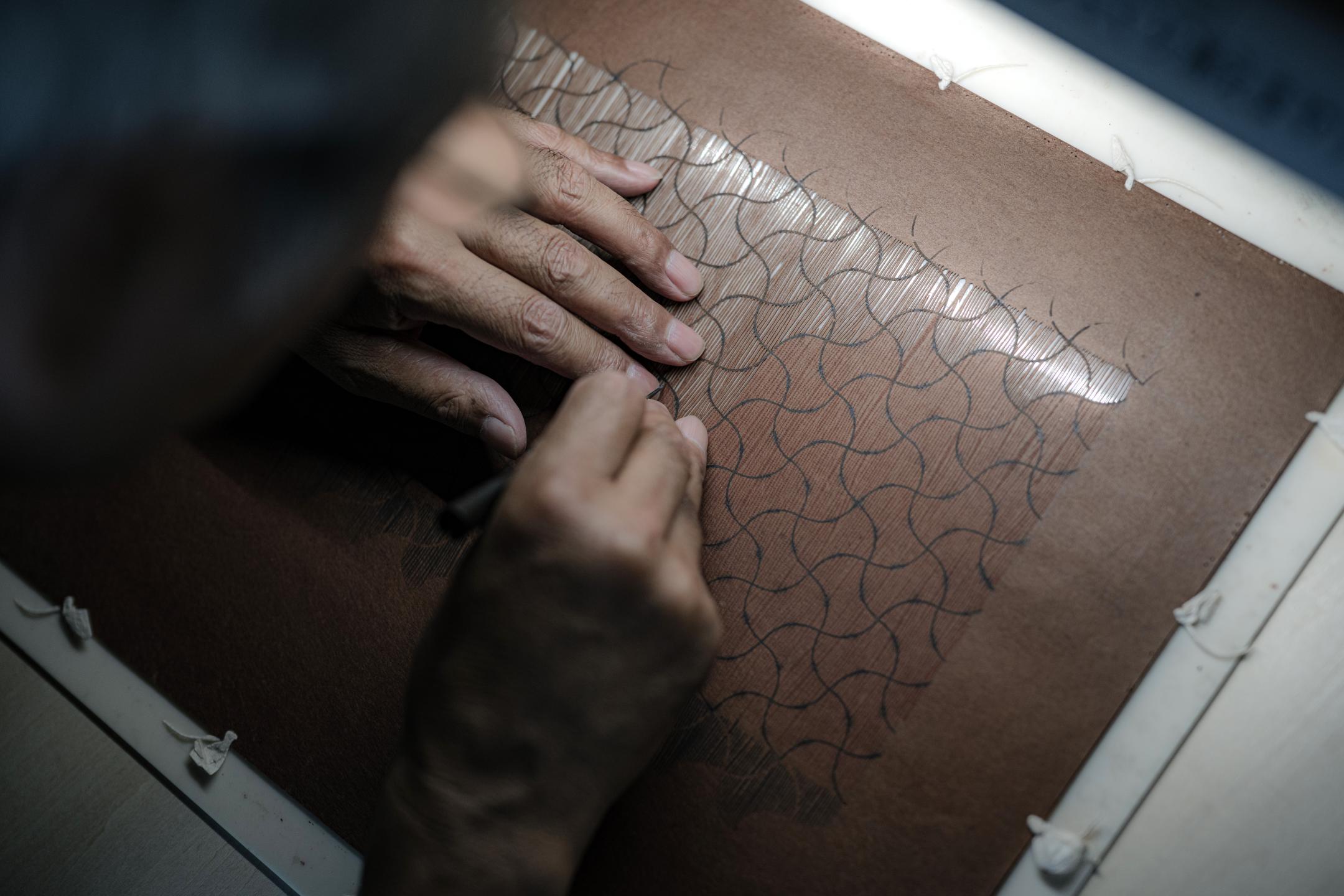
Ise katagami are paper stencils used for dyeing kimono and other garments. Made by pasting together a few sheets of Mino washi paper with persimmon tannin, then drying and smoking the paper before carving out a design, these tools are exquisite in their own right. This 1,000-year-old craft is said to have influenced movements such as Arts and Crafts in the United Kingdom and Art Nouveau in France.
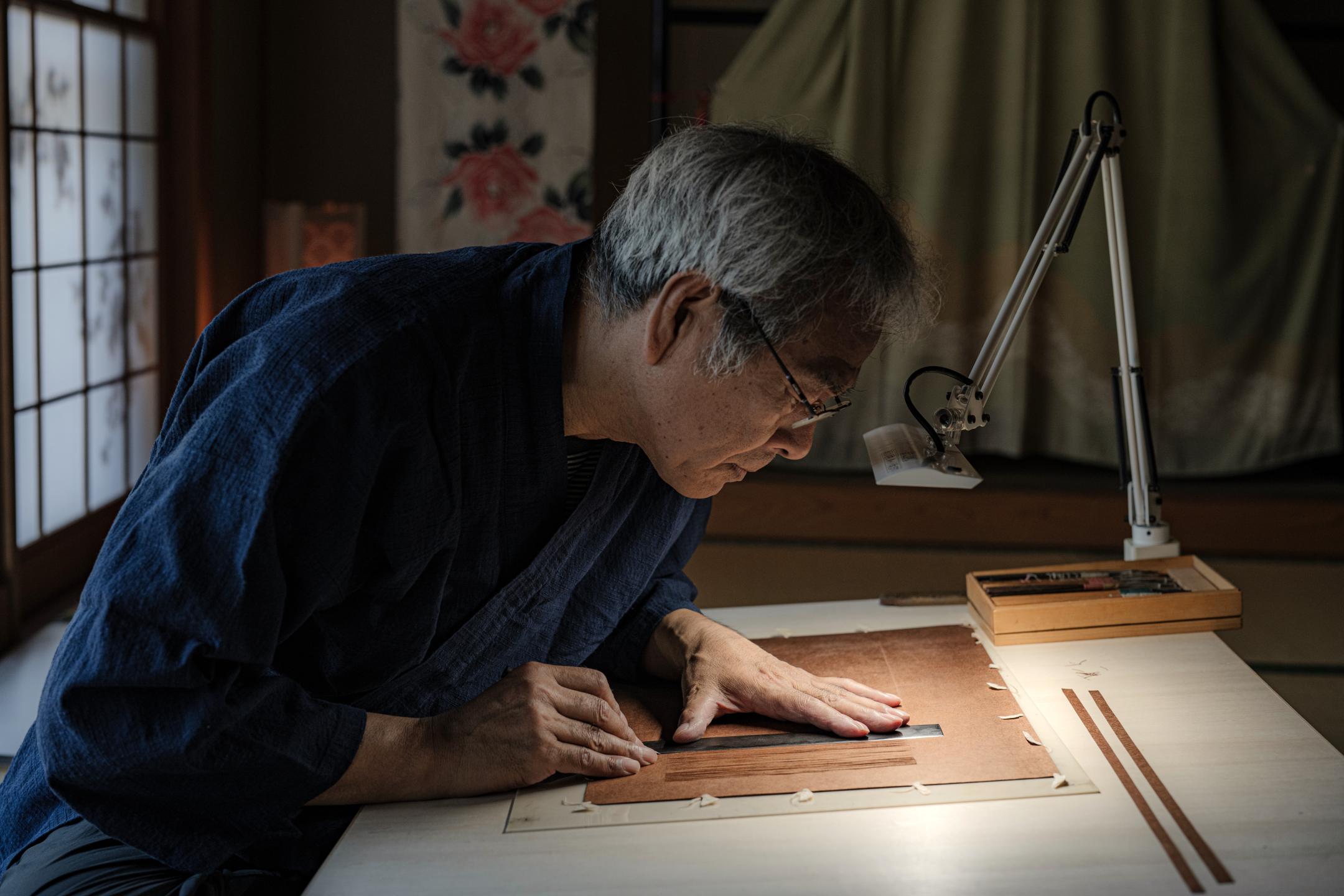
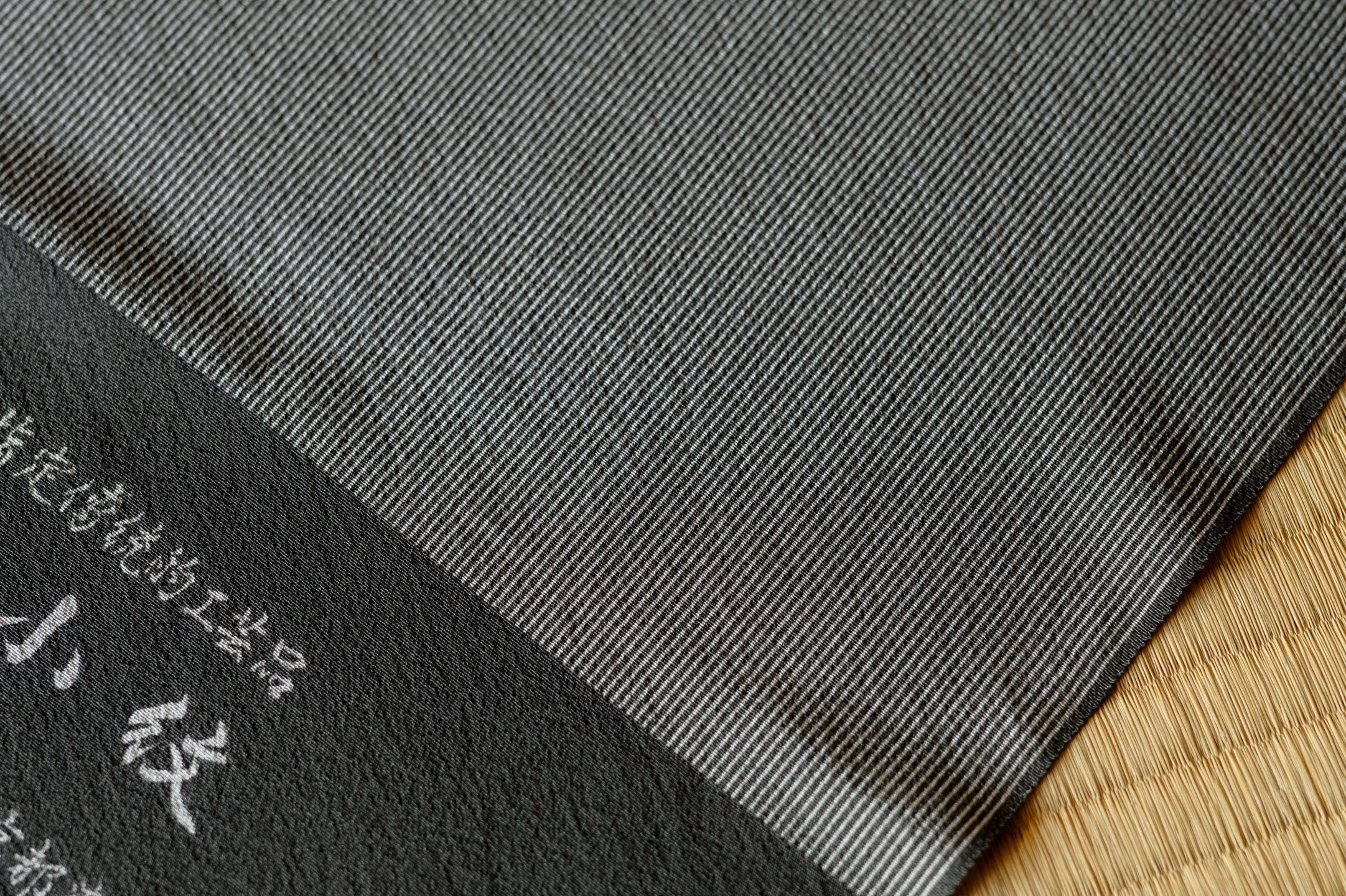
Ise katagami paper uses four different carving techniques, but carvers will concentrate on mastering just one of these.
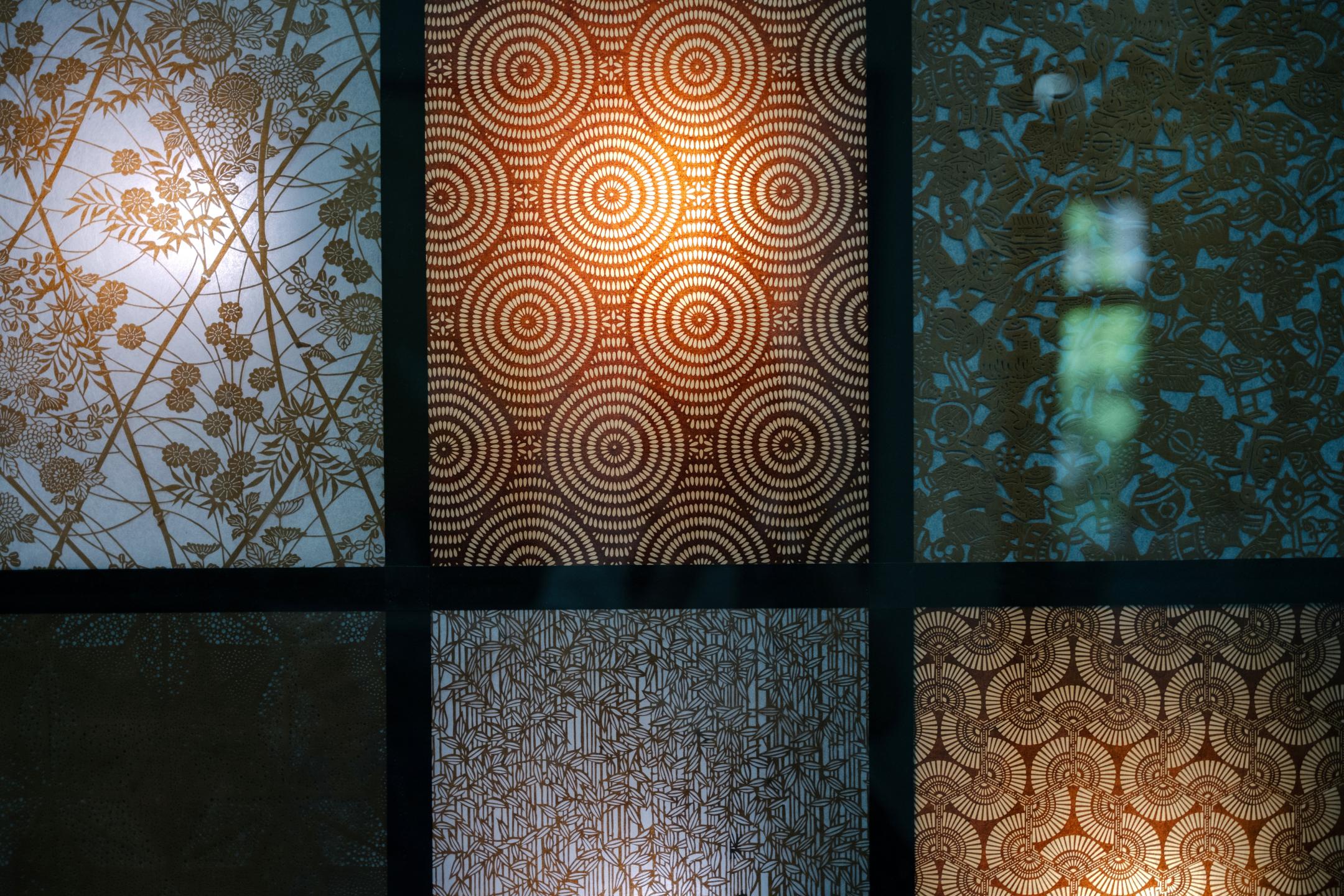
Today, 99% of Ise katagami are produced in Suzuka City. At Suzuka Densan, you can enjoy a bookmark carving experience and buy Ise katagami paper postcards and other souvenirs.
Suzuka Densan, 3-10-1 Jike, Suzuka
Ceramics beloved by pro chefs
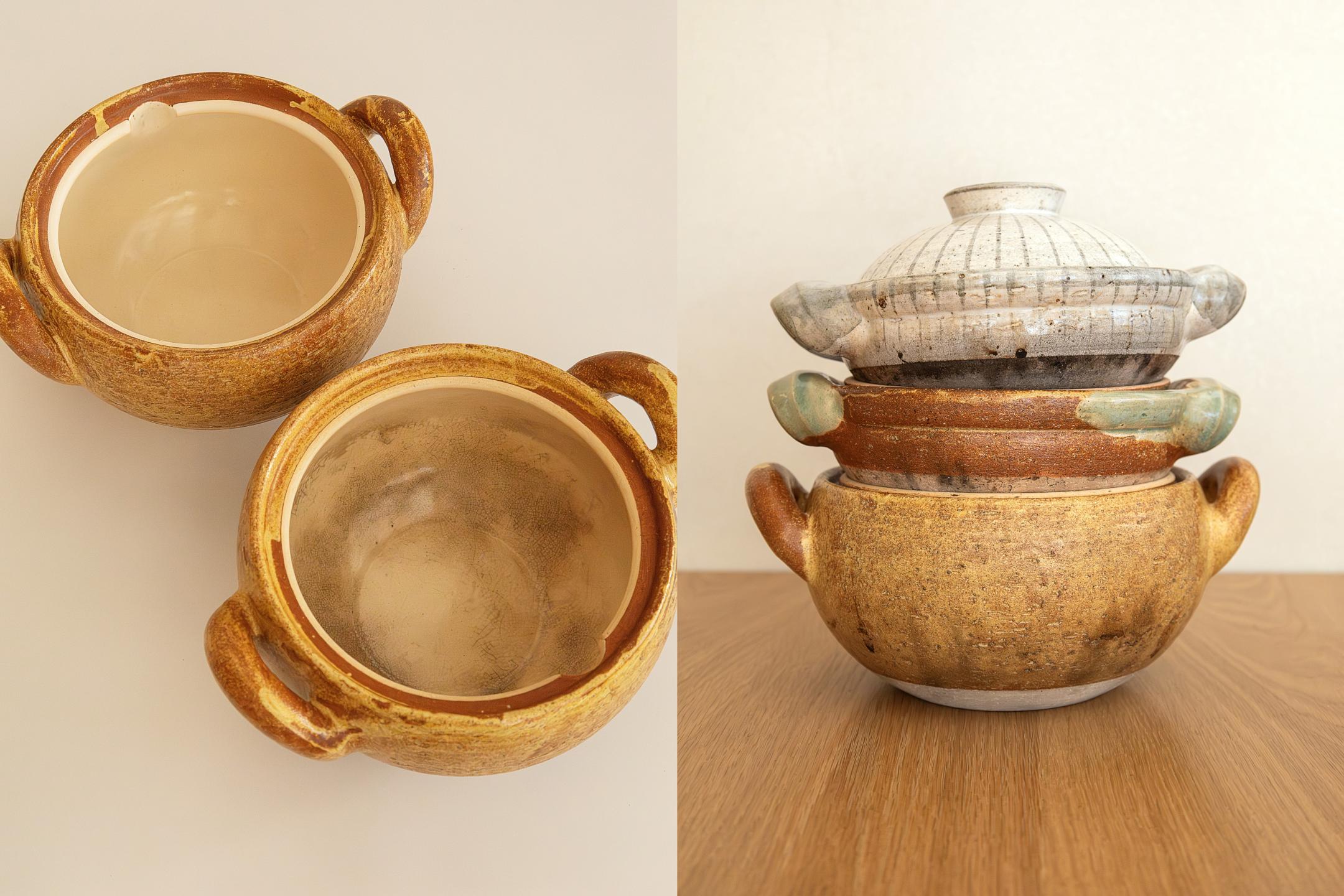
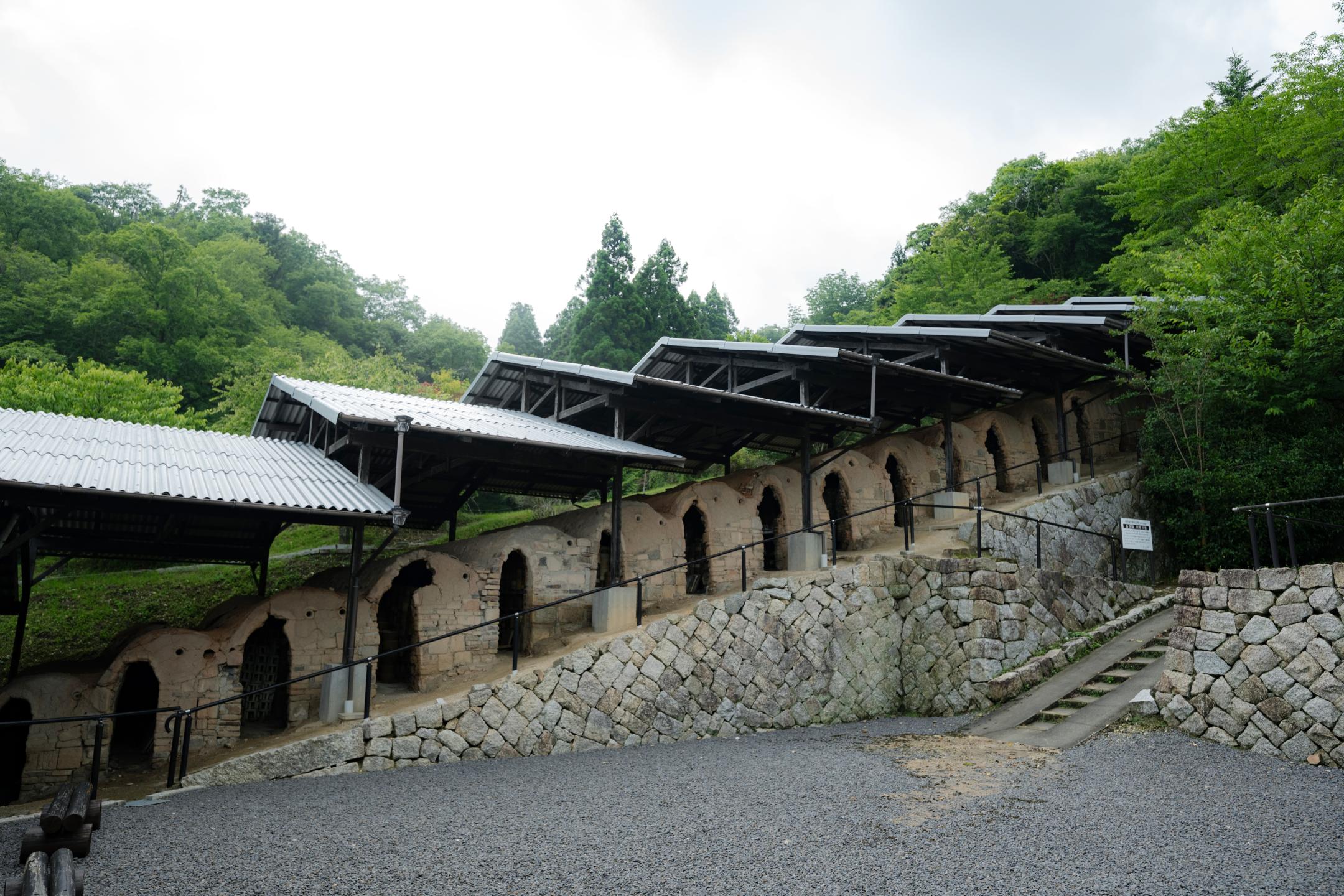
Iga-yaki is pottery made from the coarse clay found in Iga's soil, which contains microbial fossils. When fired, the fossils burn away and create pores in the vessel. Cooking in an Iga-yaki pot allows the heat stored in its pores to cook ingredients through to the core, bringing out their umami.
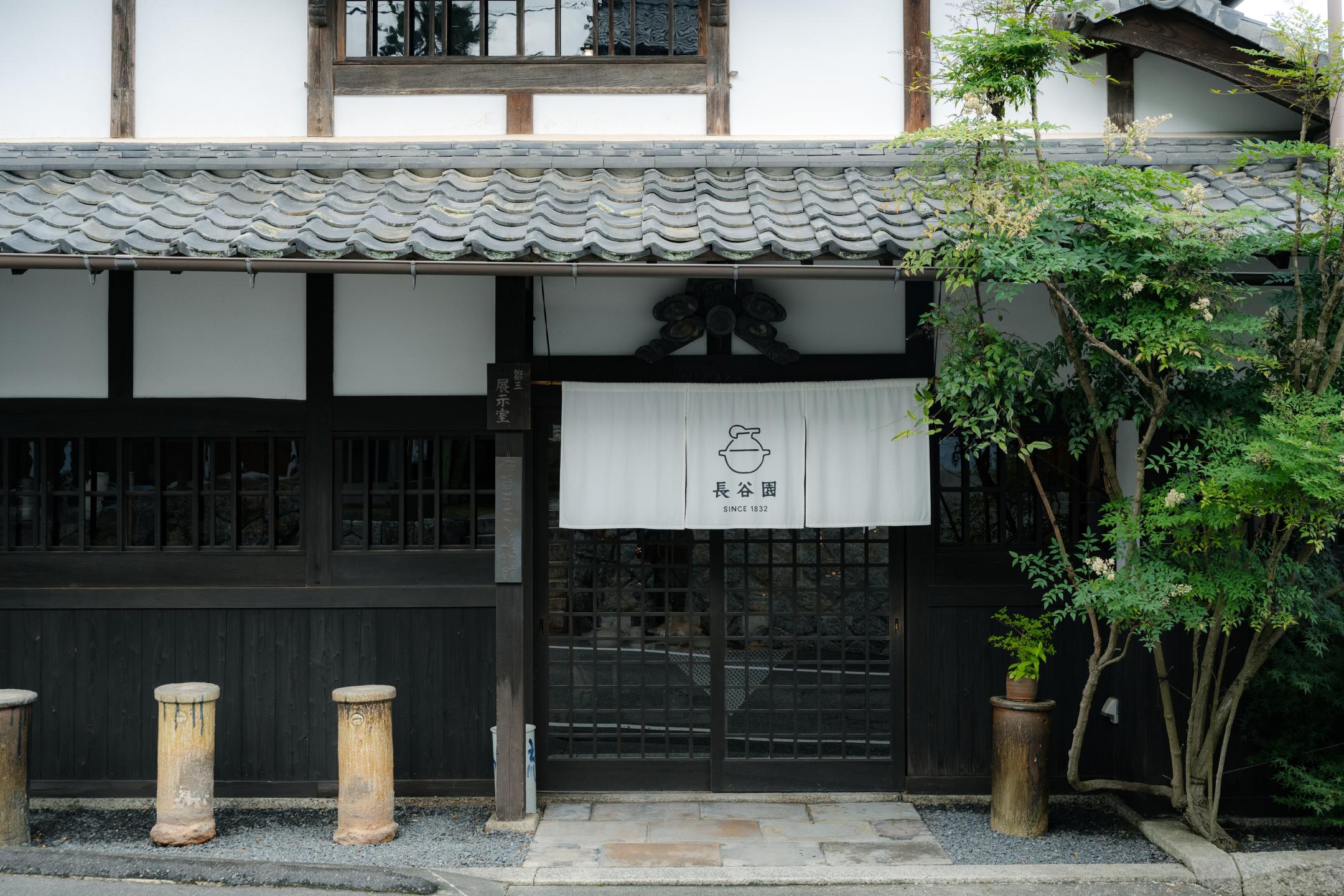
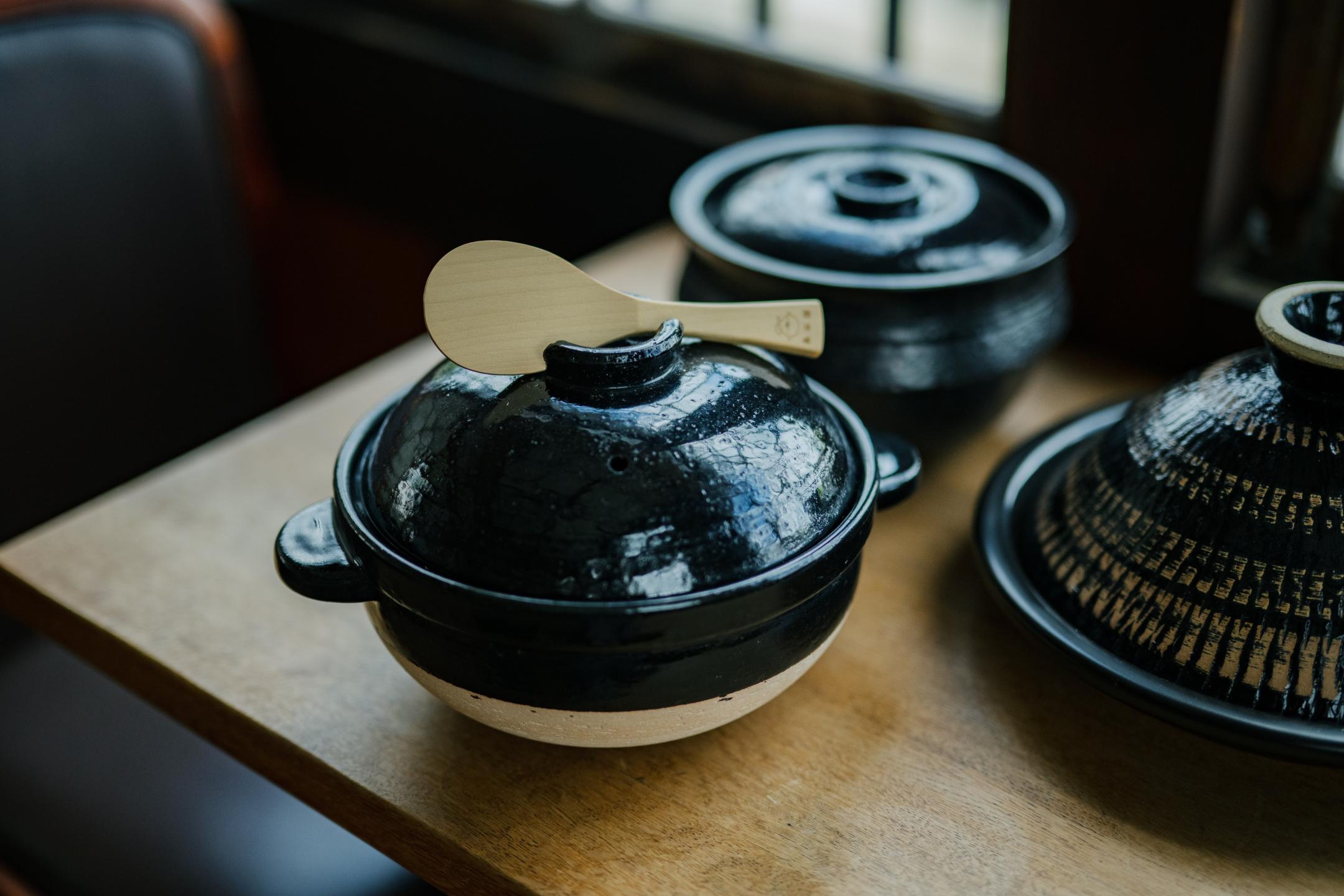
Since its founding in Iga City in 1832, Nagatani-en has crafted cooking utensils that harness the unique qualities of Iga-yaki with the guiding principle that “The maker must be an actual user.”
As well as earthenware pots, Nagatani-en also creates remarkable Iga-yaki vessels that make the head on beer creamier and the flavor of coffee mellower.
Nagatani-en, 569 Marubashira, Iga
Clay teapots for a mellow brew
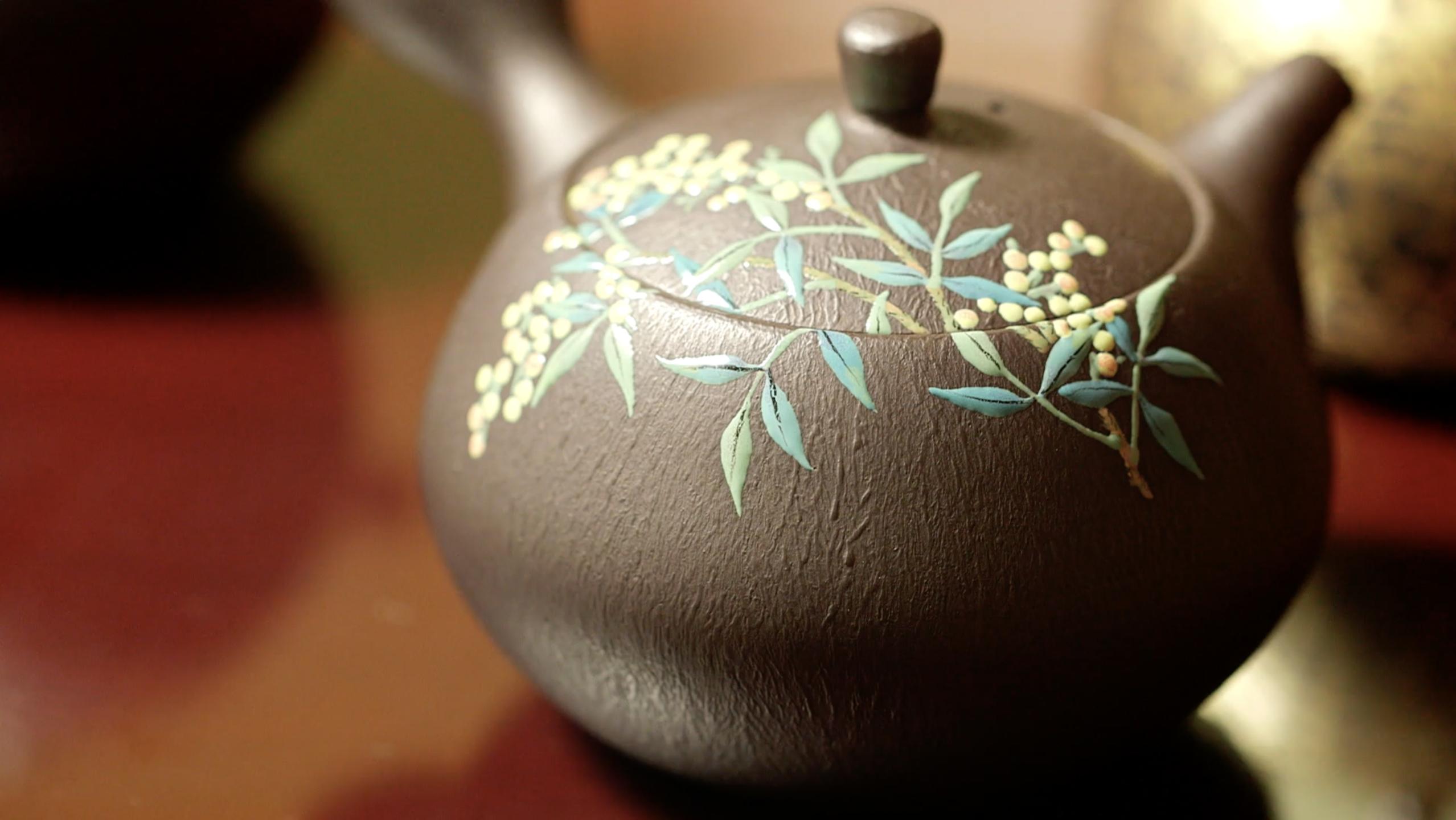
Banko-yaki pottery originated in Asahi, Mie, around the middle of the Edo period. One of the leading examples of this style is the "Shidei Kyusu" purple clay teapot, which absorbs tea's astringent components while releasing its umami flavor.
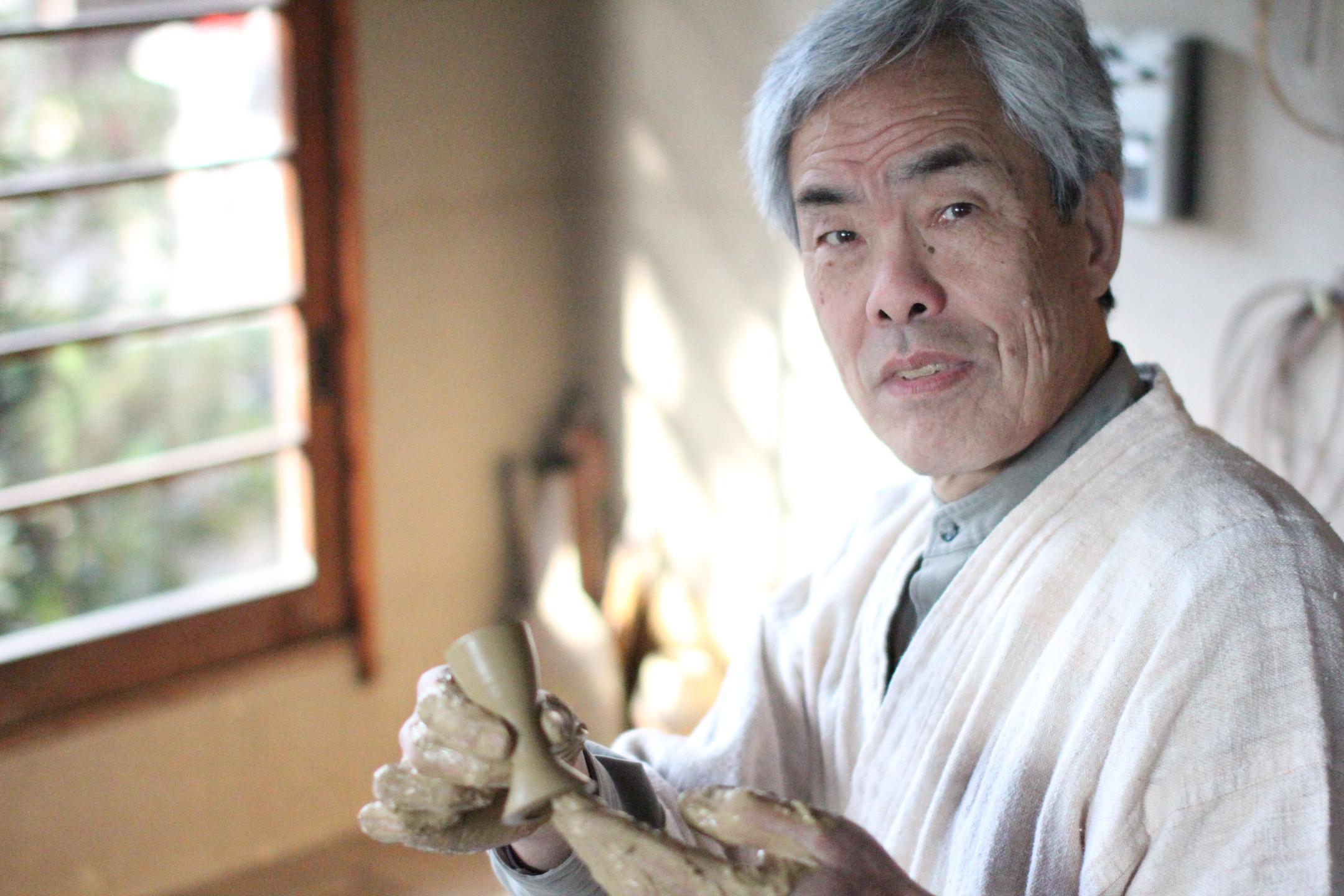
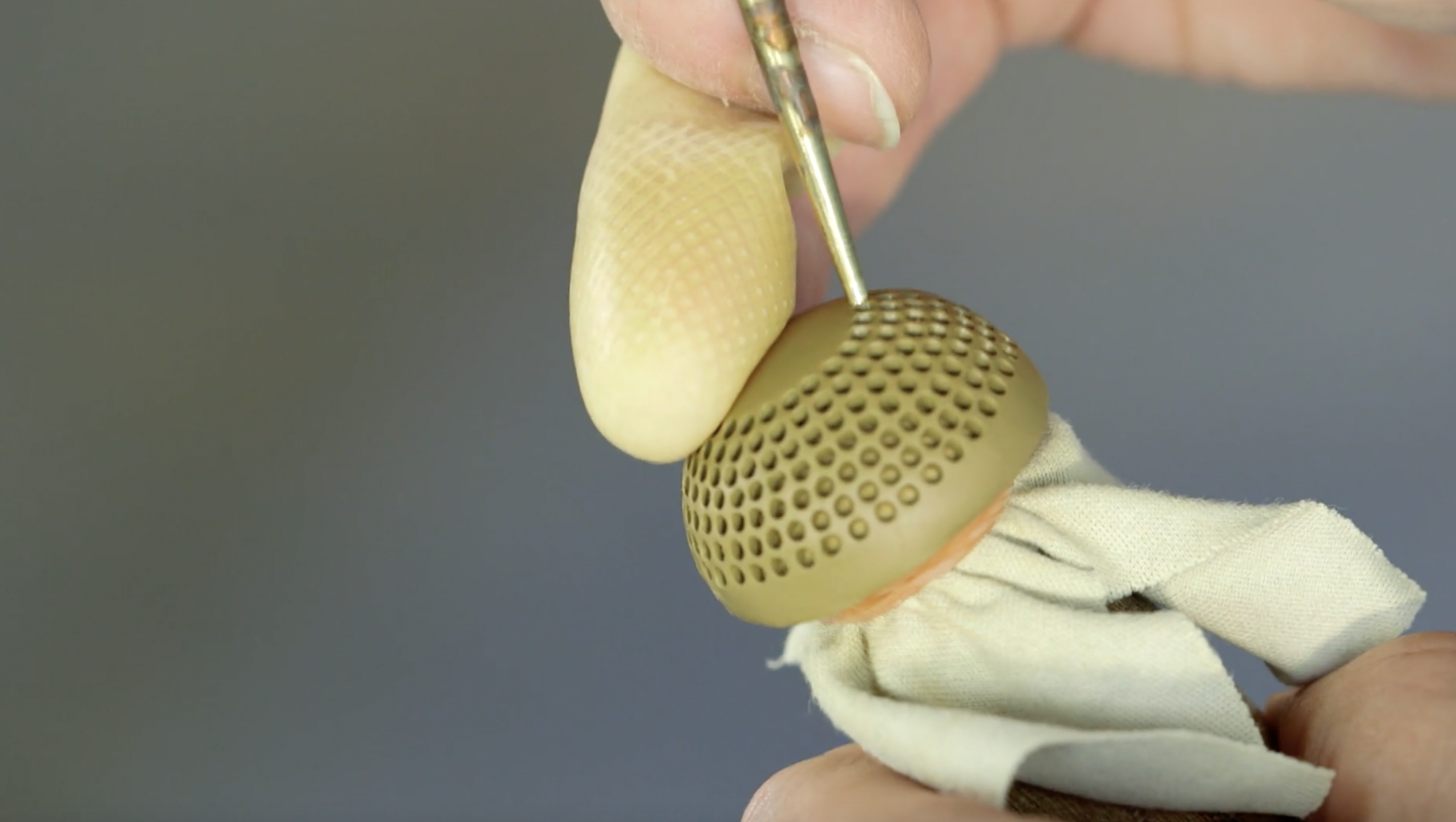
At Suigetsu Toen, established in 1900, the third-generation master Suigetsu Shimizu and his family continue to uphold the traditions of Banko-yaki, and they are happy to share their knowledge through day classes (3,850 yen per person).
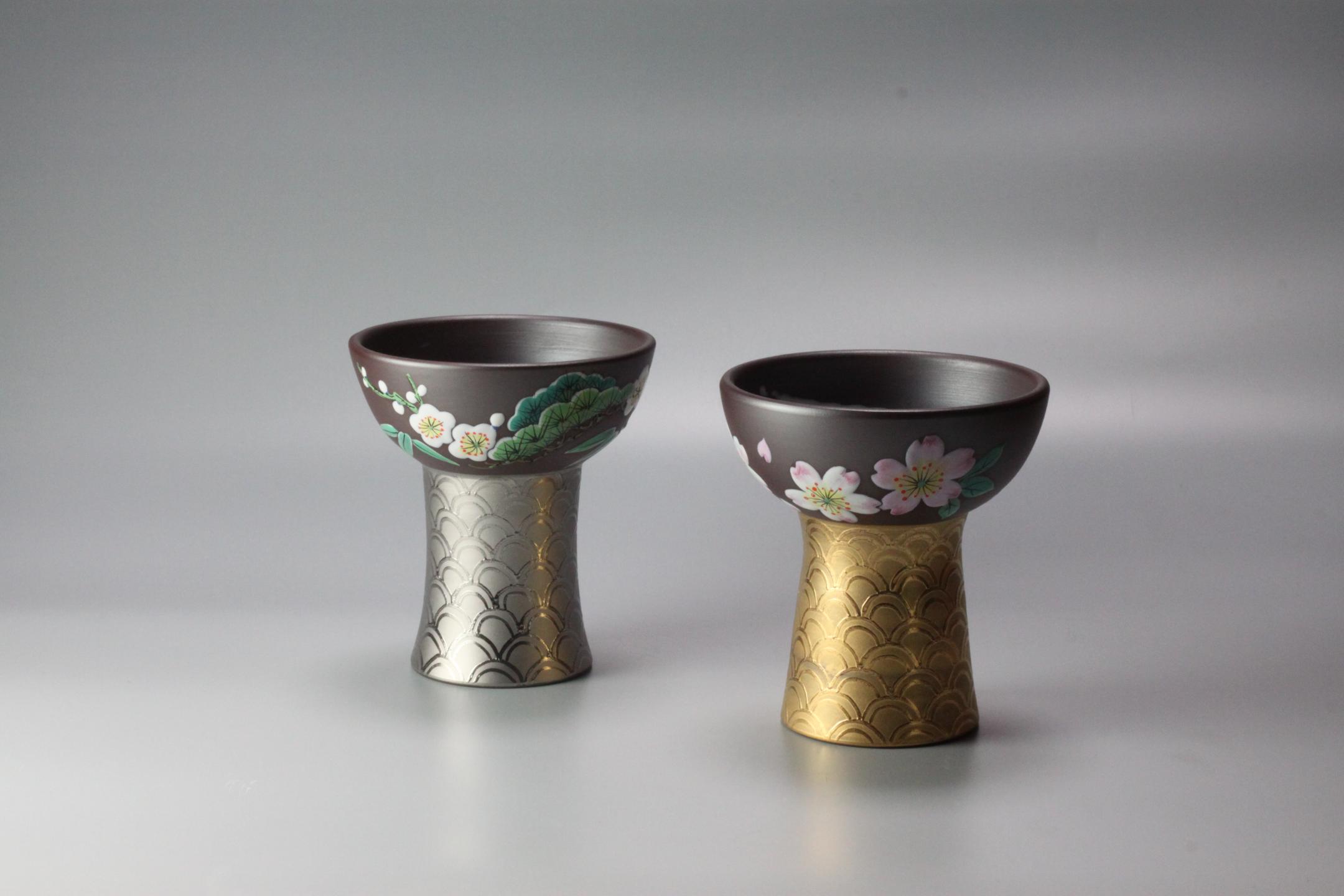
Suigetsu Shimizu's philosophy is that “Tradition endures only when accepted by the times," and in fact, his modern Banko-yaki sake cups were used at the banquet for the 42nd G7 Summit held in Mie in 2016.
Suigetsu Toen, 19-4 Minamiikarugacho, Yokkaichi

Expedia
Related Articles
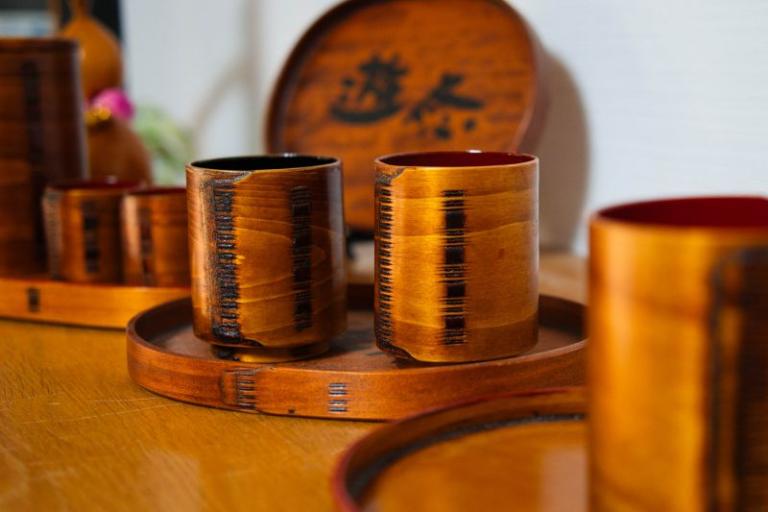
OWASE WAPPA: Nature’s Gift Shaped into Tableware Art
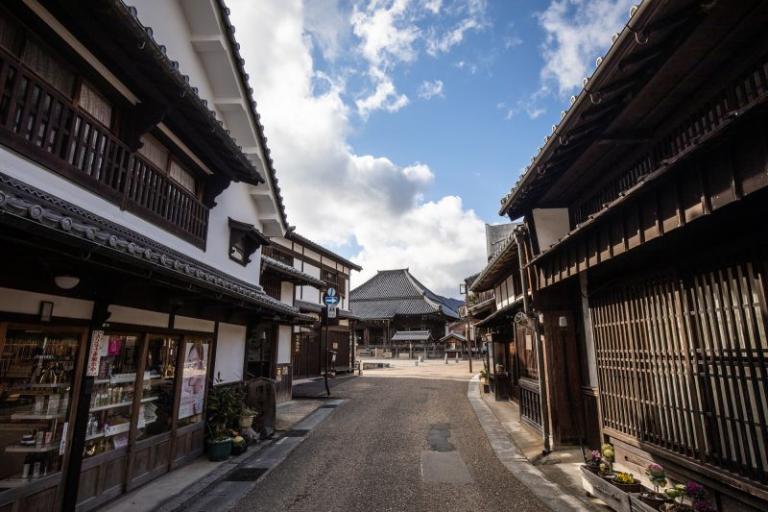
Walk the Mochi Kaido Road Like Ancient Travelers for a Taste of Mie’s Confectionery Culture, Part 1
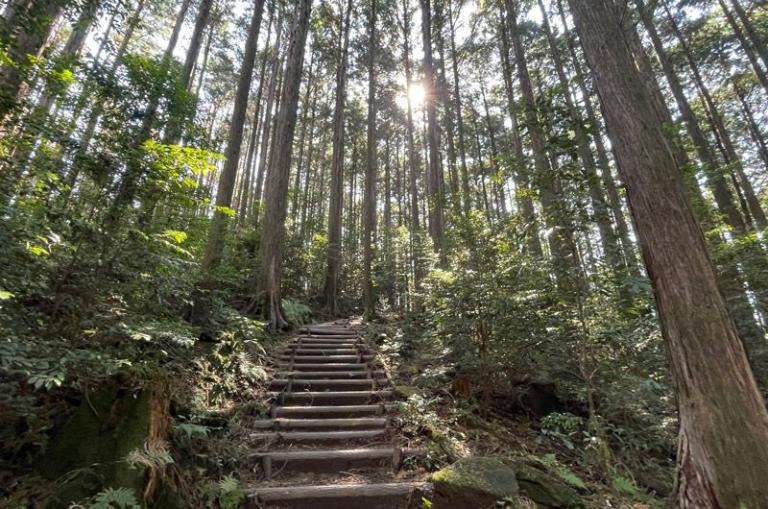
World Heritage Kumano Kodo Iseji Route: The Magose-Toge Pass
One-Day Itinerary: Experience Samurai Culture and Japanese Food in the Central Area of Mie Prefecture