Exploring Ise Jingu: Japan’s Most Sacred Shinto Shrine
Explore Your Interests
2023.09.05
Category :
Area :
Ise, in the heart of Japan, is home to Ise Jingu, a Shinto shrine so revered that it is considered the spiritual home of Japanese people. Here, myth and history coexist, as the shrine enshrines Japan's highest-ranked deity, the sun goddess Amaterasu Omikami. For centuries, pilgrims from all over Japan have journeyed to this sacred site, making it a cultural crossroads. Join me as I explore some of the interesting spots located around this amazing shrine complex.
Written by John Asano
Ise Jingu
Ise Jingu is a complex of 125 Shinto shrines, with the two main sanctuaries being Naiku and Geku. Each sanctuary has its own architectural style and cultural significance. Most pilgrimages to Ise Jingu begin at Geku.
Geku
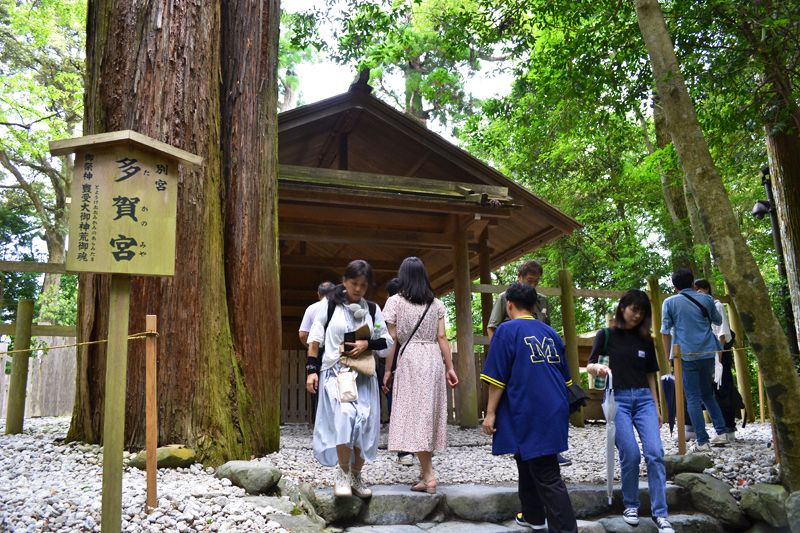
Geku is dedicated to Toyouke-no-Omikami, the deity of agriculture, food, and industry. Since ancient times, it has been customary to worship at Geku first before visiting Naiku.
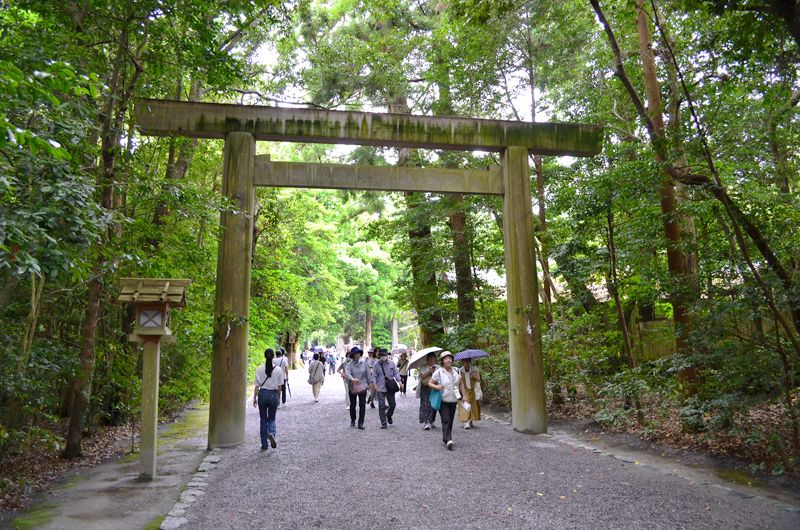
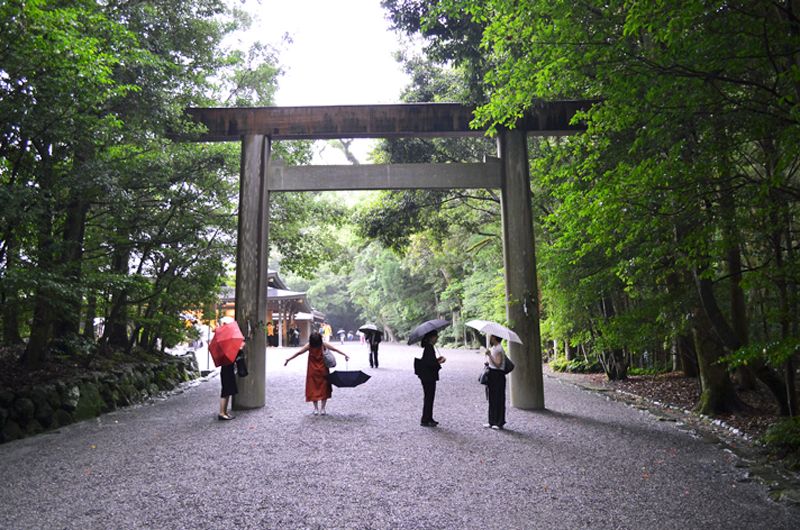
This part of Ise Jingu may not receive as much attention as Naiku, but it is definitely worth a visit for its Shinto architecture and healing atmosphere. Walking under the giant torii gate into the sacred grounds, I was immediately greeted by gentle sunlight filtering through the trees, filling me with a refreshing sense of calm to start my day in Ise.
Iseshi Station
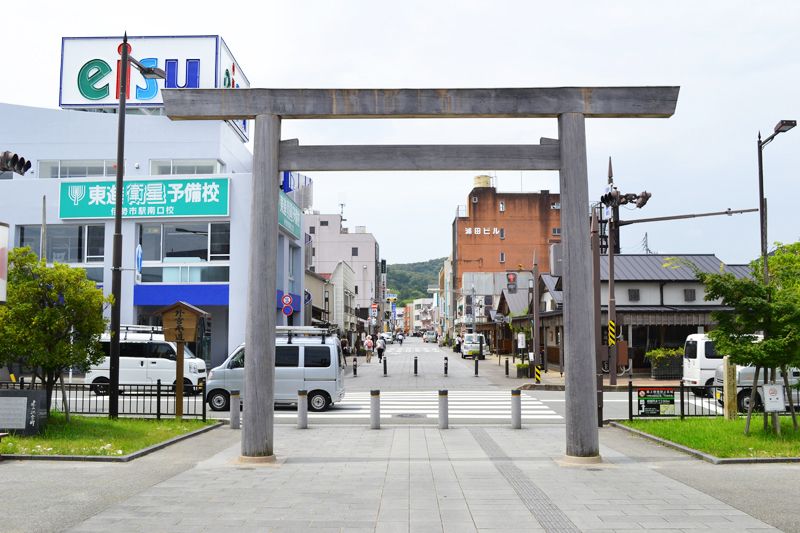
The easiest way to reach Geku is from Iseshi Station, which is a short 400-meter walk away. A large torii gate in front of the station marks the approach to Geku.
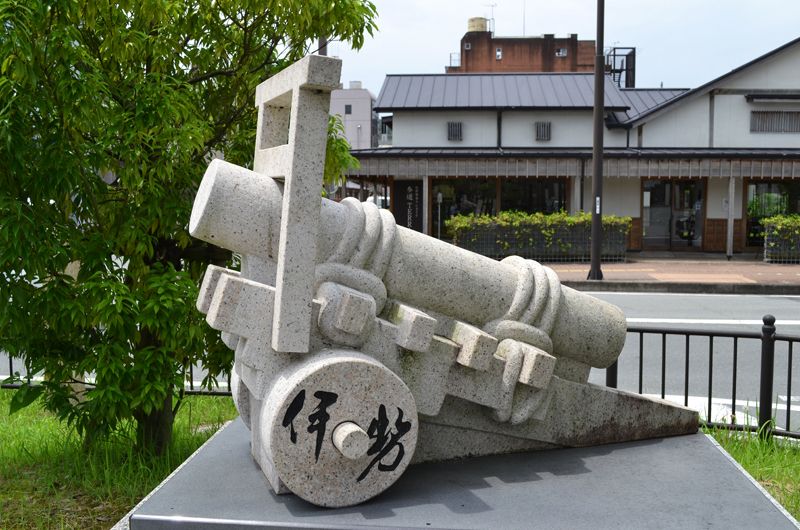
While I was walking to the shrine gate, I spotted an interesting statue of an okihiki cart. These carts are used to transport timber when Ise Jingu’s structures are rebuilt according to their original design every 20 years in a ritual called Shikinen Sengu. This ancient tradition is used to keep the shrine looking tip top and to pass on the skills and knowledge of the shrine’s carpenters to the next generation.
Geku Sando Shopping Street
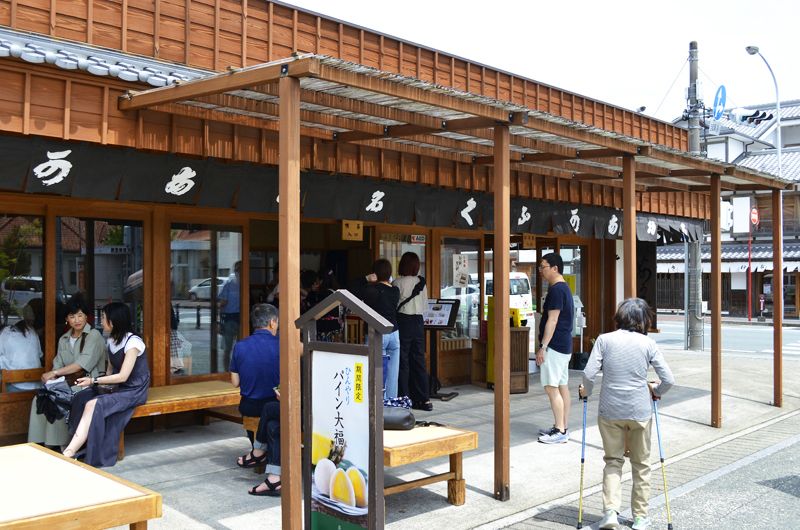
On the way to Geku from Iseshi Station, you’ll pass through Geku Sando, a charming street lined with stylish shops and restaurants. This atmospheric lane is not as busy as the shopping streets around Naiku, making it a great spot to grab a meal or pick up a souvenir.
Naiku
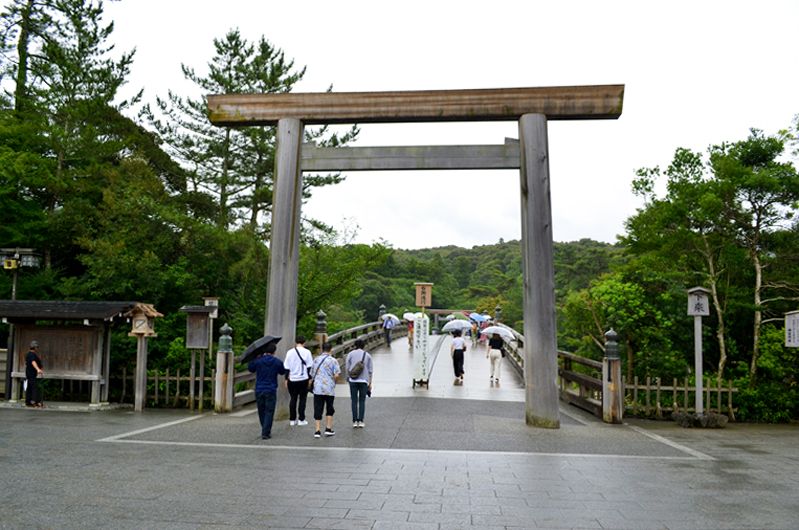
Naiku is the primary and most sacred sanctuary at Ise Jingu, enshrining the sun deity, Amaterasu Omikami. According to Japanese mythology, Amaterasu Omikami has been the ancestral deity of the Japanese Imperial Family for over 120 generations of emperors and empresses. She is revered as the guardian of Japanese people.
Isuzugawa Mitarashi
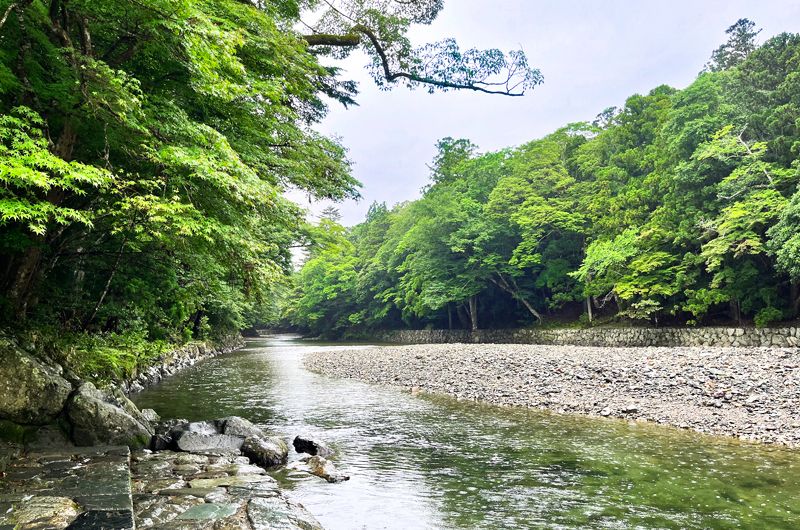
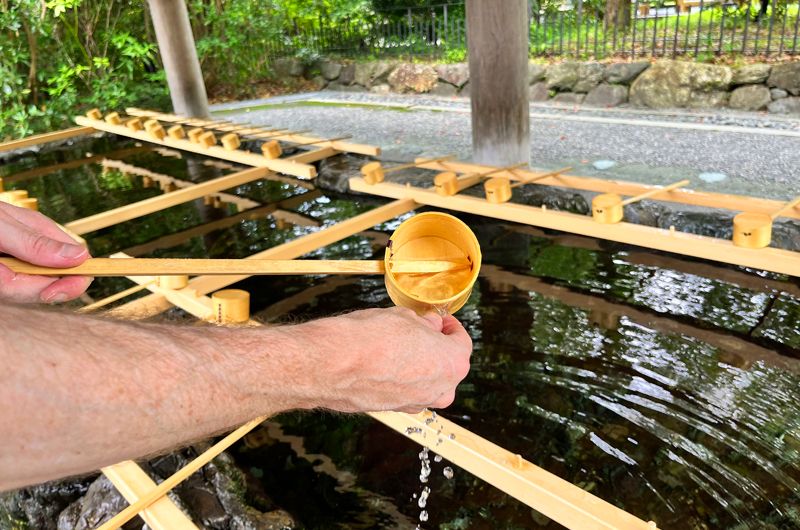
A fantastic spot that a lot of visitors overlook is the tranquil Isuzugawa River. Here, pilgrims can perform a purification ritual called “mitarashi,” where they cleanse themselves in the sacred waters of the stream. I found it a great place to connect with the nature and escape the crowds that usually gather at the shrine.
Kazahinomi no Miya Bridge
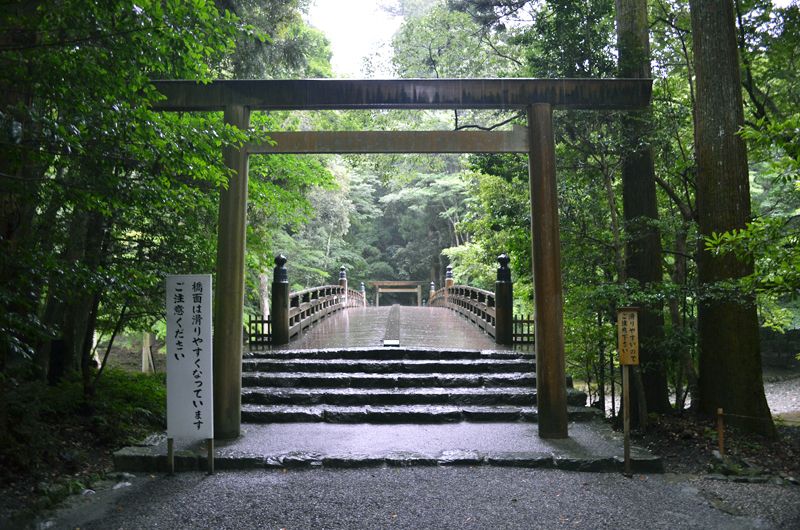
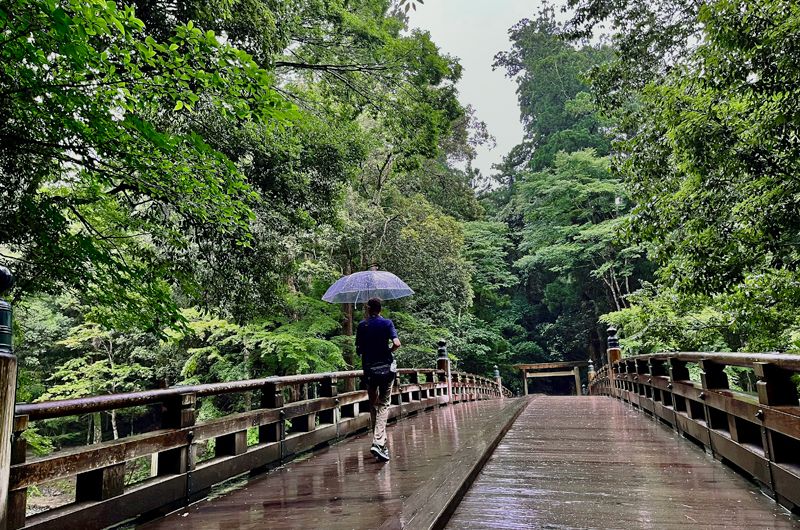
Another quiet place to escape the masses is the Kazahinomi no Miya Bridge, which crosses the Isuzugawa River. Walking around the serene, forested shrine grounds on a rainy day with very few people around only enhanced the spiritual and mysterious atmosphere. The gentle crunch of gravel beneath my feet and the chirping of birds in the trees took me away to another world, one far away from the reality of the present day.
Oharaimachi
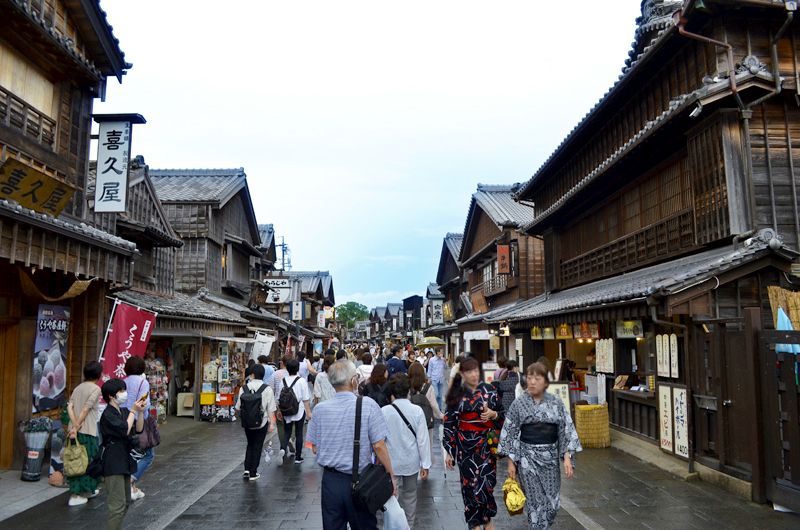
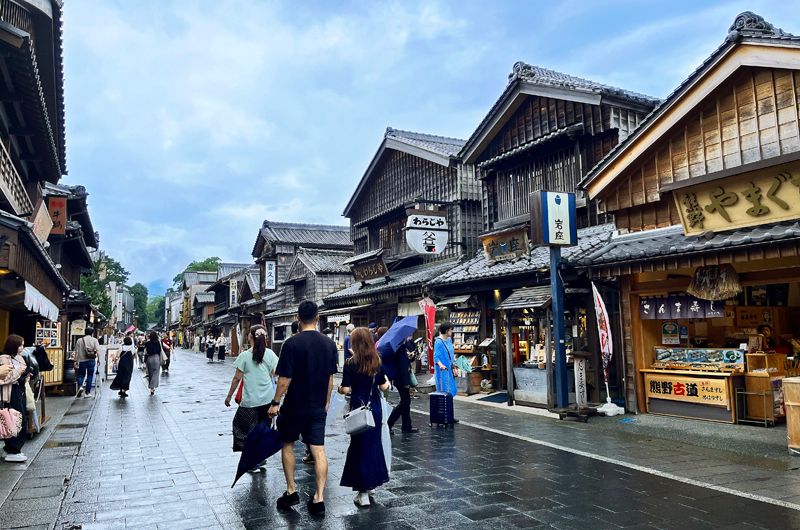
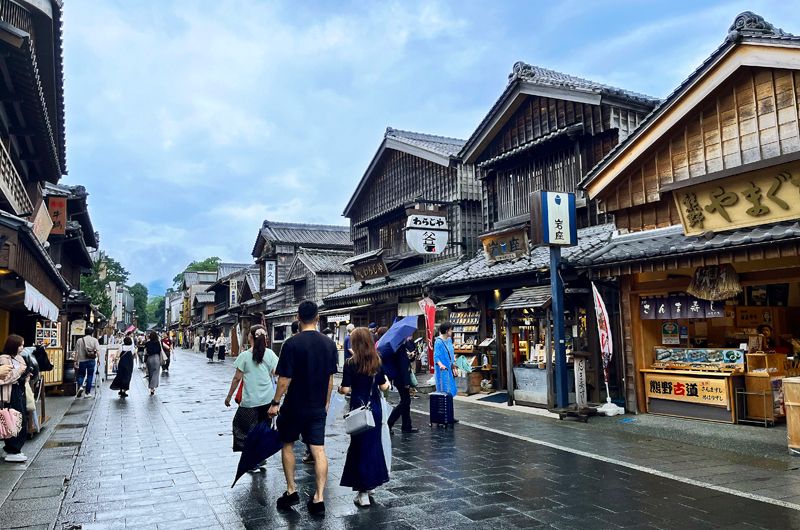
Around Naiku, make sure you check out the bustling Oharaimachi. This stone-paved shopping street is a popular tourist spot that developed around the torii gate of Naiku. It is lined with restaurants, souvenir shops, and old confectionery stores housed in traditional Japanese buildings.
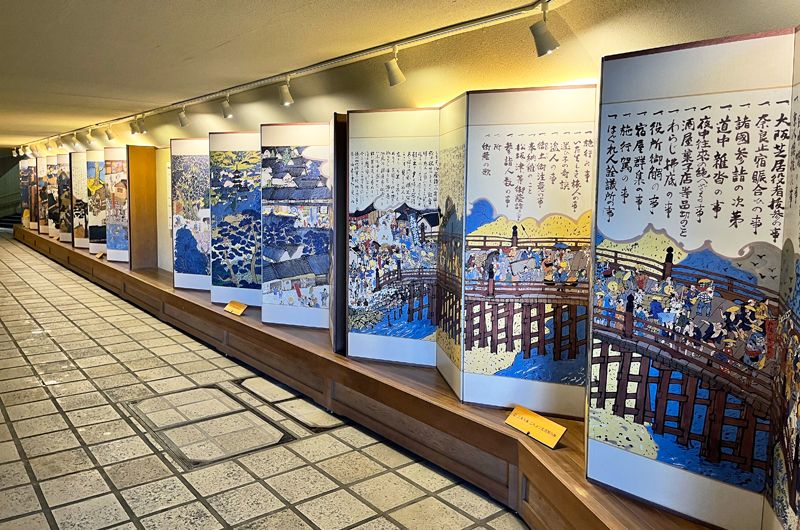
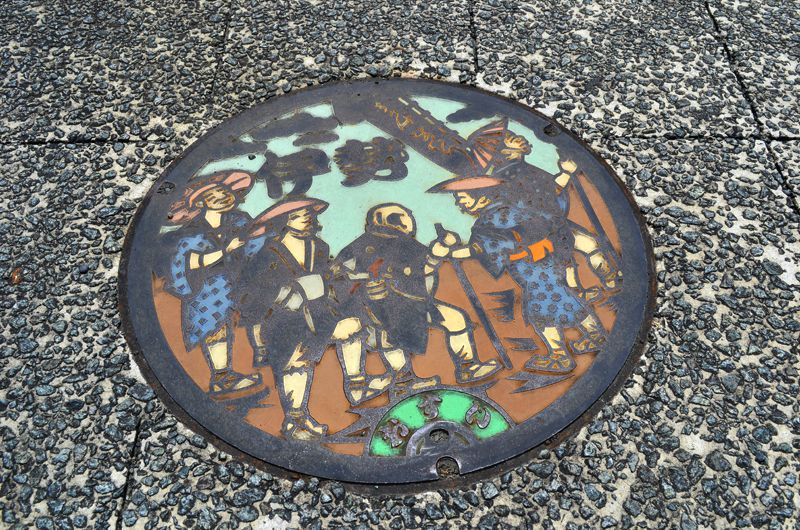
To reach Oharaimachi Shopping Street, I walked through an underpass called Naiku Okage Sando. This interesting underpass has folding screen paintings depicting “Okage Mairi,” the pilgrimage from Kyoto to Ise Jingu during the Edo period (1603-1868).
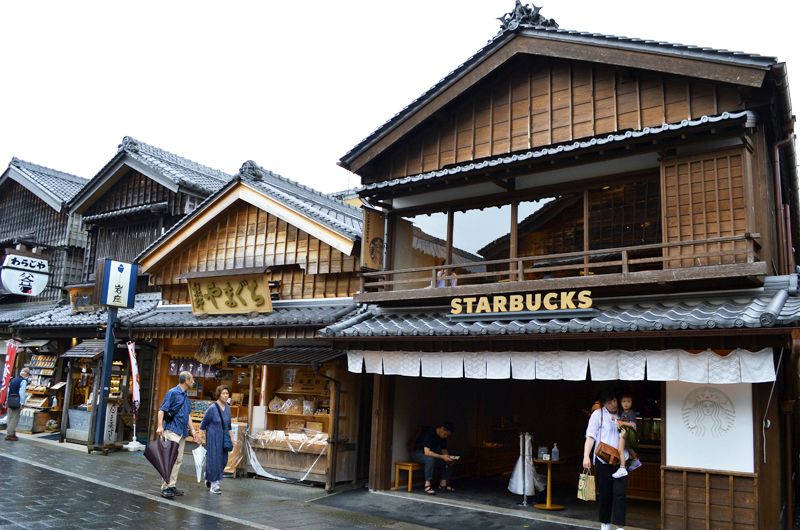
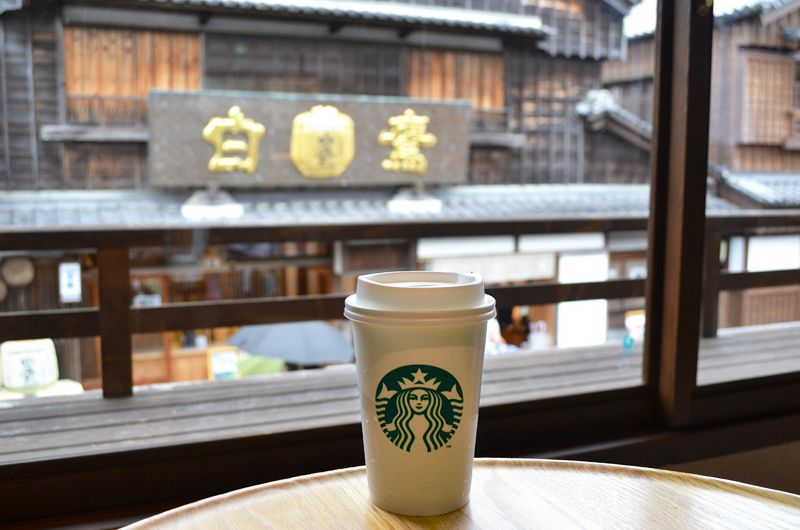
Walking along this street, I could soak in Japan’s rich cultural heritage while sampling local delicacies. I was happy to stumble across a Starbucks set in a traditional old wooden building, the perfect place to take refuge from the rain and enjoy the atmosphere of this historic shopping street.
Okage Yokocho Shopping Street
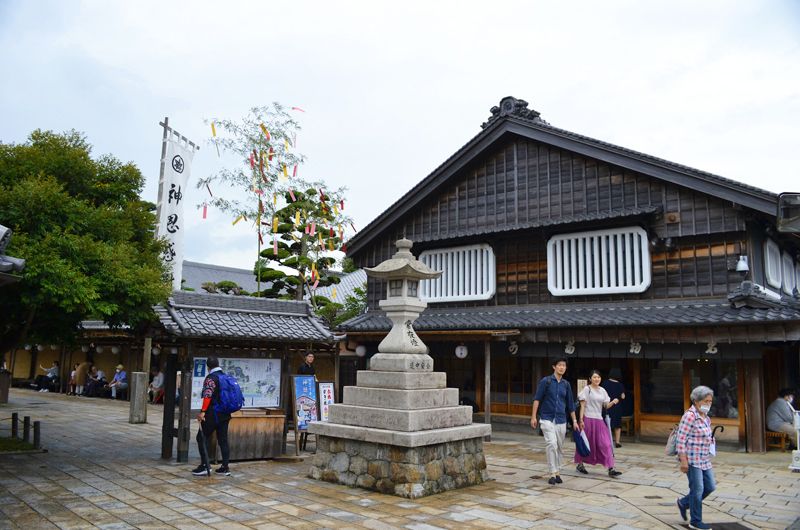
Branching off Oharaimachi is Okage Yokocho, a shopping street designed to recreate the atmosphere of a traditional Edo-period town. Its name comes from the pilgrims’ expression of gratitude toward Ise Jingu, as okage means “thanks” in Japanese.
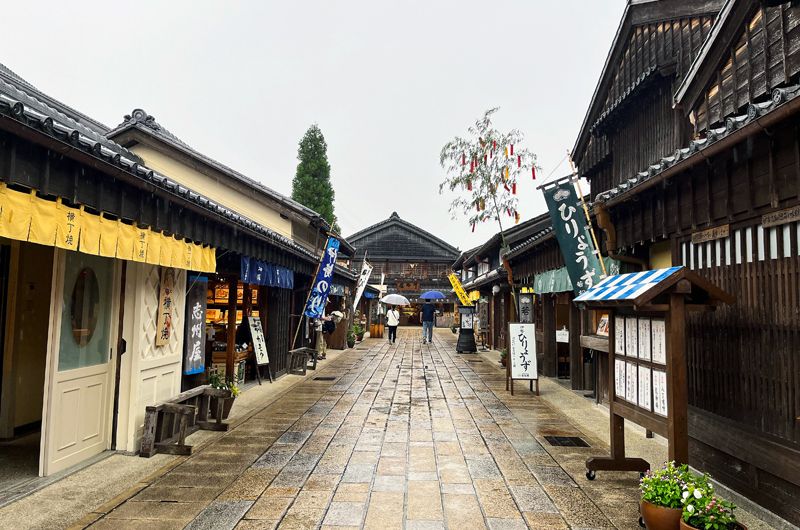
Walking here, I enjoyed the charming wooden buildings, lantern-lit streets, and had the chance to try Ise’s famous Akafuku. This tasty treat is mochi rice cakes topped with sweet red bean paste.
Okage Yokocho Maneki Neko Statues
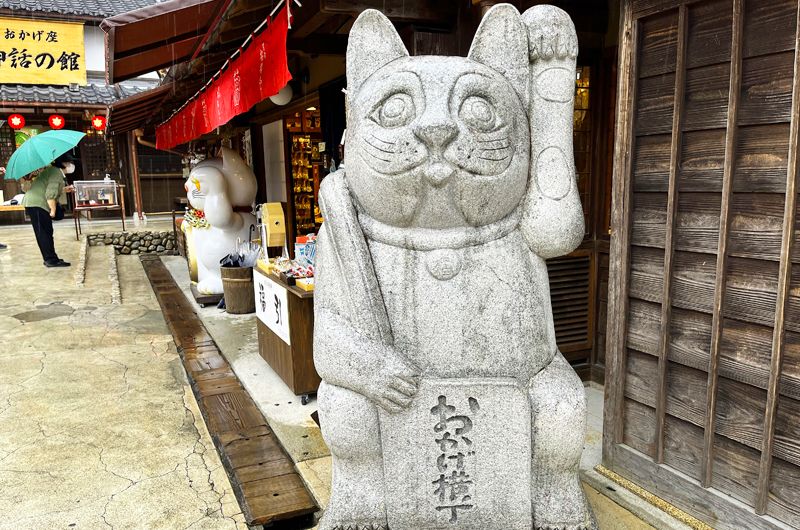
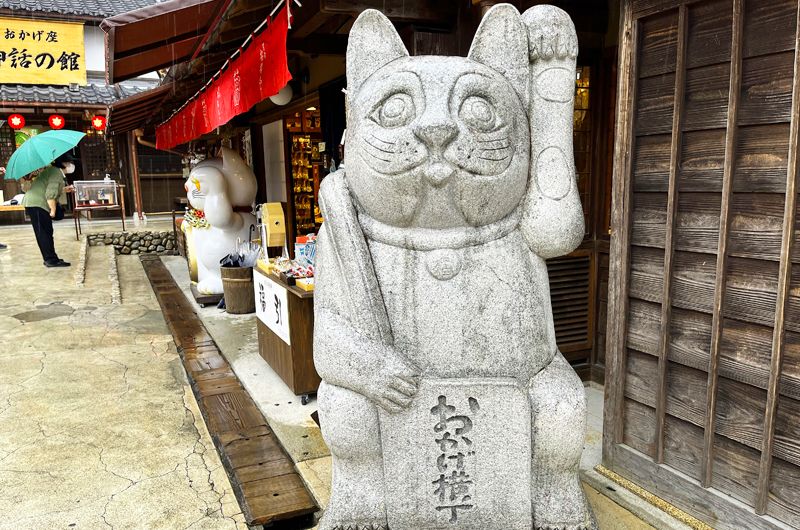
Maneki Neko are cute cat figurines which are believed to bring good luck and fortune to their owners. I was really surprised to see a scattering of both big and small versions around Okage Yokocho. Every year, they are brought from across Japan for a festival held each September on Maneki Neko Day.
How to Get There
From Nagoya, Ise is accessible via a direct Kintetsu limited express train or a JR rapid train from Nagoya Station to Iseshi Station. Geku is about a five-minute walk from Iseshi Station.
Wrap Up
Ise Jingu is a sacred site revered as the “Soul of Japan.” It is the perfect destination for anyone looking to connect with nature, and learn about the rich cultural heritage and traditions of The Land of the Rising Sun.
Related Articles
OWASE WAPPA: Nature’s Gift Shaped into Tableware Art
Walk the Mochi Kaido Road Like Ancient Travelers for a Taste of Mie’s Confectionery Culture, Part 1
Mie’s Top Five Spots for Winter Fun
Flavors of Mie: Unveiling the Delights of Matsusaka Beef