One-Day Itinerary: Experience Japanese Culture and History in the Ise-Shima Area of Mie Prefecture
Explore Your Interests
2024.02.09
Category :
Area :
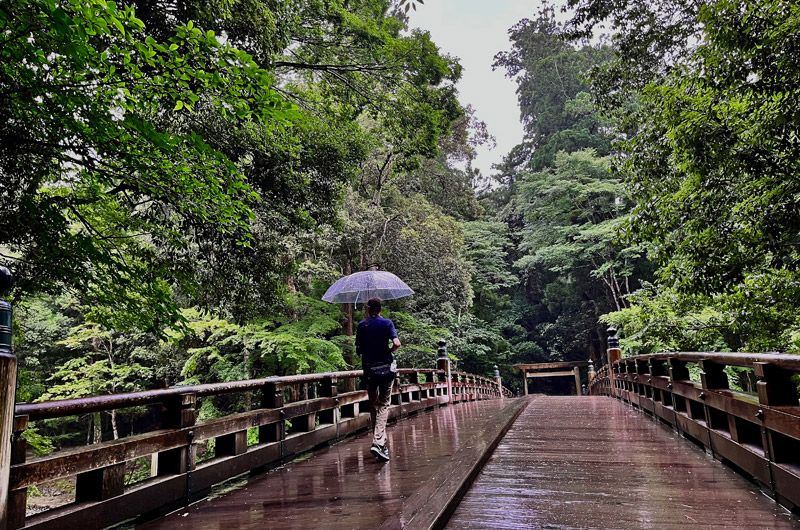
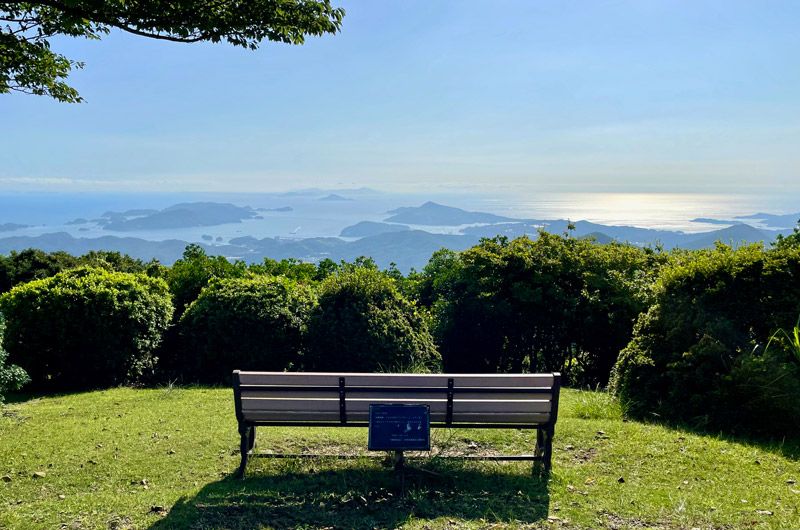
The Ise-Shima area of Mie Prefecture is known for its rich cultural and historical significance, as well as its natural beauty. You may have heard about it during the G7 Ise-Shima Summit in 2016. Today, it has become a popular destination for visitors from Nagoya and Osaka, offering numerous photo-worthy spots to explore. If you are a lover of Japanese history and culture like me, this is a must-see destination.
Written by John Asano
The Ise-Shima Area
If you are planning to spend a morning in Ise City to visit Ise Jingu, make sure you also check out the Ise-Shima area, which is a treasure trove of attractions. Located in the southern part of Mie Prefecture, it is a fantastic place to spend a full day sightseeing.
Ise Jingu
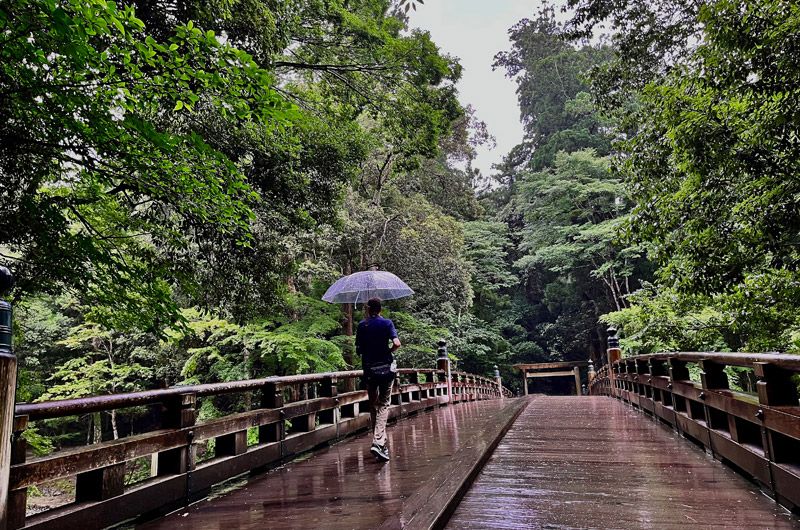
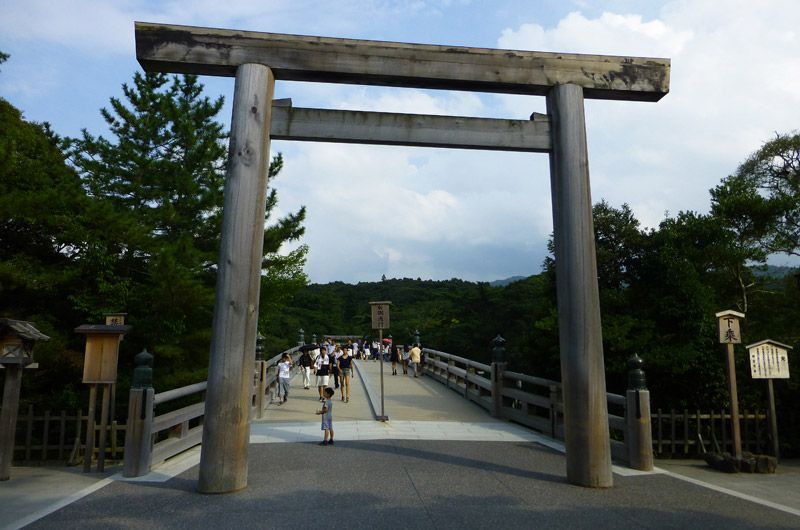
After arriving at Iseshi Station, our day started at Ise Jingu, Japan’s most sacred Shinto shrine. With a history of over 2,000 years, this ancient place of worship holds a special place in the hearts of Japanese people as the home of the sun deity, Amaterasu Omikami.
Way back in the Edo period (1603-1868), pilgrimage to Ise Jingu, known as Oise-Mairi, was considered a once-in-a-lifetime event. Pilgrims traveled from around the country to Ise Jingu on foot, stopping by various places in the area for sightseeing.
Ise Jingu is actually a collective name for 125 shrines scattered across the region, with the two main shrines being Naiku (the inner shrine) and Geku (the outer shrine). We highly recommend a visit during the early morning when the shrine is relatively quiet with few visitors. Ise Jingu is open daily from 5:00 a.m., all year round.
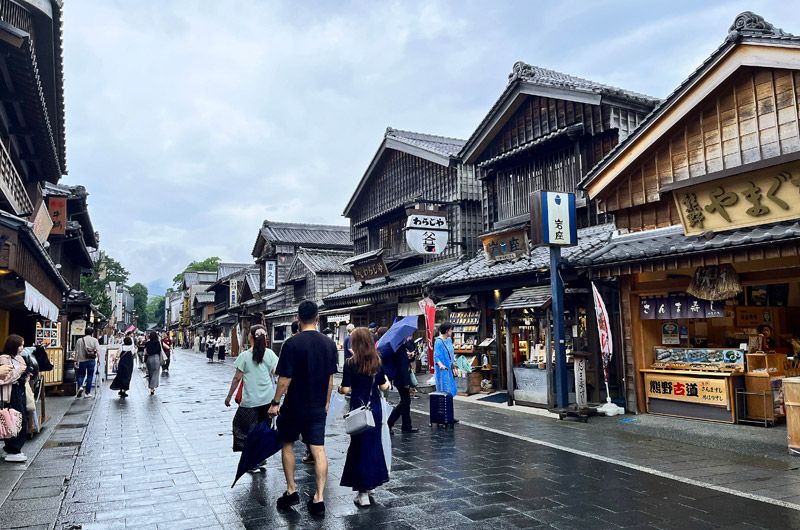
A bustling shopping area has developed around the torii shrine gate of Naiku, with two main streets, Oharaimachi and Okageyokocho, offering visitors a chance to enjoy eating street food while soaking up the traditional atmosphere of the Edo period.
The Wedded Rocks
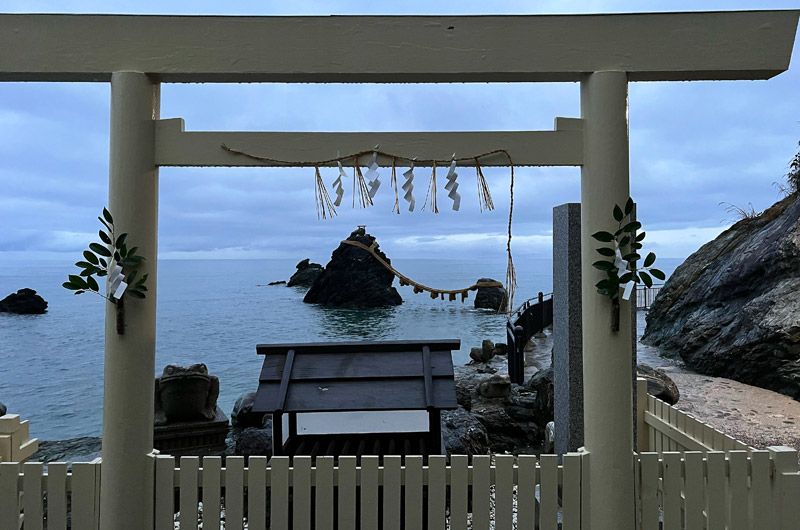
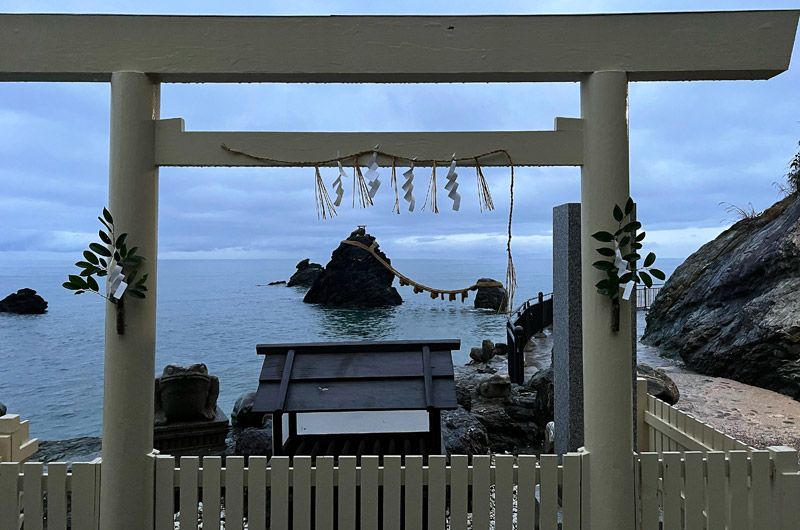
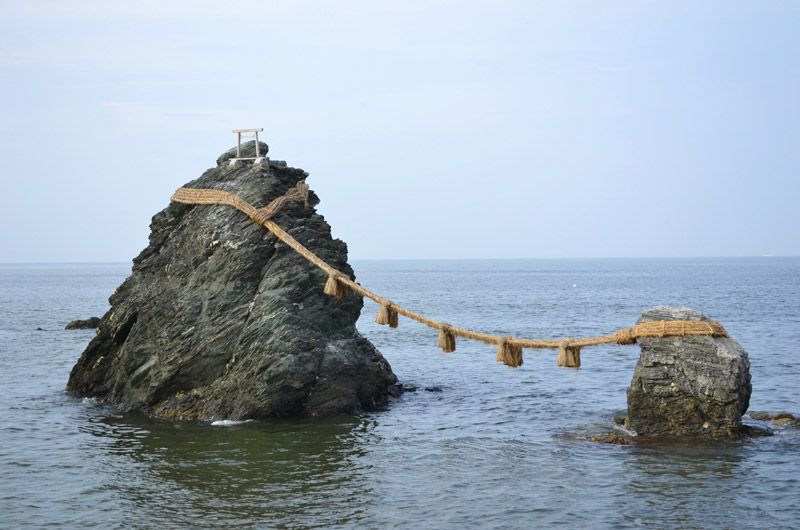
After visiting Ise Jingu, it’s time for us to head to Meotoiwa, known as the Wedded Rocks. These two rocks are joined by a shimenawa (a sacred Shinto rope) and have long been a site for worshiping the sun deity.
In the past, this sacred place was used to wash and purify oneself before visiting Ise Jingu, which is located nearby. The large rock representing the husband, is joined to the smaller rock representing the wife, symbolizing the holy union of man and woman. The best time to visit is at high tide, when the rocks are separated by water.
Futami Okitama Shrine
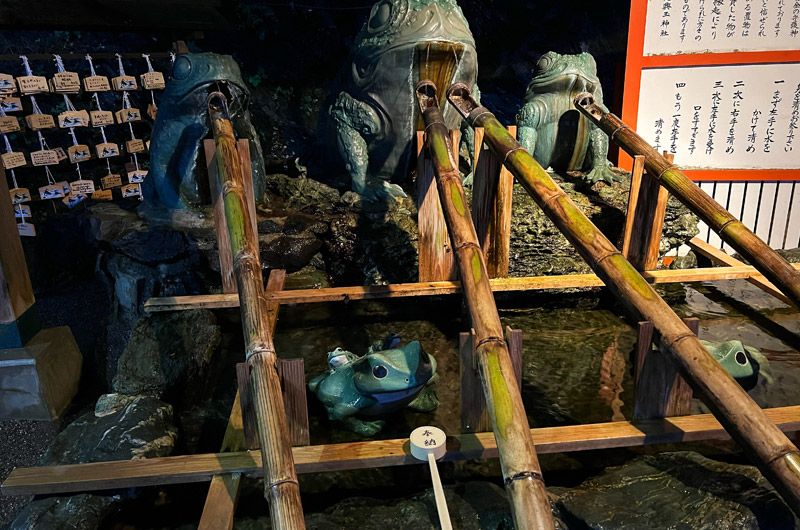
Next to the Wedded Rocks is Futami Okitama Shrine. This charming shrine is dedicated to marriage and family harmony, making it a popular place for newlyweds to pray for a strong and lasting relationship. I found the collection of cute frog statues around the shrine very interesting. These frogs serve as good luck charms for pilgrims, symbolizing a safe return because the word for frog in Japanese, “kaeru,” also means “to return.”
Saiku Historical Museum
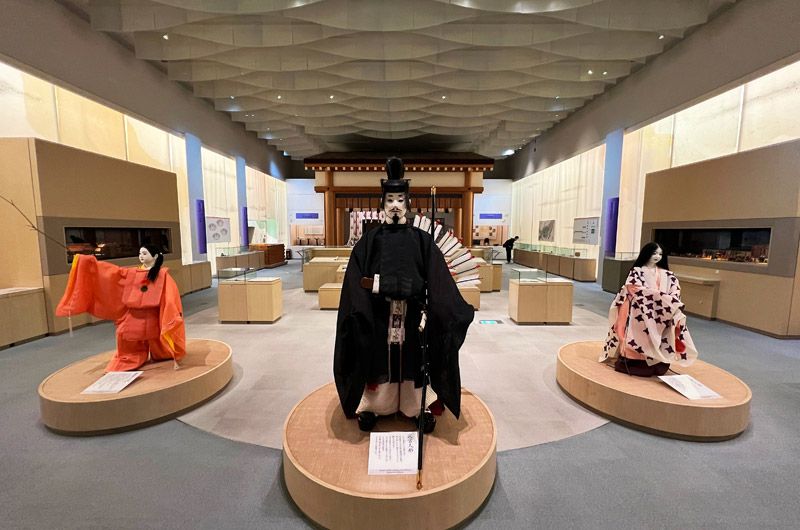
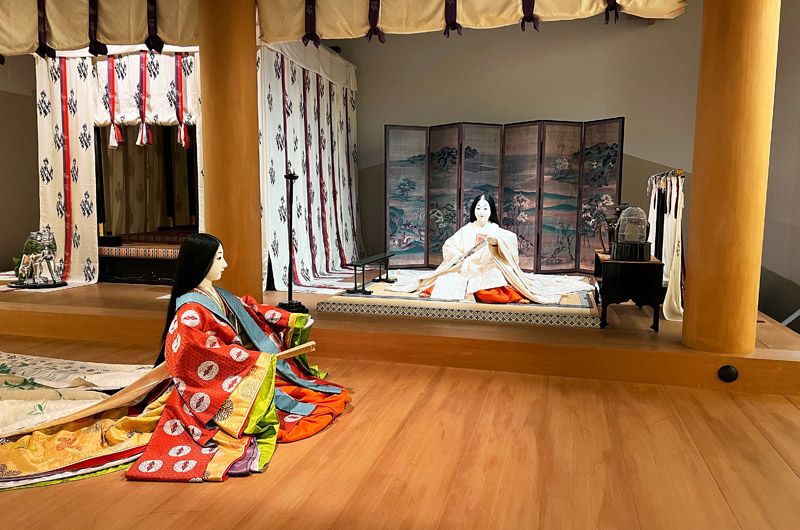
Finally, we headed to Meiwa Town to visit the Saiku Historical Museum, located on the site of the Saiku Ruins. This was once the palace of the Saio, who were unmarried, young women from the imperial family who served Ise Jingu on behalf of the emperor. The Saio carried out their duties for more than 600 years, from the 7th century to the 14th century. Their main responsibility was to participate in the major ceremonies of Ise Jingu, which were held three times a year.
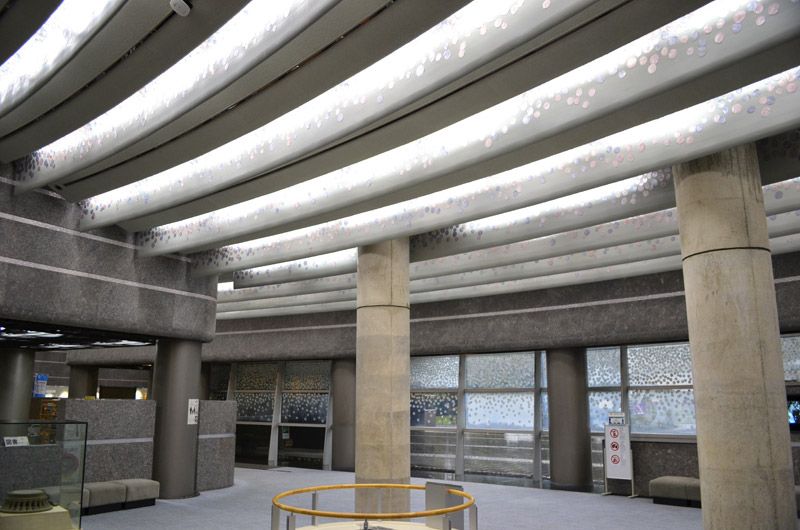
Inside, the museum building looks quite new, with gorgeous shells on the ceiling and an interesting modern design. I was surprised to learn that it was built at the start of the Heisei period, in 1989. The museum’s main goal is to educate visitors about the history and culture of Saiku (palace of the Saio) and the Saio through engaging exhibits, videos, and interactive touch panels.
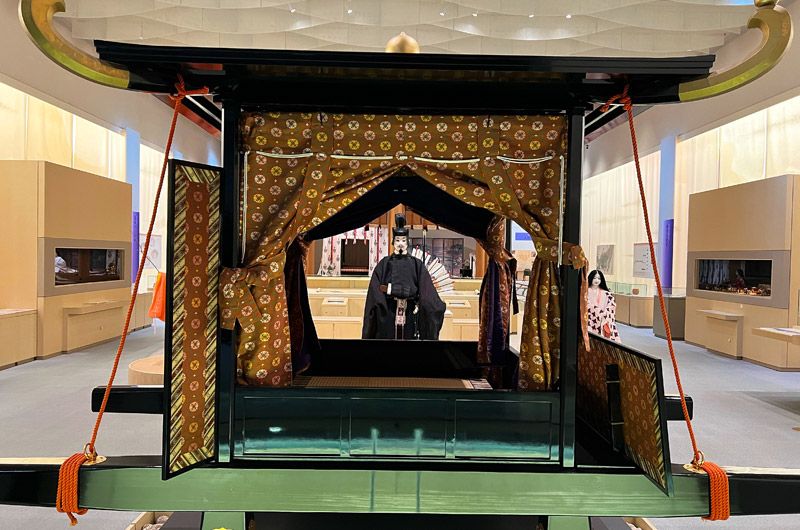
Exhibition room 1 focuses on the Heian period (794-1185), the peak of Saiku with exhibits about the life of the Saio.
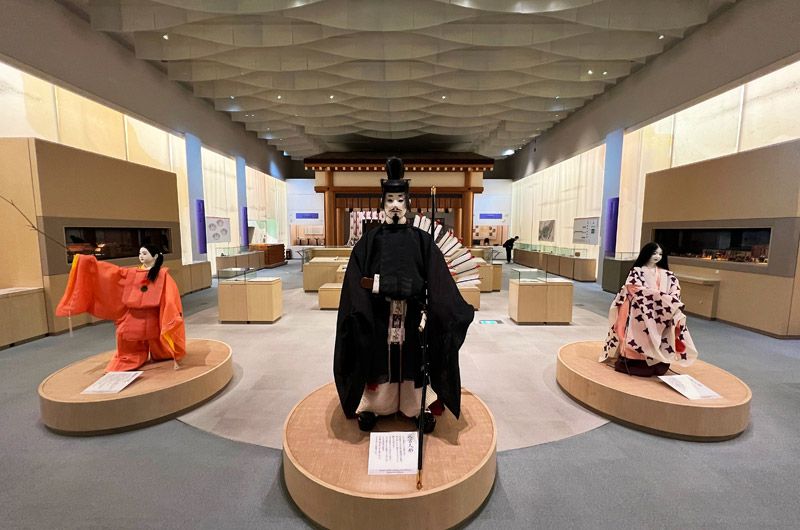
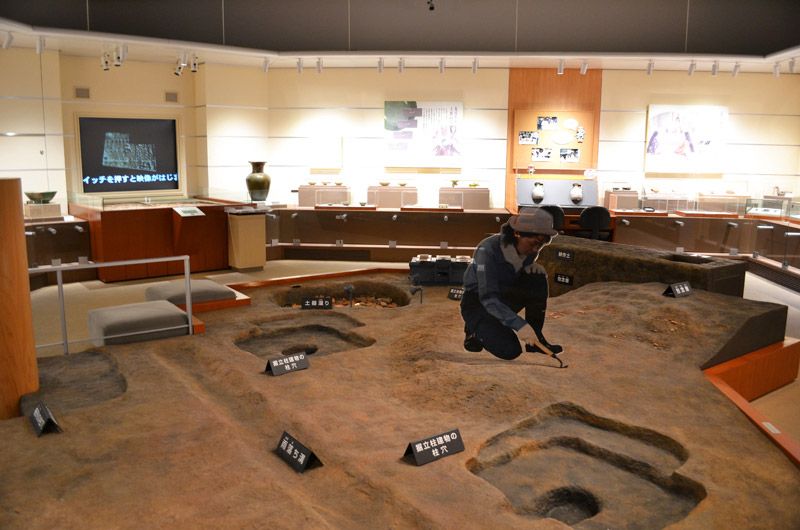
Exhibition room 2 focuses on exploring Saiku through artifacts excavated from the area.
The video exhibition room is a great place to start before proceeding to the exhibition rooms. The first video, “Saio Gunko” recreates the rituals of the Saio and their roughly 130-km journey from the capital Kyoto to Ise. It is a good introduction to the background and role of a Saio. The second video, “Encounter with Saiku,” introduces the ongoing excavation research at the site through a combination of documentary footage and animation. The videos are in Japanese, with English audio available via headphones.
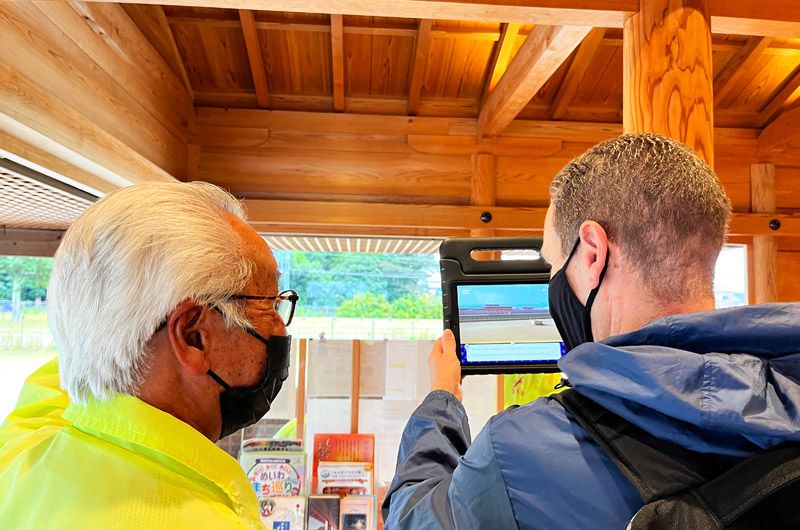
The information is presented in an easy-to-understand manner, making the museum an ideal place to learn about Japanese culture and history in a fun way. There is also a handy smartphone application called Saiku Guide(斎宮案内), which can be downloaded for free, and provides the information in multiple languages (Japanese, English, Korean, and Chinese). The exhibits also have information in both Japanese and English.
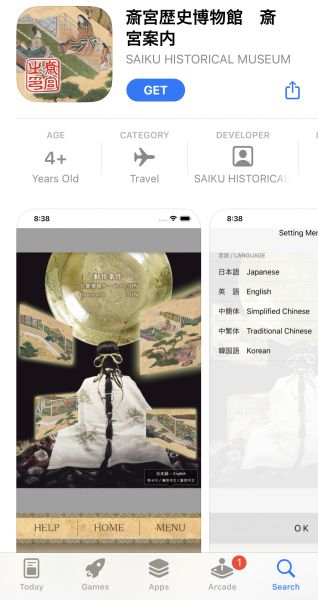
Download the app to discover more
Enjoying a Meal at Itsuki Chaya
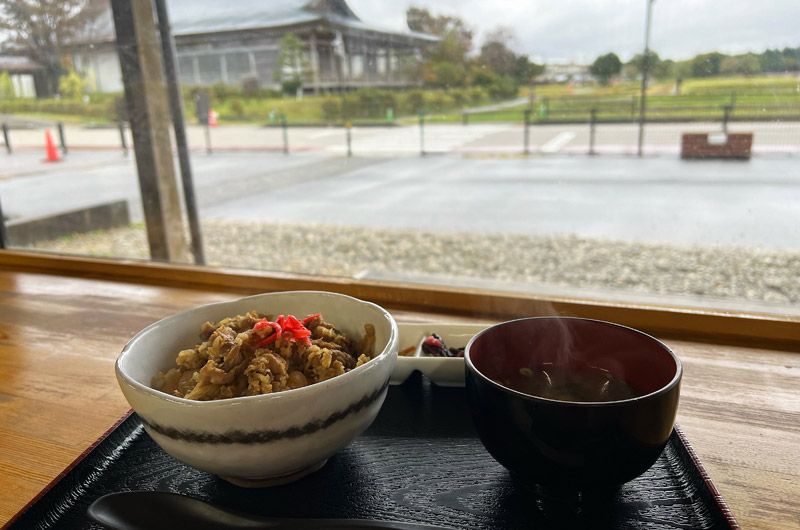
After visiting the museum, we stopped for a quick meal at Itsuki Chaya, where we were greeted by the friendly staff. This convenient facility is not only a restaurant near the Saiku Historical Museum, but a free rest area, souvenir store and a local market selling fresh fruit and vegetables.
Saiku Heian Era Park
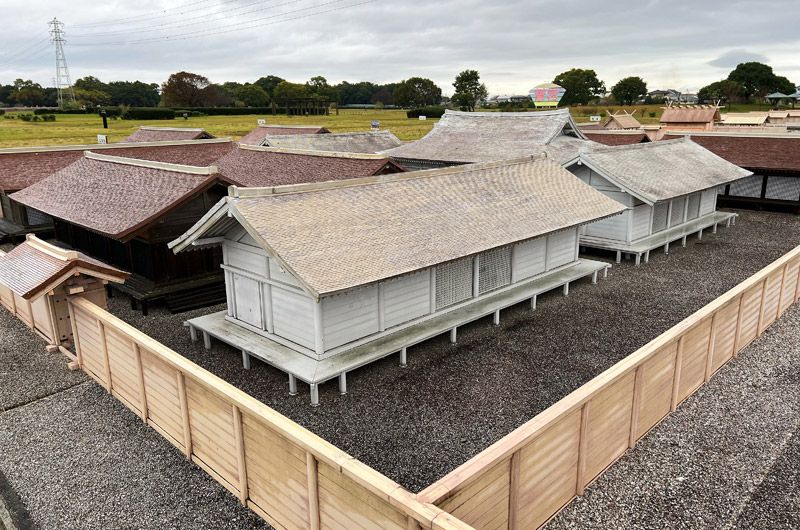
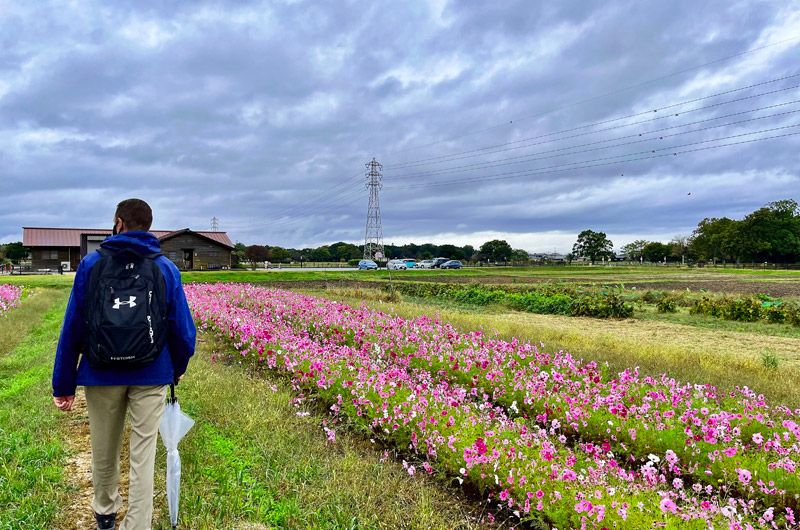
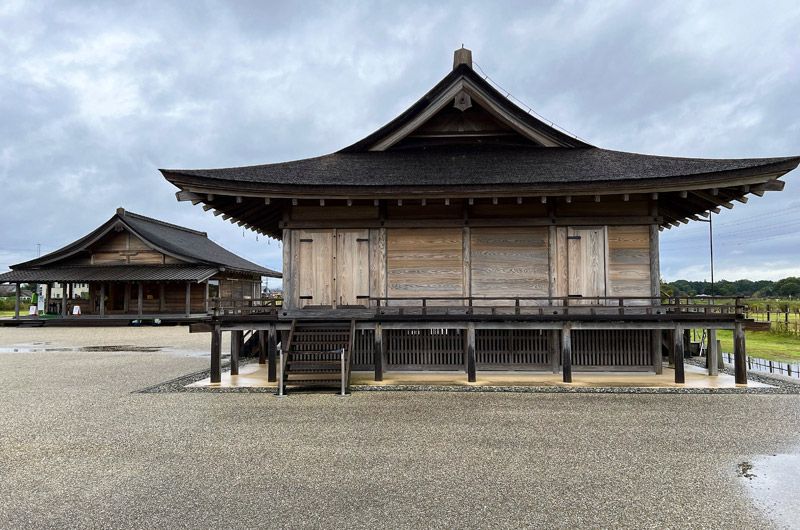
The last stop of our trip is visiting the reconstructed buildings at the Saiku Heian Era Park. Three full-scale buildings have been built here on the former site, which is where important ceremonies were performed at the government offices for Saiku. The structures have been authentically reconstructed using traditional building techniques, so I felt that I had actually stepped back in time to the real Saiku.
How to Get There
From Nagoya, visitors can reach Ise either via a direct Kintetsu limited express train or JR rapid train from Nagoya Station to Iseshi Station. From Osaka, take the Kintetsu limited express directly from Namba Station to Iseshi Station. Geku is conveniently located about 5 minutes’ walk from Iseshi Station.
Wrap Up
The Ise-Shima area offers a perfect mix of cultural, historical, and natural attractions, allowing visitors to immerse themselves in traditional Japanese culture while enjoying the scenic beauty of the region.
Related Articles
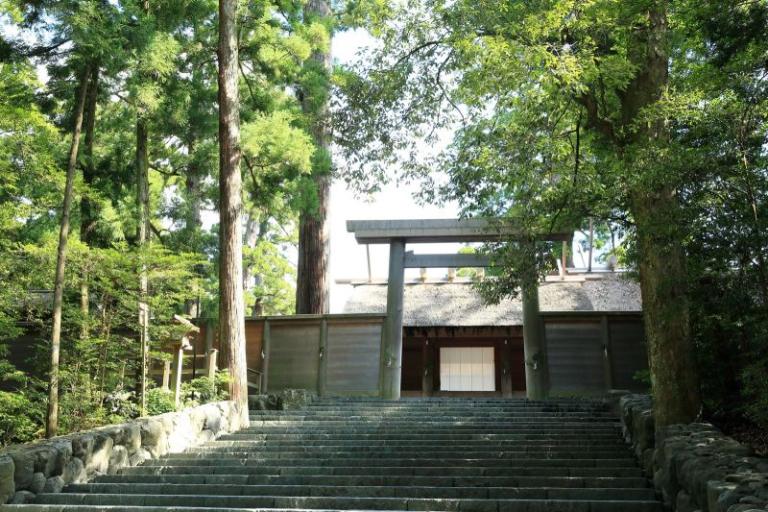
Evolving to Stay the Same: Shikinen Sengu, Ise Jingu’s Largest Ritual
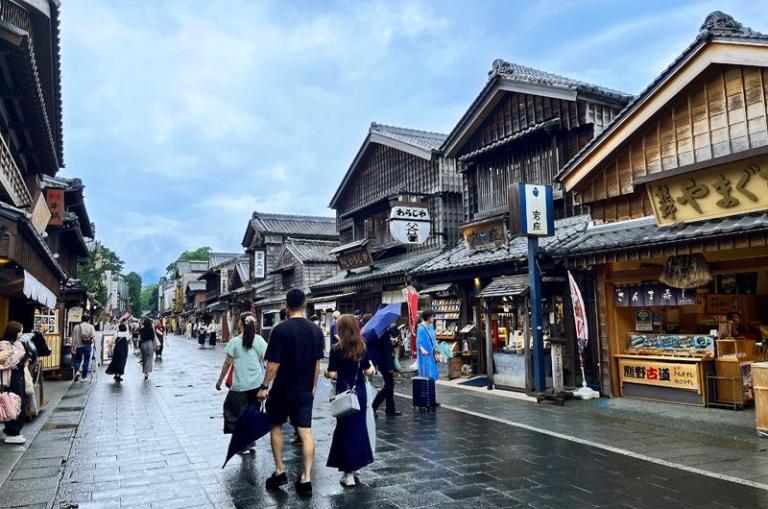
Exploring Ise Jingu: Japan’s Most Sacred Shinto Shrine
Discover the world of ninja
Kumano Kodo Adventure Tour