Evolving to Stay the Same: Shikinen Sengu, Ise Jingu’s Largest Ritual
Explore Your Interests
2023.03.22
Category :
Area :
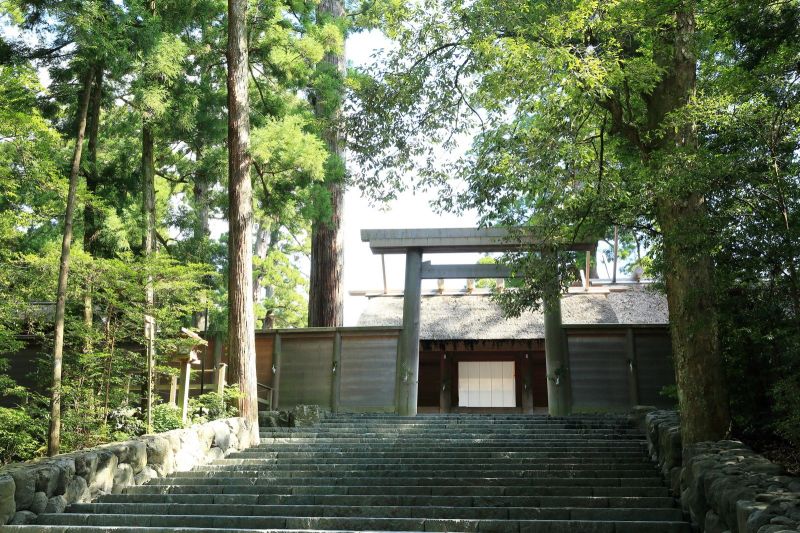
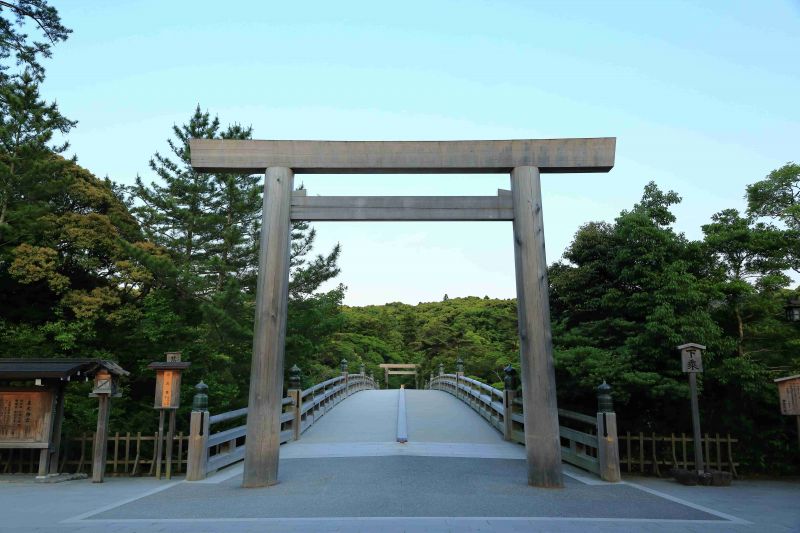
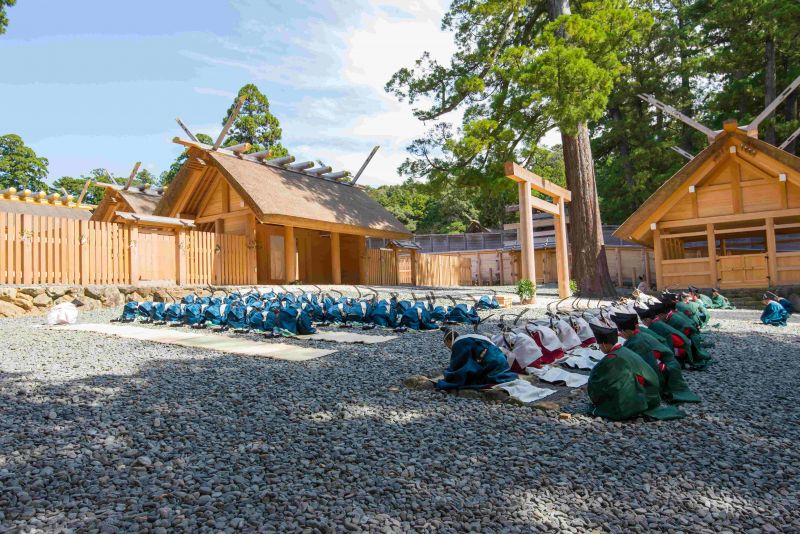
For many people, the first thing that comes to mind when thinking of Mie Prefecture is Ise Jingu. More than 1,500 rituals and ceremonies are held on this sacred ground every year. Among them, the most significant of all is “Shikinen Sengu,” which I’ve always been fascinated by. Unfortunately, the ceremony itself is restricted to the public and you can only sense a trace of the spiritual aura if you manage to catch a glimpse of the Shinto priests walking along the shrine path on their way to a ceremony.
However, I recently heard about a place where some of the mysteries surrounding the Shikinen Sengu are revealed, so I had to visit Ise. That place is the Sengukan Museum, located next to Geku. Join me as I uncover some of the mysteries of this sacred ritual at the spiritual heart of Japan.
Written by Ren Wong
What is Shikinen Sengu?
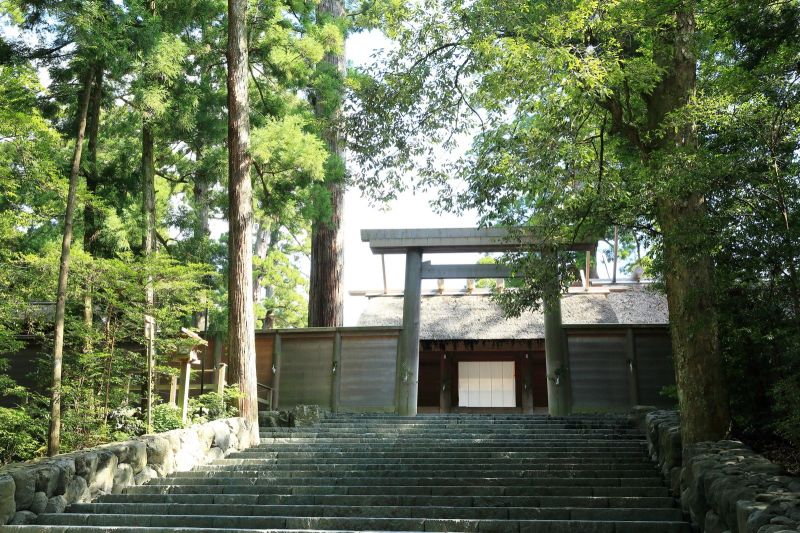
“Shikinen Sengu” refers to the series of rituals and ceremonies held once every 20 years when all shrine pavilions at Ise Jingu are rebuilt true to their original designs. This enormous undertaking, which includes relocating countless sacred objects, is carried out on sites equal in size and adjacent to the east and west sides of Kotaijingu (Naiku) and Toyo’uke-daijingu (Geku). During this period, 14 auxiliary shrines known as betsugu, held in similar esteem to Naiku and Geku, are also reconstructed, along with Ujibashi Bridge spanning the Isuzugawa River at the entrance to Naiku. The term “Shikinen” means “a fixed year,” while “Sengu” is a special term for moving a deity to a new shrine. Simply put, the deities get a new house.
There are various theories as to why the Shikinen Sengu is held. Some say rebuilding preserves the shrine’s dignity, while others see the 20-year cycle as a turning point into a new era. In truth, however, no one knows for certain.
What exactly happens?
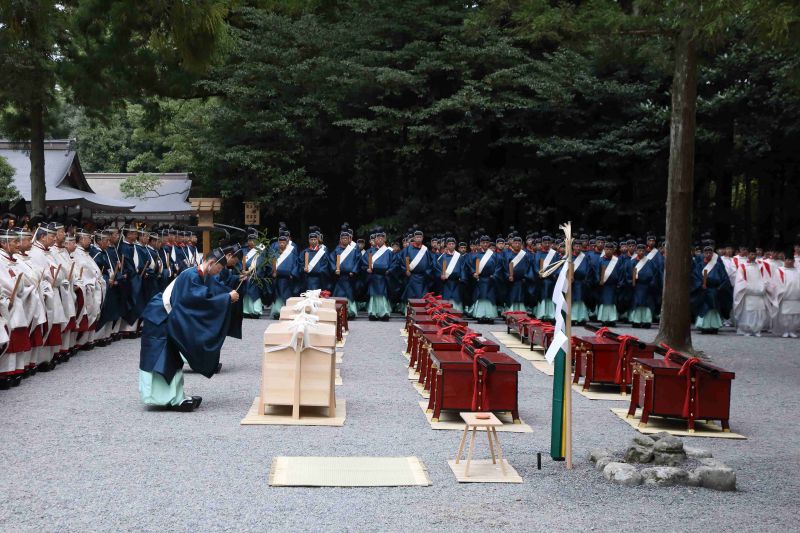
The last Shikinen Sengu took place in 2013, so it might seem logical to assume that the next ritual will be held in 2033. However, Shikinen Sengu involves 33 rituals and events spread over eight years. The 63rd Shikinen Sengu will actually begin with a series of events starting in 2025.
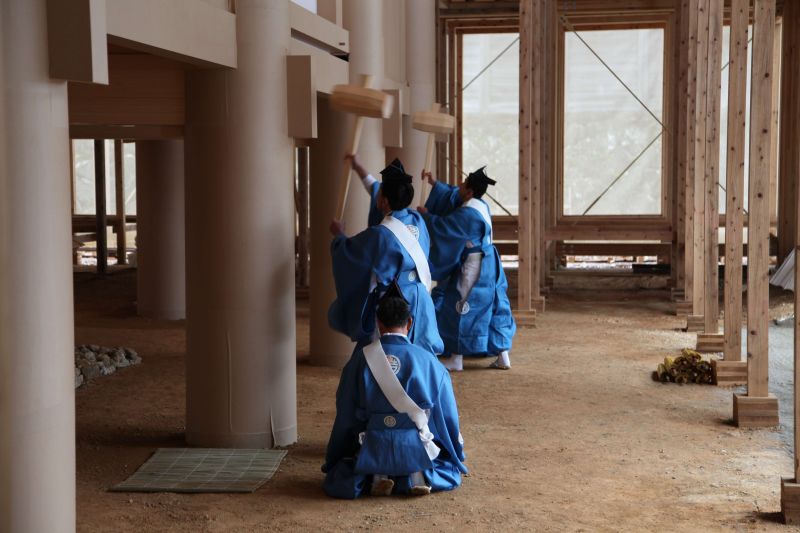
The Sengu ritual is divided into three main stages: preparation of the lumber, construction of the new shrine, and the ceremony to transfer the deities. Each stage is accompanied by important rituals, including prayers for safety and ceremonies to sanctify the objects, places, and people involved in the process.
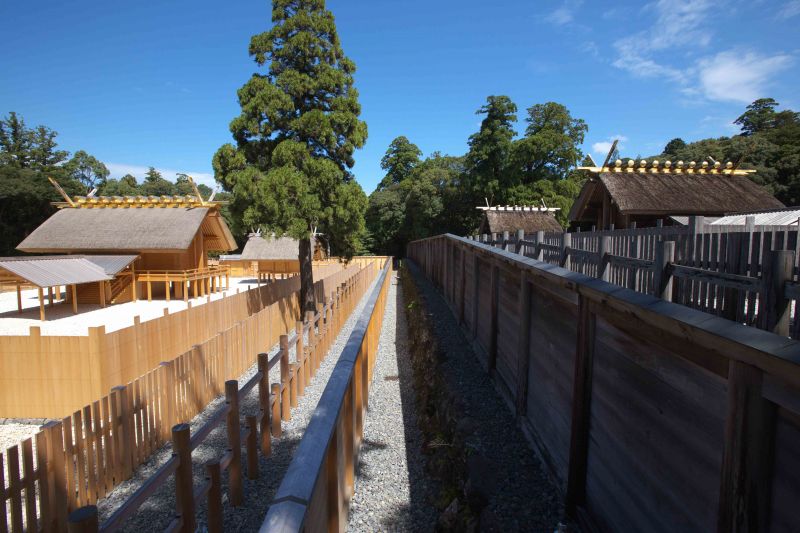
Once the new shrine is completed, both the old and new shrines can be seen standing side by side on the east and west grounds.
Highlights of the Sengukan Museum
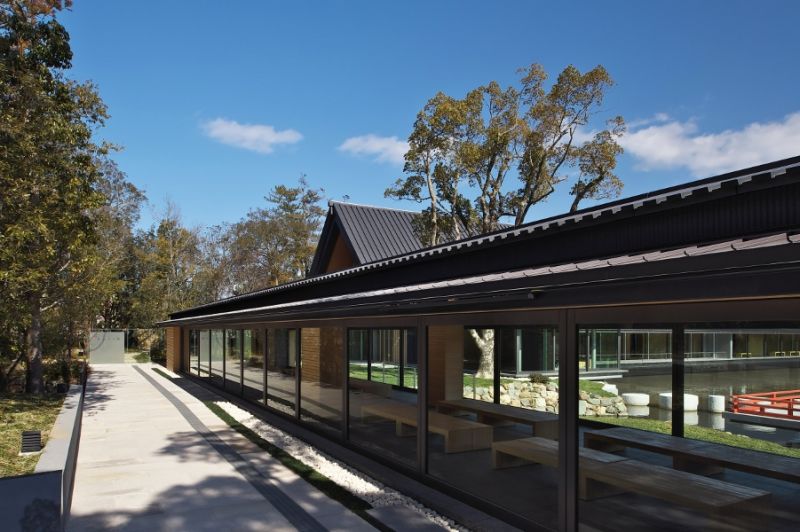
Seeing these treasures reminded me of all the various traditional crafts of Mie, and I realized how difficult yet vital it is to pass on these techniques. Rebuilding and refurbishing the sacred treasures every 20 years seems to be the perfect opportunity to pass on such knowhow to the next generation.
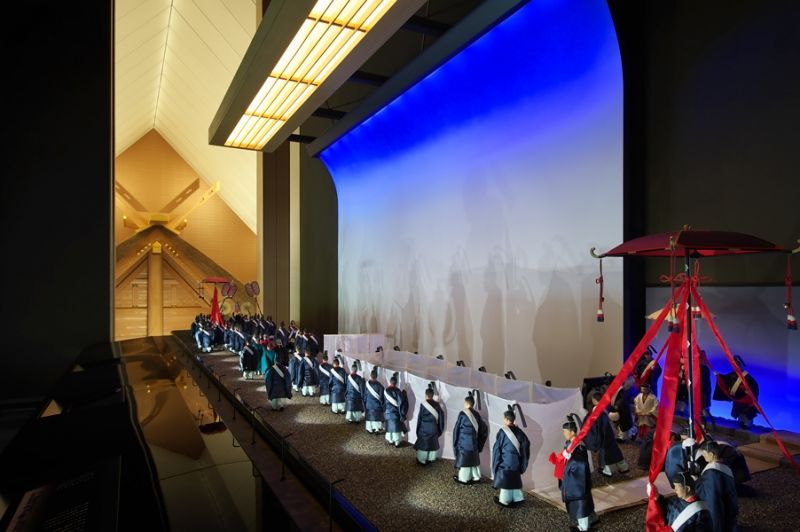
The climax of the Shikinen Sengu is the Sengyo-no-Gi ceremony when the deity is transferred to the new shrine. This exhibit exuded a mystical aura that made me feel as though I had stepped into ancient Japan. From the 7th century to the present, the Shikinen Sengu has followed the ancient rites while evolving with the times.
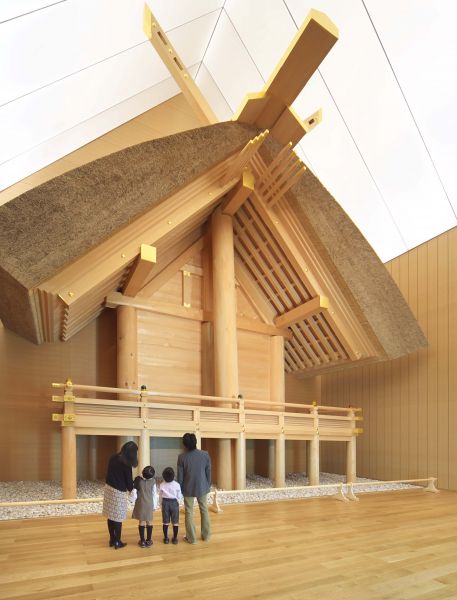
One of the main exhibits at the Sengukan Museum is a full-scale replica of the side of Geku. The moment I saw it, I was struck by its sheer size and admired the beauty of the thatched roof. However, it also had a simple, rustic charm to it. The architectural style of Ise Jingu, called Yuitsu Shinmei-zukuri, is said to have originated from ancient Japanese granaries. Standing before this structure, I felt a deep connection to Japan’s roots as a rice-growing culture.
Such delicate architecture is not designed to last forever. Thinking about its reconstruction every 20 years gave me a deeper understanding of the main purpose of Shikinen Sengu – to preserve the shrine in the same pristine state it held when it was first built.
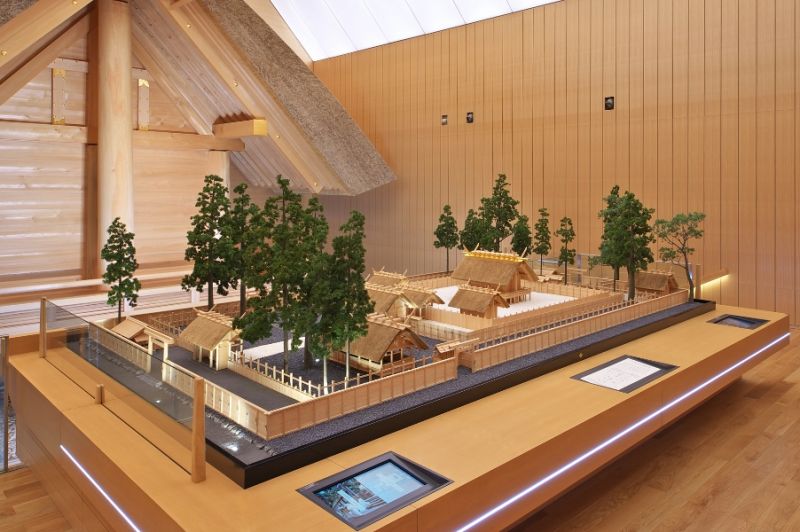
The diorama of the main sanctuary buildings of Geku astounded me. Having visited the actual site just before entering the museum, I now realized the grounds were many times larger than I had imagined. I had only walked along the outer edge, and the gate where I had prayed seemed so far from the main shrine. Considering that everything on these grounds, along with Naiku and the 14 betsugu, had to be rebuilt, I was struck by the sheer scale of the undertaking and what it meant to relocate the deities.
Where do they get the wood to build something of this magnitude? In the same exhibition room, I found my answer.
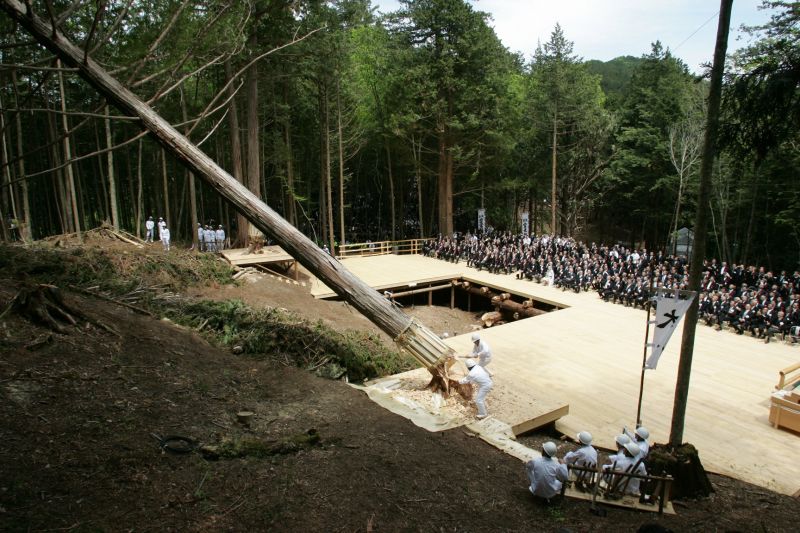
The timber used for Ise Jingu was originally harvested from the surrounding area known as Jingu-rin, meaning Shrine Forest. However, due to a shortage around the 14th century, timber started to be sourced from forests outside the prefecture. To achieve the same 100% self-sufficiency of timber used for Shikinen Sengu as in the past, a plan was established in 1923 to cultivate a cypress forest over two centuries. In this way, Shikinen Sengu has pioneered efforts to protect the natural environment.
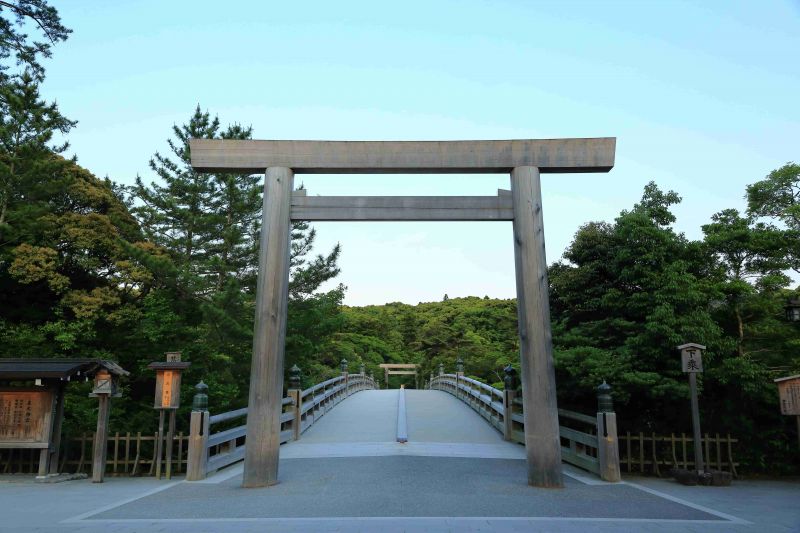
While preserving tradition, we make it new. The new preserves the old.
This practice of using times of change to pass on unchanging beliefs and knowhow is distinctly Japanese, a unique system of sustainability. I was fascinated to realize how many aspects of this 1,300-year-old tradition reflect modern concerns like ecology and sustainability. Looking back at the past makes me even more excited for the Shikinen Sengu, which begins in 2025.
Sengukan Museum
Related Articles
OWASE WAPPA: Nature’s Gift Shaped into Tableware Art
Walk the Mochi Kaido Road Like Ancient Travelers for a Taste of Mie’s Confectionery Culture, Part 1
World Heritage Kumano Kodo Iseji Route: The Magose-Toge Pass
One-Day Itinerary: Experience Samurai Culture and Japanese Food in the Central Area of Mie Prefecture