Akame 48 Waterfalls:A Group of Beautiful Waterfalls Preserved by the Locals
Explore Your Interests
2021.03.15
Category :
Area :
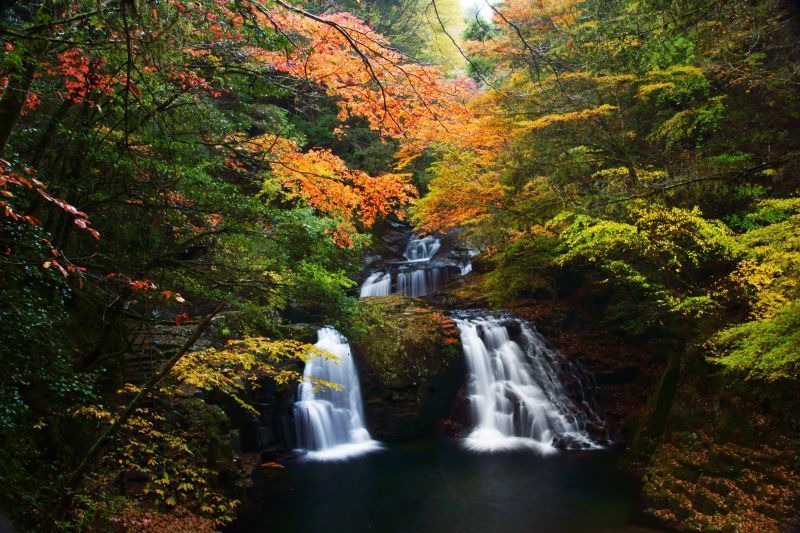
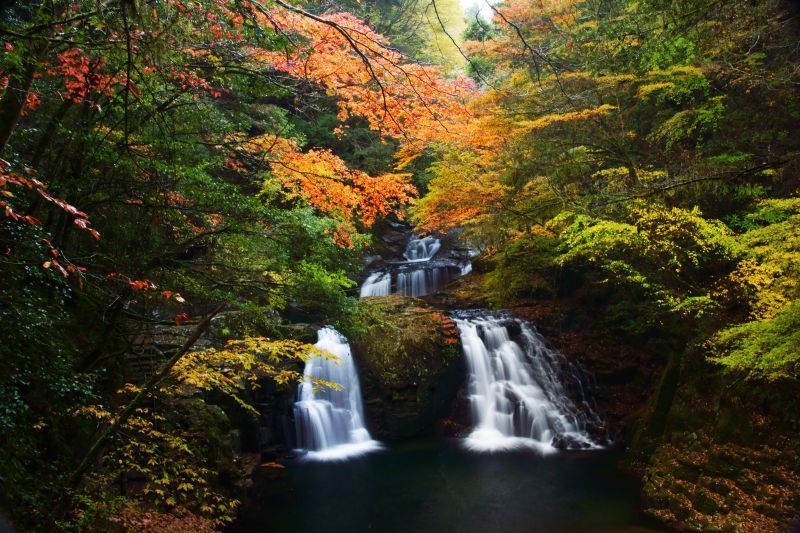
The Akame ravine in Mie Prefecture is well known for two things: its breathtaking array of waterfalls and its eventful past as an ancient training ground for ninjas in feudal Japan. The Akame 48 Waterfalls offer a different experience for visitors in every season. You can see cherry blossoms in spring, lush forests in summer, leaves changing colors in autumn, and frozen waterfalls in winter. In addition to enjoying the natural wonder of the Akame 48 Wateralls, visitors can participate in a ninja training course that features weapons and techniques used by the mysterious mercenaries. There is also an option to wear a ninja outfit during the training.
The best way to get to the Akame area from a major city is by getting on the Kintetsu Railway and riding it to Akameguchi Station. From there, I took a bus up the mountain to the Akame Natural History Museum, which took about ten minutes. I got off at the Akame-taki bus stop and went straight to the museum to start my ninja training and waterfall adventure.
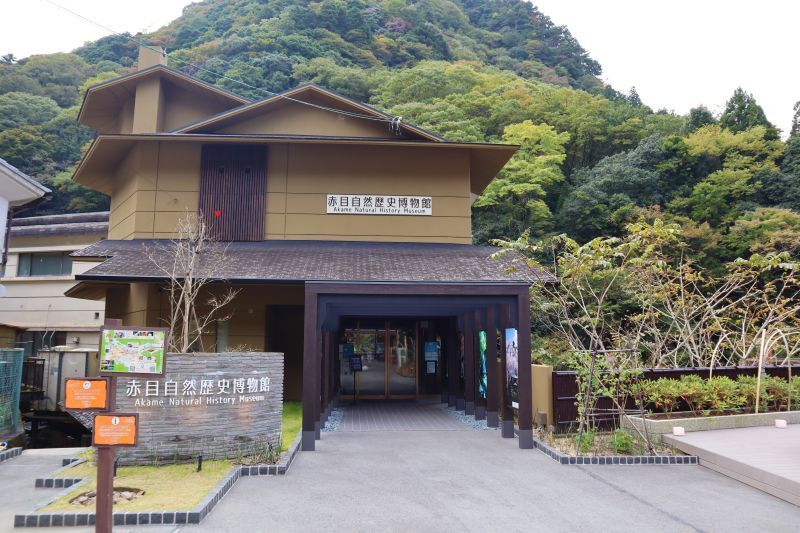
The Akame Natural History Museum is a ten minute bus ride from Akameguchi Station.
When I entered the museum, the staff greeted me warmly and explained the various activities included in my experience. I was very excited about hiking in the mountains and seeing all of the different waterfalls that make up the renowned Akame 48 Wateralls.
There are actually 23 waterfalls that you can visit in the Akame 48 Wateralls, each with its own distinct charm and character. As I was hiking to each waterfall, surrounded by incredible nature, a deep sense of calm washed over me, and I felt connected to the earth.
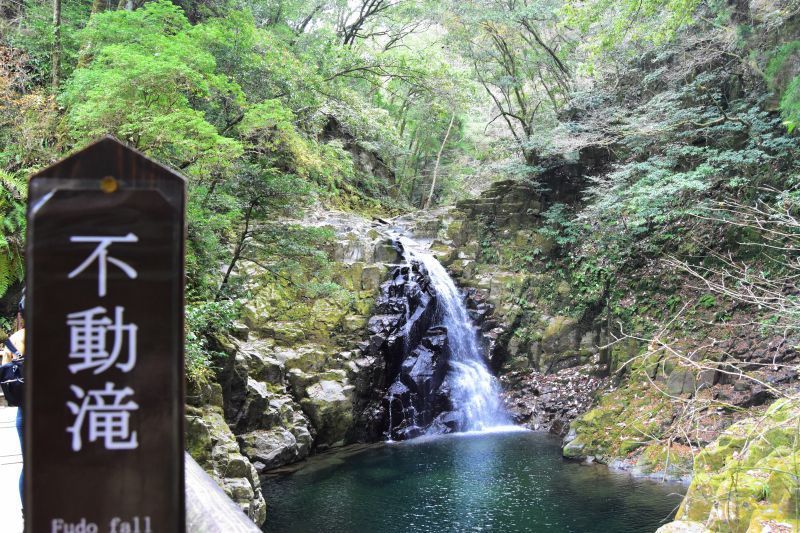
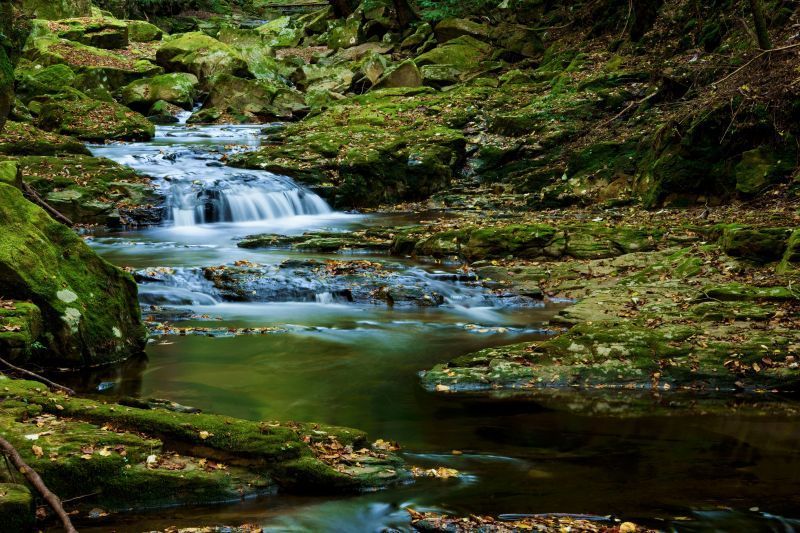
The Akame 48 Waterfalls are a feast for the senses, with the growing roar of rushing water building excitement as you approach each cascade.
Many waterfalls of varying sizes and scenery flow through the rock walls and quiet mountain streams, enriching the surrounding landscape.
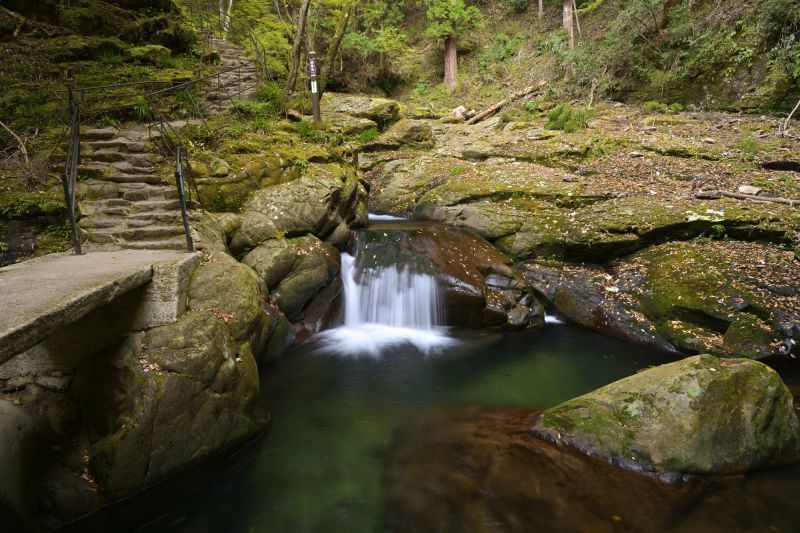
There are also waterfalls right next to the trail.
The power and beauty of the waterfalls is something anyone can enjoy, and it was a special experience to see so many of them in a single hike. The waterfall tour was the perfect way to unwind and refresh my body.
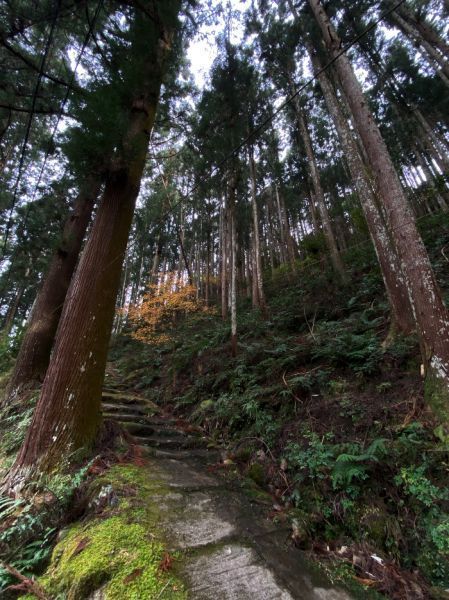
Designated as one of the 100 Best Waterfalls in Japan and 100 Best Forests for Bathing, Akame is one of Japan’s top destinations for nature lovers. It’s the perfect spot for all sorts of outdoor activities, such as hiking, forest bathing, and reconnecting with nature.
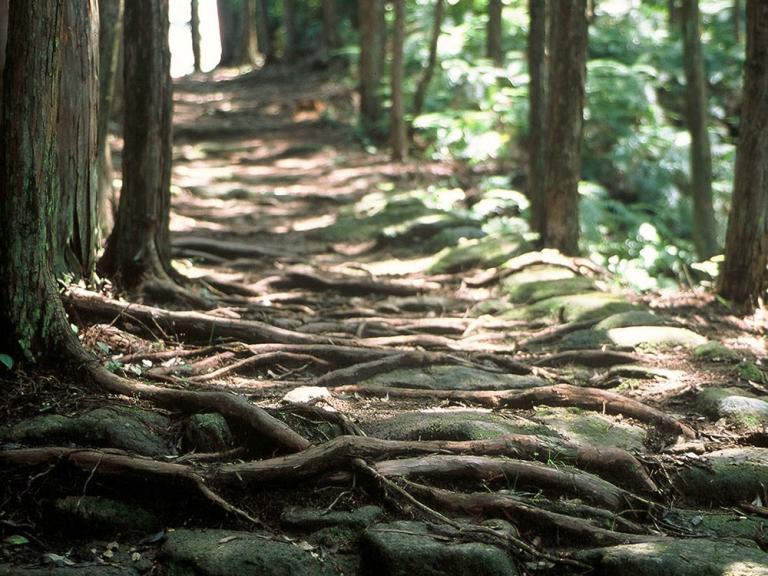
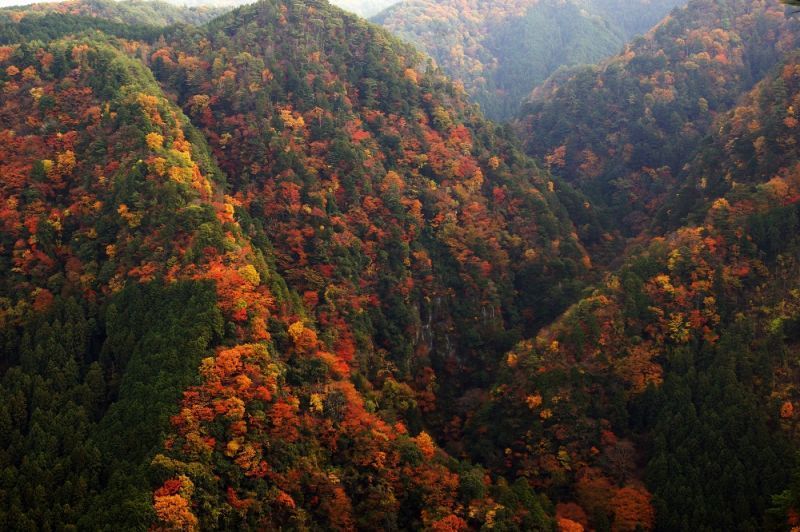
There are three trekking courses available, all suitable for beginners, that take around 50, 90, and 140 minutes to complete. Each course allows you to experience the area’s abundant nature. I took the 50-minute beginner course, but the 140-minute course leading to Mount Nagasaka (584 meters elevation) offers a breathtaking view of the valley below.
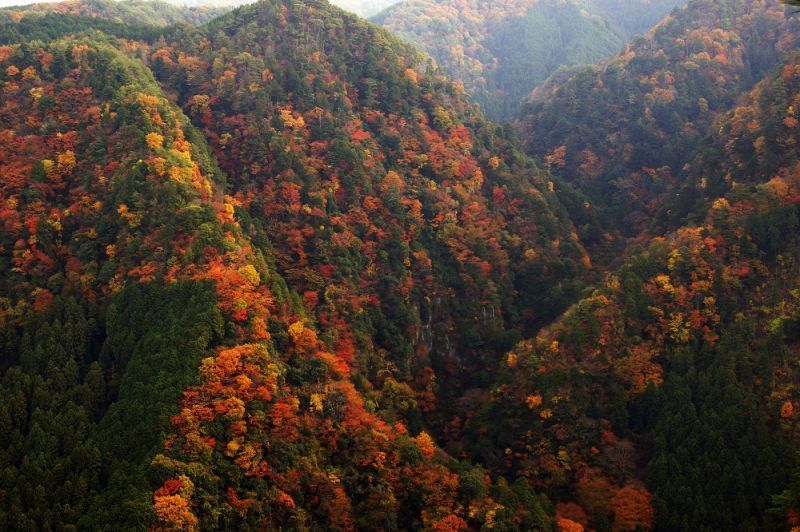
You can experience this beautiful scenery along the path to Mount Nagasaka in autumn.
It is important that people help to preserve the spectacular natural areas of Japan for future generations. In the area around the Akame 48 Wateralls, local efforts are contributing to Japan’s Sustainable Development Goals (SDGs) through the “Nabari Bamboo Akari SDGs Project.” Through the use of locally available bamboo, this initiative aims to build a sustainable cycle harmonizing the “environment,” “society,” and “economy,” ensuring that the beauty of Akame continues to thrive for years to come.
The main focus of the project is to maintain abandoned bamboo groves, which, if left unattended, can cause environmental problems such as overgrowth and habitat disruption. By involving local residents, schools and companies, the program fosters awareness about environmental conservation and strengthens community ties. Harvested bamboo is repurposed to create beautiful bamboo lights, symbolizing both sustainability and a shared love for the local environment.
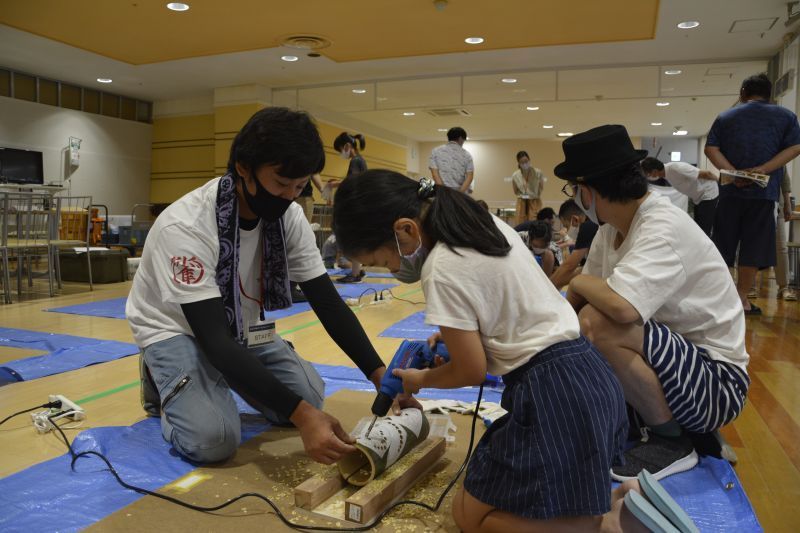
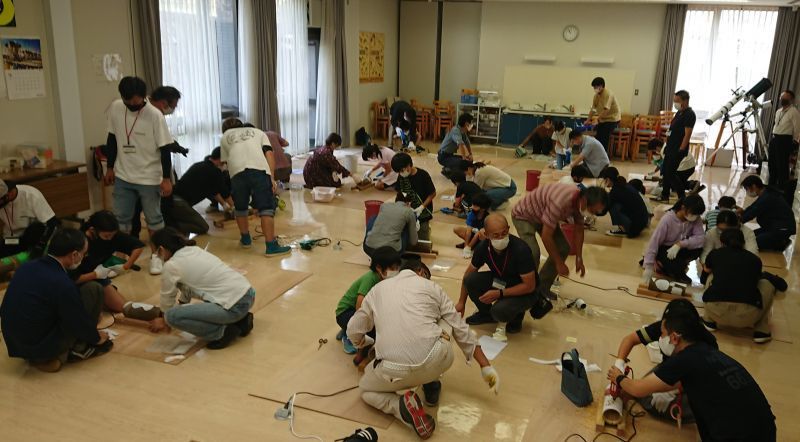
Parents and children work together to learn the importance of nature.
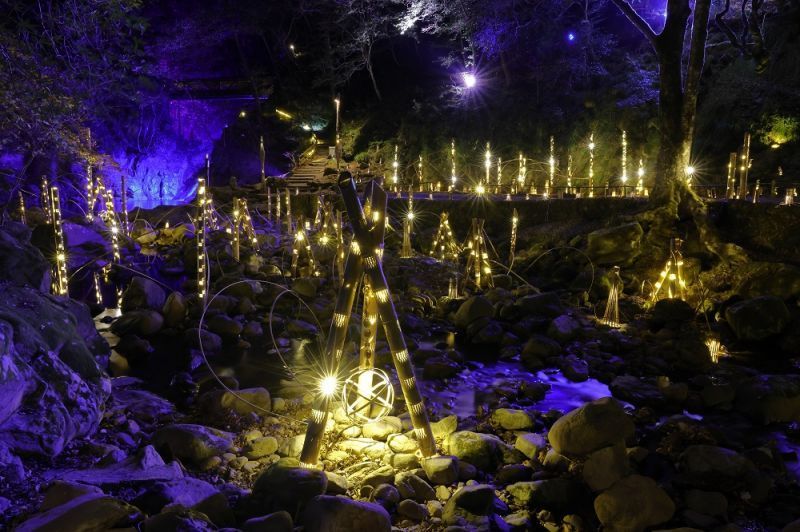
The finished bamboo lights illuminate the valley, creating a magical world.
The finished bamboo lights are used to illuminate the valley at night, soothing the hearts of visitors. This is currently being planned as an annual event that will beautifully combine tourism, community spirit, and environmental conservation.
Learning about this project gave me hope for the future and I was inspired by how the community actively manages and protects the forests near their homes.
We offered our prayers, wishing for this beautiful forest scenery to live on forever.
Surprisingly, you can also experience being a ninja amid this lush environment. I signed up for the interactive training, eager to immerse myself in the rich cultural heritage of this region.
The first thing I had to do was get into character by changing into a ninja outfit. There were multiple colors to choose from, but I went with the classic all-black ensemble for the most authentic look.
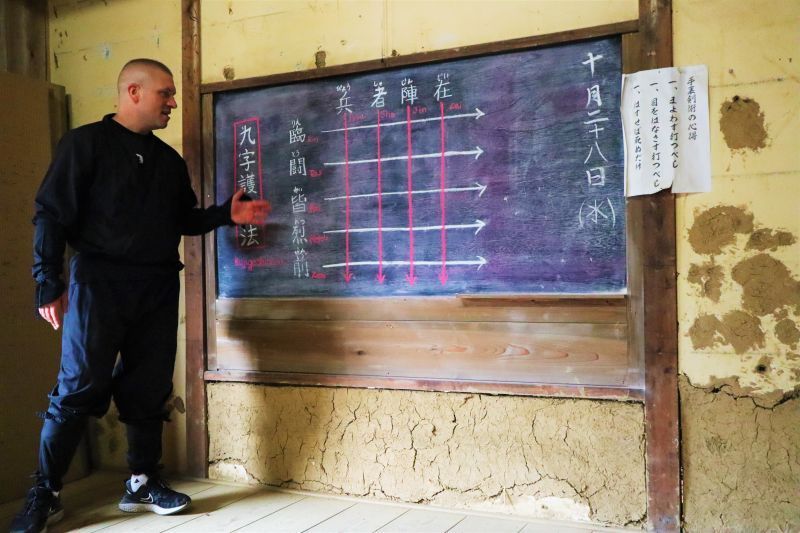
During the training, we learned the ancient techniques of the ninja.
Some of the ninja techniques were truly challenging, testing both skill and perseverance. For instance, the climbing wall required us to imagine scaling a castle wall, using only our fingers and toes to move forward. This was very difficult, and I had to keep my entire focus on each finger grip and toehold as I made my way across the wall. It was challenging and fun to see how far I could push my physical limits with support from the trainer.
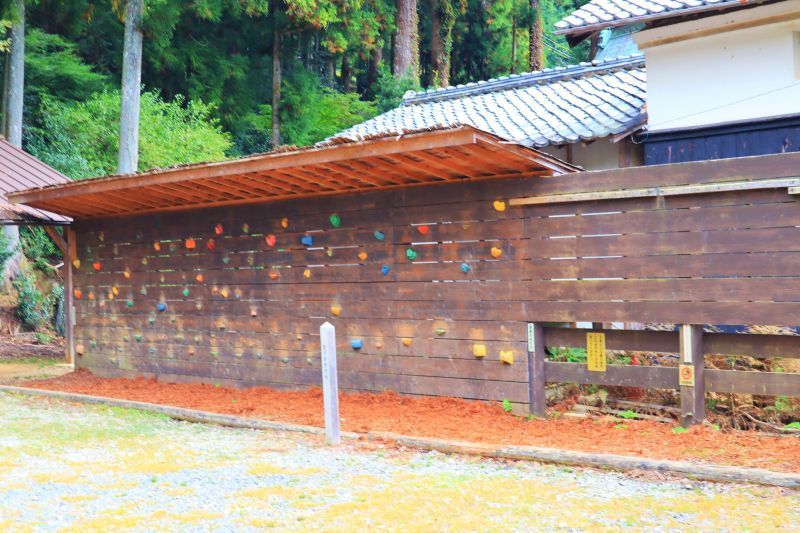
I had to climb across the wall using only my fingers and toes.
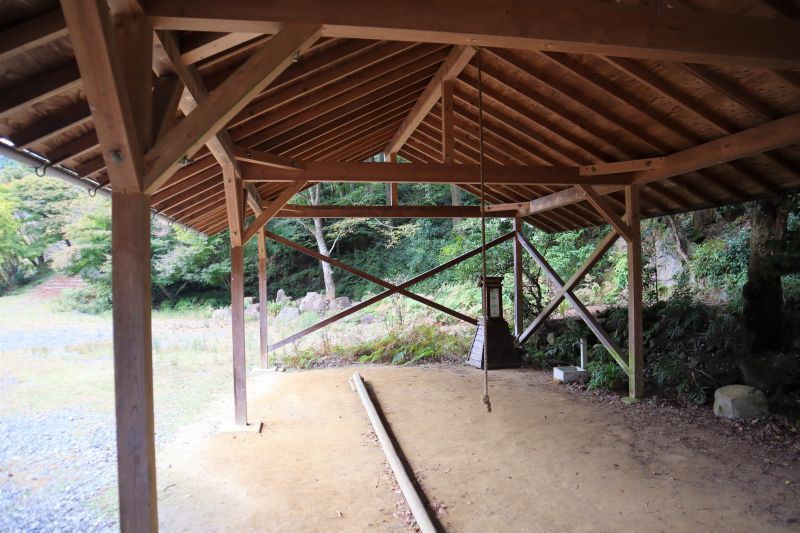
During the balance training, I had to carefully walk across a log without falling off.
I was excited to use the bow and arrow when we got to the archery range. At first, I was shooting too high, but then I adjusted my aim and finally hit the bull’s eye. What an incredible moment it was when I made that shot. The traditional design of the bow was challenging to use, but it was such an authentic experience that I was glad to use the same style that had been used hundreds of years ago.
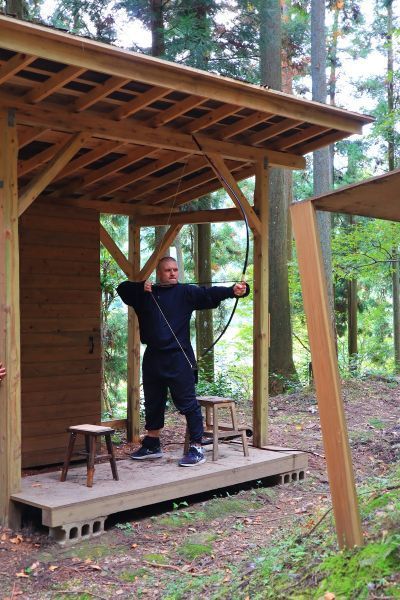
It took some time to get used to the bow and aim properly at the target.
I hope everyone will enjoy watching the video of my ninja training.
https://youtu.be/r0gmgR7dvp8
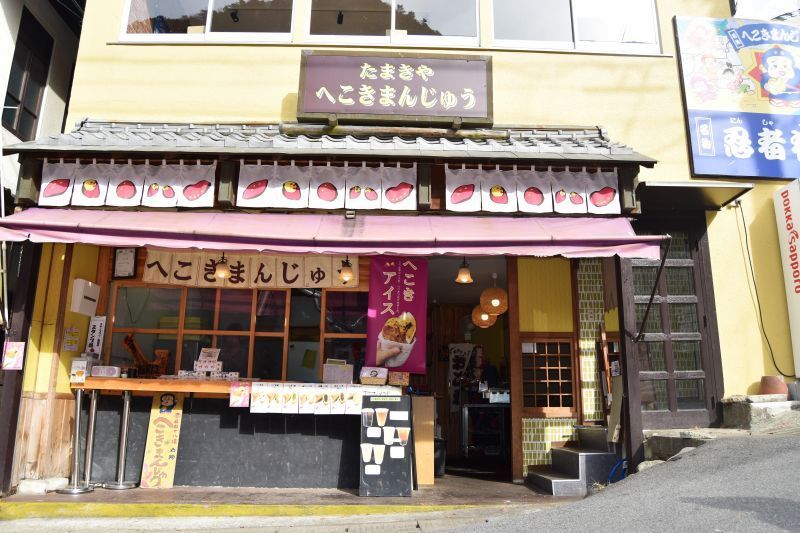
After the waterfall tour, I stopped at a shop to try a local specialty.
Having completed my ninja training and hiking the Akame 48 Wateralls, it felt great and I was ready to try some local food. I was keen to try some “Hekoki manju,” which are ninja-shaped snacks made from sweet potato dough, filled with a variety of delicious pastes.

Hekoki manju are a popular and unique local treat made from sweet potatoes.
Hekoki manju is pretty unique in the sense that “hekoki” literally means passing gas. Its dough is made from sweet potatoes, which are said to have that effect, giving the snack its funny name.
I found a cute little shop that was selling Hekoki manju and decided to try some of the red bean and matcha-filled ones. The shop smelled amazing when I walked in and the little snacks tasted even better than they smelled. It was the perfect way to end my day at the Akame 48 Waterfalls.
For anyone looking to have an amazing day outside in the mountains, a visit to the Akame 48 Wateralls is perfect. Challenging your body and refreshing your mind while enjoying a naturally beautiful setting will provide memories that will last a lifetime.
For more info about the Akamae 48 Falls:
https://visitmie-japan.travel/en/spots/20250917200449
Related Articles
The Lustrous Center of the Pearl Universe: Mikimoto Pearl Island
A Day Spent with Ama Divers: Ama Hut SATOUMIAN
Discover Scenic Spots with a Drive Along the Ise-Shima Skyline
Suzuka Circuit Park: Fun for the Whole Family