The Lustrous Center of the Pearl Universe: Mikimoto Pearl Island
Explore Your Interests
2020.03.16
Category :
Area :
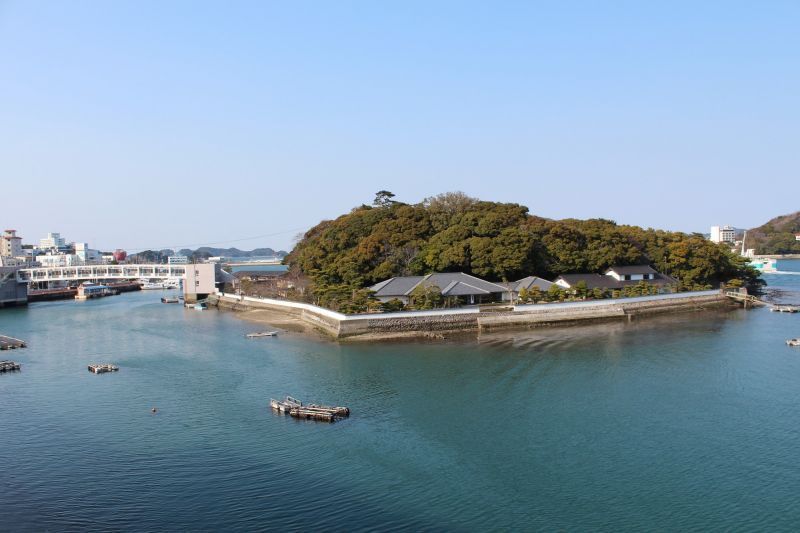
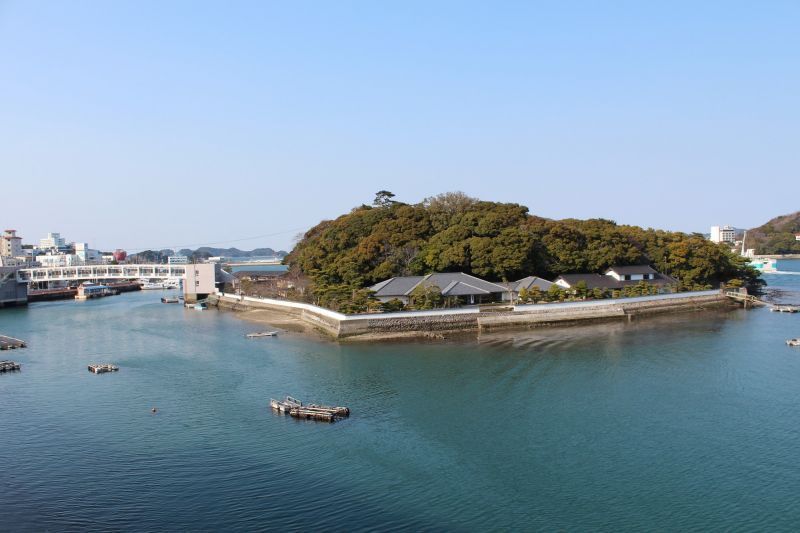
In 1893, Kokichi Mikimoto created the world’s first cultured pearls. But that’s not where the story ends. He trudged on through a harsh life to get there. Now, Mikimoto Island stands as a testament to his perseverance and to the kingdom he created.
Written by Chad Martin
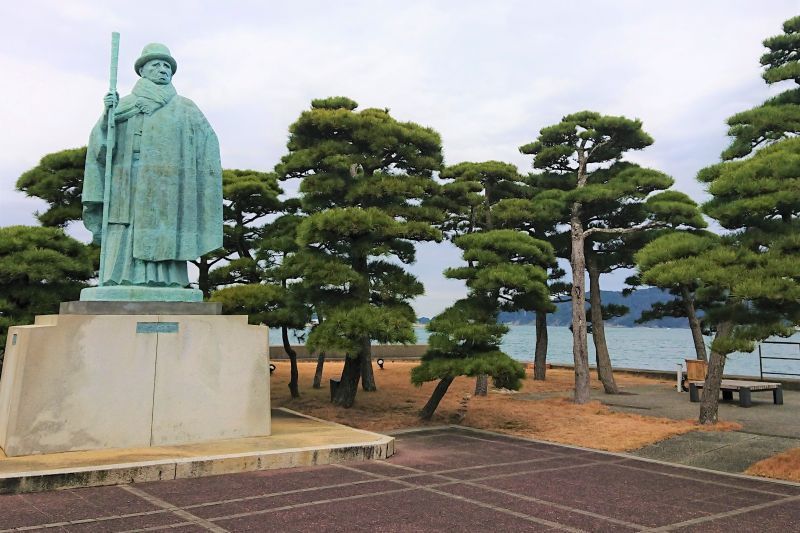
Mr. Mikimoto himself stands guard over his island in his trademark hat and cape.
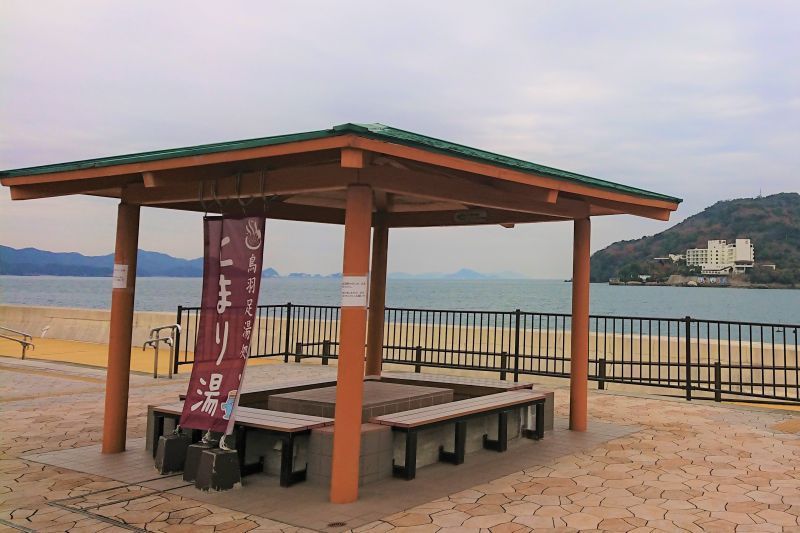
A warm, public foot bath looks out over the mouth of Ise Bay, right between Toba Station and Mikimoto Pearl Island.
On this overcast morning, I set out to learn everything about pearls. To be honest, I knew almost nothing. I only knew that pearls come from shellfish such as clams or oysters, and that they are considered precious.
My destination was the world-famous Mikimoto Pearl Island, where I hoped to learn about the science, history, and culture behind pearls, and the important role of the ama divers.
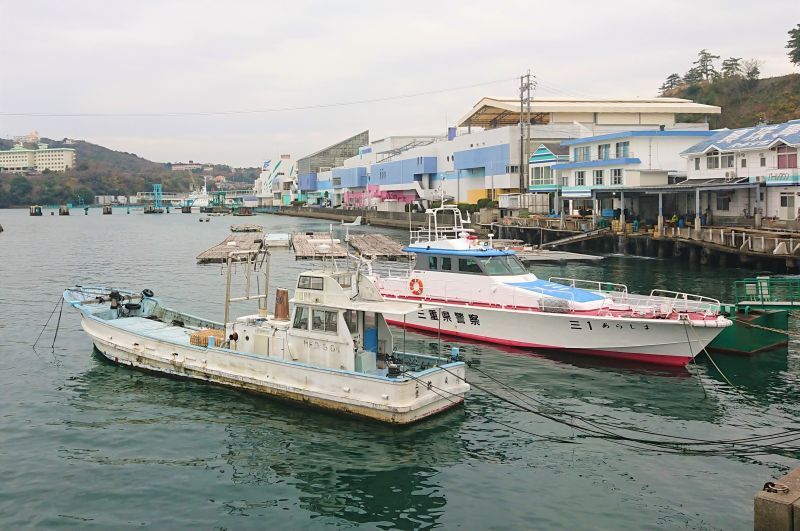
The building just past these boats is where part of the day’s catch was being unloaded, but it also serves as a shopping area filled almost entirely with pearl jewelry stores.
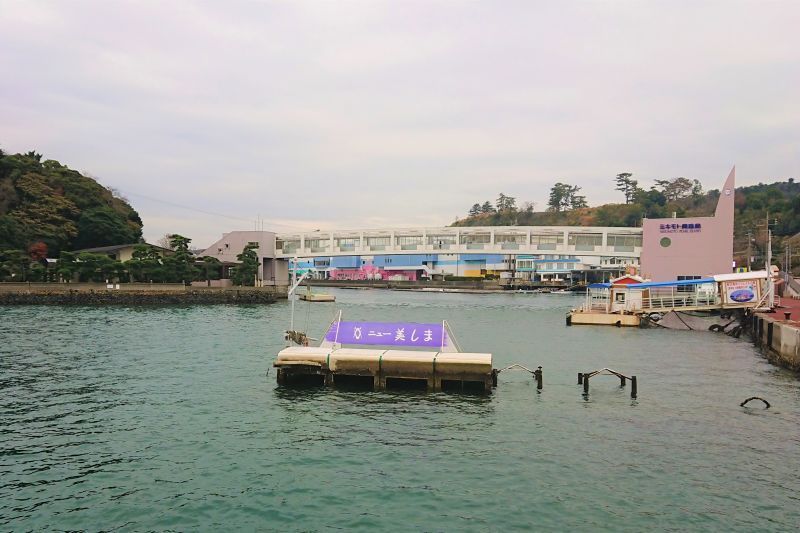
Here you can see the bridge that leads to the small Mikimoto Pearl Island. And the old ship is actually being used as an advertisement display.
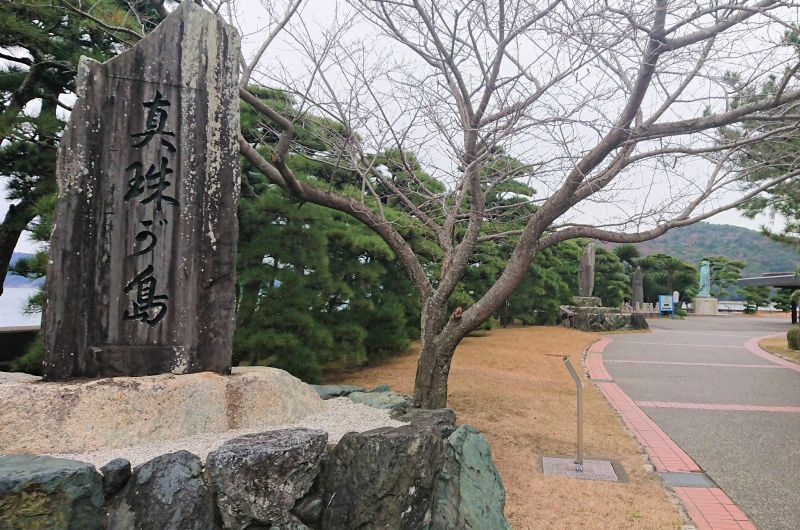
Once you cross the bridge, you’ll be on a path that circles the entire island, lined with monuments commemorating various events, achievements, and visits from famous people who have graced the island with their presence. Among them is a plaque bearing a waka (traditional Japanese poem) written for Mikimoto, by Empress Teimei herself:
Pearl oysters from the depths of the sea
Long you have sought earnestly
This freeing from hidden dark chambers of plight
Lustrous spheres locked within, to the light
There’s much to see and do on the island, but I wanted to learn about pearls first, so I headed straight to the Mikimoto Pearl Museum.
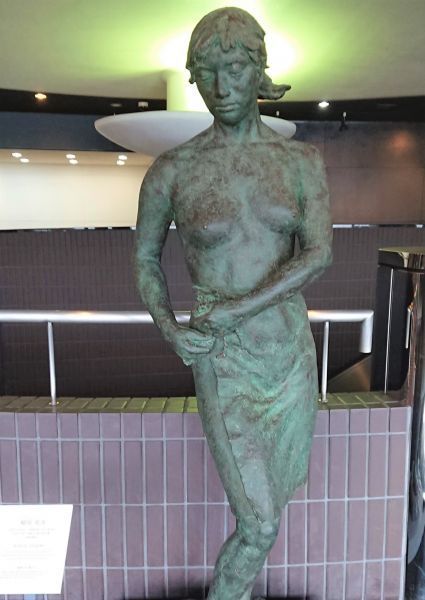
The highly skilled, all-female ama divers have been an asset to the region for ages. More about them later.
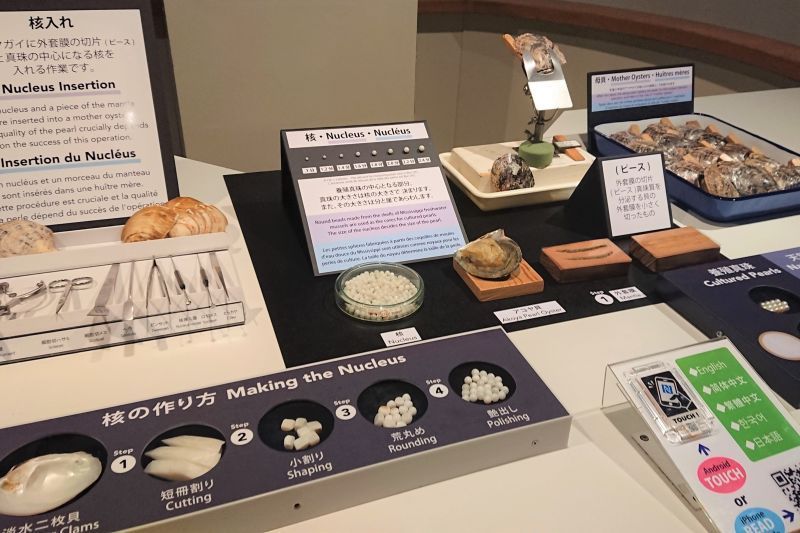
As you can see, there are clear explanations displayed in various languages.
As someone who loves both science and the sea, I was completely absorbed by the intricate process of cultured pearl production. It’s a complicated process, but if I were to summarize, a tiny, polished piece of shell is surgically implanted into an akoya oyster, and the oyster’s natural reaction is to coat the foreign substance with layers of nacre and spit it out. Since the piece is a bit too large and deliberately inserted, the oyster cannot expel it, and it simply continues exuding nacre, eventually creating a beautiful pearl. It’s a delicate, high-risk process because a lot of the oysters die from the trauma of the insertion, and only about one in five successfully produces a nice pearl. Those pearls are then carefully selected and graded based on size, shape, color, composition, and luster.
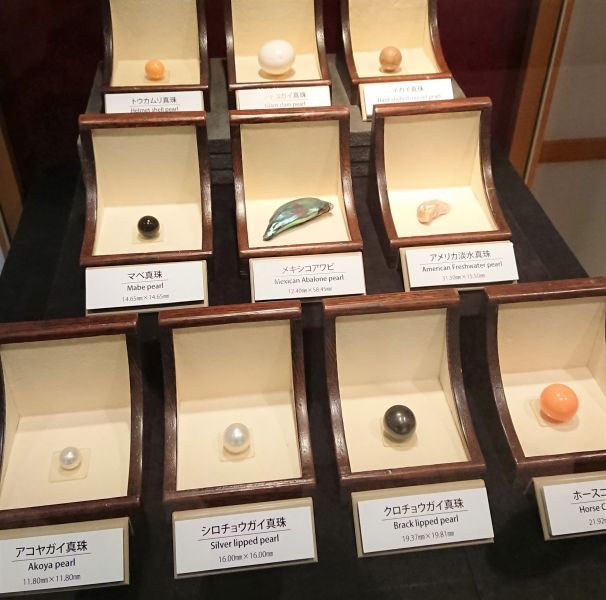
Different species of oysters around the world create different kinds of pearls, but here, the focus is on akoya, the small oyster that produces Japan’s signature pearls.
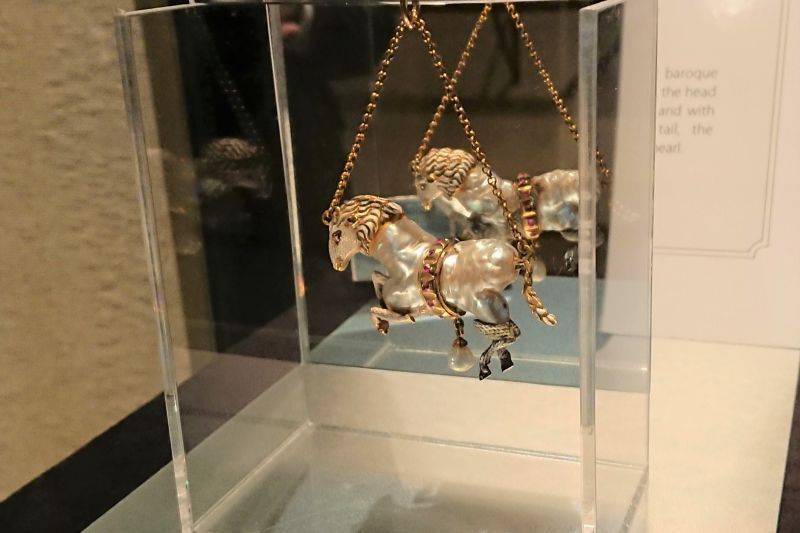
Various artists have transformed misshapen pearls into exquisite designs.
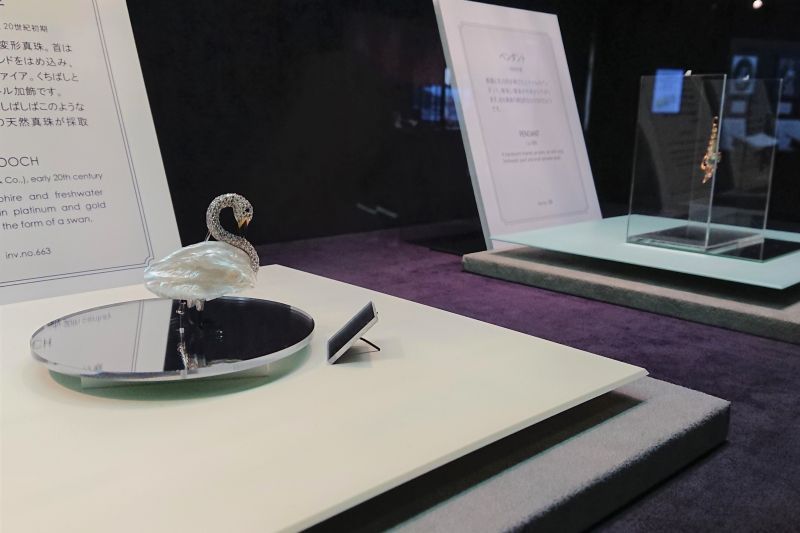
In the gallery, you’ll find fascinating pearl jewelry from around the world. The most impressive pieces, however, were the ones crafted by Mikimoto for international exhibitions. I’m not a very patriotic American, but the one-third scale model of the Liberty Bell really stood out to me.
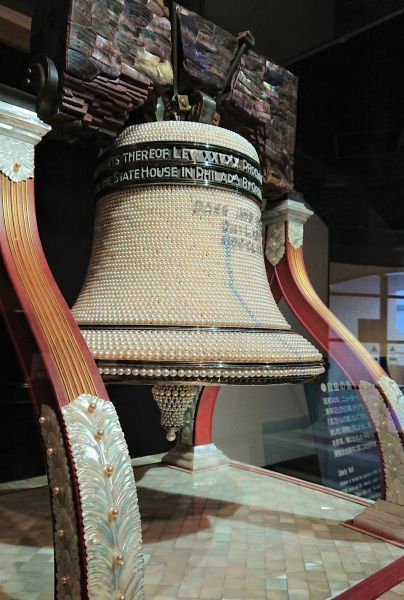
Even the famous crack has been replicated using blue pearls. More than 12,000 pearls and 366 diamonds were used in its creation.
Mikimoto’s five-storied pagoda was another stunning masterpiece. Made using an incredible number of pearls, mother-of-pearl, and platinum, it’s a model of the pagoda at Horyuji Temple in Nara. You really should see it in person. I don’t want to spoil it for you with a picture. No Googling!
Walking out of the museum, I felt like an expert of pearls, at least compared to a layman. With my newfound confidence, I walked across the path from the museum to see what I’d actually been most excited about: live ama diving in the bay.
You can watch from the stands if you like, but the announcements during the show are all in Japanese. If you want to learn about the legendary ama, head into the comfortable room on the side, where you can listen to explanations in English. You can still get a good view of the show from there.
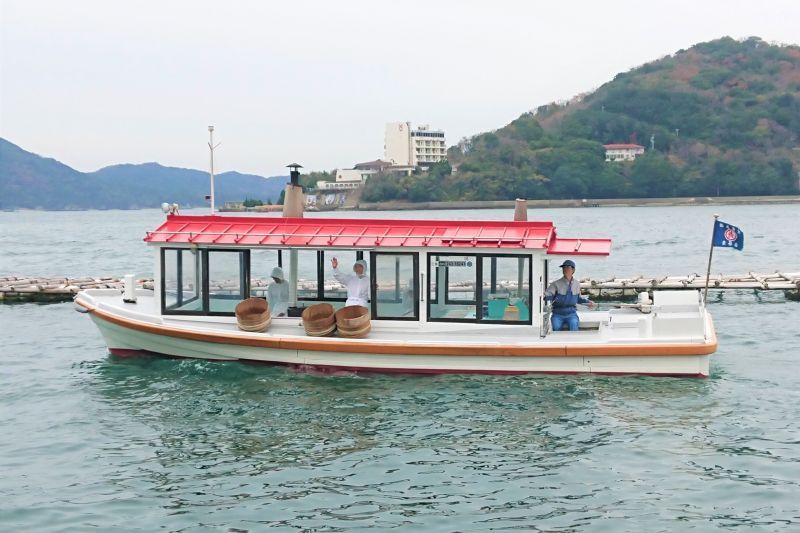
As the boat pulled up with the divers onboard, each woman was introduced and waved to the crowd cheering for them.
Ama divers, in their trademark white diving suits, use no oxygen tanks as they plunge into the cold depths in search of goodies such as shellfish and sea plants. I saw them diving in the freezing waters of late December! Before pearl culturing existed, it was up to them to find shells containing valuable pearls, as well as sea delicacies.
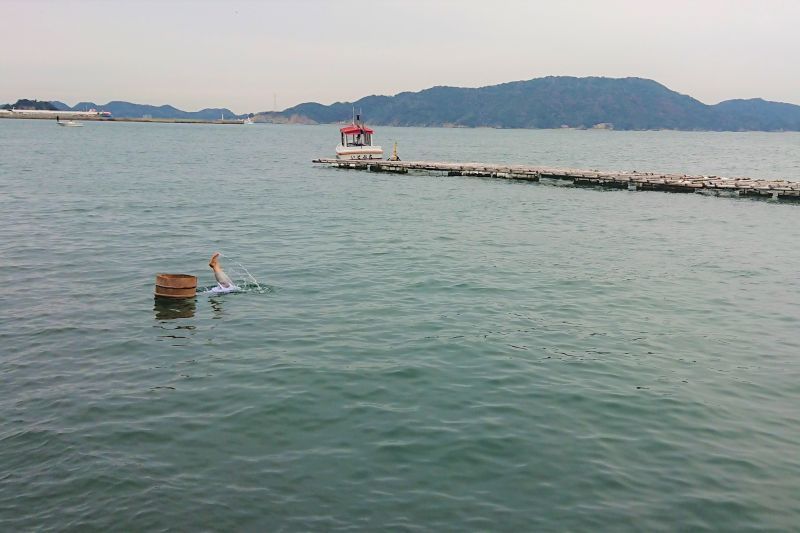
Don’t worry too much about missing the diving show. They perform several times in a day.
They all dove together, grabbing morsels in the deep and surfacing to place them in the floating bucket before going down for more. If you’re interested in ama, and you should be, there’s a documentary about them by the same name that came out in 2016. You can also try the Satoumian Ama Hut Experience, where you get to share a meal with a real ama and try some of the food they collect. And if you’re as lucky as I was, you’ll run into one near the museum!
Ama Hut SATOUMIAN
Ama Hut HACHIMAN
Osatsu-Kamado
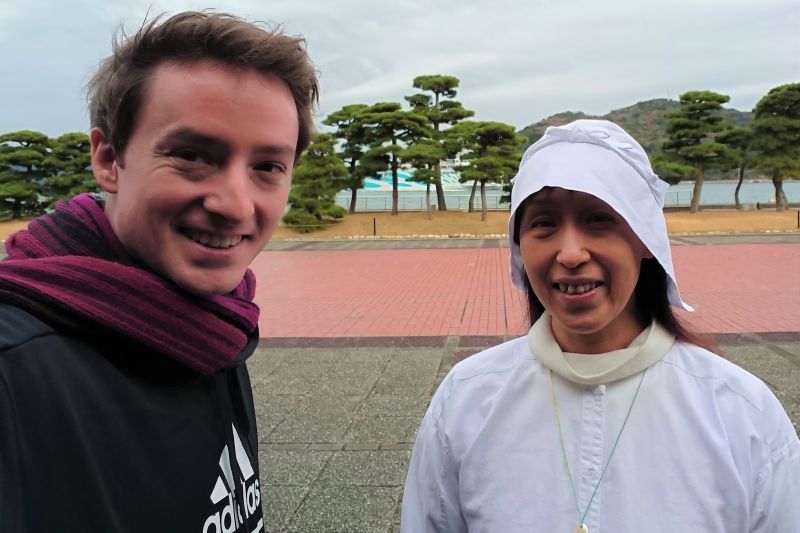
She definitely seemed younger, but many ama are in their sixties! There are some younger divers, but because it’s best if they get into this line of work after graduating high school, not many teenage girls are ready to “dive” into this profession nowadays. See what I did there?
Besides the ama show and the museum, there’s also the Kokichi Mikimoto Memorial Hall. Building Mikimoto Pearls was no small feat, and he didn’t come from wealth. Many people doubted the possibility of producing cultured pearls. Here, you can learn about his personal life and how it all eventually came together to make Mikimoto a world-famous name.
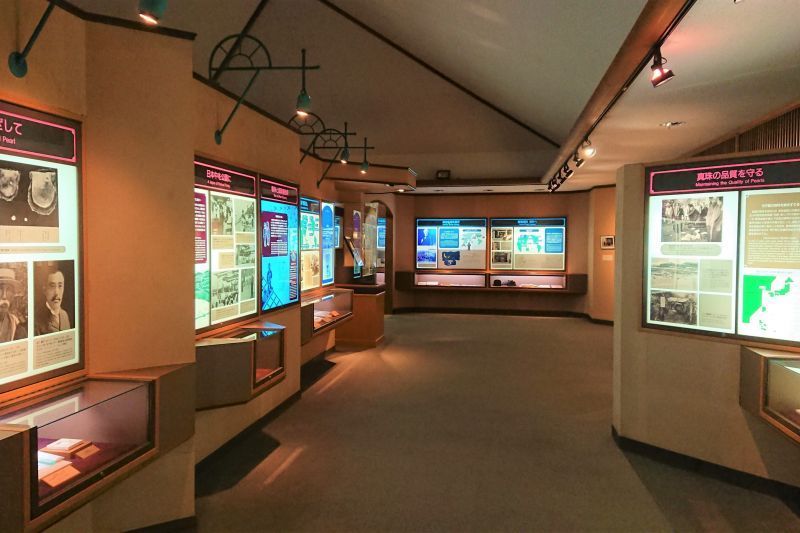
The artifacts and maps here tell a touching, personal story worthy of a feature-length film. Seriously, someone should make this into a movie.
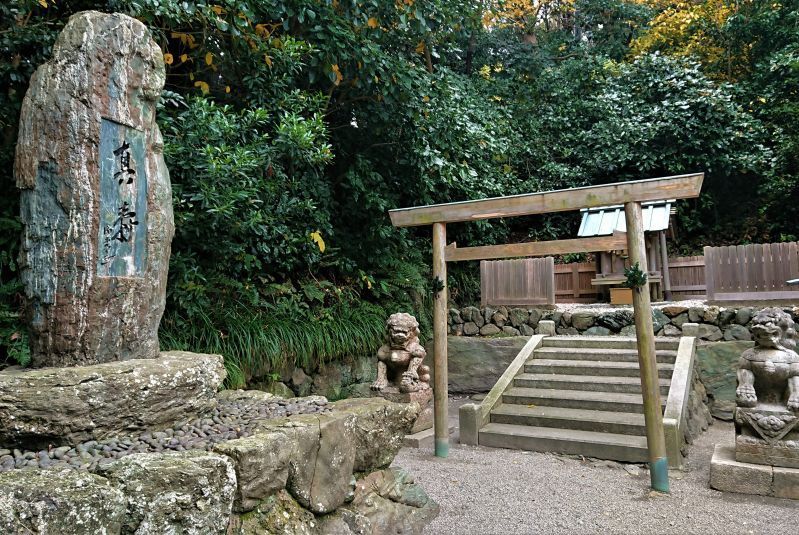
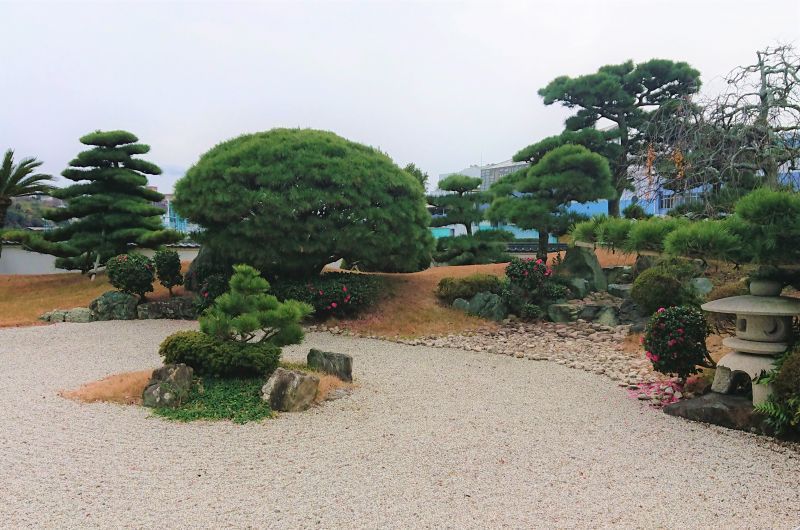
And if you don’t feel like doing anything besides taking a nice walk, the island offers great views of the bay. It even has its own shrine and small gardens here and there, not to mention a cafe and a restaurant.
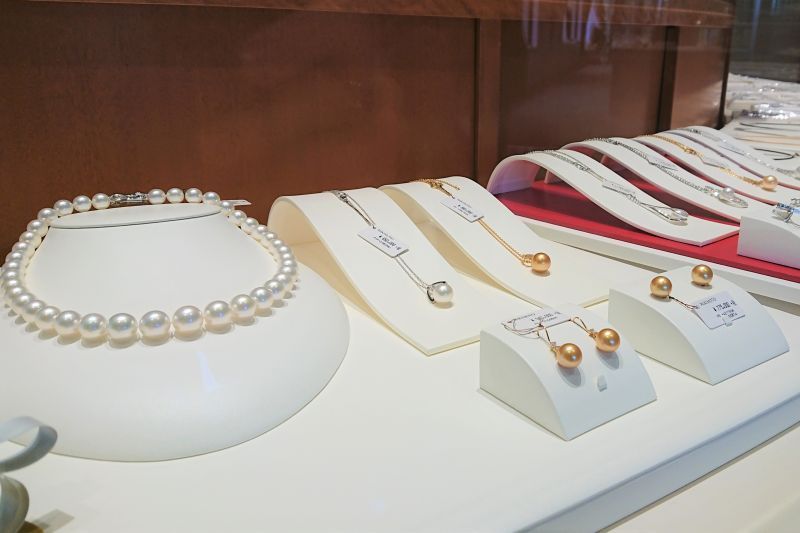
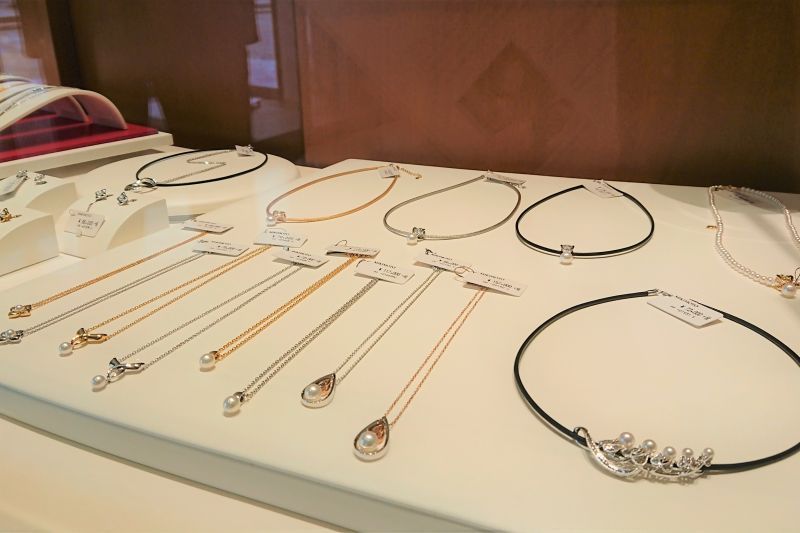
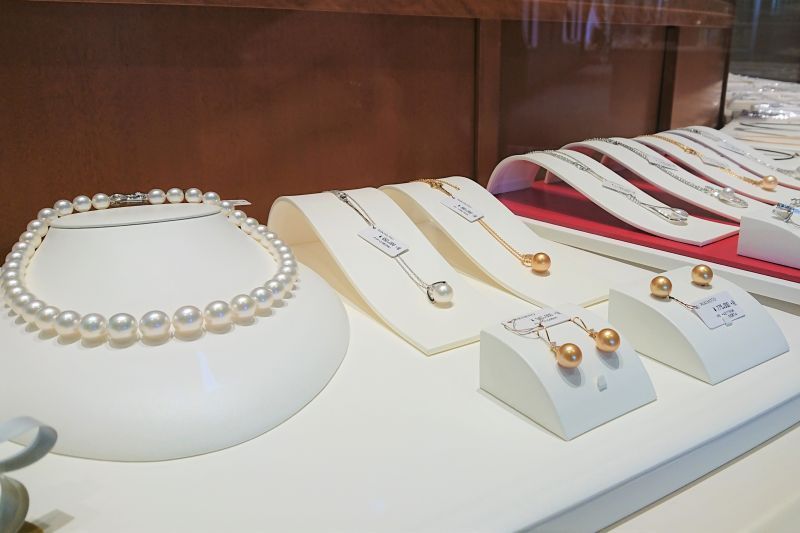
This should be quite obvious by now, but there really is no better place to shop for pearls. They have a huge variety of classic pearl jewelry that would make for a timeless souvenir, or an unforgettable gift. You’ll find some rare and valuable pieces for sale, as well as more affordable options.
Mikimoto Pearl Island is just a few minutes’ walk from Toba Station. Getting to Toba Station from Nagoya, Osaka, or Kyoto takes about two hours by train. Isuzugawa Station, near Ise Jingu Naiku, is only about a 10-minute train ride.
Mikimoto Pearl Island
Address: Toba 1-7, Toba City, Mie Prefecture
Visit the following website for up-to-date opening hours and fees:
https://www.mikimoto-pearl-island.jp/en
<Access>
- From Tokyo
Shinkansen: About 1 hour 50 minutes (Transfer at Nagoya Station)
Regular JR or Kintetsu getting off at Toba Station: About 1 hour 30 minutes
- From Nagoya
JR or Kintetsu getting off at Toba Station: About 1 hour 30 minutes
Related Articles
Akame 48 Waterfalls:A Group of Beautiful Waterfalls Preserved by the Locals
A Day Spent with Ama Divers: Ama Hut SATOUMIAN
Tokaido’s Old Golden Route: Wandering Through Sekijuku and Crafting Candles at Akari
Evolving to Stay the Same: Shikinen Sengu, Ise Jingu’s Largest Ritual