A Day Spent with Ama Divers: Ama Hut SATOUMIAN
Explore Your Interests
2019.12.02
Category :
Area :
Spend a day with ama divers and learn about the seafood they catch, the crafts they make, and experience the stunning costal area where they live and work.
Written by Dan Lewis
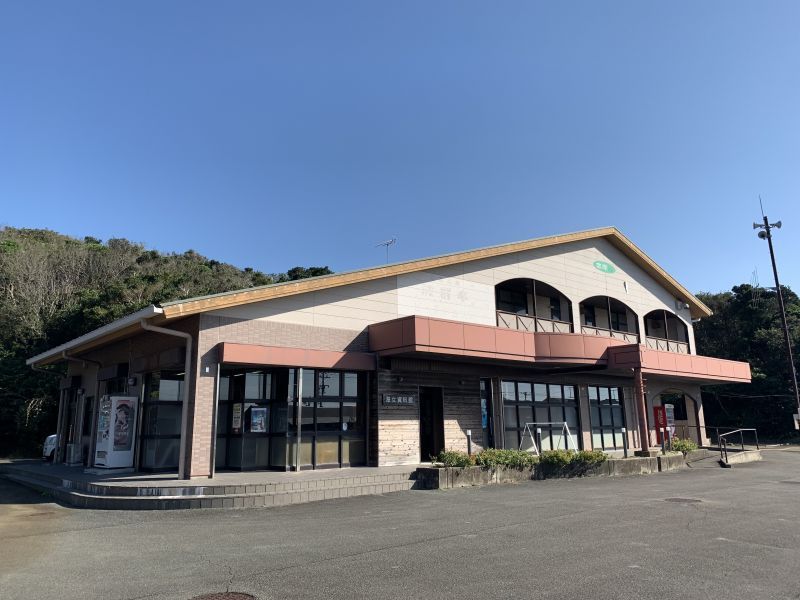
We arrived at the Ama Culture Museum just before lunchtime. It was only a minute walk from a beautiful beach facing the Pacific Ocean. Inside the small museum, we received a brief introduction to ama culture through a video presentation.
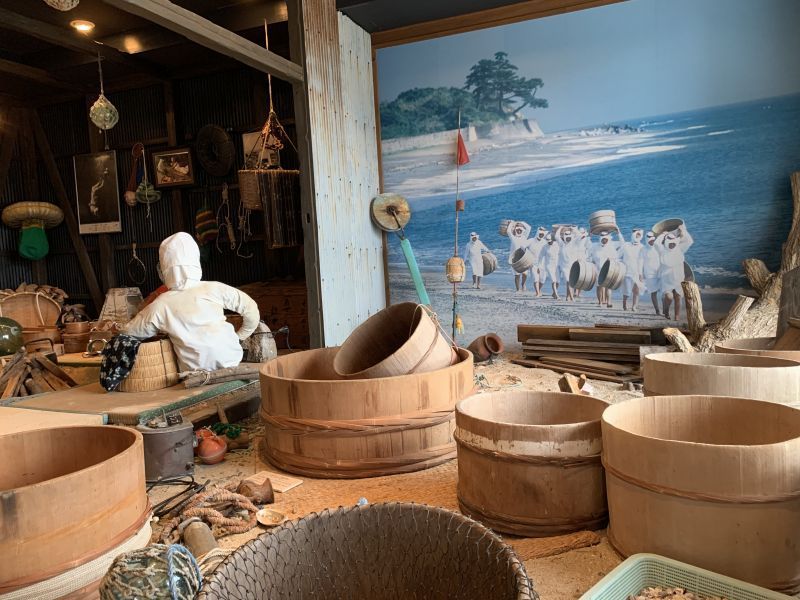
The ama hut serves as a resting place for ama divers after their time in the sea. The photos and exhibits displayed in the main room show how ama divers warm up their bodies after diving, which is something they need do even in the summer. The display gives visitors a good idea of what the inside of a traditional ama hut looks like.
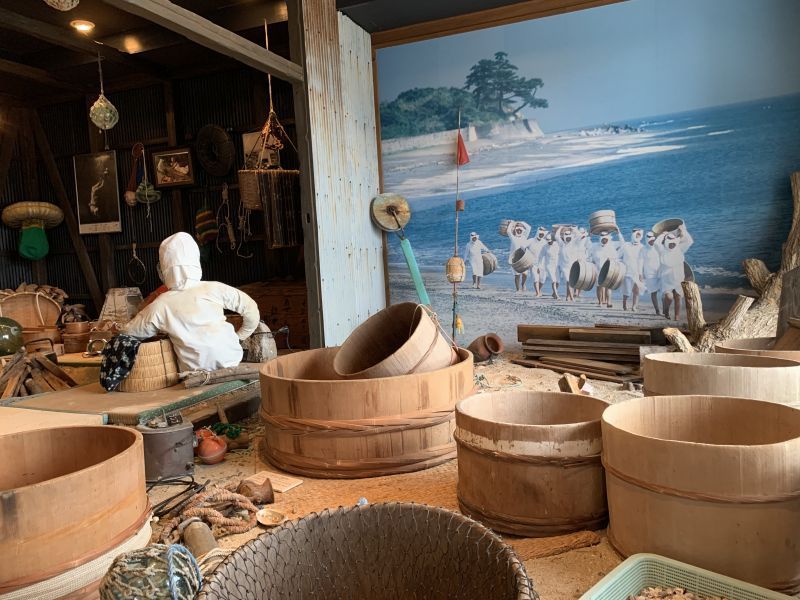
We enjoyed a video presentation about the Shima area, which now serves as a national park. Historically, Shima was designated as a special fishing area to supply seafood for Japan’s royal family. The video gave an excellent background on the local bay, the seafood harvested there, as well as the unique food culture of the surrounding area.
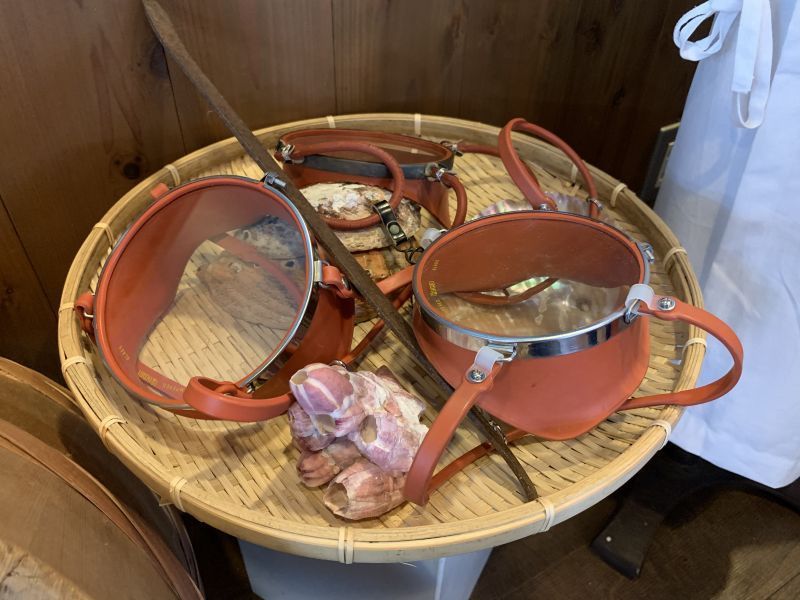
As you learn more, you gain a sense of the strong religious beliefs held by the people of this region and their desire to live in harmony with nature. The locals place great importance on protecting the surrounding ecosystem and maintaining healthy sea life populations.
In addition to being a source of food, Shima is also known for its rich history of pearl cultivation and its wide range of marine sports and activities. I was excited to learn that later in the afternoon, we would get to experience part of the pearl harvesting process firsthand.
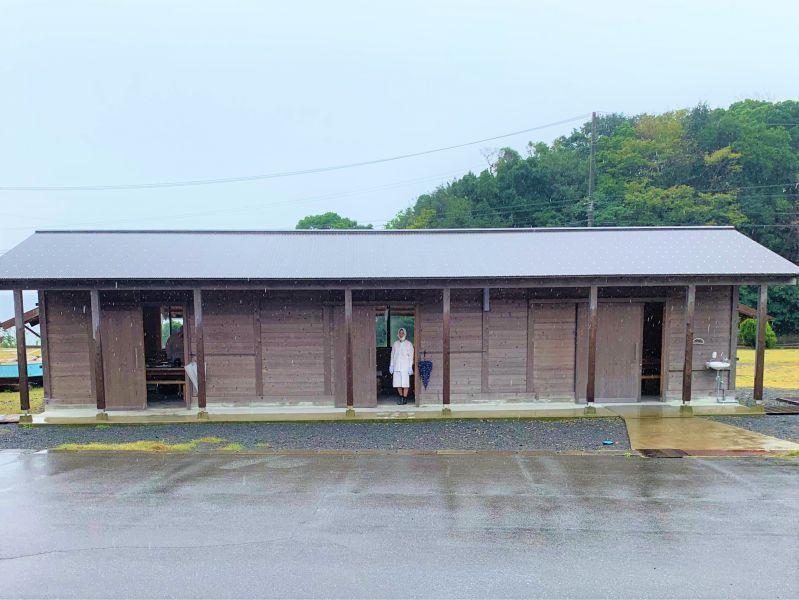
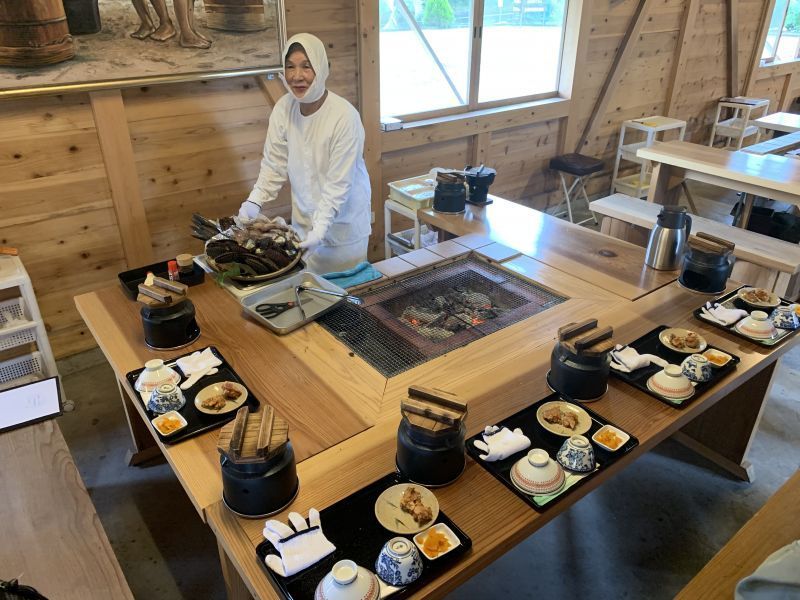
After the short talk and video introduction, we headed across the parking lot to a long, cozy hut where two Ama chefs were waiting for us. They had prepared a generous seafood barbecue and were ready to serve us an authentic ama-style lunch.
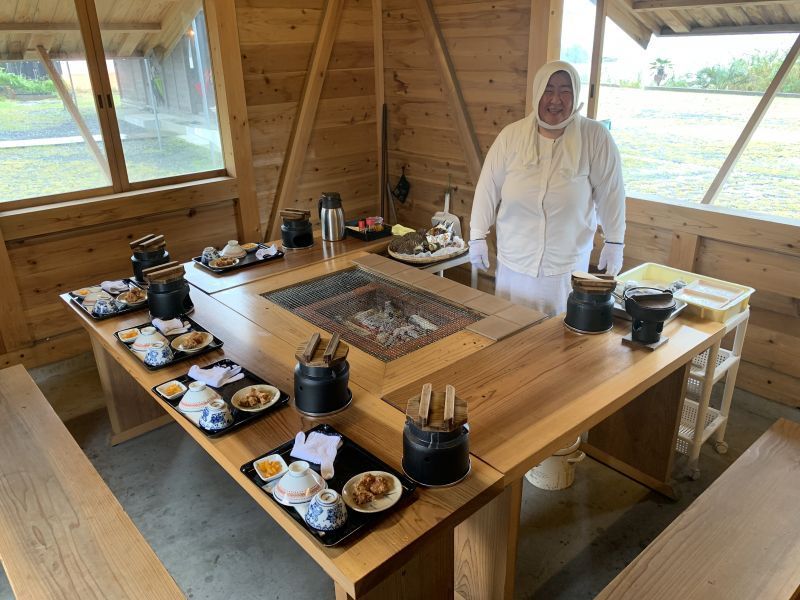
The room was long and had four large tables, each with a grill in the center. The ama chef had space to stand on one side of the table and cook while guests gathered around the remaining three sides.
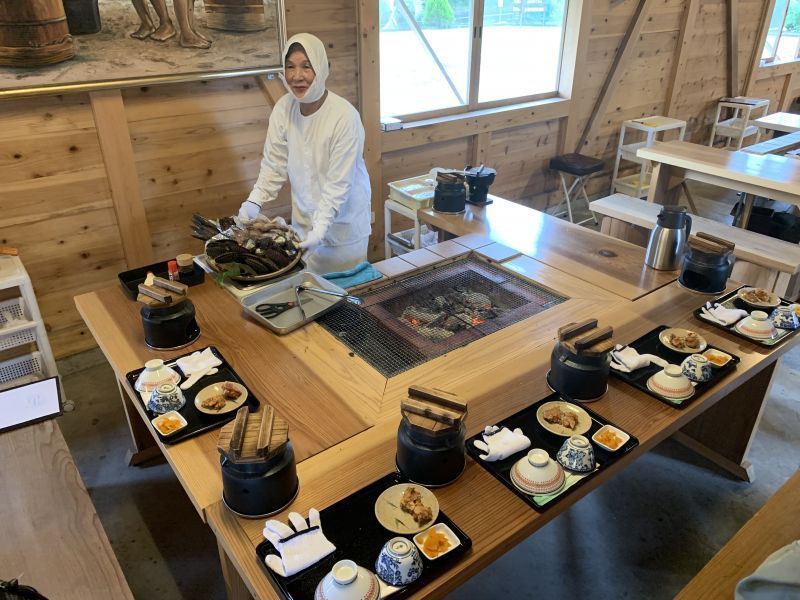
The heat from the grills filled the entire hut, creating a warm and welcoming atmosphere. The smiling ama chefs presented the day’s menu on a large plate and I could immediately tell we were in for a real treat! Their cheerful energy and hospitality made me feel right at home.
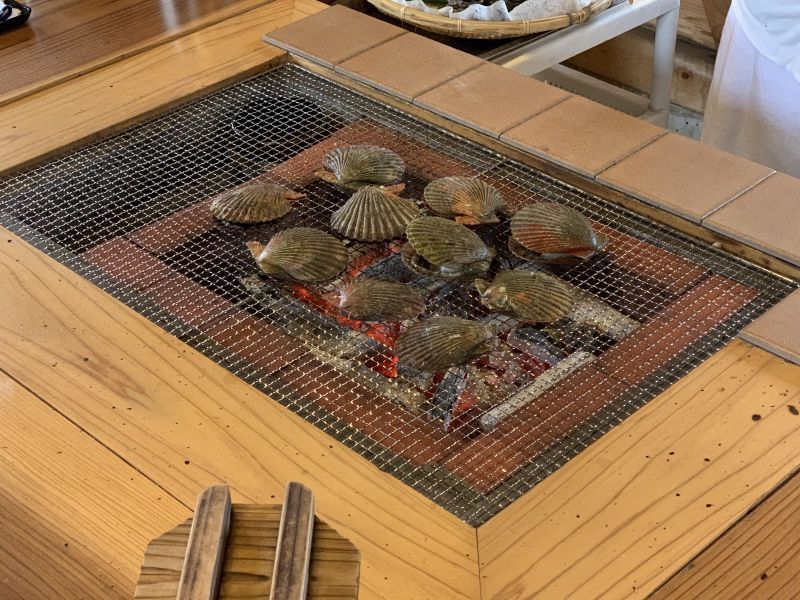
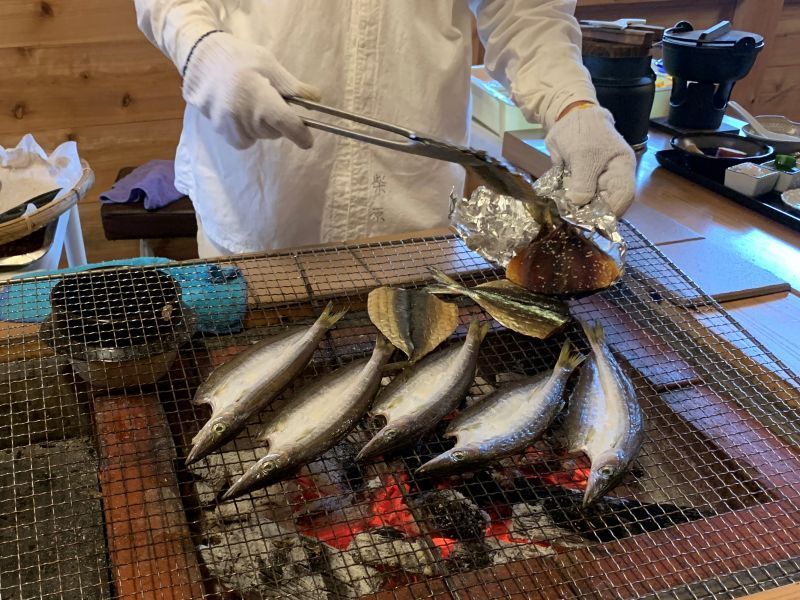
Lunch began, and it was simply one delicious treat after another. There were so many kinds of seafood, and each portion was larger than I expected! I even stepped out of my comfort zone and tried the squid, which, to my surprise, was not tough or chewy at all, but tender and full of flavor.
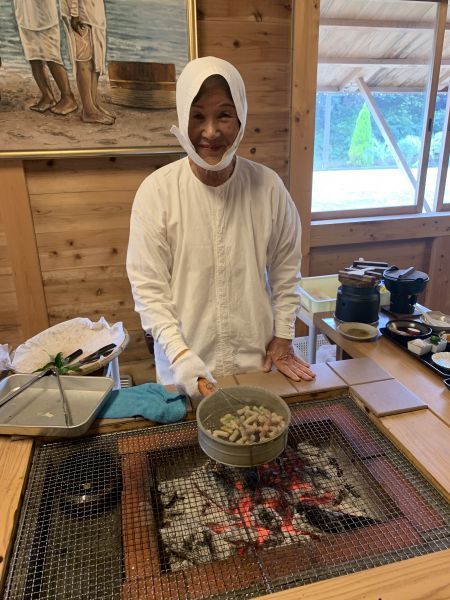
The dishes kept coming one after the other, and soon we were trying to share them with others in our group just to keep up. Just when we thought we were finished, they brought out a plate of fresh fruit and cooked some popcorn-like rice snacks. What a satisfying lunch experience!
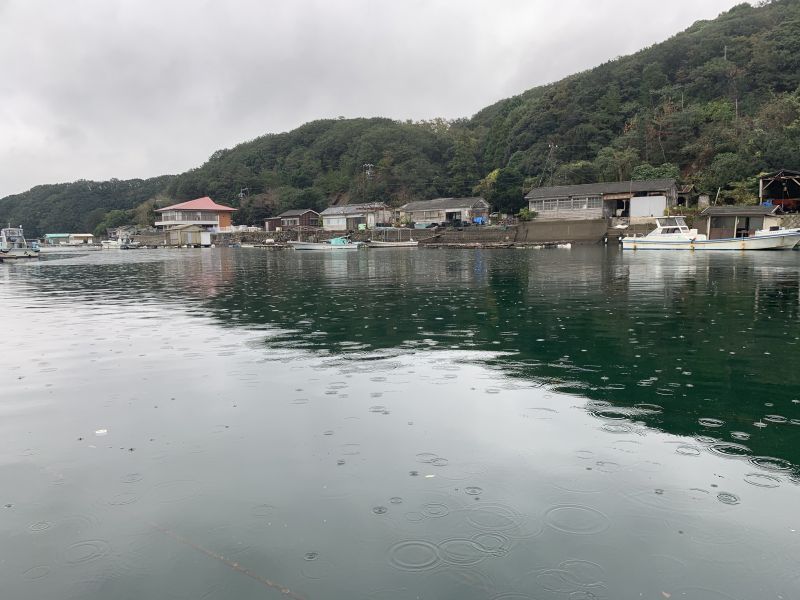
After lunch, we took a short ride to our next stop. Once we had parked, we walked down a narrow road for about five minutes until we reached a harbor. The rain was falling gently, creating pretty rings on the water. We made our way into a small hut by the shore. Inside, plates and tools were laid out, ready for us to harvest...
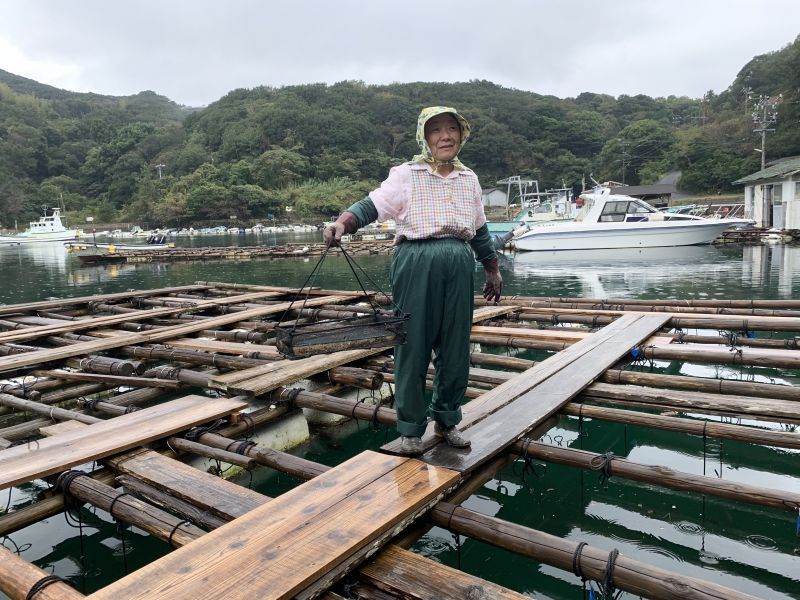
PEARLS! I was super thrilled that we would get to harvest pearls. First, the older ama in charge went down to a large raft floating on the water and pulled up a basket full of pearl oysters.
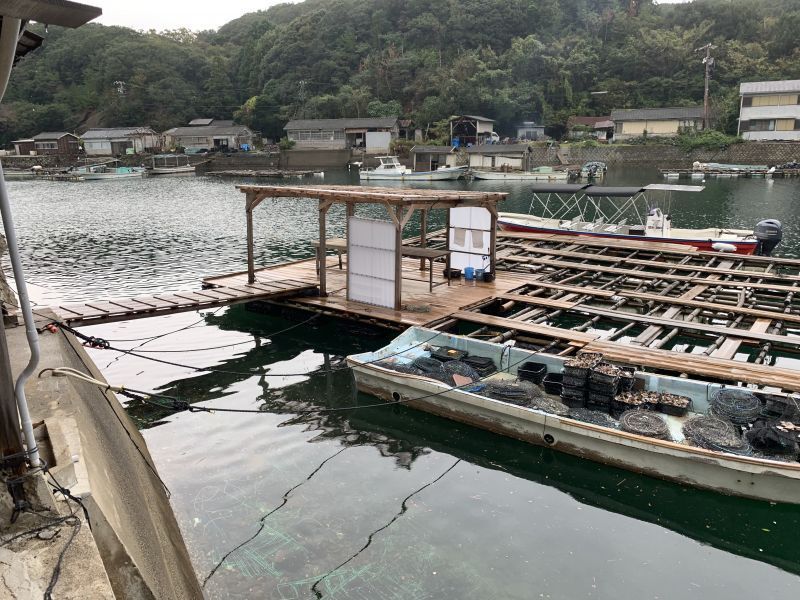
Some of us walked across a wooden plank connecting the raft to land to get a closer look. We heard the ama calling out, “One at a time!”
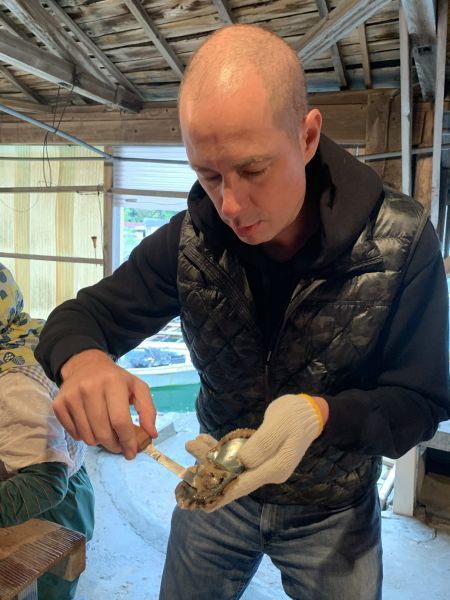
The kind ama showed us how to open the pearl oysters. Honestly, it was much simpler than I had imagined. I inserted my knife between the shells, rotated it from “12:00” to “3:00,” and the oyster popped open, revealing its hidden treasure inside. I had found my first pearl!
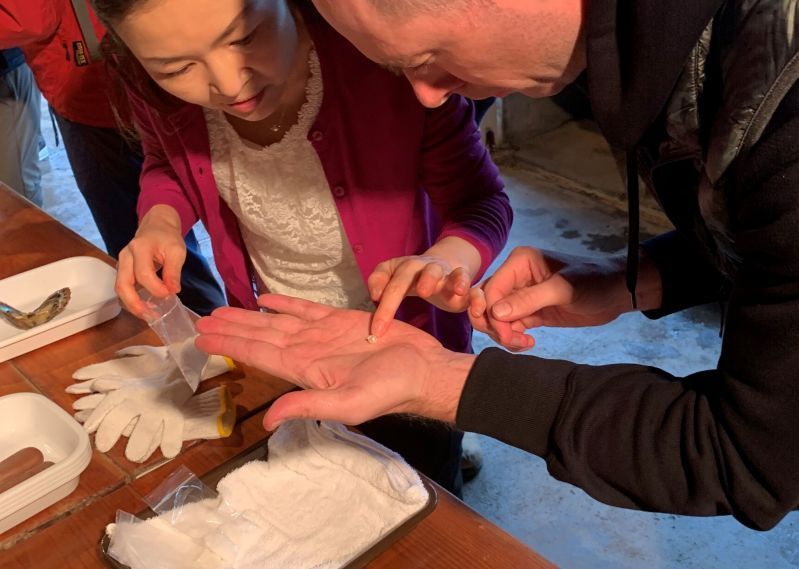
The next step was to clean it with salt and then rinse it with water, resulting in a beautiful, polished pearl. In the picture, the bright, shiny thing I’m holding is the pearl I harvested.
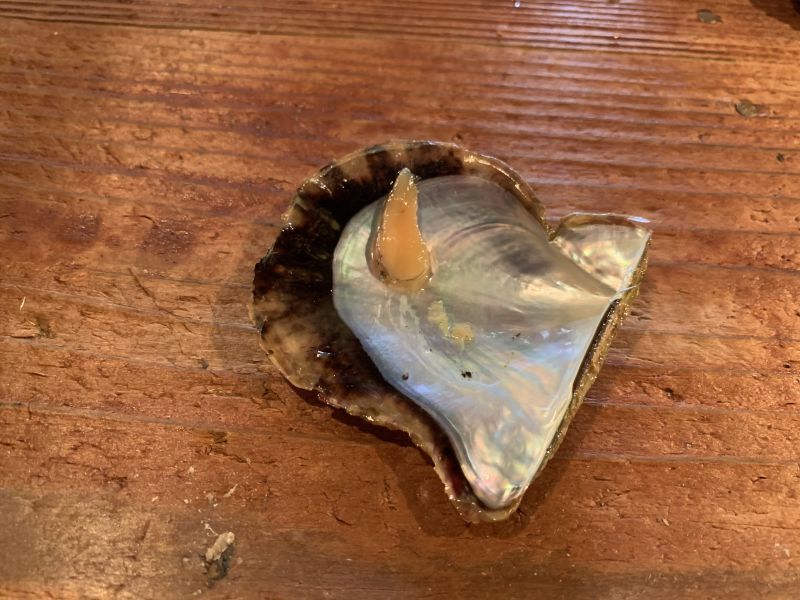
The ama mentioned that the pearl meat, or adductor muscle, is also eaten as a delicacy, as she masterfully prepared several right on the spot. Normally, it sells for 7,000 yen per kilogram (around 29 USD per pound at the time of publication), so it was a special treat for us! Any unused portions were given to the fish, offering a perfect reminder of the concept of “circle of life.”
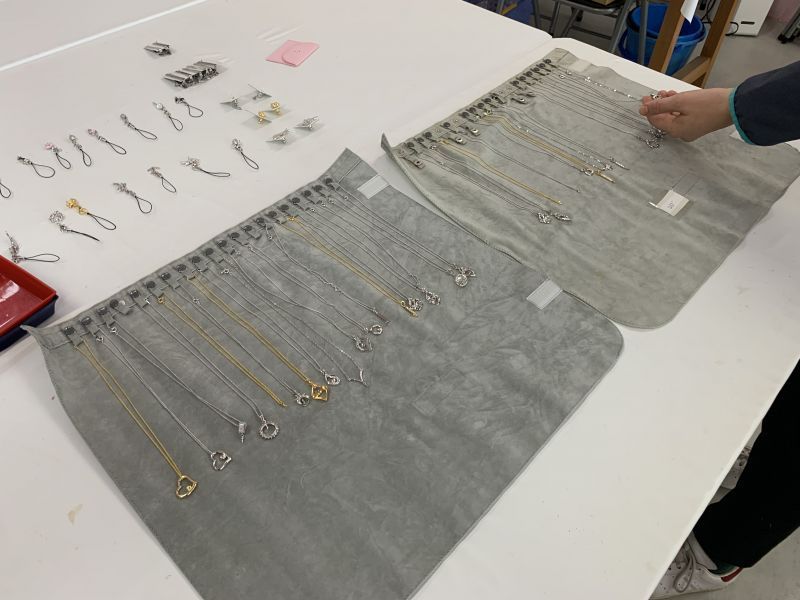
If you didn’t want to eat any, that was ‘hakuna matata,’ and we headed over to a nearby craft room. There, we selected an attachment string and a pouch to make our own unique pearl accessory. I was honestly surprised, as I had thought the experience would end with me receiving my pearl souvenir.
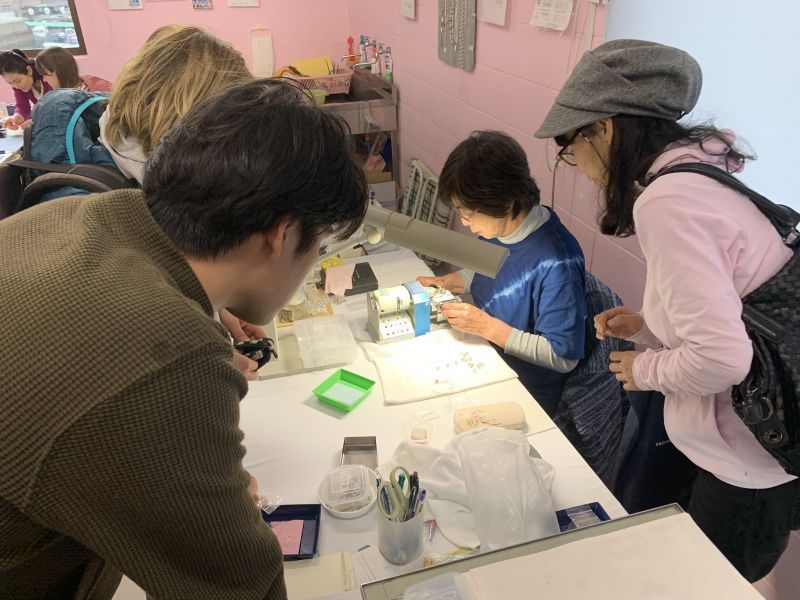
One staff member pierced the pearls so they could be attached to the accessories we had chosen. Another used some kind of epoxy to fasten the pearls, added some tape and told each of us to keep it that way for an hour. That was it! The activity ended with a short explanation of how pearls are cultivated and harvested.
Please note that this pearl harvesting experience can be enjoyed only in winter, during harvest season. Summer is reserved for cultivation, so be sure to check before you go.
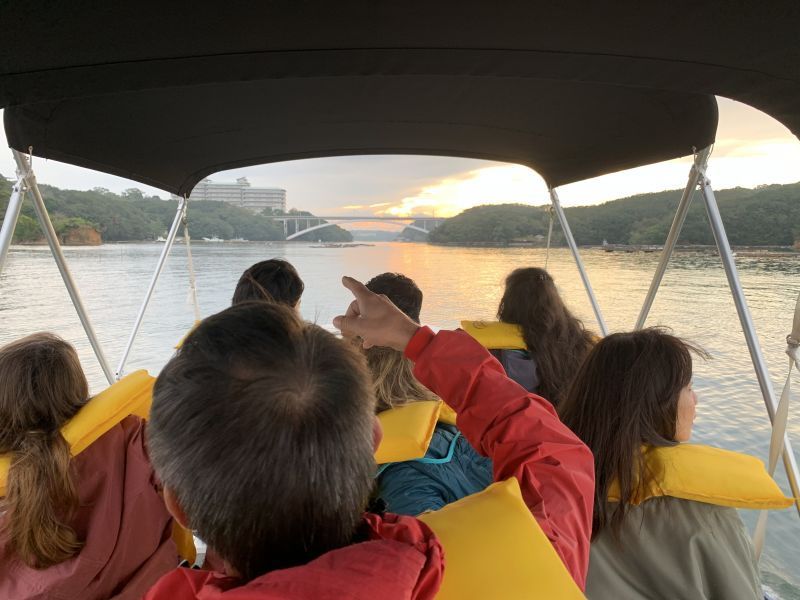
Next, we moved on to our final activity of the day: cruising around Ago Bay. This was such an enjoyable ride. We toured the bay in a small 10-seater boat, listening to a brief history of the area with the help of a translator.
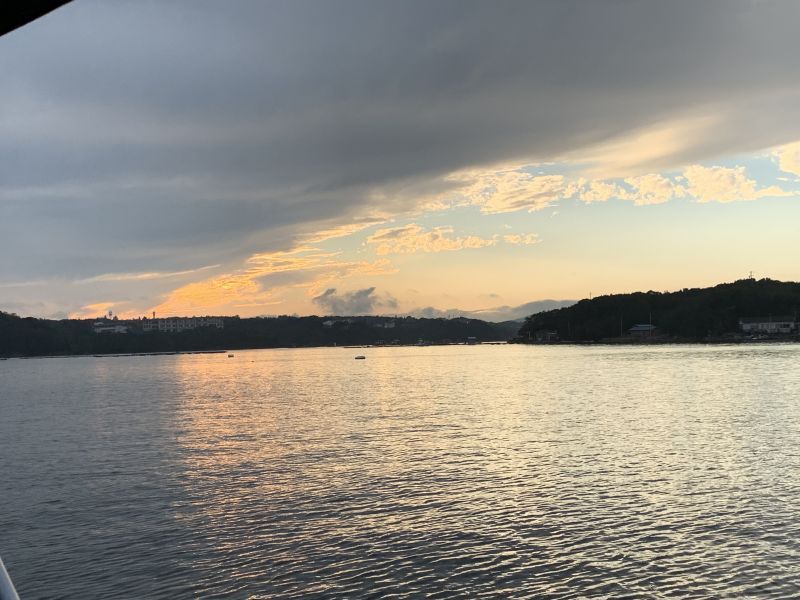
As the sun hid behind clouds, the air felt noticeably cooler. I touched the water as we sped along and was surprised to find it warmer than the air! We enjoyed a beautiful sunset while taking in the beauty of Ago Bay and reflecting on all the fun experiences of the day.
Related Articles
Tokaido’s Old Golden Route: Wandering Through Sekijuku and Crafting Candles at Akari
Evolving to Stay the Same: Shikinen Sengu, Ise Jingu’s Largest Ritual
One-Day Itinerary: Experience Japanese Culture and History in the Ise-Shima Area of Mie Prefecture
Exploring Ise Jingu: Japan’s Most Sacred Shinto Shrine