The “Thousand Rice Terraces” of Maruyama Senmaida
Explore Your Interests
2021.09.03
Category :
Area :
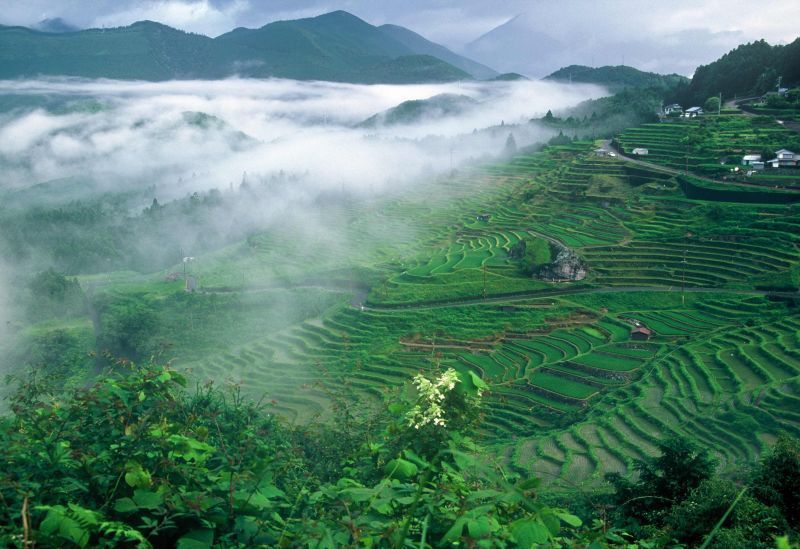
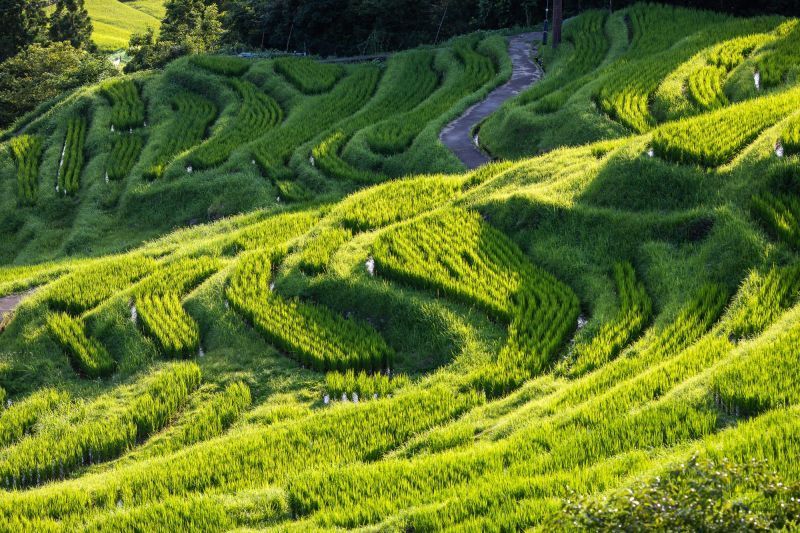
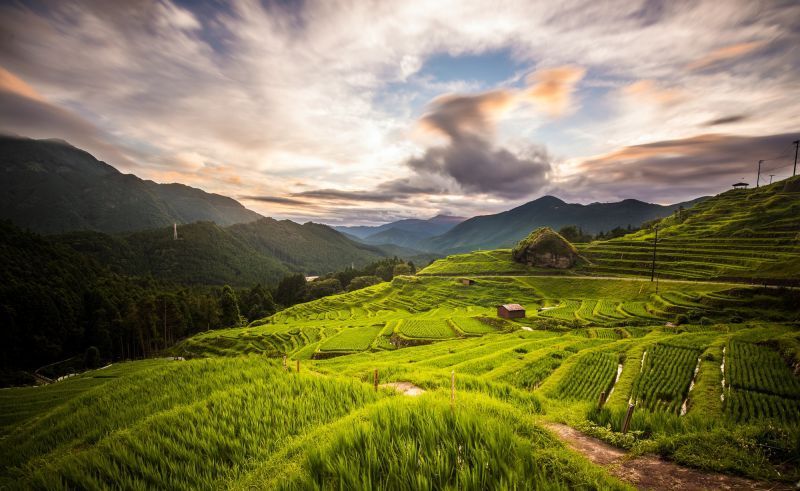
When you picture the rustic past of ancient Japan, chances are you think of rice terraces flowing down mountain slopes, their waters shimmering in the sun and lush green leaves swaying in the breeze. Such fields, called “tanada,” are often thought of as Japan’s “original scenery,” a timeless view once fairly common across Japan’s hilly regions.
Written by Ren Wong
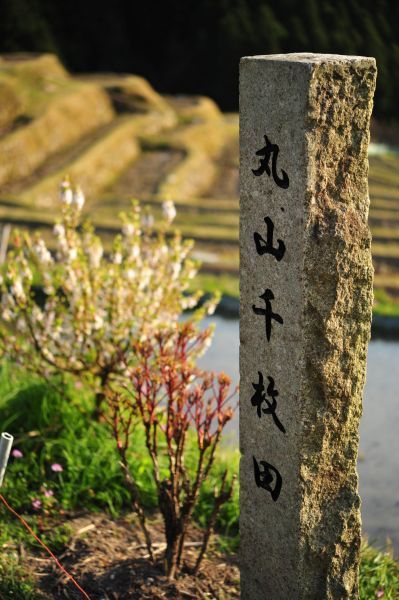
Yet today, many of these landscapes are disappearing under the pressures of mechanized agriculture and an aging rural population. Even so, some places continue to preserve this heritage with remarkable devotion—one of them being the breathtaking Maruyama Senmaida in Mie Prefecture, where the beauty of tanada and the traditions surrounding it continue to thrive.
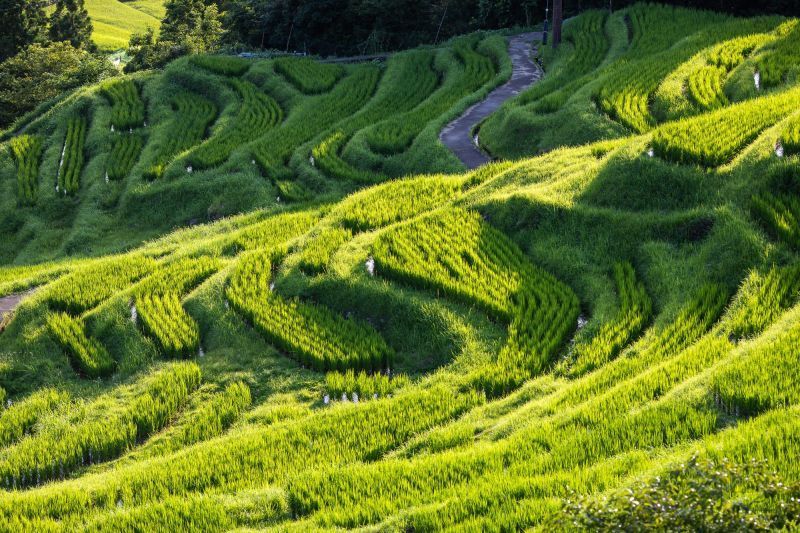
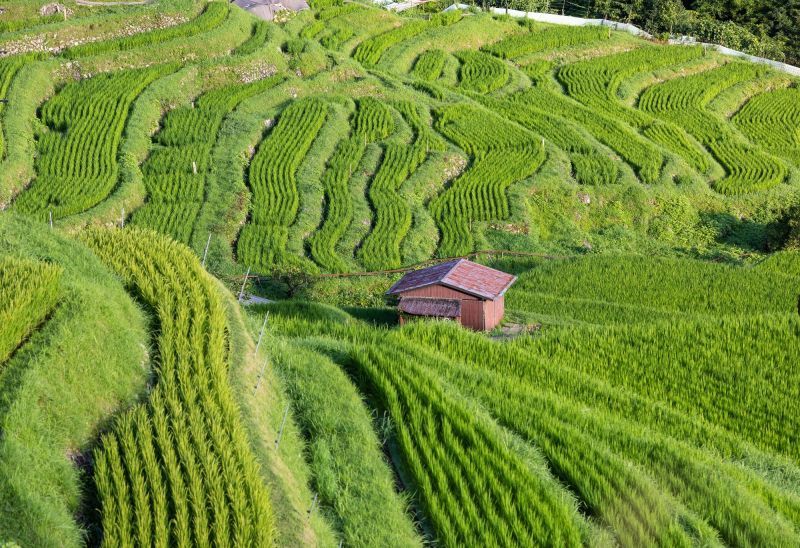
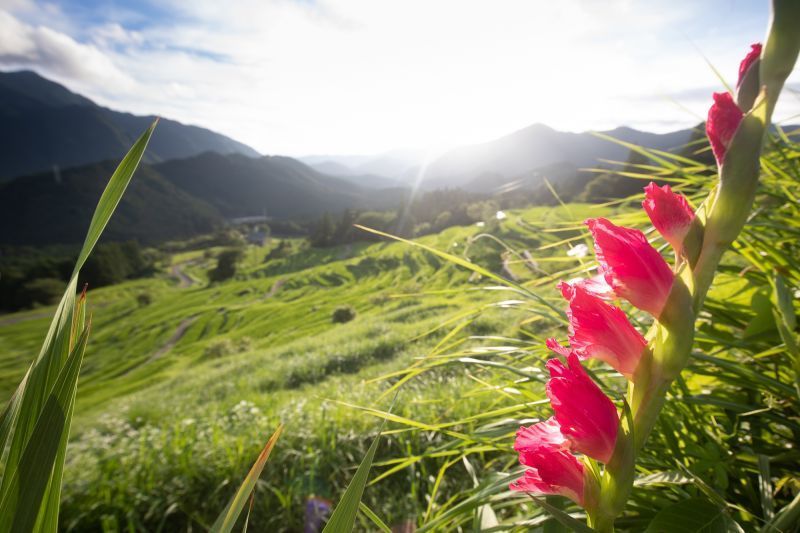
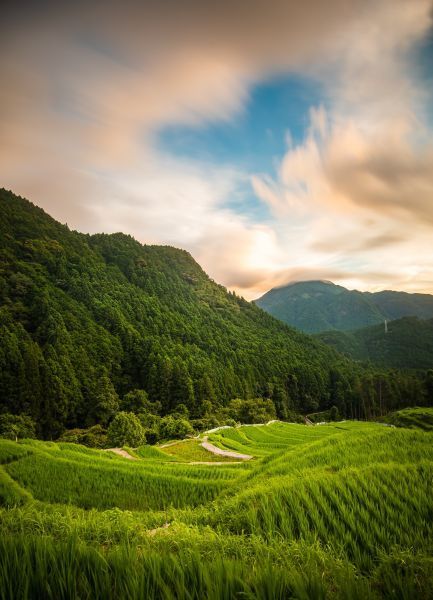
This region in Mie, considered among the most picturesque in the nation and listed as one of “Japan’s top 100 terraced rice fields,” is called “Sen Mai Da,” meaning “one thousand fields.” However, that is an understatement because 1,340 terraces of every imaginable shape and size are carved into the southwestern slope of Mount Shirakura. Remarkably, this vast network is only a shadow of its former scale. Records show that four centuries ago, 2,240 terraces blanketed this mountainside. Imagine the painstaking labor required to build these stone-walled paddies layered across a 150-meter elevation difference. It makes complete sense why people refer to them as “Japan’s pyramids,” monuments of human perseverance and ingenuity.
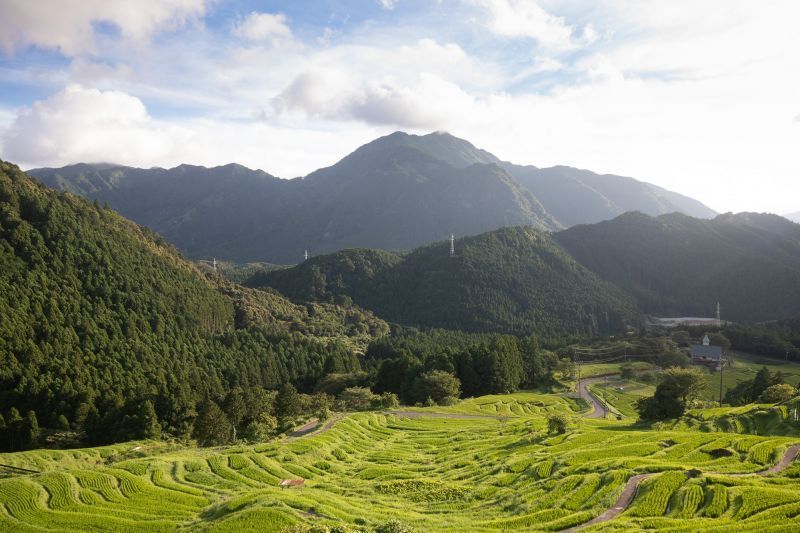
Rice cultivation in the Maruyama area is said to have developed to serve the town which grew around the Kiwa-cho mine. In addition, the dramatic temperature shifts between day and night create ideal airflow for farming, and for generations the terraces flourished. The winds of history, however, were not as kind. The mine eventually shut down, and the terraces began to disappear slowly, and by the 1990s, only around 500 remained. It was then that local residents united to protect what remained. They formed an organization dedicated to preserving and restoring the Senmaida, a mission they continue with great pride today. Thanks to their efforts, the terraces have regained much of their former beauty, and the cultural heartbeat of Maruyama grows stronger each year.
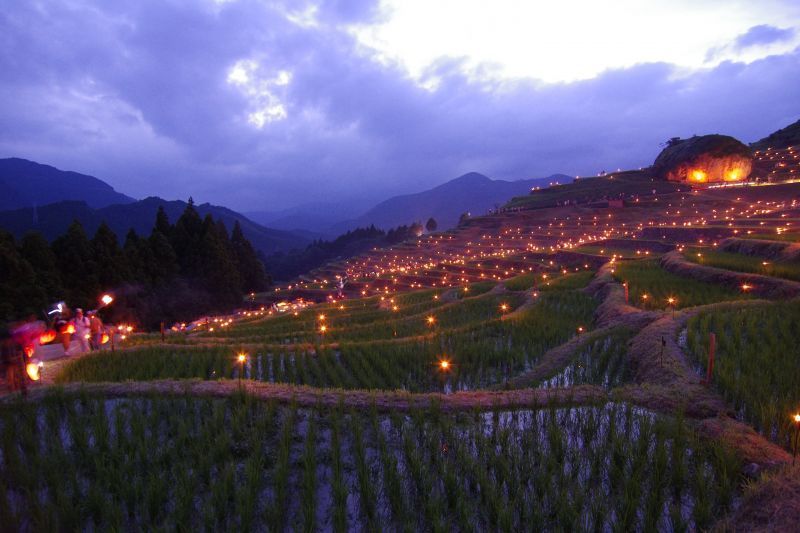
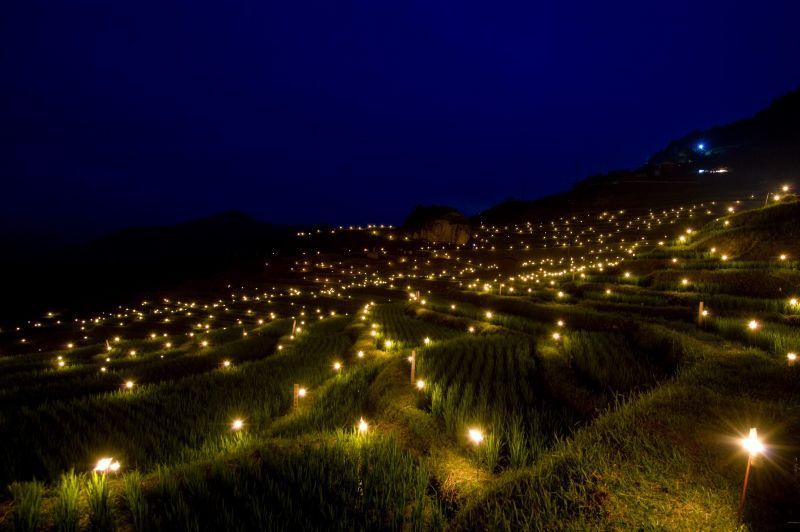
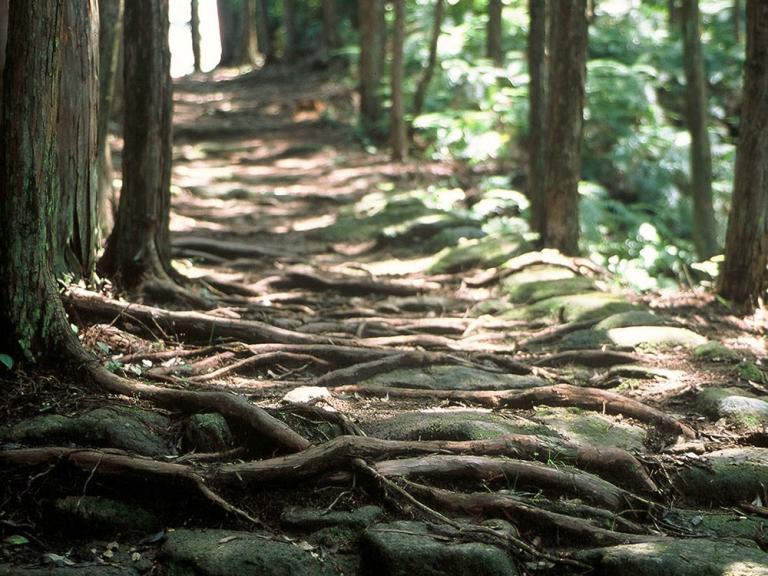
The designation of the Kumano Kodo Pilgrimage Routes as a World Heritage site also helped turn the tide. One of the most striking viewpoints of Maruyama Senmaida is the Tori-toge Pass found along the Kitayama-michi Path, a branch of the now protected pilgrimage route to Kumano Hongu-Taisha Shrine. This renewed attention also breathed life back into cherished local traditions, including the festival held each June called “Mushi Okuri,” meaning to “bid insects farewell.” Long before the invention of pesticides, villagers lit hundreds of candles throughout the terraces to protect the crops. Today, more than 1,300 flames flicker across the winding fields, blending with reflections of evening stars in the water-filled paddies. The result is a dreamlike panorama of light, and an unforgettable return to the Japan of centuries past.
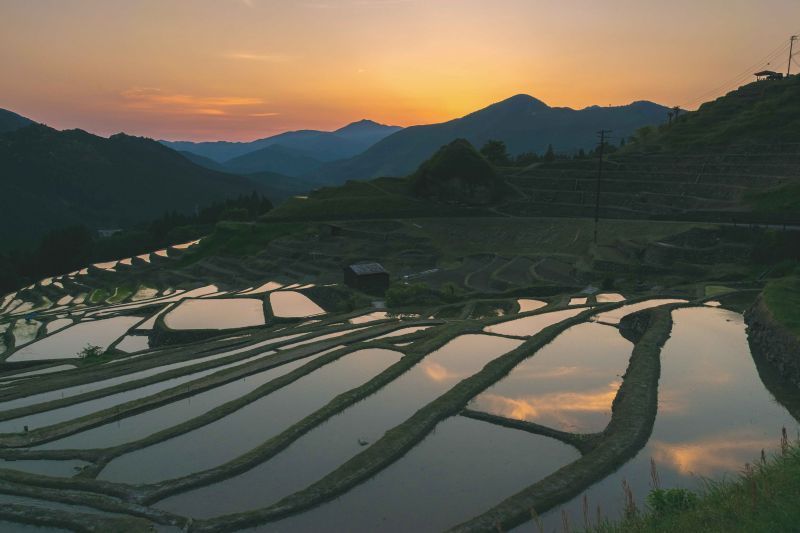
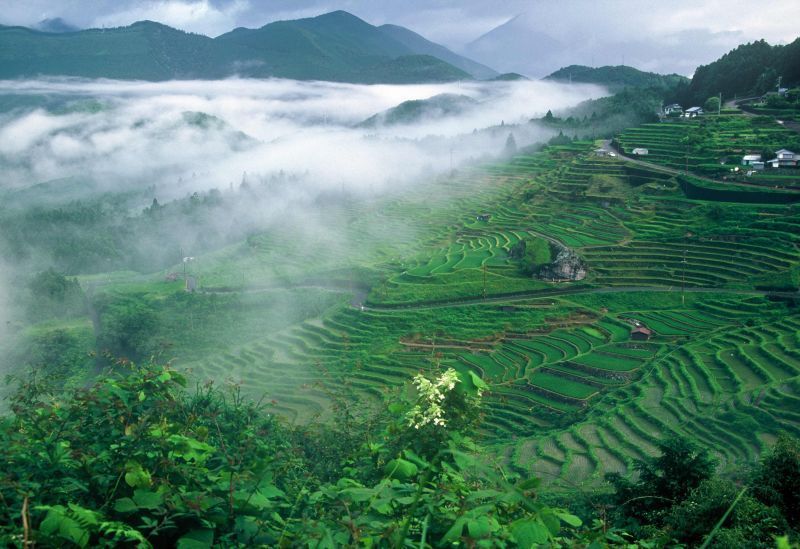
Although June’s illuminated terraces are particularly enchanting, Maruyama Senmaida offers spectacular scenery year-round. From May to July, the water-filled terraces transform the mountainside into a tapestry of glassy mirrors, each one reflecting its own fragment of the sky. Even one sunset is beautiful enough by itself, but reflected a thousand times over, it becomes a breathtaking sight you should experience yourself. Many, however, prefer the early morning when thick valley fog drapes the mountains and slowly dissipates, revealing the terraces curve by curve as the mist rises off the hillside. Drivers should be extra cautious along the stretch of Prefectural Road 40 where suddenly the view opens and the Senmaida appear. This stunning view may make it difficult to stay focused on the road.
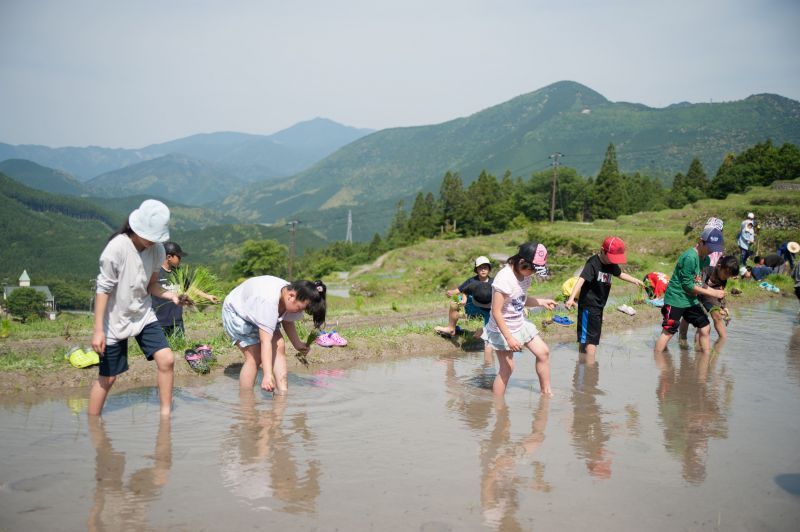
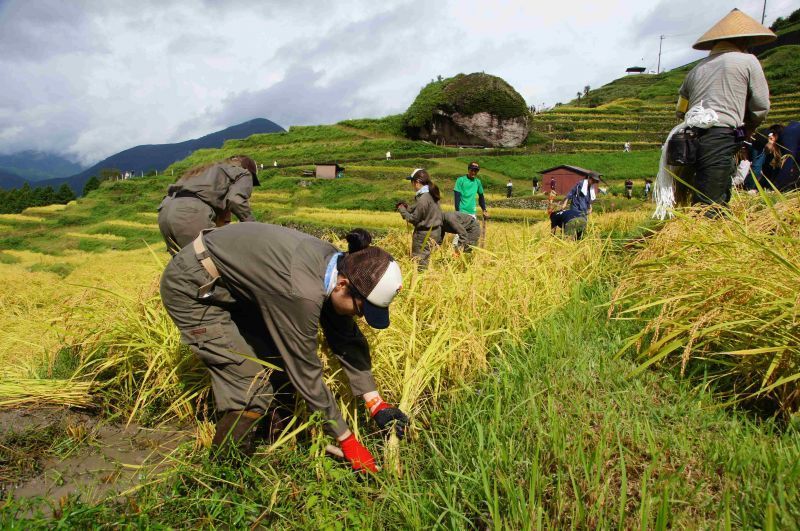
For anyone who yearns for a deeper relationship with this old-world charm, the “owner system” is an open invitation. Under this system, anyone can adopt a field, become an active part of this community, receive a share of the harvest, and learn cultivation under the guidance of villagers. Because tanada are too delicate for machinery, nearly all work, from planting to harvesting, is done by hand. Over 100 owners sign up each year, many coming from urban areas seeking to reconnect with nature, heritage, and Japanese food culture at its roots.
Hopefully the efforts of these owners will succeed. Beyond their beauty, rice terraces play an essential role in the environment. By catching rainfall, they help prevent landslides, protect the soil from erosion, and support rich biodiversity. However, their principal benefit may be intangible–the quiet wisdom they offer about resilience, harmony with nature, and the value of traditions passed from one generation to the next.
https://www.maruyamasenmaida.jp/
Related Articles
Four Famous Mie Flower Spots for Early Summer: Japanese Irises and Hydrangeas
Nabana no Sato - A One-of-a-Kind Feast for the Senses!

Kumihimo: Learn the Ancient Japanese Art of Braiding at Kumi no Sato
The Lustrous Center of the Pearl Universe: Mikimoto Pearl Island