Autumn at Akame 48 Waterfalls: Colored Leaves, Stunning Waterfalls, and Fantastic Night Lights
Explore Your Interests
2021.11.30
Category :
Area :
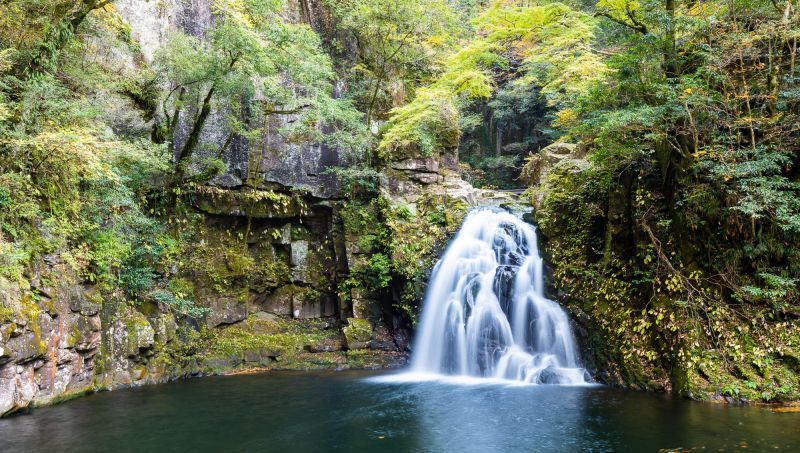
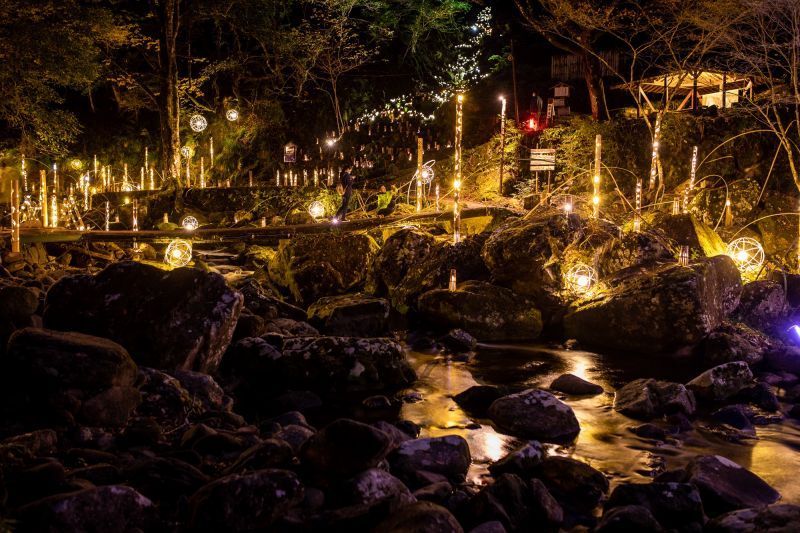
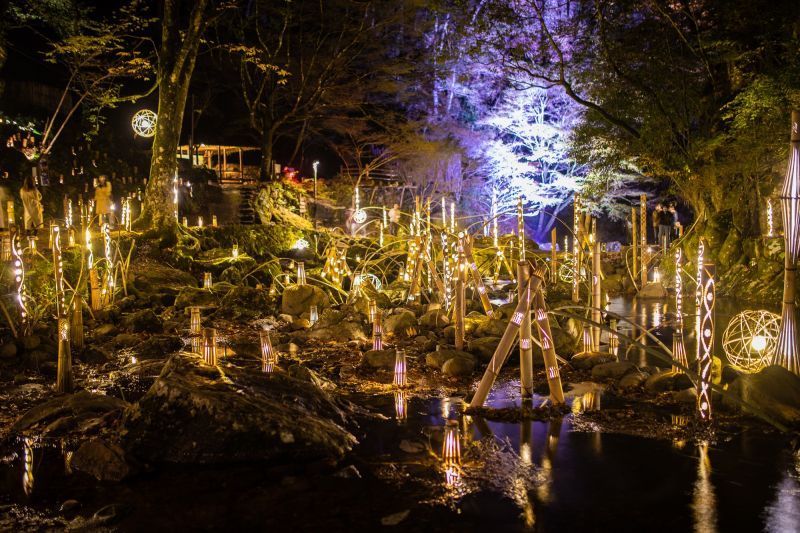
This valley is located in the mountains on the border of western Mie and eastern Nara Prefecture, and is part of the Muro-Akame-Aoyama Quasi-National Park. On this trip, I went to see the beautiful scenery that can only be enjoyed in autumn and winter.
Written by Pete Leong
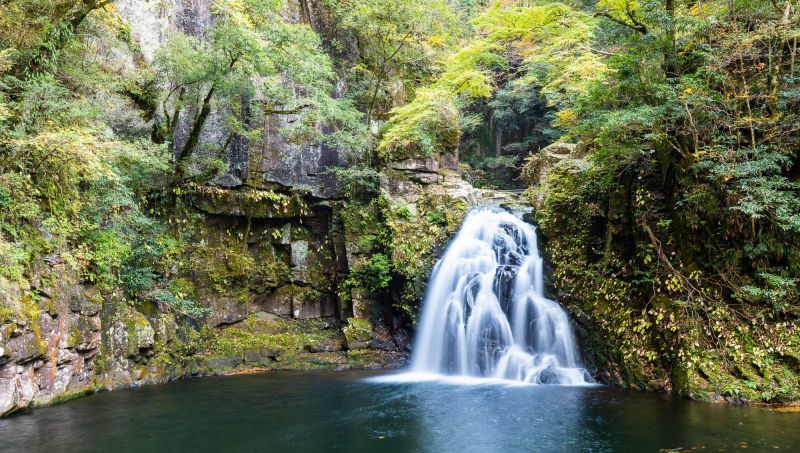
On the walking trails, you can see 23 main waterfalls. The area has been ranked as one of the Top 100 Waterfall Spots and also chosen as one of the Top 100 Places for Forest Bathing in Japan. Here, you can enjoy the changing seasonal scenery of cherry blossoms, fresh greenery, and autumn leaves while walking along the trails.
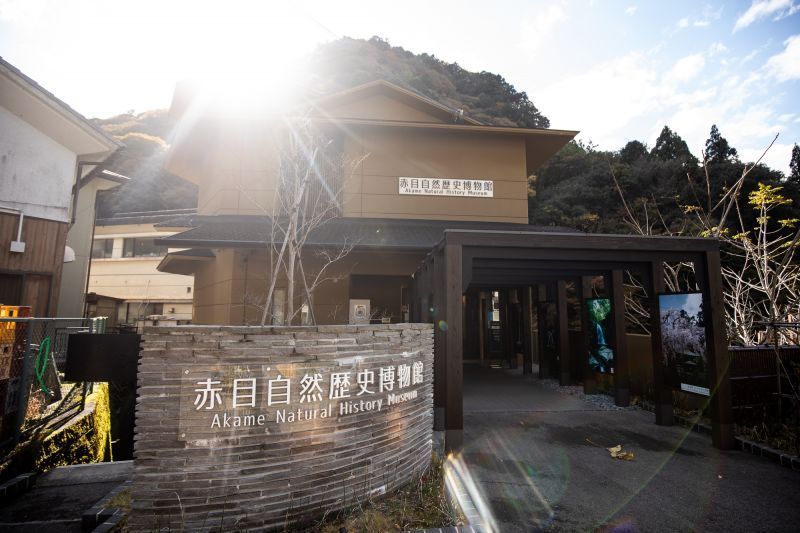
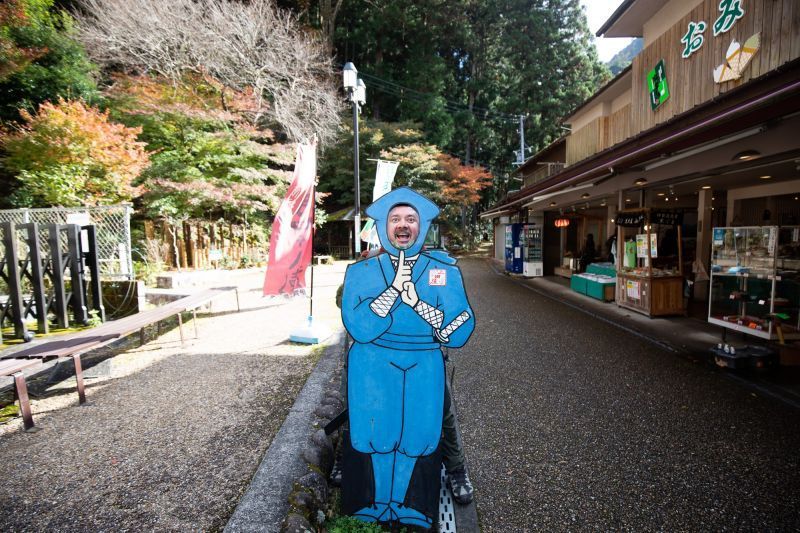
There is also the Akame Museum of Natural History, where you can learn about the region’s rich nature and fascinating history, including its connection to ninjas. Although I didn’t experience it this time, it is said that ninjas used to train in this area, and you can still experience “ninja training” and yamabushi (mountain monk) training here.
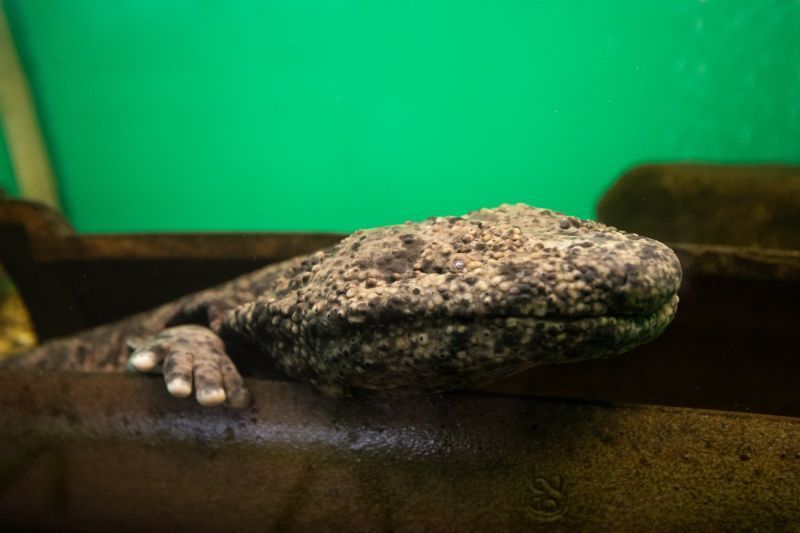
In this beautiful natural setting, the Japanese giant salamander, one of Japan’s rarest animals and a Special Protected Species, dwells in the clean waters. At the Akame Waterfalls Aquarium, located by the entrance to the main trail, you can observe their unique appearance and ecology.
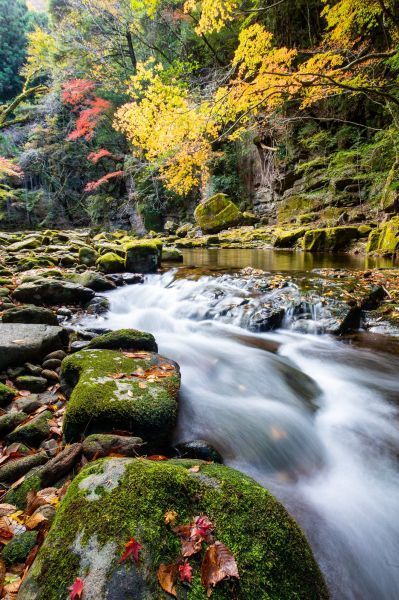
The best time to see the autumn leaves at the Akame 48 Waterfalls is usually from the end of October to mid-November. When we visited in early November, the leaves were still vibrant and beautiful.
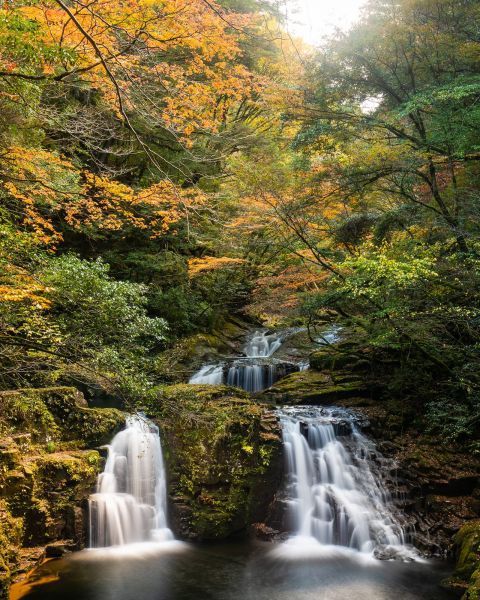
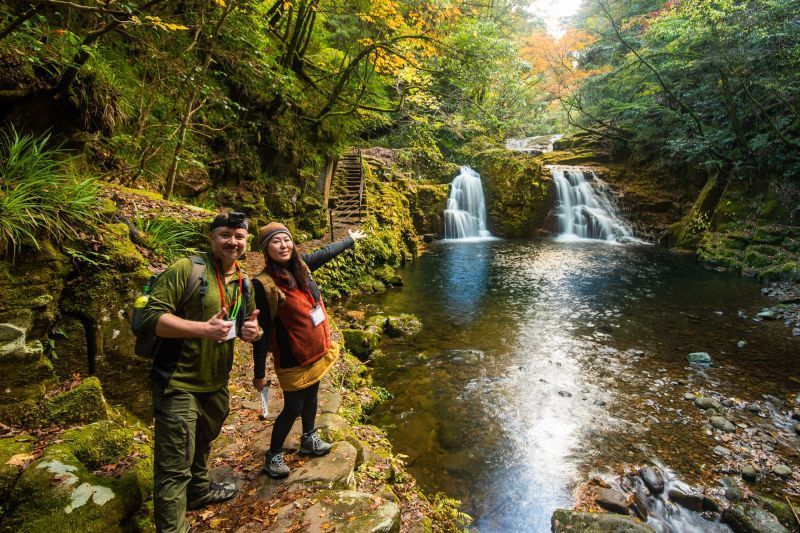
Along the trail, we passed many beautiful waterfalls, but if I had to choose, the highlight would be Ninaidaki Waterfall, about an hour and ten minutes of walking from the trailhead. This impressive waterfall has multiple cascades framed by colorful autumn trees, and I just had to stop and take a few photos here. Unfortunately, we couldn’t make it to the last few waterfalls as daylight was fading, and the park staff suggested we make our way back before it got too dark. So, be sure to arrive early if you want to make it to the end of the trail to see all the falls.
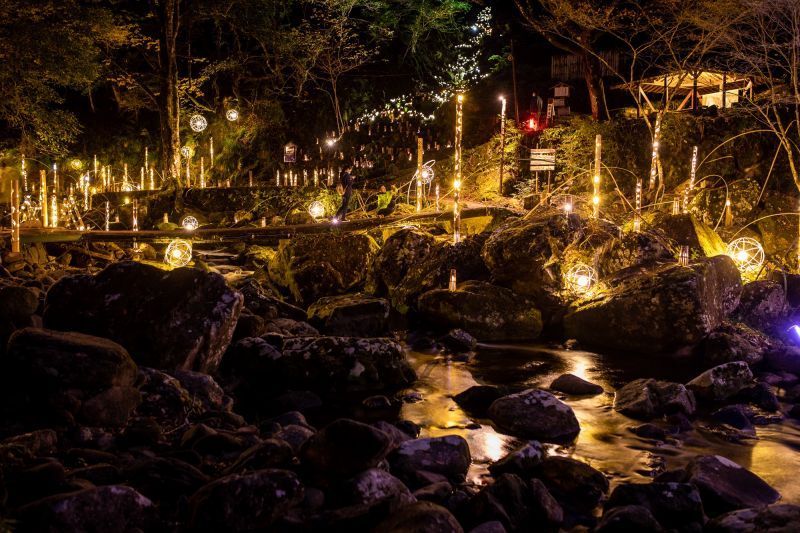
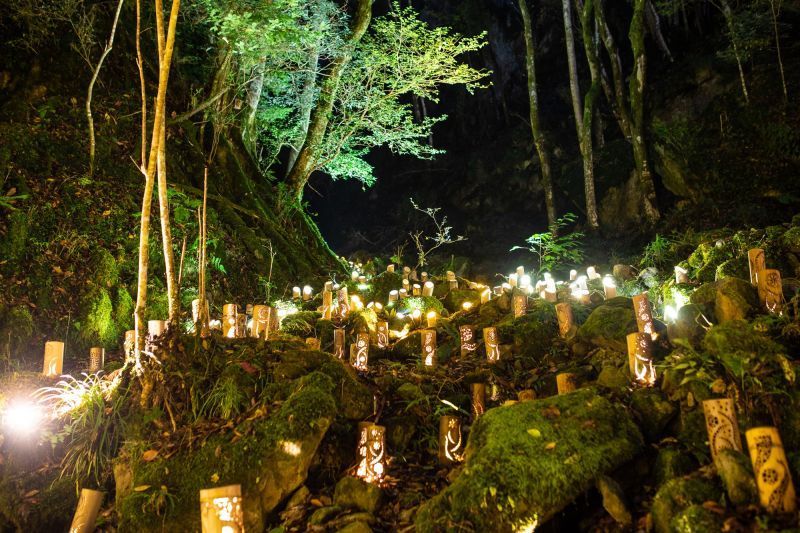
As it grew darker, the time had finally come for the event we’d been looking forward to all day. Although I had visited this area once before, I had never seen the night illuminations known as “Yugen no Take-Akari.” This magical lantern event takes place each autumn and winter from 4:30 p.m. to 8:00 p.m., and during my visit, it was held from October 23, 2021, to January 31, 2022.
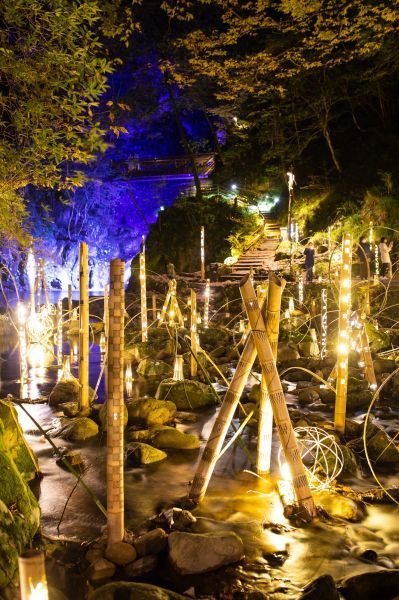
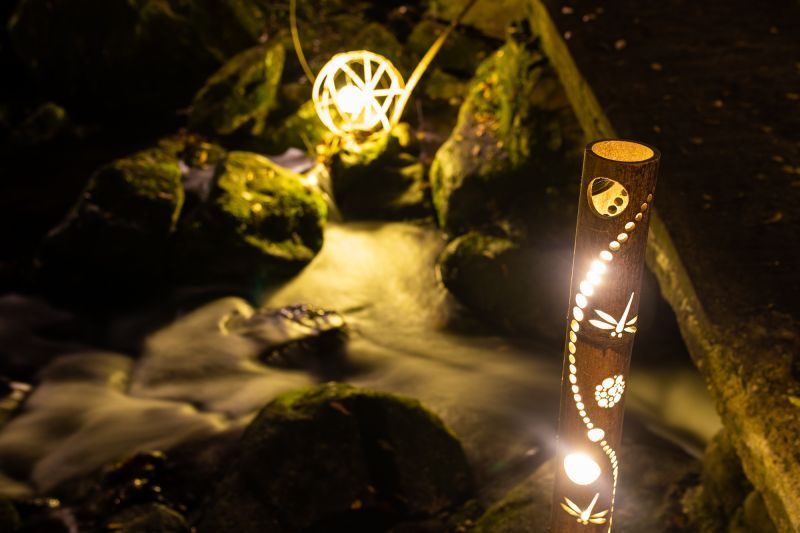
This year, more than 1,000 bamboo lanterns illuminated the forest, creating a majestic, almost otherworldly atmosphere. It felt like I was stepping into another world, like a scene straight out of Avatar, or perhaps a place where fairies might live. If you don’t mind crossing the stones in the dark, you can take pictures from within the stream, giving the impression that you are standing right in the middle of the river. I recommend bringing a flashlight, as some areas can be quite dark and the footing uneven.
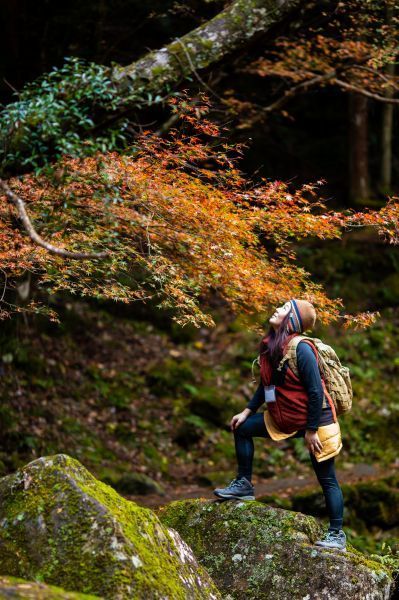
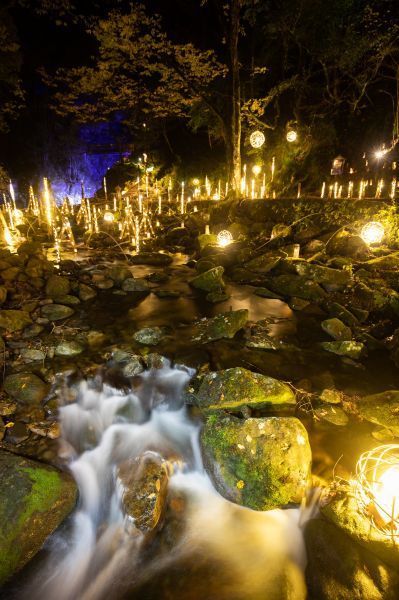
Whether you’re a budding photographer or looking to improve your skills, Akame is a great place for photography. As a professional photographer, I’d like to share a few tips for capturing the best shots. Along the trail, you’ll find countless spots with great photo opportunities, many of which also make beautiful backdrops for portraits. I particularly like to use the colored leaves as an out-of-focus backdrop behind the people I’m photographing. I highly recommend bringing a tripod for your camera so that you can get that silky-smooth waterfall effect if you slow down your shutter speed. If you plan to photograph the night illumination, a tripod is a must unless you have fast prime lenses.
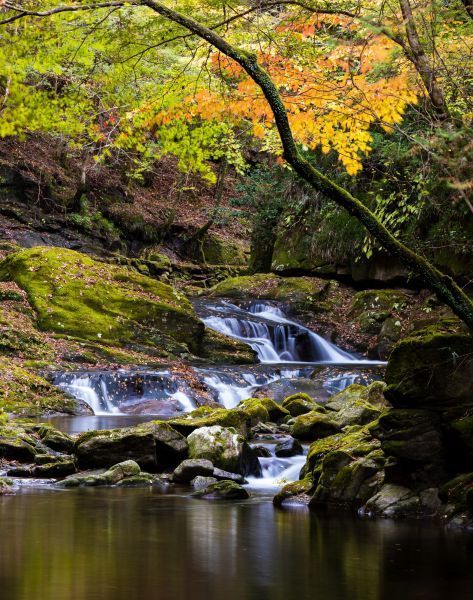
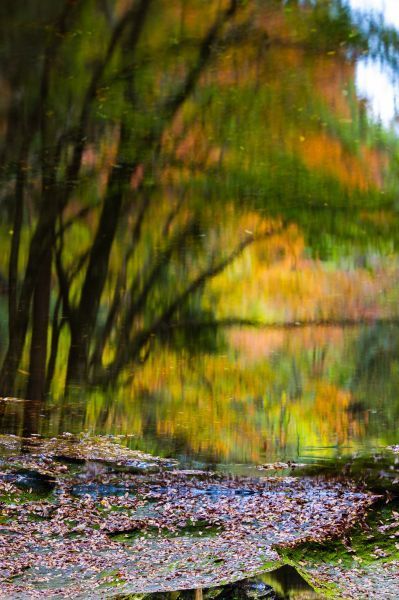
As for lenses, I would recommend a wide lens to capture the full scene with the waterfall and colorful leaves above. And also, if you have a medium to long telephoto, you can get tighter detail shots like the streams of water with fallen maple leaves on rocks, etc. There are lots of opportunities for exploring interesting angles here as well. I like to get as close to the surface of the water as possible to capture the leaves or sky reflected on the water.
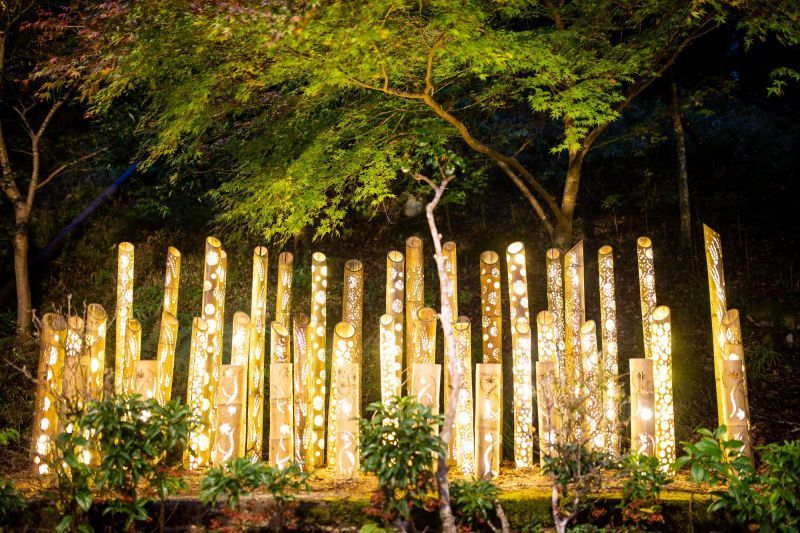
At night it tends to get quite cold during the later months of the year, so be sure to bring an extra layer and maybe even some gloves and a beanie. Most importantly, remember to take time to soak in the atmosphere of nature. It’s not every day that you get to walk in such a majestic landscape.
Editor’s note: This article was originally published in 2021. The event name “Yugen no Taki-Akari” used reflects the official title at that time; the event has since been renamed “Mie-Akame Taki-Akari.”
Related Articles
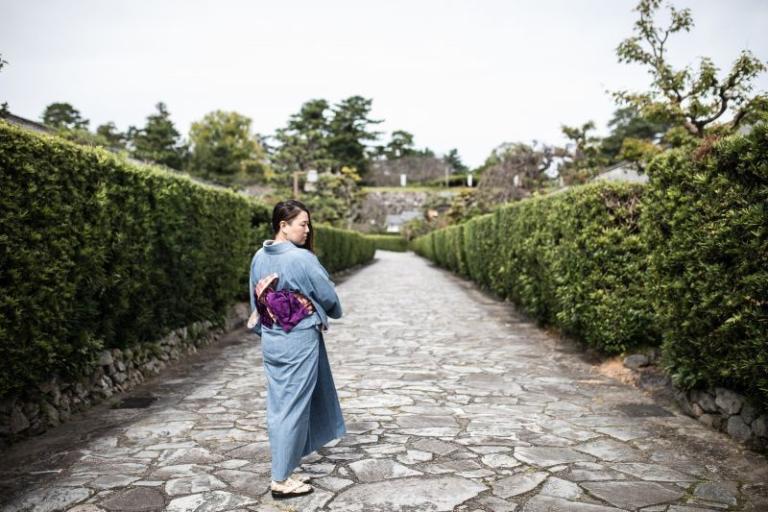
The Matsusaka Experience: World-Class Beef, Traditional Kimono, and Historical City Walks
The “Thousand Rice Terraces” of Maruyama Senmaida
Four Famous Mie Flower Spots for Early Summer: Japanese Irises and Hydrangeas

Toba Aquarium: A Wet and Wild Adventure for the Whole Family