The Matsusaka Experience: World-Class Beef, Traditional Kimono, and Historical City Walks
Explore Your Interests
2021.11.19
Category :
Area :
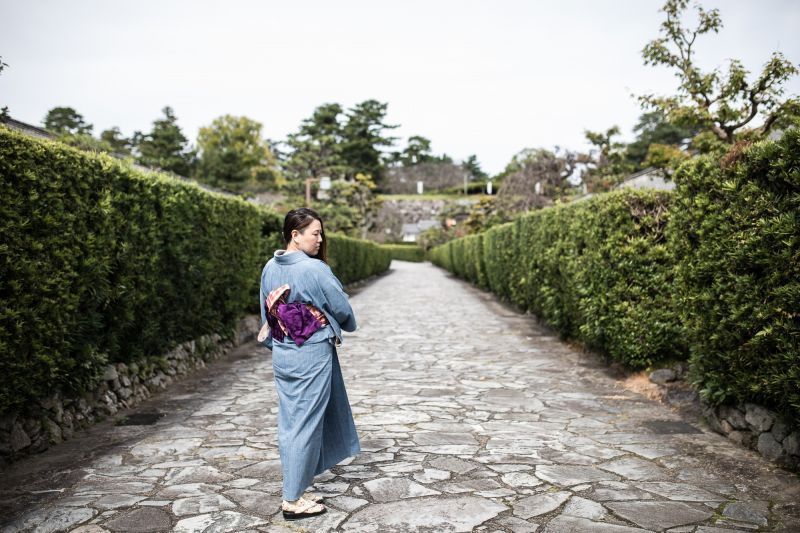
Matsusaka is not just a city known for its world-famous beef. It also has rich historical traditions and ancient architectural sites to discover and explore.
Written by Pete Leong
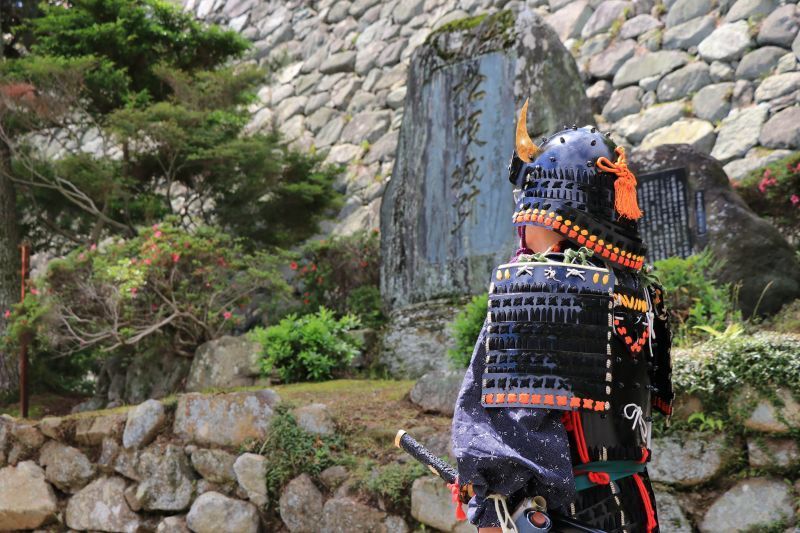
Matsusaka City in Mie Prefecture is known around the world for its luxury brand Matsusaka Beef, but it is also a city with a long and rich history. Matsusaka Castle, built in 1588, stands as a symbol of the city, with its impressive stone walls still intact today.
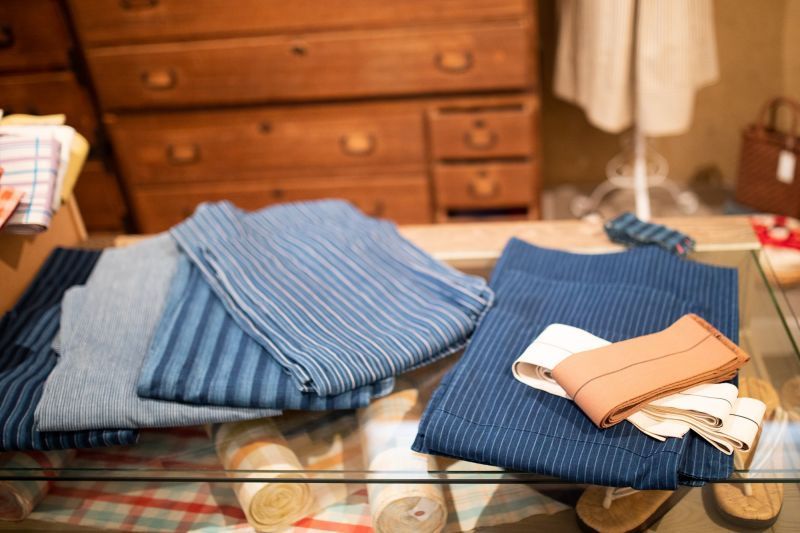
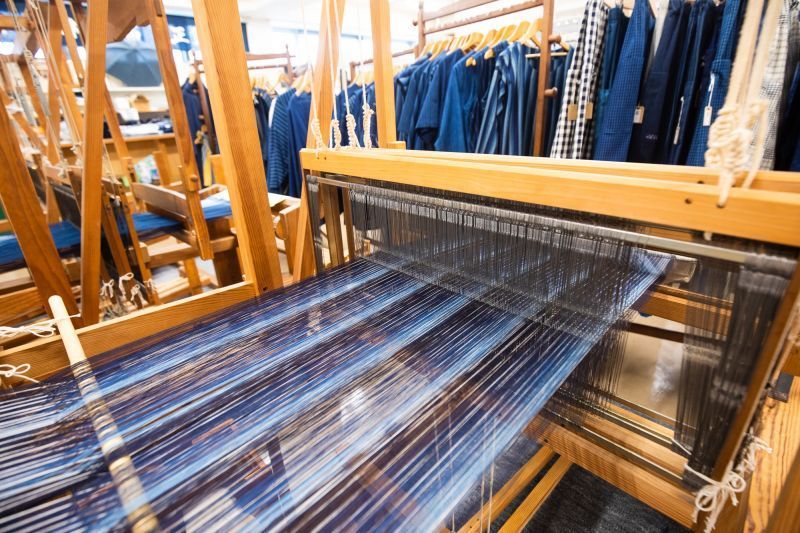
Going further back in time, weaving technology was introduced from China to Matsusaka around the 5th century, and since then, the city has been very active in textile production. A very well-known fabric produced here is called Matsusaka momen. Matsusaka momen is a cotton fabric made from natural materials dyed indigo blue and has a unique striped pattern. In Edo (present-day Tokyo), kimonos made using this iconic indigo striped fabric were very popular among common people.
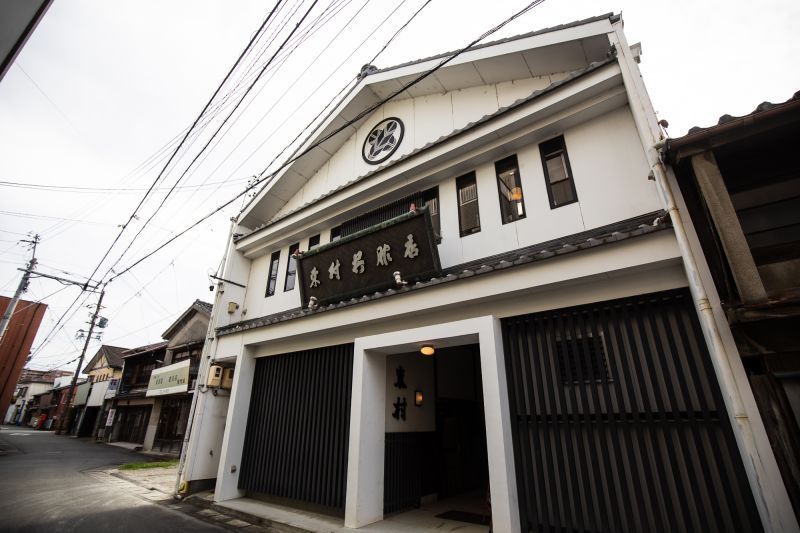
Matsusaka momen is easy to wear, comfortable, and can be worn every day, much like how denim is used in modern times. Even now, there are several stores in Matsusaka where you can experience wearing it and feel like you’re stepping into the past as you explore the historic streets.
I recently visited Utsukushiya, one such Momen kimono rental shop. This shop not only rents and dresses you properly in the kimono, but also offers a plan in which you can experience different attractions of Matsusaka.
For this trip, I decided to wear a kimono and roam around the shopping streets, as well as try my hand at making Matsusaka Beef Sukiyaki, a regional spin on sukiyaki, which is not to be missed when visiting here.
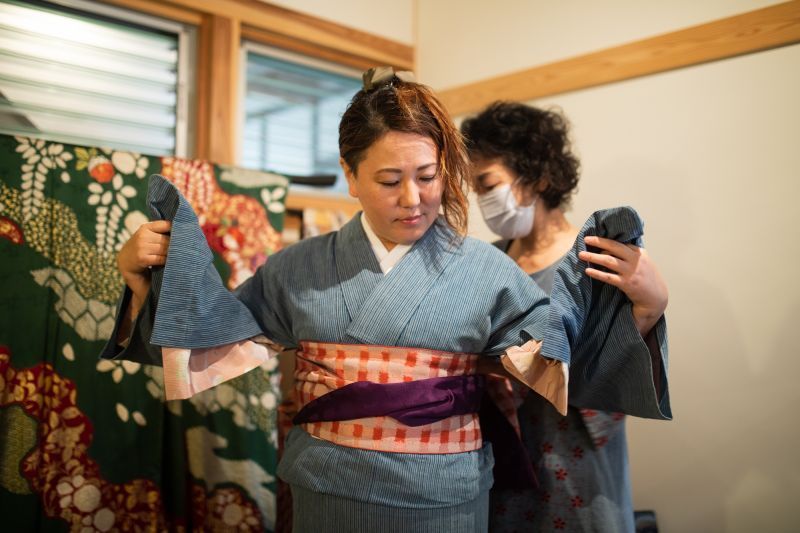
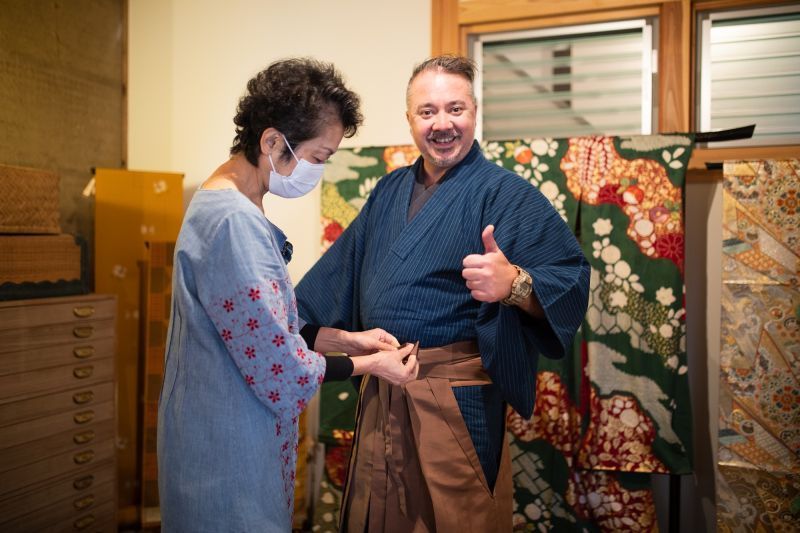
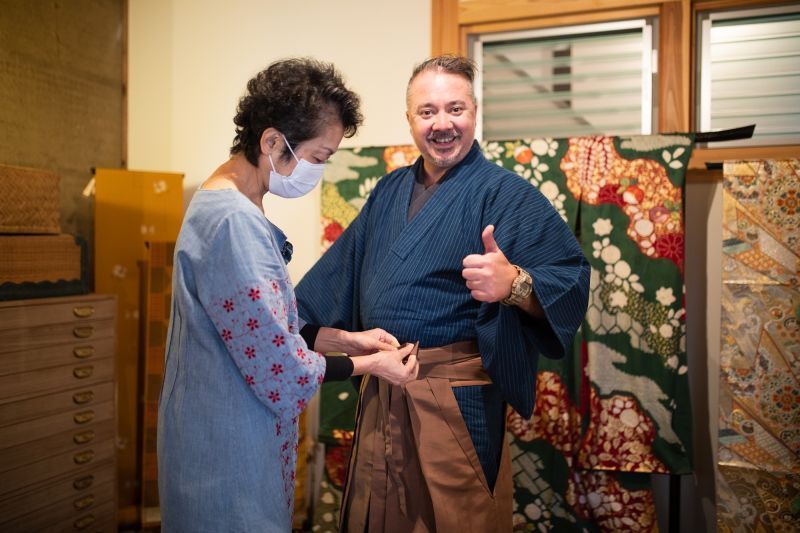
After arriving at Utsukushiya, we were greeted by Higashimura Yoshiko, a wonderfully friendly and knowledgeable lady that runs the rental store as well as the attached guest house. Without wasting any time, we got to choosing the color of our kimono from various shades and styles based on indigo blue, as is the Matsusaka momen tradition.
I decided to go with a darker blue while my partner went with a lighter shade. Yoshiko helped dress us both and I was pleasantly surprised by how light, soft, and comfortable it felt. I had this image in my mind that it would be pretty heavy and stiff like regular kimonos but thankfully, it was the complete opposite.
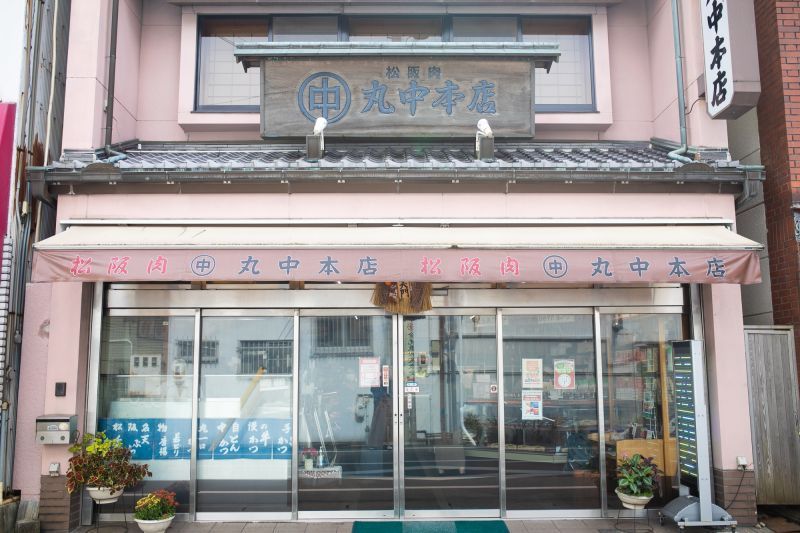
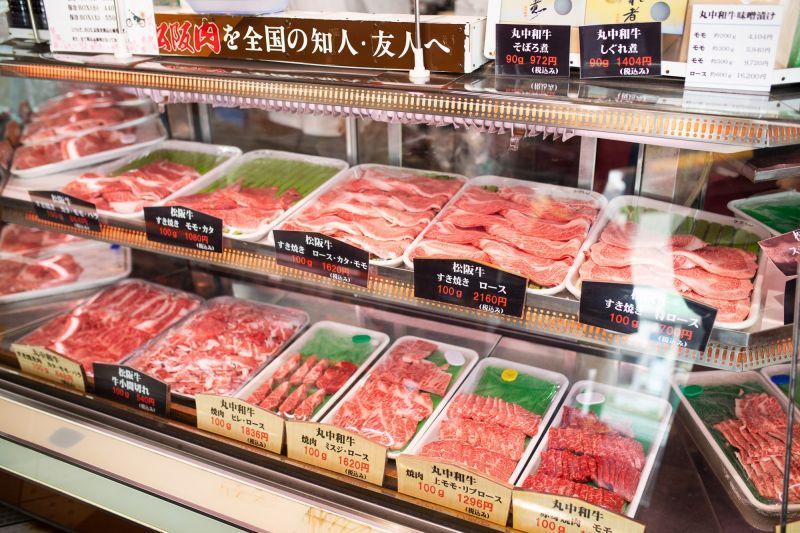
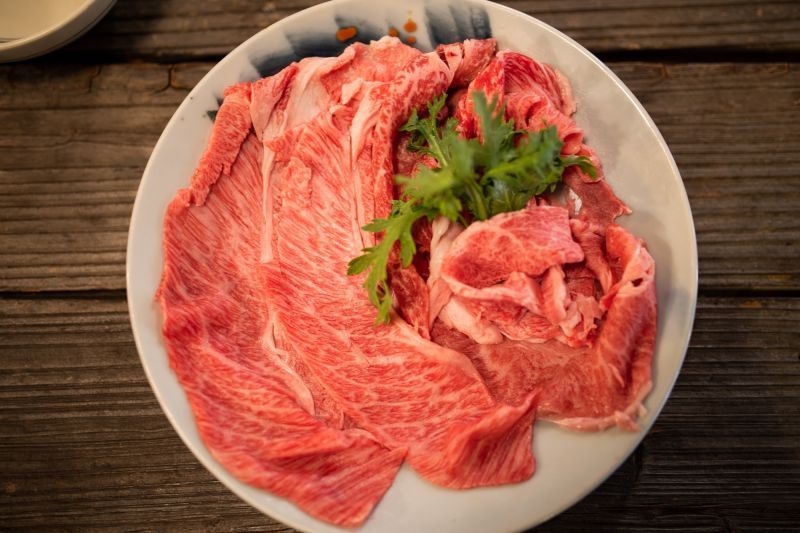
Once we were all dressed, we set out on our adventure. Our first stop was a well-known local butcher shop called Marunaka Honten, which specializes in different cuts of Matsusaka Beef. I picked up some beef to cook back at the guest house after our walk. The beef came with a certificate proving its authenticity as Matsusaka Beef.
Our other guide, Takaoka Ryoji, explained that Matsusaka Beef first became famous after winning the top honorary award at a contest in Tokyo in 1935. Since then, the area has maintained its reputation as one of the world’s top producers of high-quality beef. Apparently, it wasn’t until the modern era (late 19th century) that meat became part of the general diet in Japan.
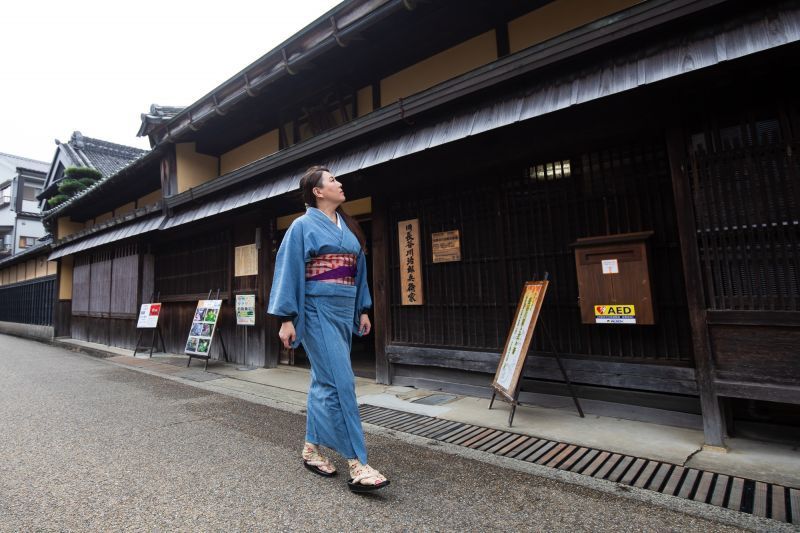
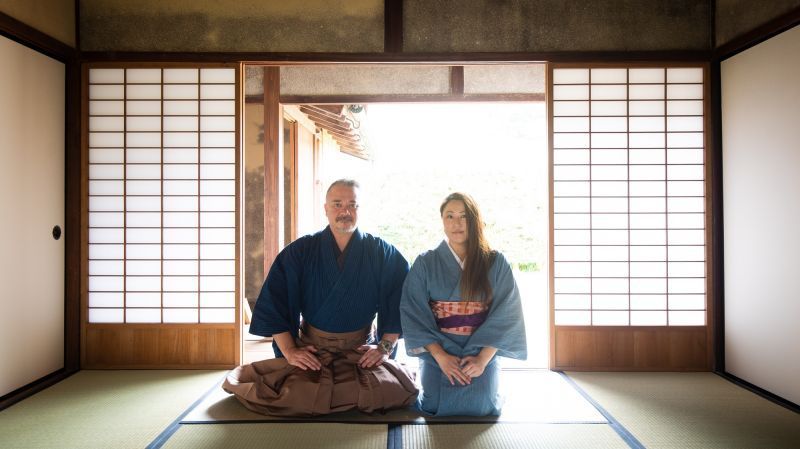
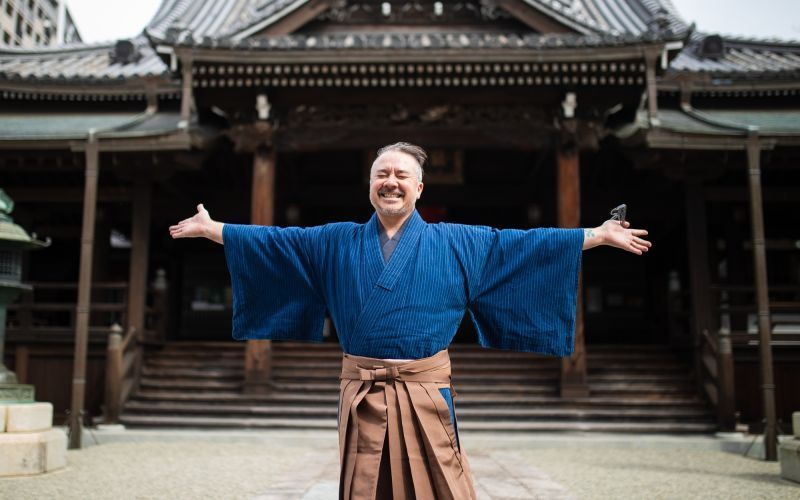
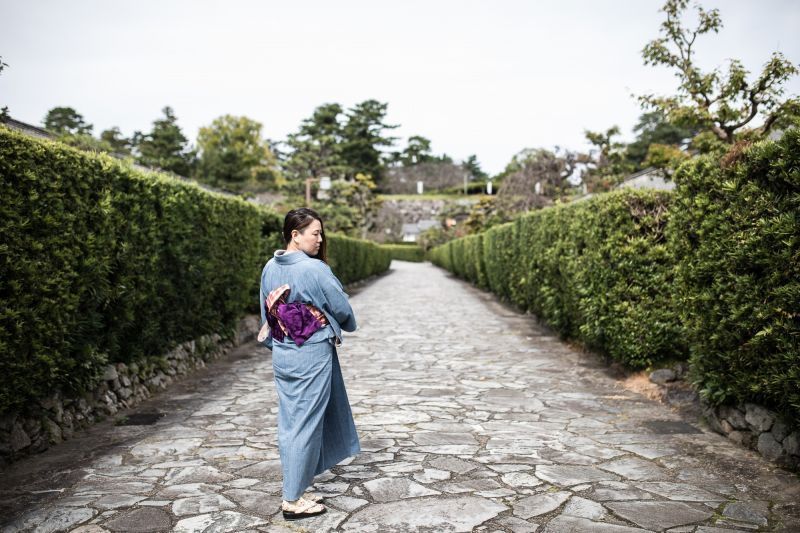
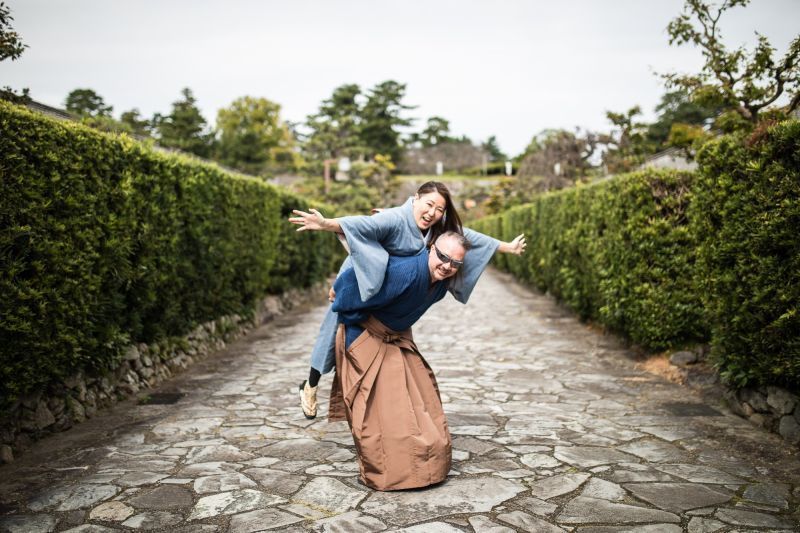
Now it was time to do some exploring, soak in the atmosphere, and take some photos around the old streets that lead up to the castle ruins. We passed through streets lined with beautifully maintained, traditional houses with lush, well-kept gardens. Among them are a few places where visitors can step inside and see how people lived over 150 years ago. It was all so simple yet indescribably beautiful.
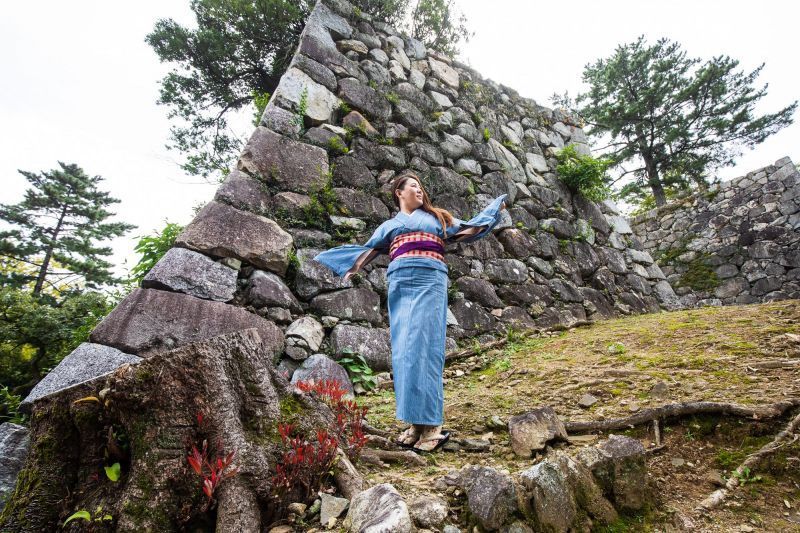
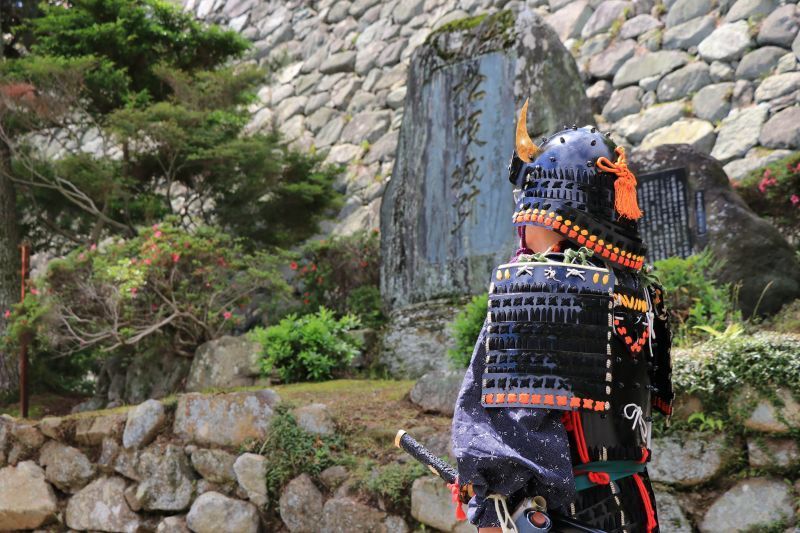
From there, we made our way up the hill to the ruins of Matsusaka Castle. Unfortunately, the castle tower was destroyed by powerful winds in 1644 and was never rebuilt, but the magnificent stone walls remain and are highly regarded. The ruins are listed among Japan’s 100 Best Castles. Wandering the grounds, the past seemed to come alive, and it was easy to imagine what life must have been like here in the late 1500s.
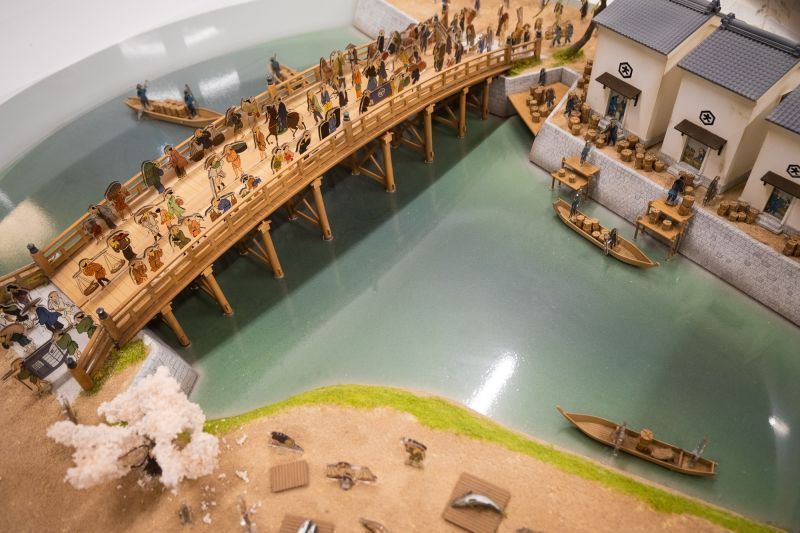
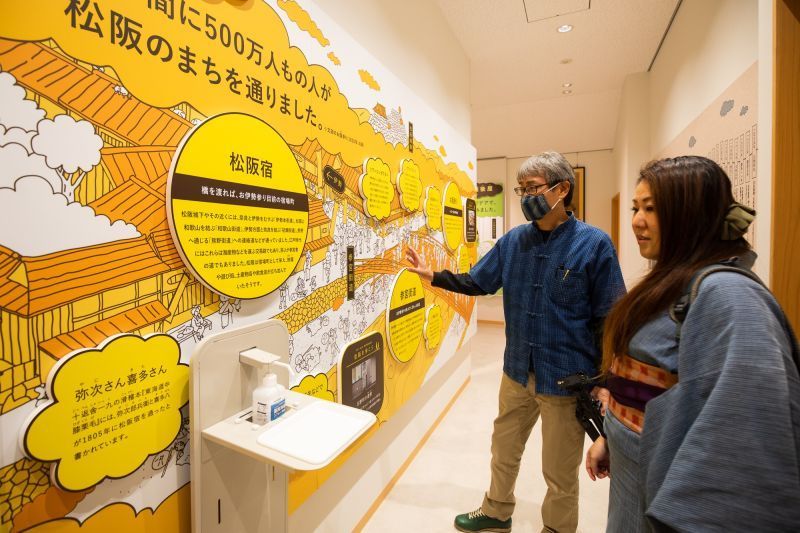
Next, we headed back into town where our friendly guide Ryoji showed us where the city used to be divided by a small river that separated the Samurai residences from the merchants and common people. Nearby, we stopped at a few stores selling momen clothing and souvenirs, and a tourist information center that had an entire floor dedicated to the history of Matsusaka. Ryoji was very knowledgeable and enthusiastic about answering all our questions.
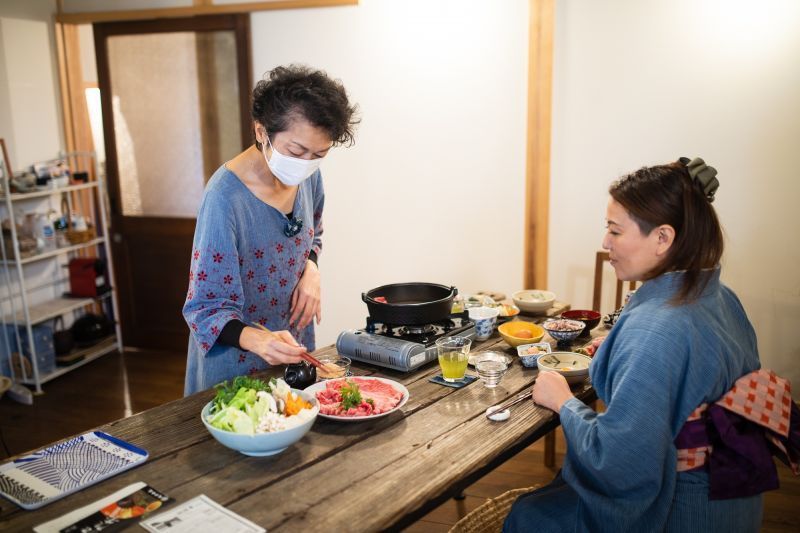
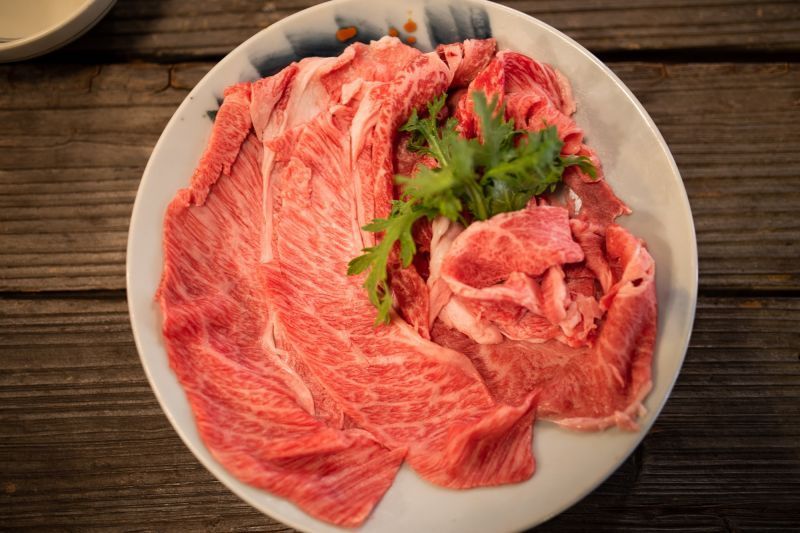
We soaked up all we could, but the Matsusaka Beef was calling out to us, so it was time to go back to the guest house to try cooking our Sukiyaki lunch with the quality ingredients we had gathered.
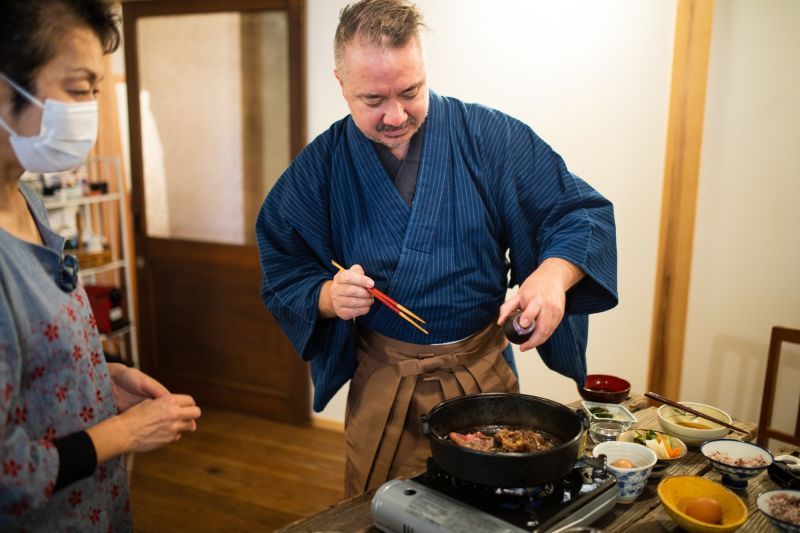
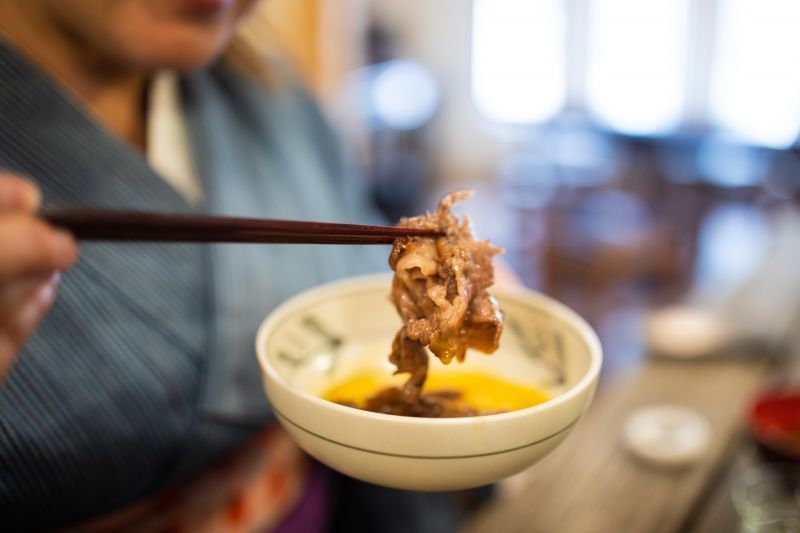
Yoshiko had everything prepared and ready for us and walked us through the steps. It was a lot of fun making it ourselves, and as someone who loves cooking, I was happy to pick up a few new techniques. After a quick pan-fry, with no oil needed, we dipped the thin slices of beef into raw egg and dug in.
For the next half hour or so, we were in absolute heaven. It might sound cliché, but “melt in your mouth” is the only way I can describe it. It was pure bliss. The Matsusaka momen was also easy to move around in while cooking. It is also easy to wash later.
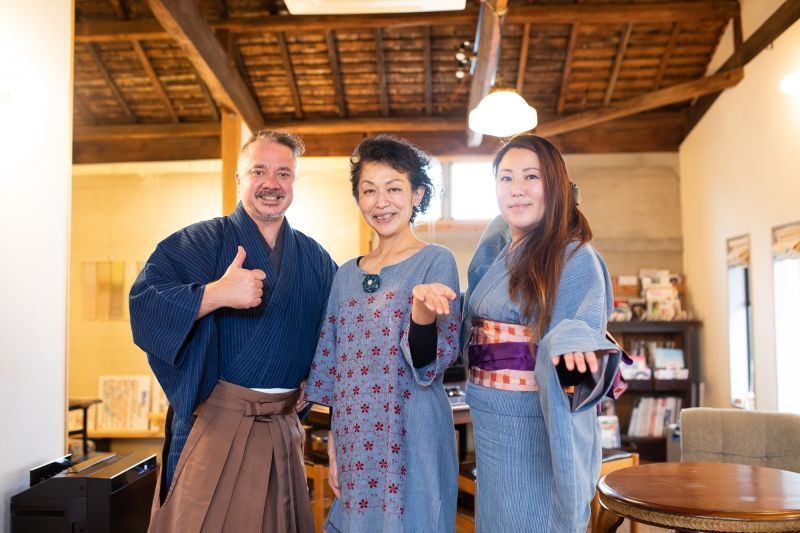
That brought us to the end of our little journey into the history of this historic town. It was a fantastic experience, both for the sights we saw and the unforgettable treat for our taste buds. I look forward to visiting again in spring when the cherry blossoms will be in full bloom around the castle ruins.
For a fun and educational day out, Matsusaka is well worth a visit. Don’t forget to stop by Utsukushiya and say hello to Yoshiko. She has a wealth of information about the area and is always happy to share it.
https://www.utsukushiya.com/
Related Articles
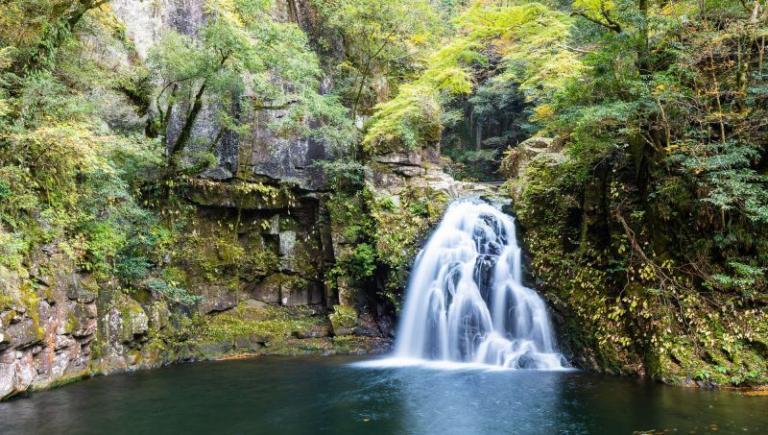
Autumn at Akame 48 Waterfalls: Colored Leaves, Stunning Waterfalls, and Fantastic Night Lights
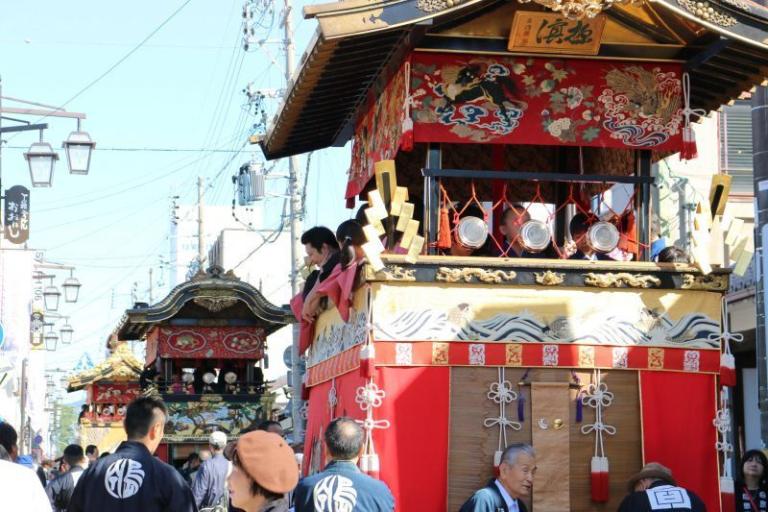
Mie’s Unmissable Event: the Ueno Tenjin Festival
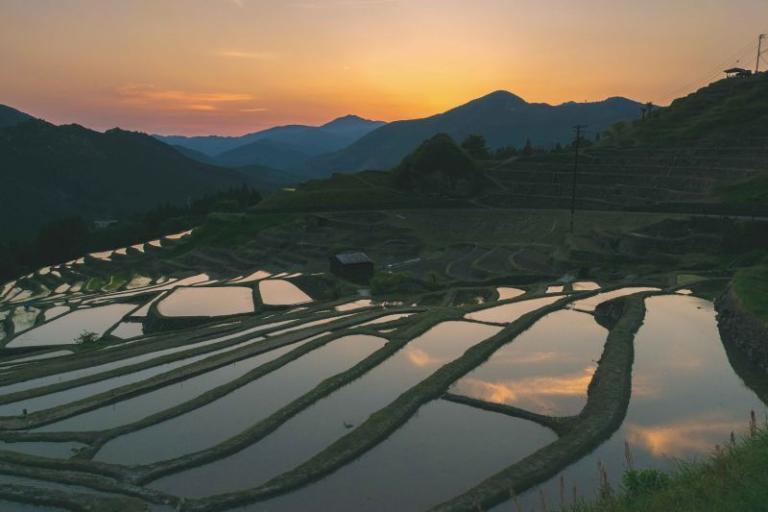
The “Thousand Rice Terraces” of Maruyama Senmaida
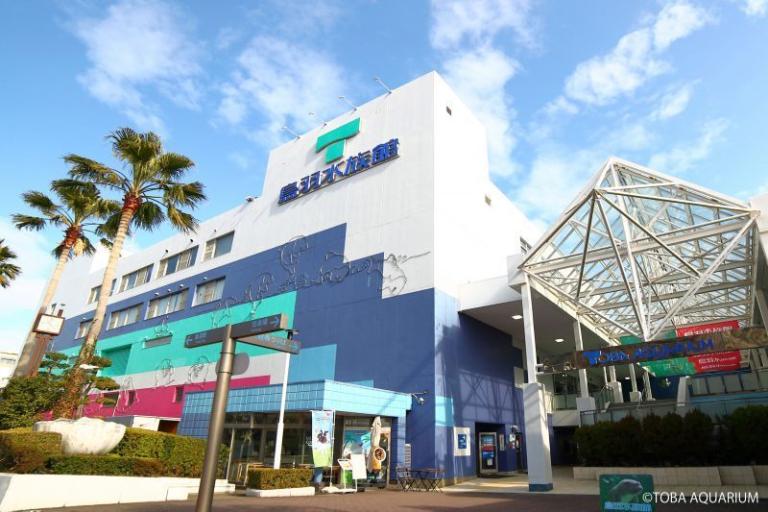
Toba Aquarium: A Wet and Wild Adventure for the Whole Family