Exploring the Beauty of Shima
Explore Your Interests
2023.01.30
Category :
Area :
Once again, we were blessed with a beautiful sunny day, which was perfect since we were heading to one of the most scenic coastal areas of Mie Prefecture, Shima City.
Shima is known for its beautiful beaches, spectacular natural landscapes, and breathtaking views. Today, however, we will be visiting places where the region’s unique culture and traditions are carefully preserved.
Written by Isis Akemi Muto
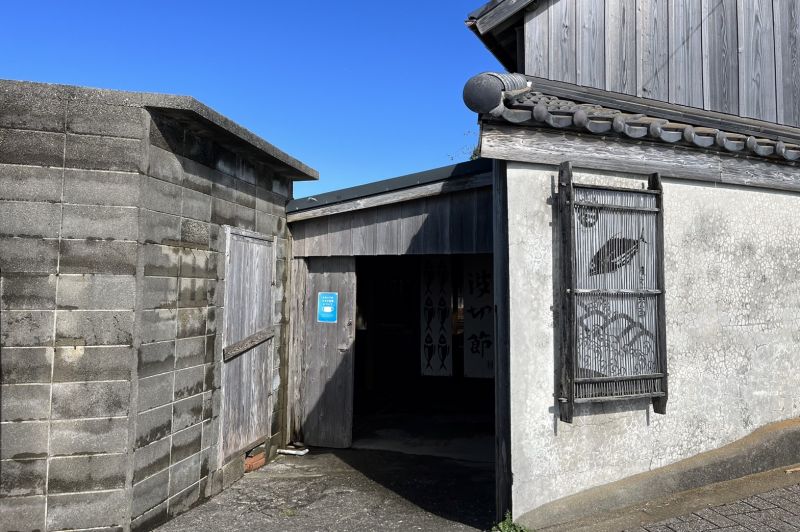
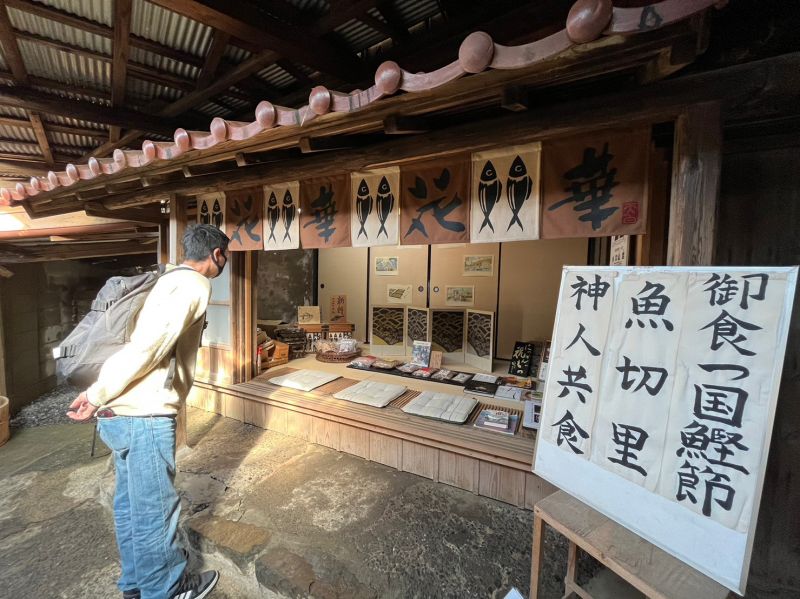
Katsuo no Tenpaku is the perfect example of unique and traditional.
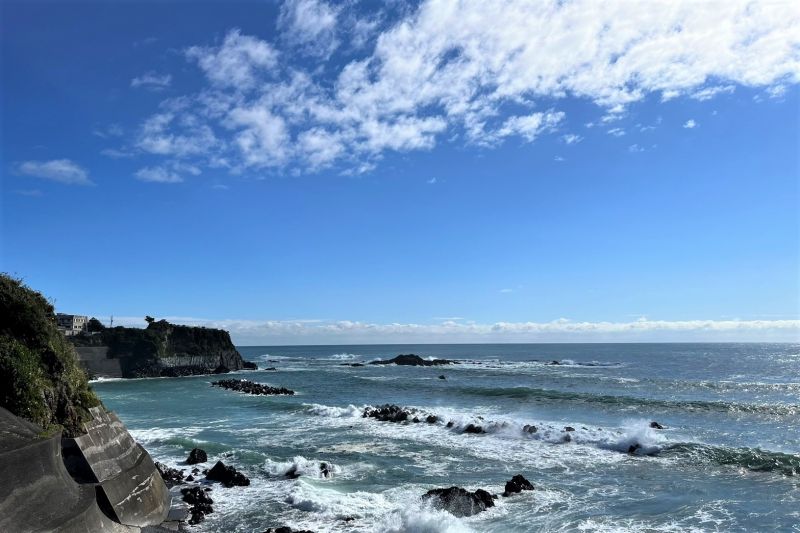
The breathtaking view of the Pacific Ocean at the entrance to the factory.
Katsuo no Tenpaku is a fascinating katsuobushi (bonito flakes) factory. Although I love Japanese cuisine, I must confess that I have never used katsuobushi as an ingredient in cooking, so I was looking forward to learning all about it.
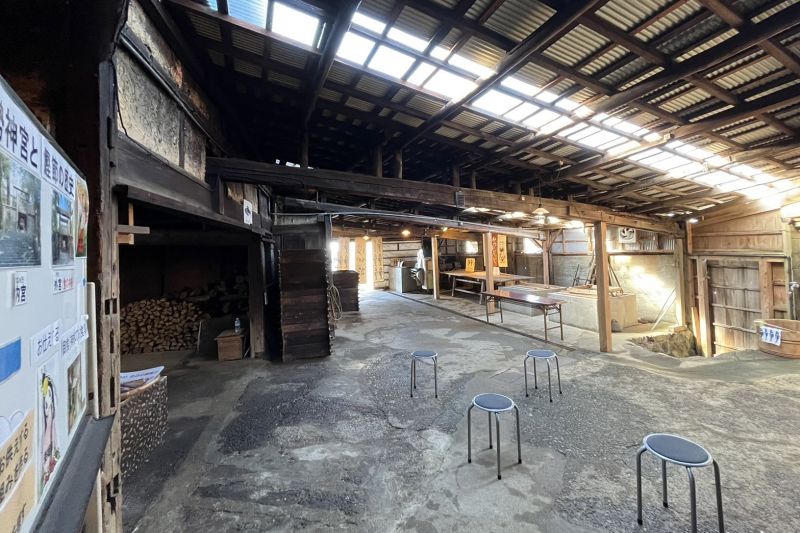
At Katsuo no Tenpaku, there are no modern machines. Everything is made by hand using traditional tools and methods.
According to the owner, Mr. Tenpaku, many foreign chefs come from around the world to learn about the history of katsuobushi.
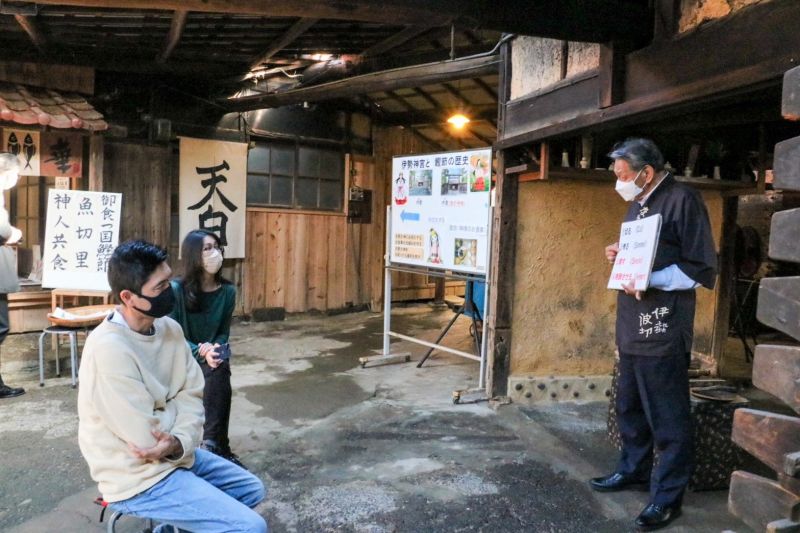
Listening to Mr. Tenpaku’s explanation made me realize that many things made in Japan require not just time and skill, but also delicacy and patience.
For people like my husband, who do not know what katsuobushi is, it refers to dried bonito flakes. We learned that in order to make these flakes, the bonito fish is cut, simmered, smoked, and finally fermented, a process similar to making cheese. The entire process takes several months. Katsuobushi is often used to add depth of flavor to food. I still remember the first time I saw katsuobushi sprinkled on top of okonomiyaki. The flakes were so thin that the heat from the dish made them move as if they were alive, which was fascinating to watch.
At Katsuo no Tenpaku, depending on the day, visitors not only listen to an explanation but also experience parts of the process themselves. Unfortunately, we weren’t that lucky this time, but learning about its history made us want to come back to watch this amazing process.
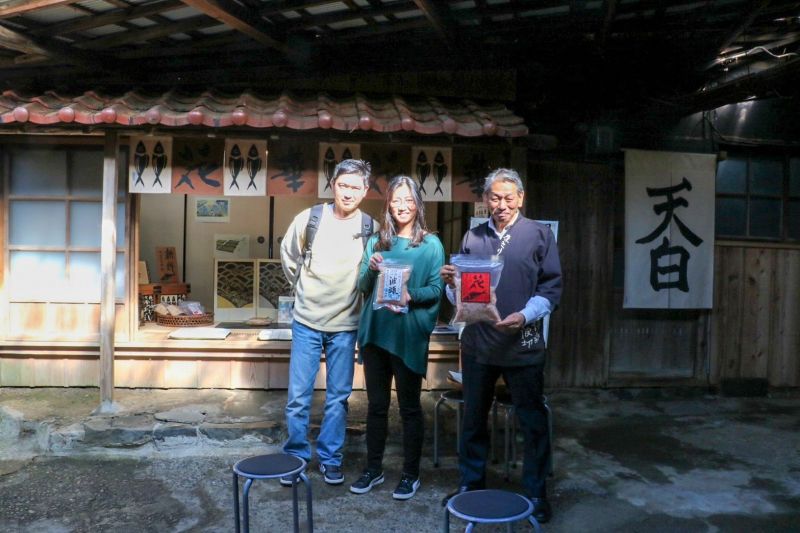
Katsuo no Tenpaku
https://katuobushi.com/
https://katuobushi.com/?page_id=68
We left Katsuo no Tenpaku and headed to Shinju no Sato, which was about a 20-minute drive away. One of the great things about Shima is that you can visit so many different tourist spots in just one day!
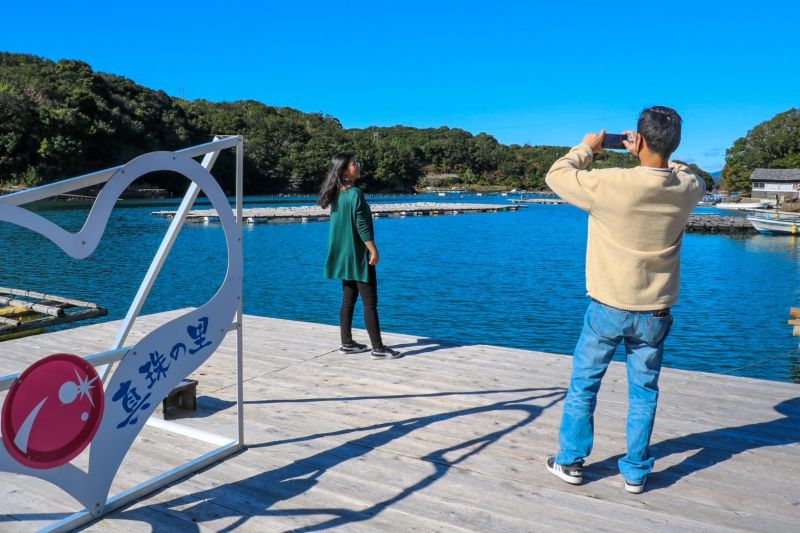
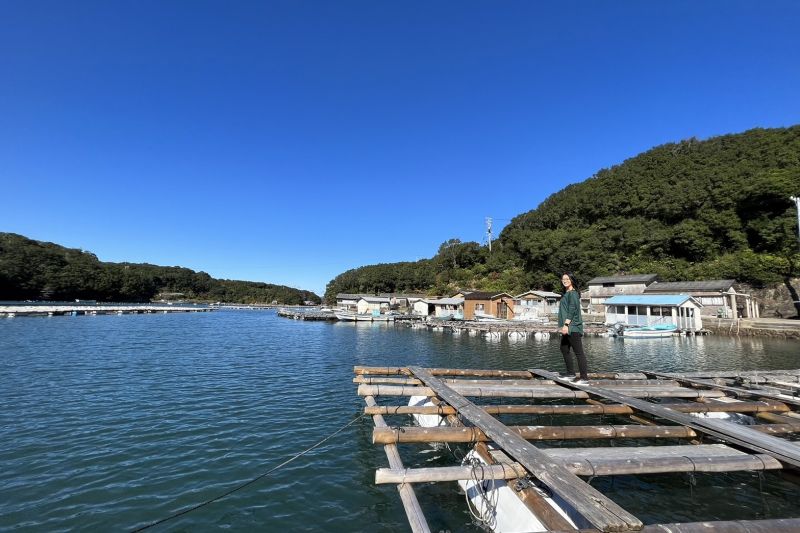
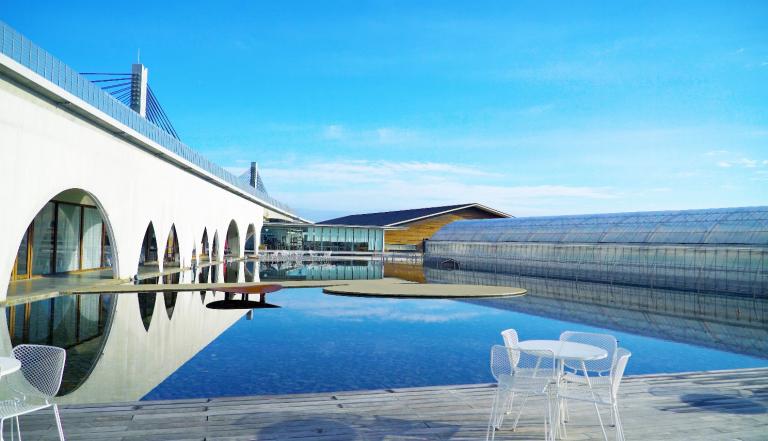
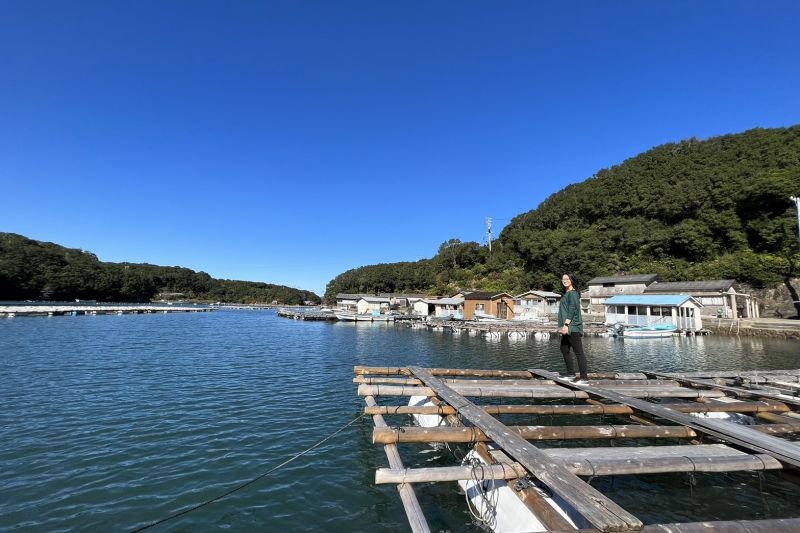
At Shinju no Sato, we were going to have our first pearl-harvesting experience. As soon as we arrived, I was amazed by the stunning view. We walked along a wooden raft to get to a floating stage, surrounded by crystal-clear water.
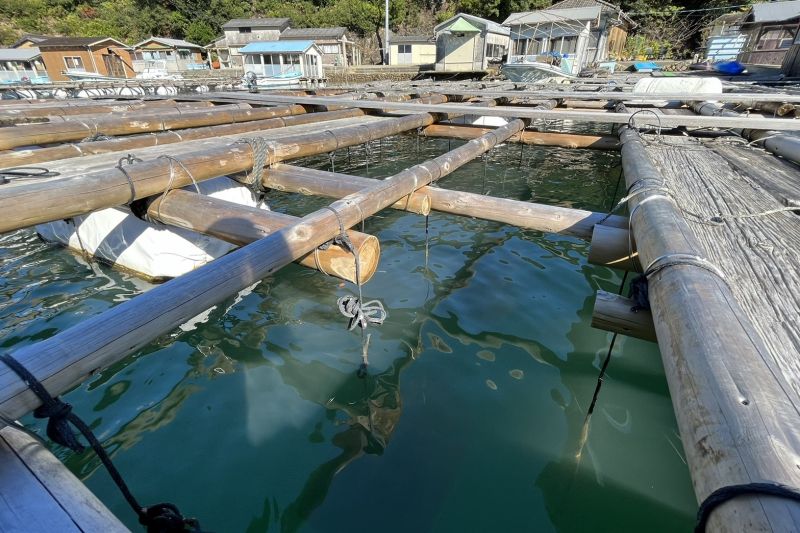
As we explored the area, I noticed many nets and baskets hanging under wooden rafts and learned that this was where the pearl oysters were farmed.
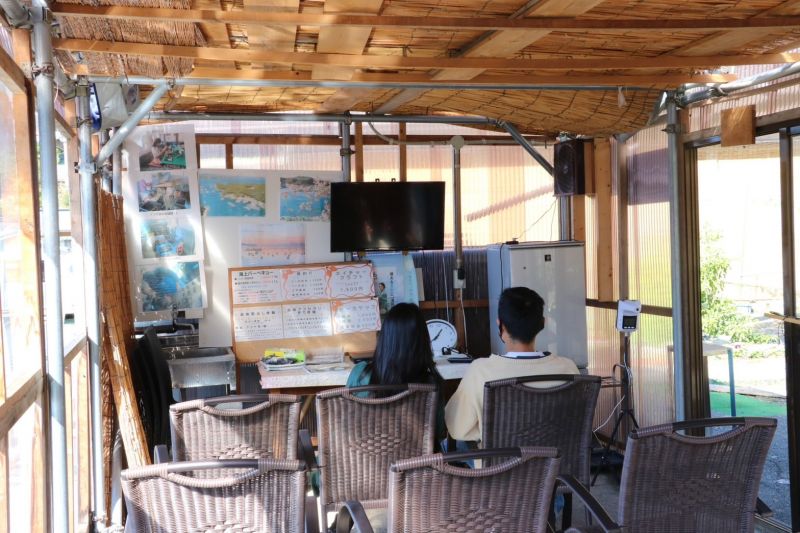
Our experience began with a short movie in English, explaining how the whole process works. After that, we moved on to the practical part.
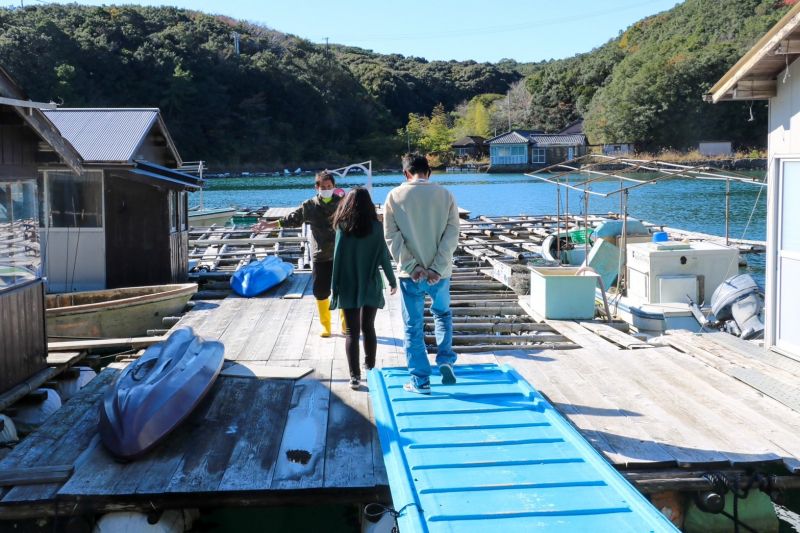
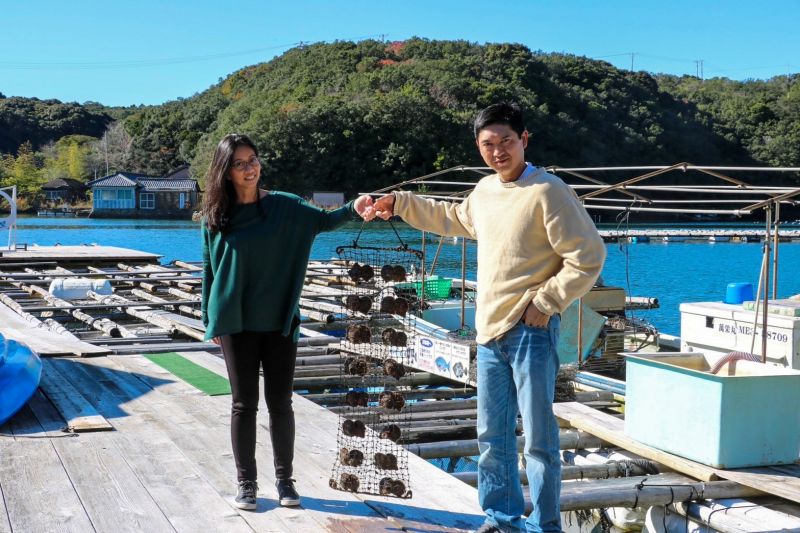
We followed our guide, a very nice gentleman, who pulled a net out of the sea and even let us hold it for a picture. Just a few minutes later, we were ready to harvest our own pearls.
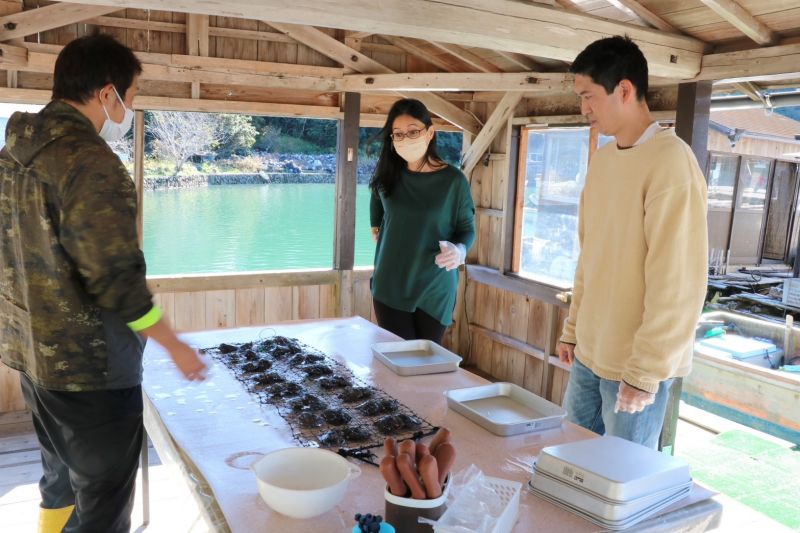
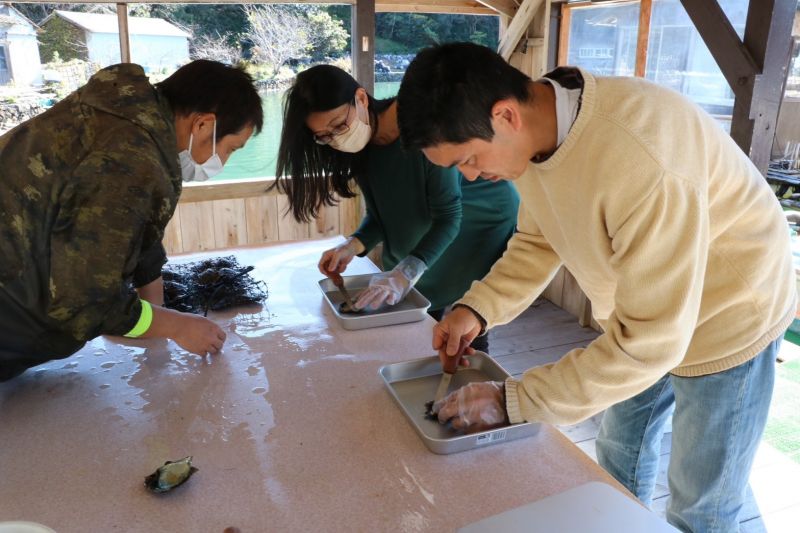
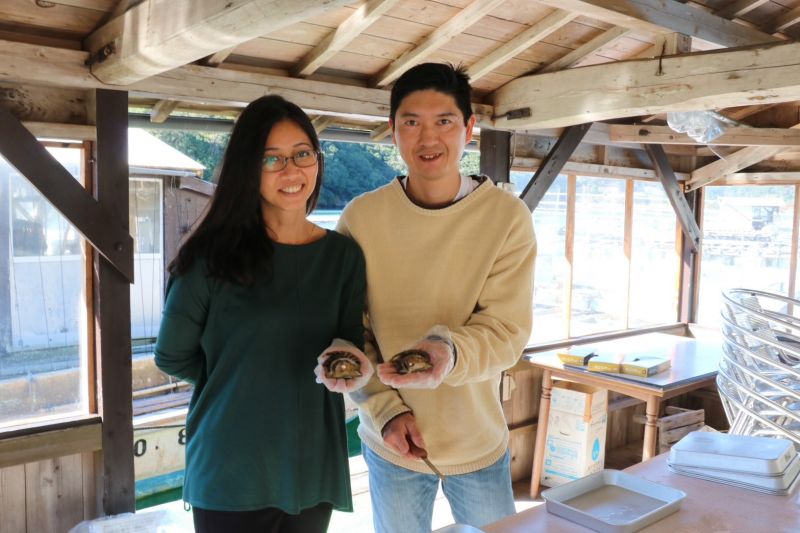
Inside a small hut, we each chose a shellfish. Wearing gloves and using a small knife, we carefully opened it. At first, I couldn’t see the pearl, but I could feel it inside. That’s when I had to be extra careful while cutting it out. I was afraid I would end up scratching my pearl with the knife, but with the help of our guide, I was able to take it out successfully. He told me I was lucky because my pearl had a beautiful white color and a perfectly round shape. My husband’s pearl was smaller and slightly colored, but it was still incredibly beautiful.
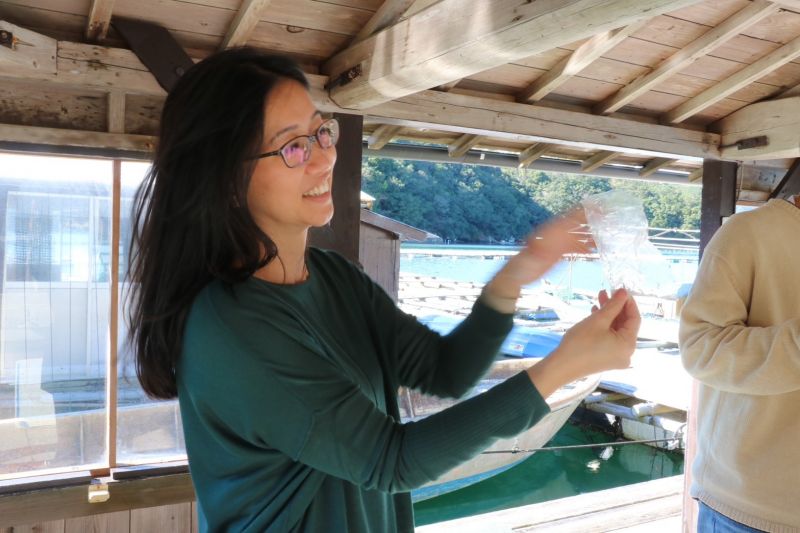
After taking the pearl out of the shell, we were given a small plastic bag filled with salt to place the pearl inside and remove any dirt.
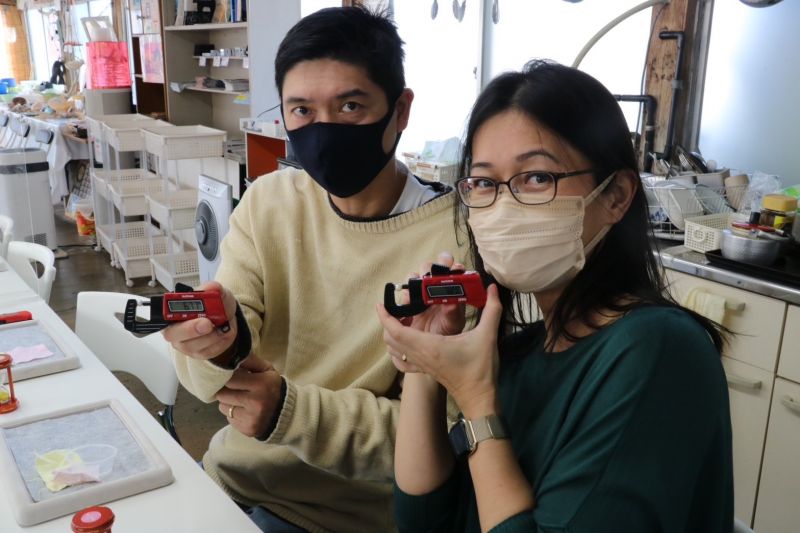
Then, we headed to the workshop, where we continued the cleaning process with a small cloth, rubbing the pearl for one minute. Once it was clean, we measured the size as it determines the kind of jewelry you can make. I got lucky again! My pearl was bigger than my husband’s. Out of all the options available, we decided to make pendant necklaces.
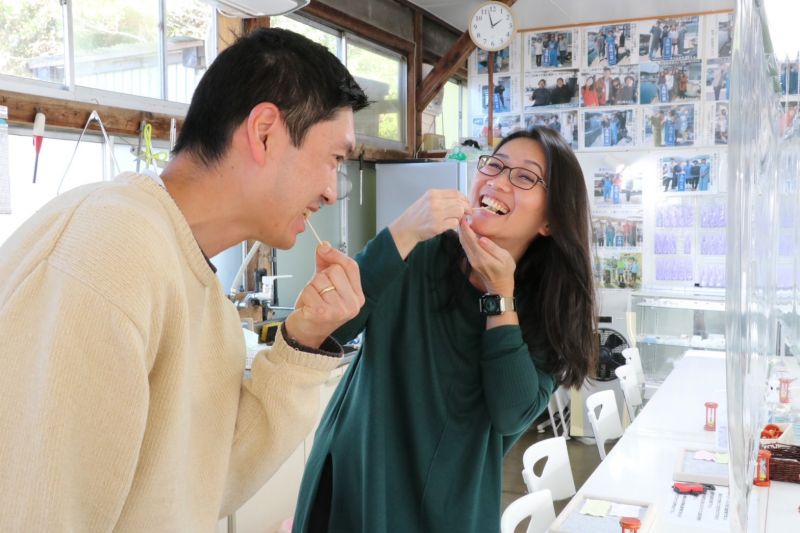
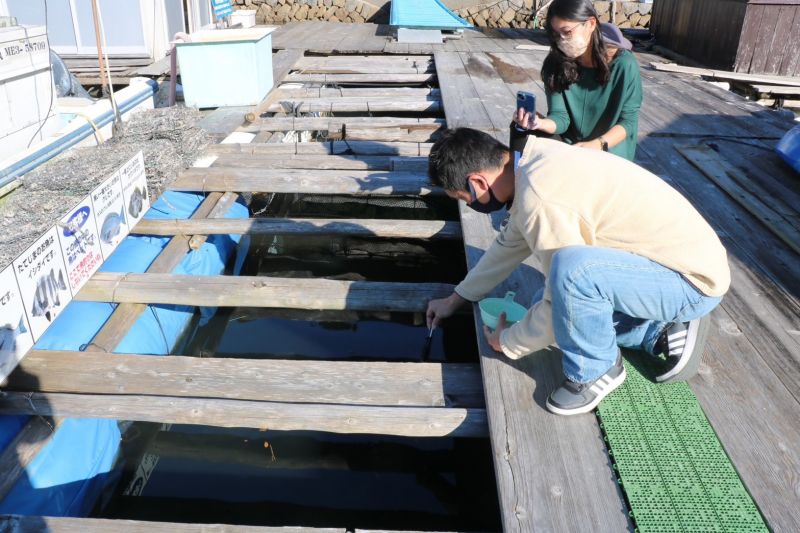
While we waited for our pearls to be set into the pendants, we took a quick tour of the workshop. We tasted the kaibashira, or adductor muscle of the pearl oysters and fed the fish swimming under the raft.
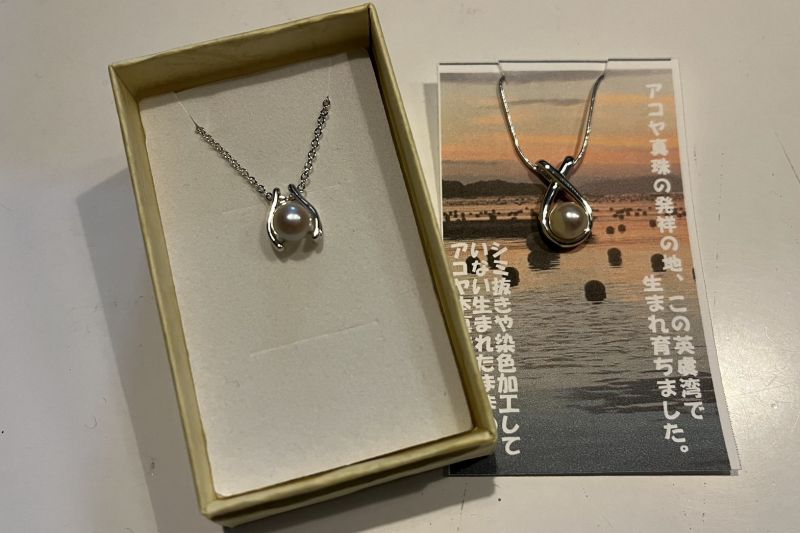
Soon, our jewelry was ready. They were absolutely beautiful! Our very own precious and unique pearls.
I won’t go into detail about the whole process because I think everyone should experience it at least once in their lifetime. Experiences like this remind you that you can’t put a price on someone’s craftsmanship. We often don’t realize how valuable a process is until we learn and understand it firsthand. Today, I understood why pearls are so expensive, and why they’re worth every penny.
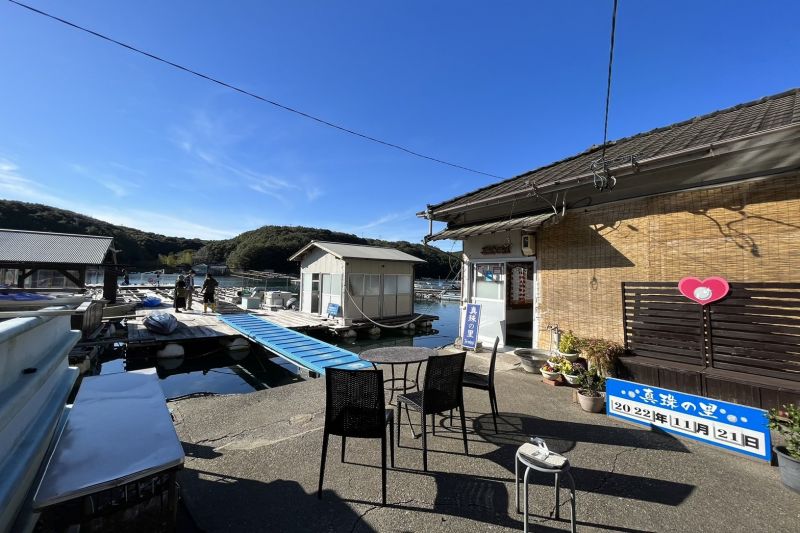
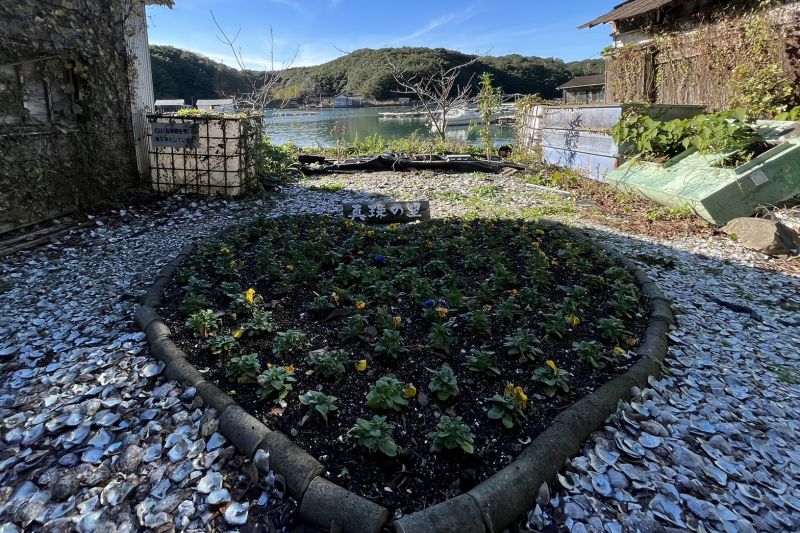
There are many great photo spots in Shinju no Sato, so don’t forget to take some pictures while you’re there.
We said goodbye to the kind and friendly staff at Shinju no Sato and drove seven minutes to have a special lunch.
Shinju no Sato
And finally, I went to a place I had always heard about but never had the chance to visit: Ama Hut SATOUMIAN, home to Japan’s ama (community of female divers).
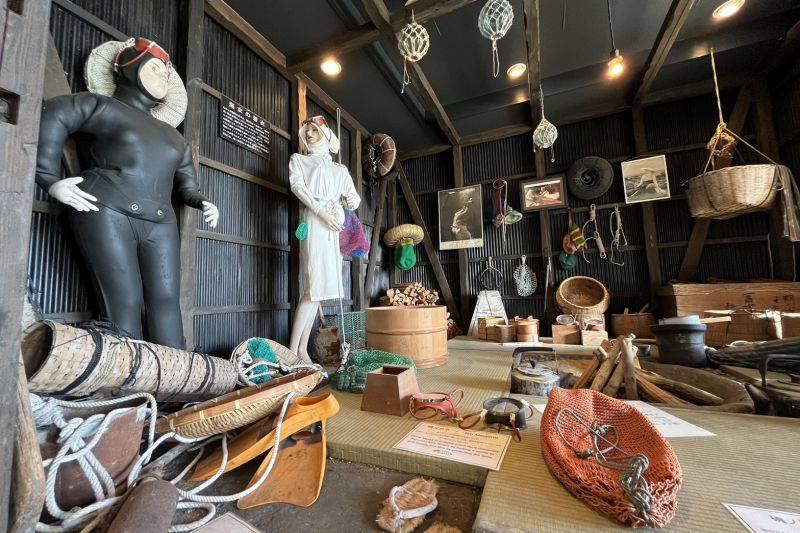
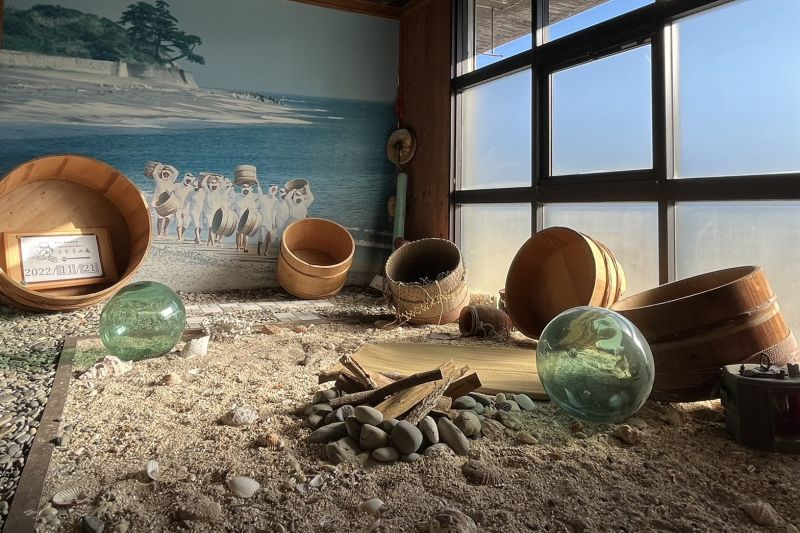
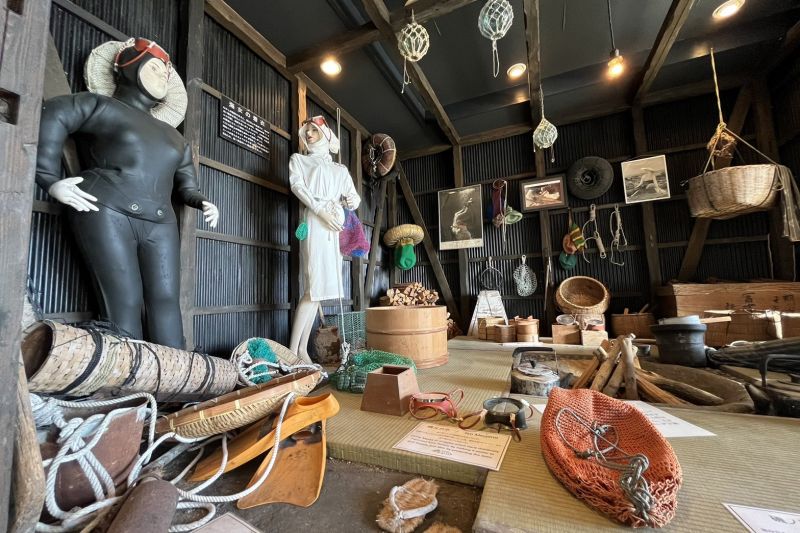
While our lunch was being prepared, we visited the small museum, where we learned more about the history of ama, Japan’s traditional female divers. The museum had pictures with English explanations and displays of the tools used by ama.
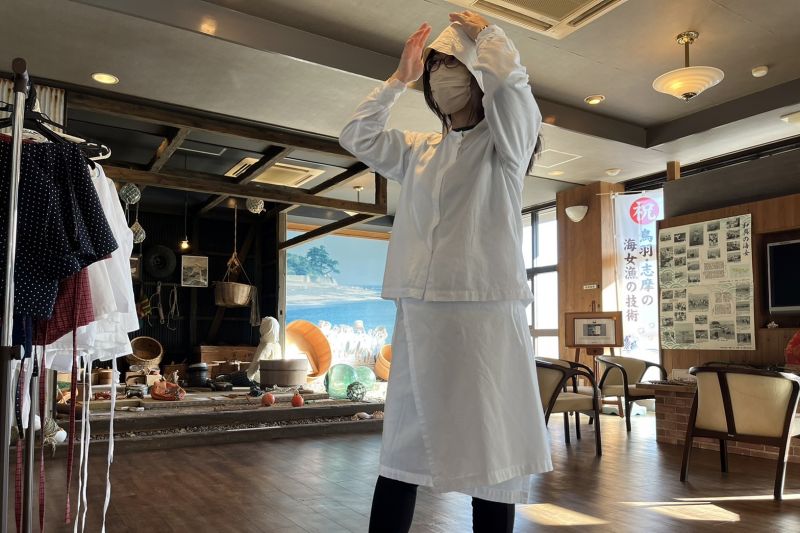
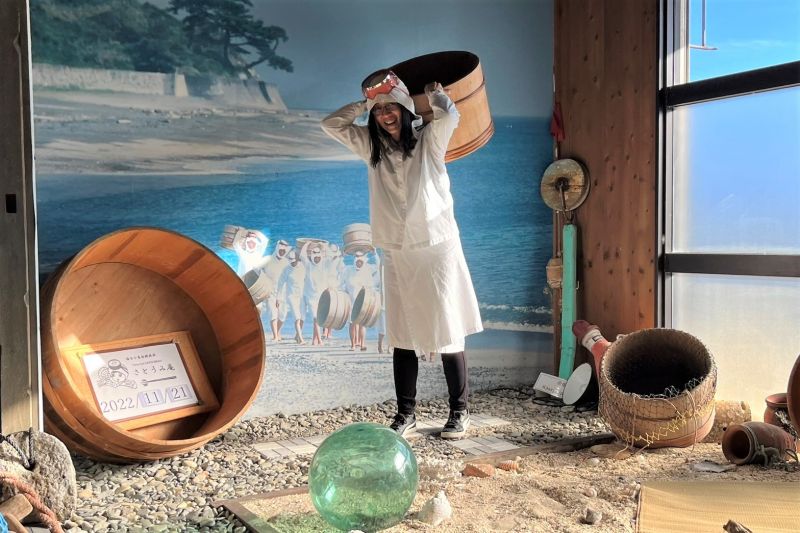
I even had the chance to try on the same clothes ama divers wear when diving. The clothing was simple, but the goggles were surprisingly heavy. I also tried carrying the wooden basket on my back. It was heavier than I expected, and that made me respect them even more. Their strength is truly incredible.
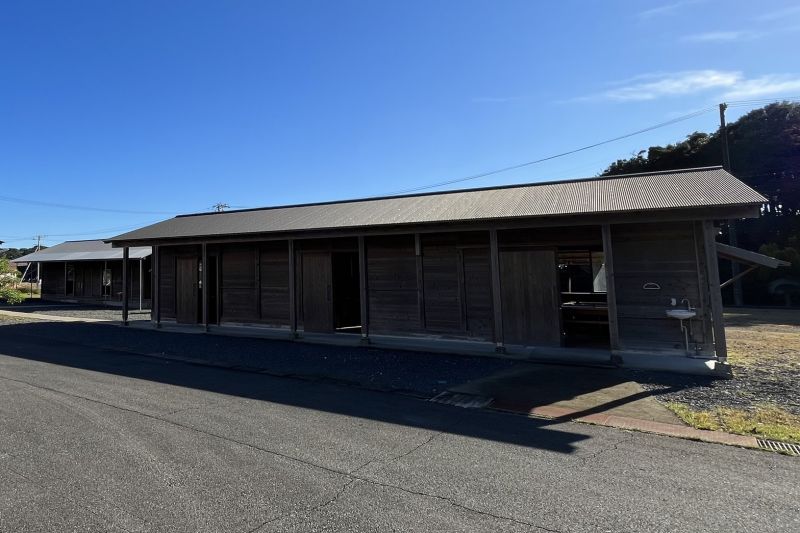
Once lunch was ready, we headed to one of the huts on the other side.
I learned that this facility has three huts and can accommodate up to 77 people. There are plenty of seats, so you can comfortably enjoy your meal, chat with the ama, and ask questions without having to share a table with other groups.
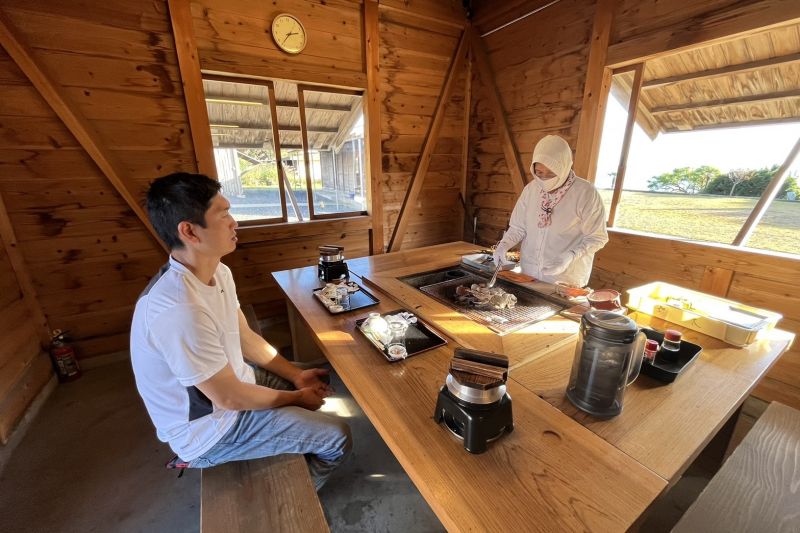
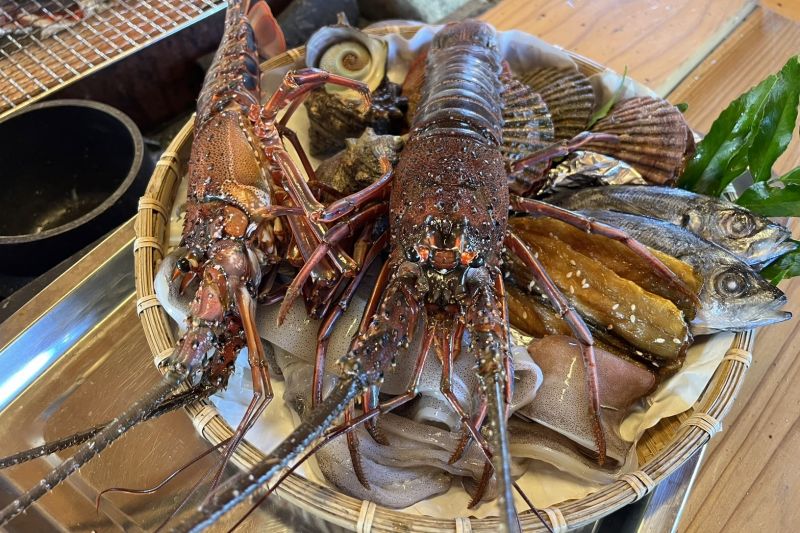
We sat in front of a grill and watched the ama cook prepare lunch for us. The food looked absolutely amazing and incredibly appetizing.
A funny fact about barbecue is that in my home country, barbecue always meant grilling meat such as beef, pork, sausage, or chicken, but never fish or vegetables. When I came to Japan and experienced a Japanese-style barbecue for the first time, I was quite surprised. Now, I am completely used to it and actually think it is a much healthier version.
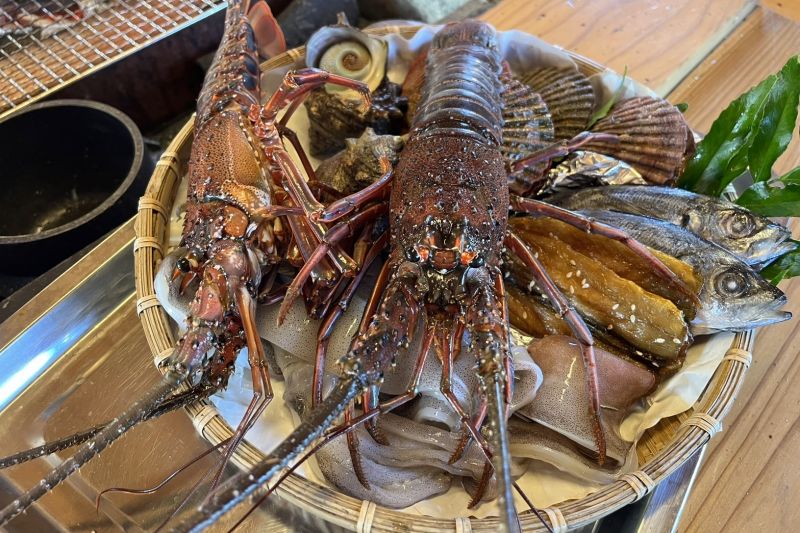
Another interesting change since moving to Japan is how much seafood I eat. Back in São Paulo, I only ate seafood occasionally, usually at restaurants. But here in Japan, it is available everywhere, and I have really come to appreciate it.
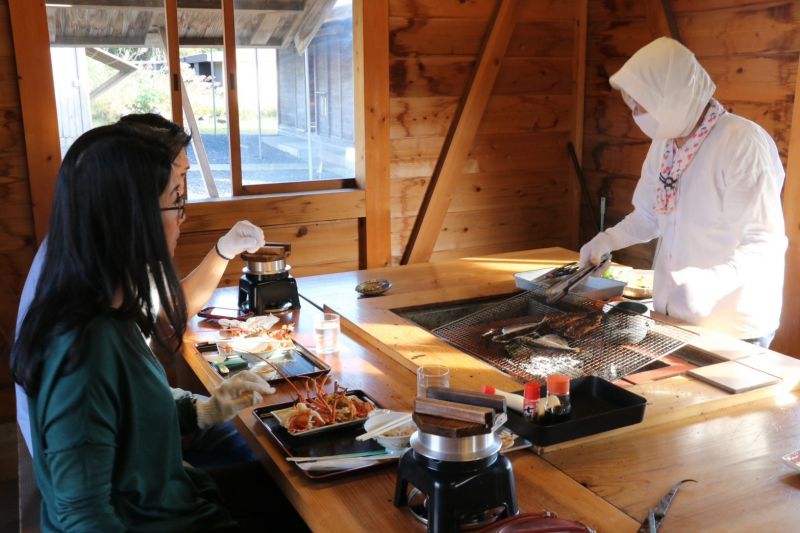
Anyways, back to our lunch. It was my first time eating so many kinds of fresh seafood all at once. I’m embarrassed to admit that I can’t even name all of them. There is one dish in particular I am not a fan of - squid. Every time I ate it, it felt like rubber, so I usually avoid eating it. But this time, since it was prepared by an ama, I could not refuse. I am so glad I tried it because it was delicious and not rubbery at all.
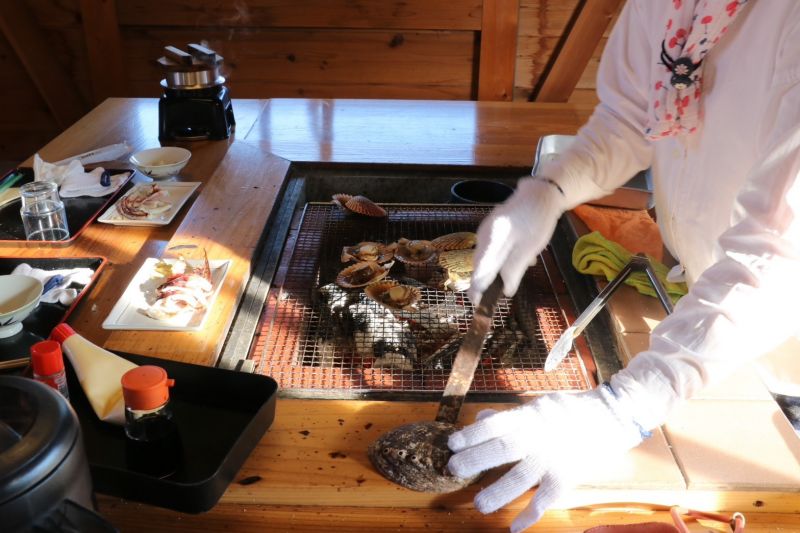
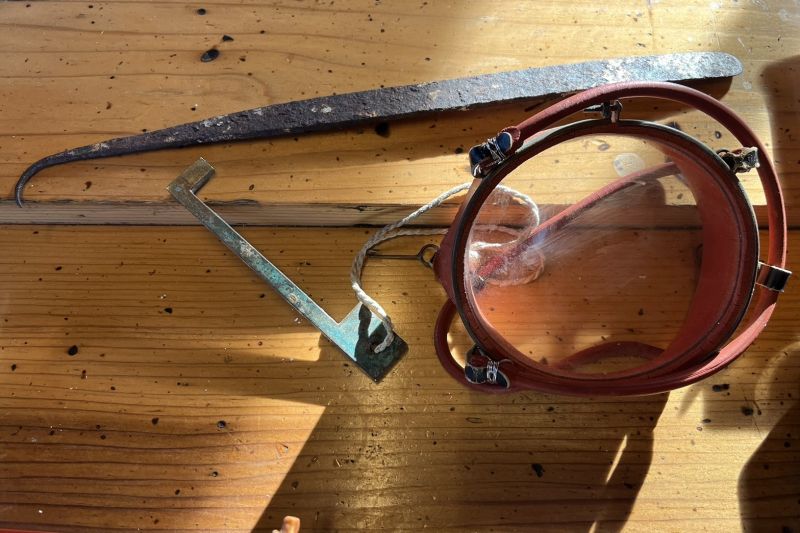
Every dish was exquisite, and our conversation with an experienced ama was unforgettable. I could feel her devotion for her work. Many of them have been diving since they were children. It’s in their blood. This tradition has been passed from one generation to another. Listening to her stories made me think that they are real-life mermaids of Japan. They can easily dive more than 15 meters deep wearing just goggles and using simple tools to catch seafood. The more I listened, the more my respect for these women grew. Unfortunately, this tradition is slowly disappearing, and the youngest ama they mentioned was already in her forties. I felt so honored to meet them, and I believe everyone who visits Japan should come and experience this. They make up an important part of Japan’s history and more people should know about their rich culture.
The Ama Hut SATOUMIAN
TEL:0599-85-1212
https://satoumian.com/en
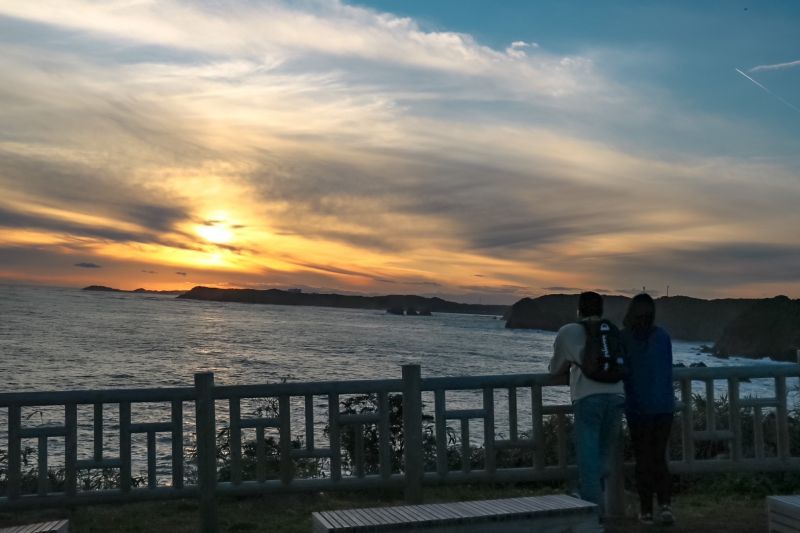
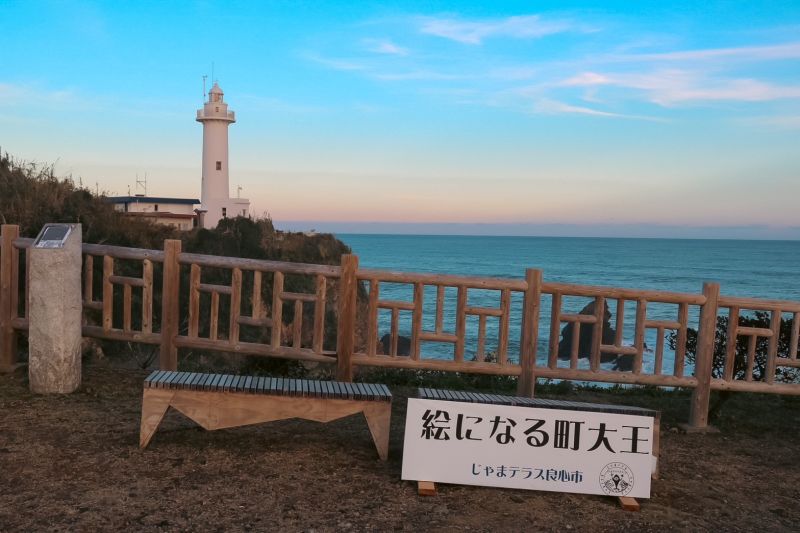
For a perfect end to our day, we went to a lighthouse to watch the sunset. Being in a coastal area, we naturally gravitated toward the sea. Unfortunately, we couldn’t go to the top of the tower, but the view from the base did not let us down. The vast Pacific Ocean stretched out before us, and it was soothing to listen to the sounds of nature, the waves crashing against the rocks, and the birds flying overhead and singing. It was the perfect way to end such a wonderful day.
In Shima, I was able to experience the gifts of the sea in ways that felt uniquely Japanese. I encourage everyone to come to Shima and enjoy this wonderful experience for themselves.
Related Articles
First-Timer's Guide to the F1 Japanese Grand Prix & Making the Most of Suzuka Circuit
Immerse into the Wonderful Ama Culture in Toba

1-Day Itinerary: Experience Ninja History and Culture in Iga
Walk the Mochi Kaido Road Like Ancient Travelers for a Taste of Mie’s Confectionery Culture, Part 1