Walk the Mochi Kaido Road Like Ancient Travelers for a Taste of Mie’s Confectionery Culture, Part 1
Explore Your Interests
2023.03.18
Category :
Area :
Ise Jingu is the highlight of any trip to Mie Prefecture. The pilgrimage to this sacred shrine, known as “Oise Mairi,” became popular among common people during the Edo period (1603–1868), and the region welcomed countless travelers from all over the country. Although it might be difficult to imagine now, an adult man of that period is believed to have walked about 32 to 40 km, or roughly eight to ten hours in a day. The Ise Kaido Road alone, stretching from Yokkaichi City through Mie Prefecture to Ise Jingu, is about 70 km. In those days, it would have taken travelers two or three days to cover the distance.
Written by Ren Wong
A food culture naturally grew alongside Oise Mairi and still thrives in Mie today. Since ancient times, locals warmly welcomed pilgrims to Ise and treated them to innovative dishes. One example is thick and soft Ise Udon noodles, which are quick to eat and easy to digest.
Another classic Oise Mairi treat is mochi (rice cake). Mochi is made by pounding steamed rice with a mallet and has many variations throughout Japan, ranging from sweet to salty. Mochi culture is deeply rooted in Mie because, like Ise Udon, these little bites are filling and easy for travelers to eat, making them perfect for long journeys.
The road from Kuwana City in northern Mie to Ise Jingu is home to many mochi specialty shops and is also known as “Mochi Kaido.”
Let’s sink our teeth into the world of mochi, a treat savored since ancient times. On a journey through Mie, be sure to enjoy try these snacks to share the experience of the travelers who came before you.
What kind of towns are Kuwana and Yokkaichi?
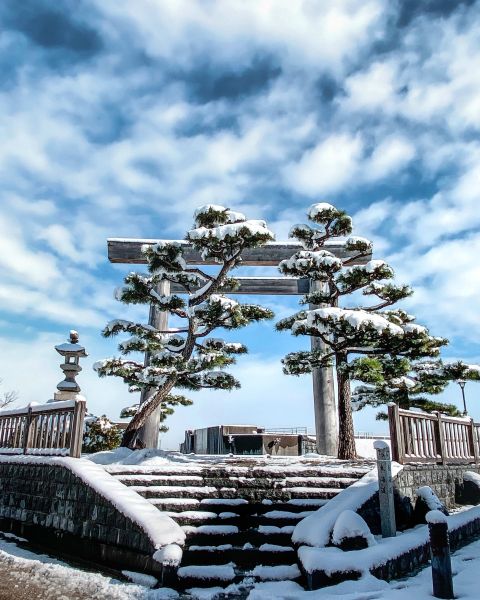
@ b_nuts1995 https://www.instagram.com/p/CX-zxDRP-LH/
In the northern part of Mie, the areas of present-day Kuwana City and Yokkaichi City flourished as post towns along the Tokaido, the road that connected Edo (former name of Tokyo), with Kyoto, during the Edo period. The port on the Tokaido sea route, Shichiri no Watashi, linked the area to Atsuta in present-day Nagoya City in Aichi Prefecture, further strengthening Kuwana’s role as a bustling transportation hub. Since Shichiri no Watashi marks the entrance to the Ise Kaido leading to the shrine of Ise Jingu, a large torii gate was built in Kuwana. Even today, this gate is brought from within Ise Jingu to Kuwana during the Ise Jingu Shikinen Sengu, a sacred event held once every 20 years to rebuild shrine structures. Kuwana has a particularly deep connection with Ise Jingu.
Mochi in Kuwana City
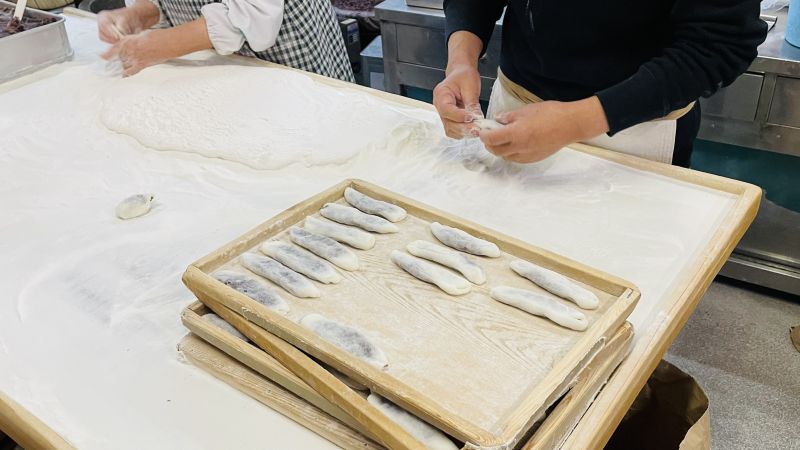
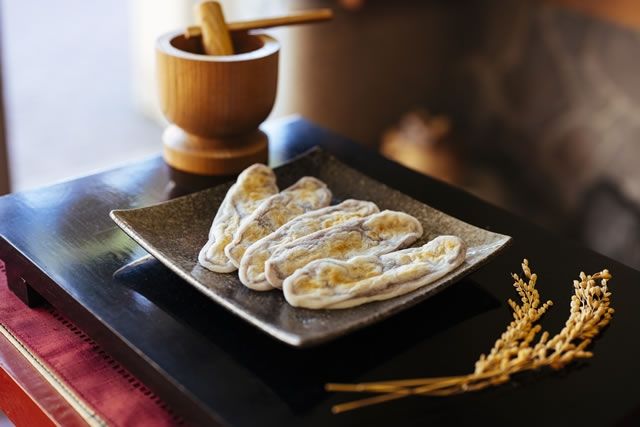
The mochi of Kuwana and Yokkaichi is known for being long and thin, with a filling of red bean paste. Lightly toasted on the outside, it is fragrant and delicately browned. Because it is so thin, even people who are not fond of red bean paste find this light snack easy to enjoy. In Kuwana, it is known as Yasunaga mochi, which is said to have first appeared in the middle of the Edo period and is still served at two shops in the city.
Nagamochiya Rouho
Yasunaga Mochi Honpo Kashiwaya
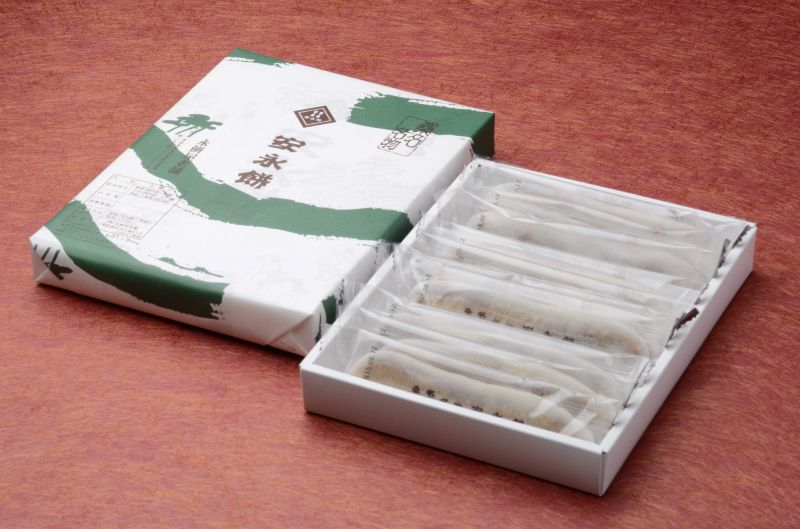
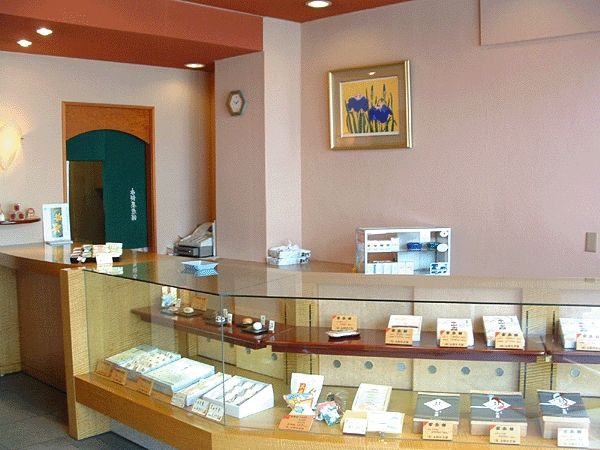
Nagamochiya Rouho was founded in Yasunaga in Kuwana in the 17th century (early Edo period), and became famous for creating a local specialty called Yasunaga mochi. To this day, it is made using the traditional method, and it is so delicious that it’ll leave you wanting more.
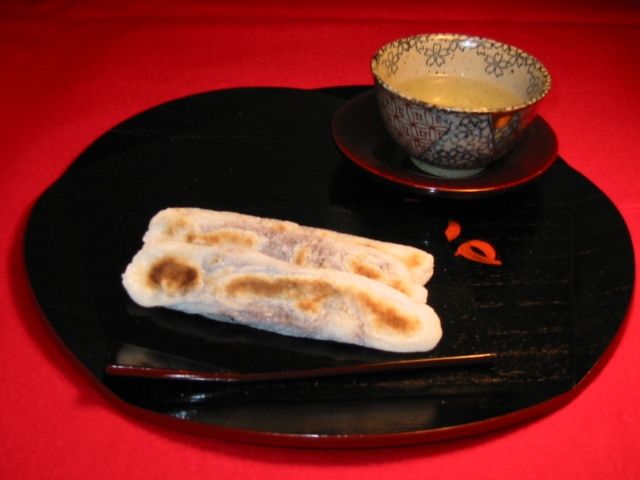
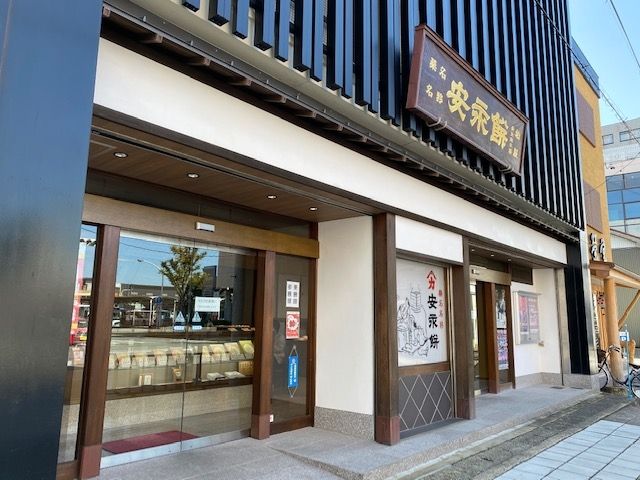
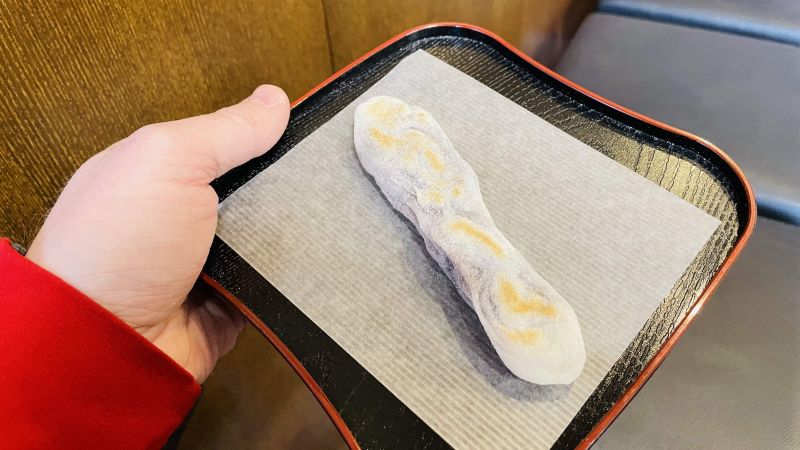
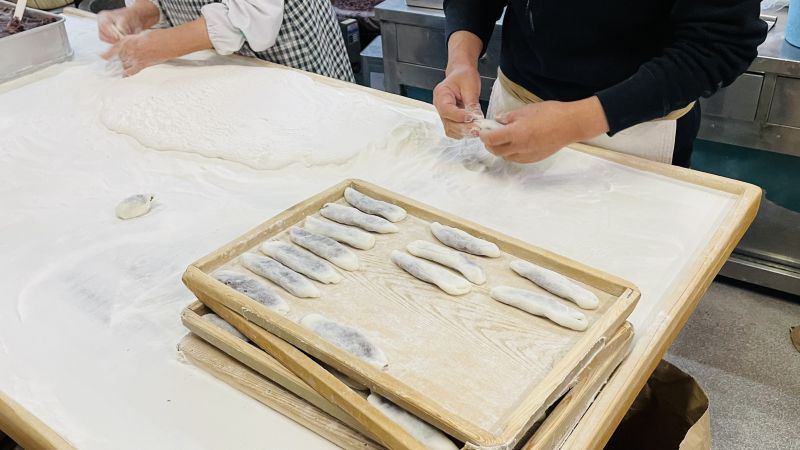
Within walking distance of Kuwana Station and Nishi-Kuwana Station, Kashiwaya offers not only boxed souvenirs, but also freshly baked Yasunaga mochi to enjoy on the spot. When I visited, I was able to watch it being made. The warm, freshly baked mochi with the subtle sweetness of red bean felt like it could surely soothe the heart of any tired traveler.
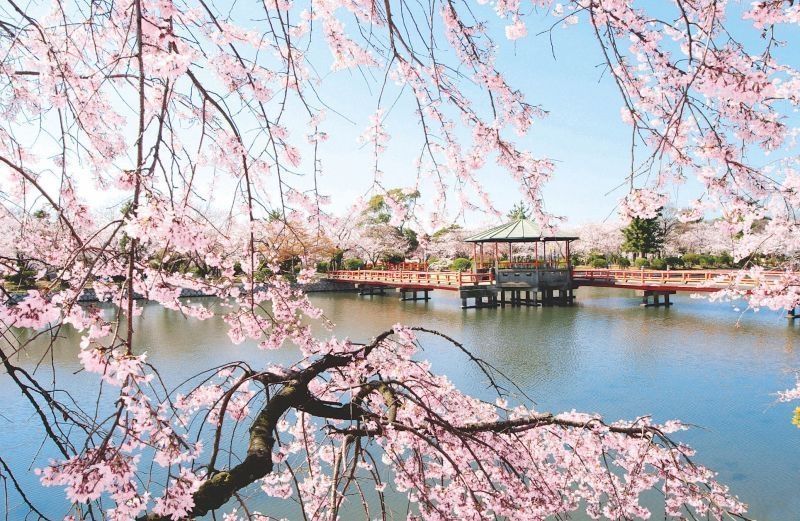
Kuwana’s most famous cherry blossom viewing spot, Kyuka Park, is about a 15-minute walk from either Kuwana Station or Nishi-Kuwana Station. In the spring, it would be lovely to enjoy some Yasunaga mochi surrounded by pink Sakura blossoms.
Mochi in Yokkaichi City
Like the mochi in Kuwana, the Yokkaichi specialty is also long and thin with a silky, sweet red bean paste inside. Yokkaichi City has several long-established Japanese sweets shops, including Sasaiya, founded in 1550, and Taihaku Nagamochi Kinjoken, founded in 1868. Why not compare the flavors at each shop?
Nagamochi Sasaiya
Taihaku Nagamochi Kinjoken
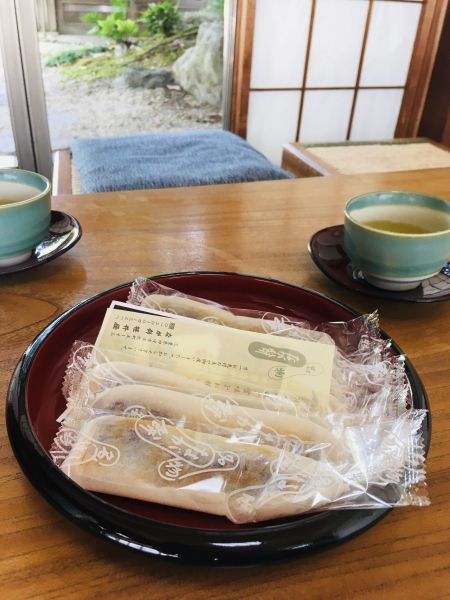
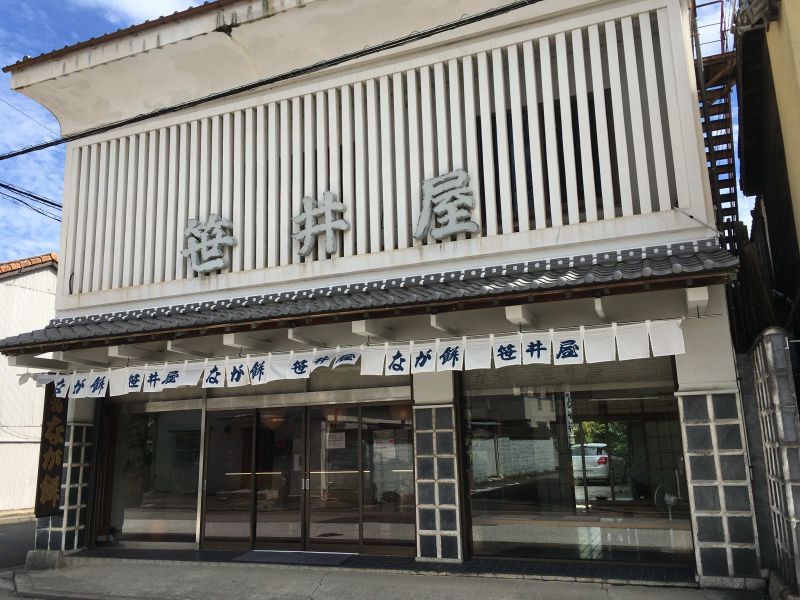
Sasaiya is located on a once busy road that now has a calm atmosphere. Enjoying tea with Nagamochi in its old-world interior made me feel as though I had stepped into a historical drama.
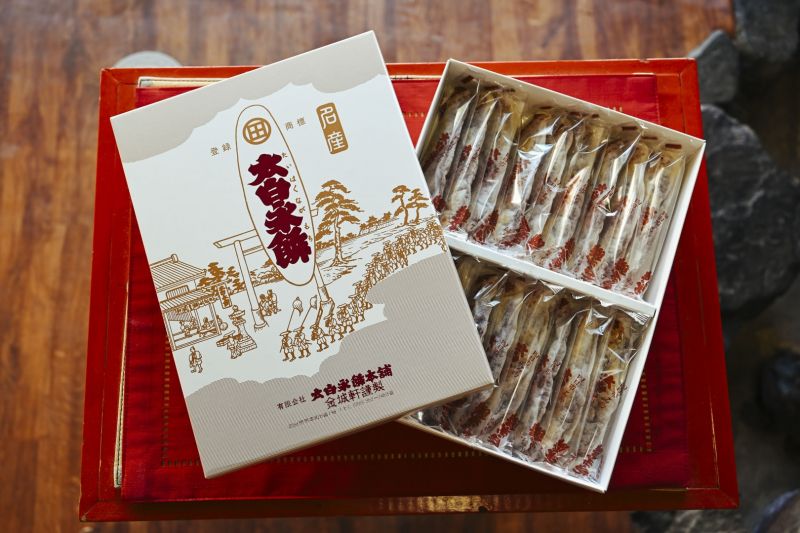
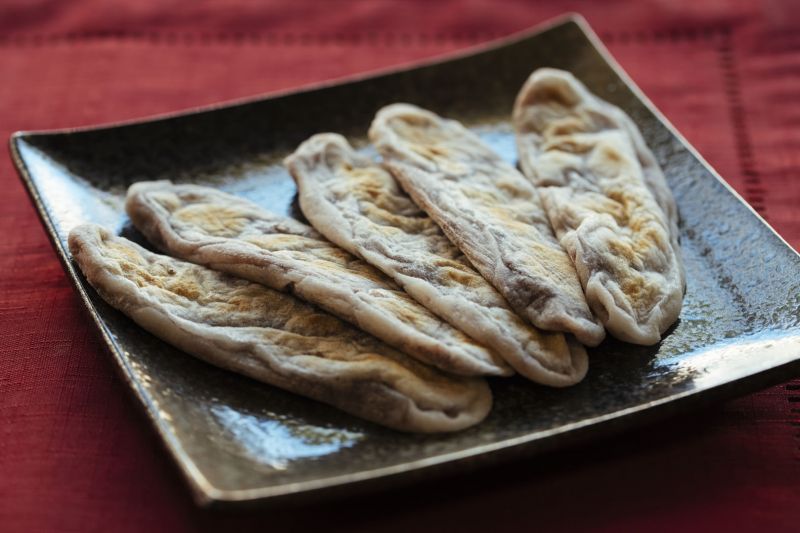
Taihaku Nagamochi Kinjoken is also easy to visit, just a three-minute walk from JR Yokkaichi Station. The shop hand-bakes 5,000 pieces of mochi every day, and it is loved by the locals as a popular choice of souvenir.
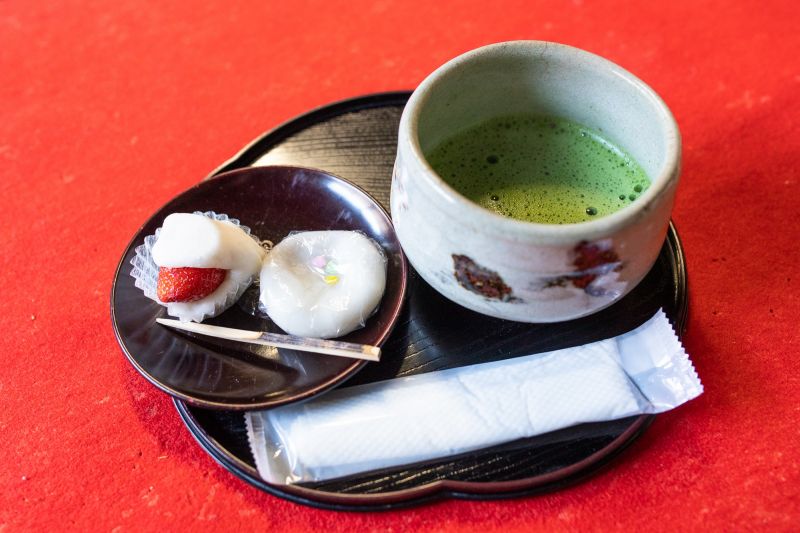
Yokkaichi is also a center of production for traditional Banko-ware pottery, and you can visit workshops or try making the ceramics yourself. Why not enjoy a cup of tea served in a Banko-ware vessel, paired with sweet mochi?
Sekijuku: Another post town with a distinct mochi culture
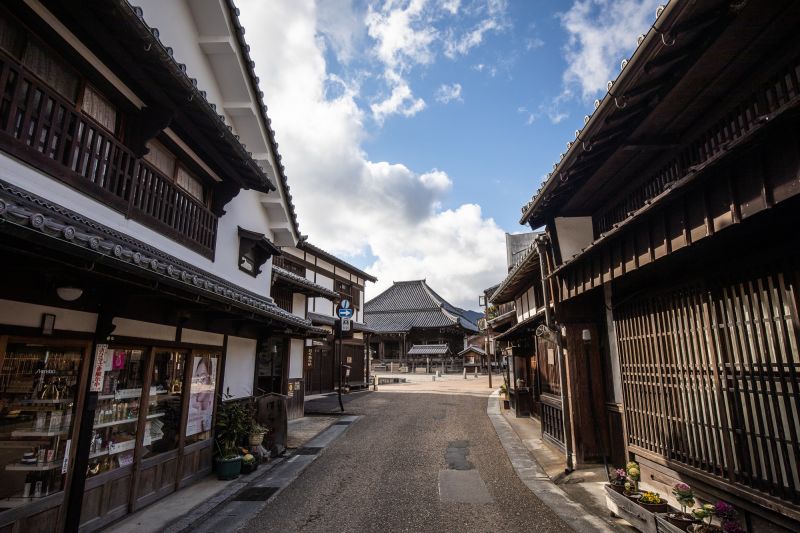
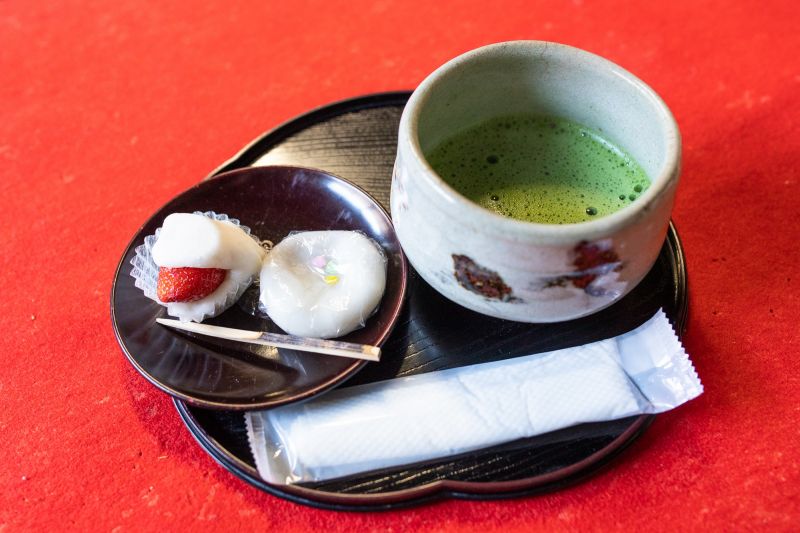
Southwest of Yokkaichi, in Kameyama City, Sekijuku also flourished as a post town along the main Tokaido artery connecting Edo and Kyoto. Here, too, the tradition of welcoming travelers with mochi along the Tokaido remains very much alive. Sekijuku’s specialty is Shiratama, a small, round mochi cake filled with sweet red bean paste. Slightly different from the mochi found in Kuwana and Yokkaichi, it has a charm all its own and looks irresistibly cute.
Next, we continue our journey toward Ise, where even more varieties of mochi await around Ise Jingu. Stay tuned for Part 2, as we explore the next sweet chapter of the Mochi Kaido Road.
Walk the Mochi Kaido Road Like Ancient Travelers for a Taste of Mie’s Confectionery Culture Part 2
Related Articles
OWASE WAPPA: Nature’s Gift Shaped into Tableware Art
Mie’s Top Five Spots for Winter Fun
Flavors of Mie: Unveiling the Delights of Matsusaka Beef
World Heritage Kumano Kodo Iseji Route: The Magose-Toge Pass