World Heritage Kumano Kodo Iseji Route: The Magose-Toge Pass
Explore Your Interests
2023.12.23
Category :
Area :
Have you ever heard the old saying, “Seven times to Ise, three times to Kumano”? For centuries, visiting Ise Jingu was considered a once-in-a-lifetime wish for people across Japan. In 2004, the Kumano Kodo pilgrimage routes, connecting the sacred sites Kumano Sanzan and Ise Jingu, were officially registered as a UNESCO World Heritage Site under the name “Sacred Sites and Pilgrimage Routes in the Kii Mountain Range.”
This time, we hiked the Magose-toge Pass along the Iseji Route, a noticeably lesser-known section of the pilgrimage, and continued on to Mt. Binshiyama, home to a breathtaking overlook of rolling mountains and an island-dotted coastline. Between the historic stone paths, untouched forests, and sweeping vistas, the journey left us deeply moved. For nature lovers and hikers in search of a cultural treasure, this trail promises a truly unforgettable experience.
Written by Bonnie Chow
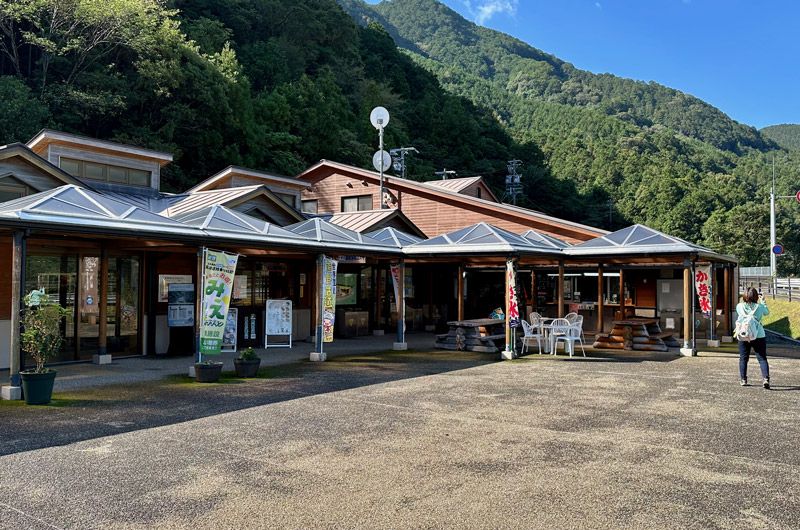
Michi no Eki Miyama Rest Station
Our adventure began at Michi no Eki Miyama, a roadside rest station where we parked our car and stocked up on drinks and snacks. This is very important as there are no facilities along the trail. From here, it’s roughly a ten-minute walk to the trailhead of the Magose-toge Pass.
Crossing the Historic Magose-Toge Pass
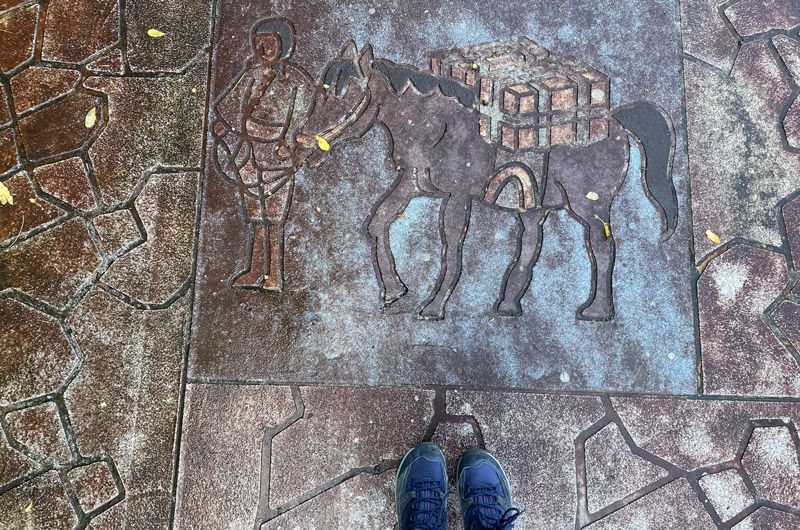
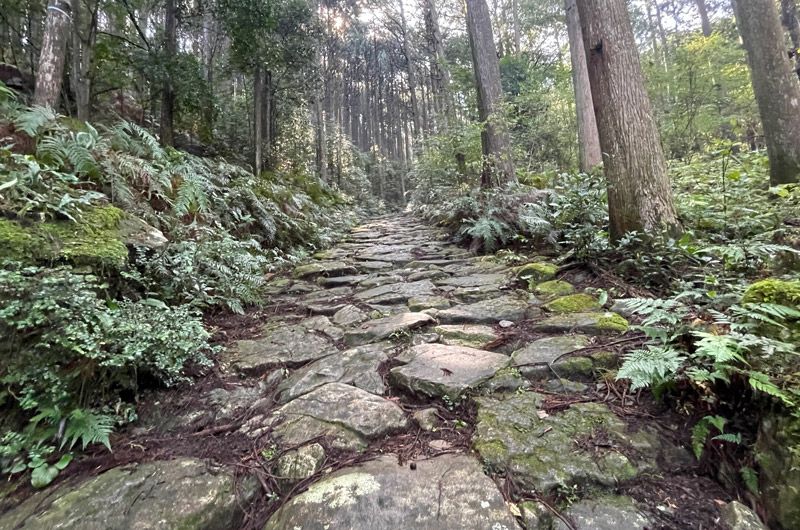
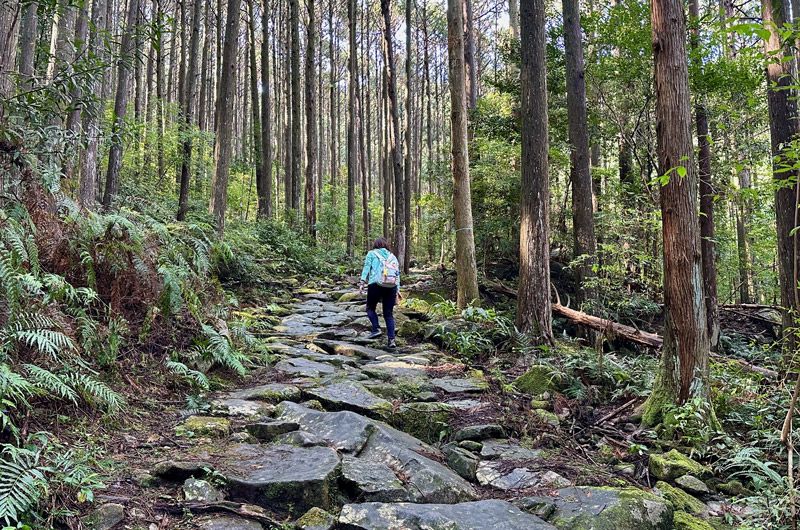
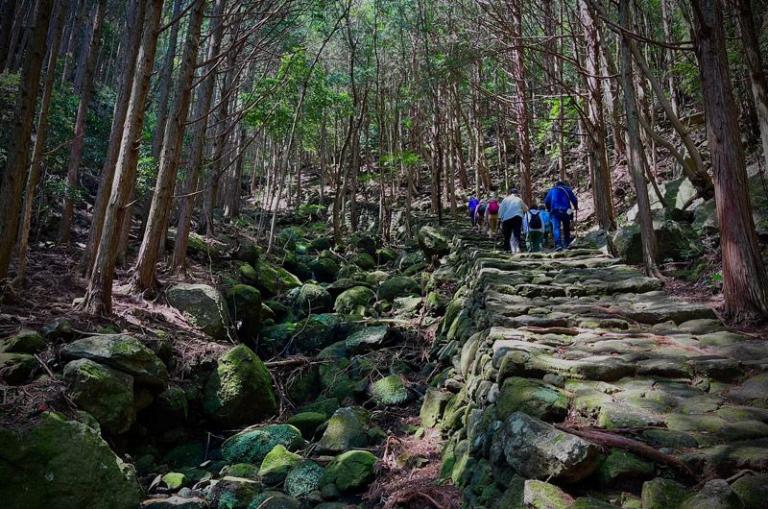
After seeing the above roadside illustration, we can imagine how people crossed this path during the Edo period (1603–1868). Starting from the entrance at an elevation of just 13 meters, we had to climb up to 325 meters, following a path paved with ancient stones and surrounded by tall, fragrant cypress trees.
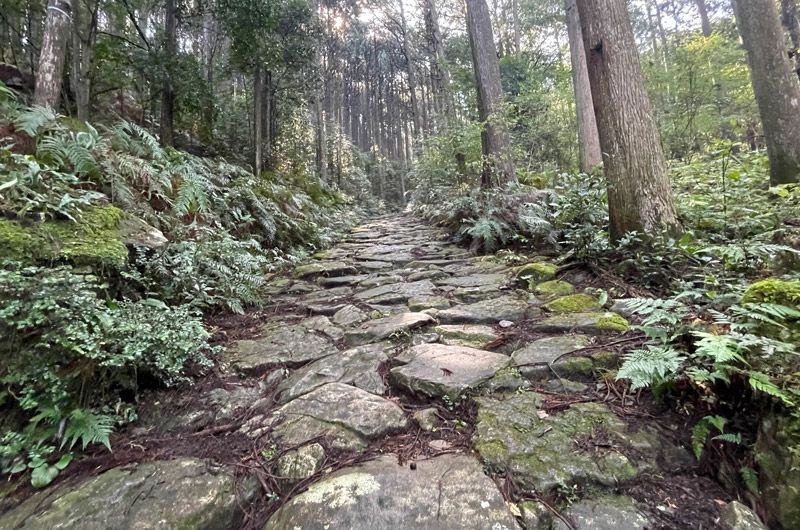
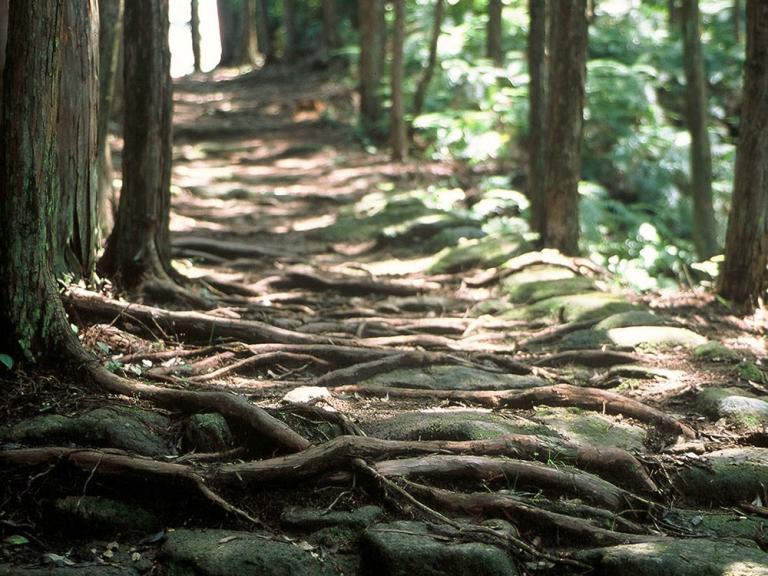
Once we stepped on the moss-covered cobblestones, the atmosphere shifted. It was as if we had become wandering samurai traveling back through time. Since Owase City is known for receiving heavy rainfall, large paving stones were installed centuries ago to protect the trail from erosion. Remarkably, despite raging typhoons and rumbling earthquakes, the path has survived intact to this day.
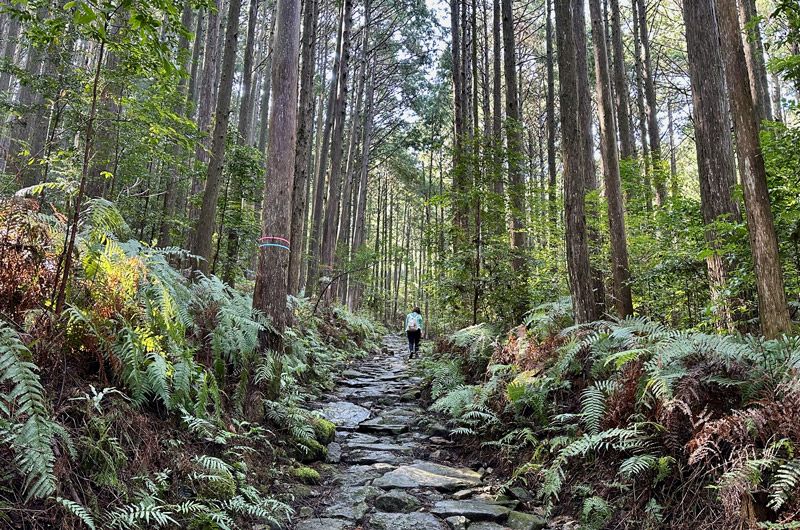
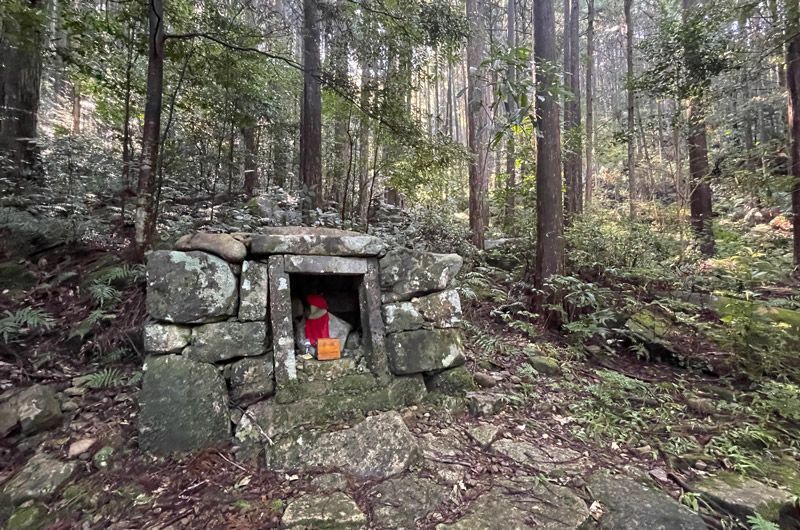
After about 30 minutes, we reached the first resting area and took a short break. After that, we continued to hike for another 20 minutes to reach the top of the Magose-toge Pass.
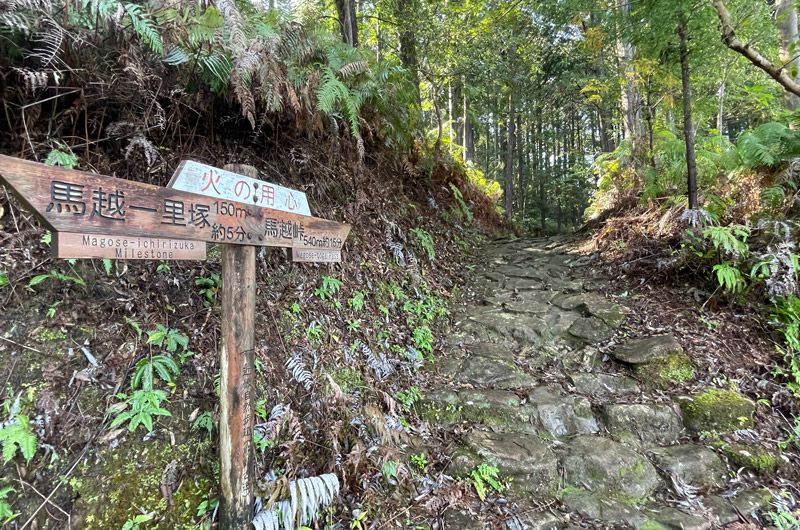
Finally, after about 50 minutes of hiking, we reached the top of the Magose-toge Pass.
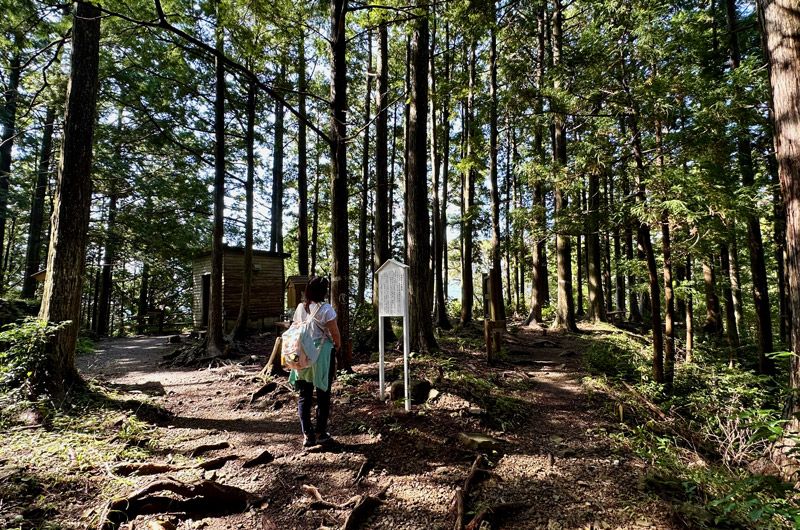
Side Trip: From Magose-Toge Pass to Mt. Binshiyama
At the top of the pass, we turned right toward Mt. Binshiyama. This was a detour from the official Kumano Kodo route, but Mt. Binshiyama offers a really pleasant climb and spectacular views. If you are physically fit, we recommend you take this side trip.
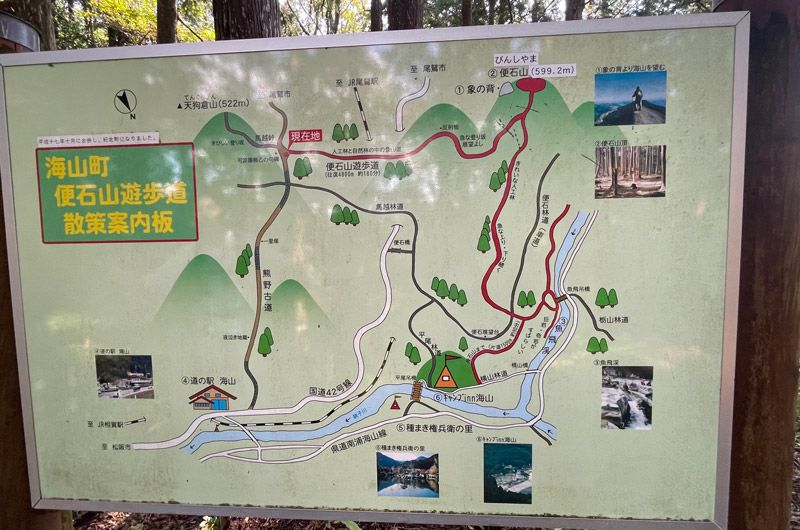
This hike was a little bit challenging since we had to descend from the Magose-toge Pass and ascend again to reach the top of Mt. Binshiyama.
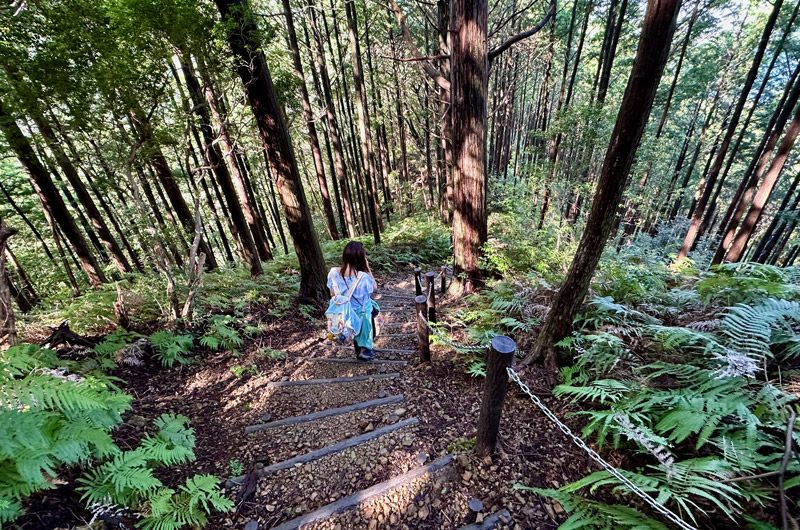
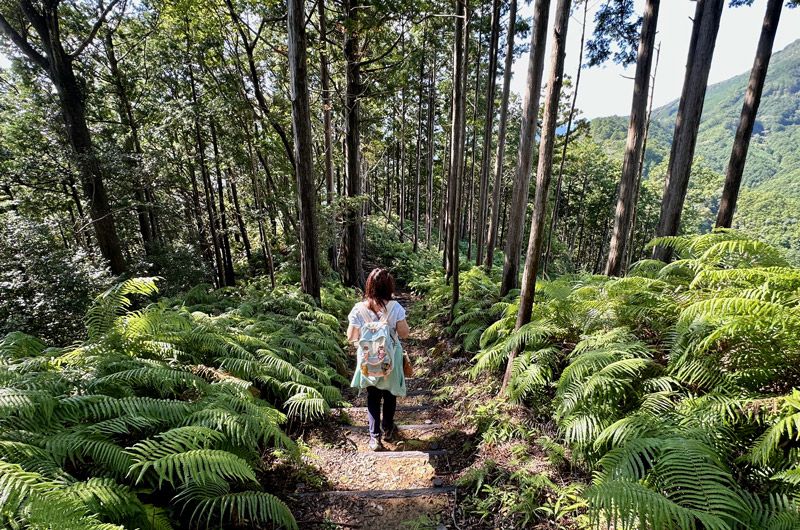
As we descended from the Magose-toge Pass, we could see Mt. Binshiyama ahead of us as though it was watching over us.
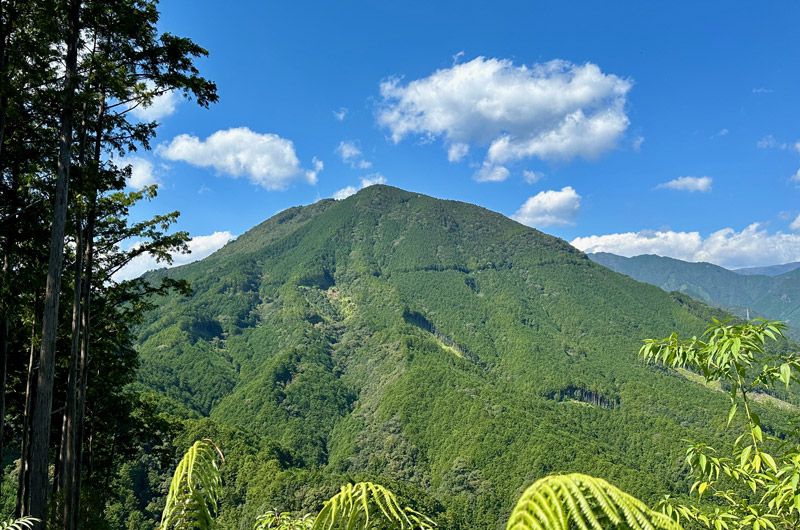
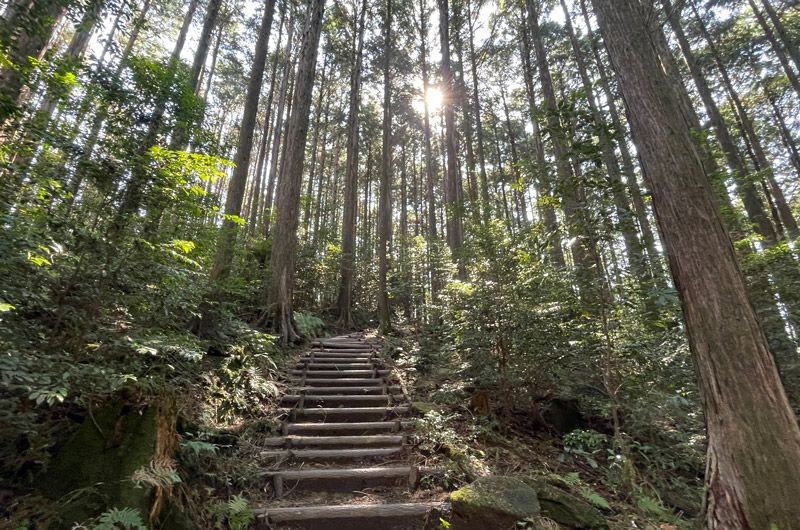
After around two hours, we arrived at the summit of Mt. Binshiyama.
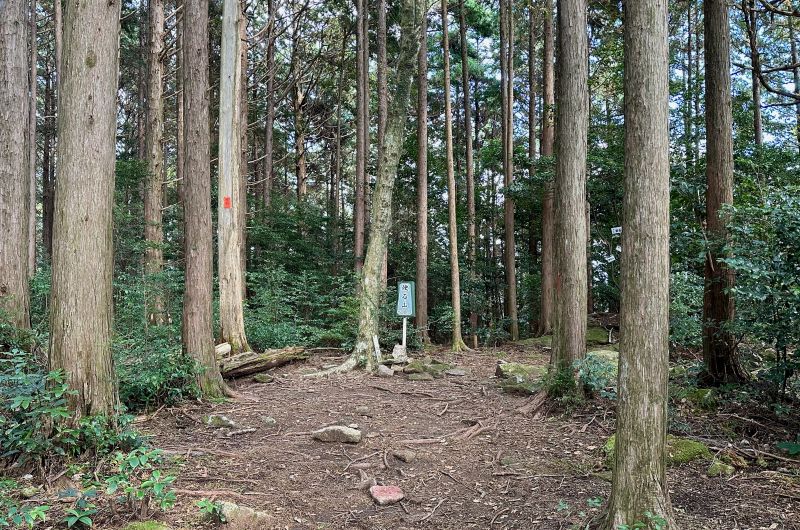
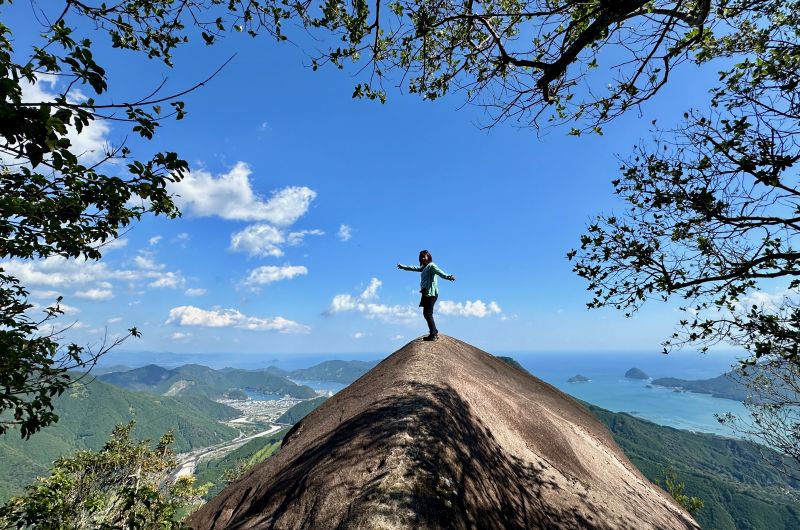
Then we reached the most rewarding part of the trail, Elephant’s Back, which is just a few steps away from the top of Mt. Binshiyama. We were excited to climb onto the huge rock shaped like an elephant’s back and enjoy the stunning view of Mt. Tengurasan, Owase City, and the sea of Kumano.
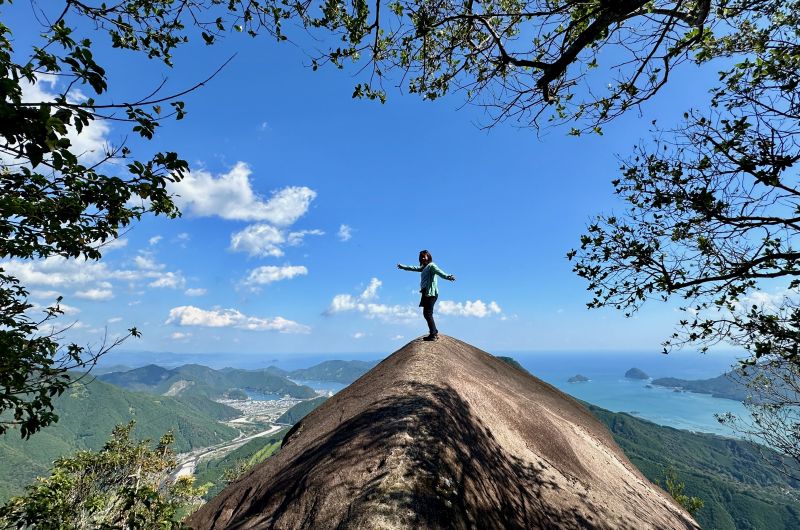
It took quite a bit of courage for me to take pictures while standing on top of the rock. Be careful and make sure to maintain your balance!
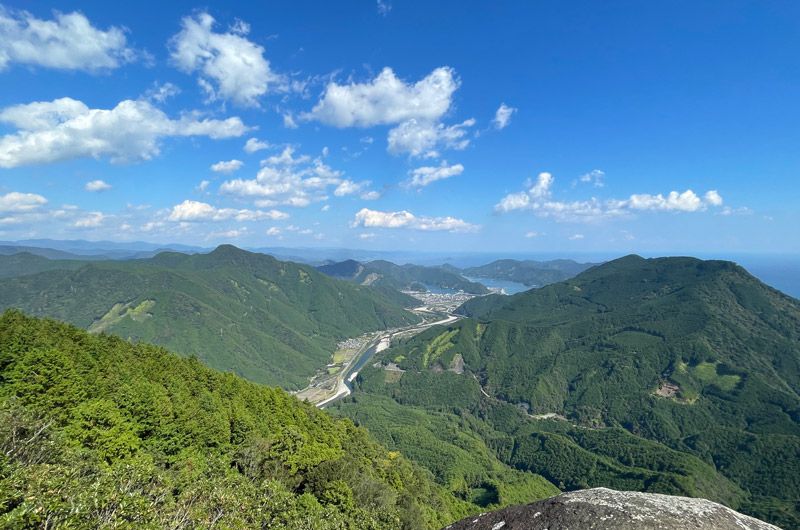
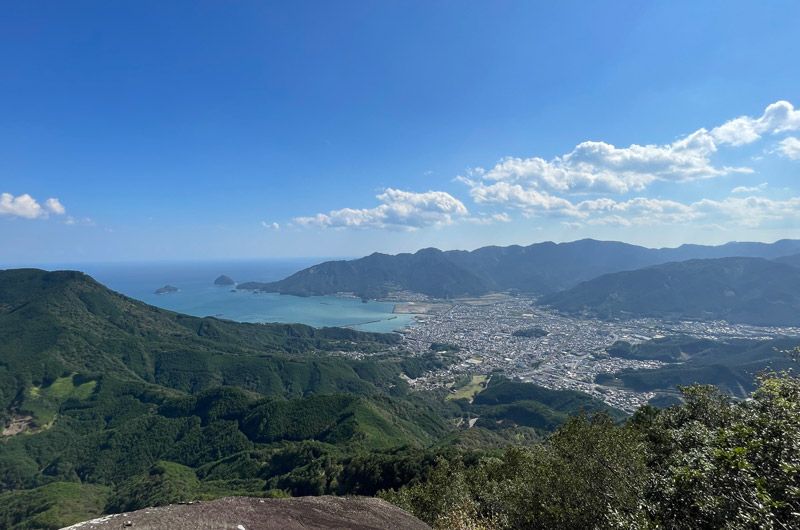
The magnificent scenery of the azure sky, serene ocean, and city is your reward after three hours of hiking.
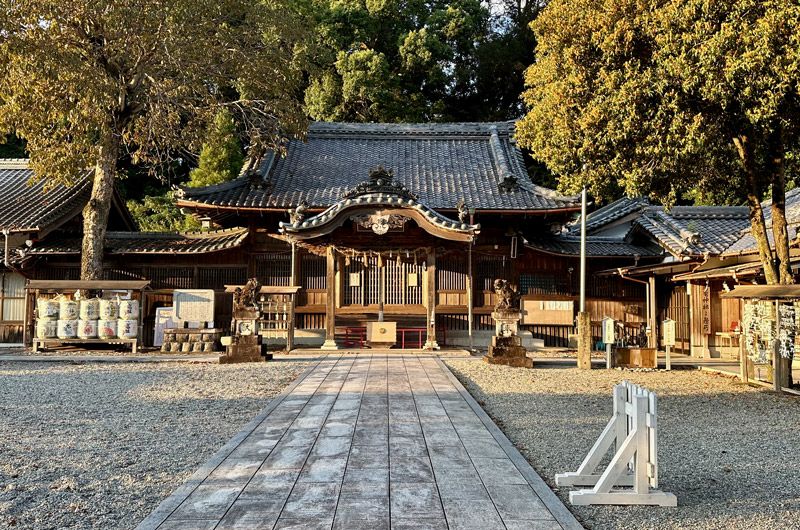
Owase-Jinja Shrine
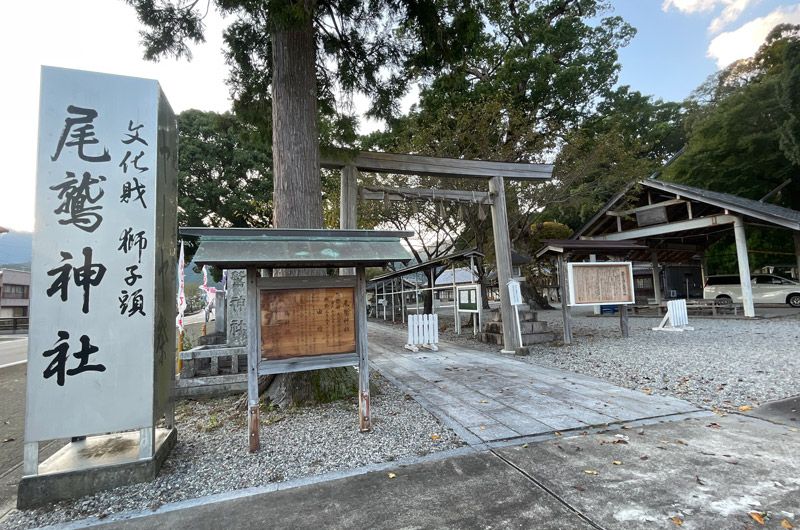
From Mt. Binshiyama, we chose to hike back to the starting point since our car was at the Michi no Eki Miyama Rest station. Since the return route is almost entirely downhill, it took us just 2.5 hours to complete the trail. After arriving at the rest area, we drove 10 minutes to Owase-jinja Shrine to pray.
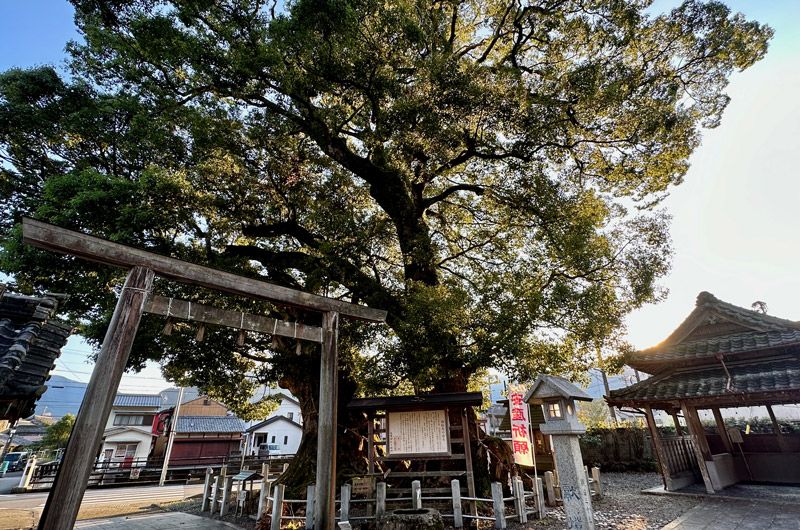
Ya Ya Matsuri is a well-known festival with more than 300 years of history. It is held for five consecutive days from February 1 every year. To pray for a good harvest, men ram into each other fiercely during the festival. If we have the chance, we would love to come back to Owase to experience the festival in February.
How to Reach the Magose-Toge Pass
The easiest way to access the trail is by car, driving directly from Nagoya or Osaka to Michi no Eki Miyama. The drive takes approximately 2–2.5 hours from Nagoya and around 3 hours from Osaka.
After hiking Mt. Binshiyama, it is also possible to descend to Owase City and return to Michi no Eki Miyama by bus. However, services are infrequent, so be sure to check bus and train timetables in advance.
For those using public transportation, the nearest stations to Michi no Eki Miyama are Aiga Station (train) and Miyama Bus Station. From Iseshi Station, it takes about 2.5 hours to reach Aiga Station, followed by a roughly 25-minute walk to the trailhead.
Wrap Up
In total, it takes at least five hours to complete the trails mentioned above. Hiking on the Kumano Kodo Iseji Route is one of the best ways to experience Japanese culture. It feels incredible to spend a day in unspoiled nature as if we were samurai from the Edo period. The view from Elephant’s Back was the highlight of our trip to Mie. If you are planning a hike on the Magose-toge Pass, please wear hiking shoes and comfortable sportswear, as the moss-covered cobblestone trail can be slippery after rain. Since there are no vending machines or restaurants on the trails, be sure to bring drinks and food, as you will need stamina to finish the hike. We hope you can include the Magose-toge Pass in your next trip to Japan.
Related Articles
Five Flowery Spring Blossoms in Mie
OWASE WAPPA: Nature’s Gift Shaped into Tableware Art
Walk the Mochi Kaido Road Like Ancient Travelers for a Taste of Mie’s Confectionery Culture, Part 1
From Kumano City to the Kumano Kodo: An Abundance of Natural Wonders