OWASE WAPPA: Nature’s Gift Shaped into Tableware Art
Explore Your Interests
2023.02.02
Category :
Area :
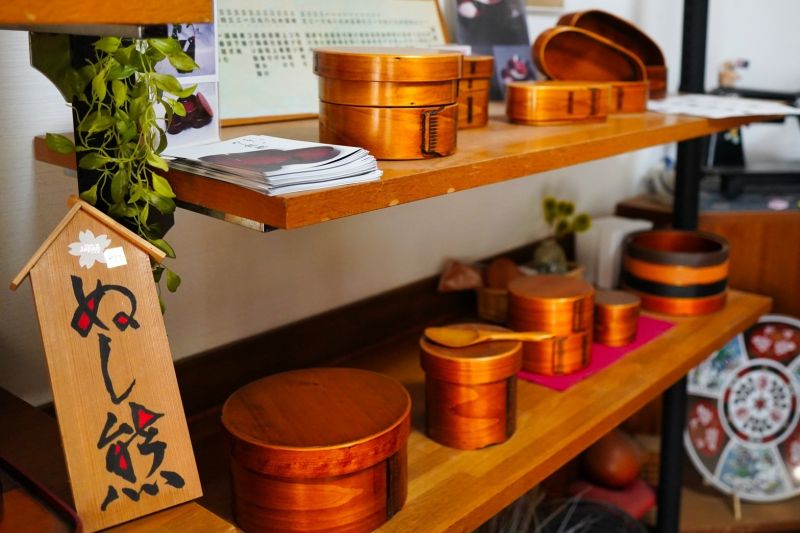
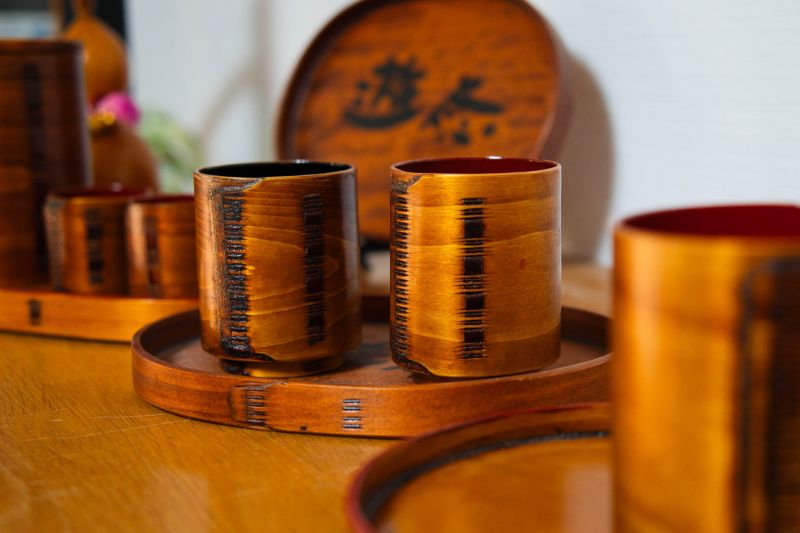
There is always something deeply moving about Japanese handcrafts. Every piece begins with carefully chosen natural materials, shaped for a clear purpose yet never stripped of elegance or artistry. For this trip, I drove to the southern reaches of Mie Prefecture to meet someone truly remarkable—the last remaining craftsman of Owase Wappa.
Written by Mutlu Sayar (Muu Sensei)
Even though Owase City is known for being one of the rainiest cities of Japan, it was a clear day on my visit. These rains, however, are part of what makes Owase so unique. Facing the Kumano Sea and blanketed in dense forests, the city’s rugged topography and heavy downpours shape its natural treasures.
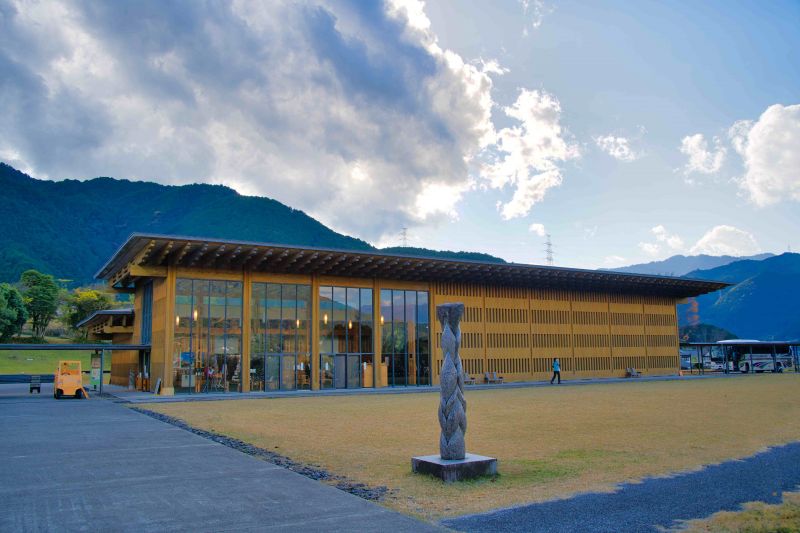
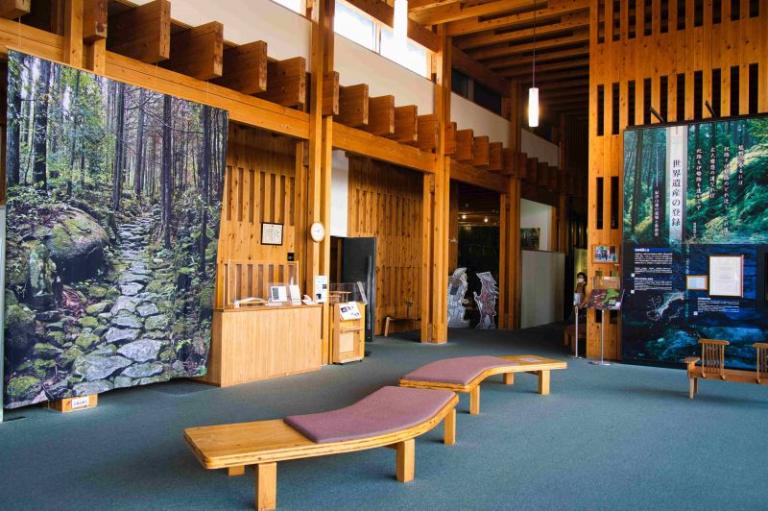
I first headed to the Mie Prefectural Kumano Kodo Center. This large building is almost entirely made of wood.
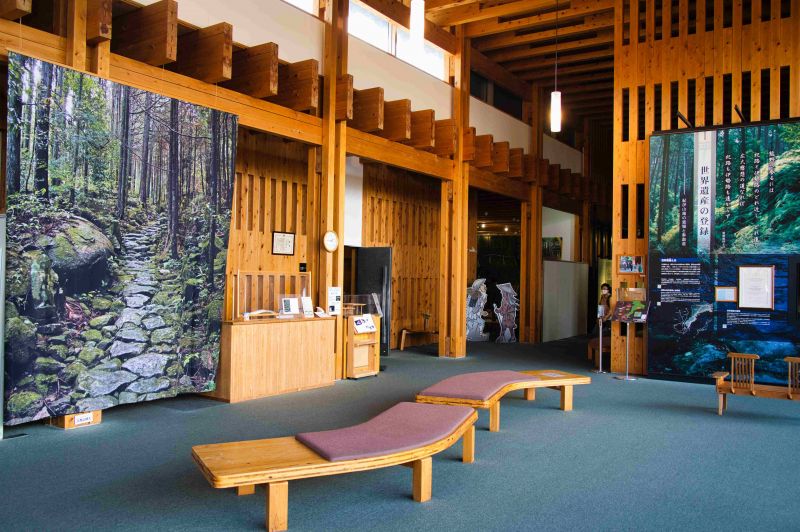
Walls, ceiling, roof, chairs, tables and others, everything I could see around me, were mostly made of “Owase hinoki” cypress or “Kumano sugi” cedar.
Owase hinoki is produced from the city’s unique topography and climate. Its unique sweet scent is thanks to those heavy rains I mentioned. Rains carry down the steep slope of Owase and deprive the soil of nutrients. Therefore, the trees grow slowly and the annual rings get dense. Consequently, the wood is rich in oil, the grain characterized by lustrous, beautiful reddish bark, and remarkable resistance to decay.
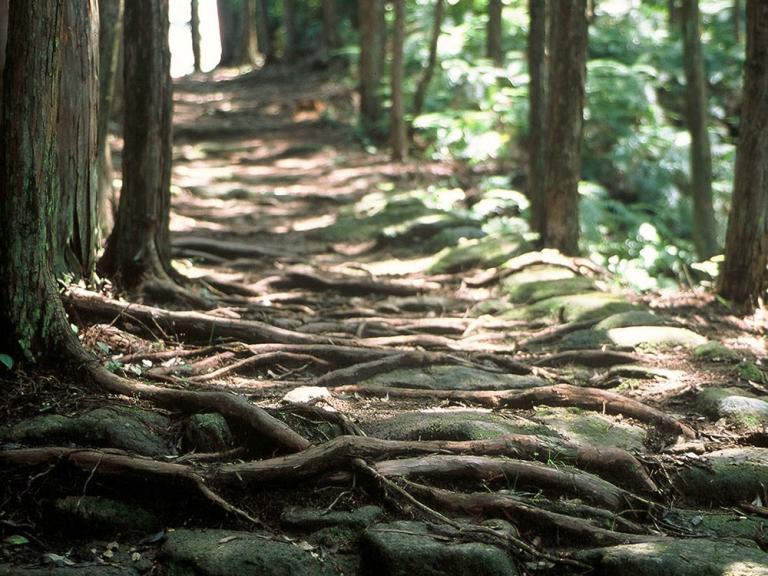
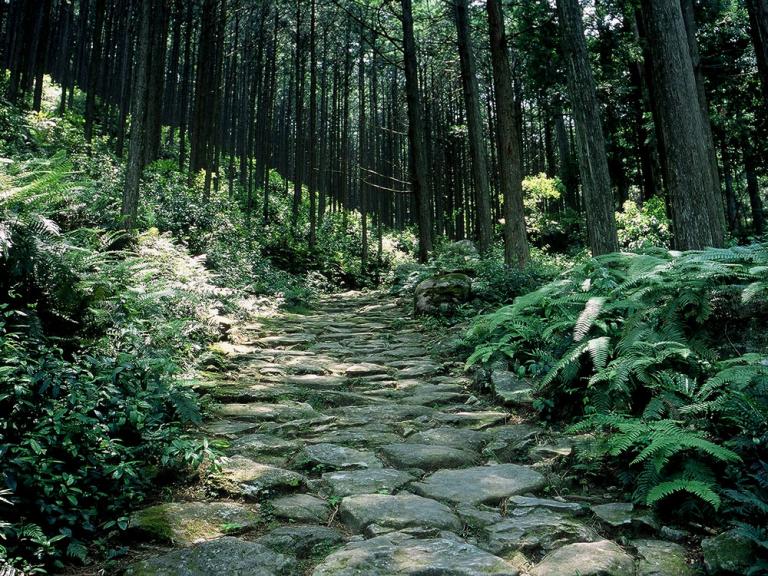
The famed Kumano Kodo Iseji Route, now listed as a UNESCO World Heritage site, winds through forests of these very trees. A certificate of its inscription is proudly displayed inside the center.
Check here to find out more about Kumano Kodo Iseji Route:
Kumano Kodo Iseji
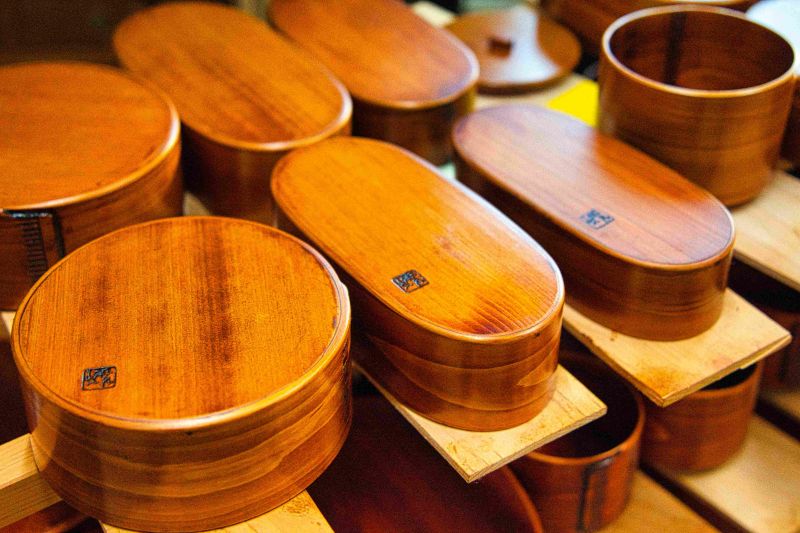
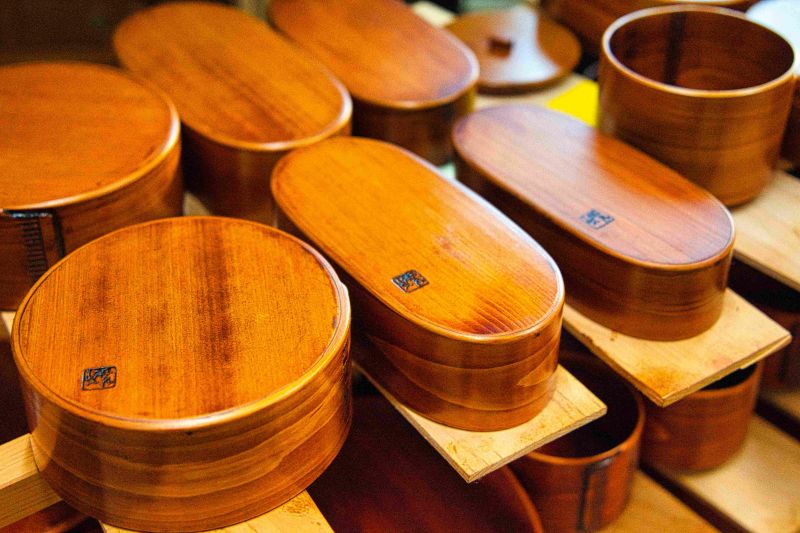
For centuries, Owase hinoki has been prized for construction and handcrafts in Mie Prefecture. Not a scrap goes to waste; every remnant finds a use. This sustainable approach makes the wood a perfect fit for the values behind modern SDGs. Among all local crafts, one stands out with particular cultural weight: Owase wappa, a traditional Japanese bentwood craft often used for lunch boxes.
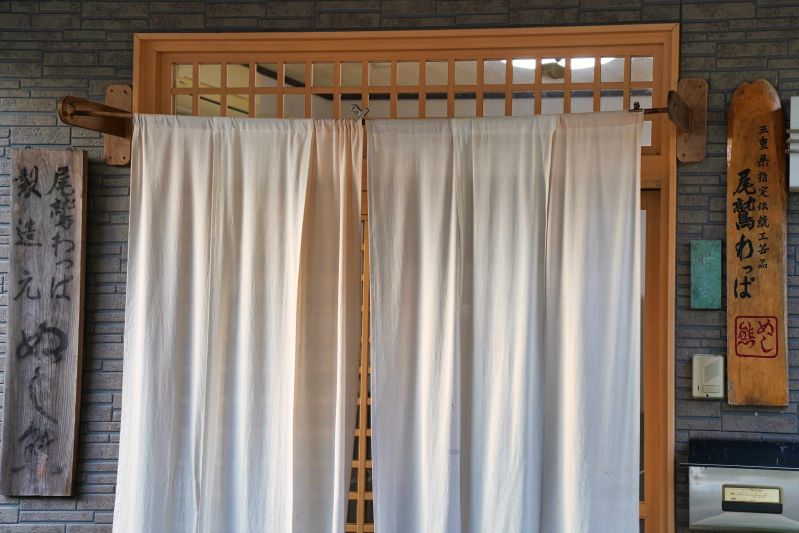
To see this craft firsthand, I headed to Nushikuma, a workshop that has been transforming Owase hinoki into exquisite tableware since 1887. Stepping into the garden, I was surprised not by cypress trees but by towering cherry trees, and I soon learned why.
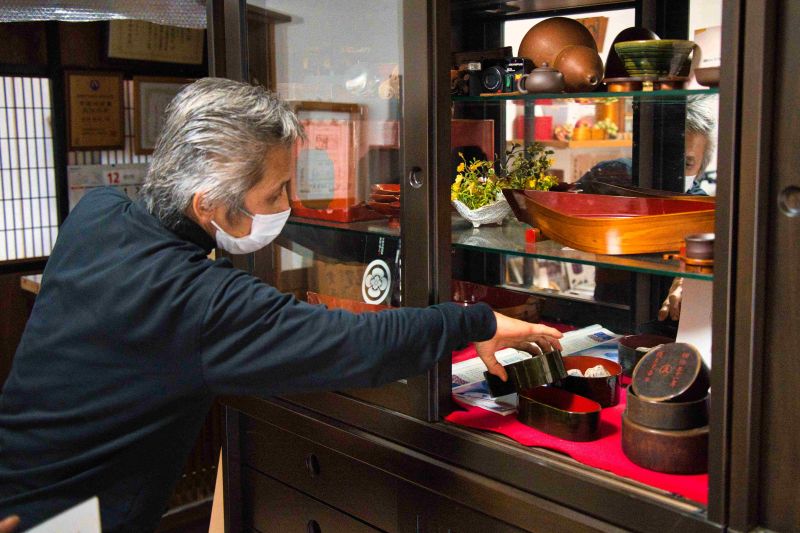
Eager to know more, we met Seko-san, the only surviving craftsman of Owase wappa.
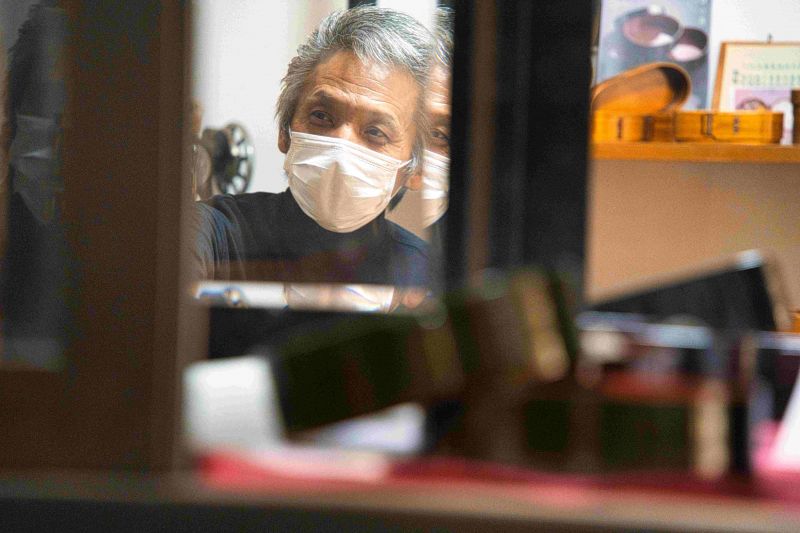
Seko-san gave us a very warm welcome. He is the fourth generation of Nushikuma, which was first founded by his great-grandfather in 1887. He says he learned this craftsmanship by watching his predecessors.
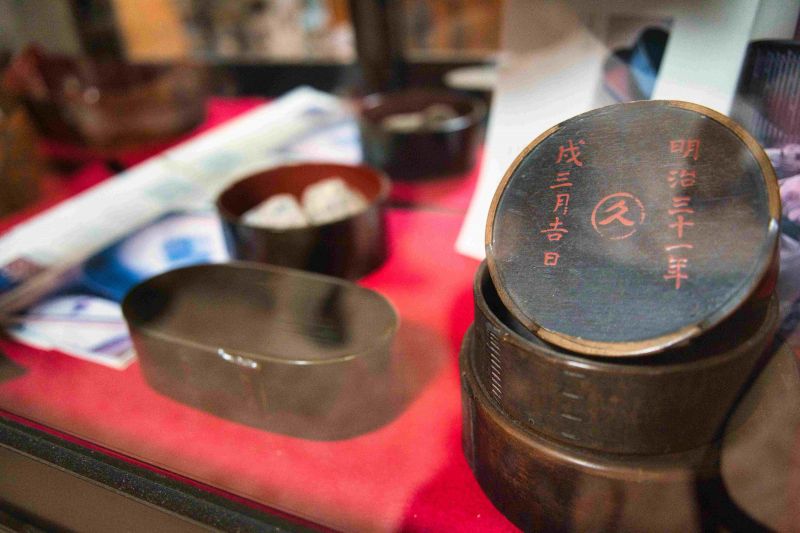
He told us there were once several wappa craftsmen in Owase, but many abandoned the trade as times changed. Seko-san himself nearly walked away after a devastating fire destroyed his home and workshop over twenty years ago. He believed it was a sign to stop, until he found his urushi lacquer bucket miraculously untouched among the ashes.
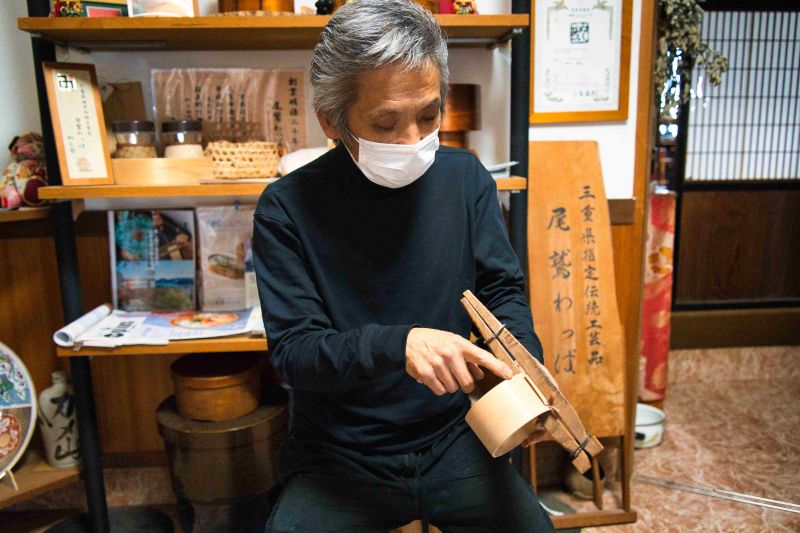
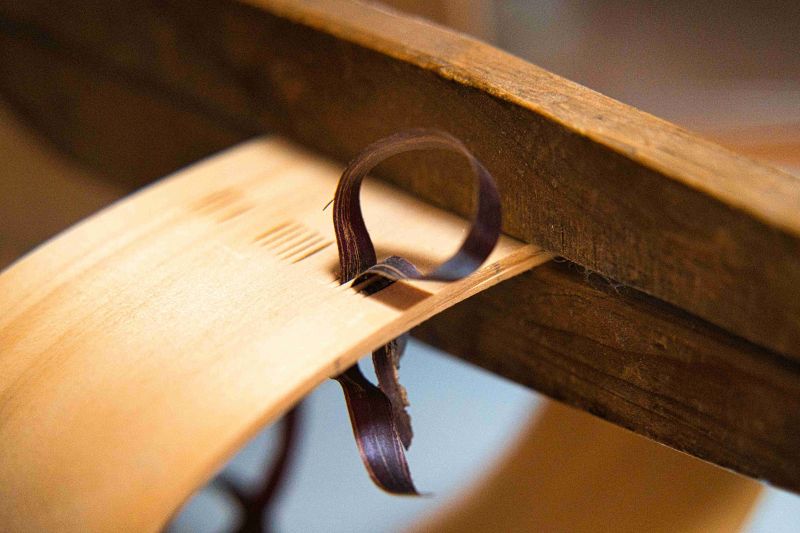
Seko-san uses only natural urushi lacquer and follows a meticulous process requiring 45 steps and more than a month to complete a single wappa piece. All the materials used are completely natural. The wood of the cherry trees I saw at the entrance is used to make strips for binding. Nothing artificial, not even glue, is used in the entire process. Multiple layers of urushi are applied by the brushes Seko-san made himself. As urushi is heat-resistant, it makes Owase wappa very heat-resistant. Seeing his tools survived the fire, he thought that was the real message and continued crafting Owase wappa after rebuilding his house and studio.
Because it is made with natural urushi, heat-resistant Nushikuma’s wappa is also acclaimed for its microwave-safety. In fact, Seko-san’s wife tested one by placing it in the microwave every day for a year. It endured the trial perfectly, retaining its smooth finish and shape.
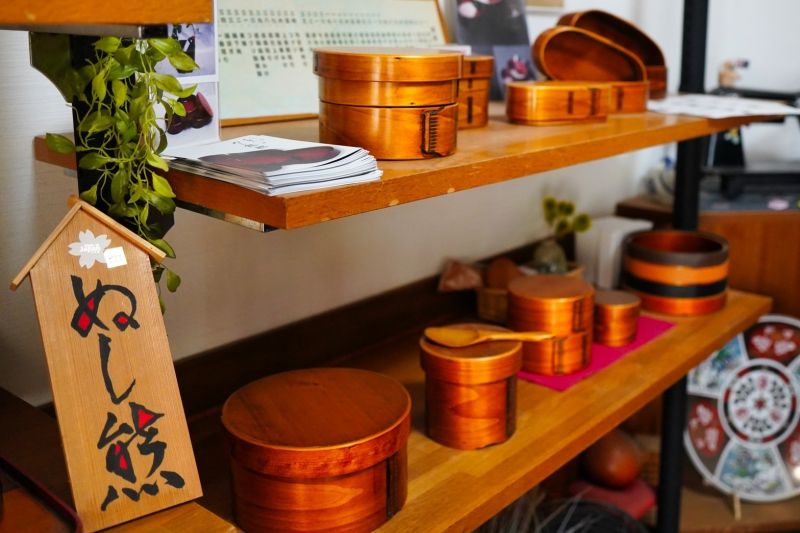
One story he shared particularly moved him. It was a customer’s reaction when she took an Owase wappa lunch box in her hands. Seko-san says she was greatly delighted with the feel and kept saying “it’s so gentle” as she stroked her hands over the wappa. With his permission, I held a wappa for myself. The feel was extraordinary. Smooth, feather-light, yet strong enough to last generations.
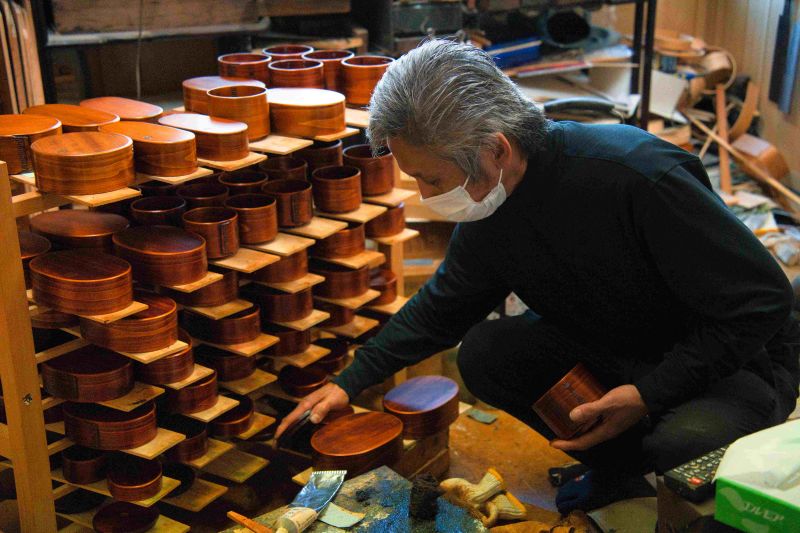
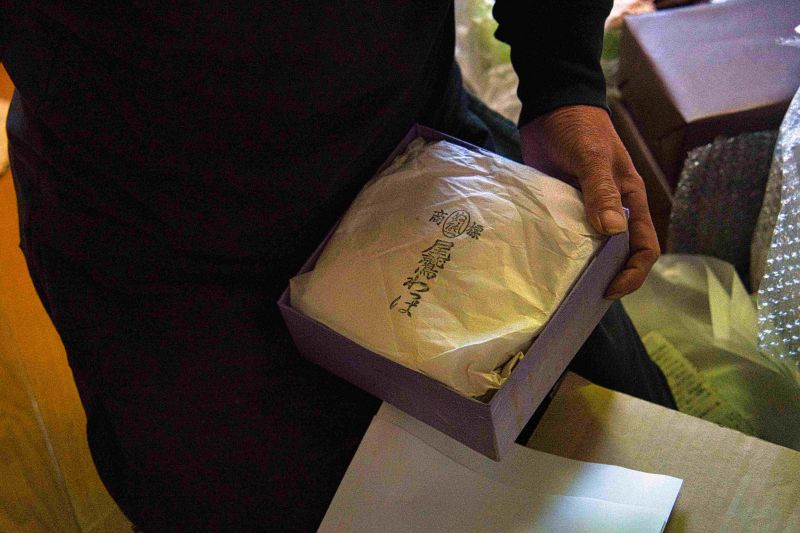
Seko-san also accepts repair requests. Some pieces brought to him were crafted decades ago and passed down through families. With proper care, a Nushikuma wappa can last more than a century, carrying with it the memory of everyone who used it.
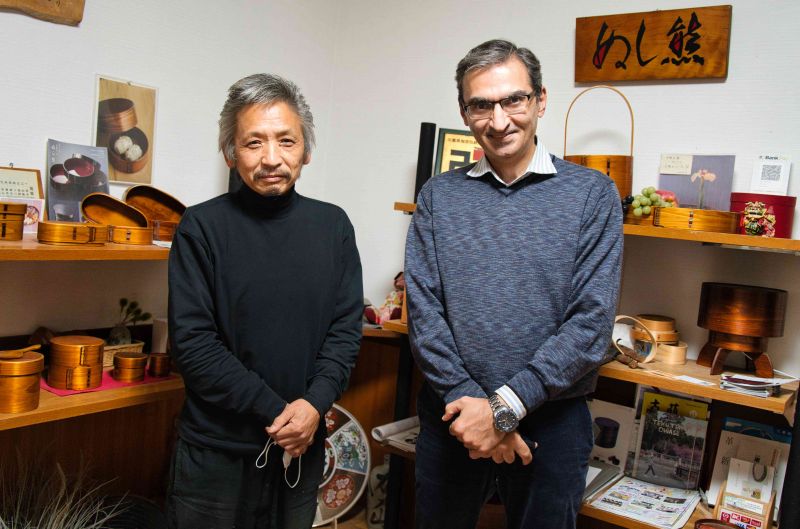
Despite being the only craftsman left, Seko-san continues to work tirelessly, accepting orders from across Japan and online. Demand is so high that each piece takes about a year to complete and deliver, but the wait is unquestionably worth it.
I left Nushikuma already imagining the day I’ll hand my own wappa to my sons, along with the story of the craft, the craftsman, and the remarkable resilience behind it.
Related Articles
Walk the Mochi Kaido Road Like Ancient Travelers for a Taste of Mie’s Confectionery Culture, Part 1
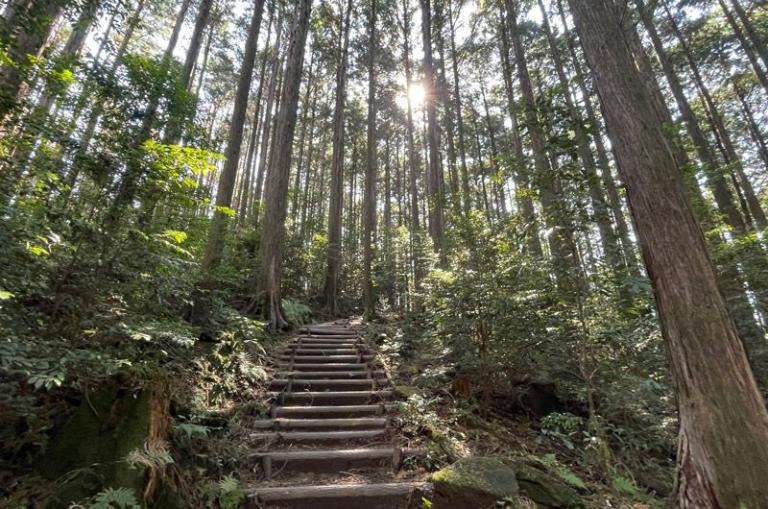
World Heritage Kumano Kodo Iseji Route: The Magose-Toge Pass
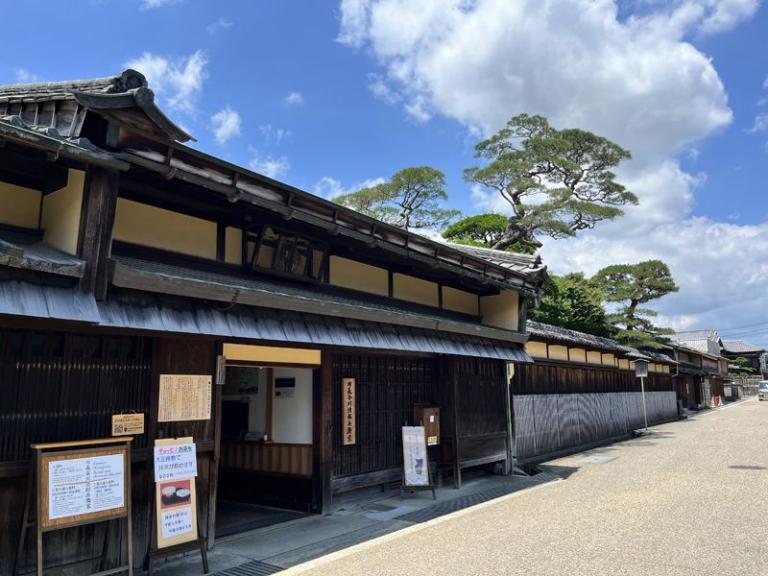
One-Day Itinerary: Experience Samurai Culture and Japanese Food in the Central Area of Mie Prefecture
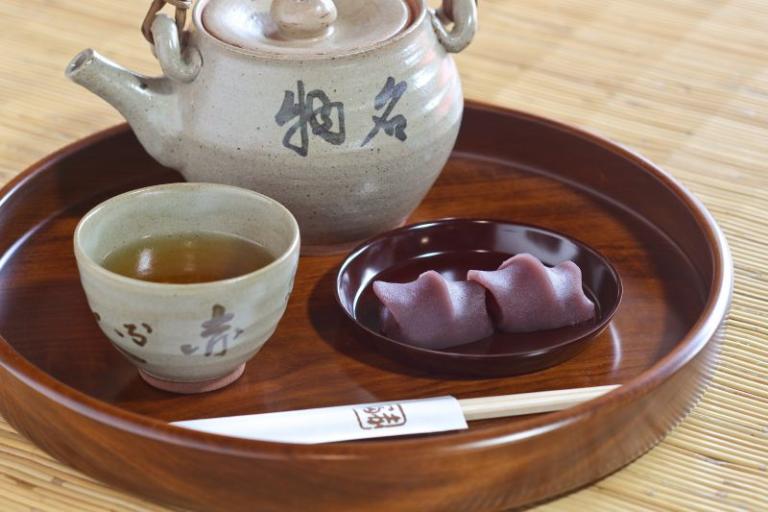
Walk the Mochi Kaido Road Like Ancient Travelers for a Taste of Mie’s Confectionery Culture, Part 2