Mie’s Unmissable Event: the Ueno Tenjin Festival
Explore Your Interests
2021.11.04
Category :
Area :
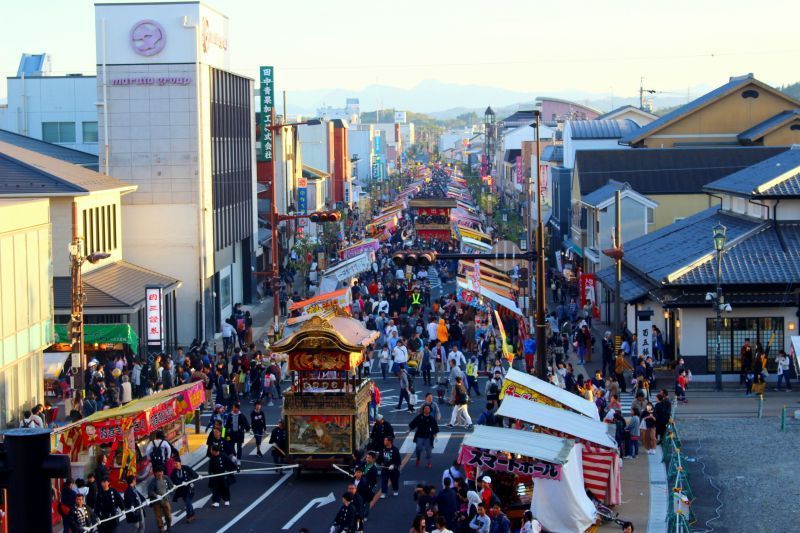
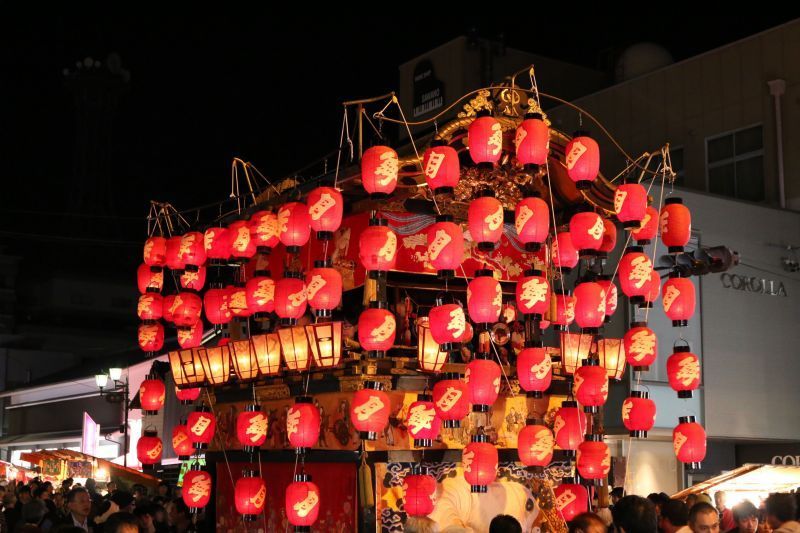
In late October, the usual calm of Iga City in Mie Prefecture is suddenly shattered by the pounding of taiko drums, blazing lanterns, and Oni (demon) processions. What’s going on? It’s the Ueno Tenjin Festival, the crown jewel in the pantheon of this town’s cultural riches, a one-of-a-kind experience in the shadow of a towering castle.
Written by Ren Wong
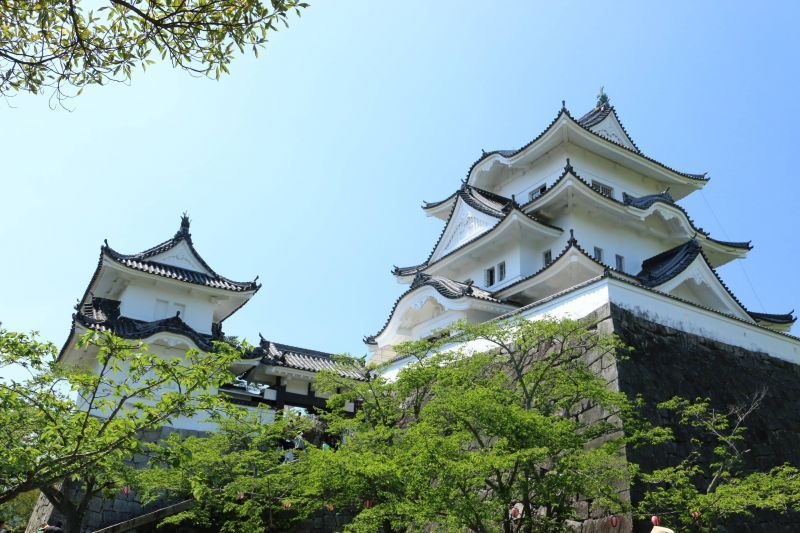
Iga City, a historic castle town known as the legendary birthplace of ninjutsu, is set in the foothills of western Mie Prefecture. In the city center, the majestic Iga Ueno Castle towers over the surrounding town on 30-meter stone walls. In this historic setting, the Ueno Tenjin Festival, which has captivated crowds for more than four centuries, comes to life over three days on the Friday, Saturday, and Sunday before October 25.
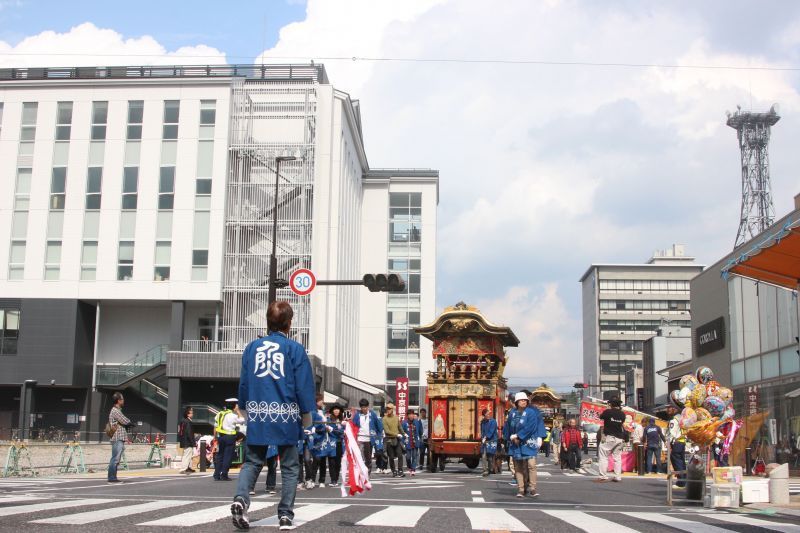
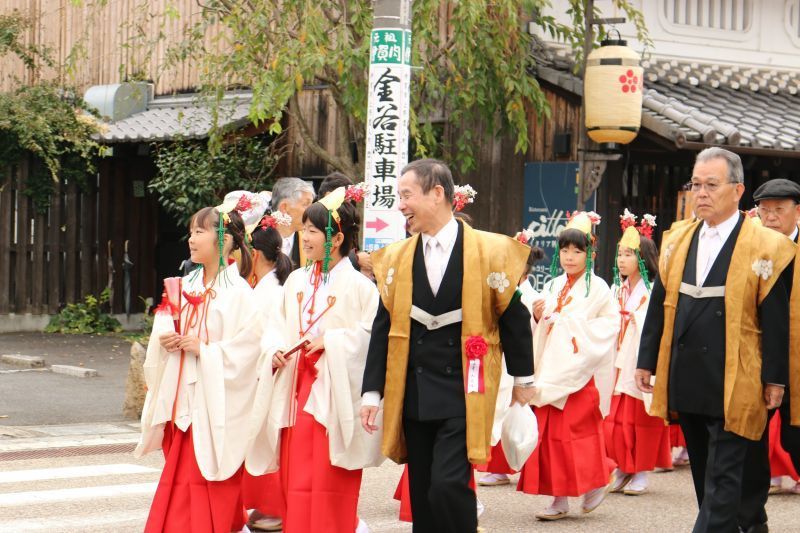
The festival began as a prayer to prevent epidemics and thank the gods for a successful harvest. Though the exact date of its origin is unknown, it was revived in 1660 after being suspended. Over the centuries, the festival has absorbed influences from Kyoto’s famous Gion Festival, yet it has evolved into something unique to the region. In recognition of its deep cultural significance, it was designated a National Important Intangible Folk Cultural Property in 2002 and later registered as a UNESCO Intangible Cultural Heritage in 2016.
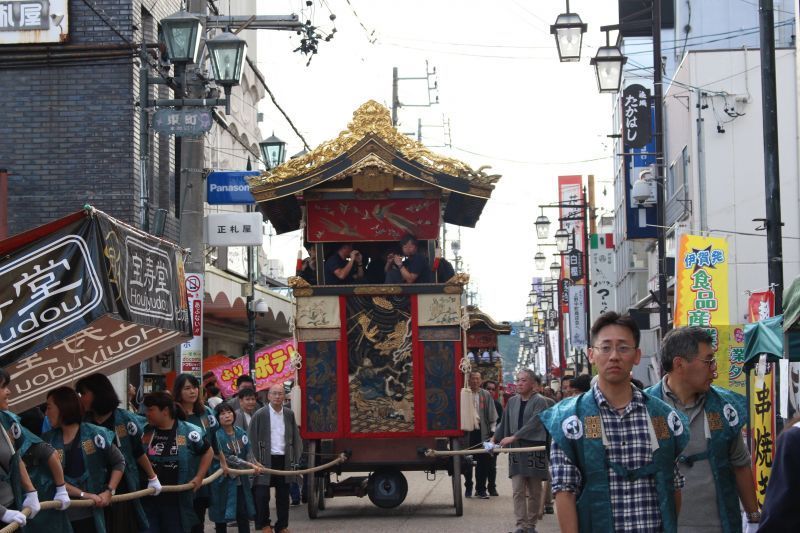
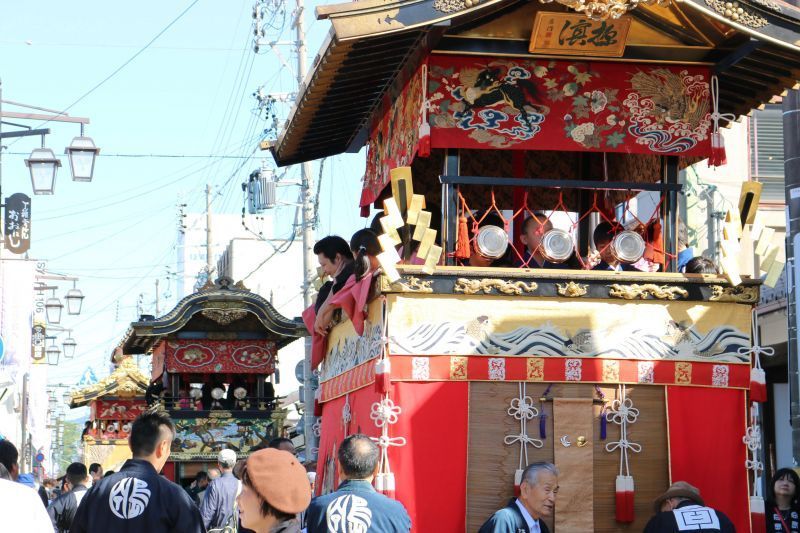
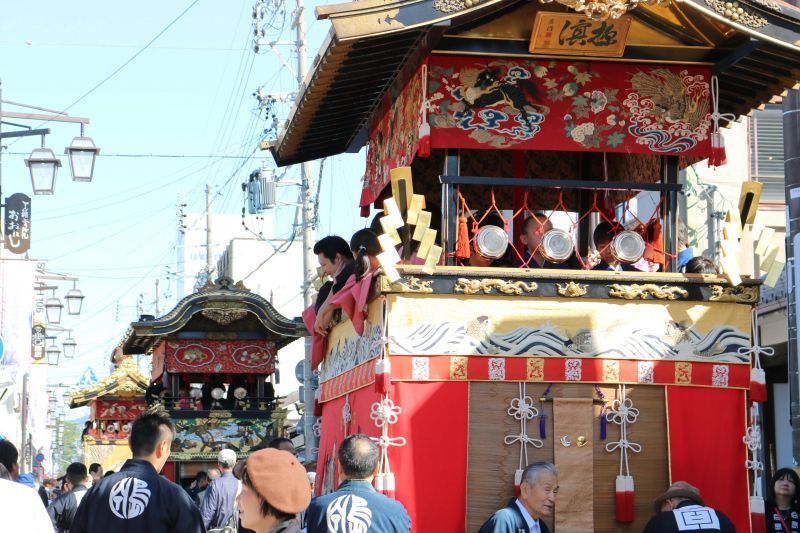
The first day of the festival is dedicated to the danjiri. These massive, multi-level floats rest on four wooden wheels, each pulled by a team of 20-30 people, each representing one of Iga City’s nine central neighborhoods. On the upper floors of the danjiri, flutists and percussionists perform live music. While the underlying melody comes from the traditional festival music called Gion Hayashi, each Iga neighborhood adds its own distinctive tune.
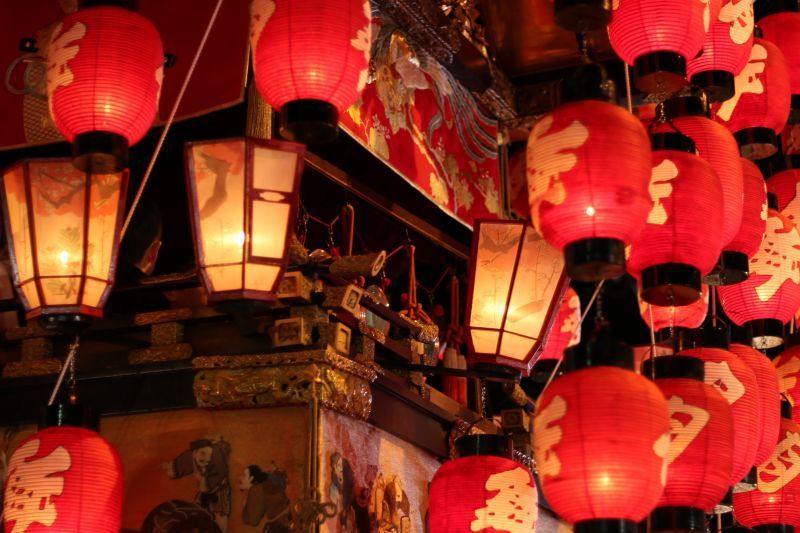
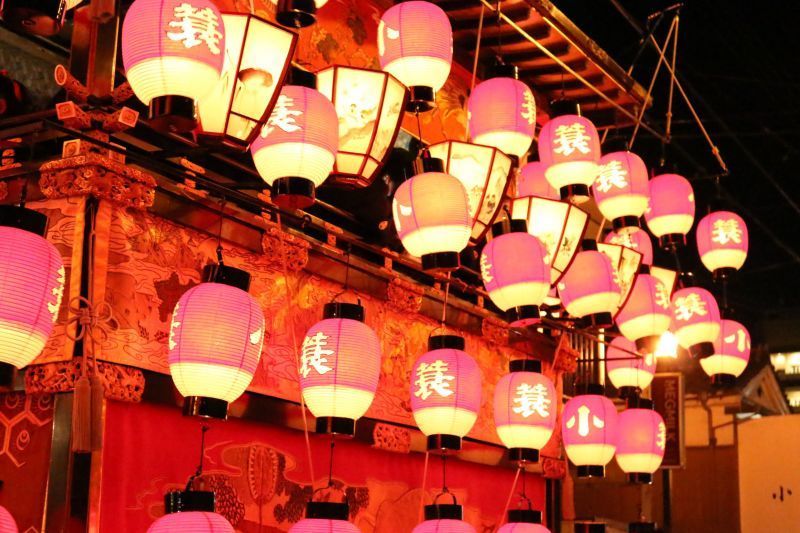
Danjiri are works of art, cloaked in luxurious tapestries, with lacquered wood and gold leaf that shimmer in the crisp autumn air. Around 6 p.m., their crown of lanterns light up the evening crowd. As the floats turn the corner, the rear wheels are lifted by a special vise at the base, and the direction of the float is changed manually. This is a remarkable display of ancient engineering that requires precise coordination from the entire team.
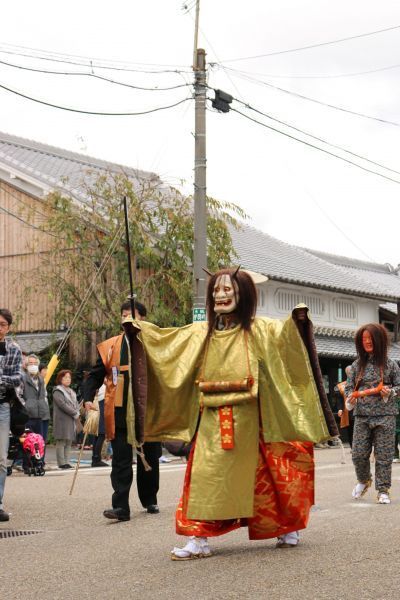
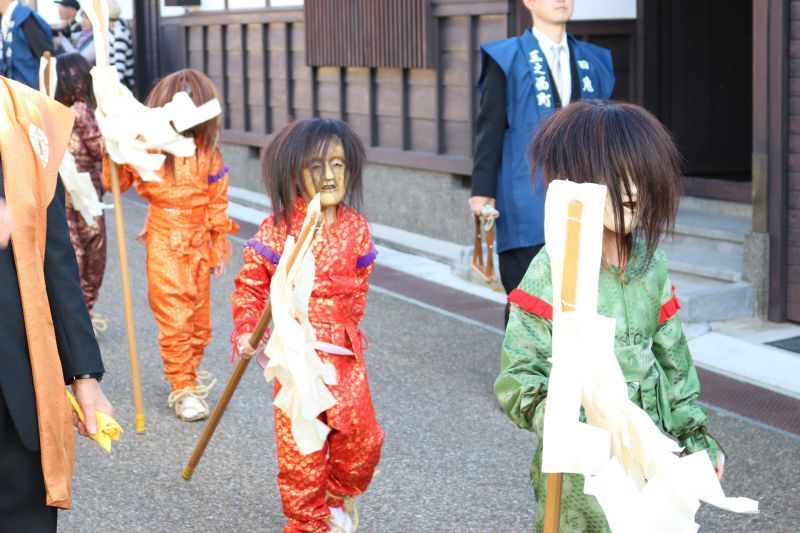
On the second day, the danjiri are joined by demons, called “Oni.” From 2 p.m. to 4 p.m., a parade of these frightful figures walks down Sannomachi-suji Street to the rhythms of conch shells and taiko drums, a sight seen nowhere else in Japan. Each demon wears a unique costume and a finely crafted mask, with expressions ranging from terrifying to serene. Though replicas are used during the parade, the original masks are displayed at various places throughout the festival season. Many of them date back to the 16th century and are now designated as Cultural Properties of Mie Prefecture.
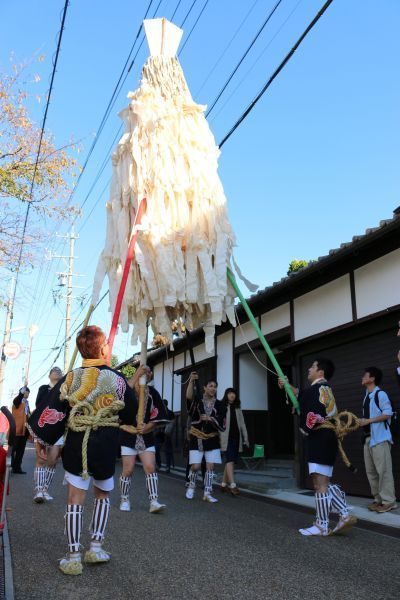
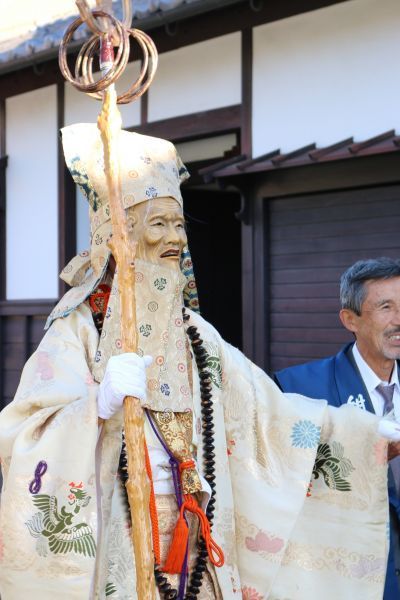
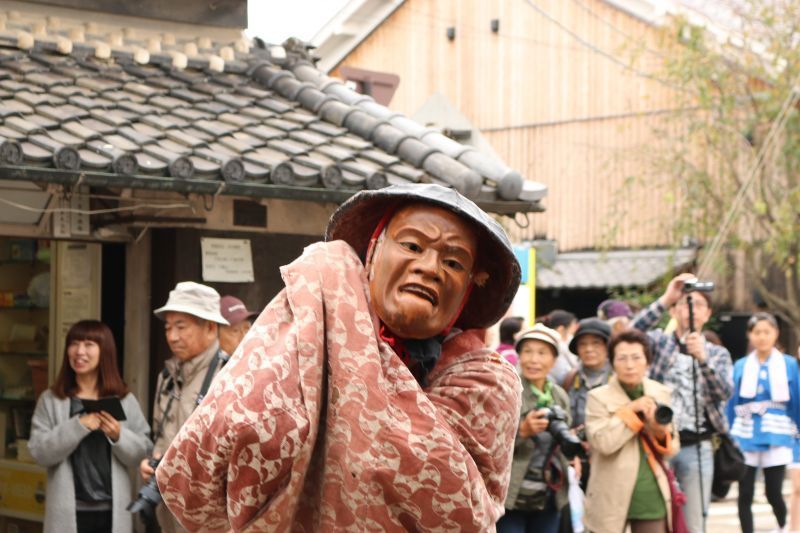
The demon procession is led by flag bearers holding ogohei (large sacred staffs adorned with white paper streamers), as taiko drums beat out a rhythmic march from the back. Akki, the demon leader, is joined by En no Gyoja, the spiritual father of ninjutsu, followed by hyorotsuki or “staggering“ demons who approach children to make them cry out. As night falls, the danjiri lanterns are lit, setting the night ablaze, as the four danjiri move towards the Ueno Tenjingu Shrine.
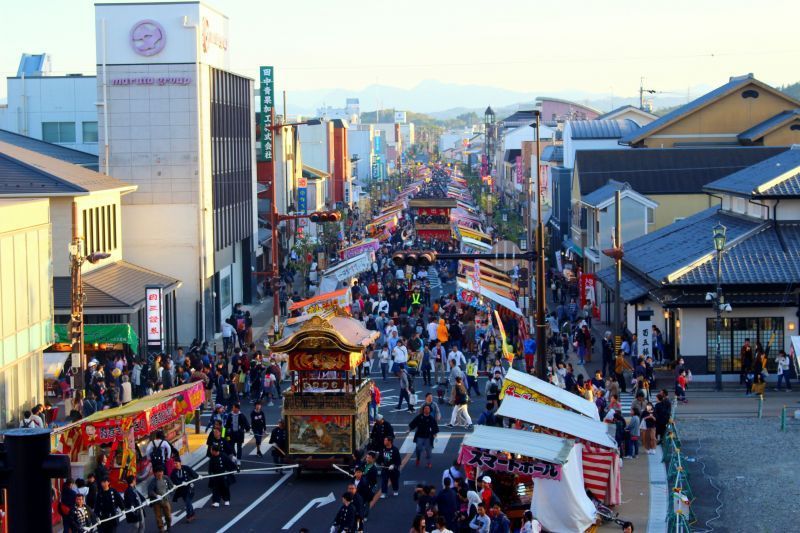
The final day is dedicated to a parade of ornate portable Shinto shrines called mikoshi, followed by an Oni procession, and a final procession of danjiri. Beginning at around 9 a.m., townspeople carry the mikoshi on their shoulders, chanting as they carry the heavy sacred structures through the streets all day. The mikoshi parade is then joined by the demon troupe and nine gorgeous danjiri, bringing the festival to a lively, flamboyant, and musical finale.
In 2021, the festival was scheduled from October 22 to 24, but the demon procession and danjiri parade were canceled due to COVID-19, and only the exhibition was held from October 23 to 24. Hopefully, this article has given a glimpse into a rare, otherworldly experience.
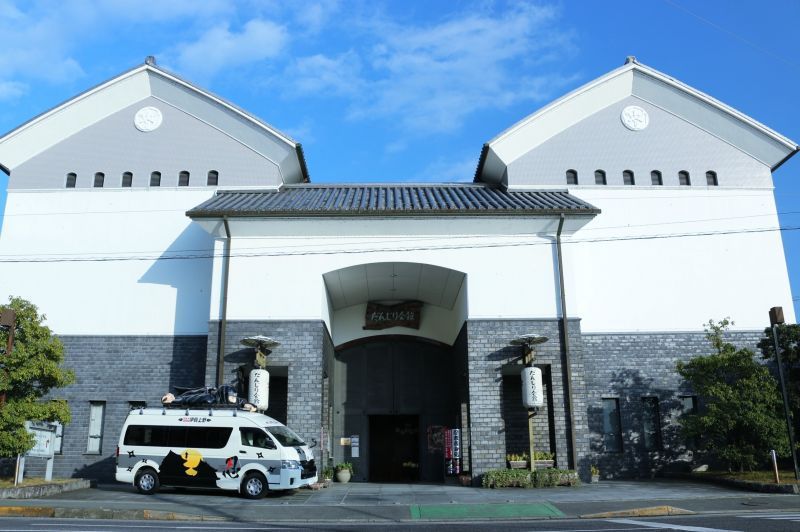
The event can also be experienced at the “Danjiri Kaikan,” where the parade’s danjiri and demon procession are on display, accompanied by high-definition video. For more information, visitors can stop by the Iga Ueno Tourist Information Center, which provides details about the festival as well as other highlights of this culturally rich castle town. Some other highlights include the Igaryu Ninja Museum, Iga Ueno Castle, the birthplace of the famous haiku poet Matsuo Basho, and the village of traditional pottery known as “Iga ware.”
Related Articles
OWASE WAPPA: Nature’s Gift Shaped into Tableware Art
Walk the Mochi Kaido Road Like Ancient Travelers for a Taste of Mie’s Confectionery Culture, Part 1
World Heritage Kumano Kodo Iseji Route: The Magose-Toge Pass
One-Day Itinerary: Experience Samurai Culture and Japanese Food in the Central Area of Mie Prefecture