Tokaido’s Old Golden Route: Wandering Through Sekijuku and Crafting Candles at Akari
Explore Your Interests
2019.03.25
Category :
Area :
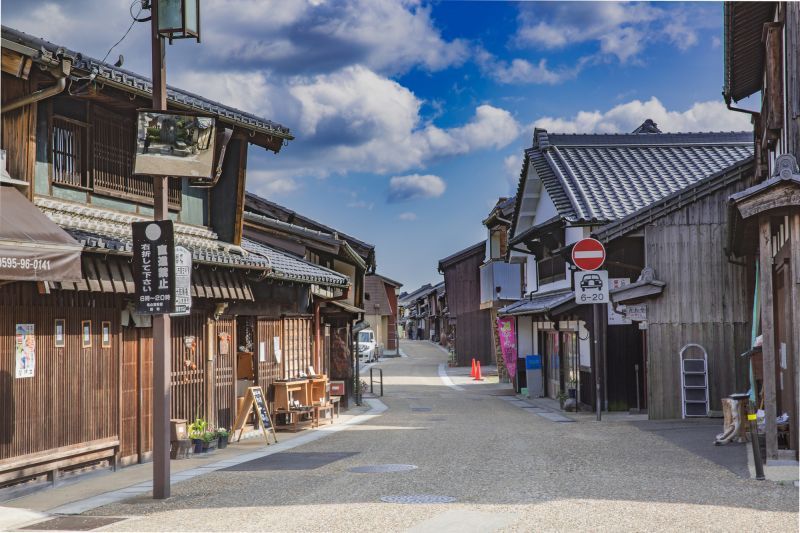
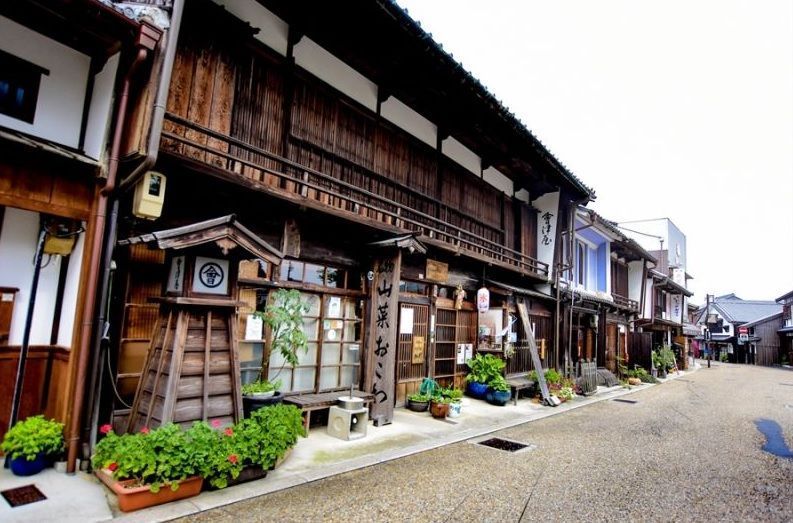
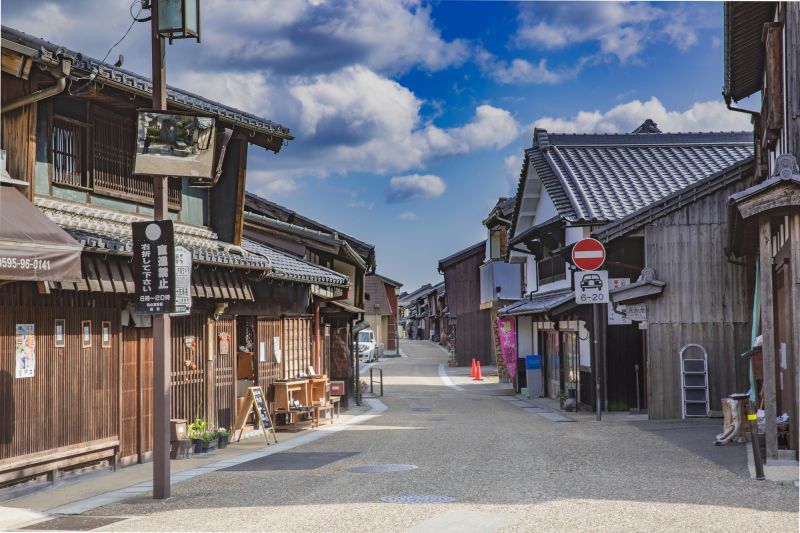
Long before modern trains stitched Japan together, travelers journeyed between Kyoto and Edo on foot along the historic Tokaido Road.
Sekijuku, a small village tucked within Kameyama City in Mie Prefecture, was one of the vital post towns where weary wanderers found rest, trade, and a brief sense of community. Today, it remains one of those rare countryside gems where time slows, history lingers in the air, and the simple everyday life of locals becomes a sight for sore eyes.
You can also enjoy making candles and “ashiyu,” small hot springs.
Written by Chad Martin
While there are those that come to Japan to see the bustling mega-cities, the quiet countryside towns that have resisted the change of centuries will always be the most memorable places to me. I believe these are the places that shape the heart of Japan.
These villages, many with dwindling populations, offer so much genuine experience for travelers from abroad.
Sekijuku is a small village located in Kameyama City, Mie Prefecture, along the Tokaido.
Towns like Sekijuku used to be vital places for trade and for weary travelers to get a bit of respite, as the typical means of traveling was not on horseback or horse-drawn cart, but braving 514 kilometers on foot.
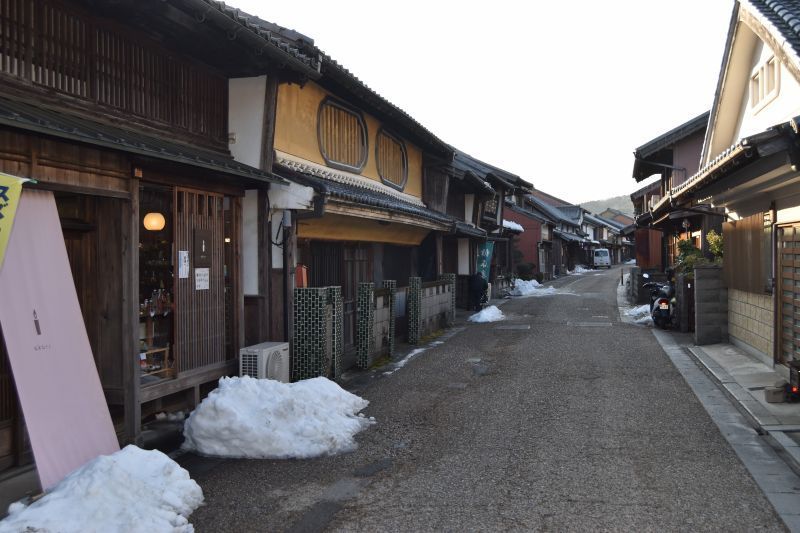
Sekijuku was silent enough that I could hear melting snow dripping from tiled rooftops. Every so often, a compact car hummed past, leaving the streets still again.
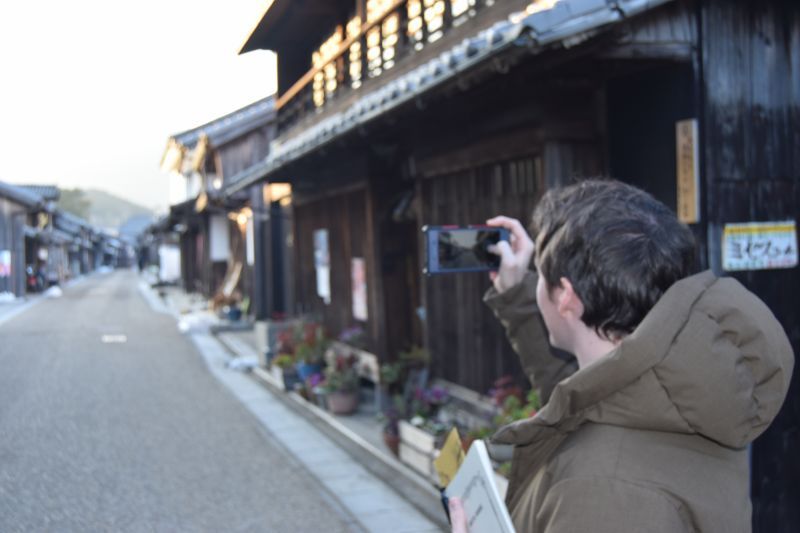
I wandered slowly, taking photos of small, charming details that may seem ordinary to locals yet felt like treasured discoveries to an outsider.
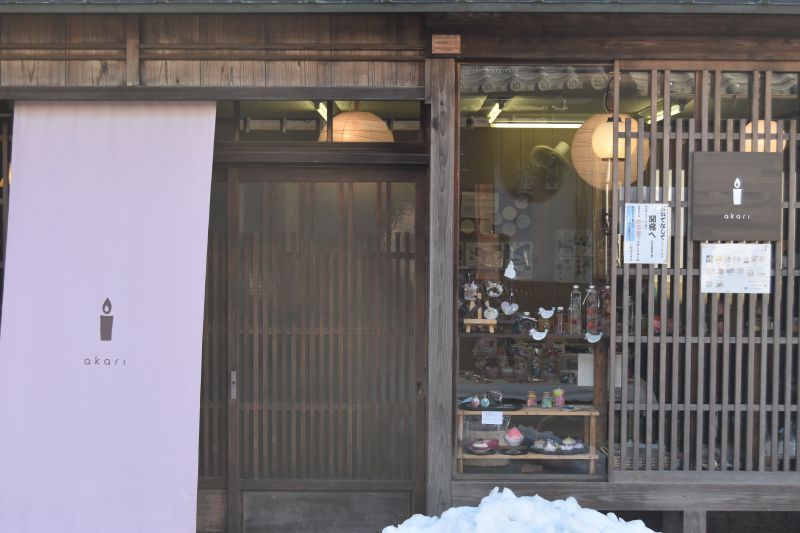
My path eventually led me to Akari, a local handmade candle shop that radiated the kind of rustic warmth that immediately invites you in. Inside, staff welcomed us with bright smiles and an array of candle-making options. The idea of crafting my own masterpiece felt daunting at first, but the cozy atmosphere and surprisingly reasonable prices made it easy to settle in.
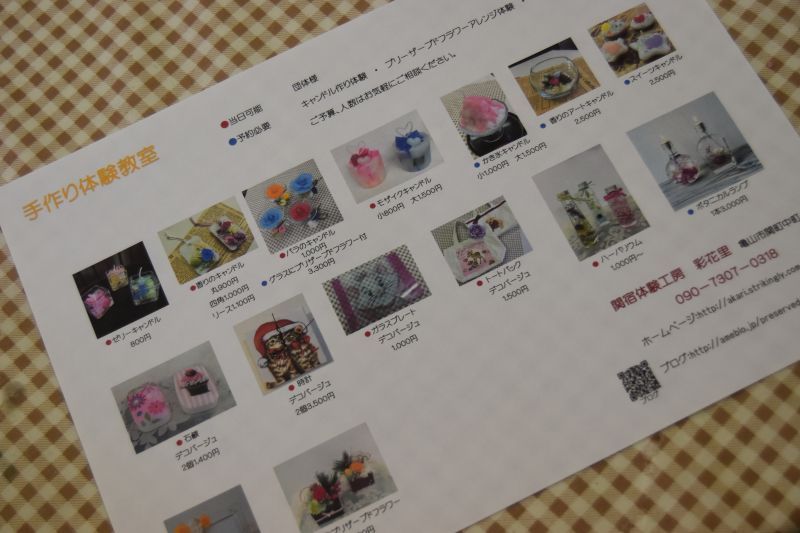
After much deliberation, and despite it being out of season, I chose to make a “kakigori” (a Japanese shaved-ice dessert) candle.
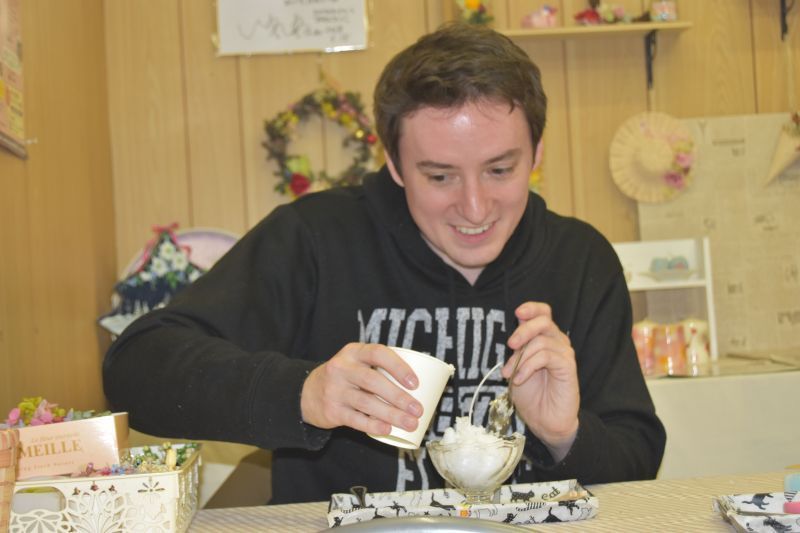
A hapless man struggles to carefully make a candle look like the sloppiest dessert in Japan.
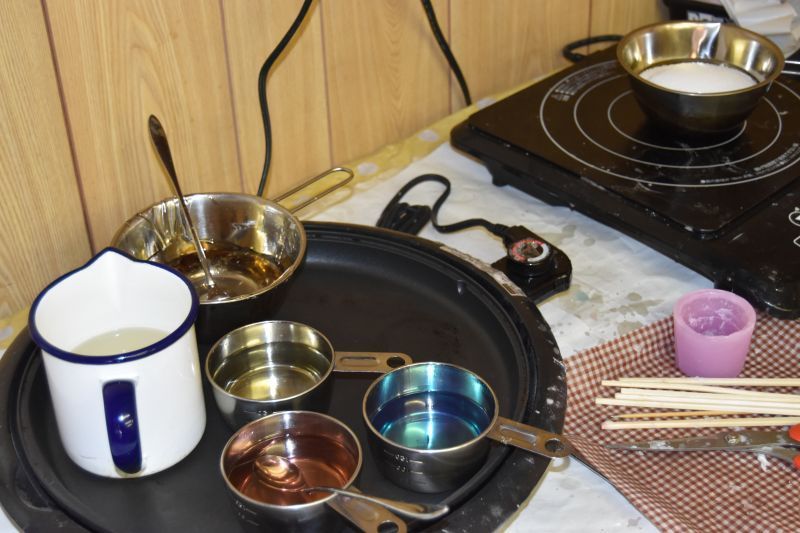
All the materials were prepared for me and I could choose the color, scent and even little wax accessories to personalize my candle.
The staff assured me my candle was better than anything they could make, which I’m fairly certain was the kindest lie told in Japan that day.

My raspberry-scented kakigori candle decorated with tiny wax ice cream cones and hearts, ended up resembling an elementary school art project. But you know what?
It burns and smells good. I don’t know about you, but that’s a win in my book!
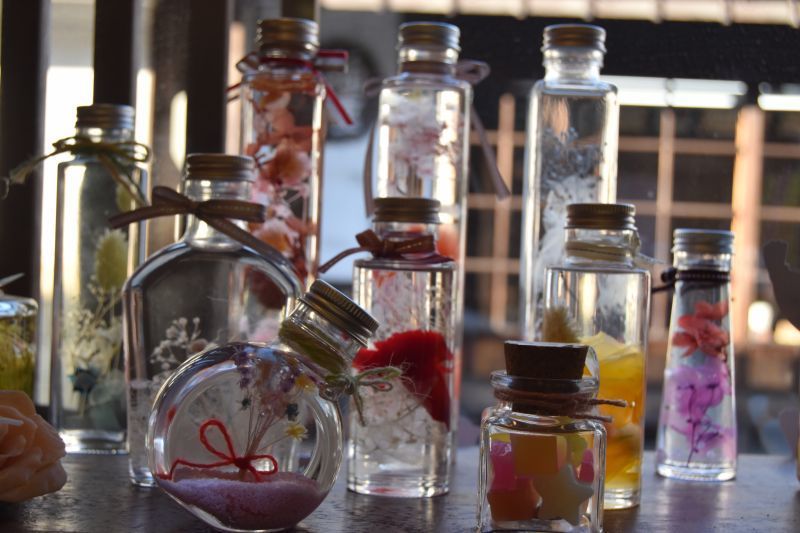
The gel candles looked really nice.
Of course, if you have no faith in your ability to pour liquid wax into another container, you can always purchase a wide variety of candles and other goods directly.
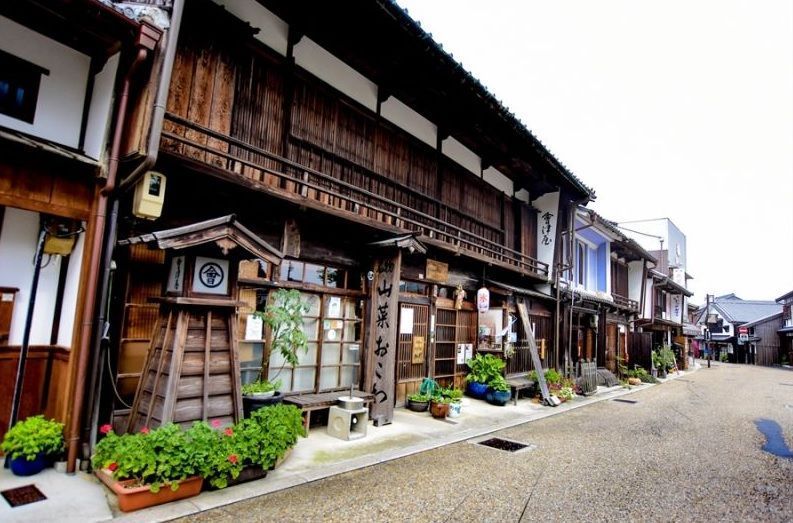
Leaving the shop, there was a bit of commotion across the street.
It turned out to just be two lively older gentlemen having a spirited conversation about—you guessed it—carpentry!
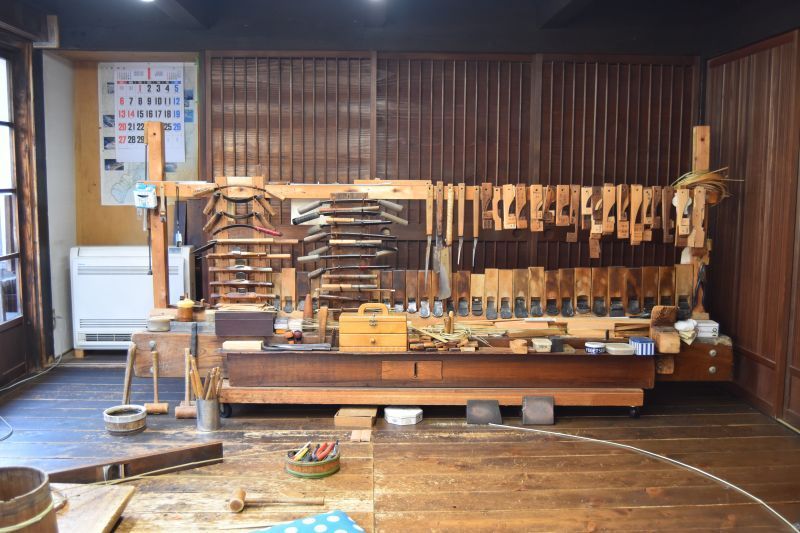
One of them was a master carpenter, the most recent in a very long line of craftsmen who have shaped buckets and vessels in this town for more than a century.
The craftsmen in many small towns across Japan pride themselves similarly. Their trade may seem very specific or outdated to some. But they pride themselves in plying the same trade as their ancestors, and in being a true master of something quite difficult to master.
I watched him work with impressive precision. With steady hands and razor-sharp tools, he shaved a wooden plank into the perfect angle so it would fit seamlessly with the others and make a bucket with a small base, widening toward the top.
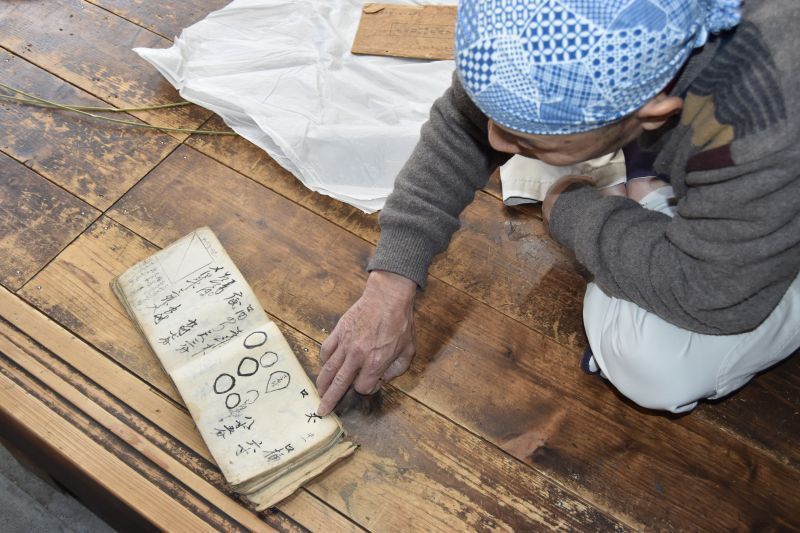
A master carpenter proudly shows off an old book of records kept by a relative over a hundred years ago.
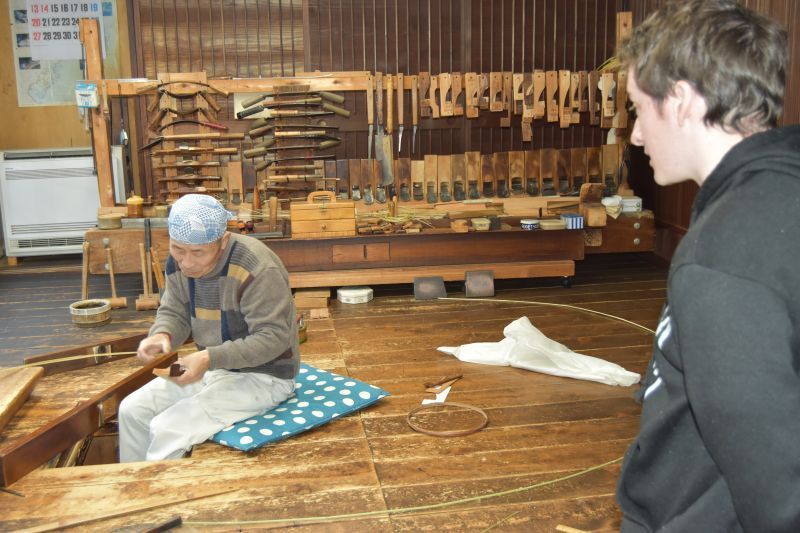
His pride was unmistakable, and so was his wit. Even with my limited Japanese, I caught on that he was poking fun at me for being “a Japanese-sized American” before I had hardly introduced myself. Evidently, his “humor” has gotten him into awkward situations before...
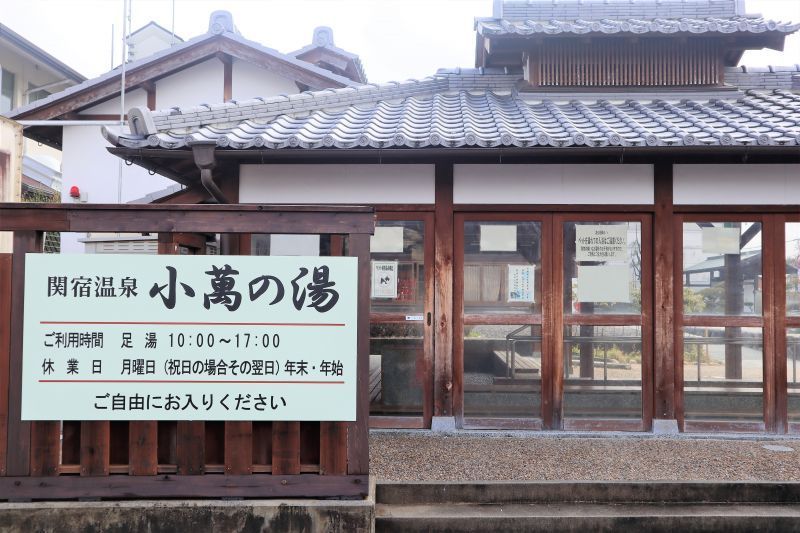
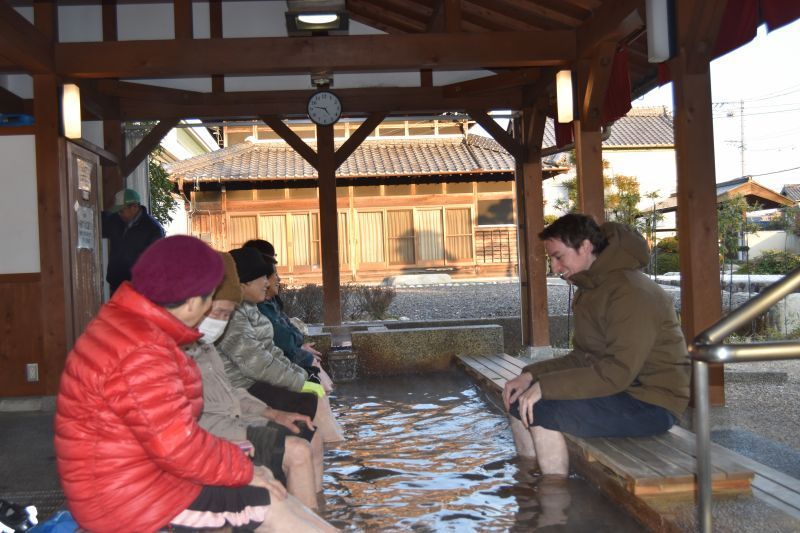
As I left the area, I noticed a gem I had missed on the way in. Sometimes in smaller towns, particularly towns nestled in the mountains, a communal “ashiyu”, small hot springs where you can rest your tired feet, are just what people need to rejuvenate their body and spirits. Or, if you’re like the ladies I met today, you might come here every day just to socialize and take in the sunset. It certainly seemed like something I could get used to.
They weren’t shy at all about chatting with a random foreigner sharing the warm waters.
Even though their English was limited and my Japanese imperfect, the warmth of the moment transcended words. Of course, one does occasionally run into a Japanese elder who “doesn’t see” race and will start telling you a story not caring whether or not you understand a lick of it.
As the sky deepened into soft pink and the mountains carved their silhouette against the evening light, Sekijuku felt like a page from an old travel diary come to life. It is as complete a day trip as one could hope for. Come and experience the authentic mountain village life firsthand.
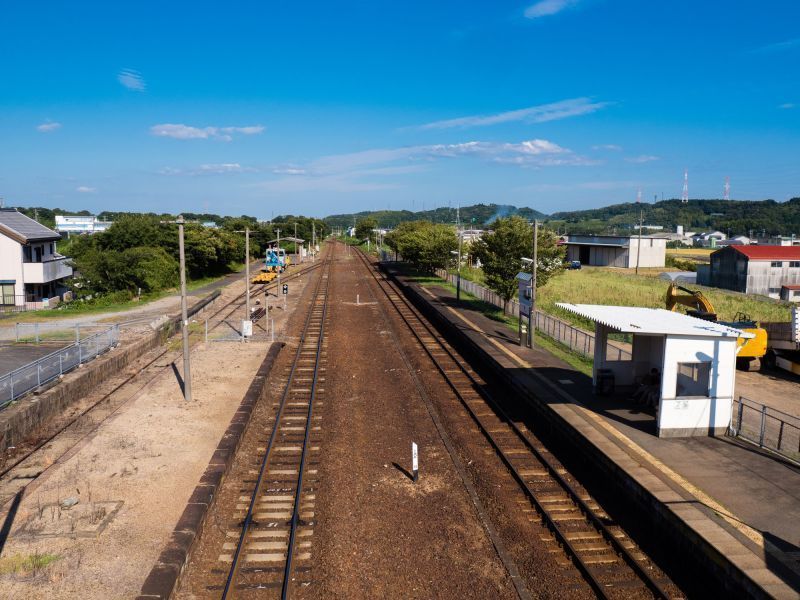
From Nagoya, you can get to Sekijuku easily by highway bus or the JR Kansai Line. The highway bus is faster and cheaper. You can also get here from Osaka Station. Be sure to plan your route accordingly and always think of the ride through the countryside as part of the adventure.
Related Articles
Evolving to Stay the Same: Shikinen Sengu, Ise Jingu’s Largest Ritual
One-Day Itinerary: Experience Japanese Culture and History in the Ise-Shima Area of Mie Prefecture
Exploring Ise Jingu: Japan’s Most Sacred Shinto Shrine
Discover the world of ninja