All roads lead to Ise
Explore Your Interests
2026.10.18
Category :
Area :
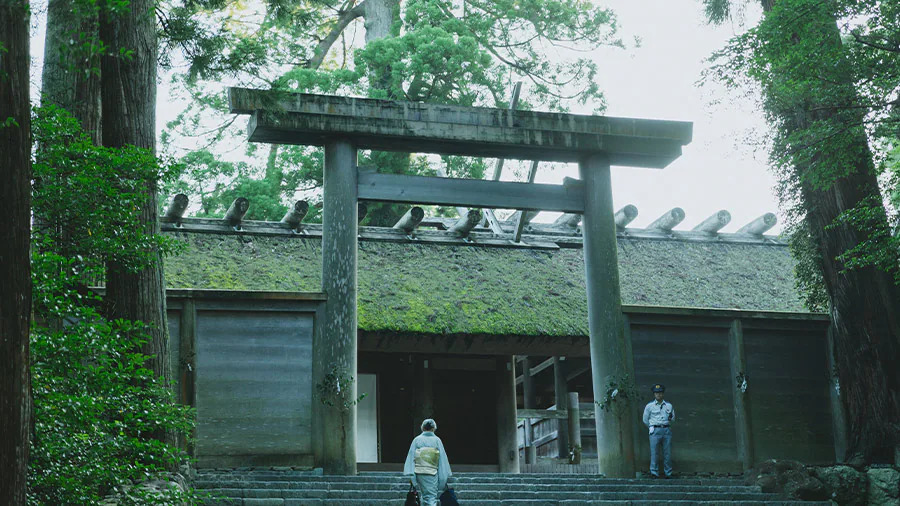
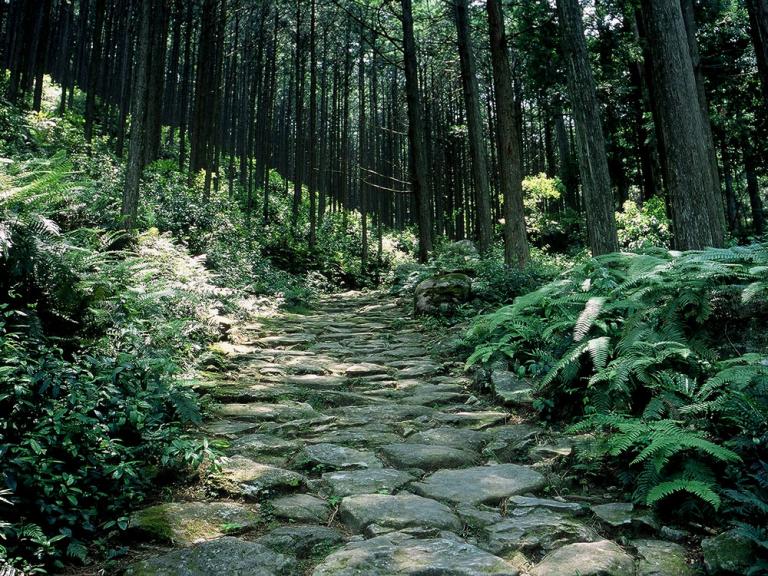
Ise Shrine is dedicated to the Sun Goddess Amaterasu, the ancestral deity of all Japanese people. Pilgrimages here became so popular during the Edo period that in one year some 5 million pilgrims made the journey here from all over Japan. Setting off with Ise as their destination, people would walk 3 days to get here from Nagoya, 5 days from Osaka, 15 days from Edo (Tokyo), and even longer from more distant regions such as Tohoku or Kyushu. Apparently there were also dogs that made pilgrimages on behalf of their masters.
In time, Mie's natural produce came to be associated with offerings to the gods, and the flow of people helped to popularize Mie's traditions and cuisine nation-wide.
●A once-in-a-lifetime journey
Ise Jingu Shrine is said to have originated around 2,000 years ago, when Princess Yamatohime-no-Mikoto journeyed from Yamato and established Kotai Shrine on the banks of the Isuzu River.
Although affectionately known as "Oise-san," the formal name for Ise Jingu Shrine is actually "Ise Jingu". Ise Jingu is made up of 125 branch shrines, auxiliary shrines, and subordinate shrines centered around the Kotai Shrine (Naiku) and ToyoukeOmikami Shrine (Geku). This is Japan's holiest site, the chief guardian deity of around 80,000 Shinto shrines nation-wide.
Shikinen Sengu, the largest festival at Ise Jingu, has been held every 20 years for the past 1,300 years.
●Home to Japan's Sun Goddess
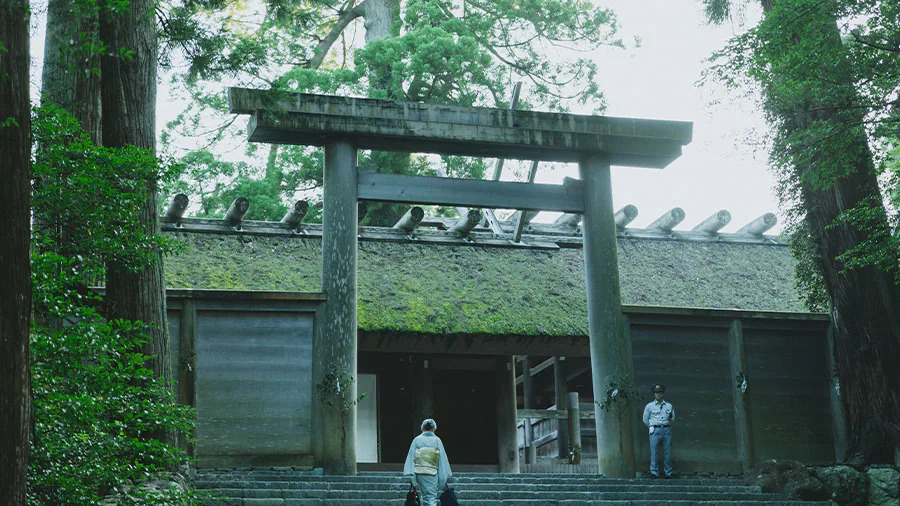
The main shrine of Ise Jingu Naiku is the Kotai Jingu Shrine dedicated to the Sun Goddess Amaterasu, ancestral deity of Japan's Imperial Family and patron deity of all Japanese people.
Some 2,000 years ago, the Ise faith enshrined the Yata no Kagami, a bronze mirror and one of the Three Sacred Regalia serving as symbols of the Imperial Throne. Spreading throughout Japan from the late 1100s, this faith is still alive today and marks Ise Jingu as the head shrine for all of Japan's other shrines.
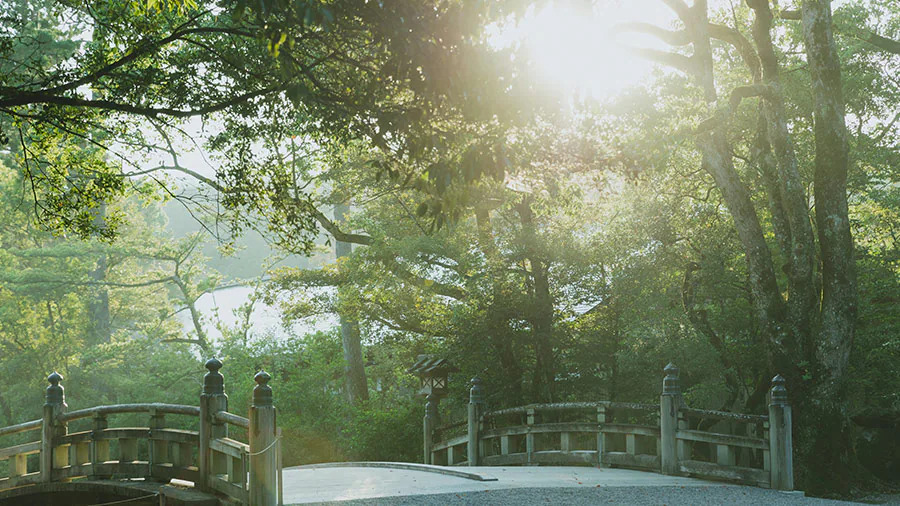
The Ujibashi Bridge across the Isuzu gawa River at the entrance to Naiku (the Inner Shrine) connects the physical world to the sacred world. When you visit, it is appropriate to first bow in front of Ujibashi Bridge.
●The deity that feeds AmaterasuOmikami
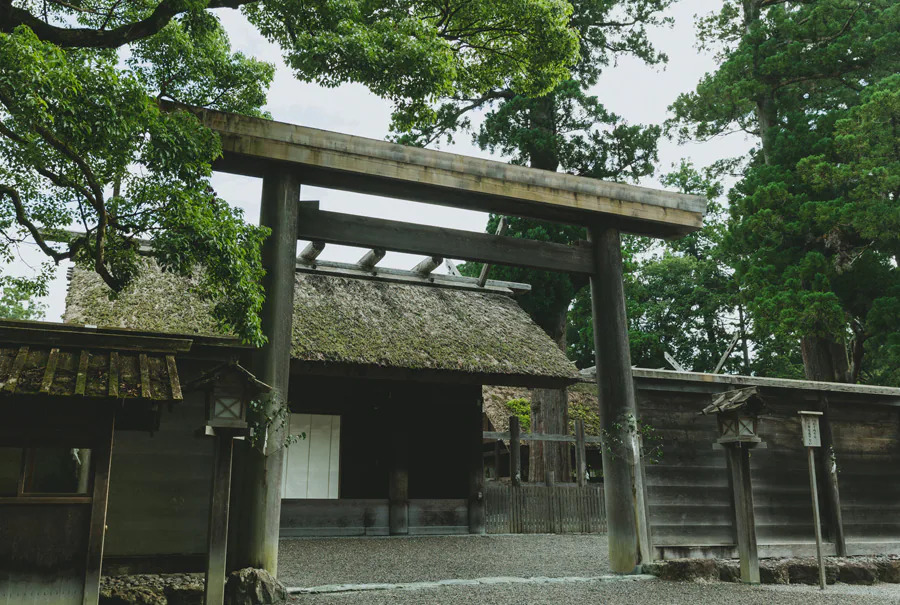
The center of the Geku (the Outer Shrine) is the ToyoukeOmikami Daijingu. ToyoukeOmikami is the deity in charge of meals for Amaterasu at the Naiku (the Inner Shrine), and is also revered as the guardian deity of clothing, food, shelter, and industry.
Around 500 years after the Naiku was enshrined, ToyoukeOmikami was welcomed to Ise from Tanba Province as the deity of the imperial kitchen, and ever since, a grand offering ceremony has been performed every morning and evening at the Mikeden (Imperial Kitchen Hall).
The Geku Sensai festival begins with rites including an offering of food to ToyoukeOmikami. If you visit this festival, note that it is customary to visit the Outer Shrine before the Inner Shrine.
●A street full of history
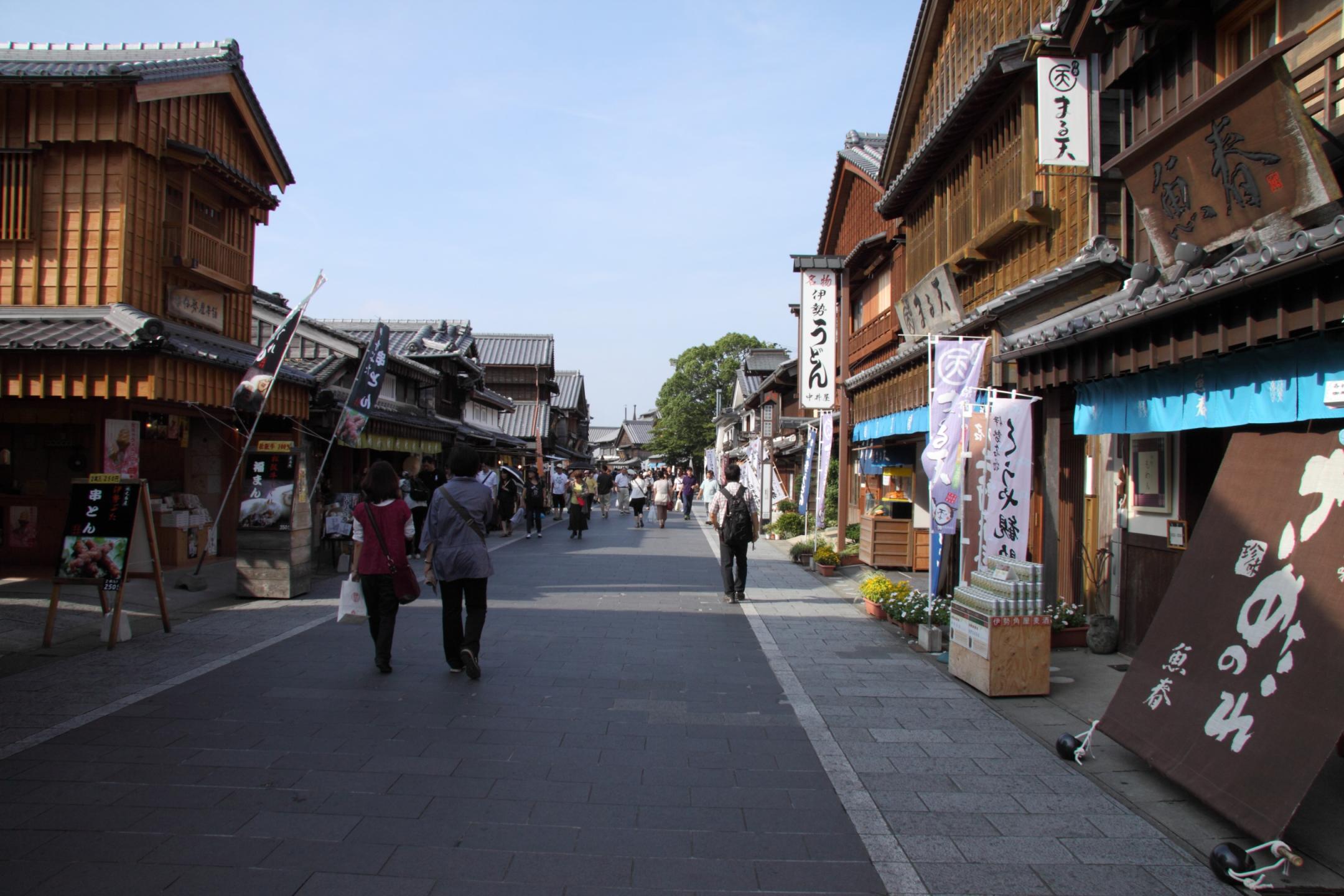
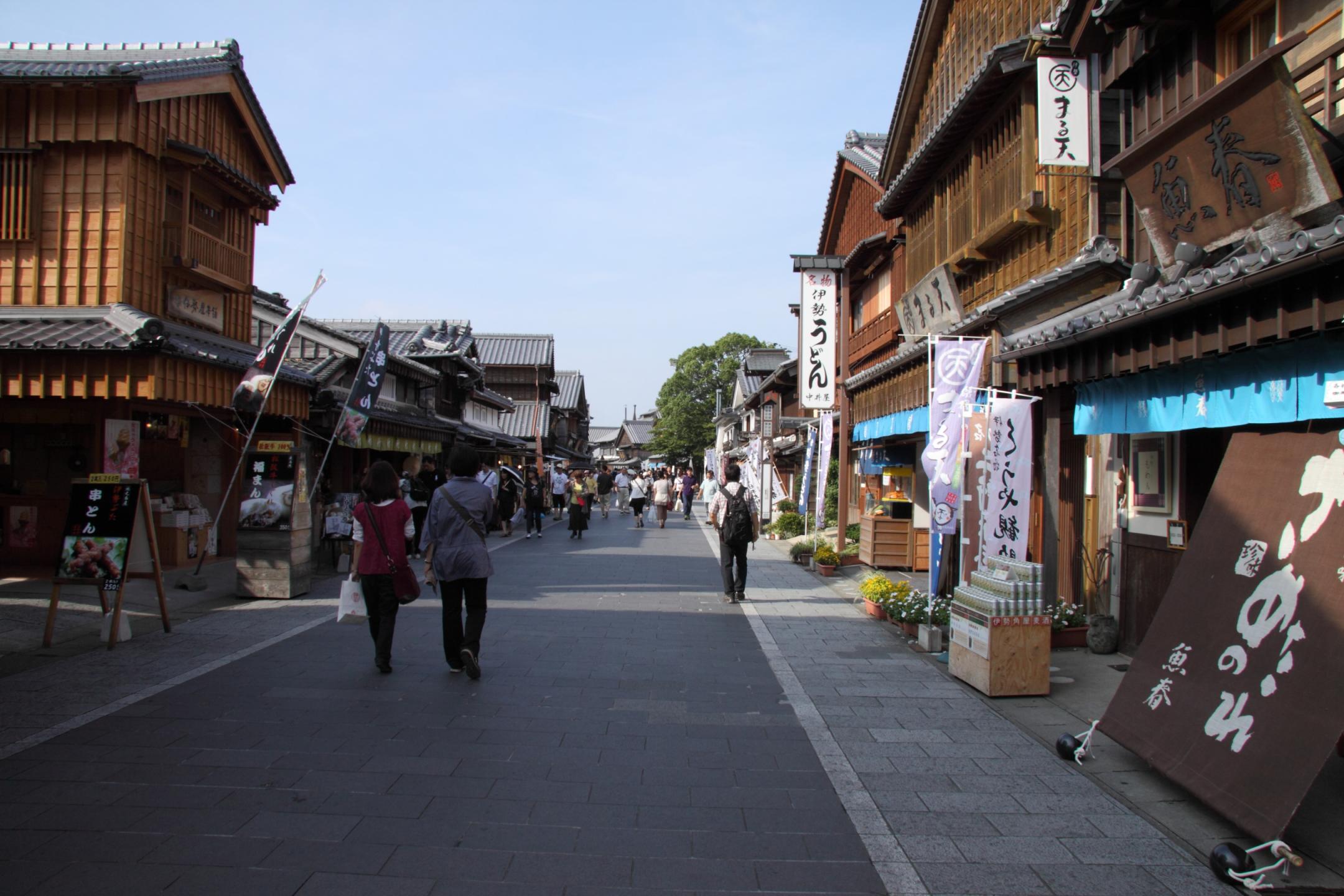
The straight path that extends from Ise Jingu is an old pilgrimage route known as Oharaimachi Street. During the Edo period, this 800-meter-long avenue from Uji Bridge along the Isuzu River was lined with buildings where lower-ranking priests and common people could go through purification rites and lodge. Even today, Oharaimachi Street retains buildings featuring Ise's unique architectural style of gabled roofs and entrances, evoking the atmosphere of centuries past.
●Taste Ise's mochi culture
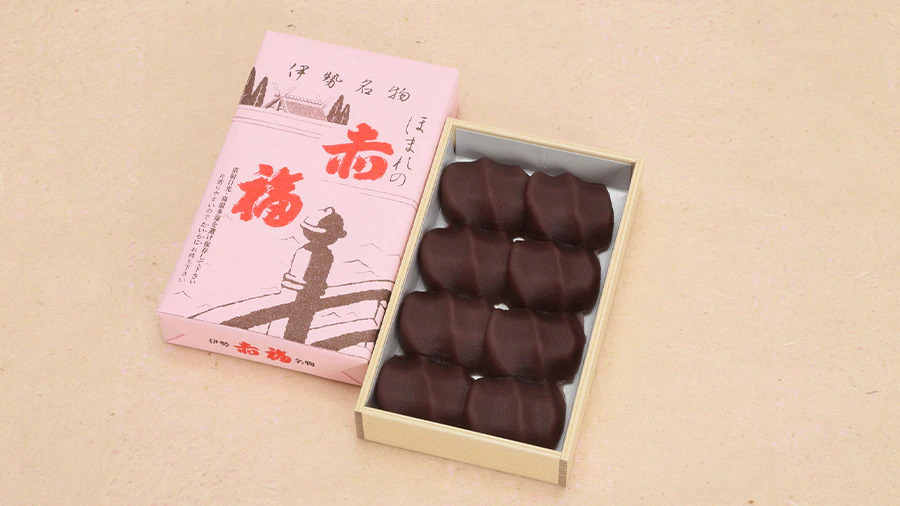
Easy to prepare and very filling, mochi rice cakes were a standard snack for pilgrims heading to Ise. In fact, the pilgrimage route from Kuwana to Ise is also known as the “Mochi Road.”
The Akafuku mochi shop on Oharaimachi Street was established in 1707. Try the signature “Akafuku Mochi” box of 8 rice cakes (900 yen) designed with sweet bean paste representing the water of the Isuzu River and white mochi the pebbles on the riverbed.
In summertime, “Akafuku Shaved Ice” (800 yen) is something of a local tradition. The topping is a matcha honey, and inside is a special bean paste filling with mochi rice. You can also find this treat at places like Dango-ro Chaya in Okage Yokocho.
●Fast food for hungry travelers
Okage Yokocho is an area about halfway along Oharaimachi Street where you will find around 50 shops selling local delicacies.
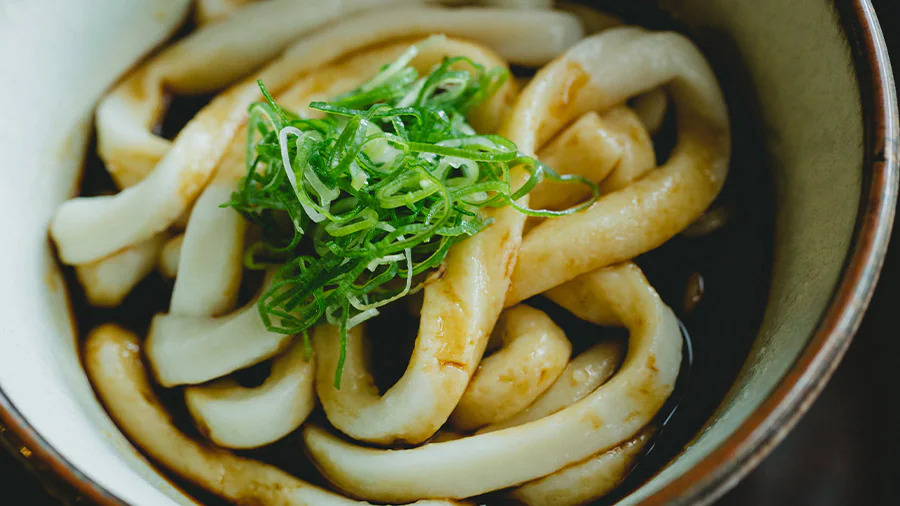
The Fukusuke restaurant serves Ise udon, a local specialty of thick, soft, chewy noodles with a rich, dark brown sauce made from dashi broth and tamari soy sauce. Noodles were apparently kept boiled so they could be served immediately to travelers, making this one of the first fast food concepts.
Fukusuke's sauce is homemade using natural dashi. The standard option is simply to add green onions. Take your chopsticks and mix the sauce, the noodles and green onions. Despite the rich appearance, the flavors are surprisingly mild.
Related Articles
Immerse into the Wonderful Ama Culture in Toba
Sake: Mie’s Pride and Vintage Charm
OWASE WAPPA: Nature’s Gift Shaped into Tableware Art
Walk the Mochi Kaido Road Like Ancient Travelers for a Taste of Mie’s Confectionery Culture, Part 1