Walk the Mochi Kaido Road Like Ancient Travelers for a Taste of Mie’s Confectionery Culture, Part 2
Explore Your Interests
2023.03.18
Category :
Area :
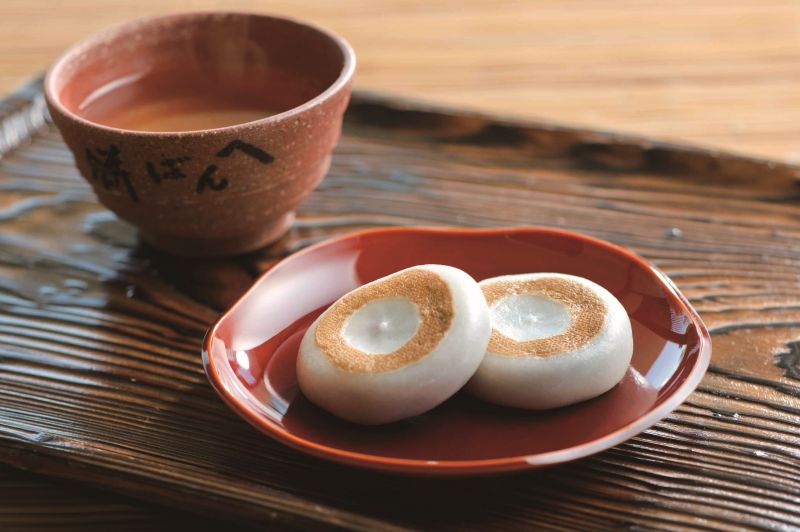
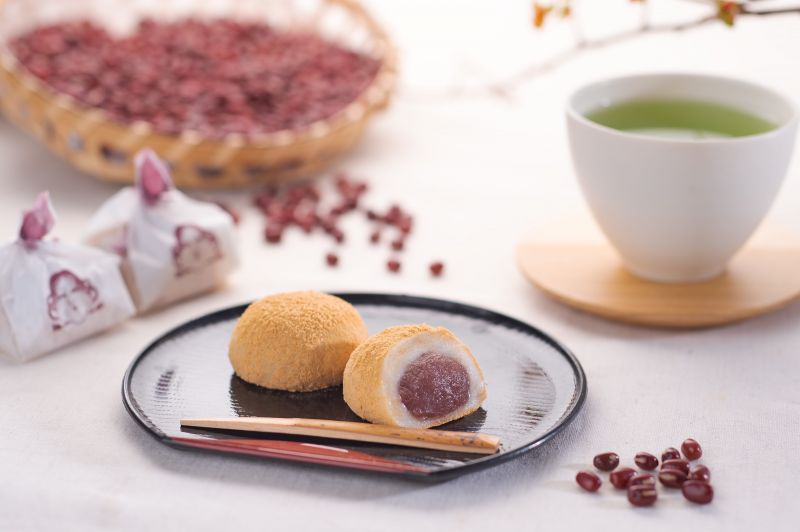
Mochi (rice cake) is one of the most treasured delicacies in Mie Prefecture, where a wide variety of traditional mochi sweets can be found. Its popularity likely stems from being served to hungry pilgrims who traveled long distances to pray at Ise Jingu.
In Part One, we introduced mochi from Kuwana and Yokkaichi in the northern part of Mie Prefecture. This time, in Part Two, let’s continue our journey closer to Ise Jingu and explore the famous mochi sweets from the area around Ise City!
Written by Ren Wong
The mochi culture of Kuwana and Yokkaichi makes for perfect souvenirs. Part One is here:
Walk the Mochi Kaido Road Like Ancient Travelers for a Taste of Mie’s Confectionery Culture, Part 1
Henba mochi
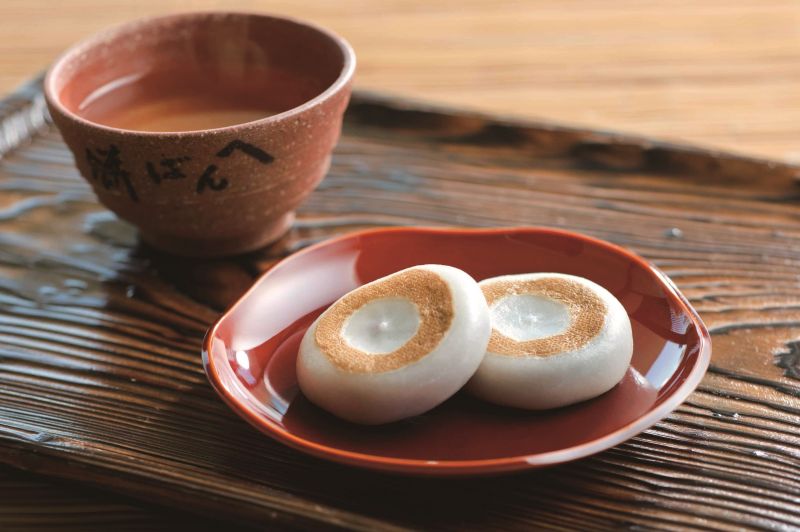
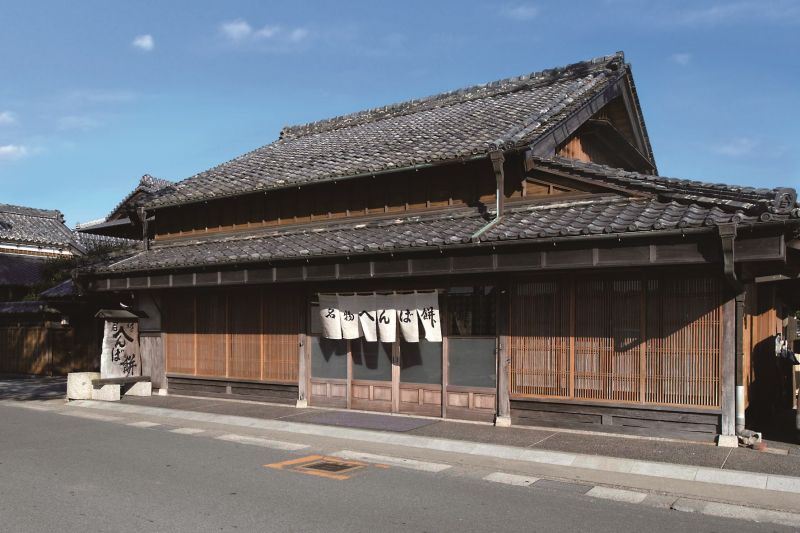
Obata-cho in Ise City, on the banks of the Miyagawa River, was the final post town area on the road to Ise. Travelers returned their horses here and crossed the river by boat. Thus, this area’s special mochi is named Henba, meaning “return the horse” in Japanese. Made with white rice flour, known as shinko, instead of glutinous rice, Henba mochi has a browned, aromatic crust and a delightful texture that makes it hard to stop at just one.
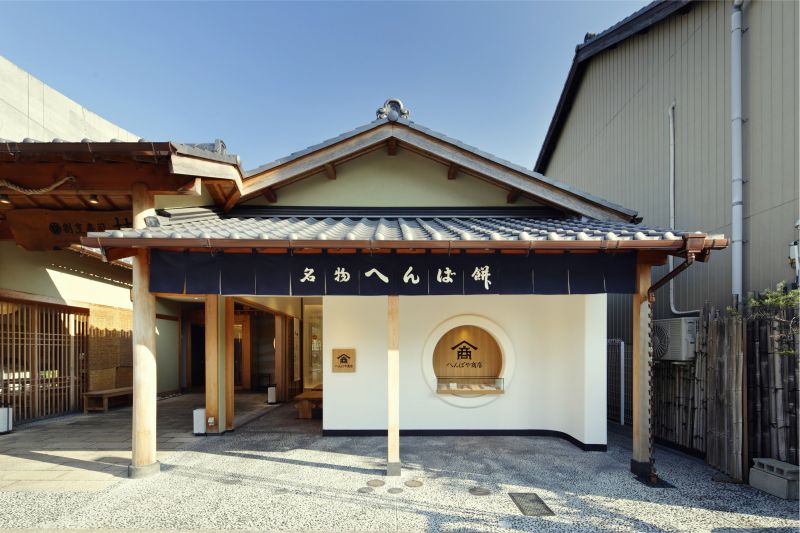
Apart from the Henbaya Shoten Main Store near Akeno Station (Kintetsu Yamada Line), you can also find Henba mochi stores in Oharai-machi, a flourishing town in front of the Naiku (inner sanctuary) of Ise Jingu, and in front of Iseshi Station (JR).
https://henbaya.jp/
Ofuku mochi
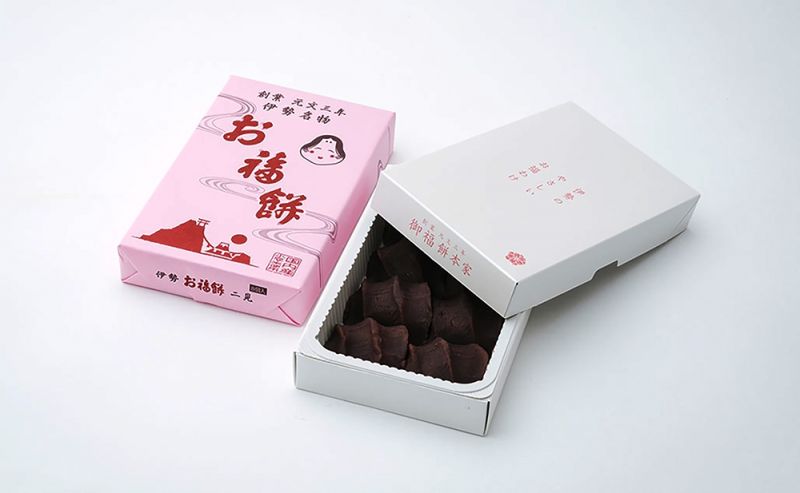
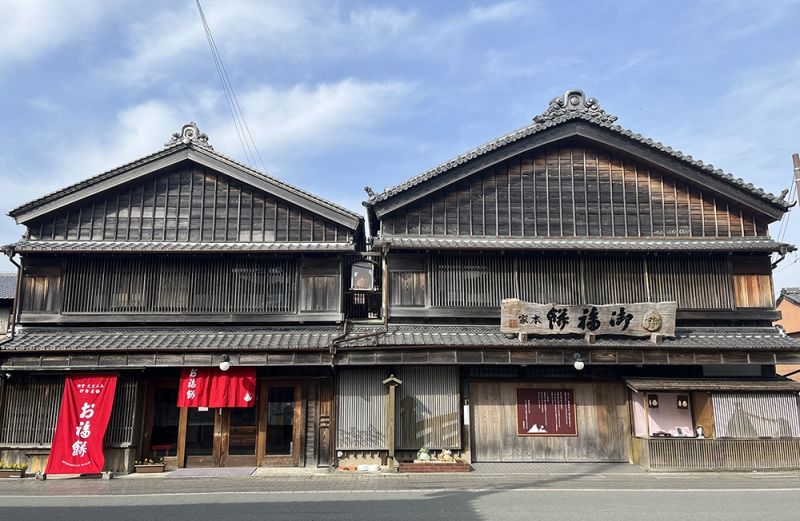
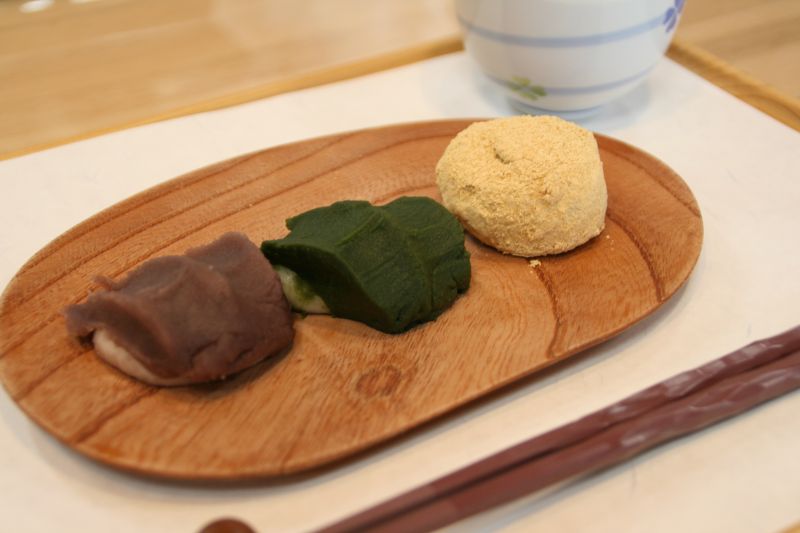
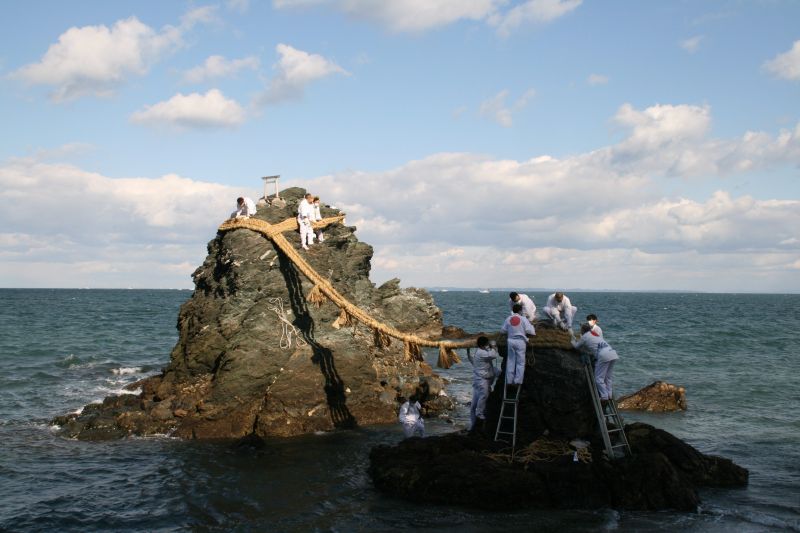
Next up are the famous mochi sweets near Futami Okitama Shrine where people come to purify themselves before visiting Ise Jingu. A lot of travelers come to see the famous Meoto-iwa (Wedded Rocks) here. One place that stands out on the bustling road to the shrine is Ofuku Mochi Honke, a well-established Japanese sweets shop founded in 1738. Known for their Ofuku mochi, which is a simple mochi topped with red bean paste shaped to resemble waves crashing on the nearby shores of Futamiura, this shop has long been a local favorite. The soft mochi, crafted by skilled artisans, pairs perfectly with the smooth, red bean paste.
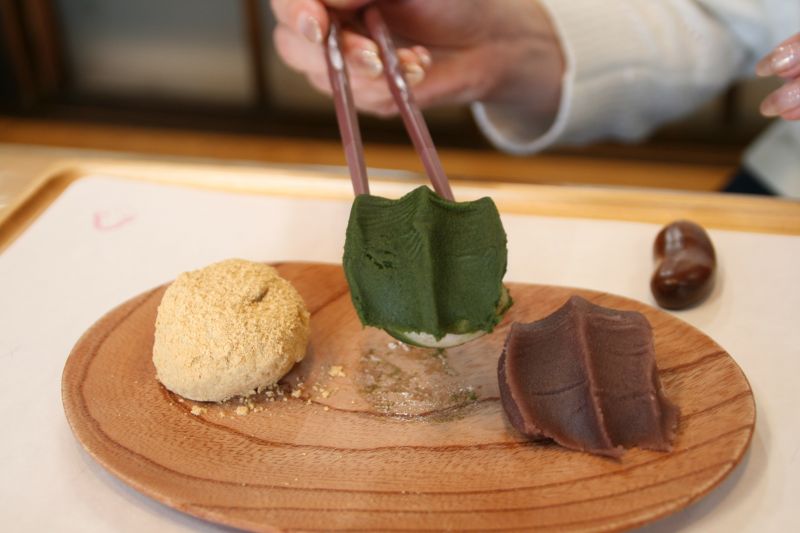
You can also enjoy “Ofuku mochi matcha,” which brings out the best flavor of green tea powder, and “Ofuku tsutsumi mochi kinako,” wrapped in red bean paste and sprinkled with soybean flour.
https://ofukumochi.com/
Nikenjaya mochi
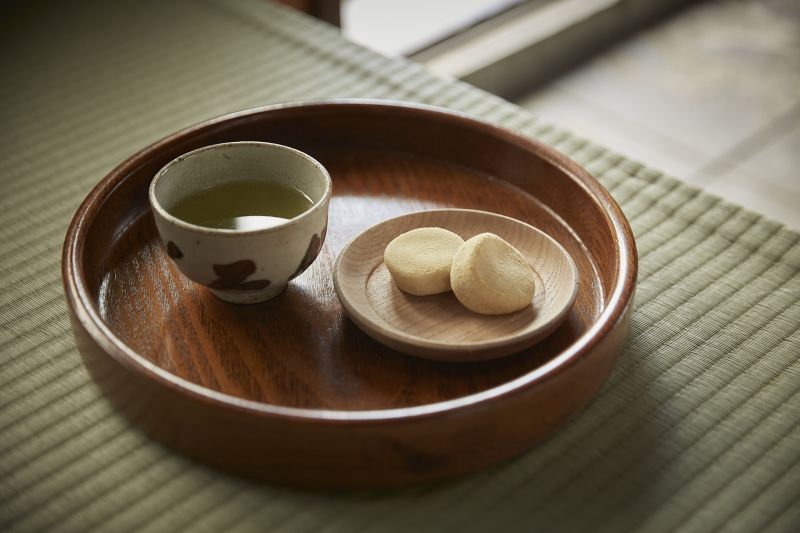
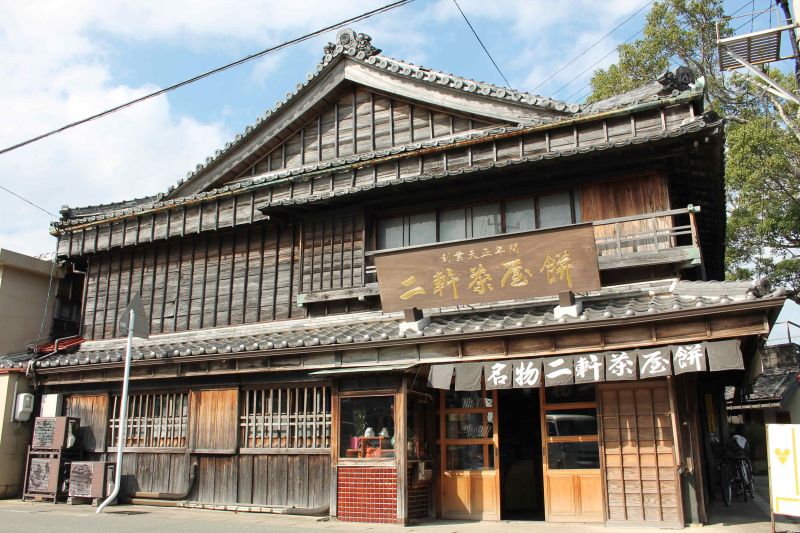
Nikenjaya mochi is an Ise specialty first created about 400 years ago at a docking place for travelers arriving by boat (crossing Ise Bay then heading up the Seta River to Ise Jingu). This mochi was served at a tea house founded in 1575, providing what must have been a satisfying meal for travelers before setting out on their pilgrimage to Ise.
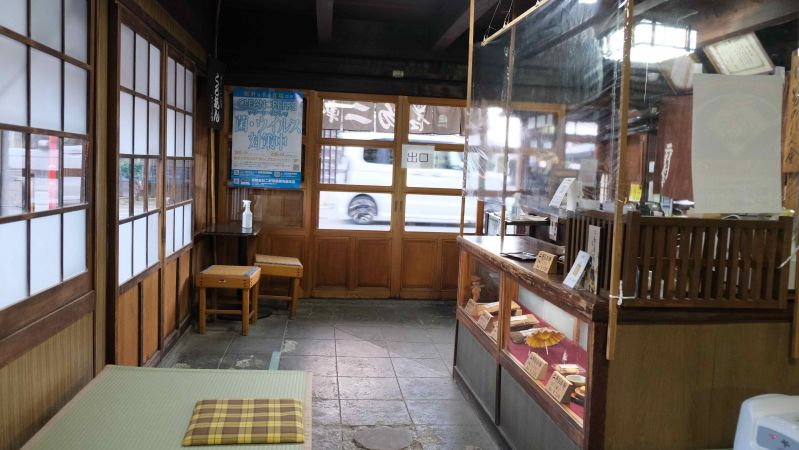
Even now, you can enjoy mochi for travelers in the shop of Nikenjaya mochi. The soft mochi wrapped in red bean paste then sprinkled with soybean flour goes well with Mie’s specialty Ise tea.
https://nikenjayamochi.jp/
While you’re in the area, check out the nearby museum of old folk tools and the craft beer shop near Nikenjaya mochi shop.
Now let’s take one step closer to Ise Jingu with a look at mochi around Oharai-machi and Okage Yokocho, areas bustling with visitors, both very close to the Naiku of Ise Jingu. Be sure to stop by for a break before or after your visit.
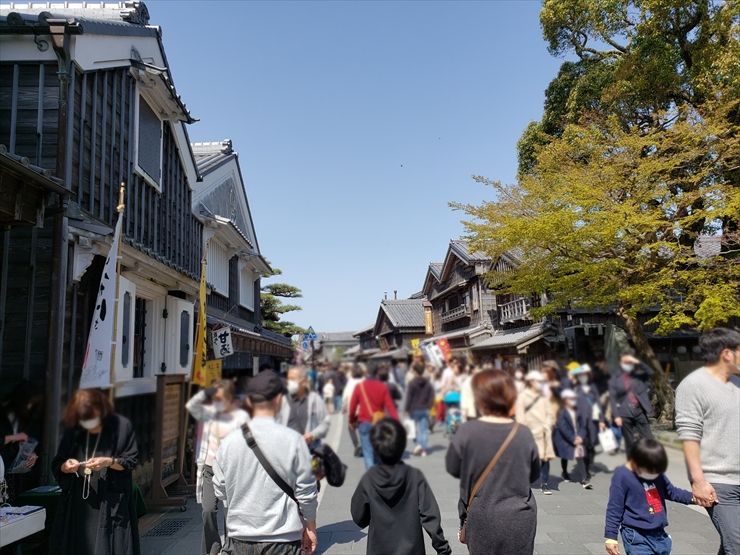
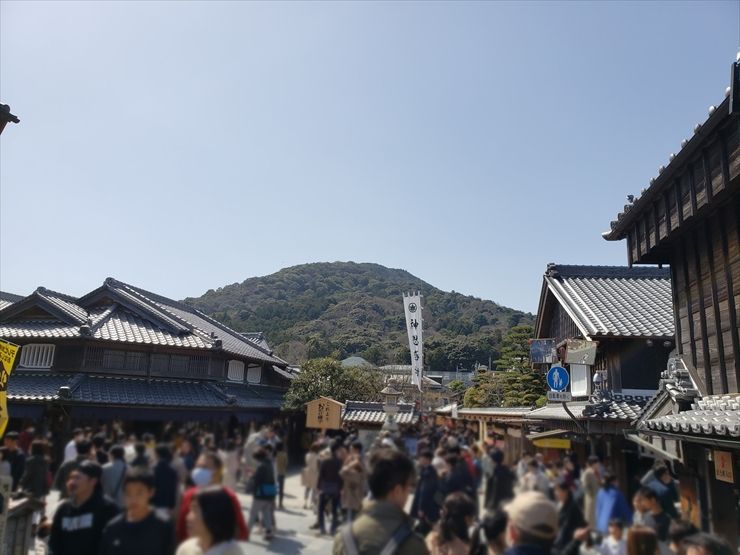
Akafuku mochi
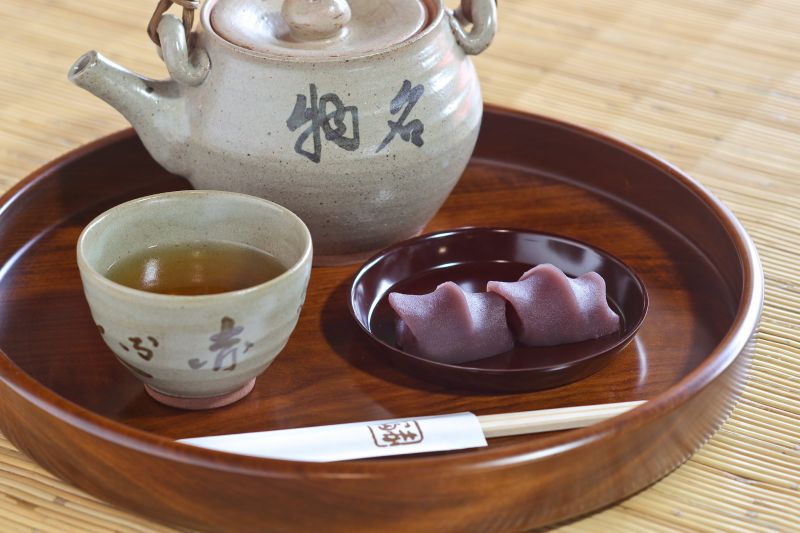
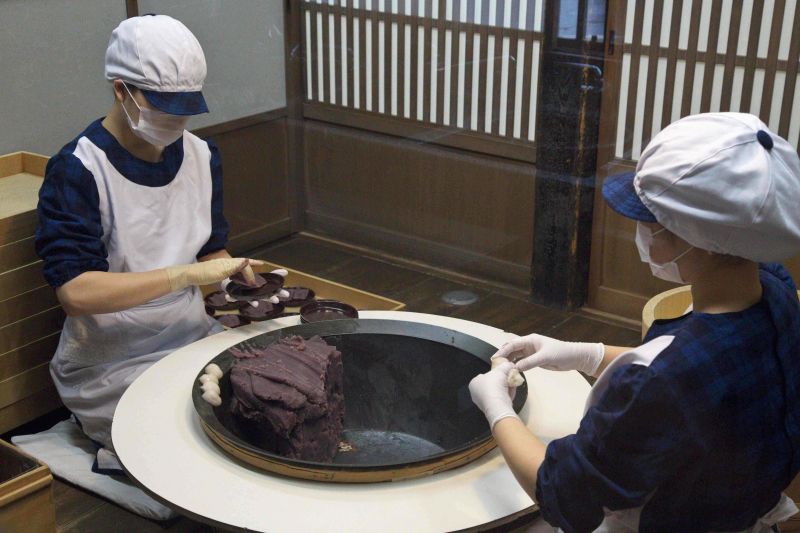
First of all is a celebrated delicacy of Ise, Akafuku mochi, from the shop Akafuku. The soft rice cakes topped with silky smooth bean paste are shaped to resemble the ripples of the Isuzu River, which flows through the sacred grounds of Ise Jingu.
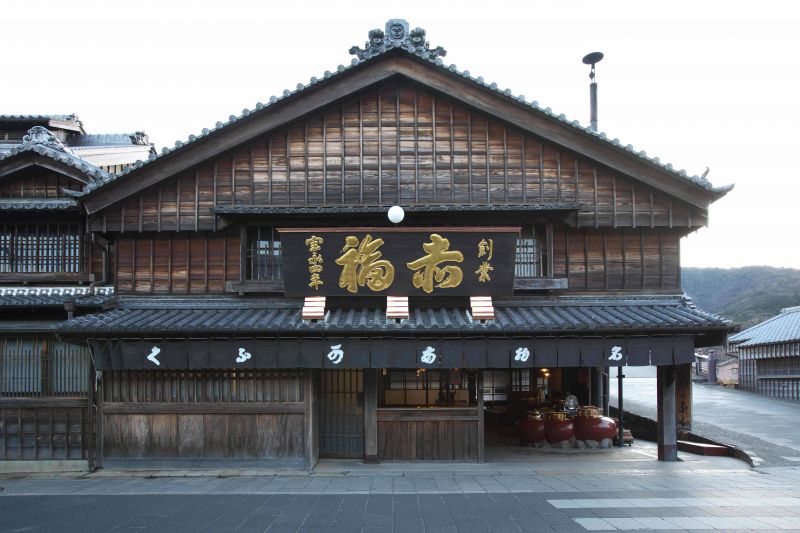
The main store in Okage Yokocho is more than 140 years old, and we can still enjoy freshly made Akafuku mochi and hojicha roasted green tea with a view of Isuzu River.
https://www.akafuku.co.jp/
If the timing is right, taste the special mochi from Akafuku sold only on the first of each month.
Iwato mochi
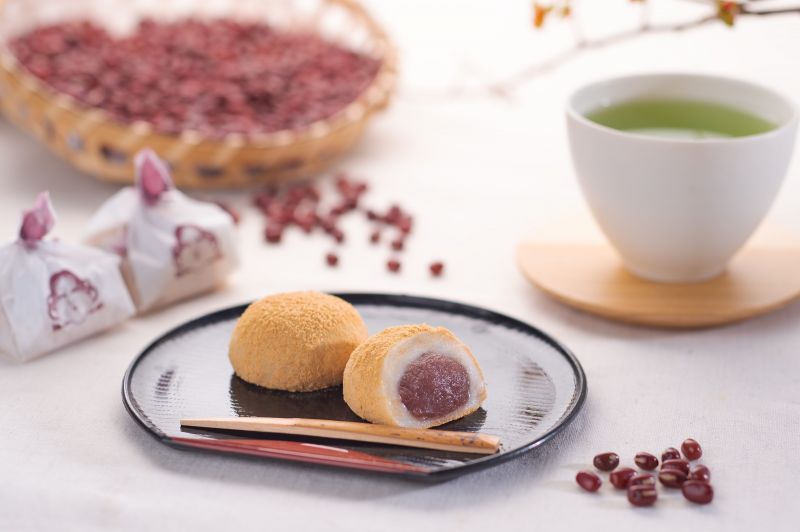
Iwato mochi made by the famous confectioner Iwatoya has been certified as an official Ise brand. This mochi is inspired by a tale in Japanese mythology that relates how the goddess Ame no Uzume, the deity of the performing arts, led the goddess Amaterasu, the deity enshrined at Ise Jingu, out of her hiding spot inside the “heavenly rock cave” Ama-no-Iwato. Wrapped with sweet red bean paste and surrounded by a thin layer of soybean flour, these soft rice cakes with a light, mild flavor are small and easy to eat.
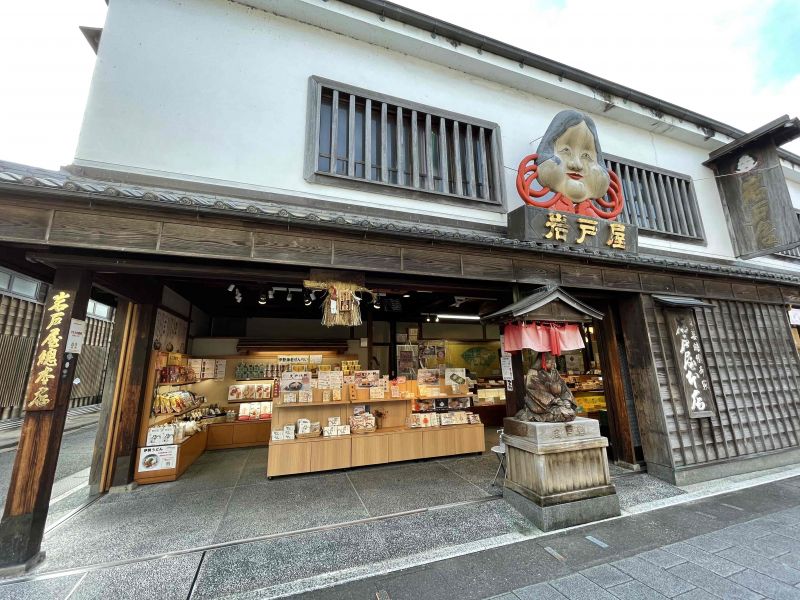
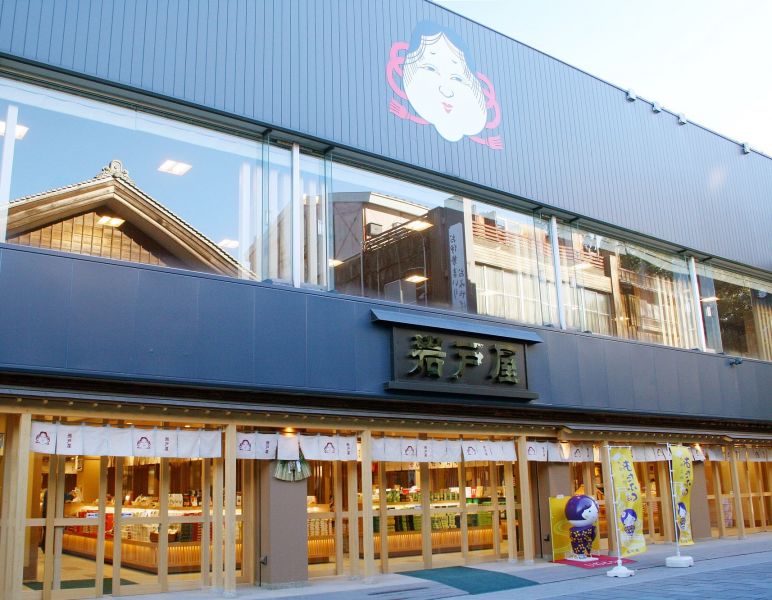
They last for about one week in winter, so they are suitable as a nice souvenir*. Iwatoya has two stores, the main one and a branch across the street in Oharai-machi, easily found by the Otafuku sign.
*In summer (early July to mid-September), the mochi lasts for five days from the date of manufacture.
Taiko Shusse mochi
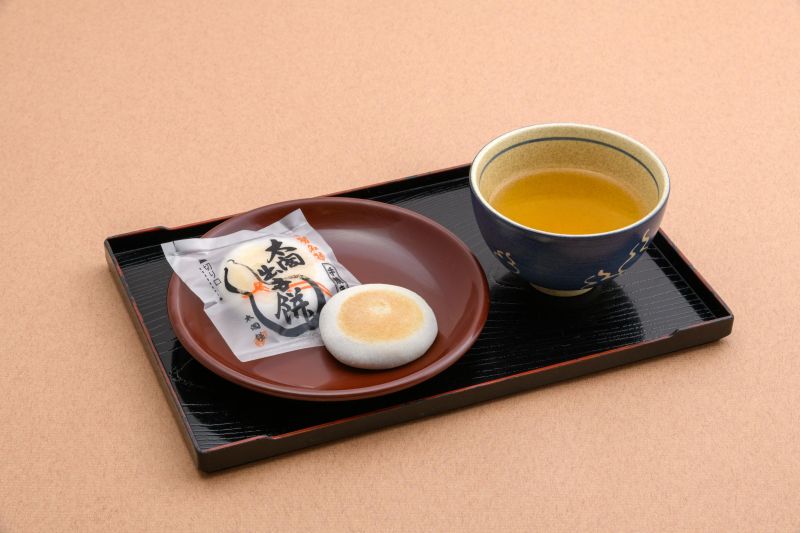
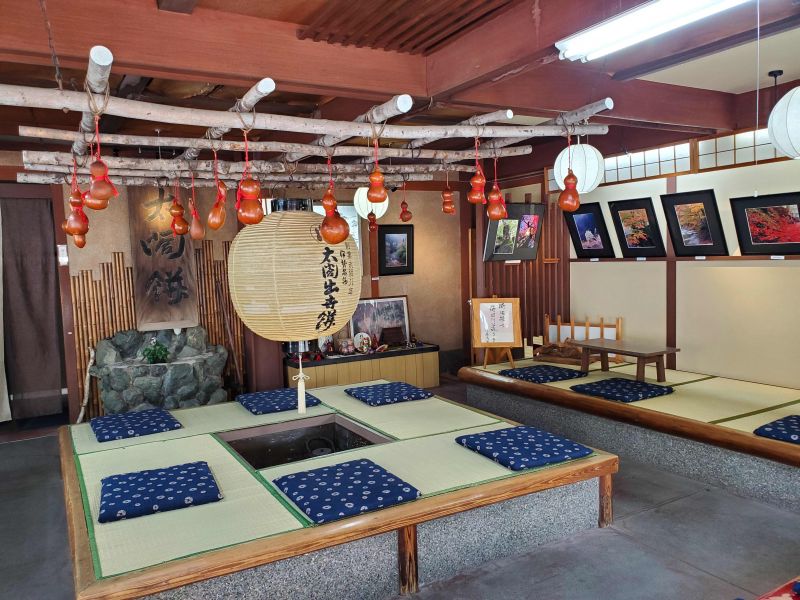
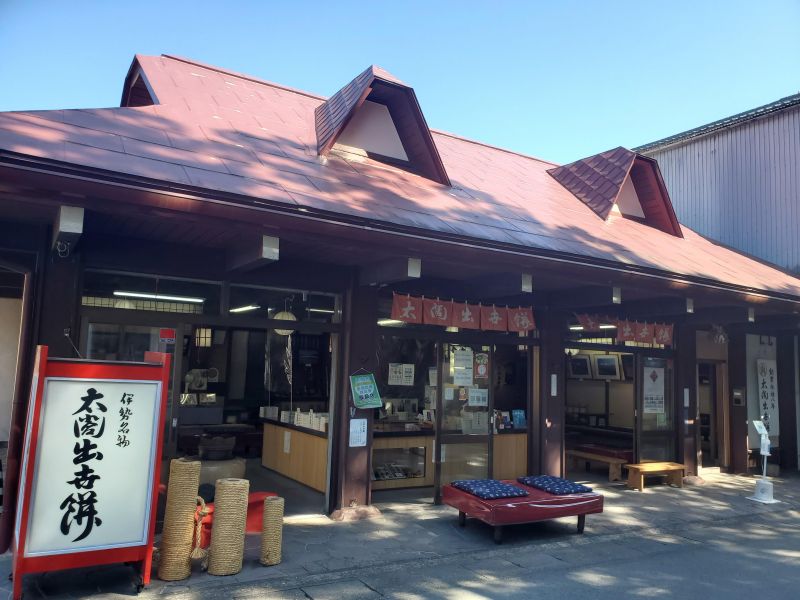
Taiko Shusse mochi is a famous confection served at the Taiko Mochi Main Store, just a 1-minute walk from Ujibashi Bridge, the entrance to Naiku of Ise Jingu. In legend, this mochi was a favorite of Toyotomi Hideyoshi, the leader who successfully unified Japan in the late 16th century. Thus, it was named Taiko Shusse Mochi, “Taiko” being one of Hideyoshi’s last titles and “Shusse” meaning advancement to honor his rise from a farmer to a national leader. The elegantly sweet bean paste is wrapped in mochi and carefully baked under expert supervision. Enjoy the atmosphere of the old-fashioned teahouse at the main store.
https://taikou-mochi.com/
Kamiyo mochi
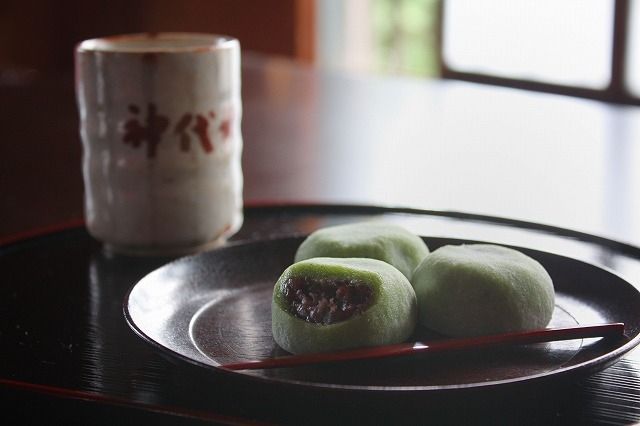
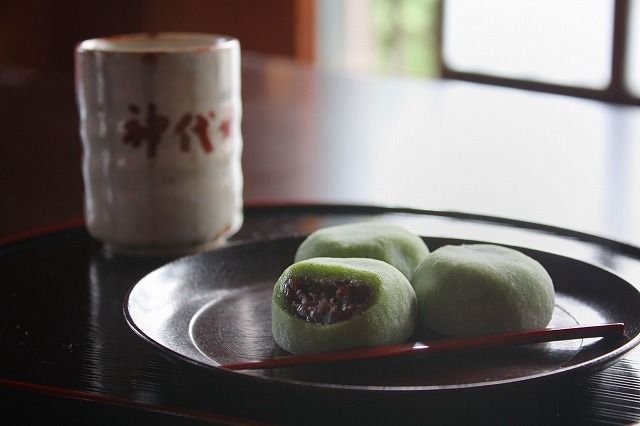
Our last stop on the Mochi Kaido is Senokuniya in front of Ujibashi Bridge. Senokuniya’s specialty, Kamiyo mochi, has red bean paste tucked inside mochi made with the herb yomogi, which gives it a distinctly refreshing fragrance. It is believed that the goddess Amaterasu liked yomogi, and yomogi is supposed to bring health benefits. For the pilgrims of old who finally arrived at Ise Jingu, this aroma and mild sweetness must have seemed like a gift from the deities.
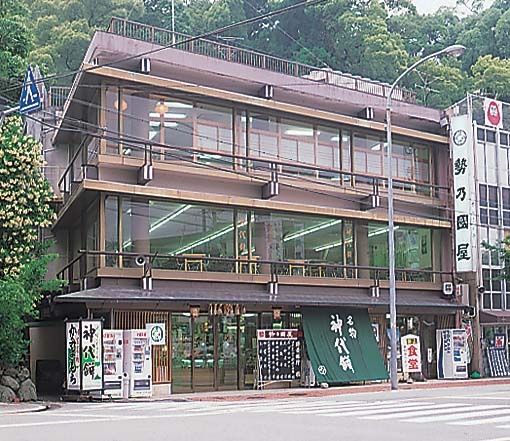
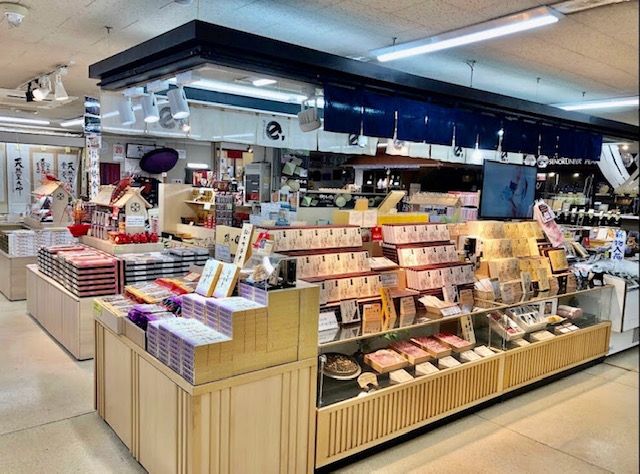
Senokuniya is an ideal place to stop by after visiting Ise Jingu since the spacious store contains a souvenir shop and a restaurant as well. At just about a 2-minute walk away, the Sabo Tasukean teahouse is a serene spot to relax with a set that comes with Kamiyo mochi, and your choice of matcha green tea or coffee.
https://www.senokuniya.co.jp/
Well, was your visit to Ise Jingu a success? This brings our long Oise mairi journey along the Mochi Kaido to an end. By the time you get home, you will have a lot of sweet memories and mochi souvenirs.
Related Articles
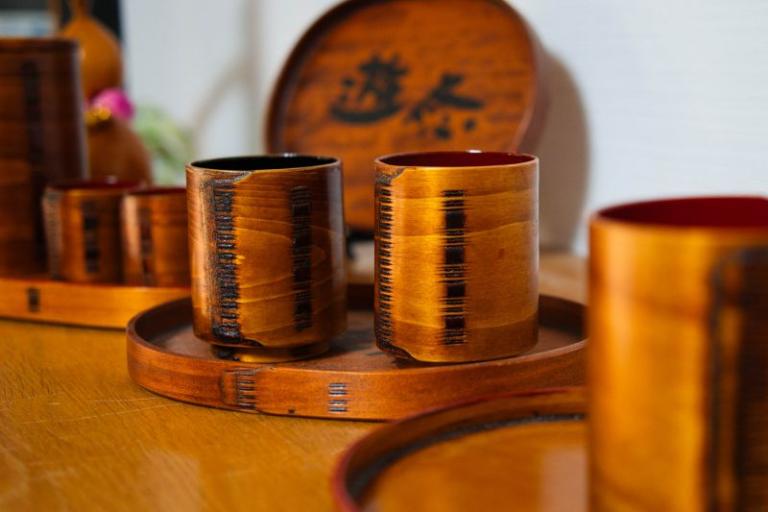
OWASE WAPPA: Nature’s Gift Shaped into Tableware Art
Walk the Mochi Kaido Road Like Ancient Travelers for a Taste of Mie’s Confectionery Culture, Part 1
Mie’s Top Five Spots for Winter Fun
Flavors of Mie: Unveiling the Delights of Matsusaka Beef